
I remember sitting in the cab of the tractor back in ’01, watching the dust settle and feeling that cold, hollow knot in my gut when the first signs showed up. Most of the glossy brochures and government pamphlets will try to tell you that how notifiable diseases are handled is all about following a neat, tidy checklist of bureaucratic steps and paperwork. They make it sound like a clinical exercise in filing forms. But they don’t tell you about the sheer panic of seeing a vet’s van pull up the track, or the way your stomach drops when you realize a single sick animal could mean a total cull and a frozen bank account.
I’m not here to recite the official handbook to you; you can find that on a government website if you’ve got the patience for it. What I want to do is walk you through the reality of what happens when the inspectors actually arrive and how you keep your head when the pressure is on. I’ll tell you exactly what the process looks like on the ground, where the hidden costs actually lie, and how to manage the fallout so you aren’t left staring at an empty farm and a mountain of debt.
Table of Contents
Understanding How Notifiable Diseases Are Handled

Now, when the government talks about mandatory disease reporting requirements, they make it sound like a bit of paperwork you tick off between tea and lunch. It isn’t. The moment you spot something that doesn’t sit right—a sudden drop in condition or a cluster of symptoms that look too much like the real thing—the clock starts ticking. You aren’t just filling out a form; you are triggering a chain of events that brings the inspectors, the vets, and a lot of very serious people onto your land.
Once that call is made, they move straight into their epidemiological investigation procedures. This is where it gets intrusive. They’ll want to see your movement books, your pens, and likely every scrap of paper you’ve kept on your stock. They aren’t just looking at the sick animal; they are looking at the entire system to see how far the rot has spread. It’s a clinical, methodical process designed to map out the spread, and while it feels like they’re poking around in your business, their goal is to stop one bad animal from turning your whole year into a write-off.
Key Things to Know
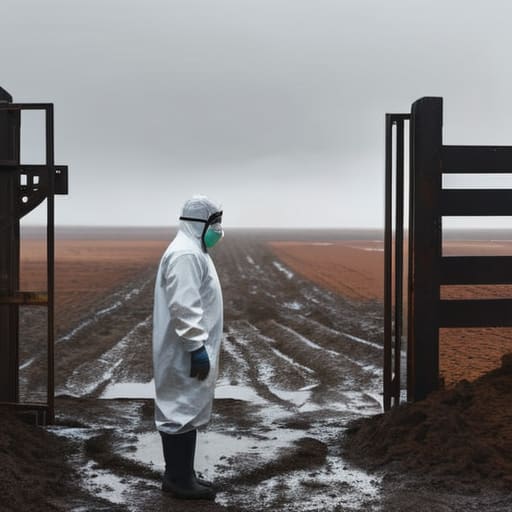
First, you need to understand that these aren’t just bureaucratic hoops to jump through; they are part of the mandatory disease reporting requirements that keep the whole industry from collapsing. When a vet calls it, the clock starts ticking. It isn’t just about a bit of paperwork on your kitchen table; it’s about the fact that once that word is out, the authorities move in with a level of scrutiny that can make your skin crawl. They aren’t there to help you sort your gates; they are there to trigger epidemiological investigation procedures to see exactly how far the rot has spread.
Second, don’t mistake their arrival for a helpful advisory service. They are implementing outbreak management protocols designed to protect the wider food chain, often at the direct expense of your immediate peace of mind. While they’re busy running their public health surveillance systems to satisfy the folks in the city, you’re the one left staring at a closed gate and a mounting pile of bills. You have to realize that their priority is containment, not your bottom line, and if you don’t learn to work within their rules quickly, you’ll be the one paying the price.
Practical Tips and Steps
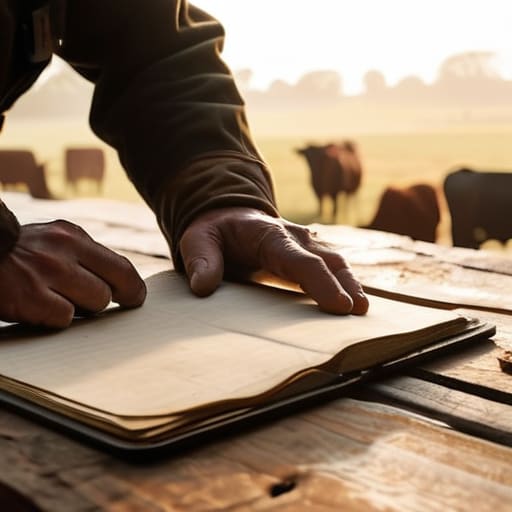
First thing you do is get your paperwork in order before the chaos starts. I don’t mean your tax returns, though those are a headache in their own right; I mean your movement records and identification tags. When the inspectors arrive to begin their epidemiological investigation procedures, the last thing you want is to be fumbling through a muddy notebook trying to remember which heifer went to which neighbor three weeks ago. If your records are a mess, they won’t just be looking at the sick animal; they’ll be looking at your entire operation, and that’s when the real stress begins.
Second, you need to have a plan for isolation that doesn’t involve just throwing a gate shut and hoping for the best. Effective infectious disease containment strategies aren’t about fancy technology; they are about keeping the healthy stock far away from the suspected ones and making sure your boots and gear don’t become a walking vector. If you wait until the vet is on the phone to figure out where to move the rest of the herd, you’ve already lost the battle. You have to act on instinct and preparation, not on panic once the officials are standing in your yard.
Common Mistakes to Avoid
The biggest mistake I see is the hesitation—that split second where you think, “Maybe it’s just a bad run of luck,” or “I’ll check the temperature again in the morning.” By the time you decide it’s a problem, the inspector is already in the yard and your neighbors are looking at you sideways. You have to respect the mandatory disease reporting requirements not because you love paperwork, but because silence is the most expensive thing on this farm. If you try to play doctor yourself to save face, you aren’t just risking a fine; you’re risking the entire local area’s ability to trade.
Another blunder is thinking you can manage an outbreak with a bit of quick thinking and some disinfectant. People underestimate the scale of the epidemiological investigation procedures that follow a report. If you haven’t kept your movement logs tight and your gates secure, you’ll find yourself caught in a web of questions you can’t answer. Don’t treat a potential outbreak like a minor nuisance; treat it like a fire in the hay shed. If you aren’t proactive, you’re just waiting to lose your margin.
Final Thoughts
At the end of the day, you can read all the manuals you like, but a disease outbreak doesn’t care about your schedule or your calving intentions. It only cares about how fast you move. I’ve seen enough to know that the bureaucracy—the mandatory disease reporting requirements and the endless paperwork—is a bitter pill to swallow when you’re already staring at a sick animal. But you have to view it as a necessary evil. If you try to play hero and hide a symptom to save a sale, you aren’t just risking your own livelihood; you’re risking the entire valley.
Don’t get bogged down in the technicalities of epidemiological investigation procedures while the fire is burning. Your job isn’t to be a scientist; your job is to be the first line of defense. Follow the rules, get the vet on the phone, and keep your head. If you manage the situation with a bit of honesty and a lot of speed, you might still come out the other side with your farm intact. If not, you’ll be learning the hard way that the cost of silence is always higher than the cost of a report.
Five things that actually matter when the inspectors are at the gate
- Don’t play the hero with a sick animal. If you see something that doesn’t look right—a cough that won’t quit or a sudden drop in condition—call the vet immediately. Trying to “wait and see” if it clears up on its own is the fastest way to turn a single animal problem into a farm-wide catastrophe that’ll have the whole district under lockdown.
- Keep your paperwork tighter than your fences. When the authorities come knocking, they aren’t interested in your intentions; they want the paper trail. If your movement records or medicine logs are a mess, they’ll treat you like a suspect rather than a producer, and that makes every inspection twice as long and ten times as expensive.
- Know your boundaries and your neighbors. Notifiable disease doesn’t respect a fence line. If you’ve got a movement coming in or an animal showing symptoms, make sure you know exactly who is next door and what their biosecurity looks like. A lapse in your yard is a direct threat to theirs, and a legal battle with a neighbor over a lost herd is a debt you’ll never quite clear.
- Stop treating biosecurity like a suggestion. It’s easy to get lazy with boot baths or shared equipment when the sun is out and the work is piling up, but that’s exactly when the pathogens move. If you wouldn’t walk into a clean calving shed with boots covered in muck from the bottom field, don’t do it. It’s a small habit that saves a massive amount of grief.
- Watch the cash flow, not just the cattle. A notifiable disease outbreak isn’t just a veterinary issue; it’s a financial one. You need to know exactly what your contingency looks like for a sudden cull or a movement ban. If your entire year’s profit is tied up in a single herd that could be quarantined tomorrow, you aren’t farming; you’re gambling.
The bottom line
Don’t treat a report like a paperwork exercise; treat it like a fire drill. If you spot something off and try to “wait and see” if it clears up, you aren’t being cautious, you’re gambling with the entire farm’s ability to move stock.
The inspectors aren’t your enemy, but your lack of records is. Having your movements and treatments written down clearly doesn’t just satisfy the law; it keeps the chaos to a minimum so you can get back to the actual work.
Remember that a disease outbreak is a cash flow crisis disguised as a biological one. The cost isn’t just the vet bill or the dead animal—it’s the months of closed gates and the market prices you can’t touch while you’re under lockdown.
The Bottom Line
At the end of the day, managing notifiable diseases isn’t about ticking boxes for a government inspector or memorizing a handbook; it’s about protecting the integrity of your entire operation. You can have the best genetics in the county and the finest grass underfoot, but one misstep in reporting or a moment of hesitation when a symptom appears can wipe out years of hard work. It comes down to the basics we’ve discussed: knowing your stock, keeping your records tight, and having the backbone to call the vet the second something feels off. If you treat the protocol like a burden rather than a shield, you’re essentially leaving your gate unlocked in a storm.
Farming is a game of margins, and while the bureaucracy of disease control feels like a headache, it is the only thing standing between a manageable setback and a total wipeout. I’ve seen good farms stumble because they tried to be too clever or too quiet when things went wrong. Don’t be that person. Focus on your animal health, watch your cash flow, and remember that transparency is cheaper than a quarantine. You can build a legacy that lasts generations, but you have to be willing to play by the rules of the land, even when the rules feel like they were written by someone who’s never stepped in a muck heap.
Frequently Asked Questions
If I report a suspected case and it turns out to be nothing, am I going to be stuck with a massive bill for the inspectors and the loss of my movement licenses?
Look, I’ve sat in that same spot, heart in my mouth, wondering if I’ve just signed my own death warrant. Here’s the truth: if you report a suspicion and it turns out to be nothing, you aren’t footing the bill for the inspector’s petrol or their time. The government eats that cost. As for your movement licenses, if there’s no disease, there’s no reason to hold them. Better a temporary headache than a permanent catastrophe.
Once the vet makes the call, how long does it actually take for the whole farm to be locked down, and how do I feed the rest of the herd if I can't move anything in or out?
The clock starts ticking the second the vet picks up the phone. You’re looking at a lockdown within hours, not days. Once the inspectors arrive, that gate stays shut. As for feed, if you haven’t got a decent buffer of silage or hay in the barn, you’re in trouble. You can’t just call a merchant and have a lorry roll in. You have to plan your winter stores around the reality that you might be stuck with what’s already in the shed.
What happens to the compensation money—is it enough to actually cover the loss of the animal and the hit to my cash flow, or is it just a drop in the bucket?
Let’s be blunt: compensation is rarely a windfall. It’s meant to cover the market value of the animal, but it rarely accounts for the hole it leaves in your cash flow. It won’t replace the calf crop you lost or the months of labor you spent trying to fix a problem that wasn’t yours. It pays for the carcass, not the catastrophe. If you’re counting on that check to keep the lights on, you’re already in trouble.
