
I’ve spent half my life listening to consultants in clean wellies try to sell me “integrated labor management systems” and fancy digital planners that promise to revolutionize the farm. It’s all nonsense. They talk about efficiency like it’s something you can download onto a tablet, but they’ve never stood in a freezing calving shed at three in the morning with a leaking roof and a broken gate. If you’re looking for a way to automate your life into a spreadsheet, you’re in the wrong place; figuring out how to manage seasonal workload isn’t about software, it’s about predicting the chaos before the grass starts growing.
I’m not here to give you a lecture or a sales pitch for a piece of kit that’ll be gathering dust in the shed by November. I’m going to tell you what actually works when the weather turns and the sheep are ready to move. We’ll talk about the real math of labor—where you’re actually losing time and, more importantly, where you’re bleeding cash because you didn’t plan for the inevitable. I’ve made enough expensive mistakes to know that if you don’t respect the seasons, they’ll certainly disrespect your bank balance.
Table of Contents
Understanding How to Manage Seasonal Workload
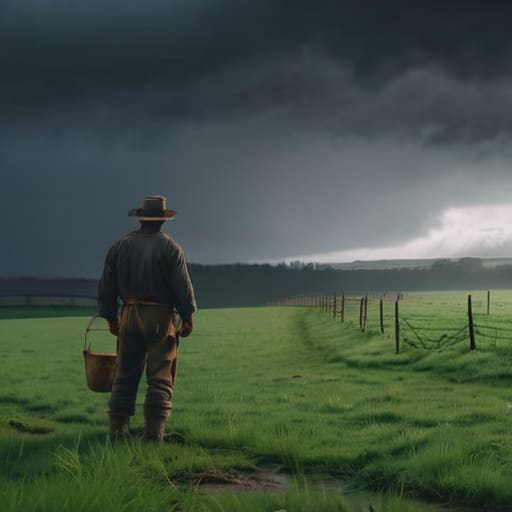
Now, before you start looking at spreadsheets or hiring a dozen lads from the city, you have to look at the calendar and the ground. You can’t manage a workload if you don’t know when the pressure is actually going to hit. For me, it’s never just about the tasks; it’s about the timing of the weather hitting the grass and the calving cycle. If you try to apply the same resource allocation planning to a quiet February as you do to a wet April, you’re going to find yourself either paying people to stand around or, more likely, drowning in work you can’t finish.
The real trick isn’t just working harder when the season turns; it’s about managing peak business periods by getting the “unseen” work out of the way during the lull. I spent years thinking I could just power through the lambing rush on caffeine and grit, only to realize I’d neglected the maintenance that actually keeps the farm moving. You need to treat your downtime as a preparation phase. If you haven’t sorted your gear and your feed before the rush starts, you aren’t managing a farm—you’re just reacting to a crisis.
Key Things to Know
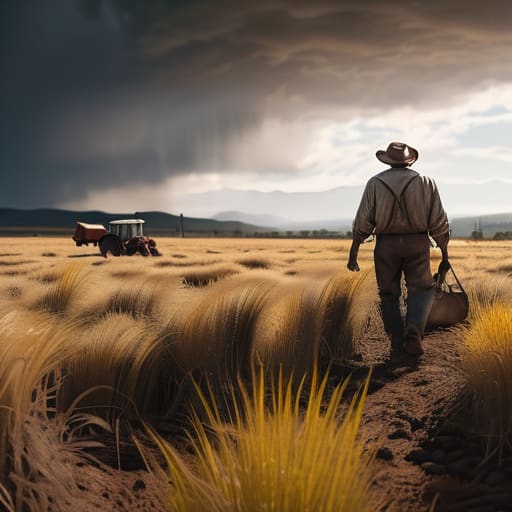
First off, forget the fancy spreadsheets they sell you in the city. Real resource allocation planning isn’t about a digital dashboard; it’s about knowing exactly how many hours of daylight you have left before the rain hits and whether your tractor’s going to hold together long enough to use it. You have to look at your calendar through the lens of the weather and the biology of the animals. If you’re planning for a lambing season based on a “best-case scenario” without accounting for a wet April, you aren’t planning—you’re dreaming.
The second thing is the people. Whether it’s family or hired hands, seasonal staffing solutions often fall apart because people aren’t treated like part of the system, they’re treated like extra hands. I’ve seen too many lads burn out by mid-June because they were run ragged without a clear sense of what needed doing and what could wait. You need a rhythm. If you don’t have a way to balance the heavy lifting with the quiet moments of maintenance, you’ll find yourself chasing your own tail just to keep the gates shut, and that’s when the expensive mistakes start happening.
Practical Tips and Steps

First, stop looking at your calendar as a single block of time and start looking at it as a series of waypoints. You can’t just wing it when lambing or calving hits; you need a proper bit of resource allocation planning before the weather turns. I learned the hard way that if you haven’t mapped out exactly which gates need fixing and which troughs need cleaning before the animals arrive, you’ll spend your peak weeks chasing shadows instead of actually working. Get your kit ready in February, not the morning you realize you’ve run out of disinfectant.
Second, don’t go thinking you can do it all yourself just to prove a point. I’ve seen too many young lads burn themselves out trying to be the hero, only to end up making a mistake that costs them a heifer or a broken fence. If you’re looking at seasonal staffing solutions, don’t just hire a pair of hands; hire someone who knows how to hold a sheep without it kicking the life out of them. It’s cheaper to pay a bit more for competence than it is to pay for the mistakes a novice makes when they’re tired and the rain is coming down sideways.
Common Mistakes to Avoid
The biggest mistake I see—and I’ve made it myself more times than I care to admit—is thinking you can outwork a bad plan with sheer grit. You can’t. People tend to treat resource allocation planning as something you do when you have a spare moment, but on a livestock farm, those moments don’t exist once the lambing or calving starts. If you haven’t mapped out who is doing what and where the machinery is sitting before the rush hits, you aren’t managing; you’re just reacting. And reacting is expensive.
Another trap is the “hero complex,” where you think you’re the only one capable of doing the job right. I used to think that way, too. But trying to shoulder everything yourself is a guaranteed way of preventing burnout during busy seasons by actually ensuring it happens. If you don’t invest in proper seasonal staffing solutions or at least train your hands to handle the basics, you’ll spend your peak period fixing mistakes rather than moving the herd. It’s better to pay a bit more for a reliable pair of hands now than to lose a week of work because you’ve collapsed or broken a piece of kit through sheer exhaustion.
Final Thoughts
At the end of the day, you can have the best resource allocation planning on paper, but it won’t mean a thing if you haven’t accounted for the fact that a broken gate or a sudden bout of scours doesn’t care about your spreadsheet. I’ve spent forty years watching men try to outrun the calendar, thinking they could sheer, lamb, and harvest all in one breath without any help. They usually end up broken, either in body or in the bank.
If you’re looking for a silver bullet, you won’t find it here. Success in this business isn’t about working more hours; it’s about protecting your margins by knowing when to step back and when to bring in the extra hands. Don’t view seasonal staffing solutions as an expense to be trimmed—view them as an insurance policy for your sanity. If you don’t find a way to balance the load, you’ll find yourself staring at a pile of paperwork in November, wondering where the year went and why the cash flow is thinner than the grass in a drought. Focus on the fundamentals of the farm, and the rest will follow.
Five ways to stop the season from running you ragged
- Stop treating your calendar like a suggestion. If you don’t map out your lambing, calving, and haymaking weeks against the actual weather forecast—not the one on the news, but the one you see in the clouds—you’ll be making decisions at 2:00 AM when you’re too tired to think straight.
- Don’t wait for the crisis to find your help. If you’re looking for a seasonal hand when the grass is already six inches high and the weather has turned, you aren’t hiring a worker; you’re hiring a liability. Get your people sorted and their boots on the ground while the sun is still out.
- Keep your kit working, not just your hands. There is nothing that eats a margin faster than a broken tractor or a faulty gate during a busy week. If it hasn’t been serviced in the quiet months, it’s a ticking time bomb that will cost you three times its weight in lost time when it inevitably fails.
- Learn to say no to the “good ideas” that arrive in February. Every salesman or neighbor with a fancy new system will try to sell you a way to “optimize” your workflow right when you’re at your busiest. Unless it keeps the animals fed and the gates shut, ignore it until the season is over.
- Watch your eyes, not just your clock. When the workload peaks, that’s exactly when people start taking shortcuts with safety or animal handling. A single injury—to you or a heifer—will shut your whole operation down far longer than any scheduled rest would have.
The Bottom Line
If you haven’t planned your labour by the time the first flush of grass hits, you’re already behind and paying for it in mistakes.
Stop chasing the latest shiny piece of kit to solve a workload problem; usually, it’s just more money sitting idle in the shed while your cash flow suffers.
Watch the feet and the grass—if you lose track of the animals’ health or the ground’s condition because you’re too busy rushing, the margins will vanish before you’ve even seen the check.
The Bottom Line
At the end of the day, managing your workload isn’t about finding some magic new piece of software or hiring a consultant to tell you how to move a sheep. It comes down to the basics: knowing your ground, watching your weather, and making sure your cash flow isn’t being swallowed up by poor planning or last-minute fixes. If you’ve sorted your help before the grass gets long and you’ve kept a sharp eye on the maintenance of your kit, you’ve already won half the battle. It’s about being proactive rather than reactive, because once the season hits its stride, the margin for error disappears along with your free time.
I’ve spent forty years watching men break themselves trying to outrun the seasons, and I can tell you, the seasons always win. You can’t fight the calendar, but you can certainly stop fighting yourself. Build a system that respects the reality of the work, and remember that a farm is a marathon, not a sprint. If you manage your time and your people with the same discipline you use to manage your breeding lines, you’ll find you can actually enjoy the profit instead of just surviving the stress. Keep your head up, your books straight, and your eyes on the horizon.
Frequently Asked Questions
When does the actual "workload" start—is it when the calendar says so, or should I be looking at the weather forecast and the grass growth first?
If you’re waiting for the calendar to tell you when to start working, you’ve already lost the race. The calendar doesn’t care if the ground is frozen or if the rain hasn’t let up for three weeks. The workload starts when the grass starts moving and the weather turns. You look at the soil, you look at the sky, and you look at your stock. If the grass is coming and your hands aren’t ready, your cash flow will suffer for it.
How do I decide if hiring a seasonal hand is actually going to pay for itself, or if I'm just throwing cash at a problem I could solve with better timing?
You have to look at the math, not the mood. If you’re working twenty-hour days just to keep your head above water, you aren’t managing; you’re reacting. Calculate what your time is worth—not in ego, but in what you could be doing, like fixing that broken fence or sorting the breeding records. If a hand costs you £12 an hour but saves you from a £500 mistake or a missed opportunity, they’ve paid for themselves. But if you’re just hiring someone to stand around while you wait for the rain to stop, you’re just burning cash.
If I'm handing the day-to-day over to the next generation, how much of the "thinking" work do I actually need to let go of without the whole system falling apart?
You let go of the chores, but you don’t let go of the margins. If you hand over the decision-making on when to sell or which ewe to cull before they understand the cash flow, you’re just watching your inheritance evaporate. Let them handle the gates and the feeding, but keep your hand on the records. They need to learn how the grass turns into profit, or they’ll be working hard just to go broke.
