If you pick up any modern brochure or search online, you’ll find a “complete guide to starting with livestock” that spends half its time talking about fancy automated feeders and the other half about high-tech genetic mapping. It’s enough to make you sick. Most of those guides are written by people who have never had to stand in a freezing field at four in the morning, wondering why a heifer is looking thin despite a full belly. They want to sell you a dream of streamlined efficiency, but they conveniently forget to mention that nature doesn’t care about your spreadsheets. They’ll tell you what to buy, but they rarely tell you what you’ll actually lose when the weather turns or a batch of calves comes in weak.
I’m not here to sell you a shiny new system or a subscription to a management app. What I’m going to give you is the truth about the margins, the mistakes, and the hard numbers that actually keep a farm solvent. I’ll walk you through the real pillars of this life: managing your grass, protecting your animals’ feet, and guarding your cash flow like your life depends on it. If you want to know which bits of kit will end up rusting in the shed and which lessons will actually save your skin, you’re in the right place.
Table of Contents
Understanding Complete Guide to Starting With Livestock
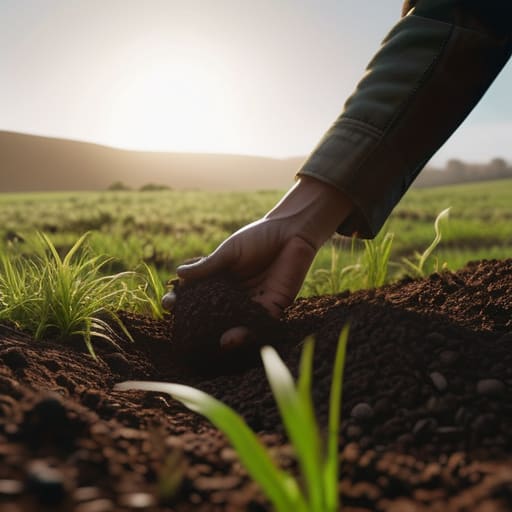
Before you go out and buy a single animal, you need to stop looking at the glossy brochures and start looking at your soil. Most people think they can just pick a breed because it looks good in a catalogue, but choosing the right livestock for your land is a matter of matching what you have to what the animal needs. If you’ve got heavy, wet clay and you try to run a high-output sheep flock on it, you won’t have a flock by November; you’ll have a field of mud and a lot of very expensive, very sick animals. You have to know your acreage, your drainage, and your rainfall before you even think about a delivery truck showing up at your gate.
Then there is the physical reality of keeping them contained. You can talk all you want about animal husbandry basics, but if your livestock fencing requirements aren’t sorted to the inch, you’re just subsidising the neighbours’ grass. I’ve seen plenty of young lads spend their entire startup budget on the animals themselves, only to realize they can’t actually keep them in the field they bought them for. It’s a mistake that costs more than a bad year of prices ever could.
Key Things to Know
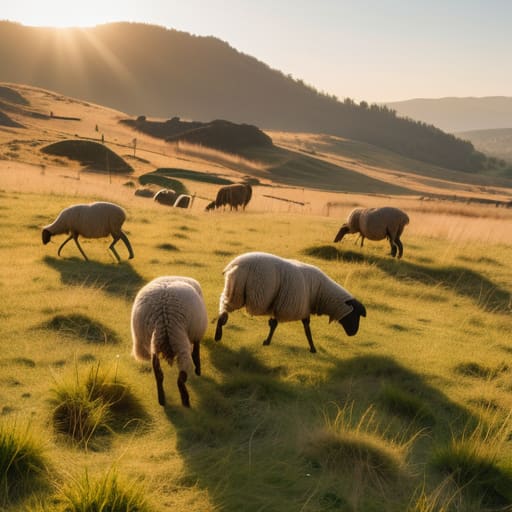
First thing you need to understand is that your land dictates your bank balance, not the other way around. You’ll see people on the internet talking about fancy breeds or high-yield genetics, but if you’re trying to run a heavy beef breed on thin, wet ground, you’re just subsidizing the vet’s new car. Choosing the right livestock for your land is the only way to ensure you aren’t working for the animals. I’ve seen too many lads buy a dream breed only to realize six months later that the ground can’t support the weight or the forage isn’t there to keep them in condition.
Then there’s the matter of what happens when things go wrong. Most beginners focus on the glamour of the sale ring, but they completely overlook the gritty reality of animal husbandry basics. If you haven’t budgeted for the inevitable—the sudden bout of foot rot or a broken fence line in a February gale—you aren’t farming; you’re gambling. You need to know your livestock fencing requirements before you even think about buying your first heifer, because a single night of a predator or a wanderer through the neighbor’s wheat can wipe out your entire year’s margin.
Practical Tips and Steps
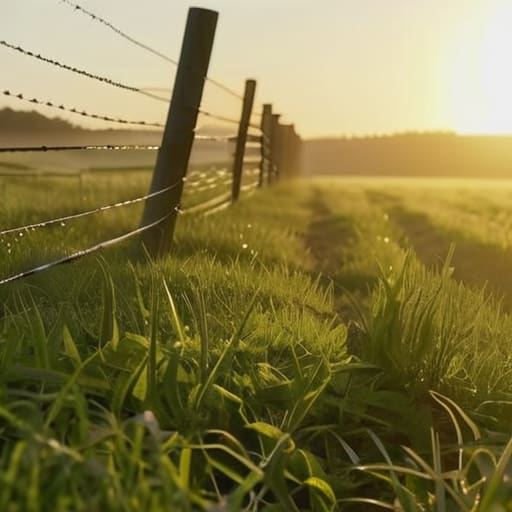
Before you go out and buy a single head of stock, you need to look at your boundaries. I’ve seen enough men lose a heifer to a gap in a hedge or a rotten post to know that livestock fencing requirements aren’t just a line item in a budget; they are your first line of defence against losing money. If your perimeter isn’t tight, you aren’t farming; you’re just subsidising your neighbour’s grazing. Get the wire right and get the gates hung straight before you even think about the animals.
Once the fences are up, stop looking at breed catalogues and start looking at your soil. Choosing the right livestock for your land is a matter of matching what you can grow to what you can afford to feed. If you’ve got heavy, wet clay and you try to run a high-input breed that needs constant supplementation, you’ll be bankrupt before the first weaning season. You have to work with the ground you’ve got, not the ground you wish you had in a glossy brochure.
Common Mistakes to Avoid
The biggest mistake I see is people falling in love with a breed before they’ve even looked at their soil profile. You can buy the finest pedigree Charolais in the country, but if your ground is heavy clay and stays wet until June, you aren’t running a beef enterprise; you’re running a mud bath for expensive mistakes. Don’t go picking animals based on a glossy catalogue. You need to focus on choosing the right livestock for your land—the kind that can actually thrive on what you’ve got, rather than what you wish you had.
Then there’s the equipment trap. I’ve seen enough lads spend their entire startup capital on a brand-new tractor or a fancy feeder, only to realize they haven’t budgeted a penny for proper livestock fencing requirements. If your perimeter is rubbish, your stock will be in the neighbor’s wheat or stuck in a ditch before the first month is out. It’s always the basics that bite you. You can have the best intentions regarding animal husbandry, but if you haven’t secured the perimeter and managed your grass, you’re just subsidizing your own failure.
Final Thoughts
Look, if you’ve made it this far, you’ve likely realised that this isn’t some polished brochure about the “romance of the countryside.” It’s a business of margins, and those margins are often thinner than the grass in a drought year. My advice is simple: don’t go out and buy the fanciest tractor or the most expensive pedigree stock before you’ve mastered the absolute animal husbandry basics. If you can’t manage a simple feeding schedule or keep your feet dry, you won’t be able to manage a herd.
At the end of the day, success isn’t found in a shiny new piece of kit that’ll be rusting in the shed by Christmas. It’s found in the quiet, unglamorous work—checking your livestock fencing requirements after a storm, watching the weather, and knowing exactly how much every head of cattle is costing you every single morning. Don’t try to be everything to everyone. Focus on choosing the right livestock for your land and the specific ground you actually have, rather than the land you wish you owned. Keep your head down, watch your cash flow, and for heaven’s sake, watch the grass.
Five things they won't tell you in the sales brochures
- Don’t buy a single animal until you’ve spent a full season watching your ground. I’ve seen lads buy a top-tier pedigree heifer only to find out six months later that the bottom field turns into a bog every time the clouds break, and suddenly that expensive cow is a walking liability.
- Stop looking at the price of the animal and start looking at the cost of the feed and the vet bill. A cheap sheep that’s prone to foot rot or poor parasite resistance will cost you three times its purchase price in lost weight and wasted time before you’ve even reached weaning.
- Your cash flow is more important than your herd numbers. It’s easy to feel like a “proper farmer” when you’ve got fifty head in the field, but if all your money is tied up in livestock and you haven’t got the liquidity to fix a broken fence or pay a sudden vet bill, you’re just one bad week away from trouble.
- Invest in good handling facilities before you invest in fancy machinery. You can buy the most expensive tractor in the county, but if your crush is wonky and your gates don’t latch, you’ll spend your life bruised, frustrated, and losing animals to injury.
- Learn to read your grass, not your spreadsheets. You can have the best breeding program in the district, but if you don’t understand how to manage your grazing rotation and when to shut a field off, you’ll be out of business before the first frost hits.
The Bottom Line
Forget the fancy machinery catalogues; if you haven’t mastered your grass management and understood exactly how much a single head of livestock costs to feed through a dry spell, you’re just subsidising your own bankruptcy.
Watch the feet, not just the feed; a disease outbreak is a crisis, but chronic lameness is a slow leak in your bank account that most people are too busy looking the other way to notice.
Don’t mistake “busy” for “profitable”—buying the latest kit won’t fix a broken cash flow, and half the time, that expensive new piece of gear will end up as a very costly perch for the birds in the back of the shed.
The Long View from the Gate
At the end of the day, if you’ve listened to anything I’ve said, it’s that a farm isn’t a spreadsheet and it isn’t a showroom of shiny new tractors. It’s a delicate balance of making sure the grass is growing when the animals need it, the feet are sound enough to keep them moving, and the bank account isn’t bleeding out because you bought into a trend that didn’t suit your ground. You can have the best pedigree genetics in the county, but if you haven’t mastered your cash flow management and understood the specific quirks of your own soil and rainfall, those animals are just expensive mouths to feed. Don’t get distracted by the marketing; stick to the fundamentals of what actually keeps a beast profitable from weaning to sale.
Starting out is a heavy lift, and there will be mornings when the weather is foul and the margins look thinner than a worn-out hoof. But there is a particular kind of satisfaction that comes from seeing a well-managed flock thrive on ground you’ve learned to read properly. It’s a hard life, and it’s a constant education that no college can truly prepare you for, but it’s honest work if you respect the biology and the economics of it. Keep your eyes on the ground, your ears on the herd, and never stop learning from the mistakes you haven’t even made yet.
Frequently Asked Questions
If I’m starting with limited acreage, is it better to go heavy on sheep or stick to a smaller number of suckler cows?
If you’re short on ground, don’t try to outrun the grass with sheep. You’ll spend your whole life chasing margins and fixing fences. A few good suckler cows are easier to manage on tight acreage; they’re more forgiving when the rainfall fails or the forage is thin. Sheep are high-maintenance—they’ll find every hole in your perimeter and eat you out of house and home if you miss a rotation. Stick to the cows.
How much of a cash buffer do I actually need to set aside for when the weather turns and the grass stops growing?
If you’re looking for a tidy percentage, you’ve already lost the plot. It depends entirely on your ground and how much rain you’re actually getting. But generally, I tell people to keep enough liquid cash to cover two full seasons of supplementary feed and a sudden spike in veterinary bills. If a wet summer kills your grass growth, you don’t want to be selling your best stock just to pay for the silage you should have had in the shed.
Which piece of equipment is worth the investment upfront, and which ones am I just going to end up renting or borrowing from the neighbours?
Buy your own handling facilities and a decent, reliable quad—if you can’t move stock or catch a lame ewe quickly, you’re losing money every minute. Those are non-negotiables. Everything else? Don’t be a hero. A telehandler or a heavy muck spreader is a massive drain on your cash flow, and they’ll spend half the year gathering dust. Rent them, borrow them, or share them. If it doesn’t work every single day, it shouldn’t be yours.
