I’ve spent half my life listening to consultants in clean wellies try to sell me a “complete guide to breeding decisions” that involves more spreadsheets than actual dirt. They’ll talk to you about genetic indices and complex software that costs more than a decent heifer, as if a computer chip can tell you how that animal will actually perform when the ground is heavy and the rain won’t quit. Most of that advice is just expensive noise designed to make you feel like you’re missing something, when the truth is usually much simpler and a lot more stubborn.
I’m not here to sell you a subscription or a shiny new way to look at data you already have. What I’m going to give you is the truth about what happens when those decisions meet the reality of your bank balance and your grazing capacity. We’ll look at why a fancy pedigree doesn’t mean a thing if the animal can’t hold its condition on your worst acre, and I’ll show you how to pick winners based on grass, feet, and cash flow. This isn’t a textbook; it’s the hard-won lessons from forty years of making mistakes so you don’t have to.
Table of Contents
- Beyond the Pedigree a Complete Guide to Breeding Decisions
- The Genetic Merit Evaluation Trap Why Paper Wins Lose Money
- Selection of Breeding Stock Avoiding the Most Expensive Mistakes
- Interpreting Sire Data Without Losing Your Shirt
- Replacement Heifer Selection Protecting Your Future Cash Flow
- Five Hard Truths to Keep Your Breeding Program from Bleeding You Dry
- The Bottom Line Before You Buy
- The Long View from the Gate
- Frequently Asked Questions
Beyond the Pedigree a Complete Guide to Breeding Decisions
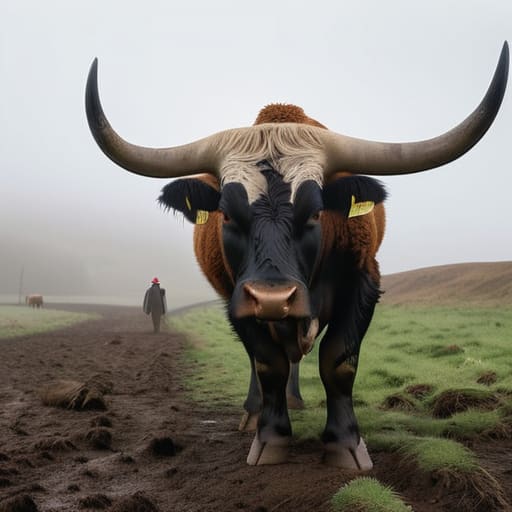
You’ll see plenty of lads spending hours staring at a screen, obsessing over a bull’s index scores as if those numbers were etched in stone. Don’t get me wrong, interpreting sire data is part of the job, but a spreadsheet won’t tell you how that animal will actually handle a wet March on your specific ground. I’ve seen plenty of “genetically superior” bulls produce calves that look grand in a showroom but lack the bone or the temperament to thrive when the weather turns foul. If you aren’t matching the animal to your acres, you aren’t breeding; you’re just gambling with expensive livestock.
True selection of breeding stock starts with looking at what’s already working in your own fields. Before you go chasing the latest trend in improving herd genetics, look at your worst performers from last season. Why did they fail? Was it a structural issue, or did they just lack the ability to convert grass into condition? Real breeding program optimization isn’t about finding the perfect animal on paper; it’s about finding the animal that fits your system without breaking your bank account.
The Genetic Merit Evaluation Trap Why Paper Wins Lose Money

I’ve spent many a late evening staring at a catalogue, mesmerized by numbers that look more like a math exam than a livestock record. We’ve all been there—getting caught up in the genetic merit evaluation of a bull that looks like a superstar on paper but has never actually stood in a muddy field. The problem is that those fancy indices don’t account for the reality of your specific ground. You can buy the most genetically advanced semen in the country, but if that bull’s offspring can’t walk a steep hill or thrive on your specific type of rye grass, you aren’t improving the herd; you’re just subsidizing a breeder’s holiday.
When it comes to the selection of breeding stock, I’ve learned that a high EPD or a flashy pedigree is often a distraction from the basics. I’ve seen plenty of lads go bust chasing “superior” genetics only to realize they’ve bred a cow that produces a beautiful calf but has the constitution of a tea biscuit. If you aren’t looking at how those numbers translate to actual survival and weaning weights in your own postcode, you’re just playing a very expensive game of pretend.
Selection of Breeding Stock Avoiding the Most Expensive Mistakes
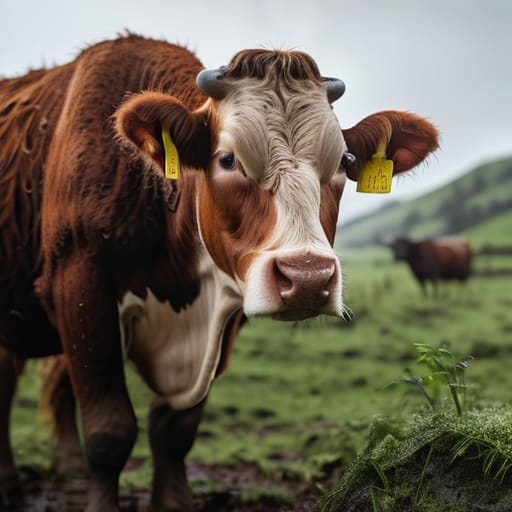
When you’re looking at the selection of breeding stock, don’t let a fancy catalogue or a high EBV score blind you to what’s happening in the muck. I’ve seen plenty of lads walk into a sale with a chequebook ready, convinced they’re improving herd genetics because the sire’s data looks like a mountain range. But if that animal doesn’t have the feet to walk a wet hill or the temperament to be handled without a struggle, those numbers are worth nothing. You can’t eat a percentage on a spreadsheet, and you certainly can’t sell a cow that’s too temperamental to get in the crush.
The real danger lies in your replacement heifer selection. It’s easy to pick the prettiest one in the group, but I’d rather have a plain-looking heifer that’s already proven she can thrive on our local grass than a show-stopper that needs a silver spoon to stay standing. You have to look at the mother, the environment she’s grown up in, and how she handles the actual conditions of your farm. If you aren’t looking at the physical reality of the animal, you’re just gambling with your cash flow.
Interpreting Sire Data Without Losing Your Shirt
You’ll sit there in the kitchen with a glossy catalog in front of you, staring at those long strings of letters and numbers like they’re a map to buried treasure. They’ll tell you a bull has top-tier scores for everything from carcass weight to maternal traits, and for a second, you think you’ve found the shortcut to a better herd. But here’s the truth about interpreting sire data: a spreadsheet doesn’t know if your hills are steep and wet or if your lowland pasture is heavy clay. A bull might have a high genetic merit evaluation for growth, but if he’s pumping out calves that outgrow the grass before the season is out, he’s just eating your profit.
Don’t get blinded by the flashy percentages. When you’re looking at improving herd genetics, you have to balance what the paper says against what your actual ground can support. If you buy a bull based solely on a high score for frame size but your replacement heifer selection is already struggling with nutrition, you’re just compounding a problem you can’t afford to fix. Look for the data that actually matters to your margins—the stuff that translates to fewer vet bills and better weaning weights, not just a pretty certificate.
Replacement Heifer Selection Protecting Your Future Cash Flow
Now, if you want to talk about the real engine of the farm, we have to talk about the heifers. Most people treat replacement heifer selection like a lottery, hoping they’ll pull a winner from the lot, but that’s a fast way to bleed cash. You can spend all day improving herd genetics on paper, but if that heifer hasn’t got the frame to carry a calf or the feet to walk a wet field in November, she’s nothing more than a very expensive way to eat your grass. I’ve seen too many lads pick a girl because she looked pretty in a catalogue, only to find out six months later she’s got a temperament like a cornered cat and won’t stand still for a vet.
You have to look past the shiny exterior and ask what she’s actually going to do for your bottom line. A heifer isn’t just a future cow; she’s a three-year investment before she even pays her way. If she isn’t showing the structural integrity to last through a hard winter, she’s a liability, not an asset. Don’t fall in love with a pedigree if the animal itself can’t handle the ground you’re standing on.
Five Hard Truths to Keep Your Breeding Program from Bleeding You Dry
- Stop looking at the certificate and start looking at the ground; a bull with a fancy EBV for growth is worth nothing if his calves can’t hold their condition on your specific grass and your specific rainfall.
- Treat your replacement heifers like a bank account, not a vanity project; if you’re keeping every girl that looks pretty instead of the ones that actually show functional efficiency, you’re just subsidising your own bankruptcy.
- Watch the feet more than the frame; I’ve seen more money lost to lameness in a poorly bred herd than to any official disease outbreak, so if they can’t walk to the trough, they aren’t worth the feed they’re eating.
- Don’t get seduced by the “new” tech; if a piece of breeding software or a fancy new testing kit doesn’t directly translate into better weaning weights or lower input costs by next season, it’s just expensive clutter for the shed.
- Measure the margin, not the muscle; a calf that grows like a weed but costs twice as much in supplementary feed to get there is a liability, not an asset—always calculate the cost of the growth, not just the weight of it.
The Bottom Line Before You Buy
Stop chasing the fancy numbers on a pedigree certificate if they don’t translate to more grass or better weaning weights in your specific soil; a champion bull on paper is a liability if his calves can’t thrive on your hills.
Every replacement heifer you select is a long-term bet on your cash flow, so pick for longevity and easy calving rather than just looking for the biggest frame that’ll end up being a headache in three years.
If you can’t work out exactly how much a breeding animal is costing you in daily maintenance versus what she’s actually producing, you aren’t breeding—you’re just collecting expensive livestock.
The Long View from the Gate
At the end of the day, breeding isn’t about chasing the highest number on a data sheet or trying to win a local show ring; it’s about the marriage of genetics to your specific patch of ground. You can buy the most expensive semen in the country, but if those calves don’t have the feet to walk your hills or the ability to turn your specific grass into meat, you’re just subsidising someone else’s fancy pedigree. Stop looking at the paper in isolation and start looking at the animal in the field. Remember that every decision you make today—whether it’s a bull, a heifer, or a change in your replacement strategy—is a direct withdrawal or deposit into your long-term cash flow.
Farming is a game of margins, and breeding is where those margins are either won or lost before the animal even hits the sale yard. It can be easy to get lost in the spreadsheets and the marketing gloss, but don’t let the noise drown out what your eyes and your bank balance are telling you. If you focus on building a herd that is fit for your farm and resilient to your weather, you’ll find yourself standing much more secure when the prices inevitably dip. It’s a slow build, and it isn’t always glamorous, but building a legacy is about the steady, sensible choices made when nobody is watching.
Frequently Asked Questions
If I've already spent a fortune on a high-index bull, how do I pivot my replacement heifer selection to actually balance out the costs?
If you’ve already paid the premium for that high-index bull, stop looking for more “fancy” genetics in your heifers. You’ve bought the engine; now you need the chassis that can actually carry it. Pivot your selection toward ruggedness and functional correctness. Look for girls with deep ribs, strong feet, and the ability to hold their own on your worst ground. You can’t fix a high-performance bull with more high-performance heifers—you’ll just go broke faster.
How much weight should I really give to temperament and "easyness" when the data says a more temperamental animal has better growth stats?
Listen, I’ve seen plenty of “statistically superior” beasts that are nothing more than a headache on four legs. You can chase those growth numbers all day, but if a cow is a terror at the crush or won’t let a heifer near her, your labor costs will eat that extra weight for breakfast. A temperamental animal makes every job twice as long and twice as dangerous. I’d rather have a steady animal that grows decently than a high-performer that costs me my patience and my safety.
At what point does the cost of testing every single heifer for genetic merit stop being a smart investment and start being a drain on the cash flow?
It stops being an investment the moment the cost of the test exceeds the marginal gain in the calf crop. If you’re spending fifty quid a head to find a two per cent difference in milk or growth that you can’t actually turn into extra cash at the mart, you’re just burning money. You don’t need a PhD in genetics for every heifer; you need the best ones that can actually walk, breed, and thrive on your grass.
