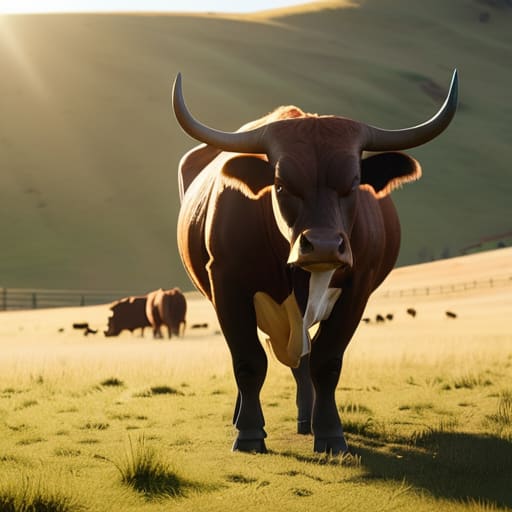
I spent a good portion of my thirties listening to breed specialists and auctioneers talk about “genetic potential” and “revolutionary data,” as if a piece of paper could tell you anything about the animal standing in front of you. They’ll try to sell you on a pedigree that looks grand on a screen, but they rarely mention how much that fancy bull might actually cost you in the long run when his calves are too big for your heifers to handle. People get so caught up in the glossy brochures that they forget the most basic truth: how bull selection affects a herd isn’t measured in a laboratory, it’s measured in the calving pens at four in the morning and the amount of money left in your account come autumn.
I’m not here to sell you a dream or a subscription to some fancy breeding software. I’m going to tell you what I’ve learned from forty years of watching the wrong decisions turn into expensive mistakes. We’re going to talk about what actually matters—calving ease, temperament, and whether that bull is going to improve your margins or just sit in the field eating your profit.
Table of Contents
- Stop Buying Eye Candy and Start Studying How Bull Selection Affects a Herd
- The High Cost of Ignoring Real Breeding Value Analysis
- Why Calving Ease Scores Are Your Best Defense Against Vet Bills
- Chasing Weaning Weights While Sacrificing Your Herd Longevity and Productiv
- Making Genetic Improvement in Cattle Pay the Bills via Carcass Quality
- Five Ways to Stop Your Bull from Bleeding Your Bank Account Dry
- The Bottom Line on Your Breeding Decisions
- The Long Game and the Bottom Line
- Frequently Asked Questions
Stop Buying Eye Candy and Start Studying How Bull Selection Affects a Herd
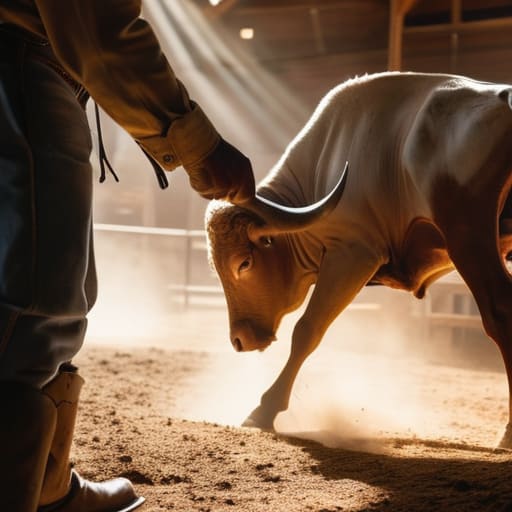
I’ve sat in enough auction marts to see the same mistake made a hundred times: a man standing there, mesmerized by a bull with a massive chest and a set of horns that look like they belong in a museum. He’ll pay a premium because the animal looks the part, but he hasn’t asked a single question about what’s actually going on inside the animal’s DNA. Looking pretty in the ring won’t do a damn thing for your bottom line when you’re staring at a field of calves that struggle to stand.
If you want to see actual genetic improvement in cattle, you have to look past the muscle and start looking at the data. I don’t care how much a bull impresses you visually if his calving ease scores are bottom of the pile. You aren’t just buying an animal; you’re buying the next five years of your replacement heifers. If you ignore the breeding value analysis in favour of a bit of showmanship, you’ll find yourself paying for vet calls and losing calves instead of improving weaning weights. It’s a hard lesson, and it’s one that costs far more than the price of a decent catalogue.
The High Cost of Ignoring Real Breeding Value Analysis
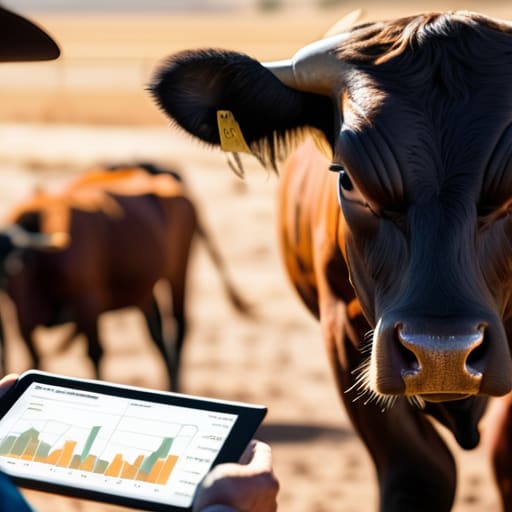
I’ve seen it a hundred times at the mart: a man stands there, mesmerized by a bull with a massive frame and a coat that looks like silk, thinking he’s bought himself a future. But if you aren’t looking at the actual breeding value analysis, you aren’t buying a bull; you’re buying a gamble. I once spent three seasons chasing a line of cattle that looked the part but lacked the temperament and the structural soundness to stay in the herd. I learned the hard way that a fancy exterior won’t pay the vet bill when your heifers are struggling to carry a calf or, worse, when they’re calving so poorly you’re losing them to the scrap heap.
Real progress isn’t about a single impressive animal; it’s about the slow, methodical work of improving weaning weights and ensuring your cows actually live long enough to be profitable. If you ignore the data in favor of a bit of muscle, you’re essentially ignoring your own margins. You might think you’re saving money by skipping the detailed paperwork, but you’ll find that cost coming back to haunt you through poor calf performance and a sudden, sharp drop in your overall herd longevity and productivity.
Why Calving Ease Scores Are Your Best Defense Against Vet Bills
I’ve seen enough calving seasons ruined by a “showy” bull to last three lifetimes. You can have the most impressive animal standing in the yard, but if he’s passing on a heavy frame to a heifer that hasn’t the pelvic width to handle it, you aren’t farming—you’re gambling. I’ve spent too many nights in the muck, trying to pull a calf that should have slid out an hour ago, and let me tell you, the vet’s bill for a botched delivery will swallow any perceived gain you made by buying a cheaper, unproven sire.
That’s why I lean so heavily on calving ease scores when I’m looking at data. It isn’t about chasing some theoretical genetic improvement in cattle that looks good on a glossy brochure; it’s about the practical reality of getting that calf on its feet without a crisis. If you aren’t looking at those scores, you’re ignoring the most direct link between your breeding decisions and your bank balance. A bull that delivers easy calves protects your margins by ensuring you aren’t losing premium stock to preventable trauma.
Chasing Weaning Weights While Sacrificing Your Herd Longevity and Productiv
I’ve seen it happen more times than I care to count: a young lad goes to the sale with one single-minded goal—to find the bull that’ll produce the heaviest calves at weaning. He looks at the growth charts, sees a number that’ll make the mart look good, and writes the check. But he forgets that he isn’t just breeding a calf; he’s breeding the next three years of his life. If you focus solely on improving weaning weights by picking a bull that pushes growth at the expense of everything else, you’ll find your heifers coming into heat too early, or worse, arriving at the calving pen with frames that simply can’t support the weight they’re carrying.
It’s a trap that trades long-term stability for a short-term spike in the books. When you prioritize sheer mass over herd longevity and productivity, you’re essentially borrowing money from next year to pay for this year. You might get a heavy calf on the scale, but if that heifer is spent by her second calving because the bull’s genetics didn’t account for structural soundness, you haven’t made a profit—you’ve just bought yourself a very expensive problem.
Making Genetic Improvement in Cattle Pay the Bills via Carcass Quality
Now, most folks get so caught up in the calving season that they forget where the actual money is made. You can have the easiest calving season in history, but if you’re sending a thin, bony animal to the mart that won’t fetch a premium, you’re just working for the sake of it. Selection for carcass quality isn’t some luxury for the fancy beef producers; it’s the difference between breaking even and actually seeing a profit at the end of the year.
I’ve seen too many lads chase after high weaning weights only to realize they’ve bred a herd of “leggy” cattle that lack the fat cover to satisfy a buyer. You need to look at the data—real breeding value analysis—to find bulls that balance growth with meat quality. If you aren’t looking at how those genetics will translate into a carcass at the end of the line, you’re essentially gambling with your margins. You want a calf that grows well, certainly, but you want one that carries the kind of finish that keeps the buyer coming back to your gate.
Five Ways to Stop Your Bull from Bleeding Your Bank Account Dry
- Look past the pedigree papers and check the feet; if you’re buying a bull with poor structural soundness, he’ll spend more time limping in the field than working the cows, and you’ll be chasing him with a vet before the first calf is even born.
- Stop chasing the highest weaning weights if it means you’re breeding out the mothering instinct; a heavy calf is useless to you if the cow abandons it in a wet field because she’s too thin to keep up with the demand.
- Demand data on temperament, not just growth rates; a bull that’s a nightmare to handle in the crush will cost you more in man-hours and broken fences than any extra kilogram of beef he puts on the carcass.
- Match the bull to your specific ground, not the auction catalogue; if you’re running on heavy, wet clay, buying a bull bred for high-intensity finishing on lush lowland grass is a fast way to end up with a herd of heavy, foot-rotted animals.
- Treat the bull as a long-term investment in your heifer crop, not a quick fix for your weight targets; if he doesn’t breed easy-calving heifers, you’ll spend the next three years replacing the very cows you spent a decade building.
The Bottom Line on Your Breeding Decisions
Stop looking at a bull’s pedigree like it’s a trophy and start looking at his data like it’s a bank statement; if his genetics don’t translate into easier calving or better weaning weights, he’s nothing more than an expensive ornament in the field.
A bull that produces heavy calves is useless to you if he also produces calves that struggle to get themselves out of the womb, because the vet bill and the lost heifer you’ll have to replace will eat any profit those extra kilos brought in.
Real genetic improvement isn’t about chasing the biggest numbers on a sales catalogue; it’s about choosing a bull that fits your specific ground and your specific cows so that your cash flow stays in the bank instead of being bled out through inefficiency.
The Long Game and the Bottom Line
At the end of the day, a bull isn’t just a piece of livestock you bring in for a season; he is the architect of your next five years of work. If you focus solely on the flashy traits or the weight gains that look good on a printed certificate, you’ll eventually find yourself paying for it in the middle of a cold February when a heifer won’t calve, or in the July heat when your margins are being eaten alive by poor carcass quality. You have to look past the marketing and weigh up the real cost of genetics—the calving ease, the structural soundness, and the actual profitability of the calf that hits the ground. If he doesn’t improve your ability to turn grass into cash, he’s nothing more than an expensive ornament in the field.
Farming isn’t about the quick win or the shiny new piece of kit that promises to change your life; it’s about the slow, steady accumulation of better decisions. I’ve spent forty years watching men go bust chasing the wrong numbers, and I’ve seen others build legacies by simply being disciplined about what they let into their gates. Don’t let the auctioneer’s pitch or the latest trend pull you off course. Stick to the data, trust your eyes, and remember that every single breeding decision you make today is a direct withdrawal or deposit into your bank account for the next decade. Keep your head down and your standards high.
Frequently Asked Questions
How do I know if those fancy genetic data sheets are actually reflecting what's going to happen on my specific ground?
The short answer is: you don’t, not until the calves are hitting the ground. Those data sheets are averages, and averages are useless when your hills are steeper or your grass is wetter than the guy who wrote the report. If you’ve got heavy, wet ground, I don’t care what the sheet says about growth rates; I want to see how that bull’s daughters handle a muddy field without losing their footing.
At what point does the cost of a high-end sire actually start to pay for itself in the calf crop?
It pays for itself the moment you stop looking at the invoice for the semen and start looking at the sale receipts. If a high-end sire puts an extra 15 kilos on every calf and improves the carcass grade across the board, he’s paid for himself by the time those calves hit the mart. But if he’s just making them bigger without improving the feed conversion or the ease of calving, you’re just paying for expensive meat that costs more to raise.
If I'm running a suckler herd on marginal land, should I be looking at different traits than the blokes running intensive systems?
If you’re running on marginal ground, you aren’t in the same game as the lads with silage fields and intensive feeding. They can afford to chase growth rates because they can fix a thin cow with a bag of concentrate. On my land, if the grass isn’t there, it isn’t there. You need to stop looking at weaning weights and start looking at efficiency and hardiness. You want a cow that can turn a bit of scrub into a calf without needing a lifeline.
