
If you go looking for a “complete guide to fencing” online, you’ll mostly find glossy brochures from companies trying to sell you the most expensive high-tensile wire and automated gates on the market. They’ll talk to you about “innovative containment solutions” as if you’re running a zoo in the city, rather than trying to keep a stubborn heifer from deciding your neighbor’s clover is better than your own. I’ve spent far too much of my life throwing good money after bad on fancy kit that looked grand in the catalog but snapped the moment a heavy sheep leaned against it during a wet February.
I’m not here to sell you a specific brand or a way to drain your bank account before the spring grass is even up. What I’m going to give you is a look at what actually holds up when the ground is a bog and the livestock are hungry. We’ll talk about the real cost of cheap posts, why certain wires are a complete waste of your capital, and how to build a perimeter that respects your cash flow as much as your animals.
Table of Contents
Understanding Complete Guide to Fencing

If you come to me asking for a “complete guide to fencing,” you’re already asking the wrong question. You don’t need a manual; you need to know what your specific ground is going to do to your investment over the next ten years. I don’t care how much a roll of wire costs per metre if it can’t handle the weight of a wet ewe leaning on it in a gale. Before you even look at a catalogue, you have to look at your topography and your soil type. A fence that works on a dry, well-drained hill will fail miserably in a boggy bottom field where the posts won’t hold a grip for love or money.
Most of the lads I talk to get caught up in a fencing material durability comparison based on what looks best in a brochure, but that’s a fool’s errand. You need to weigh up the upfront cost against the reality of your labor. I’ve seen men go broke trying to install high-spec perimeter security solutions for cattle that would have been just as well contained by a decent, well-tensioned strand of high-tensile wire. It’s about matching the strength to the beast, not buying the most expensive kit in the yard.
Key Things to Know
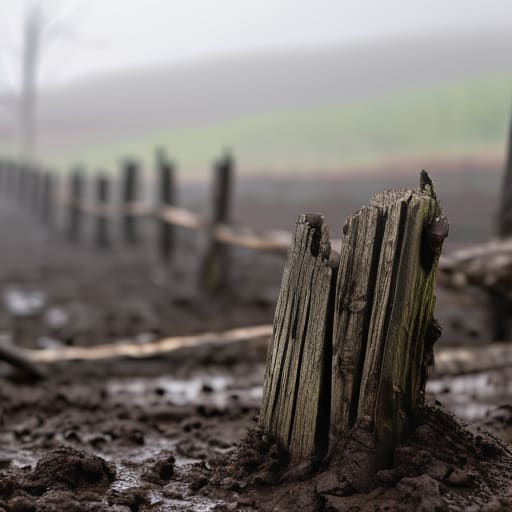
Before you go spending money you haven’t even made yet, you need to understand that a fence isn’t just a line on a map; it’s a living part of your overhead. I’ve seen too many lads get caught up in a fencing material durability comparison that looks great on a glossy brochure but falls apart the moment a wet winter turns the field into a bog. If you’re looking at timber, don’t just look at the price per meter. You need to look at how that wood reacts to the ground you’re actually standing on. A cheap post that rots in three years isn’t a saving; it’s a debt you’ll be paying back with interest when you’re out there in the rain trying to replace it.
You also have to stop thinking like a hobbyist. I see people looking at wood vs vinyl fencing pros and cons as if they’re decorating a garden, but out here, it’s about containment and longevity. If the fence doesn’t hold the stock, it’s just expensive decoration. You need to weigh the initial outlay against the actual cost of repairs over the next decade. If you can’t afford to maintain it, you can’t afford to build it.
Practical Tips and Steps
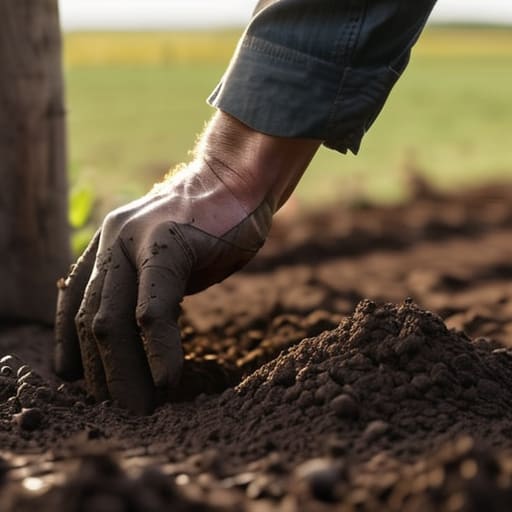
Before you even think about ordering a single roll of wire, you need to walk your boundaries when the ground is at its worst. I’ve seen too many men buy a load of posts only to find out they’re driving into nothing but peat or heavy clay that’ll swallow a post whole. If you’re looking at a fencing material durability comparison, stop looking at the glossy brochures and start looking at your soil and your livestock. A heifer doesn’t care about how pretty a fence looks; she only cares about where the weak point is. If you’re dealing with high pressure from a heavy suckler herd, don’t skimp on the strainer posts. You can buy cheap, but you’ll pay for it in tension every single spring.
Once the line is up, your real work begins. I keep a notebook of my fencing maintenance tips because a fence isn’t a “set and forget” job; it’s a living part of the farm. Check your corner tension after the first big frost and keep an eye on the gates. A gate that sticks is more than a nuisance; it’s a hole in your security that’ll cost you a calf before you’ve even finished your tea.
Common Mistakes to Avoid
The biggest mistake I see—and I’ve certainly been guilty of it in my younger years—is trying to save a few quid on the front end by picking the wrong wire. People go looking for a fencing material durability comparison online, get blinded by a low price tag, and end up with something that has the structural integrity of wet cardboard. If you’re putting up perimeter security solutions for cattle, that wire needs to handle a thousand-pound animal leaning on it when the ground gets soft in November. If it’s not built for the weight, you aren’t saving money; you’re just pre-ordering a massive headache and a repair bill.
Another blunder is ignoring the ground itself. I’ve seen men spend a fortune on high-end posts only to sink them into heavy clay without a proper plan for drainage or footing. They focus on choosing the right fence style for the look of the farm, but they forget that a fence is only as good as the post that holds it up. If you don’t account for the soil type and the local rainfall, that investment will be leaning to one side before the first calf is even weaned.
Final Thoughts
At the end of the day, a fence isn’t just a line on a map or a way to keep the neighbors from wondering where your heifer went; it’s a long-term commitment of your working capital. I’ve seen plenty of lads get caught up in the aesthetics of it all, but on a working farm, if it doesn’t hold under pressure and it doesn’t last through a wet winter, it’s nothing more than expensive scrap metal. Before you sign any checks, do a proper fencing material durability comparison against the actual ground you’re working. If you’re putting wire on heavy, wet clay, that cheap stuff will be sagging and snapped before you’ve even finished your first round of calving.
Don’t let the salesmen talk you into something fancy that requires constant tinkering. I’d much rather have a simple, sturdy boundary that stays put than a high-maintenance setup that eats my time when I should be in the yard. Stick to the basics, invest in the posts that actually bite into the soil, and keep a few spares in the shed. If you get the foundation right, you won’t be spending your weekends chasing repairs. Focus on the longevity of the barrier, not the shine of the kit.
Five Things the Fencing Catalog Won't Tell You
- Stop buying the cheapest wire just because the margin looks good on paper; I’ve spent more man-hours in the mud replacing snapped high-tensile wire than I ever would have spent paying for the decent stuff upfront.
- Before you even think about a post, tell me about your ground and your rainfall; if you’re putting timber into heavy, wet clay without a plan for rot, you’re just throwing money into a bog.
- Don’t get fancy with electric systems if your ground is so damp that the current won’t hold; a well-built, heavy-duty physical barrier beats a finicky fence charger every time when the weather turns foul.
- Check your tension regularly, especially after a hard frost or a dry spell; a loose wire is just an invitation for a heifer to find the one weak spot and turn your investment into a heap of scrap metal.
- Invest in the strainers and the corner posts first, because if your corners aren’t solid, the rest of the run is nothing more than a string of expensive decorations that won’t hold a lick of pressure.
The Bottom Line on Fencing
Don’t buy on price alone; a cheap roll of wire that snaps in a gale or under a heifer’s weight is just money you’ve thrown into the hedge.
Invest in the posts and the tension, because you can always replace a wire, but you’ll be cursing yourself for years if your line is crooked and sagging.
Fencing isn’t just about containment; it’s about managing your grass, so make sure your layout actually allows you to move stock without losing half a day to the gates.
The Bottom Line on the Boundary
At the end of the day, a fence isn’t just a line on a map or a way to keep the neighbors’ dogs out; it is a direct investment in your cash flow. If you buy the cheap wire to save a few hundred quid now, you’ll end up paying for it three times over in broken posts, escaped stock, and the sheer, soul-destroying labor of patching it up in the middle of a February gale. You have to weigh the cost of the materials against the actual reality of your ground and the pressure your livestock will put on that line. Don’t get distracted by the shiny new gadgets in the catalog; stick to what holds, what lasts, and what won’t leave you standing in a muddy field with a broken tensioner and a mounting sense of regret.
Farming is a game of margins, and every pound you waste on poor infrastructure is a pound taken straight out of your pocket come calving season. I’ve spent forty years learning that the most expensive fence is the one you have to build twice. Build it right, build it for the ground you actually have—not the ground you wish you had—and you’ll find that peace of mind is worth far more than any perceived saving. Get the boundaries sorted so you can stop looking at the edges of your fields and start focusing on the grass and the livestock that actually pay the bills.
Frequently Asked Questions
When is the right time to invest in heavy-duty permanent fencing versus just sticking with electric wire for temporary grazing?
You invest in permanent fencing when the cost of your time and the risk of a breakout outweigh the upfront capital. If you’re moving cattle every few days to manage grass, stick to electric; it’s flexible and keeps your cash flow liquid. But if you have a boundary that sees constant pressure from a heavy steer or a line of ewes that won’t respect a pulse, stop patching it. Buy the heavy wire once, or you’ll pay for it in labor and lost stock every single year.
How much extra am I actually going to spend on maintenance and repairs if I try to save a few quid on cheaper posts now?
You’ll spend it twice over, and usually in the middle of a February gale when you’re least prepared. I’ve seen it a hundred times: a man buys the cheap, thin posts to save a few hundred quid on the initial outlay, only to find himself out in the mud six months later replacing half the line because they’ve rotted or snapped under the weight of a leaning heifer. You aren’t saving money; you’re just financing a future headache.
How do I figure out if the ground I’m working with—especially if it’s heavy clay or boggy—is going to swallow my post-hole digger whole?
You don’t look at the fence line; you look at the puddles. If you’ve got heavy clay that holds water like a bucket, or boggy ground that stays soft well into May, a standard post-hole digger is just going to churn the earth into a soup. In that ground, you aren’t digging holes; you’re fighting a battle against suction. If the soil won’t drain, you’d better invest in a heavy-duty auger or prepare to spend your life with a spade.
