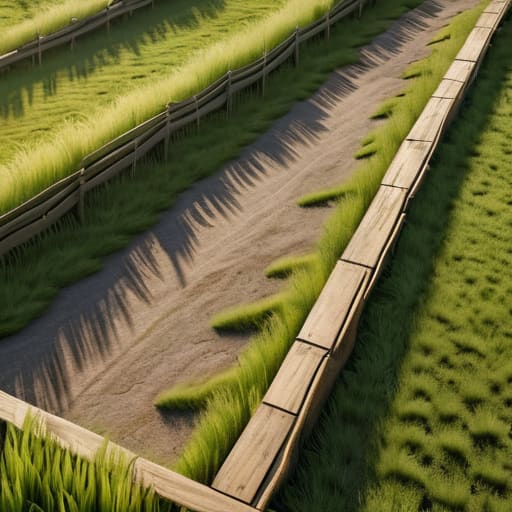
I’ve sat through enough seminars to know that most of the advice on how to plan a grazing rotation comes from people who have never actually had to walk a wet field in February with a broken gate. They’ll show you glossy charts and talk about “optimizing forage utilization” as if you’re managing a factory floor rather than a living, breathing piece of ground. But here’s the truth they won’t tell you: a spreadsheet doesn’t account for a week of relentless rain or a patch of ground that turns to a bog the moment you put a heavy ewe on it. If you base your entire season on a perfectly timed plan that doesn’t respect the reality of your soil and your rainfall, you aren’t farming—you’re just gambling with your margins.
I’m not here to sell you a subscription to a management app or a fancy new piece of electric fencing that’ll end up rusting in the shed. What I want to do is show you how to look at your hectares and actually see the profit hiding in the grass. I’ll tell you exactly how I manage my rotation to keep the feet dry and the cash flow steady, based on forty years of making expensive mistakes so you don’t have to.
Table of Contents
Understanding How to Plan a Grazing Rotation
Before you start moving fences or buying a new quad, you have to look at what you actually have in front of you. Most people start with the animals, but that’s backwards. You start with the grass. If you don’t understand your livestock carrying capacity based on the specific ground you’re standing on, you’re just guessing. I’ve seen plenty of lads try to squeeze too many head into a paddock because the field looks lush, only to find they’ve scraped it down to the dirt in four days. Once you’ve eaten the leaf and hit the stem, you’ve lost the battle.
It’s about timing the forage regrowth cycles to match the appetite of the herd. If you move them too early, you’re leaving money in the field; move them too late, and you’re paying for expensive silage to replace what they should have eaten for free. You need to find that sweet spot where the grass is at its peak nutritional value before it starts turning woody. It isn’t about being a perfectionist; it’s about managing the recovery period so the soil isn’t left naked and vulnerable to the next heavy rain.
Key Things to Know
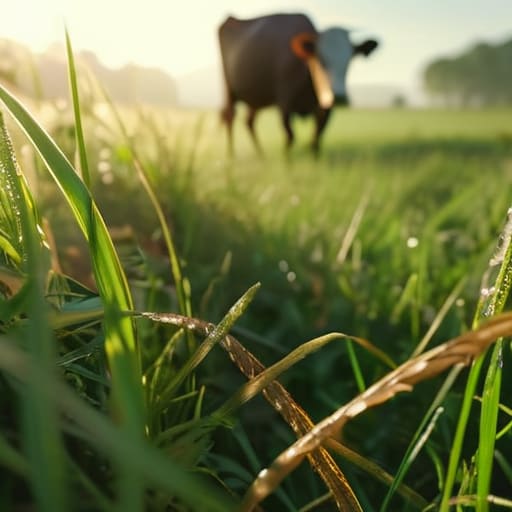
Before you go buying miles of electric fencing or fancy new gates, you need to look at what you’ve actually got underfoot. Most people get caught up in the geometry of it, but if you don’t understand your livestock carrying capacity based on the actual tonnage of grass available, you’re just moving animals around a graveyard of overgrazed soil. I’ve seen many a lad try to squeeze too many head into a paddock because the spring looked lush, only to find himself staring at bare earth and weeds three weeks later when the growth stalled.
You also have to get a handle on your forage regrowth cycles—and I don’t mean the numbers in a textbook, I mean what you see when you walk the field after a week of heavy rain. If you cut your grazing period duration too short, you’re leaving too much leaf for the sheep to trample; leave it too long, and you’re letting the best nutrition go to seed. It’s a fine line, and if you don’t respect the timing of the recovery, you aren’t managing a pasture, you’re just managing a decline.
Practical Tips and Steps
First, you need to stop looking at your fields as static blocks of land and start seeing them as a moving timeline. You can’t set a schedule in stone back in February and expect it to hold when the weather turns. You have to watch the grass. If you’re moving the herd based on a calendar rather than the actual forage regrowth cycles, you’re either leaving money on the table or you’re letting them scalp the sward down to the dirt. I’ve seen plenty of lads lose their profit because they didn’t realize that the height of the grass dictates the health of your bank account.
Second, don’t go buying every fancy electric fence kit the salesman tells you about until you’ve actually mapped out your water access. Good fencing for rotational grazing is useless if your cattle spend half the day walking a mile just to get a drink; they’ll just stand around and waste energy. You need to find that sweet spot where your stocking density optimization actually works for the ground you’ve got, not the ground you wish you had. If the ground is heavy and the rain is coming, you adjust. It’s that simple, and it’s that bloody difficult.
Common Mistakes to Avoid
The biggest mistake I see—and one I’ve certainly made myself—is treating your field map like it’s static. People get a fancy plan on paper and then ignore the sky. If you’ve had three weeks of heavy rain and the ground is turning to soup, you can’t just follow your schedule because the calendar says so. If you force the cattle onto soft ground just to stick to a rotation, you aren’t managing grass; you’re destroying your soil structure and inviting lameness. You have to listen to the ground, not the clock.
Another trap is getting too clever with your stocking density optimization without understanding your actual forage regrowth cycles. I’ve seen lads buy enough mobile fencing to wrap the county, thinking they’ve solved the problem, only to realize they’re moving the animals into a paddock that hasn’t even had a chance to recover. If you cut the grass too low or move them too soon, you’re just feeding the weeds and leaving the nutrition in the dirt. You have to respect the recovery time, or you’ll find yourself buying in expensive concentrates just to keep the herd from losing condition.
Final Thoughts
At the end of the day, don’t go looking for a magic formula in a glossy brochure. A rotation plan isn’t a set of rules carved in stone; it’s a living thing that changes every time the clouds break or the temperature drops. If you try to force a rigid schedule without looking at the actual forage regrowth cycles in your specific fields, you’re just playing at farming. You have to watch the grass, watch the weather, and most importantly, watch your bank balance.
If you get the balance right, you’ll find that your stocking density optimization does more for your margin than any expensive supplement ever could. But if you get it wrong, you’ll end up with nothing but poached ground and a lot of very hungry, very expensive animals. My advice is simple: keep your eyes on the ground, don’t overcomplicate the math, and remember that the best plan is the one you can actually execute when the rain is coming down sideways and the fences need fixing. Keep it practical, keep it profitable, and keep it simple.
Five things that actually matter when you’re moving the fence
- Stop looking at the calendar and start looking at the ground. I don’t care if it’s the first of May or the tenth; if the soil is waterlogged and you’re driving cattle through it, you aren’t grazing, you’re just making expensive mud that’ll take three years to recover. Check the moisture and the weather forecast before you commit to a paddock.
- Watch the residual height like your bank balance. If you let them graze it down to the dirt, you aren’t “getting your money’s worth,” you’re just killing the plant and inviting weeds to take the seat. Leave enough leaf to regrow, or you’ll be buying in expensive hay just to keep them standing.
- Don’t trust a single paddock to do all the heavy lifting. You need a buffer. I’ve seen too many lads try to stretch a rotation too thin during a dry spell, only to realize they’ve got nothing left to move the stock into when the grass stops growing. Always have a “plan B” field, even if it’s just a bit of poor-quality roughage.
- Keep your eyes on the feet, not just the belly. If you’re rotating too slowly and letting them linger in a damp corner, you’ll save a bit on movement but lose twice as much in vet bills and lameness. A bit of movement keeps the ground firmer and the animals healthier.
- Record what actually happened, not what you hoped would happen. I keep a notebook in the tractor for a reason. If you thought a paddock would last ten days but it only lasted six, write it down. Your gut feeling is fine for a pub chat, but it won’t help you balance the books come December.
The Bottom Line
If you aren’t looking at your grass height and the weather forecast before you move a single animal, you aren’t planning a rotation—you’re just guessing, and guessing is a luxury my bank balance can’t afford.
A rotation plan is useless if it doesn’t account for the cost of the feed you’re letting go to waste; every inch of grass eaten by a weed or trampled into the mud is money straight out of your pocket.
Don’t buy a fancy new piece of kit to manage your grazing until you’ve mastered the basics of your ground and your timing, because a piece of machinery won’t fix a fundamental misunderstanding of your pasture.
The Bottom Line
At the end of the day, a grazing plan isn’t some academic exercise to satisfy a consultant; it is your primary tool for protecting your margin. You can have the finest genetics in the county, but if you’re letting them overgraze the best bits and trample the rest into a mud bath, you’re simply burning through your cash flow. Remember that it all comes down to the basics: watching the weather, respecting the regrowth rate, and having the discipline to move the stock before they start eating the roots. If you get the rotation right, you’re growing more than just grass—you’re growing profitability and soil health simultaneously.
I know it’s tempting to look for a magic pill in a bag of expensive concentrate or a new piece of machinery that promises to do the work for you. But the most successful years I’ve ever had weren’t because of a fancy gadget; they were because I spent more time looking at the ground and less time looking at the sales catalogue. Don’t be afraid to make mistakes, but try not to make the expensive ones that I did. Get out there, walk your fences, and listen to what the land is telling you. If you treat your grass with a bit of respect, it’ll eventually start paying you back in kind.
Frequently Asked Questions
How do I adjust my rotation when we get a week of heavy rain and the ground turns to muck?
The short answer is: you stop. If the ground is turning to muck, you aren’t “grazing,” you’re just paying for a foot problem and a ruined pasture. You pull them off and get them onto whatever dry ground or hardstanding you’ve got left. I’ve spent far too much money repairing poached ground that should have been left alone, and I’ve spent even more on vet bills for cows that slipped in the mud. Feed them hay, keep them off the wet stuff, and wait.
At what point does a paddock become too short to graze, and how do I know if I've left too much "residual" grass behind?
If you’re looking at the ground and seeing nothing but dirt and old thatch, you’ve gone too far. I usually look for about four or five centimeters of leaf. Any less and you aren’t grazing anymore; you’re just punishing the plant. If you graze it down to the nub, you’re stealing from next season’s growth just to satisfy today’s hunger. Leave enough leaf to catch the light, or you’ll be buying expensive silage come July.
How much extra work is it really going to take to move the stock daily versus just letting them stay in one place for a fortnight?
It’s more work, plain and simple. You’ll be out there with the dogs and the gates every morning instead of just checking the water trough once a week. But you have to weigh that extra hour of sweat against the cost of a fortnight’s worth of wasted forage and the mess they’ll leave in the yard. I’d rather spend my mornings moving sheep than my evenings staring at a bank balance thinned out by poor grazing.
