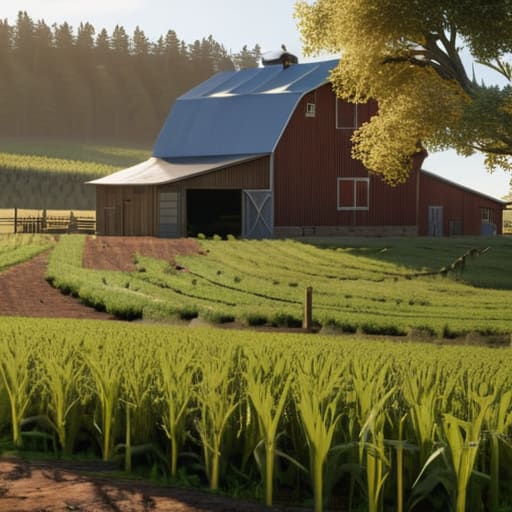
If you pick up any brochure from a modern agricultural supplier, you’ll be told you need a state-of-the-art, multi-purpose steel complex to stay competitive. They’ll show you shiny renders of ventilated sheds and automated feeding systems that look more like aircraft hangars than working farms. It’s a load of rubbish designed to separate a man from his capital. Most of these “experts” haven’t spent a single night worrying about whether a drafty corner is going to cost them a heifer in February. I’ve spent forty years watching men sink their life savings into a so-called complete guide to farm buildings only to realize they’ve built a very expensive monument to kit they’ll never use, while their actual working ground turns to a bog.
I’m not here to sell you on the latest gadget or a fancy new skyline. What I’m going to give you is the truth about what actually matters: protecting your livestock, managing your muck, and guarding your cash flow. I’ll walk you through the structures that actually work when the weather turns foul and the margins get thin. We’ll talk about the difference between a building that serves a purpose and one that just sits there collecting dust and debt.
Table of Contents
- Stop Building Sheds for Show a Complete Guide to Farm Buildings
- The Costly Error of Poor Agricultural Structure Design
- Protecting the Feet Why Livestock Housing Requirements Actually Matter
- Barn Construction Materials That Wont Rot Your Cash Flow
- Mastering Efficient Farm Site Planning and Ventilation Systems
- Five Things I’ve Learned While Watching Money Rot in the Rain
- The Three Things That Actually Matter When the Dust Settles
- The Bottom Line
- Frequently Asked Questions
Stop Building Sheds for Show a Complete Guide to Farm Buildings
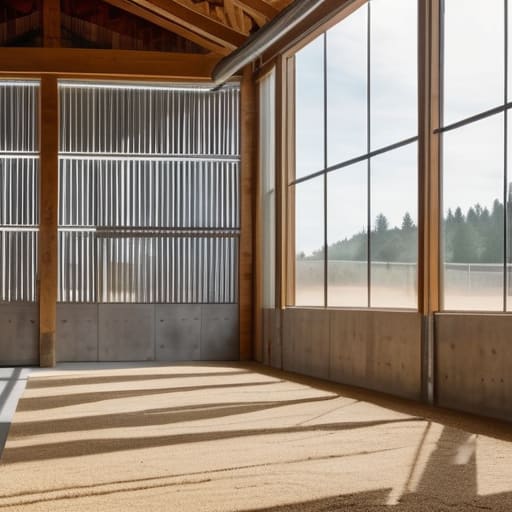
I’ve seen too many lads walk onto a farm with a shiny brochure and a dream of a state-of-the-art complex, only to realize six months later they’ve built a cathedral for nothing. If you’re looking at agricultural structure design, don’t start with the aesthetics. I don’t care if the cladding matches the farmhouse. I care about whether that building is going to keep the floor dry enough to prevent foot rot and whether the airflow is actually going to move the dampness out of the bedding.
Most people treat farm infrastructure management like a hobby, but it’s a balance sheet. If you’re choosing between high-end barn construction materials that look grand but trap moisture, or something more functional that actually handles the local climate, choose the latter every single time. A building that looks good in a sales pamphlet is useless if it doesn’t meet the specific livestock housing requirements of the animals you’re actually running. You aren’t building a showroom; you’re building a tool to protect your margins. If the shed doesn’t serve the grass, the feet, or the cash flow, it’s just an expensive way to store dust.
The Costly Error of Poor Agricultural Structure Design
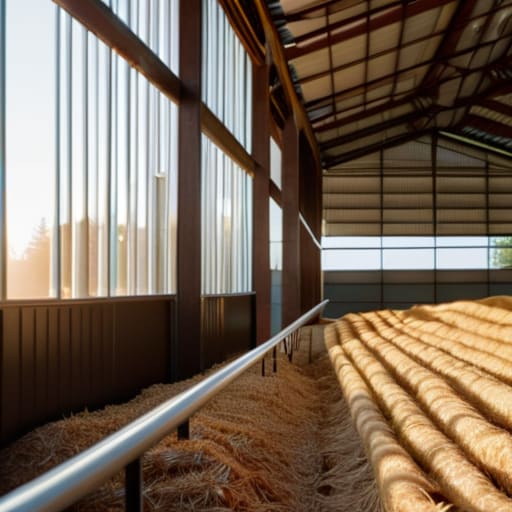
I’ve seen too many lads go into a project with a shiny brochure and a dream, only to realize six months later that they’ve built a very expensive wind tunnel. The mistake usually starts with the agricultural structure design—people focus on the height of the roof or the colour of the cladding, but they forget the air. If you don’t get the ventilation right, you aren’t just housing animals; you’re cultivating pneumonia. I’ve spent more nights than I care to admit watching a heifer struggle because the air was stagnant and damp, and that’s money leaking out of your pocket every single minute she’s breathing it.
Then there’s the issue of site placement. You can have the finest barn in the county, but if you haven’t looked at how the water moves across your hills in November, you’re asking for trouble. Poorly planned site layouts lead to boggy yards and concrete that cracks under the weight of a heavy tractor because nobody bothered to check the ground first. You have to think about how you’ll actually move stock through that space when the weather turns foul. If it’s a struggle to get the cows in or out, you’ve failed before you’ve even started.
Protecting the Feet Why Livestock Housing Requirements Actually Matter
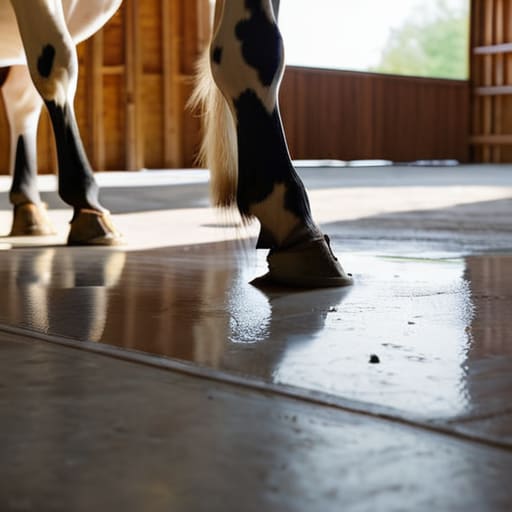
You can spend a fortune on the latest automated feeding systems or high-spec gates, but if the floor is wrong, you’re just subsidising a vet’s new car. I’ve seen too many lads get caught up in the aesthetics of barn construction materials and forget that a cow is a heavy, clumsy animal with a very specific set of needs. If your concrete is too slick, they’re slipping and tearing ligaments; if it’s too abrasive, you’re grinding them down to the bone. It’s not just about shelter from the rain; it’s about the ground they stand on for six months of the year.
Properly meeting livestock housing requirements means thinking about the drainage and the bedding long before the first animal walks through the door. I’ve learned the hard way that a building that looks grand on a blueprint can become a damp, nitrogen-heavy trap if you haven’t planned for airflow. If you don’t get the ventilation right, you aren’t just dealing with a bit of a smell—you’re inviting respiratory issues that will drain your bank account faster than a bad spring. Focus on the footing and the air, or don’t bother building at all.
Barn Construction Materials That Wont Rot Your Cash Flow
You’ll see plenty of lads looking at the shiny new steel cladding in the brochures, thinking it makes them look like a modern operation. But when it comes to selecting barn construction materials, you need to stop thinking about how the yard looks from the road and start thinking about how it handles a wet Tuesday in November. Steel is fine for the frame, provided it’s not the cheap, thin stuff that starts weeping rust the moment the salt hits it. If you’re building for cattle, you want something that can take the scrape of a shoulder and the weight of a heavy feeder without needing a repair crew every three years.
The real trap is ignoring the air. I’ve seen men spend a fortune on heavy-duty walls only to realize they’ve built a damp tomb. If your agricultural ventilation systems aren’t part of the initial material choice, you aren’t building a shed; you’re building a petri dish for pneumonia. You can have the sturdiest walls in the county, but if the moisture can’t move, you’re just paying to rot your stock from the inside out. Stick to materials that allow for movement and airflow, or prepare to spend your profits on vet bills.
Mastering Efficient Farm Site Planning and Ventilation Systems
You can have the finest barn construction materials in the county, but if you’ve stuck it in a hollow where the frost sits all winter or where the wind whips through like a knife, you’re just building a very expensive tomb for your profit margins. Efficient farm site planning isn’t about making the farm look tidy on a map; it’s about understanding the topography and the wind. I’ve seen men spend a fortune on steel only to find their stock standing in a permanent damp patch because they didn’t account for the natural drainage of the site. If the water doesn’t move, the muck doesn’t move, and your feet—and your bank balance—will pay the price.
Then there is the matter of the air. People get obsessed with the walls and forget that what’s moving through the building is just as vital. Most folks think a few open slats are enough, but poor agricultural ventilation systems turn a shed into a sauna of ammonia and moisture. You aren’t just housing animals; you’re managing a microclimate. If you can’t move the damp air out, you’re essentially paying to breed respiratory issues in your herd. Don’t let a lack of airflow turn your investment into a liability.
Five Things I’ve Learned While Watching Money Rot in the Rain
- Don’t buy a building based on the brochure’s floor plan; buy it based on the turning circle of your tractor and the height of your largest feeder. If you can’t get the kit in and out without a twenty-minute backing manoeuvre, you’ve just bought a very expensive way to waste your daylight.
- Check the drainage before you pour a single yard of concrete. I’ve seen men spend fifty grand on a pristine floor only to find they’ve built a glorified swimming pool for their stock, and once that ground stays sodden, your profit margin is washing straight down the drain.
- Prioritise access over aesthetics. A shed that looks grand from the road but requires you to navigate a narrow, muddy track every time you need to move a heifer is a shed that will eventually break your spirit—and your gearbox.
- If you’re choosing between a fancy automated system and a solid, manual one that you actually know how to fix, take the manual one. Technology is fine until it breaks at 2:00 AM in February, and then you’ll find out exactly how much a “smart” building costs when it leaves you helpless.
- Always leave more room than you think you need. You’ll never regret having an extra few hectares of headspace or a wider gate, but you will certainly regret being squeezed into a structure that can’t accommodate a particularly large calf or a bit of extra silage when the weather turns.
The Three Things That Actually Matter When the Dust Settles
Don’t build for the image of a modern farm; build for the reality of your stock, because a shed that looks grand but fails to keep the floor dry is just an expensive way to breed lameness.
Every square meter of new construction must earn its keep, otherwise you’re just building a glorified storage unit for kit that’ll sit gathering dust after the first season.
Before you sign a single contract, look at your ground and your rainfall, because if the site isn’t right, even the best-engineered building won’t stop you from bleeding cash through drainage and maintenance.
The Bottom Line
At the end of the day, a farm building isn’t an asset if it’s just sitting there looking tidy in the yard; it’s only an asset if it serves the grass, the livestock, and the bank balance. We’ve talked about why you shouldn’t overspend on materials that won’t last, why ventilation is more important than a shiny new door, and why a poorly placed shed can ruin your workflow for a decade. If you focus on protecting your feet—both the animals’ and your own cash flow—you’ll avoid the kind of mistakes that keep me awake at night. Don’t build for the way you think you’ll farm in five years; build for the practical reality of the ground you stand on and the weather that actually hits your hills.
I’ve spent forty years watching men go bust because they bought a piece of kit that looked good on a brochure but failed in a wet November. Farming is hard enough without your own infrastructure working against you. My advice is simple: keep your head down, watch your margins, and remember that every pound spent on a structure should be a pound spent on improving the efficiency of your stock. If a building doesn’t make the job easier or the animal healthier, it’s just a very expensive way to waste space. Build for the long haul, and build for the reality of the farm, not the dream.
Frequently Asked Questions
How do I figure out if I actually need a new shed right now, or if I'm just being talked into it by a salesman with a shiny brochure?
Look at your bank balance and then look at your stock. If you’re staring at a pile of wet, poorly ventilated straw and your weaning weights are dropping because the calves are shivering, you need a shed. But if you’re just tired of looking at an old timber frame that’s seen better days, put the brochure down. Unless that building is directly fixing a problem with your grass, your feet, or your cash flow, you don’t need it.
When I'm looking at different materials, how do I work out the real cost over ten years instead of just looking at the initial invoice?
You don’t look at the invoice; you look at the maintenance log you haven’t written yet. If a cheaper roof saves you five grand today but needs a patch every spring, you’ve already lost. I calculate it by adding the initial cost to the expected repair bills and the “nuisance factor”—the hours you spend fixing it instead of being in the field. If it doesn’t pay for itself in uptime, it’s too expensive.
If I'm retrofitting an old stone or timber building, how much is it worth spending on ventilation versus just letting the wind do the work?
If you’re messing with old stone or timber, don’t just crack a window and call it a day. Letting the wind “do the work” is a gamble that usually ends with damp bedding and respiratory issues in your stock. If the airflow is too violent, you’re paying to heat the sky; too little, and you’re breeding pneumonia. Spend the money on controlled ventilation. It’s better to invest in a proper system now than to pay for it later in vet bills and lost weight.
