
Most consultants will try to sell you a glossy binder full of “succession frameworks” and legal jargon that costs more than a good set of breeding ewes. They’ll talk about “strategic transitions” and “intergenerational synergy,” but they haven’t spent a single morning trying to figure out how to hand over a farm while the bank is breathing down your neck and the calf numbers are dipping. I spent years thinking a handover was just a matter of signing some papers and handing over the keys, only to realize that if you don’t get the cash flow sorted first, you’re just handing your successor a very expensive way to go broke.
I’m not here to give you a lecture or a sales pitch for a management firm. I’m going to tell you what actually matters when the boots hit the ground: the state of the soil, the reality of the debt, and the hard truth about who actually holds the authority when a crisis hits. I’ve made the mistakes, I’ve lost the sleep, and I’ve seen the families break under the pressure of a poorly planned exit. I’ll show you how to pass on the grass, the gear, and the grit without losing the very thing you worked forty years to build.
Table of Contents
Understanding How to Hand Over a Farm
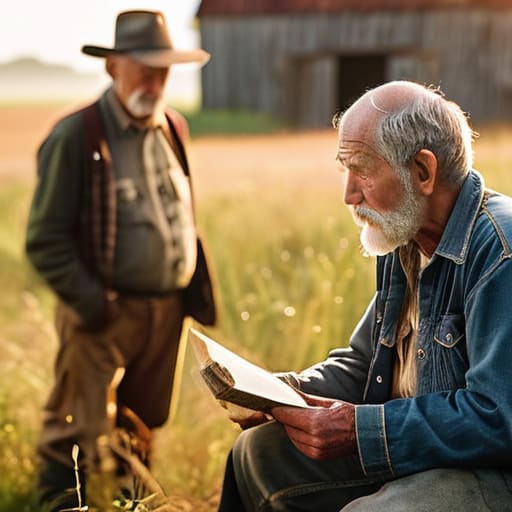
Most people treat the idea of stepping back like it’s a paperwork exercise, something you settle with a solicitor over a lukewarm coffee. It isn’t. If you treat it like a mere administrative task, you’ll find the actual business has bled out before the ink is dry. Real managing family farm transitions isn’t about who gets the tractor or which field goes to whom; it’s about whether the person taking the reins understands that the profit is in the margins, not the turnover. You can hand over the keys to the gate, but if you haven’t handed over the institutional memory of why certain fields stay wet in March or why that one heifer is always a problem, you haven’t actually handed over a farm.
You have to look at the hard mechanics of succession planning for agricultural businesses through a lens of survival. It’s easy to get caught up in the sentimentality of retaining farm legacy through generations, but sentiment doesn’t pay the vet or the feed bill. You need to map out the transition so that the cash flow remains steady while the leadership shifts. If the transition is too sudden, the bank gets nervous; if it’s too slow, the next generation loses their teeth.
Key Things to Know
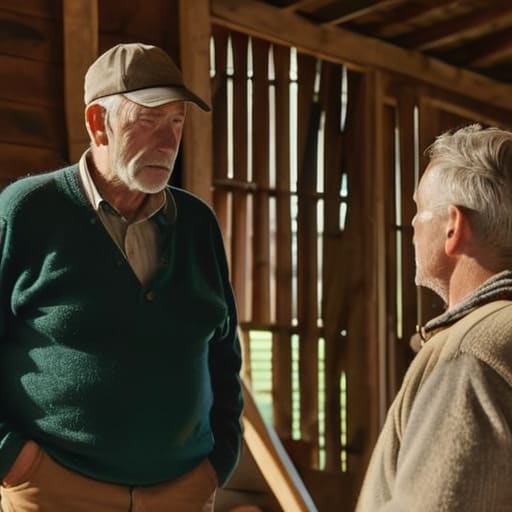
First, you need to accept that this isn’t just about moving names on a deed or handing over the keys to the tractor shed. Most people get caught up in the paperwork and forget that managing family farm transitions is actually about people, not just property. I’ve seen plenty of lads think they’re ready because they can drive a quad and handle a sheepdog, only to realize six months later they haven’t a clue how to manage the bank manager or the tax man. You can’t just hand over the livestock; you have to hand over the decision-making, and that’s where the real friction starts.
Second, don’t go thinking you can wing the legal side of things. I’ve spent enough years watching men try to settle things over a pint, only to end up in a solicitor’s office three years later when the siblings start bickering over a boundary fence. You need a proper look at the legal aspects of farm handover before the first signature is even dry. If you haven’t mapped out exactly who gets what—and more importantly, who gets the responsibility for the debt—you aren’t planning a succession; you’re just scheduling a family argument.
Practical Tips and Steps

First, you need to stop treating the handover like a single event and start treating it like a slow season. If you try to do everything in one go, you’ll end up with a mess of paperwork and a successor who doesn’t know which gate sticks in the wind. Start by sitting down—not in a boardroom, but in the kitchen—to map out your succession planning for agricultural businesses. You need to decide who holds the keys to the bank account and who holds the keys to the tractor. Don’t let the legal aspects of farm handover catch you by surprise; get the solicitors involved early so they can iron out the tax implications before the revenue man comes knocking.
Second, get the livestock and the land in order before you step back. You can’t hand over a broken system and expect it to thrive. This means auditing your breeding lines, checking the condition of your fences, and ensuring the cash flow can actually support the next generation. Managing family farm transitions isn’t just about changing a name on a deed; it’s about ensuring the ground is productive enough to pay for the mistakes the next person will inevitably make.
Common Mistakes to Avoid
The biggest mistake I see is treating the handover like a single event—a big day where you hand over the keys and walk away. It isn’t. It’s a slow bleed of authority if you don’t manage it right. People get so caught up in the legal aspects of farm handover that they forget to actually teach the next generation how to read the weather or spot a problem in the back field before it becomes a disaster. If you haven’t spent the last three years letting them make the small, cheap mistakes, they’ll make the massive, expensive ones the minute you’re gone.
Another trap is the “silent partner” syndrome. You step back, but you don’t actually let go. You’re still in the yard, second-guessing every decision and undermining the person you’re supposed to be empowering. This is where most managing family farm transitions go south; the tension between the old way and the new way creates a friction that burns through cash faster than a drought. You have to decide if you’re retiring or just moving to the desk, because trying to do both usually results in nobody knowing who’s actually in charge.
Final Thoughts
At the end of the day, don’t let the paperwork fool you into thinking the job is done once the solicitor has filed the deed. You can have the most airtight succession planning for agricultural businesses on paper, but if the person taking over doesn’t know which field turns to a bog in November or which heifer is the backbone of the breeding line, the plan is worth about as much as a broken tractor. A handover isn’t a single event; it’s a slow, often uncomfortable shift in who holds the reins and who holds the bank account.
If you want to succeed, stop looking for a magic bullet and start looking at the soil and the ledger. You aren’t just transferring agricultural land ownership; you are passing on a living, breathing, and often temperamental entity. My advice is to keep your eyes on the margins and your hands on the gate. If you manage the transition with enough honesty to talk about the failures as well as the successes, you might just find that retaining farm legacy through generations becomes a reality rather than just something people say at weddings.
Five things that actually matter when you're stepping back
- Don’t just hand over the keys and the livestock; you have to hand over the data. If your successor doesn’t know which field turns to a bog in November or which ewe in the flock has a temper like a cornered badger, they aren’t running your farm—they’re just guessing. Get those records out of your head and onto paper before you lose the knack for remembering them.
- Separate the family from the ledger. It’s easy to let a daughter or a son slide on a bit of equipment or a few head of cattle because “it’s family,” but that’s how businesses bleed out. If the books don’t reflect what the farm is actually worth, you’re setting them up to fail the moment a bad year hits and the bank comes knocking.
- Test the machinery before you retire. There is nothing quite as soul-destroying as handing over a tractor that you’ve been “meaning to fix” for three seasons. If a piece of kit is going to sit in the shed gathering dust because it’s more trouble than it’s worth, get rid of it now. Don’t pass on a liability and call it an asset.
- Watch the cash flow, not just the stock numbers. You can have a field full of prime beef, but if your liquid cash is tied up in land or unserviceable debt, your successor will be suffocating from day one. Make sure the transition includes a realistic look at what it actually costs to keep the lights on through the lean months.
- Decide early who is actually in charge. I handed the day-to-day to my daughter last year, but we had to be crystal clear about where my “advice” ends and her “decisions” begin. If you keep hovering over every gate and every purchase, you’ll never actually leave, and she’ll never actually lead. Decide on the boundary, then stick to it.
The Bottom Line
Don’t let the sentimentality of the land cloud the reality of the ledger; if the successor can’t manage the cash flow, they won’t be able to manage the cows.
A handover isn’t just about signing over the deeds; it’s about making sure they know which fields turn to a bog in November and which machines are worth fixing and which are just taking up space.
Get the hard conversations out of the way while you’re both still standing on level ground, because trying to sort out family and finances after the money has run dry is a losing game.
The Long View
At the end of the day, handing over the keys isn’t just about signing off on the land registry or deciding who gets the tractor. It’s about ensuring the grass, the feet, and the cash flow are all in a state where the next person can actually breathe. You can have the finest pedigree ewes in the county and the most expensive sheds in the parish, but if the succession plan is a mess and the books don’t balance, you’re just handing over a headache wrapped in a beautiful landscape. Don’t let the paperwork get in the way of the practical reality of keeping a farm viable; make sure the transition is as steady as a good heifer in a dry field.
I spent forty years learning that a farm is a living thing, and like anything living, it needs room to grow into its next stage. Passing the baton is perhaps the hardest bit of work you’ll ever do—harder than any lambing season or any drought—but it is the only way to ensure that the work you’ve put in actually matters twenty years from now. Do it right, do it slowly, and don’t be afraid to step back and let the new generation find their own way through the mud. If you’ve done your job well, the farm won’t just survive the change; it will thrive because of it.
Frequently Asked Questions
How do I figure out what the farm is actually worth without a surveyor telling me a number that makes my blood pressure spike?
You don’t look at the shiny new tractor or the stone walls; you look at the margins. A surveyor sees hectares and titles, but you need to see the net profit per hectare and the cost of a heifer versus what she brings to market. Look at your last five years of books—not the turnover, the actual cash left in the bank after the diesel and feed are paid. If the grass doesn’t pay, the land’s just a hobby.
If I step back from the day-to-day, how do I stop myself from hovering over my daughter's shoulder every time she makes a decision on the cattle?
You have to treat her like a partner, not a pupil. If you’re constantly hovering, you aren’t helping her lead; you’re just making sure she never learns the weight of a bad decision. Pick your battles. If she wants to move the herd to the top field a day early, let her. If the grass is there and the weather holds, she’ll see the result for herself. You can’t manage the paperwork if you’re too busy trying to manage her every move.
At what point do we sit down and actually look at the books to see if the cash flow can handle both of us being on the payroll?
You sit down and look at the books the moment you stop talking about “the future” and start talking about “the transition.” Don’t wait for a milestone or a birthday. You do it when the successor is ready to take the reins, but before the first cheque is written. If the grass isn’t covering the cost of two salaries, you aren’t handing over a farm; you’re handing over a debt. Check the margins now.
