If you pick up one of those glossy, colour-printed booklets from the agricultural shows and they start talking about “synergistic land-use models” or “integrated infrastructural development,” do yourself a favour and use them to line the calving pens. Most people will tell you that a complete guide to rural planning involves complex spreadsheets and five-year projections that look lovely on a screen but fall apart the moment the clouds break. I’ve spent forty years watching men in suits try to plan for a farm as if it were a factory, forgetting that you can’t “optimize” a field if the ground is too sodden to hold a tractor or the rainfall has turned your best grazing into a bog.
I’m not here to sell you a subscription to a management software or a new piece of kit that’ll be gathering dust in the shed by next November. What I’m going to give you is a look at what actually keeps the lights on: the hard math of grass production, the hidden cost of a lame animal, and the reality of your cash flow when the markets turn sour. This isn’t a textbook; it’s a map of the expensive mistakes I’ve made, so you don’t have to make them yourself.
Table of Contents
- The Hard Truth a Complete Guide to Rural Planning
- Navigating Agricultural Land Use Regulations Without Losing Your Shirt
- Zoning Laws and the Change of Use Application Process
- Planning Permission for Rural Properties Avoiding Expensive Paperwork Mista
- Winning the Fight Appealing Planning Decisions and Development Strategies
- Five Things the Planning Consultants Won't Tell You
- The Bottom Line Before You Break Ground
- The Bottom Line
- Frequently Asked Questions
The Hard Truth a Complete Guide to Rural Planning
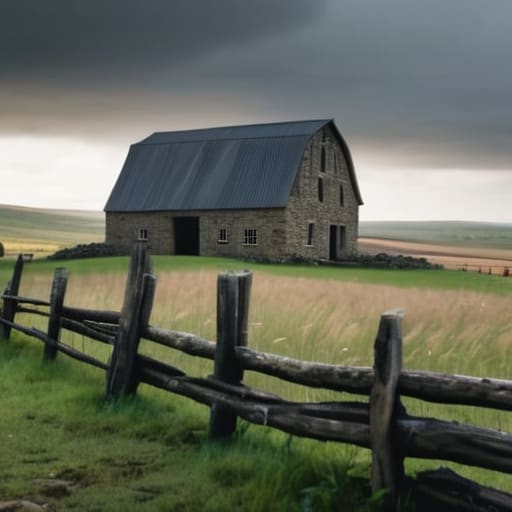
Now, when people hear “planning,” they usually think of the glossy brochures from the council or some consultant in a suit talking about long-term growth. They aren’t thinking about the reality of what happens when you actually need to move a shed or build a new handling system. If you’re looking to change how you use a piece of ground, you’ll quickly find that agricultural land use regulations are less about farming and more about bureaucracy. You can have the best intentions for your stock, but if you haven’t looked into the change of use application process for that old barn, you’re just building a very expensive pile of stone that you aren’t legally allowed to touch.
Most of the mistakes I see aren’t made in the field; they’re made in the paperwork. People get caught up in the excitement of a new project and forget that planning permission for rural properties is a minefield of local politics and shifting rules. I’ve seen men spend three years and five figures trying to fight a decision, only to realize they should have just checked the zoning before they ever bought the land. If you aren’t looking at your plans through the lens of how much cash is leaving the bank while you wait for a signature, you aren’t planning—you’re gambling.
Navigating Agricultural Land Use Regulations Without Losing Your Shirt
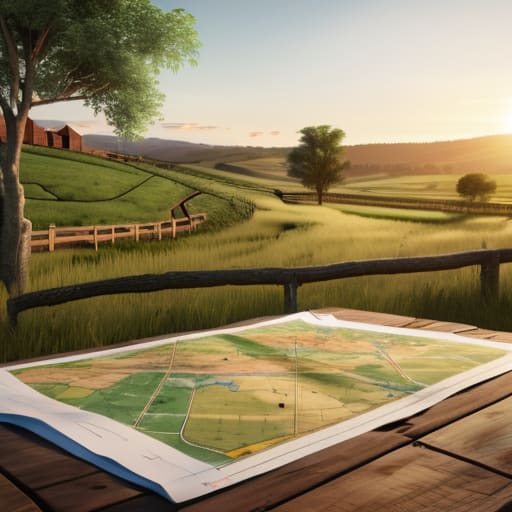
Most people treat agricultural land use regulations like a nuisance, something to be sidestepped or ignored until a surveyor turns up at the gate. That’s a mistake that’ll cost you more than a bad year of silage. Whether you’re looking to build a new calving shed or thinking about diversifying into a holiday let, you’ve got to understand that the council doesn’t care about your margins; they care about the map. If you jump into a change of use application process without knowing exactly where your boundaries sit against the local development plan, you’re just throwing good money after bad.
I’ve seen lads spend five figures on architects and consultants only to be told their “diversification” is actually a breach of rural residential development strategies. It’s a bitter pill to swallow. If you’re going to push for something, do your homework on the local zoning before you even pick up a pen. And for heaven’s sake, don’t assume that appealing planning decisions is a guaranteed way to get your way. It’s a long, expensive slog that usually ends with you having more paperwork than profit.
Zoning Laws and the Change of Use Application Process
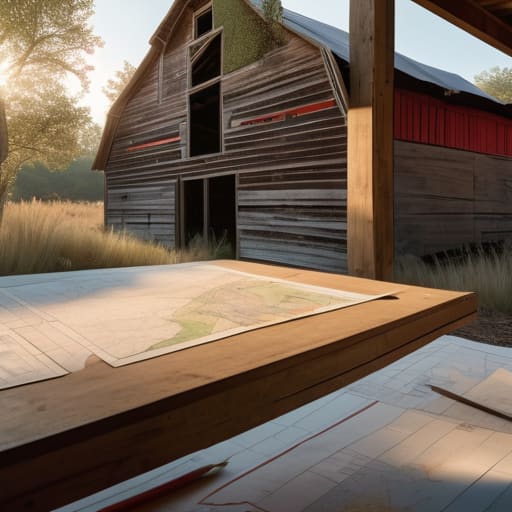
Now, if you’re looking at that derelict barn or that bit of scrubland and thinking it’s the perfect spot for a holiday cottage or a workshop, hold your horses. The council doesn’t see a productive farm; they see a map of lines and restrictions. Dealing with rural development zoning laws is less about what you want to build and more about what the planners will allow you to get away with. I’ve seen men lose years of momentum because they assumed a building was “grandfathered in” when it actually needed a fresh set of eyes from the planning office.
When you start the change of use application process, don’t go in expecting a handshake and a nod. It’s a paper war. You’ll find that the moment you stop using a structure for strictly farming purposes, the goalposts move. They’ll ask about traffic, drainage, and how your new little project affects the “character” of the landscape. If you don’t have your ducks in a row—and I mean actual, documented proof of your current use—you’ll spend more on consultants than the building is worth. Prepare for the paperwork to be as heavy as a wet bale of hay.
Planning Permission for Rural Properties Avoiding Expensive Paperwork Mista
Most men I know don’t start thinking about planning permission for rural properties until they’ve already bought the timber or the stone. That’s a mistake that’ll cost you more than a bad year of silage. You can have the best intentions for a new polytunnel or a grain store, but if you haven’t checked how your idea sits against the local council’s view of the landscape, you’re just throwing money at a brick wall. I’ve seen lads spend six months’ worth of profit on architects and consultants, only to find out their “essential” shed is a non-starter because of a line on a map they never bothered to read.
The real danger lies in the change of use application process. People think that if they’ve farmed the land for three generations, the rules are written in their favour. They aren’t. If you’re trying to pivot from pure production to something more residential or commercial, you’re playing a different game entirely. Don’t go into it expecting a handshake; go into it knowing exactly where your boundaries are. If you get a refusal, don’t just fume in the yard—look at the specific reasons given. Appealing planning decisions is a long, expensive slog that requires more paperwork than a year’s worth of livestock records, and most of the time, you’re better off redesigning the project from scratch.
Winning the Fight Appealing Planning Decisions and Development Strategies
If you’ve spent six months filling out forms only to have a planning officer tell you “no” because your new calving shed “impacts the visual amenity” of a field that’s been muck and stone for a century, you’ll know the feeling of wanting to throw the whole folder in the burn. Appealing planning decisions isn’t about shouting at the council or waving a pitchfork; it’s a slow, expensive game of technicalities. You have to prove that your requirement for the land isn’t just a whim, but a necessity for the viability of the business. If you go in there with nothing but a sense of grievance, you’ve already lost.
The trick is to frame your argument within the existing rural development zoning laws rather than fighting against them. You don’t win by saying the rules are unfair; you win by proving your specific case fits the narrow, often poorly understood, definitions they’ve laid out. It requires a paper trail that links your request directly to the economic survival of the holding. Don’t expect a quick fix—this is where the cash flow takes its hardest hit, often before you’ve even broken ground.
Five Things the Planning Consultants Won't Tell You
- Don’t plan a single brick or post until you’ve looked at your drainage and your rainfall. I’ve seen men spend a fortune on “modernizing” a farmyard only to find the ground turns to soup the moment a heavy mist settles, making the whole investment inaccessible for half the year.
- If you’re planning for more stock, don’t look at the brochures for new sheds; look at your grass measurements. A bigger shed doesn’t mean more profit if your land can’t grow the feed to keep the animals in it, and you’ll end up just storing expensive, hungry mouths.
- Treat your cash flow like your most temperamental ewe—if you don’t watch it daily, it’ll go wrong when you least expect it. Planning for expansion is useless if you haven’t factored in the three years of “dry” periods where the subsidies won’t cover the rising cost of diesel and feed.
- Keep your records on the feet, not just the pedigree. When you’re planning your long-term infrastructure, remember that a single season of poor footing in a new yard can cost you more in lameness and lost weight than any planning fee ever will.
- Before you buy a piece of kit to “help with the transition,” ask yourself if it’ll be sitting under a tarp in the shed by next November. True planning is about buying what you need to fix a bottleneck, not what looks impressive in the local auction catalog.
The Bottom Line Before You Break Ground
Don’t let a planning officer or a salesman distract you from the ground itself; if your land can’t support the stock or the infrastructure you’re planning for, no amount of clever zoning will stop you from bleeding cash.
Paperwork is a necessary evil, but treat it like a fence—if you don’t do it right the first time, you’ll spend twice as much money trying to fix the gap later.
Always keep your eye on the cash flow, not just the footprint; a beautiful new barn or a perfectly zoned field is nothing but an expensive monument if it doesn’t actually improve your margin per hectare.
The Bottom Line
At the end of the day, all this talk of zoning, change of use applications, and fighting planning appeals boils down to one thing: protecting your margin. You can spend your whole life fighting the council over a new shed or a boundary fence, but if you haven’t accounted for the cost of the land, the quality of the grass, and the unpredictable nature of the weather, you’re just rearranging deck chairs on a sinking ship. Planning isn’t just about what the government allows you to build; it’s about ensuring that what you do build actually serves the cash flow of the farm rather than becoming a glorified monument to your own ego.
I’ve seen too many men go bust trying to build the perfect farmstead before they’ve even mastered the art of keeping a cow profitable for twelve months. Don’t let the paperwork distract you from the dirt and the animals. Use these rules to guard your borders and your rights, but never forget that a farm is a living, breathing organism that requires more than just a permit to thrive. Build your plans on solid ground and realistic numbers, and you might just find that you’re still standing when the next generation comes to take the keys.
Frequently Asked Questions
If I’ve already spent a fortune on a new shed or a fence line, how do I work backward to see if the planning permission actually covers the way I intend to use the land?
You’ve got to look at the paper, not the post. A shed is just a box until you check the “intended use” on the approved plans. If you’ve built a structure for hay storage but you’re planning to run a calf unit through it, you’re playing a dangerous game with the council. Don’t just assume a roof means you’re covered; go back to the specific wording of your permission. If the use doesn’t match the build, you’re just building a very expensive liability.
When you're looking at the paperwork for a change of use, how do you tell the difference between a genuine long-term opportunity and a bit of developer nonsense that’ll leave you with a tax bill and no way to move the stock?
Look at the numbers, not the glossy brochures. If a “developer” is talking about “diversification potential” but hasn’t asked about your drainage or how many tonnes of muck you’re producing, walk away. A real opportunity is tied to the land’s actual capacity—like a conversion that actually services your existing workflow. If the plan relies on a subsidy or a market trend that hasn’t existed since the nineties, it’s nonsense designed to trigger a tax hit.
How much of my seasonal cash flow should I actually be setting aside for legal fees and planning delays before I commit to buying more ground or upgrading the infrastructure?
Don’t touch a penny of your operating capital for this. If you’re looking to expand or build, you need to ringfence at least 15% of the total project cost into a separate “buffer” account before you even call the solicitor. Planning delays aren’t just about the legal fees; they’re about the interest on the money you’ve tied up in land that isn’t producing a damn thing yet. If that buffer isn’t there, you’re just gambling with your feed bill.
