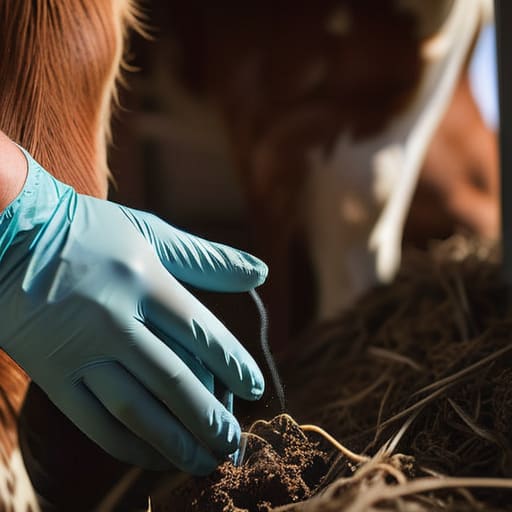
I remember standing in a muddy yard back in ’94, watching a young lad try to use some fancy, over-engineered electronic tool he’d bought off a salesman who’d never seen a cow in his life. He was sweating, the animal was thrashing, and he was losing more in lost weight and stress than the tool cost twice over. Most of the advice you read in those glossy agricultural magazines makes it sound like you need a degree in veterinary surgery to get through the job, but that’s nonsense. When it comes to how disbudding and castration should be done, you don’t need more gadgetry; you need the right timing and the right steady hand.
I’m not here to sell you a new brand of anesthetic or a piece of kit that’ll be rusting in the shed by Christmas. I’m going to tell you how it’s actually done when you’re looking at the weather, the temperament of the beast, and the reality of your margins. I’ve made enough mistakes with a hot iron and a scalpel to know exactly where the profit leaks out of a farm, and I’ll show you how to keep it in your pocket.
Table of Contents
- The Hidden Cost of How Disbudding and Castration Should Be Done
- Why Poor Pain Management in Cattle Kills Your Bottom Line
- Finding the Optimal Timing for Disbudding Before Mistakes Mount
- Using Veterinary Approved Analgesia Methods to Protect Your Profit
- Preventing Infection After Castration to Meet Livestock Welfare Standards
- Five things I’ve learned the hard way about getting these jobs done right
- The bottom line on disbudding and castration
- The Bottom Line on Blood and Bone
- Frequently Asked Questions
The Hidden Cost of How Disbudding and Castration Should Be Done

Most people look at a botched disbud or a messy castration and see a welfare issue. They aren’t wrong, but they’re looking at the wrong side of the ledger. I see a drain on the bottom line that most lads don’t account for until the end-of-year figures come in. When you rush a job or use blunt tools because you’re trying to save ten minutes, you aren’t just being rough; you’re inducing a stress response that shuts down growth. A calf that spends its first week hobbling or nursing a swollen head isn’t converting grass into muscle; it’s burning energy just trying to recover from the trauma you handed it.
If you aren’t looking at pain management in cattle as a financial strategy, you’re missing the point. It’s not just about being “kind”—though that’s the easy way to frame it to the neighbors—it’s about the fact that a stressed animal is a slow animal. Using proper veterinary approved analgesia methods might cost you a few extra pounds upfront, but it’s a hell of a lot cheaper than losing two weeks of weight gain or dealing with a secondary infection that turns a simple procedure into a veterinary emergency.
Why Poor Pain Management in Cattle Kills Your Bottom Line

You can talk all you want about livestock welfare standards and what the inspectors want to see, but I’m looking at the scale and the feed bill. When you perform these procedures without proper pain management in cattle, you aren’t just being “tough”; you’re being inefficient. A calf that’s hurting isn’t eating. It’s standing in the corner, head down, refusing the creep feeder. That’s a week of growth gone, and in a suckler system, growth is the only thing that pays the bills.
It isn’t just the immediate loss of weight, either. Stress triggers a physiological cascade that suppresses the immune system, making the animal a sitting duck for whatever is lurking in the muck. I’ve seen more money lost to secondary infections than to the actual procedure itself. If you aren’t using veterinary approved analgesia methods, you’re essentially gambling with your margins. You might save twenty quid on a bottle of something now, but you’ll pay for it tenfold when you’re dealing with a stunted calf or a systemic infection that takes months to rectify.
Finding the Optimal Timing for Disbudding Before Mistakes Mount

Everyone has an opinion on when to get the job done, but if you’re waiting until the animal is large enough to make the task “easy” for yourself, you’ve already lost. I’ve seen plenty of lads try to tackle disbudding on older calves because they think they’ve got more control, but all they’ve really done is increase the surface area for a massive scab and a week of misery. The optimal timing for disbudding is well before the horn bud starts to establish a firm connection to the skull. Once that happens, you aren’t just removing a horn; you’re essentially performing a minor surgical procedure on the bone.
If you miss that window, you aren’t just breaking animal husbandry best practices; you’re inviting a massive recovery period that eats into your weaning weights. It’s a simple matter of biology: a smaller, calmer calf heals faster and recovers its condition far more effectively than a yearling that’s been through the wars. If you wait too long, you’re not being “efficient”—you’re just making a hard job much harder and more expensive.
Using Veterinary Approved Analgesia Methods to Protect Your Profit
Now, I know what some of you are thinking. You’re looking at the cost of a bottle of something from the vet and thinking it’s an unnecessary extra on top of the labour and the kit. But if you think the price of a dose of analgesia is high, try calculating the cost of a heifer that’s sat in the corner for three days because she’s too miserable to find the trough. When we talk about pain management in cattle, we aren’t just talking about being “kind”—though that’s a fair bit of it—we’re talking about keeping the animal on its feet and eating.
Using veterinary approved analgesia methods isn’t a luxury; it’s a practical tool for protecting your margins. When you use the right stuff, you aren’t just ticking a box for livestock welfare standards; you’re ensuring that the stress of the procedure doesn’t trigger a secondary problem that’ll haunt you come weaning time. I’ve seen enough animals go off their feed and lose a stone of growth simply because the handler thought a bit of grit was better than a bit of medicine. Don’t be that farmer. Use the vet’s advice, pay the few quid for the injection, and keep your stock moving toward the sale yard rather than toward the scrap heap.
Preventing Infection After Castration to Meet Livestock Welfare Standards
Once the job is done, the real work starts. You can have the best timing and the right drugs, but if you leave a calf in a muddy, fly-blown pen immediately after a procedure, you’ve wasted your time. I’ve seen too many lads think that because the bleeding has stopped, the danger has passed. It hasn’t. Preventing infection after castration isn’t about some fancy new spray; it’s about cleanliness and observation. If the ground is soaked and the flies are thick, you aren’t meeting basic animal husbandry best practices; you’re just setting yourself up for a week of checking swollen scrota and losing weight on a calf that should be growing.
Keep a sharp eye on the site for the first forty-eight hours. If you see excessive swelling or a foul smell, you’ve missed something. It’s easy to get distracted by the next task, but skimping on the follow-up is where the profit leaks out. Proper hygiene and a dry environment are just as vital to livestock welfare standards as the actual procedure itself. If you don’t manage the environment, you’re just inviting the very problems you tried to avoid.
Five things I’ve learned the hard way about getting these jobs done right
- Don’t try to be a hero with the timing. If you miss the window for disbudding because you were waiting for a “better day” that never came, you’ll be fighting much thicker horn cores and a lot more blood later on. It’s easier to do it right when they’re small than to fix a mess when they’re older.
- Check your kit before the animals are even out of the shed. There is nothing more frustrating—or more expensive in terms of lost time—than getting a group of calves settled only to find your cautery iron is faulty or your local anesthetic is sitting on the shelf in the wrong dose.
- If you’re doing castrations, keep the environment clean, but don’t overthink the sterility like you’re in an operating theatre. Just make sure the ground isn’t a boggy mess; if they’re standing in muck, you’re practically guaranteeing an infection that’ll cost you more in vet bills than the procedure was worth.
- Use enough restraint, but don’t break them. I’ve seen lads try to manhandle a calf to save time, only to end up with a stressed, thrashing animal that’s impossible to work on safely. A calm, secure animal means a quicker job and less risk of a botched cut.
- Always have a plan for the aftermath. It’s not enough to just do the procedure and walk away; you need to be watching those animals for the next 48 hours. If you aren’t looking for the signs of a slow healer or a heavy eater, you aren’t managing the job, you’re just ticking a box.
The bottom line on disbudding and castration
Stop treating disbudding and castration as “nuisance tasks” to be rushed through; if you don’t budget the time and the cost of proper analgesia, you’re just paying for the privilege of losing weight and vigor in your stock.
Timing isn’t a suggestion, it’s a financial decision—doing it too late makes the job harder, the animal more stressed, and the recovery more expensive, which is a recipe for a bad year.
Cleanliness and pain relief aren’t just about welfare standards or what a vet tells you; they are about preventing the infections and the slow-motion profit leaks that happen when a calf stops growing because it’s busy fighting a wound.
The Bottom Line on Blood and Bone
At the end of the day, disbudding and castration aren’t just chores to tick off a list; they are direct interventions in your farm’s economics. If you get the timing wrong, you lose weight. If you skip the analgesia, you lose growth. And if you treat the aftercare as an afterthought, you’re essentially handing your profit over to the infection that follows. I’ve seen enough young lads try to save a few quid on a bottle of local anaesthetic only to spend ten times that much trying to fix a calf that’s gone off its feed and stopped growing. It all comes back to what I always say: it’s about the grass, the feet, and the cash flow. If you ignore the welfare side of these procedures, you are inevitably sabotaging the third one.
I’m not telling you this to lecture you from a high horse—I’ve made every single one of these mistakes myself, usually on a cold Tuesday morning when I should have stayed in the kitchen. But the difference between a farm that survives and one that thrives is often found in these small, gritty details that don’t make the headlines. Don’t look for the quick fix or the cheapest way out; look for the way that ensures your livestock stays on track and your margins stay intact. Do the job right, do it once, and stop paying for the same mistakes twice.
Frequently Asked Questions
If I'm using local anaesthetic, how much am I actually losing in labour time versus the cost of the drug itself?
You’re looking at the wrong ledger. If you’re sweating the cost of a few millilitres of lidocaine, you’ve missed the point. Yes, the drug costs a few quid, and yes, it adds ten minutes to the job. But those ten minutes are cheaper than a calf that stops growing because it’s too busy nursing a wound, or a heifer that loses its temperament because you were too rushed to do it right. You pay for the drug once; you pay for the lost weight for months.
At what point does a calf's weight gain drop off enough from a botched disbudding that I've lost the profit on the animal?
If you’re looking for a magic number, you’re looking for a ghost. But here’s the reality: if a calf stops its growth trajectory for even ten days because it’s nursing a botched disbudding, you’ve likely already lost it. Between the missed feed conversion and the extra labor, you aren’t just losing weight; you’re losing the margin that pays for the diesel. If that calf isn’t hitting its target weaning weight because of a bad job, the profit is gone.
When the weather turns wet and the ground is nothing but muck, is it still worth trying to get through the castration, or should I just wait and risk the size of the animal?
You’re asking about the ground, and that’s the only way to start. If it’s a wash of muck, you’re just inviting infection and making the job twice as hard for yourself. A calf struggling in a bog is a calf that won’t recover right. If you can find a dry acre or a bit of well-drained pad, go for it. Otherwise, wait for a window of decent weather. A slightly larger animal is easier to handle than a septic one.
