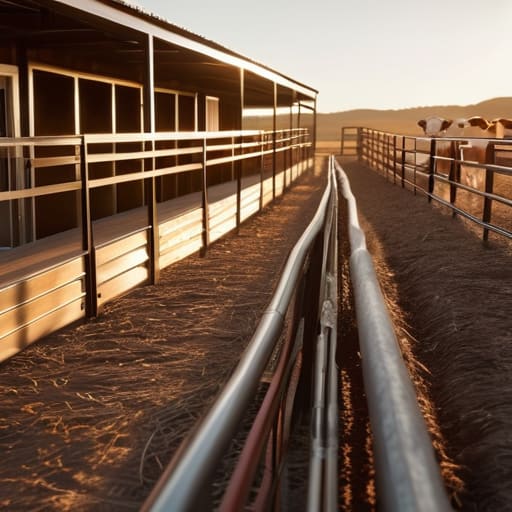
I’ve seen enough shiny, stainless-steel catalogues to know that most of them are written by men who have never had a heifer kick them in the shin or a bull pin them against a gate. They’ll try to sell you on “automated flow technology” and “ergonomic precision,” but if you’re looking for advice on how to design a handling system that actually works when the ground is a slurry of mud and the rain is coming down sideways, you won’t find it in a glossy brochure. I spent three weeks in the nineties building a crush that looked grand on paper, only to find out it was a death trap for my knees and a nightmare for my cattle every time we had to move them.
I’m not here to sell you a piece of kit or a subscription to a management app. What I’m going to do is walk you through the mistakes that actually cost money—the ones that lead to broken bones, bruised carcasses, and wasted hours standing in a yard wondering where it all went wrong. We’ll talk about flow, sightlines, and why the most expensive setup is often the one that doesn’t account for the actual temperament of a beast.
Table of Contents
- Stop Throwing Cash at a Broken Livestock Handling Facility Layout
- The Real Cost of Ignoring Animal Movement Efficiency
- How to Design a Handling System That Actually Works
- Why Cattle Crush Design Principles Determine Your Yearly Profit
- Mastering Stockyard Flow Optimization Without Buying Expensive Mistakes
- Five Things the Salesman Won't Tell You About Your Yard
- The Bottom Line on Your Handling Setup
- The Bottom Line on Your Yards
- Frequently Asked Questions
Stop Throwing Cash at a Broken Livestock Handling Facility Layout
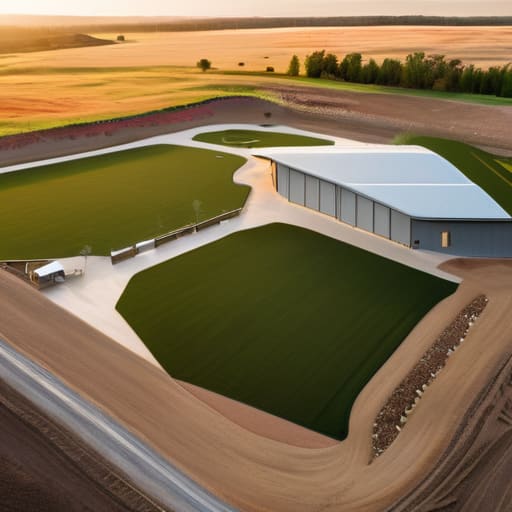
I’ve seen plenty of lads come onto the land with a fresh bank loan and a catalog, thinking they can buy their way out of a bad setup. They’ll order the most expensive stainless steel gates and a hydraulic crush that looks like it belongs in a laboratory, but they haven’t looked at the slope of the field or how the wind whips through the yard. You can have the finest equipment in the county, but if your livestock handling facility layout forces a heifer to make a sharp, ninety-degree turn just when she’s getting spooked, you’ve already lost the battle.
The truth is, a high-spec crush won’t fix a fundamental lack of animal movement efficiency. If the approach is narrow, dark, or ends in a dead end that makes the cattle bunch up against a corner, you’re just paying for expensive metal that’s going to sit there while you struggle with a rogue bull. You don’t need more gadgets; you need a layout that works with the animal’s natural instinct to move forward. Stop looking at the price tag on the kit and start looking at the flow of the stock through the yard.
The Real Cost of Ignoring Animal Movement Efficiency
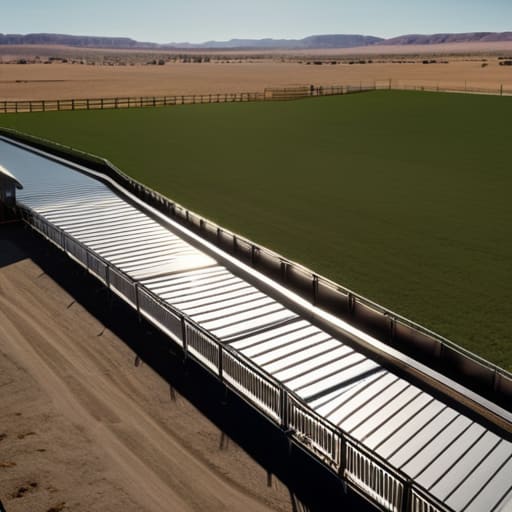
People like to talk about the price of a new steel crush, but they never talk about the cost of a slow afternoon. If your layout forces you to spend forty minutes wrestling a single heifer into a race because she’s spooked by a sharp corner or a shadow, you aren’t just losing time; you’re losing money. Poor animal movement efficiency is a silent thief. It bleeds you dry in man-hours, fuel, and the sheer physical toll it takes on your back and your staff. I’ve seen lads spend an entire day trying to move a small batch of sheep, only to realize they’ve spent more on the diesel for the quad and the wages for the help than the animals are worth.
Beyond the clock, there is the matter of the animals themselves. You can read all the books you want on low-stress handling techniques, but if your stockyard flow optimization is non-existent, those techniques won’t save you. A stressed animal is an animal that loses condition, bruises its flanks, or worse, breaks a leg in a poorly designed corner. Once a cow is down or a sheep is lame because of a bad gate, your profit margin for that animal has effectively vanished.
How to Design a Handling System That Actually Works
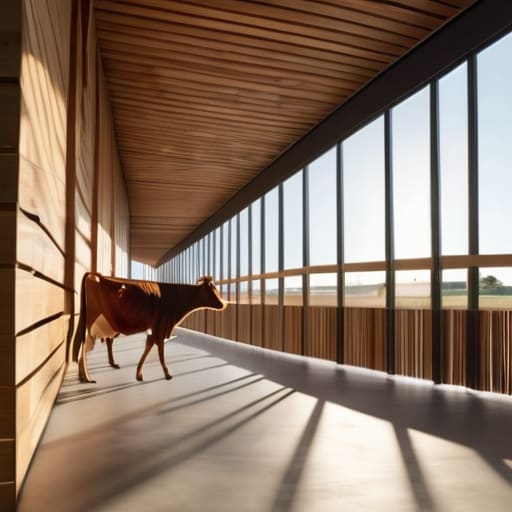
If you’re going to build something, start with the animal’s eye view, not the brochure. A good livestock handling facility layout shouldn’t feel like a trap; it should feel like a natural progression. Most mistakes happen because people build for themselves—making things easy for a human to reach—rather than for the beast. If you have a sharp corner or a sudden change in floor texture, a cow is going to hesitate. And in my experience, hesitation is where the money leaks out. You want a gradual taper in your races that uses their natural instinct to move forward into a tighter space, rather than trying to force them with a prodding stick.
Don’t get blinded by shiny new tech, either. True animal movement efficiency comes down to sightlines and solid footing. If a heifer can see a gap or a shadow that looks like a hole, she’ll plant her feet and stay there. I’ve seen lads spend thousands on automated gates only to realize they’ve built a system that requires three men to operate effectively. Build for the person who will be doing the work at 5:00 AM in a freezing rain; if it’s too complicated for a tired brain, it’s a bad design.
Why Cattle Crush Design Principles Determine Your Yearly Profit
You can look at a crush as just a bit of steel to hold a cow still while you poke at her, but that’s a mistake that bleeds you dry over twelve months. If your cattle crush design principles are based on what looked good in a brochure rather than how a heavy heifer actually behaves when she’s cornered, you’re paying for it every single day. It isn’t just about the initial invoice; it’s about the minutes lost every time a beast gets stuck or refuses to enter, and the sheer physical toll that takes on your staff.
When the design is wrong, you end up fighting the animal instead of managing it. That’s where low-stress handling techniques go out the window because you’re too busy wrestling with a stubborn steer to care about its temperament. Every time a cow gets spooked or injured because the layout is awkward, you’re looking at vet bills, weight loss, or worse. In this business, profit isn’t just what you get at the mart; it’s what you don’t lose to operational friction and wasted time in the yards.
Mastering Stockyard Flow Optimization Without Buying Expensive Mistakes
You’ll see plenty of brochures claiming their new steelwork will magically solve your problems, but stockyard flow optimization isn’t about the shine on the galvanized metal; it’s about the geometry of the movement. I’ve seen lads spend a fortune on high-spec gates only to realize they’ve built a bottleneck that forces a heifer to turn around three times just to reach the crush. If the animal has to fight its own momentum, you’ve already lost. You aren’t just moving meat; you’re moving temperament, and a poorly planned layout turns a calm afternoon into a high-stress wrestling match that leaves you bruised and your cattle unsettled.
The secret isn’t in buying more gear, but in mastering low-stress handling techniques through better spatial design. This means wide enough lanes to prevent a visual “wall” that stops them dead, but tight enough that they don’t feel they can turn tail and bolt. I’ve learned the hard way that if you don’t respect the animal’s flight zone during the transition from the field to the pen, you’re just inviting expensive chaos. Focus on the sightlines and the floor grip first; the rest is just window dressing.
Five Things the Salesman Won't Tell You About Your Yard
- Check your ground before you pour the concrete. I’ve seen men spend twenty grand on a top-of-the-line steel crush only to have it sink two inches into a soft corner every time a heavy bull steps in it. If the drainage isn’t right and the base isn’t solid, you aren’t building a handling system; you’re building a very expensive anchor.
- Design for the animal, not your ego. A straight race might look tidy on a blueprint, but if it’s too narrow for a heifer to feel secure, she’ll wedge herself and you’ll spend the next hour fighting her instead of working. If they can’t see a way through, they’ll stop, and a stopped animal is a wasted hour of daylight.
- Watch your gate placement like a hawk. There is nothing more infuriating—or more expensive in terms of wasted labor—than having to walk back across a yard three times because a gate was placed ten feet too far from the next point of contact. Every extra step you take is a tiny leak in your cash flow.
- Avoid the “one-size-fits-all” trap. You might think a single setup will handle your sheep, your calves, and your finishing steers, but you’ll end up doing a mediocre job at all three. If you try to make one yard do everything, you’ll spend half your time improvising with scrap timber and the other half regretting the purchase.
- Build in a way that lets you see the feet. If your design forces you to lean over a rail or squeeze into a corner to check a lame animal, you’ve failed. A good system lets you inspect the stock without getting in their way or risking your own balance; if you can’t see the problem clearly, you can’t fix it before it costs you a sale.
The Bottom Line on Your Handling Setup
Stop looking at a crush or a race as a piece of equipment; look at it as a bottleneck for your cash flow. If it slows down your movement or stresses the stock, it’s costing you more in lost time and weight than the invoice price of the steel.
If the layout doesn’t account for the way a cow actually wants to move, you’re just fighting nature and wasting your own energy. A system that works with the animal’s instinct is worth ten times more than the fanciest, most expensive gadget that requires you to chase them around a corner.
Build for the ground you have and the animals you actually keep, not the ones you see in a glossy brochure. If your design doesn’t work when the ground is sodden and the cattle are flighty, it’s nothing more than an expensive monument to bad planning sitting in your yard.
The Bottom Line on Your Yards
At the end of the day, a handling system isn’t a piece of farm infrastructure; it’s a tool for managing your margins. You can spend your life chasing the latest shiny gadget or a high-spec crush that promises the world, but if the layout is fundamentally flawed, you’re just subsidising your own frustration. Remember that every minute a cow spends fighting a poorly designed race, and every bruise earned from a sharp corner, is money leaking out of your pocket. Focus on the flow, respect the animal’s natural movement, and for heaven’s sake, don’t forget the ground beneath your feet—because even the best design won’t save you if the yard turns into a bog every November.
I’ve seen too many lads go into debt for equipment that ended up being nothing more than a rusting monument to bad planning. Don’t let that be you. Build for the reality of your daily work, not for the glossy brochure. A good system should make your life easier, not give you a new set of headaches to manage. If you get the grass, the feet, and the flow right, the rest of the farm tends to follow suit. It’s about building something that lasts long enough to see your daughter take over the day-to-day, leaving her with a system that actually works instead of a pile of expensive mistakes.
Frequently Asked Questions
If I'm moving between sheep and cattle, is it worth the extra outlay for a dual-purpose system, or am I better off just having two separate, smaller setups?
If you’re trying to squeeze one setup to do both, you’ll likely end up with a system that does neither well. A cattle crush that’s too big for a ewe is a recipe for broken legs and wasted time, and a sheep race that’s too narrow won’t touch a heifer. Unless your sheep numbers are tiny, don’t try to be clever with a “dual” system. Build two dedicated, functional setups. It’s more capital upfront, but it beats the cost of a vet bill or a broken animal.
At what point does the cost of upgrading an old, cramped yard actually pay for itself in saved labor and reduced vet bills?
It pays for itself the moment you stop counting the hours you spend wrestling a stubborn heifer just to get a thermometer in her. If you’re spending two extra hours every vaccination or drafting day because the yard is a bottleneck, you’ve already lost the margin. Add in the vet bill for that one broken leg caused by a cramped corner, and the new kit usually settles its own debt within two seasons.
How much of the design should I be focusing on the floor surface to prevent lameness, and what's the best way to manage that without it turning into a mud bath every winter?
If you get the layout right but the floor is a death trap, you’ve wasted your money. I’ve seen more profit lost to a single lame heifer than to a bad subsidy deal. You need grip, not just concrete. Aim for a brushed finish or deep-grooved ribs, but don’t forget drainage. If water sits, you’ve just built a glorified puddle. Use coarse aggregate in your mix and keep the gradient sloping toward a drain. If it’s a mud bath, you’re losing feet and cash.
