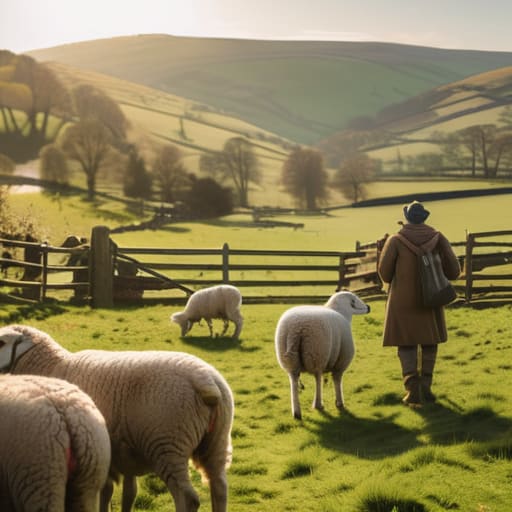
I was sitting at the kitchen table last Tuesday, looking over the books, when I heard the unmistakable sound of a heavy diesel engine idling right outside my gate—a rental car, likely, full of people looking for a “scenic view” that happened to be my calving paddock. There’s a lot of glossy literature out there claiming that a sudden influx of visitors is a godsend for the countryside, but if you ask anyone actually working the land, you’ll find the reality is a bit more complicated. People talk about the “economic boost” as if it’s a magic wand, but they rarely mention how tourism affects rural areas when it starts driving up the price of every acre and turning our narrow lanes into a permanent bottleneck.
I’m not here to sell you on the dream of a revitalised village, nor am I here to moan for the sake of it. What I intend to do is look at the actual margins—the real cost of increased traffic, the strain on local services, and the way it shifts the very ground we stand on. I’ll give you the unvarnished truth about where the money actually goes and which “opportunities” are nothing more than expensive distractions from the business of farming.
Table of Contents
Understanding How Tourism Affects Rural Areas
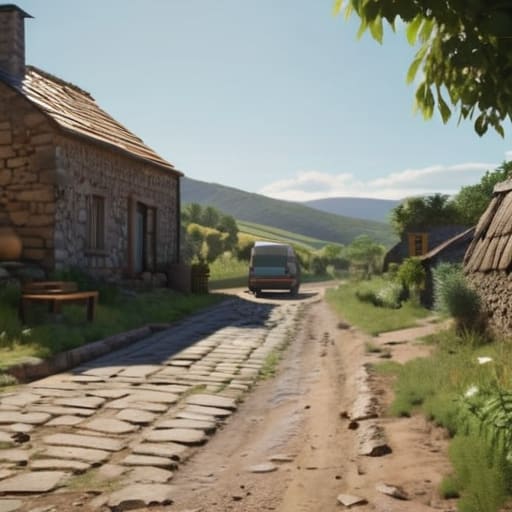
You can’t talk about the socio-economic impact of rural tourism without looking at the actual ledger. On one side, you’ve got the new cafe in the village or the renovated cottage that keeps a local family in work. That’s fine. But on the other side, you’ve got the reality of infrastructure pressure in rural zones that most planners seem to forget. When a thousand people descend on a single valley for a weekend of walking, it isn’t just the narrow lanes that suffer; it’s the drainage, the waste systems, and the sheer wear and tear on the land that we’ve spent generations managing.
It’s a delicate balance, and frankly, most people miss the mark. They see a few more pound notes in the local shop and call it a success, but they don’t account for the cost of a broken stone wall or a muddy track that’s been chewed up by too many boots. True sustainable tourism in the countryside isn’t about bringing in the masses; it’s about ensuring the visitors don’t leave the place poorer than they found it. If the locals can’t afford to live in the village because every house has become a holiday let, then the “development” is nothing but a hollow shell.
Key Things to Know
If you’re looking at the books, you’ll see the money moving around, but you have to look closer than that. The real socio-economic impact of rural tourism isn’t just the extra few quid the local pub makes on a Saturday night; it’s the way it shifts the very foundation of how we live. You might see a new boutique shop opening up, but you also see the price of a pint or a bag of feed creeping up because the local economy is no longer serving the people who actually work the land.
Then there is the matter of the physical toll. We talk a lot about sustainable tourism in the countryside, but that’s often just a phrase used to sell brochures. In reality, you see the infrastructure pressure in rural zones every time a caravan park expands or a new walking route opens up. The roads weren’t built for heavy campervans, and the drainage wasn’t designed for thousands of boots. If you don’t manage the footprint, you aren’t developing the area; you’re just wearing it down until there’s nothing left for the next generation to farm.
Practical Tips and Steps
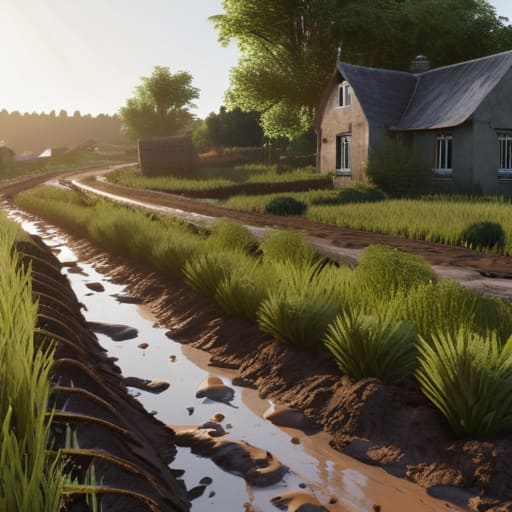
If you’re looking to lean into the visitor trade, my first bit of advice is to look at your own boundaries before you open the gate. It’s easy to get swept up in the idea of rural development through tourism, but if you haven’t accounted for the infrastructure pressure in rural zones, you’ll find yourself fighting with the neighbours over broken hedges and blocked lanes. I’ve seen plenty of folks try to turn a farmyard into a café only to realise they haven’t the drainage or the parking to handle it. Don’t build a business on a foundation of mud and resentment; make sure your access routes can take the weight before you start advertising.
Secondly, keep a sharp eye on the local balance sheet. The real goal should be long-term sustainable tourism in the countryside, not a quick hit of cash that leaves the village hollowed out by winter. If you’re selling experiences, ensure the money stays within a few miles of where it was earned. Whether it’s sourcing your supplies from the next farm over or hiring local hands, you want to build something that supports the community rather than something that just treats the landscape like a backdrop for a weekend getaway.
Common Mistakes to Avoid
The first mistake I see is treating a sudden influx of visitors like a windfall without looking at the bill that follows. People get excited about the extra cash, but they forget about the infrastructure pressure in rural zones. You might see more money moving through the local shop, but if your single-track lanes are choked with campervans and your drainage can’t handle the extra load, you aren’t gaining anything. You’re just trading a functional working landscape for a logistical headache that your neighbors have to live with every single day.
Another trap is chasing the quick buck with “pop-up” tourism that doesn’t respect the land. I’ve seen folks set up campsites or trails without a second thought for the environmental impact of hiking trails on the actual ground. Once you’ve trampled the soil or diverted a watercourse to make a view more “scenic,” you can’t just wish it back. If you aren’t thinking about long-term sustainability, you aren’t developing the area; you’re just mining it for a bit of profit before moving on to the next place.
Final Thoughts
At the end of the day, you have to weigh the extra pound in the pocket against what it costs to keep the place running. I’ve seen enough to know that while rural development through tourism looks grand on a spreadsheet, it doesn’t always feel that way when you’re stuck behind a tractor on a road blocked by rental cars. If the money stays in the village, it’s a win; if it just flows straight to a holiday let agency in the city, you’re left with nothing but the infrastructure pressure in rural zones and a lot more traffic to manage.
My advice is to keep your eyes on the long game. Don’t chase every penny if it means losing the very thing people are coming to see. True sustainable tourism in the countryside isn’t about how many people you can cram into a weekend; it’s about whether the village still functions for the people who actually live here once the visitors go home. It’s a delicate balance of cash flow and common sense, and if you tip too far one way, you’ll find you’ve traded your way of life for a handful of seasonal coins.
Five Ways to Keep Your Head While the Tourists Arrive
- Watch your infrastructure, not just your bank balance. A sudden influx of cars on a track meant for a tractor will tear up your drainage and your road surface faster than you can claim it on the books. If the council won’t pay for the repairs, that’s money coming straight out of your pocket.
- Don’t let the “glamour” of holiday lets kill your local workforce. I’ve seen too many villages where the cottages are all booked up for summer, leaving the lads who actually do the work with nowhere to live. If there’s no one to work the land, the tourism money won’t matter much.
- Keep your eyes on the seasonal shift. Tourism is a sprint, but farming is a marathon. You can’t let the rush of summer cash make you forget that you’ve got a hungry herd to feed in February when the tourists have all gone home and the cash flow dries up.
- Protect your peace and your privacy. There is a fine line between a bit of extra trade and having strangers peering over your stone walls while you’re trying to move cattle. If you don’t set clear boundaries early, you’ll spend more time managing people than managing your livestock.
- Vet your partners carefully. Whether it’s a local cafe or a new tour operator, make sure they actually understand the rhythm of rural life. You want people who respect the ground they’re standing on, not people who treat a working farm like a theme park.
The Bottom Line on Tourism
Don’t mistake a busy season for a profitable year; if the influx of visitors drives up your local costs or makes it harder to move stock, the extra cash in your pocket might just be an illusion.
Watch your infrastructure like you watch your fences—if the roads and services can’t handle the weight, the community pays the price in headaches that no amount of gift shop revenue can fix.
Keep your eyes on your own gates; tourism is a side wind, not the main weather, and you shouldn’t let the pursuit of holidaymakers distract you from the grass, the feet, and the actual business of farming.
The Long View
At the end of the day, tourism isn’t some magic wand that fixes a broken balance sheet, nor is it a plague that’ll ruin the countryside if you handle it with a bit of sense. It’s just another variable in the equation, much like a late frost or a sudden dip in beef prices. You have to weigh the extra cash in the till against the wear and tear on your lanes, the pressure on your local services, and the way it changes the very character of the place you’re trying to live in. If you don’t keep a sharp eye on the actual margins and the impact on your day-to-day working life, you’ll find yourself working harder for less, chasing a shadow of prosperity that doesn’t stick.
My advice is to remember that we are the stewards of this land, not just service providers for people passing through on their way to somewhere else. Whether you decide to open a holiday let or simply keep your gate closed, ensure that whatever path you take serves the long-term health of the farm and the community. Don’t let the bright lights of seasonal spending blind you to the necessity of a stable, functional rural life. Build something that lasts, something that respects the soil and the people who actually work it, and you’ll find that true success isn’t measured by how many visitors arrive, but by how well we remain when they’ve all gone home.
Frequently Asked Questions
When the local B&Bs and holiday lets start driving up the rent, how are the younger lads supposed to find a place to live near the farm?
That’s the rub, isn’t it? You see a stone cottage that used to house a farm hand now sitting empty, charging three times the rate for a weekend stay. It’s a slow bleed. When the local housing stock turns into a revolving door of holidaymakers, the lads who actually do the work get pushed further out. You can’t run a farm if your best workers are commuting an hour because they can’t afford a roof near the gate.
If we pivot too much toward catering to visitors, are we going to lose the actual infrastructure—like the feed merchants and vets—that we need to keep the livestock business running?
That’s the heart of it, isn’t it? You start seeing more boutique gift shops than feed merchants, and suddenly, when you need a quick delivery of concentrate or a vet on a Sunday, the local service has evaporated. If the town pivots entirely to serving people who are just passing through, the backbone of the working land gets squeezed out. You can’t eat a souvenir, and a farm without a local vet is just a very expensive hobby.
Is the extra cash from tourism actually enough to offset the rising cost of diesel and parts when the roads are constantly blocked by campervans?
If you’re looking at the ledger, the answer is usually a hard no. That extra bit of cash from a holiday cottage or a farm shop might look decent on paper, but it rarely covers the reality of a diesel tank being half-empty because you’re idling in a queue of campervans. When you add the cost of parts—which are going up regardless—and the time lost just trying to move stock, the margins disappear.
