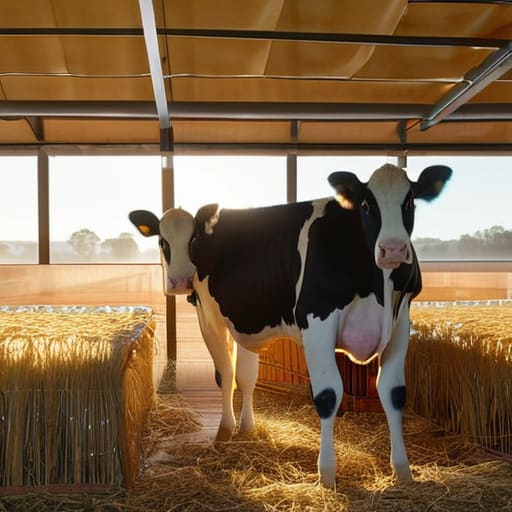
I’ve spent half my life watching salesmen in clean wellies try to convince me that the secret to a profitable year lies in some high-tech, automated feeding system or a proprietary milk replacer that costs more than the calf is worth. They’ll give you a glossy brochure full of charts, but they never mention that if your bedding is damp or your ventilation is rubbish, you’re just burning money in a fancy way. Most of the advice out there on how to rear calves well is designed to empty your bank account, not to grow a sturdy heifer that can actually survive a wet winter on the hill.
I’m not here to sell you a subscription to a management app or a bag of magic pellets. What I want to do is talk about the actual mechanics of survival—the things that happen at 4:00 AM in a freezing shed when no one is watching. We’re going to look at the real margins: why consistent warmth and clean feet matter more than any expensive supplement, and how to spot a losing calf before she becomes a drain on your cash flow. This is about what works when the weather turns foul and the prices are low.
Table of Contents
Understanding How to Rear Calves Well

If you want to get this right, you have to stop looking at a calf as a future sale and start looking at it as a high-maintenance investment that’s currently leaking money. Most people start worrying about weaning dates or feed brands before they’ve even mastered the basics of colostrum management for newborn calves. I learned that the hard way back in ’94; I thought a bit of warmth and a decent looking teat was enough. It wasn’t. If they haven’t had the right quality of colostrum within those first few golden hours, you aren’t rearing a calf—you’re just babysitting a slow-motion disaster.
Once they’re past that first hurdle, the real battle is won or lost in the bedding and the water. You can buy the most expensive, scientifically formulated starter on the market, but if your calf housing hygiene standards are rubbish, that nutrition won’t mean a thing. I’ve seen plenty of lads spend a fortune on optimal calf starter nutrition only to watch their entire crop go down with scours because they were too stingy with the straw or too lazy with the muck scraper. It’s not about the fancy labels; it’s about keeping the environment dry and the feet clean.
Key Things to Know

First, let’s talk about the money you lose before they even stand up. Everyone wants to talk about the best breed or the fancy milk replacer, but if your colostrum management for newborn calves is off by even a few hours, you might as well be throwing your profit into the slurry pit. I’ve seen too many lads focus on the pedigree of the dam while ignoring the fact that the calf hasn’t had enough high-quality antibody intake to survive the first week. You can buy the most expensive starter in the county, but it won’t do a lick of good if the gut isn’t primed correctly.
Then there is the matter of the environment. You can have the best genetics in the district, but if your bedding is damp and your pens are a mess, you are just inviting trouble. I’ve learned the hard way that preventing calf scours isn’t about buying more medicine; it’s about keeping the floor dry and the air moving. Most people wait until they see a calf flagging before they look at the hygiene, but by then, you’re already fighting a losing battle with your margins.
Practical Tips and Steps
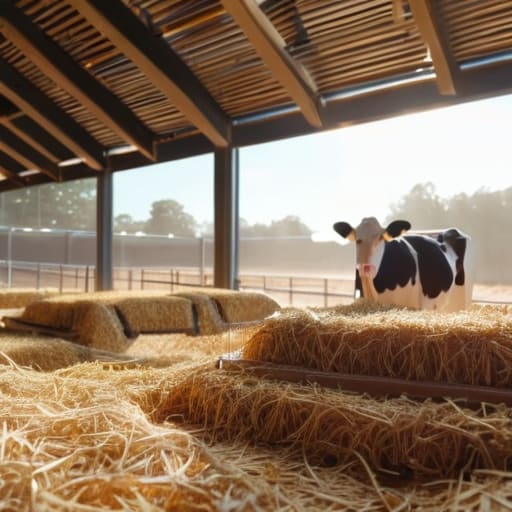
First things first, stop looking at the price of the milk replacer and start looking at the floor. You can buy the most expensive feed on the market, but if your pens are a damp, slurry-filled mess, you’re just subsidising bacteria. I’ve seen too many lads chase growth figures while ignoring calf housing hygiene standards, only to find themselves fighting a losing battle against scours come week three. Keep the bedding dry, keep the ventilation moving so you aren’t breathing in ammonia, and for heaven’s sake, don’t let them stand in their own waste.
When it comes to the actual feeding, don’t get fancy with the timing. Colostrum management for newborn calves isn’t a suggestion; it’s the difference between a calf that thrives and one that’s a walking write-off by mid-winter. Get that liquid gold into them within the first few hours, and don’t bother checking the temperature if it’s lukewarm—it needs to be warm and it needs to be fast. Once they’re on the starter, watch the transition closely. If you rush your calf weaning strategies before they’ve actually got the gut capacity to handle it, you’ll spend more on vet bills than you ever saved on feed.
Common Mistakes to Avoid
The biggest mistake I see is people treating colostrum like it’s just some liquid supplement rather than the only thing standing between a calf and a very expensive funeral. I’ve seen lads wait until the third feeding to get a decent amount in, thinking they have all the time in the world. You don’t. If you miss that window, you aren’t just losing an animal; you are throwing away the margin you spent all year building on the mother.
Then there is the obsession with fancy feed while the bedding is a swamp. You can buy the most expensive bags of grain on the market, but if your calf housing hygiene standards are rubbish, you are just feeding the bacteria. I’ve watched plenty of “high-performance” calves go down the drain because the floor was damp and the air was thick. It’s not about the label on the bag; it’s about the ground they stand on. If you aren’t watching the feet and the bedding, you’re just flushing cash down the drain before the calf even hits its first weaning stage.
Final Thoughts
At the end of the day, you can buy the most expensive automated feeding system on the market, but it won’t do the work for you. If you aren’t out there in the cold at 5:00 AM checking that your colostrum management for newborn calves is actually happening—and happening fast—you’re just playing at farming. It’s easy to get caught up in the spreadsheets and the growth curves, but those numbers only mean something if the animal in front of you is standing on four good feet and looking bright.
Don’t let the fancy brochures distract you from the basics. Most of the headaches I’ve faced, from stunted growth to massive vet bills, could have been sorted by simply keeping a closer eye on calf housing hygiene standards and making sure the bedding wasn’t a sodden mess. It’s about the small, daily observations that keep the margins from disappearing. If you get the grass, the feet, and the hygiene right, the rest usually follows. If not, you’re just working hard to subsidize your mistakes.
Five things that actually matter when the calves are coming
- Stop obsessing over the fancy milk replacer brand and look at the bedding. You can feed them the most expensive liquid gold in the country, but if they’re lying in a damp, cold slurry, they aren’t growing—they’re just fighting to stay alive. A dry calf is a profitable calf.
- Watch the feet and the gait, not just the weight gain. I’ve seen lads so focused on the scale that they miss a slight limp or a change in how a calf carries itself. By the time it looks truly lame, you’ve already lost a week of growth and a fair bit of margin to vet bills.
- Don’t trust a thermometer just because the manual says so; trust your own eyes and the way the calf moves. If they’re huddling or looking dull, don’t wait for a formal reading to tell you what you already know. In this business, being ten minutes late to a problem is often the difference between a calf and a carcass.
- Manage your water like it’s gold, because on a good day, it is. I’ve seen too many people get so caught up in the feeding schedule that they forget the troughs are filthy or running low. If they aren’t drinking, they aren’t eating, and if they aren’t eating, you’re just subsidising a loss.
- Keep your records on paper or something you can actually use in the middle of a calving storm. If you’re relying on some complex app that requires a signal and a steady hand to log a birth or a treatment, you’ll end up with a gap in your data. And a gap in your data is just a way to hide money leaking out of the farm.
The Bottom Line on Calf Rearing
Stop chasing the highest protein replacer in the catalogue if your pens are damp and your bedding is thin; you can’t out-supplement poor hygiene and a cold floor.
Watch the feet and the gait as closely as you watch the weight gain, because a calf that’s growing fast but walking poorly is just a future vet bill waiting to happen.
If you aren’t tracking exactly what every calf is costing you in feed versus what they’ll fetch at weaning, you aren’t farming, you’re just gambling with your daughter’s inheritance.
The Bottom Line
At the end of the day, rearing calves isn’t about chasing the highest growth figures on a spreadsheet or buying the most expensive supplements on the market. It comes down to the basics: clean bedding, consistent feeding, and having the sense to actually walk the pens every single morning. If you’re spending all your time looking at data but ignoring the way a calf is standing or the quality of the muck in the shed, you’re missing the point. You can have the best genetics in the county, but if you don’t get the grass and the hygiene right in those first few months, you aren’t raising livestock; you’re just subsidizing a loss.
I know it feels like you’re constantly fighting against the weather, the prices, and the sheer exhaustion of the season, but remember that every calf you get through to weaning well is a brick in the wall of your farm’s future. Farming is a game of margins, and the margins are won in the small, quiet details that nobody else sees. Don’t let the flashy new tech distract you from the fundamentals of good husbandry. Do the work, watch the feet, and keep an eye on the cash flow. If you do that, the rest of the year tends to take care of itself.
Frequently Asked Questions
How do I work out if my milk replacer is actually worth the premium, or if I'm just paying for a fancy label?
Stop looking at the price per bag and start looking at the cost per kilogram of growth against the cost of your time. If that premium replacer means you’re spending half your morning fixing scours or chasing lagging calves, it’s not worth a penny. I track my calf weights every fortnight; if the expensive stuff isn’t putting more meat on them or letting me spend less time in the shed, I’m just buying a fancy label.
At what point does a calf's growth rate stop being a metric and start being a distraction from the real cost of the feed?
The moment you start chasing a target weight on a spreadsheet instead of looking at the condition of the animal is when you’ve gone off the rails. If you’re buying expensive, high-protein concentrates just to shave two weeks off a weaning target, you’re likely losing money. A calf can look heavy because it’s bloated on grain, but if it hasn’t got the frame or the gut health to back it up, you’re just subsidising a future vet bill.
When the weather turns and the ground gets heavy, how much extra should I be budgeting for bedding and hygiene to stop a lameness issue before it starts?
If the ground turns to soup, you aren’t just buying straw; you’re buying insurance against a vet bill that’ll dwarf the cost of the bedding. I’d budget for at least 30% more than your dry weather baseline. It’s easy to skimp on the shavings when the rain starts, but once you’ve got a calf standing in its own filth, you’ve already lost the money. Buy the extra bedding now, or pay for the lameness later.
