
I remember sitting in the cab of the tractor three years ago, staring at a dashboard that felt like it was mocking me, while my own joints felt like they were filled with ground glass. The consultants would have told you to invest in a new management software suite or hire a specialist consultant to map out your “operational continuity,” but that’s a load of rubbish when you can barely climb out of the seat. When you are trying to figure out how to manage a farm with a health problem, the last thing you need is a glossy brochure telling you to “pivot your business model.” You don’t need a pivot; you need to know which gates are going to fail and which parts of the herd can wait until Tuesday without costing you a month’s profit.
I’m not here to sell you a lifestyle change or a new piece of tech that’ll gather dust in the shed. I’m going to tell you how I kept the books straight and the cattle fed when I couldn’t physically be in the yard every morning. We’ll talk about delegating the heavy lifting without losing control of the margins, and more importantly, how to protect your cash flow when your body is telling you to quit. This isn’t about “wellness”—it’s about keeping the farm viable while you’re sidelined.
Table of Contents
Understanding How to Manage a Farm With a Health Problem
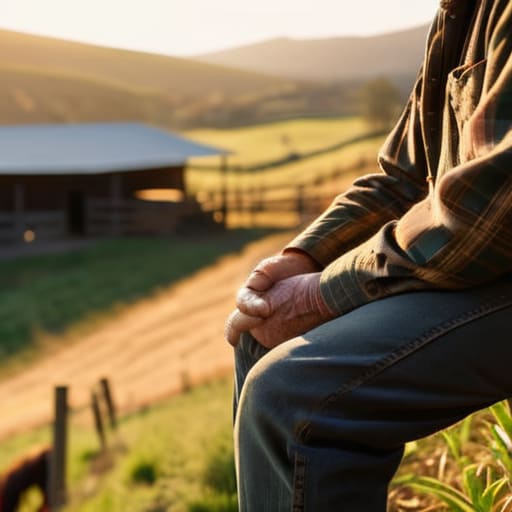
The first thing you have to do is stop pretending you’re invincible. I spent years thinking a bit of back pain or a dodgy knee was just part of the job, until it wasn’t. When you’re actually dealing with managing chronic illness in agriculture, you can’t just push through the pain like you did at twenty-five; that’s how you end up in a hospital bed while the fences go down and the stock gets thin. You have to look at the farm not as an extension of your own limbs, but as a system that needs to run even when you can’t.
This means looking at outsourcing farm tasks before you’re forced into it by a crisis. It might mean hiring a local lad for the heavy lifting or investing in some basic farm management automation to keep the records straight while you’re resting. It’s not about being soft; it’s about being smart with your margins. If you don’t start making these agricultural labor adaptations now, while you still have the head for it, you’ll find yourself making decisions out of desperation rather than strategy.
Key Things to Know
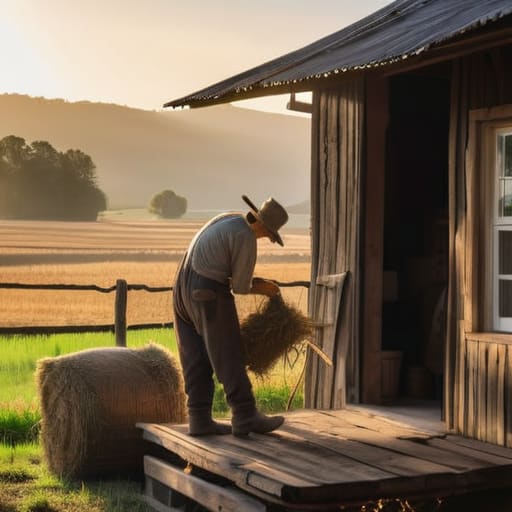
First, you have to accept that your body isn’t the same machine it was in your thirties. If you’re dealing with something long-term, you aren’t just fighting the illness; you’re fighting the clock and the physical demands of the yard. I’ve seen men try to “tough it out” until they end up in a hospital bed, leaving the livestock to suffer the consequences. You need to look seriously at outsourcing farm tasks that used to be your bread and butter. Whether it’s hiring a local lad for the heavy lifting or paying a neighbor to run the feeder, it isn’t a sign of defeat—it’s a tactical move to protect your margins.
Secondly, don’t wait for a crisis to look at your paperwork. If you haven’t already started succession planning for farmers, you’re essentially leaving your life’s work to chance. It’s not just about who inherits the land; it’s about who knows where the keys are and which gate latch sticks in the frost. You need a system that works even when you can’t get out of the chair, because the farm won’t pause just because you have to.
Practical Tips and Steps

First, you have to look at your daily routine and decide what actually requires your hands and what just requires your eyes. I spent years thinking if I wasn’t the one pulling the calf or fixing the fence, I wasn’t working, but that’s a fast way to end up in a hospital bed instead of the cattle shed. Start by looking into outsourcing farm tasks that don’t need your specific expertise—get the heavy lifting or the specialized repairs off your plate. It’s not about being lazy; it’s about protecting the asset, and right now, you are the most important asset on this farm.
Second, stop trying to muscle through with old habits. If your back or your joints are giving you grief, invest in some proper ergonomic farming tools or small mechanical aids that take the strain. It feels like an extra cost upfront, but it’s cheaper than a permanent injury. You also need to get your paperwork and your succession planning in order while you’re still thinking clearly. If you haven’t sat down with your daughter or your manager to map out who makes the call when you can’t get out of bed, you’re just gambling with the farm’s future.
Common Mistakes to Avoid
The biggest blunder I see—and I’ve certainly fallen into it myself—is the attempt to “tough it out” until the wheels come off. There is a certain breed of us who thinks that if we just push through the pain, the work will get done. But you can’t outrun a physical limitation, and trying to do so usually leads to a mistake that costs far more than a hired hand. People often shy away from outsourcing farm tasks because they feel they’re losing control, but what they’re actually doing is losing their grip on the farm’s viability. You aren’t being “soft” by calling in help; you’re being a manager.
Another trap is neglecting the long view in favour of immediate fixes. I’ve seen men buy every shiny new gadget thinking it’ll solve their mobility issues, only to have that kit sit in the shed gathering dust because it wasn’t actually suited to the ground or the workflow. Instead of chasing gimmicks, look at real succession planning for farmers or more sensible agricultural labor adaptations. Don’t wait for a crisis to decide who is going to run the tractor when you can’t. If you wait until the emergency happens, you’ve already lost the margin.
Final Thoughts
At the end of the day, you have to stop looking at the farm as an extension of your own physical strength and start looking at it as a business that needs to run whether you’re on your feet or in the chair. I spent too many years thinking I could outwork a bad hip or a failing heart, only to realize I was just making the inevitable harder. If you’re facing something long-term, start looking at succession planning for farmers not as a way to quit, but as a way to ensure the ground stays worked. Whether that means handing the keys to your daughter or bringing in help, the goal is to keep the cash flow moving while you preserve what’s left of your health.
It isn’t about being soft; it’s about being practical. You might need to look into outsourcing farm tasks that used to be your pride and joy, like the heavy lifting or the late-night checks. It feels like a loss at first, but a well-run farm with a bit of help is worth infinitely more than a broken one that’s gone under because the owner couldn’t get out of the truck. Watch your margins, watch your grass, and for heaven’s sake, watch yourself.
Five things that won't fix your health, but might save the farm
- Get the paperwork and the delegation sorted before the crisis hits. I handed the day-to-day to my daughter last year, and if I’d waited until I was actually too unwell to stand, we’d have been in a heap. You need someone who knows where the keys are and which gate sticks, not just someone who can drive a tractor.
- Stop trying to be the hero of the hill. There is a certain kind of pride in a farmer that tells him he can push through a fever or a broken hip to finish a job, but that pride is expensive. If you can’t walk the fences, you aren’t managing the stock; you’re just waiting to become another liability the farm has to carry.
- Focus on the fundamentals: grass, feet, and cash flow. When your energy is limited, don’t waste it on tinkering with a piece of kit that’s been sitting in the shed for three seasons. Focus on the things that keep the animals alive and the bank happy. If the grass is growing and the cows are sound, most of the other noise can wait.
- Build a “knowledge bank” while you’re still upright. I’ve kept records on my ewes since 1989, and those books are worth more than any fancy management software when I can’t be in the field. If your brain is the only place the farm’s history lives, you’re one bad week away from losing the thread.
- Learn to say “no” to the wrong kind of work. People will come to you with “opportunities” or new ways of doing things that require a lot of physical graft and very little margin. When you’re managing a health setback, your job is to protect the core business, not to chase every shiny new subsidy or gadget that promises the world but delivers nothing but more stress.
The Bottom Line
Don’t let a health setback make you lose sight of the grass and the cash flow; if you stop watching the fundamentals because you’re focused on the ailment, the farm will bleed money faster than any vet bill.
Identify who actually knows your ground and your stock before you need them, because when you can’t be in the field, you need people who can make decisions based on reality, not just what’s written in a manual.
Accept that you can’t do everything yourself anymore without letting your pride cost you the farm; handing over the day-to-day isn’t a defeat, it’s just smart management of your most important asset—yourself.
The Bottom Line
At the end of the day, managing a health setback isn’t about finding some magic piece of machinery or a new subsidy scheme to bridge the gap. It comes down to the same fundamentals we’ve been talking about: protecting your grass, your feet, and your cash flow. If you can’t be in the field, you have to ensure the systems you put in place—whether that’s handing the keys to your daughter or tightening the belt on non-essential kit—are robust enough to hold. Don’t let the panic of a diagnosis make you overlook the hard numbers in the ledger. If the math doesn’t work because you’re trying to do too much with too little, you’re just digging a hole that’s harder to climb out of once you’re back on your feet.
I’ve spent forty years watching the weather, the markets, and the livestock, and if there is one thing I know, it’s that the farm is a marathon, not a sprint. A season of struggle doesn’t mean the farm is failing; it just means the strategy has to shift. You might have to let some things go to save the core of the business, and there is no shame in that. Focus on keeping the herd healthy and the bank balance steady. The land will still be there when the dust settles, and if you play your cards right, you’ll be there to see the next lambing season too.
