
If you pick up one of those glossy brochures from the bank about a “complete guide to succession planning,” you’ll find a lot of talk about legal structures, tax efficiencies, and long-term organizational continuity. It’s all very tidy on paper, but it’s mostly nonsense designed to sell you a solicitor’s time. They talk as if you’re handing over a corporation, rather than a living, breathing entity that relies on the quality of your soil and the temperament of your stock. Most of those guides ignore the fact that the hardest part isn’t the paperwork; it’s the Sunday dinner where you have to tell your eldest that the farm is going to the youngest, or explaining to your spouse why the cash flow is suddenly a minefield.
I’m not here to give you a lecture on legal jargon that will change the moment a new government comes in. Instead, I’m going to tell you what actually works when you’re trying to pass on a livelihood without breaking the family or the bank in the process. We’ll look at the hard numbers, the messy conversations, and the practical steps to ensure that when you finally hang up your boots, you’re leaving behind a functioning farm rather than a pile of debt and a room full of angry relatives.
Table of Contents
- The Real Cost of Getting It Wrong a Complete Guide to Succession Planning
- Identifying Future Leaders Before the Machinery Starts Rusting
- Leadership Transition Strategies That Wont Break Your Business Continuity P
- Transferring Ownership Rights Without Losing the Family or the Cash Flow
- Estate Planning for Families and Avoiding Brutal Succession Planning Tax Im
- Five Hard Truths to Keep the Farm Alive and the Family Whole
- The Bottom Line Before You Sign Anything
- The Bottom Line
- Frequently Asked Questions
The Real Cost of Getting It Wrong a Complete Guide to Succession Planning
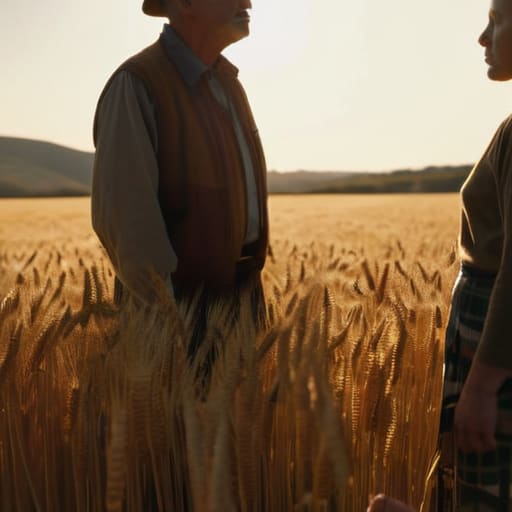
If you think succession planning is just a bit of legal paperwork to satisfy the bank, you’ve already missed the point. The real cost isn’t found in a solicitor’s fee; it’s found in the quiet resentment that builds at the dinner table when your son feels he’s just a glorified employee, or when your daughter realizes she’s inherited the debt but none of the decision-making power. When you fail at identifying future leaders early on, you aren’t just risking a messy argument; you are risking the very stability of the land.
I’ve seen farms where the lack of a proper business continuity planning approach meant that the moment the patriarch fell ill, the bank moved in faster than a hungry fox in a hen house. You can have the best genetics and the best grass in the county, but if you haven’t sorted the transferring of ownership rights and the tax headaches before the crisis hits, you’re essentially building a house on shifting sand. Getting it wrong means you aren’t passing on a livelihood; you’re passing on a headache that your children will spend the next twenty years trying to solve.
Identifying Future Leaders Before the Machinery Starts Rusting

You can’t just look for the child who’s best at driving the tractor or the one who doesn’t mind getting stuck in the muck at five in the morning. That’s a mistake I made early on, thinking physical stamina was the same thing as a head for business. Identifying future leaders is actually about finding the person who can look at a spreadsheet and a wet field and see the same problem. You need someone who understands that a good year isn’t just about high weaning percentages, but about whether the margins actually covered the diesel and the vet bills.
If you pick the wrong person, or worse, if you pick someone who has the heart but not the stomach for the hard calls, you aren’t just risking the herd; you’re jeopardizing your entire business continuity planning. It’s not enough to just hand over the keys. You have to watch how they handle a crisis—like a sudden drop in beef prices or a broken gate in a storm—before you start the formal process of transferring ownership rights. If they can’t manage a small crisis on the farm, they certainly won’t manage the weight of the whole estate when you’re finally sitting in the armchair.
Leadership Transition Strategies That Wont Break Your Business Continuity P

You can have the best intentions in the world, but if your leadership transition strategies are nothing more than a handshake and a “we’ll sort it later,” you’re building on sand. Real business continuity planning means deciding today who makes the call when a heifer goes down at 2:00 AM or when a buyer tries to squeeze you on a contract. It isn’t about handing over the keys and disappearing to a cottage; it’s about a phased approach where the next generation takes the lead on specific tasks—like managing the breeding records or the feed budget—while you’re still there to catch them if they trip.
The danger is that most people treat this like a single event, rather than a slow handover. If you try to flip the switch all at once, you’ll likely break the very thing you’re trying to save. A smooth leadership handover requires testing their decision-making in the small stuff before they’re managing the heavy lifting. You need to move from being the sole decider to being the advisor, ensuring that when the time finally comes for transferring ownership rights, the farm is actually a functioning business and not just a collection of assets and old grudges.
Transferring Ownership Rights Without Losing the Family or the Cash Flow
Now, this is where the rubber meets the road, and usually, it’s where the most blood is spilled. You can have the best leadership transition strategies in the world written on a piece of paper, but if you haven’t figured out the mechanics of transferring ownership rights without draining the bank account, you’re just setting the stage for a fight. I’ve seen too many men try to hand over the reins only to find that the taxman has taken a bigger slice of the pie than the kids ever expected. You have to look at the succession planning tax implications early—not when you’re standing in the solicitor’s office with a cold cup of tea and a heavy heart.
It isn’t just about who gets the tractor or the best 50 acres; it’s about the liquidity of the business. If you move too much equity at once, you strip the farm of the cash flow it needs to actually run. You end up with a successor who has plenty of land but no money to buy feed or fix a broken gate. Effective estate planning for families means balancing the desire to provide for everyone with the harsh reality that the farm can only support so many mouths. You have to be clinical about it.
Estate Planning for Families and Avoiding Brutal Succession Planning Tax Im
Now, let’s talk about the part that makes everyone’s stomach turn: the taxman. You can have the most seamless leadership transition strategies in the world, but if you haven’t looked at the numbers through a tax lens, the government will end up owning more of your acreage than your own children do. Estate planning for families isn’t some abstract concept for city lawyers; it is the difference between your daughter inheriting a working suckler herd or inheriting a massive bill that forces her to sell the best ground just to settle the accounts.
I’ve seen too many good farms gutted because the old man thought he could just “sort it out” at the end. If you wait until you’re too tired to move, you lose your leverage. You need to be looking at succession planning tax implications while you still have the breath to make decisions. It’s about structuring things early—whether that’s through trusts or gradual gifting—so that when the time comes, the transition is a matter of changing names on a ledger rather than a frantic scramble to pay off a debt to the Inland Revenue.
Five Hard Truths to Keep the Farm Alive and the Family Whole
- Get the “unspoken” rules out of your head and onto paper. I’ve seen too many farms stall because the old man thinks the daughter knows how he wants the books kept, but she doesn’t, and by the time they argue about it, the bank is already knocking. If it isn’t written down, it isn’t a plan; it’s just a hope, and hope doesn’t pay the feed bill.
- Separate the emotion from the assets. You might want to leave the home farm to your eldest because he’s the one who stayed, but if that leaves your other children with nothing but a handshake, you’ve just planted the seeds for a legal battle that’ll strip the land bare. You need a way to balance fairness with the reality that the farm needs a single, clear direction to survive.
- Test the mettle before you sign the deeds. Don’t just assume because they grew up in the yard they can handle the pressure of a bad year or a broken tractor at 3 AM. Give them the difficult bits—the paperwork, the supplier negotiations, the hard calls on culling—before you hand over the keys. You want to know they can manage the cash flow as well as they can manage the livestock.
- Watch the taxman more closely than you watch the weather. You can have the best transition in the world, but if you haven’t accounted for the inheritance tax or the capital gains, the government will end up as your largest stakeholder. It’s better to pay a professional to find the holes in your plan now than to have the taxman come for the heifers later.
- Stop treating the transition like a single event. Succession isn’t a day when you hand over a set of keys and go to the pub; it’s a slow, often uncomfortable shift in power that takes years. If you try to do it all at once, you’ll either break the business or break the relationship. You have to learn to step back bit by bit, even when it feels like you’re losing your grip.
The Bottom Line Before You Sign Anything
Succession isn’t a legal exercise to be ticked off once a year; it’s a living, breathing transition that fails the moment you stop talking about the actual numbers and start only talking about feelings.
Don’t mistake a child’s willingness to work hard for an ability to manage a balance sheet, because a farm can be run by a hard worker but it will be killed by a poor bookkeeper.
Protect the cash flow at all costs during the hand-over, because if the transition leaves the farm without enough liquidity to buy feed or fix a broken gate in February, you haven’t planned a succession—you’ve planned a collapse.
The Bottom Line
At the end of the day, succession planning isn’t some academic exercise for the solicitors to chew on; it is the difference between a farm that survives another generation and one that gets carved up and sold for parts. We’ve looked at the hard numbers, from the tax implications that can bleed a family dry to the necessity of picking a leader who actually knows how to read a field rather than just a balance sheet. You have to get the ownership rights sorted, the leadership transition mapped out, and the cash flow protected, or you are simply setting a trap for the people you claim to be helping. If you don’t address the uncomfortable conversations now, while you still have the authority to lead them, you’ll be forced to have much harder ones later when the bank or the taxman is sitting at your kitchen table.
I’ve spent forty years watching the weather, the markets, and the machinery, and if there is one thing I know, it’s that nothing stays the same. You can’t hold onto the reins forever, no matter how much you think you know about the ground. The goal isn’t to maintain a museum of how you used to do things; it’s to build a foundation that allows the next person to make their own mistakes without bankrupting the whole operation. Handing over the keys is the hardest bit of work you’ll ever do, but if you do it right, you aren’t just passing on a business—you are ensuring that the legacy of the land outlasts your own two hands.
Frequently Asked Questions
How do I actually handle the conversation with my kids if one wants the farm and the other wants to move to the city, without it turning into a Christmas dinner disaster?
You have to stop treating it like a family dinner and start treating it like a board meeting. Sit them down in the kitchen—not over a roast—and lay the numbers on the table. The one staying needs to know the debt they’re inheriting; the one leaving needs to know exactly what their share of the assets looks like in cash. If you don’t define the boundaries early, resentment will rot the farm faster than a wet winter.
If I start handing over the decision-making now, how do I stop myself from constantly stepping in and undermining them every time they do something differently than I would?
You have to learn to watch from the gate, not from the driver’s seat. If you step in every time they take a different line, you aren’t training a successor; you’re just training a shadow. Pick your battles. If they aren’t risking the grass or the cash flow, let them make the mistake. It’s better they learn a hard lesson on a small scale now, while you’re still around to help them pick up the pieces.
What's the best way to protect my own retirement income so I'm not just a guest on my own farm, living off whatever's left over after the next generation takes the reins?
You can’t farm on goodwill and hope. If you don’t carve out your own slice of the pie before the handover, you’ll find yourself eating the leftovers of a business you spent forty years building. You need a fixed arrangement—be it a structured rental, a set dividend, or a managed buyout. Don’t leave it to “what’s left over.” If the cash flow isn’t ring-fenced for your retirement now, you’re just a tenant on your own land.
