
I’ve lost count of how many glossy brochures I’ve seen claiming you need a laboratory-grade nutritional plan and a bank overdraft to figure out how to manage a dry period properly. They’ll try to sell you on high-tech mineral supplements and complex feeding schedules that look great on a spreadsheet but fall apart the moment the weather turns and the grass stops growing. I remember back in ’98, thinking I could save a bit of money by skimping on the forage during the late dry, only to watch a dozen of my best cows hit the ground looking like they’d been hollowed out from the inside. It wasn’t a lack of science that failed me then; it was a lack of common sense regarding what a cow actually needs to thrive when she isn’t producing.
I’m not here to sell you a subscription to a nutritionist or a new piece of kit that’ll end up gathering dust in the corner of the shed. What I want to do is talk about the actual cost of these months—the grass, the feet, and the cash flow. I’ll tell you what works when the rain won’t stop and how to avoid the expensive mistakes that turn a profitable year into a bitter lesson.
Table of Contents
Understanding How to Manage a Dry Period
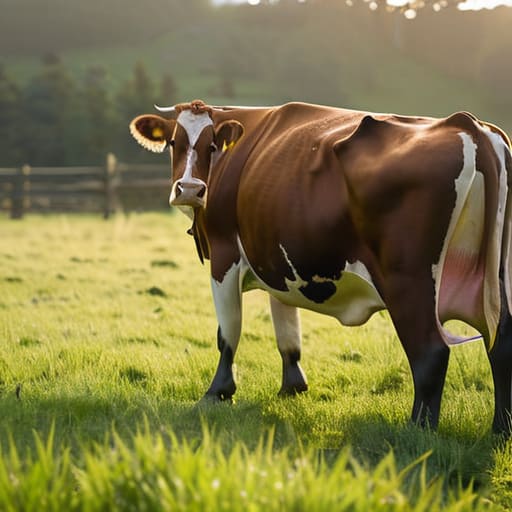
Now, before you go buying a pallet of fancy mineral lick or some high-tech supplement the salesman swears by, you need to look at what you’ve actually got standing in the field. You can’t talk about pre-fresh period management without looking at the cow herself first. I’ve spent more time than I’d like to admit walking through muddy paddocks just to get a proper sense of the herd’s condition. If you aren’t doing regular body condition scoring for dry cows, you’re essentially flying blind. A cow that’s too heavy is going to struggle when she hits the ground, and one that’s too thin is just a walking deficit.
It isn’t about finding a magic recipe; it’s about matching what she needs to what the ground is actually giving you. If the grass is running off and the weather has been nothing but wet, your approach to nutrition has to shift. You aren’t just feeding a cow; you are investing in the next calf and the health of the udder. If you miss the mark here, you aren’t just losing milk in the next cycle—you’re paying for it in vet bills and wasted feed.
Key Things to Know
First, let’s get one thing straight: you aren’t just “resting” a cow; you are preparing a biological engine for a massive workload. I’ve seen too many men treat the dry period like a holiday for the herd, thinking that if the grass is growing, everything is fine. It isn’t. If you aren’t diligent with body condition scoring for dry cows, you’re essentially gambling with your calving percentages. A cow that comes off the milking parlour too thin is a problem, but a cow that comes off too fat is a walking disaster waiting to happen—she’ll struggle to get into calf and her metabolic health will be in the gutter before the calf is even dropped.
Then there is the matter of the udder. It’s easy to get caught up in the fancy feed charts and forget the basics of hygiene. I’ve learned the hard way that preventing mastitis during the dry period is often more about what you do at the teat than what you put in the trough. If you skimp on proper dry period teat sealing or neglect the cleanliness of the pens, you aren’t just losing milk; you are bleeding cash through vet bills and culls. It’s the small, boring details that keep the margins from disappearing.
Practical Tips and Steps
First, stop looking at the calendar and start looking at the animal. You can have the best nutritional plan in the world, but if you aren’t doing regular body condition scoring for dry cows, you’re just guessing. I’ve seen too many lads let their cows run too thin in the summer, thinking they’re being “efficient,” only to have them hit the ground looking like skeletons. You need to adjust your feed based on what the cow actually looks like, not what a spreadsheet tells you she should be. If she’s carrying too much, she’ll struggle at calving; if she’s too light, you’re effectively throwing money into the muck heap.
Second, don’t neglect the basics of hygiene. It sounds old-fashioned, but preventing mastitis during the dry period is often just a matter of being disciplined with your teat sealing. I’ve spent far too many nights dealing with infected udders that could have been avoided with a bit of rigour and a decent sealant. It’s not about buying the most expensive additives; it’s about making sure the environment is clean and the transition is steady. If you get the prep right now, you won’t be chasing losses in the calving shed three months down the line.
Common Mistakes to Avoid
The biggest mistake I see is the “out of sight, out of mind” approach. Some lads treat the dry period like a holiday for the cows, thinking that if they aren’t producing milk, they don’t need much attention. That is a fast way to go broke. I’ve seen plenty of farmers skimp on the feed just to balance the books for the month, but neglecting dry cow nutrition strategies is like trying to build a house on sand. If they go into that period looking hollow, they won’t have the reserves to pull through the next calving, and you’ll be paying for it in vet bills and poor weaning weights.
Another one that gets under my skin is the laziness around hygiene. You can have the best genetics in the county, but if you aren’t diligent with dry period teat sealing, you might as well be inviting trouble into the shed. I’ve watched good money walk out the gate because someone thought they could skip the teat dip or ignore a bit of inflammation. It’s not just about the cow; it’s about the metabolic health of the whole transition group. If you don’t get the basics right now, you’re just setting yourself up for a headache come spring.
Final Thoughts
At the end of the day, you have to stop looking at the dry period as a bit of a “rest” for the herd and start seeing it for what it actually is: the most expensive period of the year if you get it wrong. You aren’t just waiting for calves to arrive; you are investing in the next lactation. If you treat these months as a time to cut costs by skimping on the feed or ignoring the ground, you aren’t saving money—you’re just borrowing it from next year’s profit at a massive interest rate.
I’ve seen too many lads focus on the flashy new machinery while neglecting the basics of pre-fresh period management. It’s the simple things—keeping an eye on the body condition and making sure the teat sealing is actually done right—that separate a profitable year from one that leaves you staring at a spreadsheet in a cold shed. Don’t get distracted by the marketing fluff. Stick to the grass, watch the feet, and remember that transition cow metabolic health is what actually pays the bills when the calving season hits.
Five ways to stop your dry cows from costing you a fortune
- Watch the grass, not the gauge. You can buy all the fancy mineral lick in the world, but if you’ve got a wet autumn and the ground is turning to soup, those cows won’t be able to get to the feed. Manage the paddock rotation so they aren’t trampling the very nutrients you’re paying for into a muddy mess.
- Stop treating the dry period like a holiday. Just because they aren’t milking doesn’t mean they aren’t working. A cow that spends her dry period losing condition is a cow that will fail to conceive next season, and a gap in your calving pattern is a hole in your pocket that’s hard to plug.
- Don’t get stingy with the minerals. I’ve seen men try to save a few quid by skimping on the trace elements in the late stages, only to end up with a batch of calves that are weak as water and ewes that can’t hold their own weight. If you don’t spend it on the feed now, you’ll spend it on the vet later.
- Check the feet before the weather turns. It’s easy to ignore a cow that’s just standing in a field, but if she’s starting to go lame during her dry period, she won’t be able to walk to the feeder when the real pressure hits. A lame cow is a wasted cow, and she’s a drain on your time and your cash.
- Keep a sharp eye on the condition score, not the scale. A cow might look fine from the gate, but you need to be in the yard getting your hands on her ribs. If she’s getting too fat, she’ll have trouble calving; if she’s too thin, she won’t have the reserves to make milk. It’s a narrow margin, and you’ve got to hit it.
The Bottom Line
Don’t treat the dry period as a holiday for your cows; if you let them run hollow on poor forage now, you’ll be paying for it in vet bills and poor calf vigor come spring.
Watch the ground as much as the cow; if you’re pushing too much feed into a wet yard or a poached field, you’re just trading expensive concentrate for ruined feet and wasted labor.
Keep a hard eye on the ledger, not just the trough; every bag of lick and every bale of hay used during this window needs to be weighed against the eventual price of the calf, or you’re just subsidizing the feed merchant.
The Bottom Line
At the end of the day, managing the dry period isn’t about chasing some fancy nutritional spreadsheet or buying the latest mineral lick that promises the moon. It comes down to the basics: watching the condition of the cow, ensuring she’s got enough quality grass to rebuild her reserves, and making sure she isn’t walking on ground that’ll turn her feet to stone. If you get the nutrition right and keep a sharp eye on her body score, you’re doing eighty percent of the work. Don’t let the desire to save a few pence on feed today blind you to the fact that a hollow cow is a drain on your cash flow the moment she hits the calving pen.
Farming isn’t a game of quick wins; it’s a game of patience and watching the seasons turn. There will be years when the weather doesn’t cooperate and the grass is thin, but if you stick to the fundamentals and treat the dry period as the foundation of your next season rather than a period of “doing nothing,” you’ll come out ahead. It’s about building a herd that is resilient and profitable, not just one that looks good in a catalogue. Take care of the cow during her quiet time, and she’ll take care of your bank balance when the pressure is on.
Frequently Asked Questions
How much of a difference does it actually make to the bottom line if I skip the expensive mineral lick and just rely on good quality pasture?
If you’re looking at the price of a bag of lick and thinking it’s an easy saving, you’re looking at the wrong side of the ledger. On a good year, with decent rainfall and grass that isn’t just stems and grit, you might get away with it. But if that pasture goes thin or the weather turns, you aren’t just losing minerals; you’re losing the ability of that cow to carry a calf. You’ll pay for that “saving” in vet bills and poor weaning weights come next season. It’s a false economy, plain and simple.
At what point does a cow looking a bit thin actually become a problem for her calving success, and when am I just worrying for nothing?
If you can see her ribs clearly through the hide, you’ve already missed the window. I don’t care what the fancy nutrition charts say; if she’s looking “hollow” around the flank, she’s burning through her reserves. You aren’t worrying for nothing when she starts losing condition after she’s been dried off. A thin cow is a cow that’ll struggle to get up, struggle to feed that calf, and eventually, she’ll just be a drain on your grass.
If the weather turns and the ground gets soaked, how do I balance keeping them on good feed without turning my best acres into a mud bath that ruins their feet?
You’re asking about the oldest battle in the book: grass versus ground. If you keep them on the best acres to chase a nutritional target while the rain is coming down, you’ll save a few quid on feed but lose twice that in foot rot and poached soil that takes three years to recover. I’d rather sacrifice a bit of condition on a bit of silage than watch my best pasture turn into a bog and my cows go lame.
