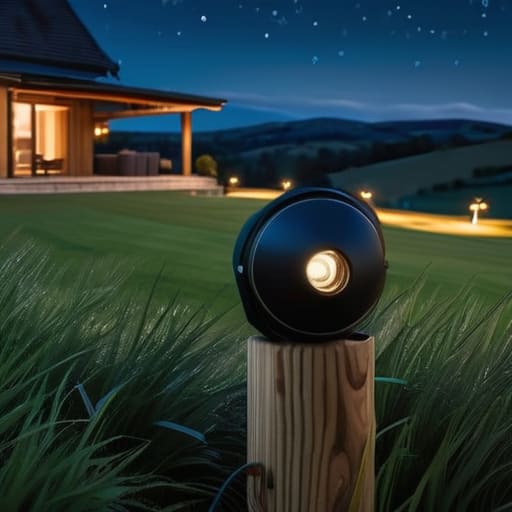
I’ve spent most of my life watching people throw money at things they don’t need, but nothing grates on me quite like the sales pitch for a “complete guide to rural security” that starts with high-tech motion sensors and ends with a massive hole in your bank account. I remember standing in the yard three years ago, looking at a half-broken, expensive thermal camera that had been knocked sideways by a rogue heifer, realizing I’d spent more on that piece of plastic than I had on the actual gate it was supposed to be watching. Most of these fancy systems are built for suburban driveways, not for a working farm where the wind howls, the mud is two inches deep, and the real threats don’t trigger a digital alert—they just walk through the gap you forgot to fix.
I’m not here to sell you a subscription to some cloud-based surveillance miracle. What I’m going to give you is a bit of a reality check on what actually keeps your kit, your livestock, and your peace of mind intact when the sun goes down. We’ll talk about the heavy-duty iron that actually stops a thief, the lighting that doesn’t blind your own cattle, and why a sturdy padlock is worth more than a thousand lines of code.
Table of Contents
Understanding Complete Guide to Rural Security
When people ask me for a “complete guide to rural security,” they usually start by asking which brand of camera has the best night vision. I tell them they’re looking at it backwards. You can have the most expensive farm property surveillance systems money can buy, but if your thief can walk through a gap in a post-and-wire fence without ever triggering a sensor, that high-tech kit is nothing more than a very expensive way to watch your own misfortune in high definition.
Real security isn’t about gadgets; it’s about making your farm a difficult target. Most thieves aren’t looking for a fight; they’re looking for an easy win. That means livestock theft protection starts with how you manage your gates and your lighting, not just a motion sensor on the barn door. You have to think about the gaps in your perimeter and the blind spots in your yard. It’s about creating layers that make a person think twice, because once they’ve decided you’re an easy mark, no amount of digital monitoring is going to stop them from walking off with your best heifer.
Key Things to Know
First thing you need to grasp is that most people approach security like they’re protecting a suburban semi-detached house, which is a fool’s errand. On a farm, you aren’t just guarding a front door; you’re guarding hundreds of hectares of dark, unlit boundary. You can buy the most expensive farm property surveillance systems on the market, but if they aren’t positioned to catch a vehicle moving through a gap in the hedge three fields over, they’re little more than expensive paperweights. Real livestock theft protection starts with knowing your blind spots and understanding that a thief isn’t going to ring your doorbell; they’re going to slip through the one gate you forgot to latch.
You also have to be realistic about your response time. If something goes wrong at the far end of the property, you aren’t calling the police to arrive in five minutes. This is why rural crime prevention strategies have to be built around delay and detection rather than immediate intervention. If your security setup doesn’t give you enough lead time to actually get out of the house and reach the site, you aren’t securing anything—you’re just watching your own misfortune on a high-definition screen.
Practical Tips and Steps
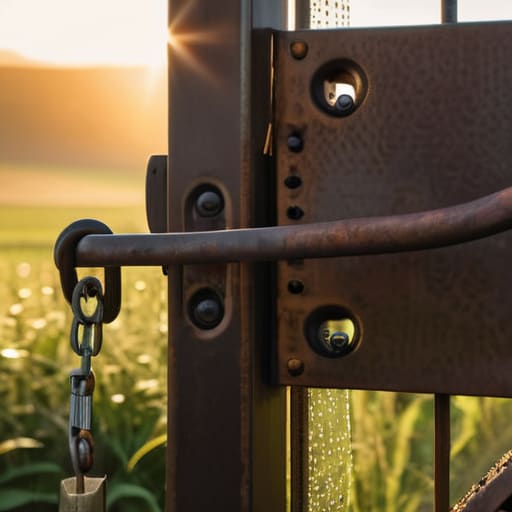
Start with the basics: the gates and the locks. I’ve seen plenty of lads invest in high-end farm property surveillance systems only to realize they’ve left a heavy-duty padlock on a gate that’s rusted through at the hinge. If a thief can simply lever a gate off its post, your cameras are just filming a crime in high definition. Focus on the physical barriers first. Use heavy-duty steel, ensure your hinges can take a proper weight, and for heaven’s sake, don’t leave the keys in the tractor when you’re heading into the house for tea.
When it comes to livestock theft protection, you need to be thinking about more than just a fence. It’s about visibility and patterns. If you have large, empty stretches of land, you can’t watch every inch, so you have to make it difficult for them to work in the dark. This means better lighting at the yard and ensuring your most valuable stock isn’t tucked away in a corner where a trailer can pull up unnoticed. It isn’t about being paranoid; it’s about making the job too much effort for anyone looking to make a quick, dishonest profit.
Common Mistakes to Avoid
The biggest mistake I see is people treating security like a shopping list rather than a strategy. You’ll see lads spending thousands on high-end farm property surveillance systems, mounting cameras on every corner of the yard, but they haven’t even bothered to fix the latch on the main field gate. A camera might give you a lovely, high-definition view of your sheep being loaded into a van at 3:00 AM, but it won’t stop the van from driving away. If your security doesn’t actually interfere with the thief’s ability to move, you’re just paying for a front-row seat to your own misfortune.
Another trap is thinking that “remote” means “invisible.” People get complacent when they’re securing remote homesteads, assuming the distance is their best friend. It isn’t; distance is just extra time for a thief to work. I’ve seen too many farmers rely on a single, expensive piece of kit while neglecting the basics, like lighting or clear lines of sight. Don’t go chasing the latest gadget if you haven’t mastered the fundamentals of perimeter security for large acreage. If you can’t walk your boundaries in the dark and feel secure, no amount of software is going to save your margin.
Final Thoughts
At the end of the day, you can buy every gadget on the market, but no amount of tech is going to replace a bit of common sense and a watchful eye. I’ve seen men go broke trying to install high-end farm property surveillance systems only to realize they forgot to bolt the latch on the equipment shed or left the diesel tank exposed in the back field. Security isn’t about having the flashiest setup; it’s about making your farm a harder target than the one down the road.
If you want real livestock theft protection, stop looking for a magic bullet and start looking at your gates and your routine. It comes down to the basics: keeping your assets where they belong and making sure your neighbors know when something looks out of place. Don’t get distracted by the marketing fluff. Focus on securing the perimeter where it actually matters, and keep your wits about you. If you spend more time staring at a screen than you do checking your fences, you’ve already lost the plot.
Five Things That Actually Keep the Thieves Out
- Stop obsessing over high-definition cameras and start looking at your gates. I’ve seen lads spend three grand on a CCTV system that records a thief’s face in 4K, only to realize the thief just drove a tractor through a rusted-out gate and took the diesel. If your gates aren’t heavy-duty and properly latched, you aren’t securing anything; you’re just filming your own robbery.
- Lighting is only useful if it isn’t blinding you. There is no point in having massive floodlights that kick in and wash out your own vision every time a fox runs past. You want motion-activated lights that hit the dark corners where people actually hide—the gaps between the shed and the grain store—not just a bright light over the driveway that tells every thief exactly where the main house is.
- Secure your fuel like it’s gold bullion, because to some people, it is. I’ve seen too many young farmers leave their diesel tanks accessible with nothing but a flimsy padlock. If you have a bulk tank, it needs to be behind a locked gate, preferably in a spot where you can see it from the kitchen window without having to walk halfway across the farm.
- Don’t let your outbuildings become a showroom for thieves. If you’ve got expensive kit—quads, mowers, or power tools—tucked away in a shed with a door that’s more rot than wood, you’re asking for trouble. If you can’t lock it, hide it. A shed that looks empty and neglected is a much harder target than one where a shiny new machine is sitting right by the door.
- Watch your patterns and your paperwork. Thieves in these parts are observant; they know when you’re at mart, when you’re at the vet, and when the farm is quiet. Keep your high-value movements a bit more discreet, and for heaven’s sake, keep your serial numbers and receipts in a folder that isn’t sitting on the dashboard of the Land Rover. If it’s gone, you’ll need those numbers to prove it was yours.
The Bottom Line on Keeping What’s Yours
Don’t go chasing high-tech gadgets and expensive sensors if your basic gate latches are rusted through or your perimeter fencing is a sieve; security starts with the heavy steel, not the software.
Real security is about making your farm a harder target than the next one, which usually means being sensible about where you leave expensive kit and making sure your livestock aren’t sitting right next to an open access point.
Treat security like your breeding records—it’s not a one-off job you do once a year, but a constant bit of maintenance that requires you to actually walk the boundaries and see what’s loose before someone else does.
A Bit of Common Sense Before You Close the Gate
At the end of the day, rural security isn’t about having the flashiest CCTV setup that’s going to give you a headache every time a fox runs past the lens. It’s about the basics: making sure your gates actually lock, keeping your expensive kit out of sight, and knowing your neighbors well enough to spot a strange vehicle before it reaches the yard. You can buy all the high-tech gadgets in the catalog, but if you haven’t addressed the fundamental vulnerabilities in your perimeter, you’re essentially just providing a high-definition recording of your own misfortune. Focus on the practical, low-cost wins first—the heavy-duty padlocks, the clear sightlines, and the habit of checking the diesel levels and tool chests before you head up to bed.
Farming is hard enough without having to look over your shoulder every time you hear a engine in the distance. Security shouldn’t be a source of constant anxiety; it should be the quiet background work that lets you focus on the livestock and the land. Don’t let the fear of what might happen stop you from investing in your future, but don’t let complacency be the reason you lose what you’ve worked forty years to build. Build your defenses with common sense and grit, and then get back to the business of making a living.
Frequently Asked Questions
How much of this security kit is actually worth the money when you're looking at the margins on a suckler herd?
Most of it is expensive scrap metal. If you’re running a suckler herd, a fancy motion-sensor floodlight won’t stop a thief from cutting a padlock or driving a trailer through a weak gate. Don’t waste your margins on high-tech gadgets that need a software update. Spend your money on heavy-duty steel, proper welding, and gates that actually latch. If the perimeter isn’t physically sound, the rest is just window dressing for the insurance company.
If I invest in high-end cameras, am I just going to end up with a hard drive full of footage of a fox and a thief I can't catch anyway?
You’ve hit the nail on the head. Most of those high-end systems are just expensive ways to watch your property get robbed in high definition. If the camera doesn’t trigger a deterrent—like a light or a siren—that actually makes a thief turn tail, you’ve just bought yourself a very detailed record of your own misfortune. Don’t buy tech to watch a crime; buy tech to stop one from happening.
Is it better to spend my budget on better perimeter fencing or on securing the actual outbuildings where the diesel and the feed are kept?
If you’ve got a choice, secure the outbuildings first. I’ve seen men spend a fortune on five-bar gates and perimeter wire only to have a thief walk through a rusted corrugated sheet and walk off with two hundred litres of diesel. Fencing is about keeping livestock in or keeping the casual trespasser out, but your diesel and feed are the liquid cash of this farm. Secure the assets that actually move the needle on your bank balance.
