I spent a good chunk of the nineties watching lads throw expensive, high-analysis nitrogen at fields that looked like they’d been through a war zone, wondering why the grass wouldn’t budge. They were chasing a phantom, thinking more fertilizer was the answer, when the reality was that their soil was so acidic the nutrients were just sitting there, useless and unabsorbed. If you don’t understand how liming works, you aren’t fertilizing; you’re just donating money to the dirt. It’s a bitter pill to swallow, but until you fix the pH, you might as well be throwing your cash into the muck and hoping for a miracle.
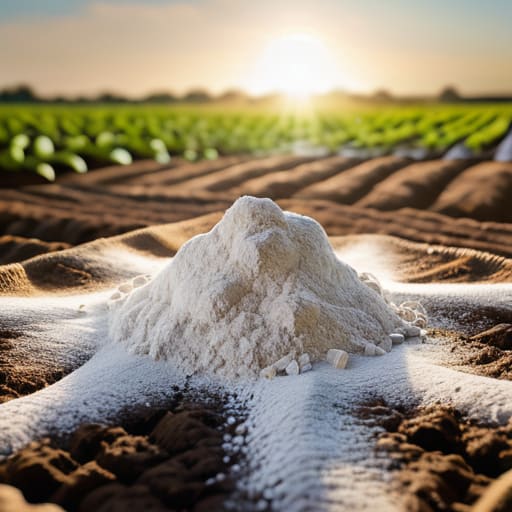
I’m not here to sell you a specific brand of crushed limestone or some fancy chemical cocktail from a glossy brochure. What I want to do is strip the nonsense away and show you the actual mechanics of what happens below the surface once that lime hits the ground. I’ll tell you exactly how it unlocks your nutrients, how much it actually costs to do it right, and how to avoid the kind of mistakes that leave you staring at a patch of nothing when the spring flush should be hitting.
Table of Contents
Understanding How Liming Works

Now, I’m not a chemist, and I don’t care much for the lecture hall version of this. In plain terms, think of your soil like a stomach; if it’s too acidic, nothing you feed it is going to digest properly. When we talk about soil acidity neutralization, we aren’t just making the ground “happier”—we are fixing the chemistry so the nutrients you’ve already paid for actually reach the grass roots. If the pH is sitting too low, those expensive nitrogen and phosphorus applications are essentially just sitting there, waiting for a rain that’ll wash them straight out of the system.
It’s a bit of a balancing act with your calcium and magnesium levels in soil, too. You can throw all the lime you want at a field, but if you haven’t checked what you’re actually working with, you’re just guessing. The goal is to improve nutrient bioavailability, ensuring that when the grass grows, it’s actually packing the punch your suckler cows need to put on condition. If the ground is locked up tight by acidity, you’re just working harder to achieve a result that’s half as good as it should be.
Key Things to Know
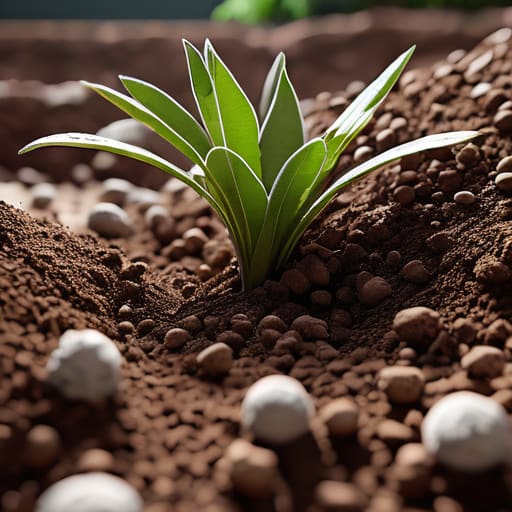
First off, don’t go thinking a bit of lime is a magic wand that fixes a broken system. It’s a slow game. You aren’t just throwing dust on the surface to see a green flush by Tuesday; you’re looking for soil acidity neutralization that actually reaches the root zone. If you’ve got heavy clay and a wet winter coming, that lime is going to sit there like a stone unless you’ve got the right application method. I’ve seen lads spend a fortune on high-grade calcium carbonate soil amendment only to watch it wash off the topsoil because they didn’t account for the slope or the drainage.
You also need to stop obsessing over just the pH number and start looking at the balance of what’s actually in the dirt. It’s about nutrient bioavailability in soil—if your ground is too sour, you can put all the nitrogen and phosphorus you want on that field, but the plants won’t be able to grab it. It’s like trying to feed a hungry calf through a closed door. If your calcium and magnesium levels in soil are out of whack, you’re just burning through your cash flow for nothing.
Practical Tips and Steps
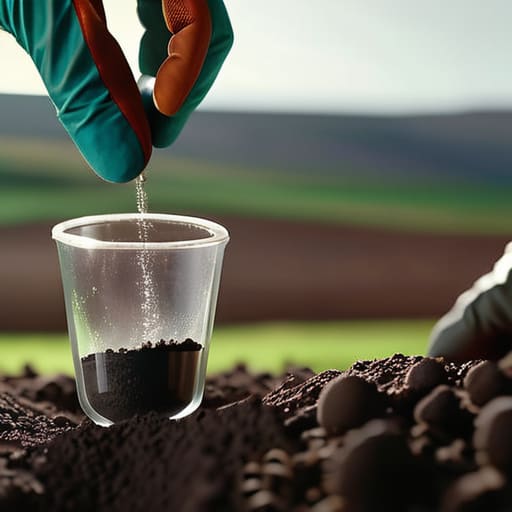
Don’t go out there with a spreader just because the neighbour is doing it or because a salesman in a clean fleece told you to. You need a soil test that actually tells you what’s happening below the surface, not some guesswork based on how the clover looks this week. If you’re going to invest in a calcium carbonate soil amendment, you need to know the exact rate required to move the needle. I’ve seen men spend a fortune applying lime to ground that was already fine, or worse, applying too little and watching the money sink into the dirt without any real change in the grass.
Timing is everything, and it’s rarely about the calendar; it’s about the ground. If you try to spread in a wet autumn, you’re just making a muddy mess that’ll sit there doing nothing until spring. You want a window where the ground is workable but not sodden, allowing for proper soil acidity neutralization to actually take hold. It’s a slow game. You won’t see the results overnight, but if you get the application right, you’ll see the difference in your weaning weights come next year.
Common Mistakes to Avoid
The biggest mistake I see—and I’ve certainly made it myself when I was younger and more impatient—is treating lime like a magic wand you can just sprinkle on top of a wet field and forget about. You can buy the best calcium carbonate soil amendment on the market, but if you spread it on ground that’s currently a bog, you’re essentially just making expensive mud. Lime needs to move, and it needs time to react with the soil. If you’re waiting until the day before you need to get the first flush of grass up to start your soil pH management techniques, you’ve already lost the season.
Another blunder is ignoring the balance between your calcium and magnesium levels in soil. People get so obsessed with just “raising the pH” that they forget that overdoing the lime can actually lock up other essentials. It’s a delicate dance; you aren’t just looking for soil acidity neutralization, you’re looking for nutrient bioavailability in soil that actually feeds the livestock. If you push the pH too high too fast without checking your magnesium, you’ll end up with grass that looks lush but leaves your sheep hungry and your margins thinner.
Final Thoughts
At the end of the day, you have to stop looking at lime as a luxury or a box-ticking exercise for a subsidy application. It is a fundamental part of your overhead, just like diesel or feed. If you ignore your soil pH management techniques because the price of a tonne of lime has ticked up, you aren’t saving money; you’re just choosing to pay for it later through stunted grass and expensive, underperforming livestock. I’ve seen too many men try to fix a poor season by throwing more nitrogen at a problem that was actually caused by a lack of nutrient bioavailability in soil. You can pour all the fertilizer you like onto acidic ground, but it’ll just sit there or wash away, and you’ll be left holding a very empty wallet.
Don’t get caught in the trap of “fixing it next year.” The ground doesn’t work on a convenient schedule, and neither does the weather. Get your samples done, get the math right, and treat your soil like the primary engine of your cash flow that it actually is. If the ground isn’t right, nothing else on this farm is going to be right.
Five things to remember before you spread a single tonne
- Don’t go buying lime based on what the salesman tells you over a cup of tea; get a proper soil analysis done first. If you don’t know your actual pH, you’re just guessing, and guessing with your input costs is a quick way to go bust.
- Timing is everything, and it’s rarely when you actually want it to be. You can’t just throw it down and expect magic by Tuesday; it needs moisture to react and time to move through the profile. If you’re planning to sow new grass, you’d better have the lime on months before, not the week of.
- Watch the weather like a hawk. If you spread on ground that’s too dry, it’ll just sit on the surface like dust and do nothing for the roots. If it’s too wet, you’ll spend more time fighting the tractor than actually getting the job done, and you’ll end up poaching the very ground you’re trying to fix.
- Stop thinking of lime as a fertilizer. It isn’t. It’s a tool to make sure the fertilizer you do buy actually works. If your ground is too acidic, you can pour all the nitrogen and phosphorus you want onto that field, but the plants won’t be able to touch it. You’re essentially pouring money into a sieve.
- Check your equipment. I’ve seen lads try to spread lime with a spreader meant for nitrogen, and they end up with a clumpy mess that sits in the field for three years. Lime is heavy and it’s abrasive; if your gear isn’t up to the task, you’re just wasting time and diesel.
The Bottom Line on Liming
Don’t go buying lime just because the neighbour is doing it; if you haven’t tested your soil first, you’re just throwing expensive grit at a problem you haven’t actually measured.
Remember that lime isn’t a magic fertiliser, it’s a key that unlocks the ones you’ve already paid for—without the right pH, you’re essentially leaving your nitrogen and phosphorus to rot in the ground.
Timing is everything, and if you try to lime right before a heavy rain or when the ground is too wet to work, you’re wasting both your time and your cash flow on a job that won’t take.
The Bottom Line on Lime
At the end of the day, liming isn’t some magic trick or a way to cheat the weather; it’s simply about making sure the ground you’ve already paid for actually works for you. You can spend a fortune on high-analysis nitrogen and fancy seed mixes, but if your pH is sitting in the wrong bracket, you’re just pouring money into a sieve. It comes down to the basics: get your soil tests done, don’t wait for the grass to turn yellow before you act, and remember that lime is a slow burn, not a quick fix. If you get the chemistry right, the grass growth and nutrient uptake will follow, and that’s where your margin actually starts to show itself.
I’ve seen plenty of men try to shortcut the system by skipping the ground work, only to spend the next three years wondering why their suckler cows aren’t putting on condition. Farming is a game of patience and, more importantly, a game of managing what you can control. You can’t control the rainfall or the price of beef at the mart, but you can control the state of your soil. Treat your ground with a bit of respect, keep your records straight, and you’ll find that the cash flow follows the biology every single time.
Frequently Asked Questions
If I’ve just put a load of lime down, how long am I actually going to be waiting before I see any difference in the grass?
You won’t see it tomorrow, and you shouldn’t expect a miracle by next week. It’s a slow game. If you’ve got a decent amount of rain to help work it into the soil, you might see the grass looking a bit more vigorous by the next growth cycle. But realistically, you’re looking at six months to a year before the chemistry settles and the nutrients actually start behaving. Don’t go chasing a quick fix; just let it work.
How much of this is about the pH itself, and how much is just about making sure my fertilizer isn't being wasted?
It’s both, but don’t mistake one for the other. If your pH is off, the chemistry in the soil is essentially locked in a vault you don’t have the key to. You can spread all the nitrogen and phosphorus you like, but if the ground is too acidic, the plants can’t grab it. You aren’t just “wasting” fertilizer; you’re paying for nutrients that are just sitting there, useless, while your grass starves.
Do I need to worry about the timing with the weather, or will a bit of rain help it work faster?
You can’t time the weather, but you can certainly let it ruin your day. A bit of rain is necessary to get that lime into the soil profile, otherwise, you’re just spreading white dust that’ll blow into the hedge the next time a gale comes through. But if the ground is a sodden mess, don’t bother. You’ll just compact the soil and end up making a mistake that costs you more in drainage than the lime ever earns you in grass.