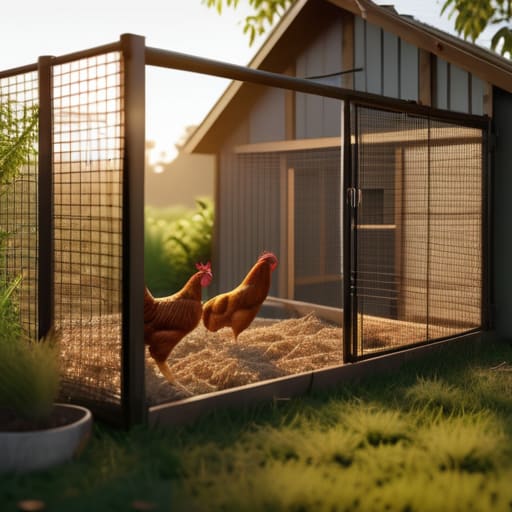
If you’ve spent more than ten minutes scrolling through those glossy lifestyle blogs, you’ve likely been told that learning how to keep poultry on a small scale is all about choosing the prettiest coop and buying organic, artisanal grain. It’s a lie designed to separate a person from their hard-earned cash. I’ve seen enough “hobbyist” setups turn into expensive, muddy disasters because someone spent three hundred pounds on a designer nesting box but forgot to check if their ground could actually drain after a week of rain. Most of that advice is written by people who have never had to clean out a coop in a freezing downpour or balance a feed bill against a shrinking margin.
I’m not here to sell you a dream or a piece of kit that’ll just sit in the shed collecting dust by next spring. What I’ll give you is the truth about what it actually takes to keep birds healthy and, more importantly, economically viable. We’re going to talk about the real pillars: the quality of your ground, the cost of the feed versus the yield, and why preventing a single bout of disease is worth more than any fancy gadget you can find online.
Table of Contents
Understanding How to Keep Poultry on a Small Scale

Now, before you go ordering a dozen fancy breeds from a catalogue, you need to look at what you’ve actually got to work with. People talk about raising poultry in limited space as if it’s just a matter of putting a few birds in a wooden box and calling it a day. It isn’t. If you don’t have enough room for them to move without stepping in their own filth, you aren’t farming; you’re just managing a disease incubator. I’ve seen plenty of folks buy a massive, overpriced coop only to realize they haven’t accounted for the drainage or the windbreak needed to keep the birds from freezing or getting soaked.
The reality of small flock management tips usually boils down to one thing: your ability to keep up with the mess. You can have the best feed in the world, but if your backyard chicken coop setup is sitting in a boggy corner of the garden, those birds will be down with coccidiosis before the first month is out. You have to balance the desire for more birds against the hard reality of your available square footage and your daily labor. If you can’t manage the waste, don’t bother with the birds.
Key Things to Know
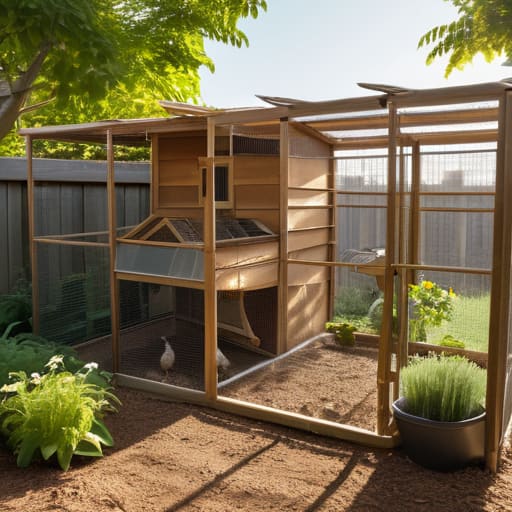
First off, don’t let the glossy catalogs fool you. You’ll see plenty of people online showing off a fancy, cedar-clad backyard chicken coop setup that looks more like a garden ornament than a working unit. If you’re serious about raising poultry in limited space, you need to stop looking at the aesthetics and start looking at the drain on your wallet. A coop that’s too small leads to stress and disease, but a coop that’s too big is just more surface area for heat to escape and more expensive kit to clean.
Then there is the matter of what they actually eat. Most beginners treat small scale poultry nutrition like a buffet, buying every bag of “premium” organic grain they see on the shelf. I’ve seen more money wasted on overpriced feed than on actual infrastructure. You have to balance the cost of that feed against the price of the eggs or meat you’re actually getting out of it. If your feed bill is higher than your market return, you aren’t farming; you’re just subsidizing a hobby for your birds.
Practical Tips and Steps
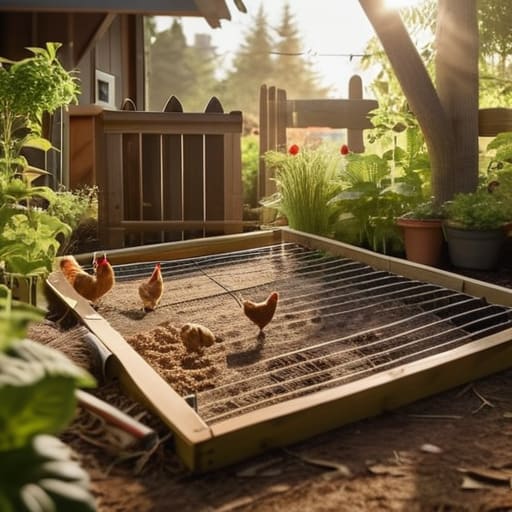
First, let’s talk about your backyard chicken coop setup. Most people spend a fortune on fancy, multi-story houses that look grand in a catalogue but end up being a nightmare to clean. If you can’t scrape the floor and manage the muck without breaking your back, you won’t do it, and that’s when you run into trouble. Keep it simple: solid footing, easy access for yourself, and enough ventilation so they aren’t breathing in their own dampness. A wet coop is a shortcut to respiratory issues, and I’ve seen enough birds go to waste because someone thought aesthetics mattered more than airflow.
When it comes to protecting backyard birds from predators, don’t skimp on the hardware cloth. Using that flimsy chicken wire is a mistake I’ve seen plenty of youngsters make; it keeps the chickens in, but it won’t keep a fox out. You need something substantial that can actually take a hit. Once you’ve got the perimeter sorted, focus on the ground. If you’re raising poultry in limited space, you’ll find the ground turns to a slurry faster than you think. Invest in some deep litter or a decent drainage plan, otherwise, you’ll be chasing mud and disease all season long.
Common Mistakes to Avoid
The biggest mistake I see is people getting blinded by the “cute” factor and buying a fancy, pre-fabricated backyard chicken coop setup from a garden centre. They see a polished little wooden house with a window and think they’re farmers. They aren’t. Most of those kits are built for aesthetics, not for the reality of a bird’s biology. If you don’t have proper ventilation, you aren’t raising poultry; you’re just managing a damp, ammonia-filled box that’ll rot the lungs out of your birds before the first winter hits. You can spend a fortune on the housing, but if the airflow is rubbish, you’re just subsidising the vet’s next holiday.
Then there’s the feed. People think they can cut corners with kitchen scraps or cheap, generic grain to save a few pence. That’s a fool’s errand. Small scale poultry nutrition isn’t a luxury; it’s the engine room of your margins. If you skimp on the protein and calcium, you’ll end up with soft-shelled eggs and birds too weak to fight off a common infection. I’ve seen more money lost to poor nutrition and the subsequent vet bills than I ever lost to a bad market year. Don’t try to be clever with the feed; just buy what works and keep your eyes on the birds.
Final Thoughts
Look, if you’re heading out to the shop to buy a pre-fabricated, shiny coop because the brochure says it’s “foolproof,” stop yourself right there. Most of that kit is built for looks, not for the reality of a wet Tuesday in November. At the end of the day, raising poultry in limited space isn’t about how much gear you can cram into a corner of the garden; it’s about whether that space can actually support the birds without turning into a mud bath that breeds nothing but trouble.
If you get the basics right—the ground, the shelter, and the feed—you’ll do better than most. But don’t expect a shortcut. You’ll spend more time watching the weather and checking the perimeter for foxes than you will enjoying the novelty of it. My advice is to keep your overheads low and your eyes on the actual margins. If you focus on the health of the birds and the quality of the ground they stand on, you might actually come out ahead. If you focus on the gadgets, you’ll just be a person with an expensive, empty shed.
Five things that’ll actually keep you in the black
- Stop looking at the price of the birds and start looking at the price of the feed. I’ve seen plenty of people buy a fancy flock of heritage breeds thinking they’re getting something special, only to realize they’re spending three times the market rate just to keep them from starving. If the feed conversion doesn’t make sense on paper, you aren’t farming; you’re just running a very expensive charity for birds.
- Don’t get blinded by shiny new coop designs on the internet. Most of those kits are built for aesthetics, not for a wet Tuesday in November. If you can’t walk through it with a shovel or a broom to clear out the muck, it’s a waste of money. Ventilation and dry feet are the only two things that matter when the temperature drops; everything else is just decoration.
- Watch your ground before you decide how many birds you can handle. People love to talk about “stocking density” like it’s a fixed number, but a hundred birds on well-drained, sloping ground is a different world to a hundred birds on heavy clay that turns to a bog the moment it drizzles. If you overstock a small patch, you’ll turn your yard into a swamp, and then you’ll be paying for vet bills and extra bedding just to keep them upright.
- Invest in a good perimeter fence before you buy a single chick. I’ve spent more money replacing lost stock to foxes and badgers than I care to admit. A cheap wire fence might look fine in the summer, but once the wind picks up or a hungry predator finds a soft spot, that “bargain” setup will cost you your entire season’s profit in a single night.
- Keep your records on paper or a simple spreadsheet, not some fancy app that costs a monthly subscription. You need to know exactly what a dozen eggs or a single bird is costing you in terms of grain, bedding, and your own time. If you aren’t tracking the inputs, you won’t know you’re losing money until the bank account tells you, and by then, it’s too late to change course.
The Bottom Line Before You Start
Don’t let the idea of “homesteading” blind you to the feed bill; if you haven’t calculated the cost of every kilo of grain against your projected yield, you aren’t farming, you’re just subsidizing your hobby.
Forget the fancy automated drinkers and heated nesting boxes for a moment and look at your ground—if you don’t have a plan for drainage and mud management, your birds will be walking on rot before the first season is out.
Focus on the basics of health and biosecurity over expensive equipment, because a single bout of preventable disease will wipe out your entire investment far faster than any piece of high-tech kit can save it.
The Bottom Line on the Birds
If you’ve taken anything from this, let it be this: don’t get blinded by the shiny brochures or the promise of easy organic eggs. Keeping poultry on a small scale isn’t about having the most expensive automatic drinkers or the prettiest coop you saw on Instagram; it’s about the relentless management of feed, floor, and finances. You have to watch your margins like a hawk—ironic, I know—because a single bad run of damp bedding or a sudden spike in grain prices will swallow your profit faster than a hungry fox. Keep your eyes on the birds’ feet, keep your records straight, and for heaven’s sake, never underestimate the cost of a bird that isn’t producing.
At the end of the day, farming—even on a patch of garden—is a lesson in humility. You will have seasons where the weather turns foul and the birds just won’t settle, and you will undoubtedly buy a piece of kit that ends up rusting in the corner of the shed. But if you approach it with a bit of common sense and a willingness to learn from the mistakes I’ve already paid for, there is a deep, quiet satisfaction in it. There is nothing quite like seeing a healthy flock thrive on ground you’ve managed well. It’s not about getting rich; it’s about doing it right, and that’s a reward that doesn’t show up on a balance sheet.
Frequently Asked Questions
How much of a buffer do I actually need in my bank account before I start buying birds, considering the feed prices fluctuate like the weather?
Don’t look at the cost of the birds; that’s just the entry fee. Look at the feed and the vet bills. If you haven’t got three months of operating costs—feed, bedding, and a contingency for when a sudden chill takes out a dozen birds—sitting in the bank, you aren’t starting a business, you’re starting a hobby that’ll bleed you dry. When grain prices spike, you won’t have the luxury of waiting for a market turnaround.
If I’m working with limited ground, how do I stop the birds from turning my patch into a mud bath that’ll ruin the grass for next season?
You’re asking about the ground, so you’re already thinking better than most. If you let them sit on one patch, you won’t have grass next year; you’ll have a bog. You need to move them. Rotational grazing isn’t just a fancy term; it’s survival. Divide your space with cheap electric fencing and move the birds before they break the sward. If the rain’s heavy, keep them off the wet bits entirely. Protect the soil, or the birds won’t have anything to eat.
At what point does the cost of the specialized housing and equipment stop being an investment and start being a way to bleed my margins dry?
It stops being an investment the moment you’re buying gear for the “ideal” bird rather than the one you actually have. I’ve seen men spend five figures on automated climate-controlled houses only to realize their margin can’t cover the electricity bill when the wind picks up. If the kit doesn’t directly reduce mortality or shave a penny off your feed conversion, it’s just expensive scrap metal waiting to happen. Stick to what works, not what looks good in a brochure.