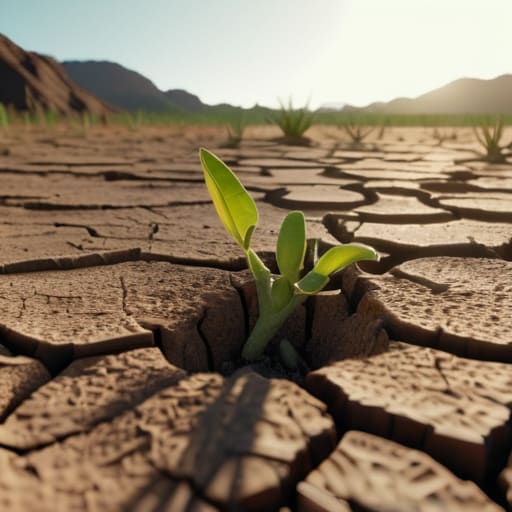
I’ve lost count of how many “drought preparedness” brochures I’ve seen, all of them filled with glossy photos of high-tech irrigation systems and expensive chemical soil conditioners that promise the world. If you listen to the salesmen, they’ll have you thinking the answer to a dry spell is a new piece of kit or a subscription to some fancy data app. But let me tell you, when the clouds vanish and the ground turns to dust, no amount of clever marketing is going to fix a broken system. Knowing how to manage a summer drought isn’t about buying your way out of a problem; it’s about the hard math of how much grass you actually have left and how much it’s going to cost you to keep your livestock alive without emptying your bank account.
I’m not here to sell you a miracle or a gadget that’ll be rusting in the shed by October. What I want to do is walk you through the actual, gritty reality of what happens when the rain stops. I’ll be talking about the decisions that matter—the ones involving forage reserves, water access, and the brutal truth of culling—so you can protect your margins instead of just watching them evaporate.
Table of Contents
Understanding How to Manage a Summer Drought
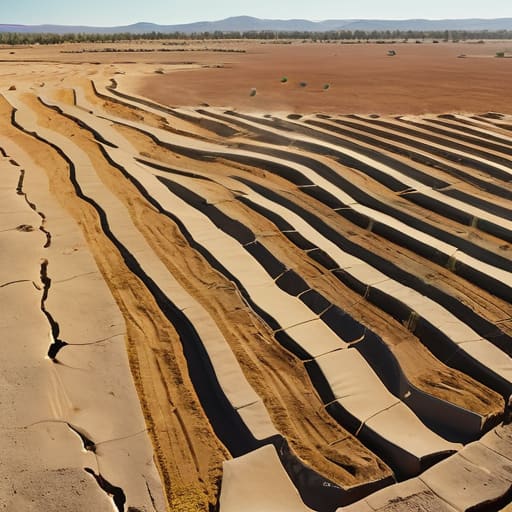
You can’t manage what you haven’t measured, and most people wait until the soil is cracking like a broken plate before they start looking at the numbers. If you’re looking for a way to handle a dry spell, you have to start with your grass. It isn’t just about the lack of rain; it’s about how much of that remaining green you’re actually letting the animals eat versus how much you’re letting them trample into the dust. Effective pasture management during dry spells means being ruthless. If a field is looking thin, you move them. If you keep them on dying grass, you aren’t “stretching” your resources; you’re just teaching your cows to eat dirt and losing the nutritional value that actually keeps your margins intact.
Then there is the matter of the water. I’ve seen men lose a whole lot of profit because they focused on the feed but forgot about livestock water security. A thirsty cow won’t eat, and a cow that can’t find water won’t breed. You need to be checking those troughs and pipes more often than you think, because when the heat hits, a single leak or a blocked pipe can turn a manageable situation into a crisis in a matter of hours.
Key Things to Know
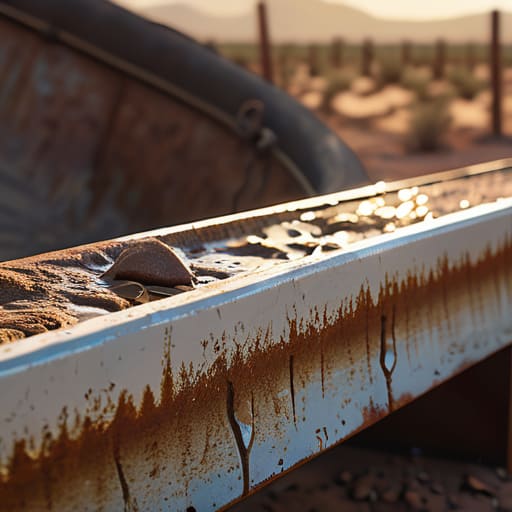
First, you have to look at your water before you look at your grass. I’ve seen men lose a dozen good heifers in a week not because they were hungry, but because a silted-up trough or a broken pipe meant they were drinking nothing but dust and heat. Livestock water security isn’t about having a big tank; it’s about having a system that actually works when the ground turns to concrete. If you aren’t checking your lines daily, you aren’t farming, you’re just gambling.
Second, stop trying to “make do” with dying pasture. Once the plants go dormant, they stop providing nutrition and start becoming a liability to your soil structure. You need to decide early whether you are moving them to better ground or implementing herd size reduction strategies to protect what’s left. It’s a hard pill to swallow, selling stock when prices are soft, but it’s better than watching your entire spring calving crop vanish because you were too proud to cull. It always comes back to the cash flow; you can’t eat a dead cow, and you certainly can’t pay the bank with empty fields.
Practical Tips and Steps
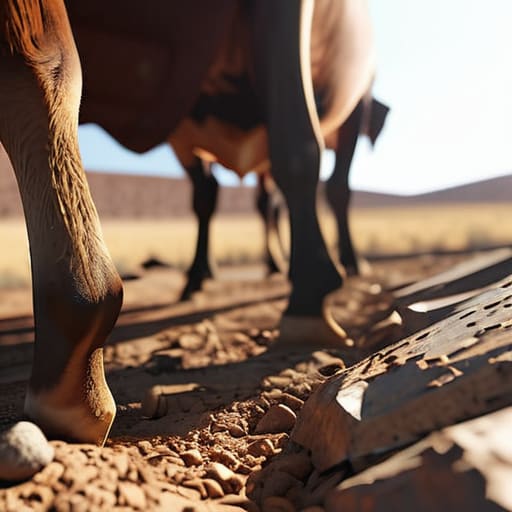
First, let’s talk about the water. You can have the best genetics in the county, but if those troughs are running dry or the quality goes to rot, your profit is walking out the gate. I’ve spent more money on broken pumps than I care to admit, so don’t wait for the ground to crack before you check your livestock water security. If your supply is unreliable, you aren’t managing a farm; you’re just gambling with the weather.
When the grass turns to straw, you have to make the hard calls early. Don’t wait until the cows are looking hollow to start thinking about supplementary feeding strategies. It’s much cheaper to feed a bit of silage now than to try and rebuild a body that’s gone to bone. If the forecast looks grim for the next three months, look at your numbers and consider herd size reduction strategies. It’s a bitter pill to swallow, selling stock when prices are soft, but it’s better than watching your entire cash flow vanish into a dry field because you were too proud to cull.
Common Mistakes to Avoid
The first mistake I see—and I’ve made it myself when I was too stubborn to admit the clouds weren’t coming—is waiting until the troughs are bone dry before you start thinking about livestock water security. You can’t conjure a well or fix a broken pump once the heat has already hit the animals; by then, you’re just playing catch-up with a dying herd. If you haven’t checked your backup supply or your line integrity by mid-June, you’re already behind the eight ball.
Another trap is being too stingy with your supplementary feeding strategies in a desperate attempt to stretch the remaining grass. I’ve seen men try to run too many head on ground that’s turned to dust, thinking they can “wait it out.” All they do is pulverize what little organic matter is left, killing the root systems and ensuring the field won’t recover come autumn. If the grass isn’t growing, you have to look at herd size reduction strategies early. It’s a hard pill to swallow, selling off stock when prices are low, but it’s a hell of a lot cheaper than trying to buy your way out of a disaster with expensive, imported feed when the ground is parched.
Final Thoughts
At the end of the day, you can read all the glossy brochures you like, but the weather doesn’t care about your five-year plan. A drought is a test of your discipline, not your ambition. It’s about whether you had the sense to build up your emergency fodder reserves when the rain was falling, or if you were too busy eyeing up a new tractor to notice the grass thinning out. You can’t manufacture rain, but you can certainly manage how much of your capital you bleed out trying to fight it.
If you find yourself staring at a dry trough and a field of dust, stop looking for a magic fix and start looking at your numbers. Sometimes the hardest, most necessary decision is implementing herd size reduction strategies before the situation forces your hand. It’s better to sell a few head now while they still have condition than to watch them waste away and lose the whole lot. Ultimately, a dry spell is just a lesson in protecting your margins—keep your eyes on the ground, your water flowing, and your cash flow intact.
Five things I’ve learned the hard way when the rain stops
- Watch the water troughs before you watch the sky. You can have all the grass in the world, but if a pump fails or a trough gets fouled when the heat is on, your profit will drop faster than a stone in a well. A thirsty cow is an inefficient cow, and a thirsty ewe won’t hold a lamb.
- Don’t get greedy with the grazing. When the ground gets parched, the temptation is to push the stock harder to get every last bit of green, but you’ll end up with nothing but dust and bare soil. If you overgraze a dry field, you aren’t just losing grass; you’re killing your ability to recover when the rain finally does come.
- Check your mineral levels more often than the salesman suggests. Heat and dry forage can mess with how your animals take up nutrients, and a deficiency you didn’t see coming will show up in your weight figures six months too late.
- Keep a sharp eye on the feet. Dry, hard ground can be just as punishing as mud if the cattle are walking long distances to find shade or water. If they’re losing condition because they’re walking too much for too little feed, your margins are bleeding out.
- Stop buying “solutions” and start looking at your silage. If you’re staring at a dry summer, the best thing you can do is look at what’s already in the clamps. Relying on expensive, bought-in concentrates to make up for a lack of grass is a quick way to turn a bad season into a bankrupt one.
The Bottom Line
If the grass isn’t growing, your money isn’t growing either; stop trying to force a stocking rate that the ground can’t support before you end up eating your capital.
Watch your water troughs like a hawk, because a thirsty cow is a cow that stops converting feed into profit, and a dry trough is the quickest way to turn a dry spell into a disaster.
Don’t go chasing expensive new gadgets to solve a weather problem; focus on what you’ve already got, manage your existing feed stores, and keep a very close eye on your cash flow.
The Bottom Line
At the end of the day, managing a drought isn’t about some fancy new gadget or a subscription to a weather app; it’s about the basics we’ve talked about. It’s about keeping a sharp eye on the water troughs, ensuring your grass isn’t being grazed down to the dirt, and most importantly, watching your cash flow like a hawk. If you wait until the soil is cracked and the cattle are looking hollow to start making decisions, you’ve already lost the battle. You have to balance the cost of supplementary feed against the reality of your margins, because bad decisions made in a panic are the ones that stay with you long after the rain finally returns.
Farming has never been a steady climb; it’s a series of peaks and troughs, and the dry years are just part of the landscape we live in. You’ll feel the weight of it when the bills come in and the fields look parched, but remember that every season is a lesson if you’re willing to pay attention. Focus on the feet and the grass, keep your head clear, and don’t let the stress drive you into making an expensive mistake. We’ve seen dry spells come and go before, and if you manage your resources with a bit of sense, you’ll see the green come back just as surely as it left.
Frequently Asked Questions
If the grass is gone and the ground is baked hard, at what point does it actually become cheaper to buy in hay rather than trying to stretch what's left in the field?
You stop trying to stretch the field the moment the cost of the supplement is less than the value of the animal you’re losing. If you’re watching your best ewes lose condition because they’re scavenging on dust and old stalks, you aren’t “saving” money; you’re just paying for their decline. If the ground is baked hard and the grass is gone, buy the hay. It’s cheaper to pay for a bale than to sell a thin cow at a loss.
How do I know if my water troughs are actually delivering enough, or if the heat is just causing more evaporation than the cattle are actually drinking?
Don’t bother guessing by looking at the water level; the sun’ll lie to you every time. Do a proper tally. Check your trough levels at the same time every morning and evening for three days. If you’re losing more than the math says a cow should drink, you’ve got a leak or a massive evaporation problem. If the water’s warm and stagnant, they won’t touch it, and that’s when your margins start bleeding.
When the weather finally breaks, how much damage should I expect to see in the soil and the pasture before I try to get the stock back on it?
Don’t go rushing in the second the clouds burst. If that ground is baked hard as a brick and then gets hit by a deluge, you’ll have nothing but poached, muddy soup if you put the cattle on too soon. Wait until the soil has had a few days to settle and the grass has actually started to regain some structural strength. If you can’t walk a paddock without leaving a footprint, your stock shouldn’t be in it.
