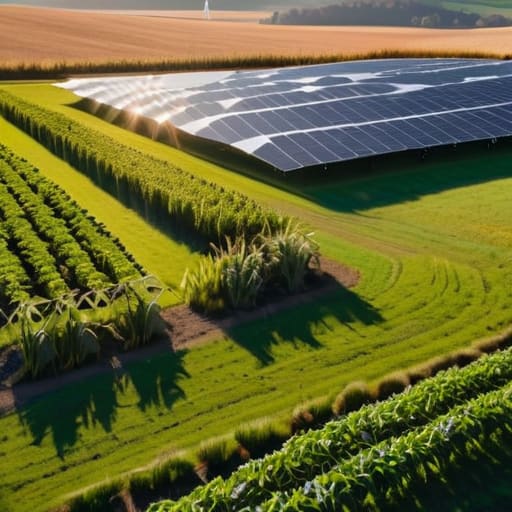
I’ve sat through enough glossy brochures and polished presentations to know that most people explaining how rural energy generation works are actually just selling you a dream wrapped in a heavy debt package. They’ll show you shiny diagrams of solar arrays and wind turbines that look magnificent in a summer sun, but they rarely mention what happens when that same kit has to face a February gale or a week of relentless, driving rain. I’ve seen too many men my age get talked into expensive mistakes by consultants who wouldn’t know a wet acre from a dry one, thinking they’re buying independence when they’re really just buying a new way to bleed cash.
In this piece, I’m not here to sell you a turbine or a panel; I’m here to talk about the bottom line. I’ll be looking at the actual mechanics of these systems through the lens of a man who cares about margins, not marketing. We’ll strip away the jargon and look at what actually pays for itself and what is just overpriced kit destined to sit idle in the yard once the initial excitement fades.
Table of Contents
Understanding How Rural Energy Generation Works
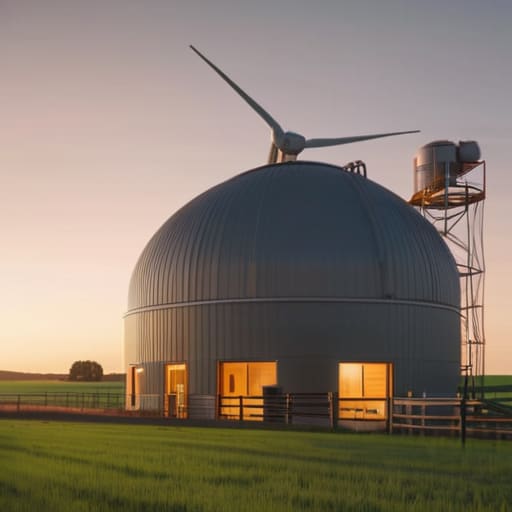
Now, when people talk about how we get power out here, they tend to make it sound like some grand scientific breakthrough. In reality, it’s just about finding a way to capture what’s already happening on your land and turning it into something that keeps the lights on in the milking parlour. Most of it boils down to decentralized energy systems—which is just a fancy way of saying you aren’t relying on a single, fraying wire coming from a substation ten miles away. Whether it’s catching the wind or using the waste from your own slurry for biomass energy production, the principle is the same: you’re trying to stop being a customer and start being a producer.
The tricky bit isn’t the physics; it’s the reliability. You can have the best solar array in the county, but if it doesn’t play nice with your existing setup when the clouds roll in, you’re back to square one. It’s about managing the flow so that the energy you make actually meets the demand of your machinery without tripping the breakers every time a heavy pump kicks in. It’s a balancing act of supply and demand that most brochures conveniently forget to mention.
Key Things to Know
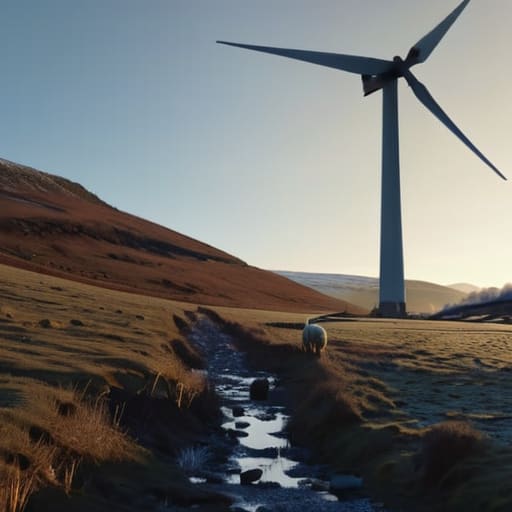
Before you go signing any contracts or looking at glossy brochures, you need to understand that most of these systems are built for a laboratory, not a wet hillside. The first thing to grasp is that renewable energy in remote areas isn’t a “set and forget” affair. If you’re looking at wind or solar, you aren’t just buying kit; you’re taking on a new part of the farm’s maintenance schedule. If a turbine component fails in February when the ground is frozen and the sheep are restless, that’s your problem, not the manufacturer’s.
Secondly, don’t get blinded by the talk of decentralized energy systems. It sounds grand in a boardroom, but on a working farm, it just means you’re responsible for your own stability. If you’re exploring off-grid power solutions to bypass the local grid’s failings, you have to account for the “what ifs.” What if the battery bank doesn’t hold a charge through a week of heavy cloud? You can have the most sophisticated setup in the county, but if it can’t handle the actual load of your workshop or milking parlour during a peak, it’s nothing more than an expensive ornament.
Practical Tips and Steps
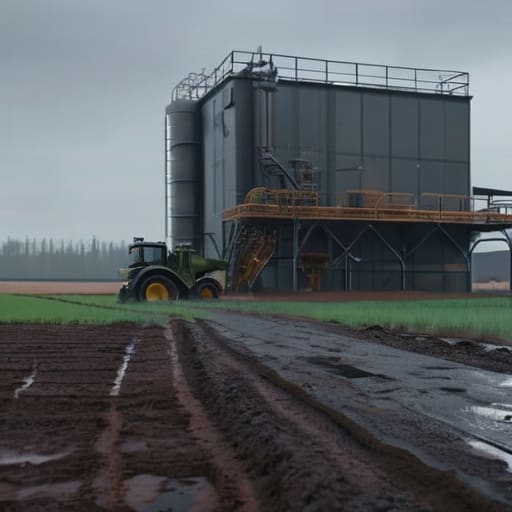
Before you sign a contract for any fancy setup, you need to look at your own land and your own waste. If you’ve got a decent amount of slurry or crop residue, looking into biomass energy production might actually make sense for your margins, but don’t expect it to be a magic wand. You have to weigh up whether the kit is actually going to work with the fuel you’ve got on hand, or if you’re just buying a very expensive way to burn nothing. Most of these “solutions” look brilliant in a glossy brochure, but they don’t account for a wet winter or a broken pump in the middle of February.
My advice is to start small and focus on what actually offsets your diesel or electricity bill. If you’re looking at off-grid power solutions because the mains connection is a joke, make sure you aren’t over-complicating things. I’ve seen men go broke trying to build a miniature power station when all they really needed was a better battery setup and a bit of common sense. Check the ground, check the shade, and check your bank balance before you commit to anything that can’t be fixed with a spanner and a bit of grit.
Common Mistakes to Avoid
The biggest mistake I see is people getting blinded by the shiny brochures and forgetting that a farm isn’t a laboratory; it’s a working environment. You’ll see lads getting excited about off-grid power solutions because they saw a video of a tech-start-up in a valley, but they haven’t accounted for the reality of a wet February or a broken inverter in the middle of a calving season. If your setup can’t handle the heavy lifting when the weather turns foul, it’s nothing more than a very expensive hobby.
Another trap is thinking that one size fits all. I’ve seen enough “turnkey” systems to know that they rarely account for the specific rural electrification challenges we face out here—like the sheer distance from the main grid or the way a heavy frost can kill your efficiency overnight. Don’t go chasing every new trend in decentralized energy systems just because a salesman tells you it’s the future. If the math doesn’t work on the back of a damp envelope in the kitchen, it won’t work when you’re trying to balance the books at year-end.
Final Thoughts
At the end of the day, don’t let the glossy brochures for these new setups fool you into thinking the problem is solved. Whether you’re looking at solar, wind, or even biomass energy production using your own waste, the math has to work before you sign anything. I’ve seen too many men get caught up in the excitement of “going green” only to realize they’ve traded a predictable diesel bill for a massive upfront debt and a system that can’t handle a week of heavy mist.
If you’re going to move toward off-grid power solutions or anything resembling a microgrid, do it because the numbers on your balance sheet demand it, not because it sounds modern. It’s about resilience and protecting your margins. If a piece of kit doesn’t make your farm more stable when the grid fails or the prices spike, then it’s just another expensive bit of machinery taking up space in the yard. Keep your eyes on the cash flow, keep your feet on the ground, and for heaven’s sake, read the fine print before you commit.
Five Realities of Powering the Farm Without Going Bust
- Look at your meter, not the brochure. Before you sign anything for solar or wind, spend a month tracking exactly when your heavy kit—the slurry pumps, the grain dryers, the milk chillers—actually pulls juice. If you generate power at noon but your biggest draw is at 4 AM, you aren’t saving money; you’re just paying for a battery you don’t need.
- Don’t trust a “set and forget” sales pitch. Any lad in a clean van telling you these systems require zero maintenance is selling you a fantasy. Between the grit in the air, the bird lime, and the sheer vibration of a farm environment, these things need regular eyes on them. If you can’t fix it or get a man out to fix it without a six-month wait, it’s a liability, not an asset.
- The ground dictates the gear. I’ve seen fellas try to squeeze a wind turbine onto a slope that would make a sheep dizzy, or bolt solar arrays to ground that turns to soup every November. If the kit doesn’t sit right on your specific soil and handle your specific rainfall, the installation costs will eat your margins before the first penny of credit hits your account.
- Calculate the “Shed Factor.” Before you invest in a massive array, ask yourself if that capital would be better spent on something that actually touches the livestock—better fencing, a more reliable tractor, or better drainage. Energy generation is a secondary business; don’t let it distract you from the primary one that actually pays the bills.
- Watch the grid connection like a hawk. You can have the most efficient solar setup in the county, but if the local substation is as tired as my old collie and can’t take the feed, you’re just generating expensive electricity that has nowhere to go. Check the capacity of your connection point before you buy a single panel.
The Bottom Line Before You Sign Anything
Don’t let a glossy brochure convince you that a new energy system is a “passive income” stream; if the math doesn’t work against your specific diesel and electricity costs over five years, it’s just more expensive kit gathering dust in the yard.
Always check your ground and your grid connection before you fall in love with a piece of technology, because a solar array is useless if the cabling costs more than the panels, and a wind turbine is a paperweight if your local connection can’t take the load.
Focus on the cash flow, not the carbon footprint; renewable energy should be measured by how much it lowers your monthly outgoings, not by how good it looks in a local newspaper or a government grant application.
The Bottom Line
At the end of the day, rural energy isn’t about chasing the latest shiny gadget or feeling good about a brochure; it’s about whether the math holds up when the weather turns foul. You can look at solar, wind, or biomethane all you like, but if the installation costs eat your margin for the next decade and the maintenance schedule looks like a second full-time job, you haven’t bought an asset—you’ve bought a headache. Keep your eyes on the actual payback period and don’t let a salesman convince you that a system is “future-proof” if it can’t survive a hard frost or a week of heavy rain without needing a technician from three counties away.
We’ve spent generations learning how to read the sky and the soil to keep this land productive, and energy generation is just another tool in that same kit. It’s a steep learning curve, and I’ve certainly paid for my share of mistakes in trying to modernize, but the goal remains the same: making sure the farm stays in the family for the next generation. If you approach it with a bit of skeptical common sense and a sharp pencil, you might just find a way to turn your acres into something more than just grass and debt. Focus on the cash flow, trust your gut, and don’t buy anything you aren’t prepared to fix yourself when it breaks.
Frequently Asked Questions
If I put solar panels on the roof of the cattle shed, will the shade they cast actually mess with the temperature inside or affect the livestock?
It’s a fair question. If you’re mounting them on the roof of the shed, you aren’t casting shade on the cattle; you’re essentially adding a second skin to the building. That extra layer can actually help keep the temperature stable by breaking the direct sun hitting the metal sheets. Just make sure you’ve got enough airflow through the sides. If you trap the heat under those panels without a breeze, you’ll have a different set of problems.
How much of a headache is it going to be to maintain this kit when the heavy machinery is moving around and the weather turns foul?
It’s a headache, plain and simple. You can’t treat a solar array or a turbine like a fence post; they’re delicate compared to a Massey Ferguson. If you’ve got heavy stock or machinery trampling near your infrastructure, you’re looking at broken connections or damaged mounting. And when the weather turns, maintenance becomes a battle against the clock. If the kit isn’t rugged enough to handle a wet winter and a busy yard, it’s just expensive scrap.
Once the initial grant or subsidy runs out, is the actual cash flow from selling power back to the grid enough to justify the time I'll spend managing it?
If you’re counting on those export payments to fund your diesel or feed, you’re dreaming. Once the subsidies dry up, the cash flow from the grid is often little more than pocket money—enough to cover the maintenance, perhaps, but not enough to change your margins. Don’t get distracted by the “income” side; look at the offset. If it isn’t slashing your own utility bills, it’s just more expensive kit sitting in the yard.
