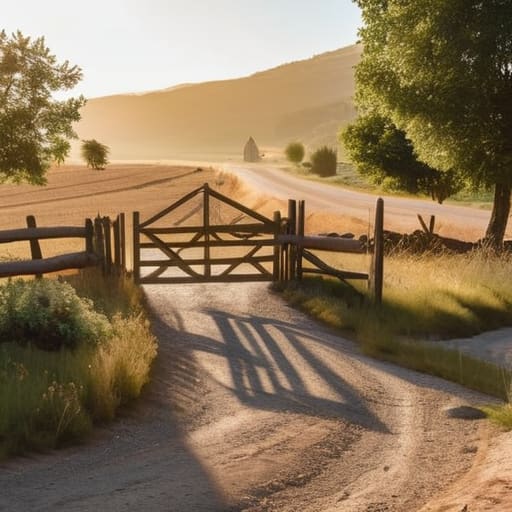
I remember standing in the middle of the lower field three years ago, watching a heavy livestock trailer sink up to its axles in a patch of ground that looked perfectly fine on a dry Tuesday. It was a Tuesday in November, the kind of day where the rain doesn’t just fall, it soaks into your very bones, and suddenly, my entire afternoon was spent playing tug-of-war with a bogged-down machine and a very frustrated driver. Most of the consultants will tell you that understanding how rural roads and access work is about legal easements or council planning permissions, but they’ve clearly never had to winch a tractor out of a slurry pit. The truth is, access isn’t about paperwork; it’s about the physics of the ground and knowing exactly where the drainage fails before you commit a heavy vehicle to it.
I’m not here to sell you a subscription to a land management manual or some fancy GPS-mapped solution that costs more than a good heifer. I want to talk about the actual mechanics of getting gear, feed, and livestock from the gate to the yard without shredding your tires or your bank balance in the process. I’ll be laying out the hard realities of track construction, the hidden costs of poor drainage, and how to manage your boundaries so you aren’t constantly fighting your neighbours or the elements.
Table of Contents
- Why Your Access Track Is Bleeding Cash Before the Gate
- The Hidden Cost of Unmaintained Private Roads and Muddy Tracks
- How Rural Roads and Access Work When Neighbors Turn Sour
- Legal Rights of Way Explained Without the Lawyers Bill
- Avoiding the Trap of Easement Laws for Rural Property
- Five ways to keep your tracks from ruining your year
- The bottom line on tracks and rights
- The Bottom Line on Getting Through the Gate
- Frequently Asked Questions
Why Your Access Track Is Bleeding Cash Before the Gate
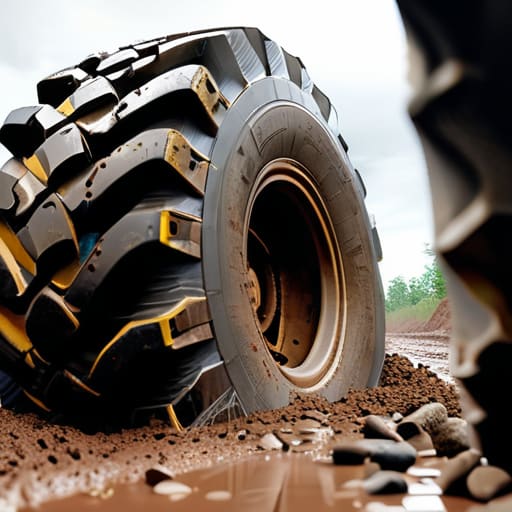
Most people look at a rutted track and see a nuisance; I look at it and see a hole in the bank balance. If you’re hauling a loaded trailer or a heavy feeder wagon over a track that’s more pothole than stone, you aren’t just losing time—you’re shredding your margins. I’ve spent more money than I care to admit on blown suspension and worn tyres because I thought I could “make do” with a track that was half-mud and half-prayer. It’s a slow leak. You might think you’re saving money by ignoring it, but the cost of a single broken axle or a week of lost productivity when the tractor gets bogged down far outweighs the price of a bit of good hardcore.
Then there’s the headache of knowing who actually owns the problem. It’s rarely as simple as “it’s my land, I’ll fix it.” You can get caught in a nightmare of road maintenance responsibility if you’ve got neighbors or utility companies sharing a stretch, or if you’re dealing with complex legal rights of way explained in a deed you haven’t looked at since 1994. If you don’t know exactly where your responsibility ends and the council’s or a neighbor’s begins, you’ll end up paying for repairs you aren’t legally required to do, or worse, letting a shared path rot until it becomes impassable for everyone.
The Hidden Cost of Unmaintained Private Roads and Muddy Tracks
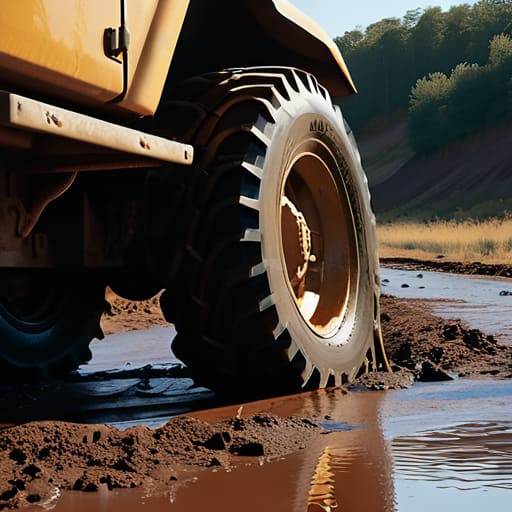
You can talk all you want about the price of beef or the cost of concentrate, but you’ll never see the drain on your bank account as clearly as when a tractor gets bogged down on a track you thought was “good enough.” Most people treat unmaintained private roads as a secondary concern, something to deal with when the budget allows. That’s a mistake. I’ve seen men spend thousands on a top-tier heifer only to lose the profit margin because they had to call in a recovery driver or spend three days of man-hours digging out a Land Rover that bottomed out in a rut.
It isn’t just about the diesel and the sweat, though. There’s a legal tangle that catches people out when they get too comfortable. I’ve spent more time than I’d like reading through the fine print of legal rights of way explained in old deeds, trying to figure out where my responsibility ends and the neighbour’s begins. If you’re operating on a bit of land that’s poorly connected, you need to know exactly where your road maintenance responsibility sits. If you ignore the drainage and let the track turn to a bog, you aren’t just losing time; you’re losing the ability to move stock when the weather turns, and that is a cost no one tells you about until it’s too late.
How Rural Roads and Access Work When Neighbors Turn Sour
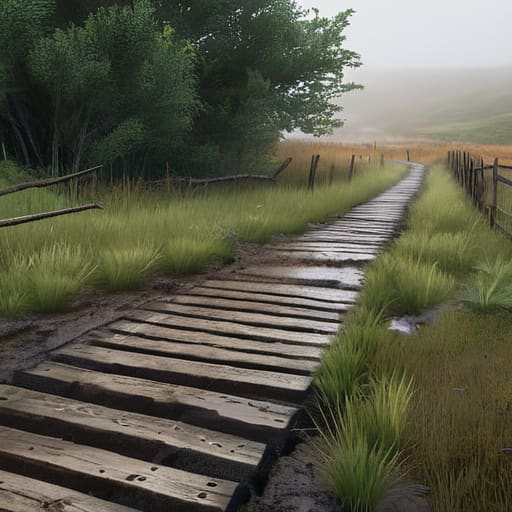
Now, things get messy when the geography of the land meets the temperament of the people living on it. You can have the best drainage in the world, but it won’t matter if your neighbor decides that the shared track is suddenly his problem and yours. I’ve seen it happen more times than I care to admit: a dispute over a hedge or a fence line turns into a cold war, and suddenly, the one bit of track you need to get the cattle to market is being neglected on purpose. When you’re dealing with unmaintained private roads that cross someone else’s boundary, you aren’t just fighting the mud; you’re fighting a grudge.
If you find yourself in a spot where the access is contested, don’t go charging in with a tractor and a temper. That’s a quick way to end up in a solicitor’s office, and those people charge by the minute while your margins are shrinking. You need to get a clear handle on the legal rights of way explained in your specific deeds before anyone starts moving stones or blocking gates. It’s a headache, certainly, but it’s better to settle the paperwork now than to find yourself staring at a locked gate when the weather turns and the calves need moving.
Legal Rights of Way Explained Without the Lawyers Bill
Now, if you start looking into the paperwork, you’ll find a thicket of jargon designed to make your head spin and your wallet lighter. Most people get tangled up in the difference between public vs private road access, thinking that because a track looks like a road, the council is coming to fix it. They aren’t. If it’s on your land, or even if it’s a shared track, the responsibility usually sits with the person using it or the person who owns the dirt beneath it.
When it comes to legal rights of way explained in a way that actually matters to a farmer, you need to look at your deeds, not a textbook. You might have an easement—which is just a fancy way of saying someone has a right to pass through your property—but that doesn’t mean they have the right to turn your field into a bog. Understanding easement laws for rural property is less about winning a court case and more about knowing exactly where your duty to maintain the surface ends and your neighbor’s right to complain begins. If you don’t know who owns the maintenance responsibility, you’re just waiting for a dispute to land on your desk.
Avoiding the Trap of Easement Laws for Rural Property
The trouble with easement laws for rural property is that they aren’t written for people who have to move three hundred head of cattle through them. Most of the legal jargon assumes a tidy little path for a person on foot, not a heavy tractor trying to navigate a washout in February. If you’ve inherited a right of way or granted one to a neighbor, you need to look past the ink on the paper and look at the actual condition of the ground. A legal right to pass through a field is worth nothing if the track has turned into a bog that swallows a Land Rover whole.
I’ve seen too many folks assume that because they have a legal right, the maintenance is someone else’s problem. That’s a fast way to find yourself stuck with a driveway that’s more crater than road. When it comes to road maintenance responsibility, the law is often as muddy as the tracks themselves. You have to get it settled in black and white—who pays for the stone, who clears the drains, and who takes the hit when the culvert collapses. If you don’t define that early, you aren’t just looking at a legal headache; you’re looking at a drain on your cash flow that never stops leaking.
Five ways to keep your tracks from ruining your year
- Don’t wait for the heavy machinery to get bogged to realize your drainage is shot; if the water isn’t moving off the track and into a ditch, you’re just building a very expensive, very muddy canal.
- Check your boundaries and your rights of way every spring when the ground is firm, because trying to figure out exactly where your neighbor’s responsibility ends and yours begins is a lot harder when you’re stuck in a six-inch rut.
- If you’re planning on buying a new piece of kit, drive it over your worst access point first; there’s no sense in owning a tractor that can pull a stump if it can’t even make it past the bottom field without needing a recovery driver.
- Keep a written log of who uses your tracks and when, because if a contractor or a neighbor starts using your private access as their personal shortcut, you’ll want a record before they start claiming a legal right to do it permanently.
- Stop looking for the cheapest gravel or hardcore to patch a hole; you’ll spend three times as much in two years fixing the same spot, so spend the money on proper sub-base and good drainage the first time around.
The bottom line on tracks and rights
Stop looking at a track as just a bit of dirt; if it isn’t draining properly, it’s an expensive sinkhole for your machinery and your time.
Get your boundaries and rights of way sorted on paper while everyone is still on speaking terms, because a lawyer won’t fix a grudge once it’s set.
Invest in the ground you actually use every day, rather than buying fancy kit that’ll just sit in the shed while your main access route turns to soup.
The Bottom Line on Getting Through the Gate
At the end of the day, managing your access isn’t about reading law books or arguing over inches of tarmac; it’s about protecting your margins. You’ve seen how a neglected track turns into a money pit of broken machinery and lost time, and you know that a neighborly dispute over a right of way can sour a decade of good relations in a single afternoon. Whether you are fighting the mud or fighting a legal easement, the principle remains the same: don’t let your access become a liability. Keep your tracks solid, keep your paperwork straight, and for heaven’s sake, don’t wait until the tractor is stuck in the muck to realize your access is broken.
Farming is hard enough without having to fight your own driveway just to get the feed in or the stock out. I’ve spent forty years learning that the things you ignore are usually the things that eventually break you—and an access track is a prime candidate for that kind of lesson. If you treat your roads with the same respect you give your breeding lines or your soil, you won’t find yourself caught off guard when the weather turns or the lawyers start knocking. Focus on the practical reality of your ground, and you’ll find that most of these headaches solve themselves before they cost you a penny.
Frequently Asked Questions
If a neighbor’s heavy machinery is tearing up my track every time they move stock, what's the practical way to stop it without ending up in a solicitor's office?
You don’t start with a lawyer; you start with a conversation over a fence or a cup of tea. I’ve found that if you show them the repair bill or the cost of the crushed stone you’re having to dump into the ruts, it hits harder than a legal threat. If they won’t budge, suggest a shared maintenance agreement—split the cost of a proper sub-base so neither of you is constantly fixing what they’re breaking.
How much should I actually be setting aside each year for track maintenance so I'm not caught out when the drainage fails?
Don’t look for a magic number in a textbook; look at your bank balance and your worst winter. If I were you, I’d set aside enough to cover a decent load of crushed stone and a day’s hire for a grader every single year, regardless of whether you “need” it. It’s better to have that cash sitting idle in a high-interest account than to be scrambling for a loan when a culvert collapses and your tractor is belly-deep in muck.
If I've got a shared access road, who is actually responsible for paying when the culverts block up or the surface gives way?
If it’s a shared track, the responsibility usually sits with whoever owns the land, but the cost should follow the usage. Check your deeds first—that’s where the truth lives. If the easement says you share maintenance, then you share the bill. If a culvert blocks because your neighbor’s runoff is flooding the track, that’s a different conversation. Don’t wait for a legal battle; get everyone around a kitchen table before the mud swallows the tractor.
