
I’ve spent half my life watching consultants in clean wellies trot across a field, waving expensive tablets and talking about “data-driven optimization” as if they’ve discovered fire. They’ll charge you a week’s profit just to tell you that cows need food and shelter, but they never mention the actual math of it all. Most of the advice out there regarding how calving should be planned is designed to sell you a subscription or a piece of kit that’ll be rusting in the shed by next March. The truth is, if your plan doesn’t account for the specific drainage of your bottom field or the exact moment your cash flow hits its lowest point in February, you aren’t planning—you’re just hoping for the best.
I’m not here to give you a lecture or a sales pitch. I’m going to tell you how I actually map out the season, focusing on the only three things that keep a suckler farm upright: the grass, the feet, and the bottom line. We’ll look at the real cost of a late heifer, why your nutritional timing is usually off, and how to build a schedule that survives a wet spring. No fluff, just the hard numbers and the mistakes I’ve already paid for.
Table of Contents
- The Hard Truth About How Calving Should Be Planned
- Why Pre Calving Nutritional Requirements Dictate Your Cash Flow
- Calving Heifer Preparation Avoiding the Most Expensive Mistakes
- Managing Calving Groups to Stop Bleeding Money on Labour
- Mastering Calving Interval Optimization and Livestock Birthing Management
- Five Things That Actually Matter When the Calving Starts
- The Bottom Line on Calving Success
- The Bottom Line
- Frequently Asked Questions
The Hard Truth About How Calving Should Be Planned
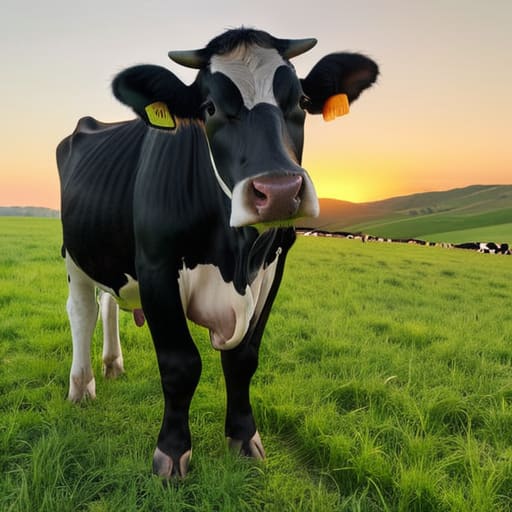
Most people start planning for calving by looking at a calendar, but that’s a mistake. You don’t plan around a date; you plan around the grass. If you haven’t looked at your field rotation and your projected silage numbers, you aren’t planning, you’re just guessing. I’ve seen too many lads get caught out because they focused on the excitement of new calves and completely ignored the pre-calving nutritional requirements of the cows themselves. A cow that’s running on empty by the time she’s due isn’t just a problem for the birthing process; she’s a problem for your bank balance come next year.
It also comes down to how you handle the logistics of the herd. Effective managing calving groups isn’t just about separating the easy ones from the difficult ones; it’s about knowing exactly which cows are going to demand your time at 3:00 AM so you aren’t spread too thin when the real trouble starts. You have to be honest about your capacity. If you try to do everything at once without a clear eye on your actual labor limits, you’ll end up losing more to preventable mistakes than you’ll ever make in profit.
Why Pre Calving Nutritional Requirements Dictate Your Cash Flow
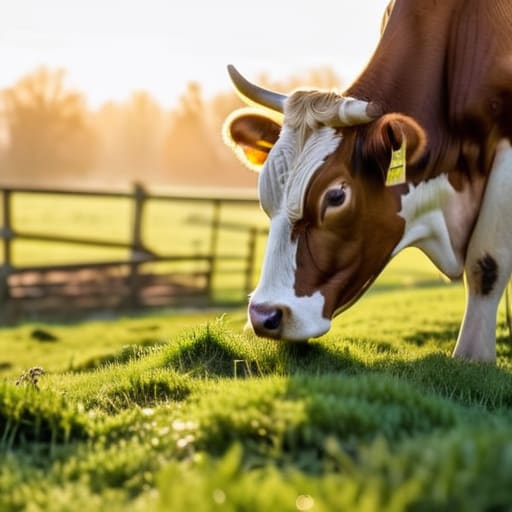
Most people look at a feed bill and see a cost, but I see it as a direct line to my bank balance in six months’ time. If you ignore pre-calving nutritional requirements just to save a few quid on the concentrate bag in late winter, you aren’t actually saving money; you’re just taking out a high-interest loan that your cows will have to pay back during calving. A cow that hits the ground in a deficit is a cow that won’t cycle properly, and a cow that won’t cycle is a hole in your pocket.
It isn’t just about the energy levels, either. It’s about the precision of your calving heifer preparation. If those young replacements haven’t had the right mineral balance or body condition score heading into the season, they’ll struggle to thrive, and you’ll be looking at a calf crop that’s underweight before it’s even weaned. You can spend all the time you like on fancy breeding genetics, but if the nutrition isn’t there to back it up, you’re essentially betting against your own margins.
Calving Heifer Preparation Avoiding the Most Expensive Mistakes

Everyone wants to talk about the pedigree of the bull or the genetics of the heifer, but they forget that a heifer is a much more fragile investment than a seasoned cow. If you treat her like she’s already a three-year-old veteran, you’re asking for a disaster. Most of the lads I know make the mistake of pushing them too hard on the grass too early, or worse, letting them drift into a condition where they’re either too fat or too thin come March. Proper calving heifer preparation isn’t about fancy supplements; it’s about ensuring she has the reserves to actually carry the calf without crashing her own system.
I’ve seen too many young farmers treat their heifers as a single block, but you can’t manage them that way. You have to be precise with managing calving groups based on their specific maturity and body score. If you group a heavy-set heifer with a late-maturing one, you’ll end up with one that’s struggling to stand and another that’s wasting away. It’s a slow leak in your bank account that most people don’t notice until the calving season is well and truly over.
Managing Calving Groups to Stop Bleeding Money on Labour
Most people think labour is just about how many hours you spend in the yard at 3:00 AM, but they’ve got it backwards. Real labour costs come from inefficiency—the time wasted walking back and forth because you haven’t sorted your stock into sensible batches. If you’ve got your high-risk heifers mixed in with the older, more reliable cows, you’re asking for a headache. Managing calving groups isn’t just about keeping things tidy; it’s about knowing exactly where your most expensive animals are at any given moment.
I’ve seen too many lads try to watch the whole herd at once, and they end up missing the obvious signs of approaching parturition in the very cow that needs them most. You need to group them by temperament, age, and history. If a heifer has a track record of being difficult, she shouldn’t be tucked away in the far corner of the north field where you can’t see her without a torch and a prayer. When you group effectively, you aren’t just saving steps; you are protecting your margins by ensuring that when the work starts, it’s targeted and efficient.
Mastering Calving Interval Optimization and Livestock Birthing Management
You can spend all your time fussing over the brand of teat dip you use, but if you aren’t looking at your calving interval optimization, you’re just rearranging the deckchairs on a sinking ship. A cow that doesn’t produce a calf every year is essentially a very expensive, very slow-moving drain on your bank account. I’ve seen too many lads focus on the glamour of the birth itself while ignoring the fact that their cows are slipping into a three-year cycle because they didn’t manage the body condition after the previous weaning. It isn’t just about the animal in front of you; it’s about the mathematical reality of how many days that cow is actually working for you.
When it comes to the actual livestock birthing management, stop looking for a miracle and start looking at the cow’s behavior. You need to know the subtle signs of approaching parturition—the restlessness, the udder development, the way they stand—before you’re suddenly woken up at 3:00 AM by a crisis that could have been avoided. If you aren’t watching the subtle shifts in their movement, you aren’t managing the herd; you’re just reacting to disasters that have already cost you money.
Five Things That Actually Matter When the Calving Starts
- Stop looking at the pedigree papers and start looking at the ground. If you haven’t accounted for the rainfall in your forage planning, your calving plan is just a wish list. You can’t feed a calf on a fancy breeding scheme if your grass growth hasn’t been mapped against your actual stocking density.
- Watch your feet, not just your mouths. I’ve seen more money walk out of a farm through lameness and poor footing in the calving pens than through any disease outbreak. If your calving area is a mud bath, you’re paying for it in vet bills and lost weight gain before the calf even hits the field.
- Get your kit sorted before you need it. There is no sense in realizing your calving chute is sticking or your disinfectant is empty at three in the morning in a freezing rainstorm. If it hasn’t been tested in the shed during the quiet months, it’s not part of a plan; it’s a liability.
- Treat your labor like a finite resource. If you’re planning to do everything yourself, you’re planning to fail. You need to know exactly who is doing what and when, because once the first heifer starts struggling, you won’t have the headspace to be making tactical decisions on the fly.
- Keep a sharp eye on the cash flow, not just the cow count. Every extra day a heifer spends in a pen because of poor management is a day she isn’t out earning her keep. Planning isn’t about having the most animals; it’s about ensuring every animal you keep is actually turning grass into profit.
The Bottom Line on Calving Success
Stop looking at your calving plan as a calendar of dates and start looking at it as a management of grass and cash; if the two aren’t aligned, you’re just subsidising your neighbours.
Your most expensive animal isn’t the one that dies, it’s the heifer you’ve spent two years feeding only to have her fail to conceive or produce a weak calf because you skimped on the pre-calving condition.
Efficiency isn’t about working harder in the middle of the night; it’s about grouping your animals so that your labour—and your sanity—isn’t being bled dry by poor organisation.
The Bottom Line
At the end of the day, a successful calving season isn’t won by the person with the fanciest new tractor or the most expensive nutritional supplements sitting in the yard. It’s won in the months before the first calf even hits the ground. It’s won by the man who looked at his grass growth, accounted for his heifer costs, and organized his labor so he wasn’t chasing his tail at three in the morning. If you’ve ignored your calving intervals or neglected the way your nutritional planning hits your bank balance, you aren’t farming; you’re just gambling with your margins. You have to treat the grass, the feet, and the cash flow as three parts of the same machine, because if one fails, the whole lot stops turning.
I know it’s easy to get caught up in the sheer exhaustion of the season and feel like you’re just surviving from one week to the next. But there is a massive difference between being busy and being profitable. When you stop reacting to crises and start planning around the realities of your land and your herd, the weight on your shoulders shifts. It won’t make the nights any shorter or the weather any kinder, but it will mean that when you finally do sit down at that kitchen table with the books, you’ll be looking at actual progress rather than just trying to figure out where the money went. Plan for the reality of the farm, not the version you wish you had.
Frequently Asked Questions
If I’ve already committed to a specific breed of heifer, at what point in the season should I actually be looking at the grass availability to make sure I'm not overfeeding or running dry?
You don’t look at the grass when the cows are calving; you should have been looking at it three months prior. If you’re waiting until they’re in the chute to check your sward, you’ve already lost the battle. You need to be mapping your grass growth against your heifer’s nutritional peak at least eight to ten weeks out. If the ground is wet and the growth is lagging, you adjust the plane of nutrition then, not when the bank balance starts dipping.
You mentioned that managing groups saves on labour, but how do you decide which cows go into which group without making the calving pens a complete nightmare to clean?
You group them by temperament and calving history, not just by date. Put your “problem” cows—the ones that need a bit of extra watching or have a habit of getting stuck—in their own pen. If you mix a calm, seasoned cow with a flighty heifer, you’ll spend your whole night chasing shadows. As for the cleaning, keep the heavy feeders and the ones prone to the runs separate. If you don’t manage the muck, you’ll spend more on diesel and time cleaning pens than you ever saved on labour.
When you're looking at the books, how much of a buffer should I realistically be keeping in the bank to cover those unexpected vet bills and kit failures that always seem to hit in the middle of a wet February?
If you’re looking for a tidy percentage, you’re asking the wrong question. You need to look at your fixed costs for a bad quarter and then add the price of a new tractor part and a vet’s call-out fee. Personally, I don’t feel right unless I have enough to cover three months of feed and fuel, plus a “wet February” contingency. If your buffer doesn’t cover a broken gate and a sick heifer simultaneously, you’re flying too close to the ground.
