
I saw a lad at the mart last week, fresh out of university and brimming with ideas about how to diversify sensibly by setting up a high-end glamping site with heated pod bathrooms and artisanal sourdough workshops. He was talking about “synergistic revenue streams” like he was reading from a glossy brochure, but he hadn’t even checked if his access track could handle a Land Rover in a wet November, let alone a caravan. Most of the advice out there is written by people who have never had to scrape a living out of a wet field or worry about whether a sudden dip in beef prices will leave them short for the diesel bill.
I’m not here to sell you a dream or a new piece of kit that’ll end up gathering dust in the shed by next spring. What I’ll do is tell you the truth about what actually moves the needle when it comes to how to diversify sensibly without bleeding your cash flow dry. We’re going to talk about the real math—the kind that accounts for your time, your existing infrastructure, and the hard reality of your margins. If you want to know which ventures actually pay the bills and which ones are just expensive hobbies in disguise, pull up a chair.
Table of Contents
Understanding How to Diversify Sensibly

Before you go signing a lease for a glamping site or turning the old granary into a boutique café, you need to look at your books without the rose-tinted glasses. Most people think diversification is just adding a new line to the ledger, but if that new venture is tied to the same weather patterns or seasonal ebbs as your livestock, you haven’t actually moved the needle. You’ve just added more ways to lose sleep. Real diversification is about reducing investment volatility by finding something that breathes when the beef prices are bottoming out or the grass is too wet to graze.
I’ve seen too many lads try to build a balanced investment portfolio by throwing money at every shiny new idea the local agricultural show pitches. They treat it like a hobby, forgetting that every pound spent on a new venture is a pound taken away from the core business. You have to weigh the risk of the new against the stability of the old. If your new income stream relies on the same sunshine that feeds your ewes, you aren’t diversifying; you’re just doubling down on a gamble.
Key Things to Know
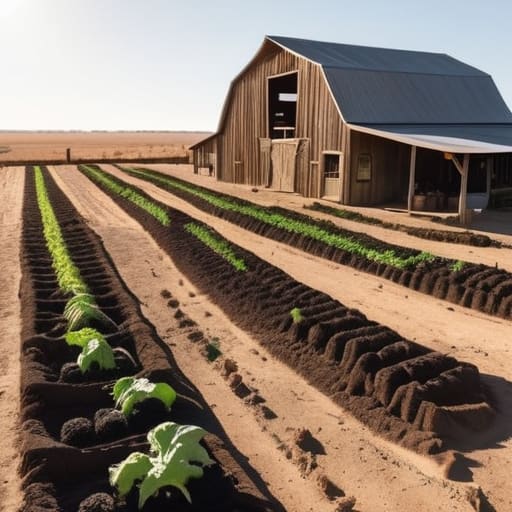
First, you need to stop thinking about diversification like a city man thinks about a stock market index. When I talk about diversified income streams, I’m not talking about buying a handful of shares in a tech company while your fences are rotting. I’m talking about things that actually sit on your land and move when the market moves. If your main income is beef, and you decide to start a farm shop, you have to realise those two things are tied to the same weather and the same petrol prices. You haven’t actually lowered your risk if a bad drought kills both your cattle and your vegetable patch.
You have to look at the correlation between asset classes—or in my terms, how much one disaster can wipe out everything at once. If you’re looking for true portfolio risk management, you want something that pays out when the livestock market is in the gutter. A holiday cottage might do that, but only if you have the stomach for the hospitality side of it. Don’t go chasing a new venture just because it looks shiny on paper; make sure it actually provides a buffer when the grass stops growing.
Practical Tips and Steps

First, stop looking at the shiny brochures for farm shops or glamping pods and start looking at your books. You can’t build diversified income streams on a foundation of sand. Before you commit a single penny to a new venture, you need to know exactly where your margins are currently bleeding. I’ve seen men go bust trying to run a cafe because they didn’t realise the cost of the milk and the labor would eat the profit from the scones. Sit down with your last three years of accounts and figure out what is actually working. If you don’t know your break-even point on a suckler cow, you have no business trying to break even on a holiday cottage.
Second, treat your new venture like a separate business, not an extension of the farm’s existing chaos. You need a bit of portfolio risk management here; don’t let a bad season in the cattle market drag your new side-hustle into the red. If the new venture requires heavy upfront machinery or buildings, ask yourself if that’s a genuine use of capital or just a way to feel busy. The goal is to find something that doesn’t rely on the same weather or the same market prices as your livestock. If it does, you haven’t diversified; you’ve just doubled your risk.
Common Mistakes to Avoid
The biggest blunder I see is people jumping into a new venture because it looks shiny on a brochure, without checking if it actually fits the farm. I’ve seen lads try to turn a corner of good grazing into a glamping site, only to find they’ve spent more on marketing and gravel than they’ll ever see in bed-and-breakfast profit. They treat it like a hobby rather than a business, forgetting that diversified income streams only work if they don’t cannibalize the time you need for the livestock. If your new “side hustle” means you’re too distracted to notice a heifer going lame, you aren’t diversifying; you’re just inviting a different kind of disaster.
Another trap is thinking that because you’ve added a new line of income, you’ve somehow mastered portfolio risk management. Just because you’re selling eggs alongside beef doesn’t mean you’ve insulated yourself from a bad year. If your new venture relies on the same weather patterns or the same local economy as your farming, you haven’t actually lowered your risk. You’ve just added more moving parts to break when the rain doesn’t stop.
Final Thoughts
At the end of the day, diversifying isn’t about chasing every shiny new trend that lands on your doorstep or following a neighbor just because he’s bought a glamping pod. It’s about knowing your own ground—literally and figuratively. You need to look at your farm as a whole, understanding that your diversified income streams should ideally act as a buffer when the weather turns or the market dips, rather than becoming another massive drain on your time and energy. If a new venture requires you to be in two places at once, you haven’t diversified; you’ve just doubled your workload and halved your sleep.
I’ve learned the hard way that true stability comes from managing the connection between what you do and what you earn. You aren’t a hedge fund manager, so don’t try to act like one with complex portfolio risk management schemes that require a degree to understand. Keep it simple: ensure your new venture doesn’t rely on the same variables that make your livestock business difficult. If the grass fails, your secondary income shouldn’t fail with it. Stick to what you can control, watch your cash flow like a hawk, and never let the pursuit of something new compromise the core of what keeps the lights on.
Five ways to diversify without losing your shirt
- Look at what you already have in the yard before you go buying something new. If you’ve got a bit of old stone outbuilding that isn’t being used for anything but storing broken gates, that’s your starting point. Don’t go looking for a whole new business model when you haven’t even squeezed the value out of the assets you’ve already paid for.
- Check your calendar before you sign any contracts. If you’re already running flat out during lambing or calving, the last thing you need is a “side hustle” that demands your attention when the weather turns and the livestock need you most. If the new venture clashes with the seasons that actually pay the bills, it’s not a way out; it’s just a way to fail at two things at once.
- Watch the “hidden” overheads. Everyone talks about the potential income from a new venture, but nobody wants to talk about the extra diesel, the extra hours of sleep you won’t get, or the insurance premiums that jump the moment you stop being “just a farmer.” If the math doesn’t work when you factor in your own time and the extra wear on your kit, walk away.
- Don’t buy a fancy piece of equipment to start a new line of work. I’ve seen plenty of men buy a high-spec processing unit or a specialized vehicle for a new venture, only to find the market for what they’re producing isn’t there. Start small, use what you can borrow or rent, and only buy the kit once the cash flow from the new venture has actually hit your bank account.
- Keep your primary business’s cash flow separate from the new experiment. You don’t want a bad run in a new venture—say, a botched attempt at farm shop sales or a tourism project—to start eating into the money you need for winter feed or diesel. Treat the new venture like a separate entity; if it can’t stand on its own two feet, don’t let it drag the rest of the farm down with it.
The Bottom Line Before You Buy In
If a new venture doesn’t touch your grass, your feet, or your cash flow within the first twelve months, it’s a hobby, not a business—and hobbies are the fastest way to sink a working farm.
Don’t fall for the glossy brochure; if you can’t explain exactly how a new idea pays for its own overheads without dipping into the suckler cow fund, walk away.
Diversification should plug a hole in your pocket, not create a new one; make sure you aren’t trading a predictable livestock margin for an unpredictable service margin you don’t actually know how to manage.
The Bottom Line
At the end of the day, diversification isn’t about chasing every shiny new trend that a consultant in a clean fleece tells you about over coffee. It’s about looking at your hectares, your weather patterns, and your bank balance, and finding something that actually fits the rhythm of the farm rather than something that breaks it. You’ve looked at the costs, you’ve weighed the risks, and you’ve hopefully avoided the trap of spending capital on a venture that requires more time than you have to give. If you can keep your eyes on the cash flow and ensure your new pursuit doesn’t leave your primary livestock business starving for attention, you’ve already done more than most.
Farming is a game of margins and staying power, and diversification is just another tool to help you stay in the game when the weather turns or the prices drop. Don’t be afraid to try something new, but for heaven’s sake, don’t let your ego drive a wedge through your finances. Build something that strengthens the foundation you’ve already spent decades laying down. If you do it right, you aren’t just adding a side hustle; you’re building a buffer that ensures the next generation has something worth inheriting. Now, get back to the gates; the rain’s coming.
Frequently Asked Questions
If I start a side venture that requires a lot of my time, how do I know if I'm actually making a profit or just paying myself a very low wage to work more hours?
You need to stop looking at the bank balance and start looking at your time. If you’re spending twenty hours a week on a side venture and the “profit” wouldn’t cover a decent day’s wage for a farm hand, you aren’t running a business—you’re just working a second, unpaid job. Track every hour against the actual cash left after expenses. If the math doesn’t show a clear margin above your own labour, you’re just subsidising a hobby.
When looking at new land uses, how do I figure out if the potential income is worth the risk of messing up the soil or the grass quality for my main herd?
You don’t look at the projected cheque first; you look at the soil structure and the drainage. If a new venture—be it a holiday let or a crop rotation—means you’re compacting the ground or leaching the nutrients out of your best grazing, the math won’t work. You might make five grand on the side, but if it costs you ten grand in lost weaning weights because your grass quality has gone to pot, you’ve just paid for the privilege of ruining your farm.
At what point does a new venture stop being a way to help the cash flow and start becoming a distraction that makes me lose track of my actual livestock margins?
It stops being a help the moment you can’t tell me exactly how many kilograms of grass or how many liters of diesel that new venture is sucking out of the main business. If you’re spending your Tuesday morning fixing a fence for a farm shop instead of checking the condition of your ewes, you’ve stopped diversifying and started bleeding. If the new venture doesn’t pay for its own time and overheads, it’s just an expensive hobby.
