I’ve spent forty years watching lads walk into a crush with a brand-new, shiny piece of kit they saw in a glossy brochure, thinking it’ll solve all their problems. They think safety is something you buy off a salesman, but if you ask me, most of those expensive gadgets are just ways to mask the fact that you don’t actually understand your animals. Learning how to handle stock safely isn’t about having the latest hydraulic lift; it’s about knowing the temperament of a heifer before she even sees your shadow and understanding that a single wrong move in a narrow race can cost you a limb or a lifetime of vet bills.
I’m not here to sell you a subscription to a management app or a fancy new handling system that’ll be rusting in the corner of the shed by next November. What I’ll give you is the unvarnished truth based on decades of broken fences and bruised shins. We’re going to talk about the practicalities of movement, the importance of flight zones, and why your setup needs to work for the animal, not just for your convenience. If you want to protect your people and your bottom line, listen close.
Table of Contents
- Why Your Rough Handling Is Bleeding Your Cash Flow Dry
- The Real Cost of Not Learning How to Handle Stock Safely
- Mastering Animal Behavior and Stress Reduction to Save Your Profits
- Containment System Design Stop Buying Kit That Just Sits There
- Safe Animal Movement Techniques to Prevent Costly Livestock Injury
- Five Ways to Stop Fighting Your Stock and Start Saving Your Skin
- The Bottom Line on Keeping Your Stock (and Your Sanity) Intact
- The Bottom Line on Stock Handling
- Frequently Asked Questions
Why Your Rough Handling Is Bleeding Your Cash Flow Dry
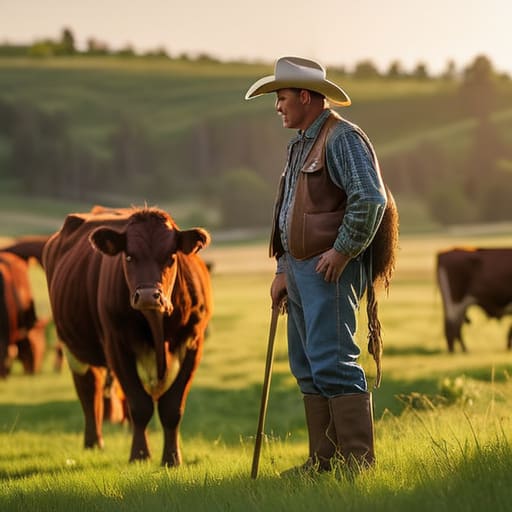
You can buy the best genetics in the country, but if you’re chasing a heifer around a muddy corner with a shouting match and a heavy stick, you’ve already lost the profit. I’ve seen too many lads think that being “tough” with the stock is just part of the job, but it’s nothing of the sort. When you’re rough, you’re spiking their cortisol, and that’s a direct hit to your bottom line. High stress levels don’t just make them difficult to move; they impact everything from weight gain to reproductive success. If you aren’t prioritizing animal behavior and stress reduction, you aren’t farming; you’re just fighting a losing battle against your own margins.
It’s not just the physiological cost, either. Every time a cow slips because your pens are poorly laid out or a sheep gets a broken limb because you’re forcing them through a narrow gap, that’s money walking out the gate. I’ve learned the hard way that investing in a decent containment system design pays for itself in avoided vet bills and less wasted time. You can spend all day shouting, or you can spend a bit of money making sure the work is done right the first time.
The Real Cost of Not Learning How to Handle Stock Safely
You can spend all day reading about the latest breeding genetics or the price of concentrate, but if you haven’t mastered safe animal movement techniques, those margins will vanish before you’ve even left the yard. I’ve seen it a hundred times: a man thinks he’s being efficient by rushing a mob through a narrow race, only to have a heifer catch a leg or a bull decide he’s had enough of being pushed. It isn’t just about the bruised hide or a broken fence; it’s the vet bill that follows, the lost days of work, and the sheer, bloody-minded cost of a broken animal that can’t reach the grass.
It’s a hard truth, but most people ignore animal behavior and stress reduction until something actually goes wrong. You don’t need a degree to see that a panicked animal is an expensive animal. When you ignore the basics of how they move, you aren’t just risking a trip to the A&E; you are actively preventing livestock injury from becoming a predictable part of your overheads. If you can’t move them without a fight, you’re not running a business, you’re just managing a series of expensive accidents.
Mastering Animal Behavior and Stress Reduction to Save Your Profits
You can spend a fortune on the latest automated crush, but if you don’t understand the animal looking back at you, you’re just wasting money on shiny metal. Most of the lads I know try to bully their way through a move, thinking brute force is a substitute for patience. It isn’t. When you’re working with a nervous heifer or a flighty ewe, the goal isn’t to dominate; it’s to work with their natural instincts. If you trigger a panic, you aren’t just risking a broken fence; you’re triggering a physiological response that ruins the carcass quality. Stress is a silent thief that eats into your margins before you even see the animal at market.
I’ve learned the hard way that animal behavior and stress reduction isn’t some soft, academic concept—it’s basic math. A calm animal moves predictably, which means fewer injuries to the stock and less chance of a worker ending up in the A&E. I always tell my daughter that if you’re shouting and waving sticks, you’ve already lost control of the situation. Instead, focus on your safe animal movement techniques: quiet feet, steady pressure, and knowing when to back off. If you can’t move them without a fight, your setup is wrong, not the animal.
Containment System Design Stop Buying Kit That Just Sits There
I’ve seen enough shiny new crush systems arrive on a trailer only to end up serving as a very expensive clothes rack in the corner of the shed. The problem is that most people shop for gear based on what looks impressive in a catalogue rather than how their specific stock moves. If your pen layout forces a heifer to make a sharp, ninety-degree turn under pressure, you aren’t practicing good containment system design; you’re just building a trap. I’ve learned the hard way that a system is only as good as the flow of the animal, and if the geometry is wrong, no amount of high-grade steel will stop a panicked animal from bruising itself or, worse, finding a way to crack a limb.
Don’t get lured into the trap of buying “all-in-one” kits that promise to solve every problem. Most of that kit is designed for a generic farm that doesn’t exist. Instead, focus on preventing livestock injury by ensuring your races are wide enough for the beast but narrow enough to prevent them from turning around. If you can’t walk through your setup and see exactly where a cow might get a foot caught or where a gap is wide enough for a calf to slip through, you’re just waiting for a vet bill to arrive.
Safe Animal Movement Techniques to Prevent Costly Livestock Injury
You can have the best containment system design in the county, but if your movement through the crush is a chaotic mess of shouting and prodding, you’ve already lost the battle. I’ve seen too many lads think they can bully a heifer into submission with a heavy hand, only to end up with a broken fence, a bruised carcass, or a vet bill that wipes out the week’s profit. Real safe animal movement techniques aren’t about being gentle for the sake of it; they are about working with the animal’s natural flight zone rather than fighting it. If you understand where the animal wants to go, you spend half the energy and twice as little time sweating.
When you’re moving stock, watch the feet and watch the gates. A single trip in a poorly maintained race or a sudden bolt through a loose latch is where the real money disappears. Most people talk about big diseases, but I’ll tell you that a broken leg or a cracked hoof from a botched move is what actually erodes your margins. Stick to basic livestock management best practices: keep the lanes clear, keep the light consistent, and for heaven’s sake, stop trying to rush a nervous animal. Speed is the enemy of a healthy balance sheet.
Five Ways to Stop Fighting Your Stock and Start Saving Your Skin
- Know your flight zone before you walk into the pen. If you’re running at them or waving arms like a madman, you aren’t “managing” them; you’re just escalating a situation that’s going to end with a broken gate or a bruised animal. Find that sweet spot where they move because they want to, not because they’re terrified.
- Check your gates and crushes twice before the first animal enters. I’ve seen men spend ten grand on a new herd and then lose a heifer because a rusted bolt on a five-pound gate gave way. If the kit isn’t sound, the whole exercise is a waste of time and a massive liability.
- Watch the ground, not just the animal. You can have the best handling techniques in the world, but if your crush is sitting in a boggy patch or your race is slick with old muck, you’re asking for a broken leg or a slipped limb. A dry, firm footing is worth more than any fancy training course.
- Stop trying to move ten head when two will do. People get impatient when they want to get back to the kitchen, so they crowd the race. Crowding leads to panic, and panic leads to animals pinning themselves against the timber. Slow is smooth, and smooth keeps the vet bills down.
- Never work alone if you can help it, and never work in a way that leaves you with no exit. I’ve seen too many young lads get cornered because they thought they knew better than the beast. If you don’t have a clear way out of the pen, you shouldn’t be in the pen.
The Bottom Line on Keeping Your Stock (and Your Sanity) Intact
Stop looking for a magic gadget to fix a bad system; if your handling facilities aren’t built for the specific way your animals move, you’re just buying expensive scrap metal that’ll eventually cost you a broken limb or a dead calf.
Respect the animal’s flight zone or pay for it in the long run—stress isn’t just a welfare issue, it’s a direct hit to your margins through lower weaning weights and higher injury rates.
If you can’t account for the cost of a single bruised animal or a week of lost labor due to a botched movement, you aren’t running a business, you’re just managing a series of expensive accidents.
The Bottom Line on Stock Handling
At the end of the day, safe stock handling isn’t some lofty welfare standard you tick off to please an inspector; it’s about protecting the three things that actually keep this farm running: the grass, the feet, and the cash flow. We’ve looked at how stress ruins your margins, how poorly designed pens become nothing more than expensive scrap metal in the shed, and how a single bad move in the race can cost you a calf or a hip that’ll never carry weight again. If you aren’t watching the animal’s behavior and respecting the way they move, you aren’t farming—you’re just gambling with your livelihood every time you open a gate.
I know it’s tempting to think you can muscle through a difficult sort or skip the maintenance on a broken crush because there’s more urgent work in the fields. But I’ve spent forty years learning that the “quick way” is almost always the most expensive way. Take the time to do it right, invest in the kit that actually works for your specific ground, and treat every movement as a way to preserve your capital. It won’t make you a hero, but it will ensure that when you finally do hand the keys over to the next generation, you’re handing them a working business rather than a collection of expensive mistakes.
Frequently Asked Questions
When is the right time to stop trying to fix a temperament issue and just cull the animal to save the rest of the herd?
If you’re spending more time debating a cow’s personality than you are checking the grass, you’ve already lost. I’ve seen many a farmer try to “work through” a rogue heifer, only to end up with a broken gate, a bruised calf, or a vet bill that wipes out the year’s margin. If an animal makes the job dangerous or disrupts the flow of the whole herd, it’s not an asset; it’s a liability. Cull it.
How do I know if my current handling facilities are actually safe, or if I'm just one bad afternoon away from a broken limb or a dead heifer?
If you’re holding your breath every time you move a group through the crush, you already have your answer. A safe system shouldn’t feel like a wrestling match. Walk your races on a wet Tuesday. If there’s standing water, slippery concrete, or a gate that sticks just enough to make you curse, you’re asking for trouble. If you can’t move stock through without a dog barking or you shouting, the setup is broken.
Is it worth investing in better handling gear if the ground I'm working on is too uneven to keep the stock steady anyway?
Not a penny. You can buy the most expensive, stainless-steel crush in the country, but if you’re trying to work stock on a slope or in a boggy corner of the field, you’re just buying a very expensive way to get injured. If the ground isn’t level and firm, the animal won’t settle, and your fancy gear won’t stop a panicked heifer from throwing herself against the rails. Fix the footing first; otherwise, you’re just wasting cash.
