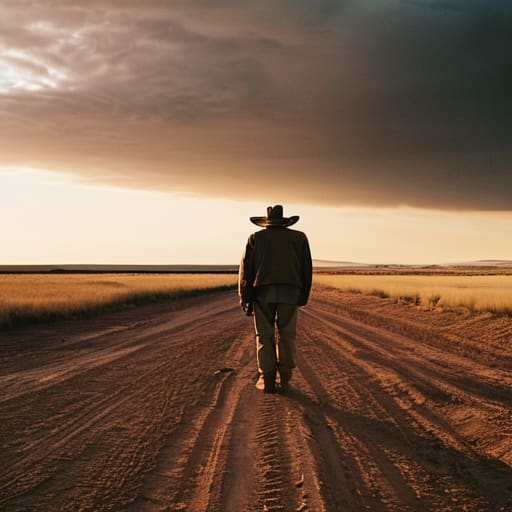
You’ll see plenty of glossy pamphlets from the city talking about mental health as if it’s something you can fix with a mindfulness app or a weekend retreat. They make it sound like a clinical problem to be solved, but they’ve never spent a Tuesday in February when the wind is coming off the hills and the nearest soul is three miles away. They don’t understand how rural isolation affects people because they think it’s just about being lonely; they don’t realize it’s the weight of the silence that gets you. It’s that heavy, ringing quiet in the kitchen after the dogs have gone to sleep and the machinery is finally still, making you wonder if you’ve forgotten how to speak to anyone who isn’t a heifer.
I’m not here to offer you any soft-edged platitudes or academic theories that won’t hold water when the weather turns. I’m going to tell you what it actually looks like when the distance between you and the rest of the world starts to erode your grit. We’ll talk about the practical ways to keep your head straight when the yard is empty, and why ignoring the mental toll is just as dangerous to your livelihood as a bad case of foot rot.
Table of Contents
- The Invisible Drain How Rural Isolation Affects People More Than Drought
- The Psychological Impact of Remote Living and the Heavy Price of Silence
- Broken Links Why Geographic Barriers to Social Interaction Kill Morale
- Loneliness in Rural Communities a Debt No Bank Can Ever Forgive
- Fixing the Connection Building Better Rural Community Support Systems
- Five Ways to Keep Your Head Above Water When the Miles Start Getting Long
- The Bottom Line on Staying Sane
- The Bottom Line on Being Alone
- Frequently Asked Questions
The Invisible Drain How Rural Isolation Affects People More Than Drought
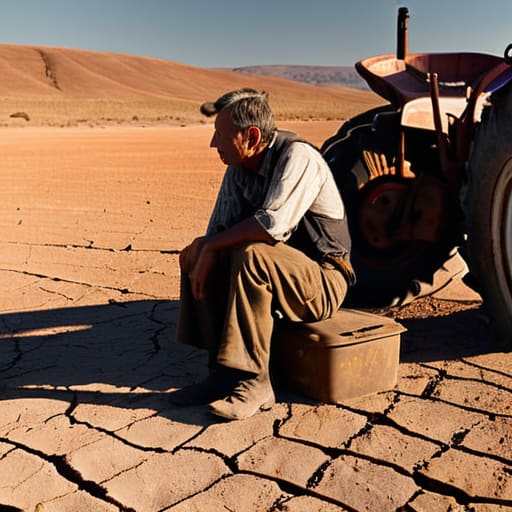
You can look at a dry spell and know exactly how much it’s going to cost you in forage and weight gain; the numbers are right there on the ledger. But you can’t quantify the way the silence starts to settle in when the only voice you’ve heard for three days is your own or the radio in the tractor. The psychological impact of remote living isn’t a sudden storm you can batten down against; it’s a slow leak, like a puncture in a tyre that you don’t notice until you’re riding on the rim.
It’s not just about being physically distant from the next house, though the geographic barriers to social interaction certainly don’t help when the nearest decent pub is a twenty-minute drive on tracks that’ll shake your teeth loose. It’s the loss of that casual, unforced connection. When you’re struggling with a calving or a broken fence, you need more than a text message; you need someone to stand in the yard with you. Without those rural community support systems in place, the weight of the farm starts to feel less like a business and more like a cage.
The Psychological Impact of Remote Living and the Heavy Price of Silence
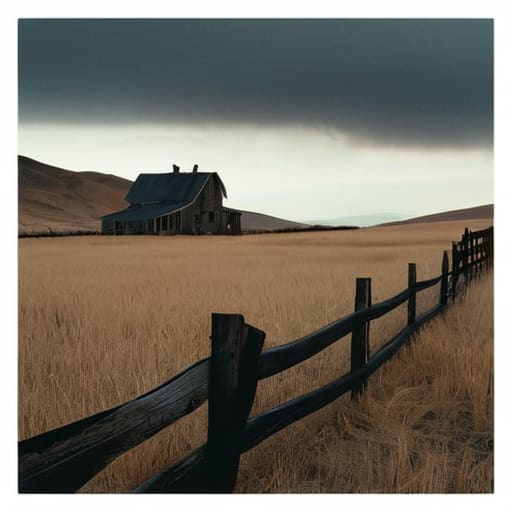
It isn’t just about being alone; it’s the way the silence starts to settle into your bones when the only voice you’ve heard all day is your own, or the radio in the tractor cab. You get used to the distance, but there is a genuine psychological impact of remote living that doesn’t show up on a balance sheet. When a fence goes down or a calf is stuck at three in the morning, you realize just how much you rely on a neighbor’s nod or a quick word at the mart. Without that, the walls of the farmhouse start feeling a lot thicker, and the isolation stops being a way of life and starts being a weight.
The real trouble is that when things do go south, the access to mental health services in the countryside is often a joke. You can’t exactly book a Tuesday afternoon appointment when you’ve got a hundred head to move or a broken gate to fix, and most of us aren’t the type to go ringing a helpline. We tend to just keep our heads down and work harder, thinking we can outrun the quiet, but you can’t outwork a lack of connection.
Broken Links Why Geographic Barriers to Social Interaction Kill Morale
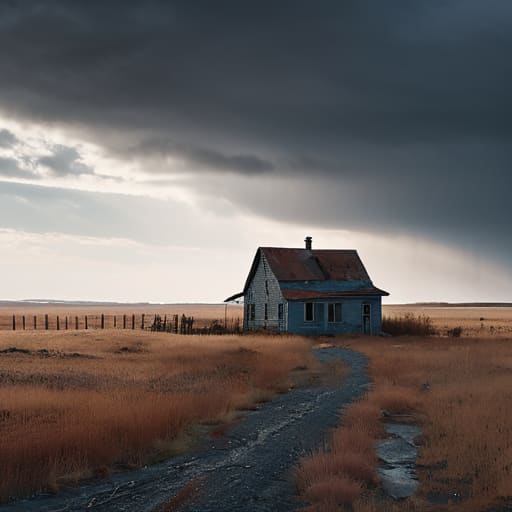
It isn’t just the miles on the odometer that get to you; it’s the way the distance makes every bit of human contact feel like a scheduled event rather than something that just happens. When you’re living behind a gate that’s five miles from the nearest neighbour, you stop expecting people to drop by. You start to view geographic barriers to social interaction as a permanent part of the landscape, as fixed as a stone wall or a bad drainage ditch. You stop calling because you don’t want to be a burden, and eventually, you just stop wanting to talk at all.
That’s where the rot sets in. When you lose that easy, unplanned connection—the quick chat over a fence or a nod at the mart—you lose your tether to the rest of the world. You start thinking your problems are yours alone, which is a dangerous way to live. The real trouble is that social connectivity in rural areas isn’t some luxury for when the weather’s fine; it’s the safety net that catches you when the bank calls or a calf dies in the middle of the night. Without it, the world gets very small, and very dark, very quickly.
Loneliness in Rural Communities a Debt No Bank Can Ever Forgive
The problem with loneliness in rural communities is that it doesn’t show up on a balance sheet until it’s far too late. You can account for a broken tractor or a dip in beef prices, but you can’t easily quantify the slow erosion of a man’s spirit when his only meaningful conversation for three days is with a heifer. We tend to treat social connectivity in rural areas as a luxury—something that happens at the mart or the pub if the weather holds—rather than a basic necessity for staying upright.
When you’re tucked away behind three miles of stone walls and a bad track, the distance isn’t just measured in meters; it’s measured in the effort it takes to reach out. Most of us are too proud to admit when the silence starts getting loud, and that’s where the danger lies. We view access to mental health services in the countryside as a secondary concern compared to getting a vet out or fixing a fence, but if the person running the farm has checked out mentally, the whole operation follows suit. It’s a debt that compounds every single day you spend working in a vacuum.
Fixing the Connection Building Better Rural Community Support Systems
You can’t fix a broken fence by just staring at the gap; you have to actually get the wire and the strainer out. The same goes for this. We talk about rural community support systems like they’re something you can just download on an app, but that’s nonsense. Real support isn’t a helpline that rings from a city three hundred miles away; it’s the lad down the road noticing your tractor hasn’t moved from the yard in two days and pulling up to ask if you’re alright. We need more of that local, boots-on-the-ground presence, because digital connectivity is a poor substitute for a handshake.
The real challenge is that improving social connectivity in rural areas requires more than just better broadband. It means creating spaces—actual, physical places—where we aren’t just passing each other in a Land Rover at forty miles an hour. We need hubs that don’t feel like a doctor’s waiting room, because most of us won’t walk through a door if it feels like we’re admitting defeat. If we want to tackle the isolation, we have to build systems that respect the way we live, rather than trying to force a city model onto a landscape that doesn’t work that way.
Five Ways to Keep Your Head Above Water When the Miles Start Getting Long
- Stop treating a visit to the mart or the local co-op as a mere transaction. If you only go there to buy feed and leave without a ten-minute chat about the weather or the price of silage, you’re leaving the most important part of the job at home. Those small, pointless conversations are the only thing that keeps you tethered to the rest of the world.
- Learn to distinguish between being “busy” and being “productive.” I’ve seen many a lad spend sixteen hours a day in the yard, working himself into the ground, only to realise he hasn’t spoken a word to another human being in three days. Hard work is fine, but if it’s being used as a shield to avoid people, it’ll cost you more in the long run than a broken tractor.
- Don’t wait for a crisis to reach out. If you wait until the bank is breathing down your neck or the herd is failing to call a neighbour, you’re already halfway to the bottom of the pit. You have to build the habit of talking when things are going well, so that when the weather turns sour, the lines of communication are already open.
- Get out of the cab and off the tractor more often than you think you need to. There is a particular kind of madness that sets in when your only view for twelve hours a day is a windscreen and a dashboard. Even if it’s just a walk to the far field or a quick trip into the village for a bit of milk, you need to break the visual monotony before it starts to weigh on your mind.
- Be honest about the margins, even with yourself. We’re a breed that likes to pretend everything is “fine” when we’re staring at a mounting pile of debt and a lonely house. If the isolation is starting to bite, admit it. It’s not a sign of a weak farmer; it’s just a practical assessment of your current mental stock, and you wouldn’t let a ewe run on nothing but air, would you?
The Bottom Line on Staying Sane
Isolation isn’t just a feeling; it’s a drain on your ability to make clear-headed decisions when the margins are thin and the weather turns.
You can’t fix a broken community with a new piece of kit or a subsidy check; you fix it by making sure the person in the next farm over is still standing.
Stop treating mental health like a luxury for people with time to kill; in this business, a man who’s lost his head is just as dangerous to the farm as a heifer with a broken leg.
The Bottom Line on Being Alone
We’ve spent a lot of time looking at the ledger of isolation, and it’s a grim accounting. We talk about the cost of diesel, the price of concentrate, and the fluctuations in the beef market, but we rarely tally the cost of the silence that settles over a farm when the social fabric starts to fray. Isolation isn’t just a bit of peace and quiet; it is a slow, corrosive drain on the mental grit required to run a livestock business. It breaks the morale that keeps a man or woman going through a hard lambing or a dry summer. If we don’t address the way geographic distance and crumbling community links strip away our resilience, we are essentially letting the farm die from the inside out, regardless of how much grass is in the field.
At the end of the day, a farm is more than just a collection of assets and acreage; it is a life lived in connection to others. You can have the best genetics in your flock and the most modern kit in the shed, but if you’re working in a vacuum, you’re working on borrowed time. We need to stop treating rural loneliness as a personal failing and start seeing it for what it is: a structural risk to our way of life. Look after your neighbours as closely as you look after your stock, because when the weather turns and the margins get thin, it’s the people, not the machinery, that will see you through to the next season.
Frequently Asked Questions
If the isolation is part of the job, how do you stop it from becoming a permanent part of who you are?
You don’t stop it; you manage it like you manage a wet spring. If you let the isolation settle into your bones, it’ll rot your sense of perspective. I’ve found you have to force the social side, even when you’re bone-tired. It means showing up to the mart or the local meeting when you’d rather stay in the yard. You have to keep one foot in the world of people, or you’ll start believing the silence is the only truth.
Is there a way to build a community when everyone is too busy or too tired just to keep their own heads above water?
It’s a fair question, and the answer is usually found in the margins. You can’t expect a man who’s been in the yard since five a.m. to show up for a committee meeting. Community in this business isn’t about town hall socials; it’s about the five minutes spent leaning on a gate or the text sent when a neighbor’s tractor breaks down. If it isn’t practical and doesn’t respect the workload, it won’t happen.
At what point does a man stop seeing the silence as peace and start seeing it as a problem?
It’s when the silence stops being a respite from the noise of the yard and starts feeling like a weight in your chest. When you find yourself driving ten miles just to hear a voice that isn’t your own, or when you realize you haven’t spoken a word out loud since Tuesday morning, that’s when the peace has turned into a problem. It’s the difference between enjoying the quiet and being swallowed by it.
