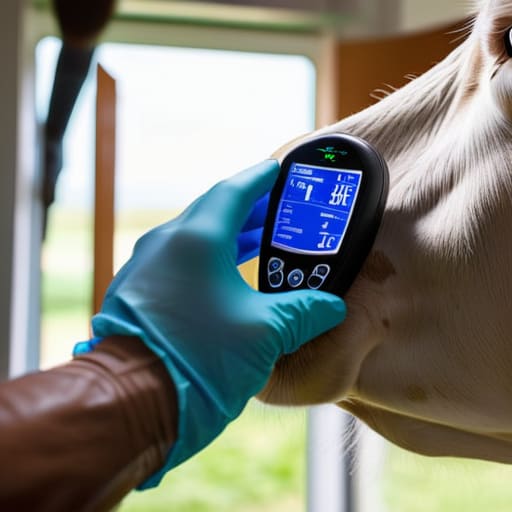
I’ve spent enough years leaning on gates to know that most of the literature on how mastitis is managed is written by people who have never had to pull a teat in a freezing shed at five in the morning. They’ll hand you a glossy pamphlet full of complex diagnostic charts and expensive, proprietary teat dips that cost more than a decent set of boots, but they never mention the actual cost of the lost milk or the cull cow you’ll be forced to sell at a loss. You can buy all the fancy equipment in the world, but if you aren’t looking at the dirt in your parlor and the way your girls are moving, you’re just burning cash to stay busy.
I’m not here to sell you a subscription to a veterinary journal or a new brand of antibiotic. My aim is to tell you what I’ve learned from forty years of watching infections eat through my margins, from the mistakes that cost me a heifer I should have kept, to the simple habits that actually keep the udder clean. We’re going to talk about the real economics of inflammation—the grass, the hygiene, and the hard numbers—so you can stop chasing symptoms and start protecting your bottom line.
Table of Contents
Understanding How Mastitis Is Managed
Now, if you listen to the lads in the sales reps’ vans, they’ll tell you management is all about the latest teat dip or a new milking machine that costs more than my first tractor. They aren’t entirely wrong, but they’re missing the point. Managing this isn’t just about reacting when a cow is flagging; it’s about the discipline of the routine. I’ve learned the hard way that you don’t manage an infection by waiting for the udder to swell like a prize pumpkin. You manage it by watching the bedding, the hygiene in the parlor, and the way the cows carry themselves before the fever even hits.
It’s easy to get caught up in the chemistry of it—thinking that a heavy course of antibiotics for mastitis is the silver bullet that fixes everything. It isn’t. If you’re just treating the symptoms without looking at why the bacteria got in there to begin with, you’re just pouring money down a drain. You have to look at the whole system: the dry period, the milking order, and the actual condition of the ground where they spend their nights. If the environment is filth, no amount of expensive medicine will save your margins.
Key Things to Know
If you’re looking for a checklist of clinical protocols, you’ve come to the wrong place. What you need to know is that management isn’t just about what you do when a cow is already flagging; it’s about the preventative groundwork that stops the infection from taking hold in the first place. You can throw all the antibiotics for mastitis you want at a problem, but if your bedding is damp or your milking routine is a shambles, you’re just pouring money into a leaky bucket.
I’ve seen too many folk get distracted by the high-tech gadgets and forget the basics. You need to be able to spot the signs of breast infection—or in my terms, the heat, the swelling, and that tell-tale change in the milk—before it turns into a systemic issue that drops your yield for the season. It’s about watching the animal, not just the spreadsheet. If you aren’t looking at the condition of the teat ends and the cleanliness of the environment, you aren’t managing anything; you’re just reacting to disasters that should have been avoided months ago.
Practical Tips and Steps
Now, if you’re looking for a magic wand, you won’t find it in a pharmacy or a glossy brochure. Managing this isn’t about reacting when the animal is already flagging; it’s about the daily, unglamorous grind of hygiene and observation. You need to be looking at the udder every single time you’re in the yard. If you spot early signs of breast infection—or the bovine equivalent, which is a hard, hot quarter—you act immediately. Don’t wait for the fever to set in. Most people wait until the animal is visibly suffering, but by then, you’re already fighting a losing battle against your margins.
I’ve seen too many folks reach straight for the antibiotics for mastitis without thinking about the environment that caused it in the first place. If your bedding is damp or your milking routine is sloppy, you’re just pouring money into a bucket with a hole in the bottom. You can treat the infection, but if you don’t fix the source of the bacteria, you’ll be back in the same spot by next season. It’s about discipline over convenience, every single day.
Common Mistakes to Avoid
The biggest mistake I see is treating a clinical symptom like it’s an isolated event rather than a failure of the system. People get caught up in the frenzy of grabbing the nearest bottle of antibiotics for mastitis without looking at why the cow got sick in the first place. If you just medicate the animal and send her straight back into the same damp, poorly drained corner of the field, you aren’t managing anything; you’re just subsidizing the vet. You have to look at the environment—the bedding, the hygiene, and the timing—or you’ll find yourself in a cycle of treating the same issue every single season.
Another trap is ignoring the early warning signs because you’re too busy with the daily grind. I’ve seen many a farmer miss the subtle signs of breast infection—the slight heat or the change in milk consistency—until the animal is outright suffering and the milk cheque is already taking a hit. By the time the fever sets in, you’ve lost the battle for that month’s margin. It’s much cheaper to catch a limp or a hot udder early than it is to try and salvage a cow that’s already gone south.
Final Thoughts
At the end of the day, you can buy all the fancy diagnostic tools in the world, but they won’t fix a broken system. Managing this isn’t about chasing a single symptom when it flares up; it’s about the daily, unglamorous work of watching the herd and the environment. If you wait until you’re seeing the obvious signs of breast infection—or in my case, the tell-tale heat and swelling in a cow’s udder—you’ve already lost the battle on your margins. By then, you’re just playing catch-up with antibiotics for mastitis, and that’s money walking straight out of the gate.
Don’t get distracted by the latest marketing brochures promising a silver bullet. Real management is found in the dirt, the bedding, and the way you handle the animals. It’s about being proactive rather than reactive. If you keep your eyes on the grass and your feet on the ground, you’ll spot the trouble before it hits the ledger. Success in this business isn’t about avoiding every single ailment; it’s about having the discipline to stop the small leaks before they sink the whole ship.
Five ways to stop the bleed before it starts
- Stop looking at the udder and start looking at the muck. If your bedding is damp or your handling area is a swamp, you’re just inviting the bacteria in for tea. You can buy the most expensive teat dip in the catalogue, but it won’t do a lick of good if the cow is standing in filth all night.
- Watch the clock, not just the cow. I’ve seen many a young lad rush the milking because the sun is going down or the tea is ready. If you aren’t consistent with your routine—especially that post-milking disinfection—you’re leaving the door wide open for an infection to take hold.
- Keep a sharp eye on the “quiet” ones. A cow doesn’t always need to be bellowing to be in trouble. If she’s lagging behind the rest of the herd or just seems a bit off her feed, get in there. Catching a bit of swelling early is a nuisance; catching a full-blown clinical case is a hit to the bank balance.
- Don’t get precious about your records. If you aren’t tracking which cows are repeatedly hitting the wrong end of the list, you’re just playing a guessing game. Some cows are just “bad” cows, and if they’re costing you more in discarded milk and vet bills than they’re worth in calf crops, it’s time to make a hard decision.
- Check your equipment like your livelihood depends on it—because it does. I don’t care how much you spent on those new liners; if they aren’t fitted perfectly or if the vacuum is fluctuating, you’re bruising tissue and creating the perfect environment for mastitis to thrive. A bit of maintenance saves a lot of heartache.
The Bottom Line on Mastitis
Stop looking at mastitis as a veterinary problem and start seeing it as a leak in your bank account; every day an infected cow sits in the field, she’s costing you more in wasted feed and lost milk than you’ll ever recover in the sale ring.
You can buy the most expensive teat dip on the market, but if you aren’t checking the dampness of your ground and the cleanliness of your handling pens, you’re just throwing money into a muddy ditch.
Prevention isn’t about fancy new gadgets that gather dust in the shed; it’s about the boring, daily discipline of watching your cows, knowing their temperament, and catching the slight limp or the subtle change in behavior before it becomes a crisis.
The Bottom Line on the Udder
At the end of the day, managing mastitis isn’t about mastering some complex veterinary manual; it’s about the basics of hygiene, timing, and watching your margins. You can buy every teat dip and antibiotic on the market, but if you aren’t looking at the environment those cows are standing in or the cleanliness of your milking routine, you’re just throwing money into a bucket with a hole in the bottom. It comes down to being disciplined with your protocols and understanding that a single cow with a chronic issue is a constant leak in your cash flow that no amount of fancy breeding can fix.
I’ve seen plenty of young lads try to farm by the numbers on a screen, forgetting that a farm is a living, breathing, and often messy business. Don’t let the paperwork or the latest shiny piece of kit distract you from the reality of the animal in front of you. If you keep your eye on the grass, your feet, and the actual cost of every ailment, you’ll do more for your farm than any seminar ever could. It’s a hard way to make a living, but if you respect the margins and stay consistent, the land and the livestock will eventually respect you back.
Frequently Asked Questions
At what point do I stop treating a cow and just accept that she's a loss to the bottom line?
You stop when the cost of the vet, the extra labor, and the wasted feed outweighs what that cow will actually return in calves over the next two seasons. If you’re chasing a cure for a cow that’s losing condition or can’t stay dry, you aren’t “saving” an animal; you’re subsidizing a mistake. I’ve learned it’s better to cull a problematic cow today than to spend six months paying for the privilege of watching her bleed your bank account dry.
How much of this is actually about the teat dip, and how much is just poor drainage in the back field?
If you’re asking that, you already know the answer. You can dip those teats until your hands are raw and spend a fortune on the best disinfectant on the market, but it won’t mean a damn thing if they’re standing in a bog in the back field. Bacteria love a damp environment as much as a hungry calf. If the ground is sodden, you’re just washing expensive chemicals into the mud. Fix the drainage first; the dip is just the finishing touch.
If I'm switching to a more organic or low-intervention approach, how do I stop a single bad infection from turning into a herd-wide disaster?
If you’re moving away from the heavy-handed chemical approach, you can’t afford to be reactive. You have to be obsessive about the environment. In a low-intervention system, a single infection becomes a disaster because you’ve lost your “safety net.” You stop the spread by watching the ground—wet, poached areas are infection factories. If you aren’t managing your grazing rotation and keeping those feet dry, you aren’t farming organic; you’re just gambling with your cash flow.
