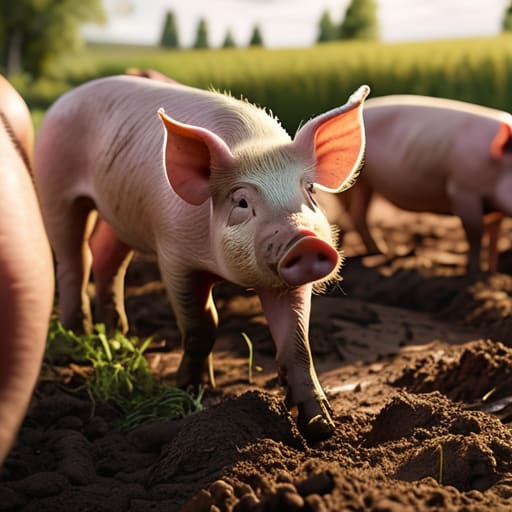
I spent half a fortune ten years back on a “state-of-the-art” automated feeder and a designer mobile shelter because a brochure told me it was the gold standard for welfare. Two months later, I was standing knee-deep in a slurry-filled crater, watching my profit margin sink into a bog while the expensive kit sat uselessly in the muck. Most of the advice you read online about how to keep pigs outdoors is written by people who have never had to clean a pen in a driving rain or balance a ledger after a wet winter. They talk about “enrichment” and “natural behaviors” as if those things pay the bills, but they forget to mention that if you haven’t sorted your drainage, you aren’t farming pigs—you’re just managing a swamp.
I’m not here to sell you a lifestyle or a piece of kit you’ll regret buying by November. I want to talk about the reality of the ground under your feet, the actual cost of feed when it gets damp, and the unseen expenses that turn a simple outdoor setup into a financial sinkhole. I’ll tell you exactly what works when the weather turns foul and which “essential” gadgets are nothing more than expensive scrap metal.
Table of Contents
Understanding How to Keep Pigs Outdoors
Before you go buying a dozen piglets and a fancy mobile feeder, you need to look at your map and your weather station. People talk about pig enclosure design like it’s a matter of aesthetics, but for me, it’s a matter of drainage and topography. If you put them in a hollow where the water sits after a heavy rain, you aren’t farming; you’re just managing a glorified mud bath. You have to account for the fact that a pig’s natural instinct is to dig, and if you don’t have a plan for protecting pasture from rooting, you’ll find yourself looking at a patch of bare earth that looks more like a construction site than a farm by mid-summer.
It isn’t just about giving them space to roam; it’s about the cost of the ground beneath them. If you don’t manage the rotation, you’ll be losing more in soil recovery and fence repairs than you’ll ever make back in pork. Effective outdoor pig welfare means understanding that a pig is essentially a high-powered earthmover. If your plan doesn’t include a way to rotate them before they turn your best grazing into a dust bowl or a bog, you’re just inviting a headache that no amount of expensive feed can fix.
Key Things to Know
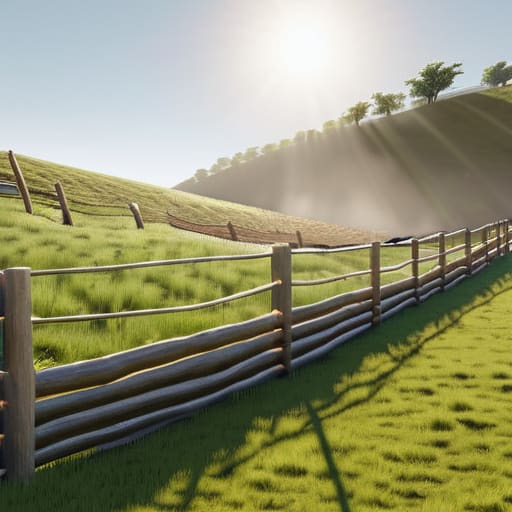
First off, don’t go thinking a bit of wire and a gate is all you need. If you don’t get the pig enclosure design right from the start, you aren’t farming; you’re just managing a mud pit. You have to look at the slope of the land and where the water sits when the clouds break. If you put them in a hollow, you’ll be fighting a losing battle against rot and heavy feet before the first month is out.
The biggest mistake I see—and I’ve made it myself—is underestimating how quickly they can turn a decent field into a wasteland. You aren’t just keeping animals; you are managing swine soil erosion. If you leave them in one spot too long, they’ll root right down to the subsoil, and once that happens, you aren’t getting your grass back for years. It’s about rotation and knowing when to move them. If you aren’t thinking about protecting pasture from rooting, you’re essentially just paying to destroy your own ground.
Practical Tips and Steps
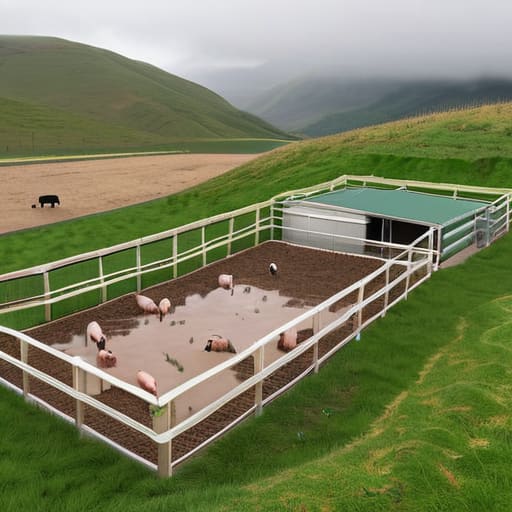
First, stop thinking about where you want the pigs to be and start looking at where the water goes when it pours. If you put your pens in a hollow, you aren’t farming; you’re just managing a glorified bog. Proper pig enclosure design begins with the slope. You need a bit of a gradient to shed the rain, otherwise, you’ll spend your entire spring fighting a losing battle against deep mud and foot rot. I’ve seen many a young lad buy a beautiful, expensive mobile unit only to realize it’s useless once the ground turns to soup.
Second, you have to be ruthless about rotation. If you leave them in one paddock until they’ve turned it into a dust bowl or a swamp, you’ve failed. Managing swine soil erosion isn’t some fancy environmental goal; it’s basic common sense to keep your land productive. Move them frequently and use sacrificial areas—hard standing or heavily reinforced ground—for the heavy weather. If you don’t focus on protecting pasture from rooting in the wrong spots, you’ll find yourself staring at a field of bare dirt and a massive repair bill come autumn.
Common Mistakes to Avoid
The biggest mistake I see is people treating a pig enclosure like a garden project rather than a piece of working infrastructure. They pick a spot because it looks pleasant in the spring, only to find themselves staring at a soup of mud by November. If you haven’t accounted for the drainage, you aren’t farming; you’re just managing a swamp. You can spend a fortune on the best-looking pigs in the county, but if your pig shelter requirements don’t include a dry, raised area that stays out of the muck, you’ll spend every penny of your profit on vet bills for respiratory issues and foot rot.
Another one that bites is the “set it and forget it” mentality regarding the land. People underestimate how quickly a small group can turn a decent paddock into a dust bowl or a bog. If you aren’t actively managing swine soil erosion through rotational movement or heavy mulching, you’re essentially paying to destroy your own asset. I’ve seen men lose an entire season’s worth of margin because they thought they could just let the pigs roam a fixed acre and hope for the best. It doesn’t work that way. You either manage the ground, or the ground will eventually manage your bank balance.
Final Thoughts
At the end of the day, you have to stop looking at pigs as just an entry on a spreadsheet and start looking at the ground they stand on. If you ignore the reality of protecting pasture from rooting, you aren’t farming; you’re just managing a slow-motion construction site of mud and wasted potential. I’ve seen plenty of lads go into this thinking they can just turn them out and let nature take its course, only to find themselves staring at a patch of dirt that won’t grow a blade of grass for three years.
Don’t get distracted by the glossy brochures promising easy fixes. Good outdoor pig welfare isn’t found in a fancy gadget, but in the discipline of rotation and knowing when to pull them back. It’s about the hard math of whether the weight they put on is worth the damage they do to your soil. If you get the ground right and the shelter sorted, the rest usually follows. If you don’t, you’ll spend more time fixing fences and draining bogs than you will actually making a profit.
Five things I’ve learned from watching pigs turn a paddock into a swamp
- Stop looking at the pig and start looking at the drainage; if you haven’t checked the slope of the ground and how much rain hit the valley last November, you aren’t ready to turn them out, because once that soil turns to a slurry, you’re just subsidising a mud bath that’ll rot their feet faster than you can write the check.
- Don’t go buying the most expensive, high-tech automated feeder on the market only to find it gets clogged with grit and muck within a week; get something heavy, simple, and easy to clean, because if a piece of kit requires a degree in engineering to fix when it’s freezing in January, it’s just expensive scrap metal.
- Watch your margins on the feed, because if you’re letting them forage but still supplementing with expensive bagged stuff, you’re likely losing money on the gap between what they’re actually eating and what you’re paying for; if the grass isn’t doing the heavy lifting, the math rarely works out in your favour.
- Shelter isn’t a luxury, it’s a necessity for the bottom line; a pig that’s shivering or soaked to the bone isn’t converting feed into weight, it’s burning it all just to stay alive, so don’t skimp on a solid windbreak or a sturdy hut just to save a few quid upfront.
- Keep a close eye on the perimeter fencing, because a pig’s only real job is to find the one weak spot in your investment and push right through it; if you’re too stingy with the wire or the posts, you’ll spend more time chasing them through the hedgerow than you will actually managing the herd.
The Bottom Line on Outdoor Pigs
Don’t get blinded by the ‘natural’ label and forget the ground; if you haven’t planned for the drainage and the muck, you’ll spend your entire profit margin on vet bills for hoof rot and mud-caked lungs.
Stop buying gadgets that promise a quick fix for management; if the infrastructure isn’t solid and the fencing isn’t right, that expensive new feeder will just be an expensive anchor in a bog by November.
Watch your cash flow as closely as you watch the pigs; outdoor systems have different rhythms and higher risks, so if you haven’t budgeted for the extra labour and the inevitable weather-related setbacks, you’re just gambling, not farming.
The Bottom Line on Outdoor Pigs
If you take nothing else from this, remember that keeping pigs outdoors isn’t about buying the most expensive automated feeder or the trendiest shelter on the market; it’s about the ground beneath their feet. You can have the best genetics in the county, but if you haven’t managed your drainage or accounted for how quickly a wet autumn turns a paddock into a soup, you aren’t farming, you’re just managing a mud pit. Watch your margins on the feed, keep a sharp eye on the hoof health, and for heaven’s sake, don’t overcomplicate the infrastructure until you’ve seen how the weather actually treats your site. At the end of the day, success is found in the basics: good grass, dry feet, and a budget that doesn’t bleed out through a leaky trough.
There will always be someone in a glossy magazine telling you there’s a new shortcut or a piece of kit that will do the thinking for you. Ignore them. Farming is a slow game of observation and patience, and outdoor pigs are no different. It takes a bit of grit to get the setup right, and you’ll likely make a mistake or two before the system settles, but there is a particular satisfaction in seeing a herd thrive in a way that feels natural. Stick to what you can measure, trust your own eyes over a salesman’s brochure, and remember that the most profitable farm is usually the one that respects the landscape instead of trying to fight it.
Frequently Asked Questions
How do I stop the pigs from turning my best grazing into a permanent bog by mid-winter?
If you’ve let them turn your best field into a soup, you’ve already lost the battle. You can’t fix a bog with hope; you fix it with rotation and hard boundaries. Move them to the sacrificial ground—the corner of the field with the worst drainage—and fence off the good stuff. If you don’t, you’re just paying to destroy your soil structure. Buy a decent mobile feeder, too; if they’re rooting for scraps, they’re rooting for mud.
Is it actually worth the extra cost of heavy-duty mobile fencing, or am I just paying for something that'll rot in the shed?
Look, I’ve spent enough seasons watching cheap netting sag into the mud like a wet rag to tell you this: if you’re buying the light stuff just to save a few quid today, you’re paying for it twice tomorrow. If the ground is wet and the pigs are hungry, they’ll find the weak spot in a heartbeat. Buy the heavy-duty stuff. It’s a bitter pill for the cash flow now, but it won’t be sitting in the shed rusting by next March.
How do I figure out if the cost of extra feed and vet bills for outdoor pigs is actually going to be offset by the lower overheads?
Stop looking at the feed bill in isolation; that’s a trap. You need to look at the margin per pig, not just the cost per bag. Sit down with your books and tally the extra feed and the vet calls against what you’re saving on housing, heating, and intensive labor. If your “lower overheads” are being eaten up by a muddy field and a vet treating foot rot, you aren’t farming; you’re just subsidizing a hobby.
