
If you pick up a glossy agricultural magazine, they’ll try to sell you some digital management suite or a complex, color-coded spreadsheet to show you how to plan a farming year. They make it sound like you just need the right software to solve your problems, but they’ve never had to stand in a wet field in late November wondering if the silage will actually hold or if the bank is going to call. Most of that high-tech advice is written by people who have never had a calf die in the mud or a heifer go lame when the prices are at their lowest. You don’t need a subscription; you need a realistic look at your margins.
I’m not here to sell you a system or a piece of kit that’ll end up gathering dust in the corner of the shed. What I want to do is walk you through the actual mechanics of the seasons—the stuff that matters, like managing your grass, watching your stock’s feet, and protecting your cash flow. I’ll tell you how I map my year around the hard realities of the weather and the market, so you can stop reacting to crises and start actually managing the business.
Table of Contents
- Stop Guessing and Start Governing How to Plan a Farming Year
- The Grass Is Always Greener When Your Seasonal Crop Rotation Schedule Works
- Dont Let Breeding Cycles and Soil Preparation Timelines Ruin Your Margin
- Protecting Your Cash Flow Through Strict Agricultural Financial Management
- Managing Labor and Equipment Before They Leave You in the Lurch
- Five Lessons Learned from Forty Years of Watching the Calendar Fail
- The Bottom Line for Your Planning
- The Bottom Line
- Frequently Asked Questions
Stop Guessing and Start Governing How to Plan a Farming Year
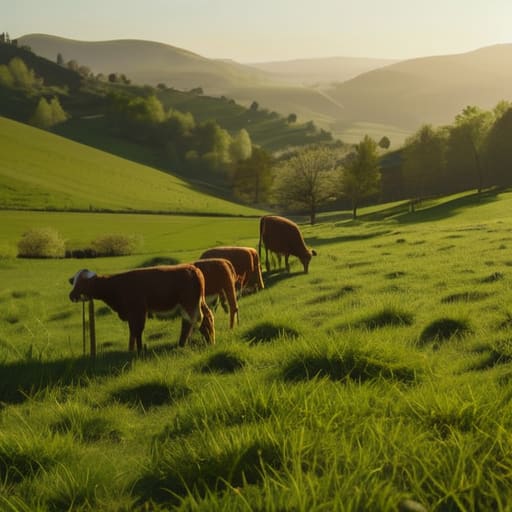
Most people approach their year by looking at a calendar, but a calendar is just paper. If you want to actually run a business instead of just reacting to crises, you have to align your livestock breeding cycles with the reality of your pasture. I spent my thirties thinking I could outrun the seasons with more fertilizer or a bigger tractor, only to find myself staring at a mounting debt because my calving window didn’t match my grass availability. You don’t plan by the month; you plan by the growth of the sward and the needs of the animal.
Real control comes when you stop treating your overheads like a surprise at the end of the quarter. You need a rigorous approach to agricultural financial management that accounts for the fact that your biggest expenses—feed, fuel, and vet bills—don’t care about your projected margins. I’ve learned the hard way that if you haven’t mapped out your cash outlays against your expected weaning numbers, you aren’t farming; you’re just hoping for the best. And in this business, hope is a very expensive way to live.
The Grass Is Always Greener When Your Seasonal Crop Rotation Schedule Works
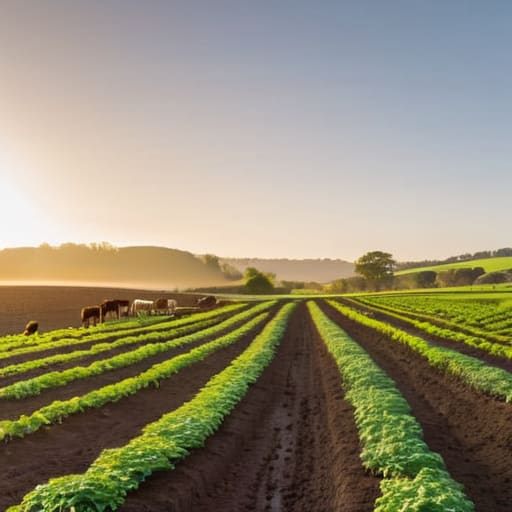
You can talk all you want about the price of beef or the latest subsidy tweaks, but if you haven’t mastered your seasonal crop rotation schedule, you’re essentially trying to build a house on a bog. I spent far too many years thinking the grass would just “be there” when the cows were ready, only to find myself staring at a field of nothing but weeds and disappointment in late August. You have to work backward from the animal’s needs, not forward from the seed bag. If your soil preparation timeline is off by even a fortnight, you aren’t just losing a crop; you’re losing the margin that keeps the bank from calling.
It isn’t just about the biology, either; it’s about the math. A well-timed rotation means you aren’t scrambling to buy expensive hay in a drought or paying a premium for silage because you missed your window. When you sync your forage production with your livestock breeding cycles, the whole system starts to breathe. You stop reacting to the weather and start anticipating the gaps in your feed. If you aren’t planning your grass around your cash flow, you’re just a spectator on your own land.
Dont Let Breeding Cycles and Soil Preparation Timelines Ruin Your Margin
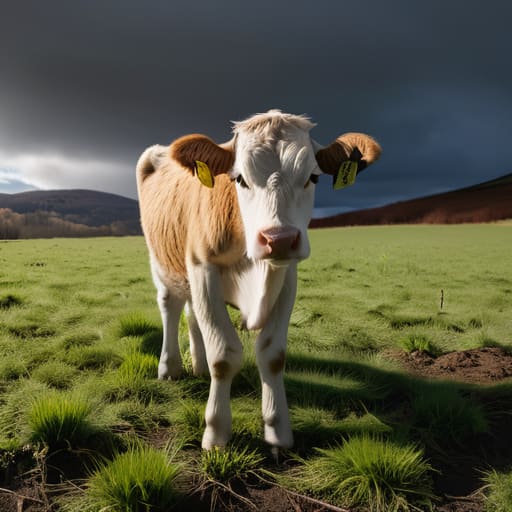
Most people treat their breeding calendar like a suggestion rather than a law, and that’s where the bleeding starts. If your livestock breeding cycles aren’t tightly synced with when you actually have the forage to support the calves, you aren’t farming—you’re just subsidizing the vet. I’ve seen too many lads rush the job, trying to squeeze an extra lamb crop out of a season that doesn’t have the ground to carry it. You can have the best genetics in the county, but if those animals hit the field when the soil is a bog or the grass is spent, you’re just feeding your profit to the mud.
It’s the same story with the ground itself. You can’t just wake up in March and decide it’s time to work. A proper soil preparation timeline needs to be settled long before the tractor leaves the shed, or you’ll find yourself fighting the weather and your bank balance at the same time. If you haven’t accounted for the time it takes to get the lime down and the tilth right, you’ll miss your window, and a missed window is a direct hit to your margin.
Protecting Your Cash Flow Through Strict Agricultural Financial Management
Most people treat their bank balance like a weather vane—they just look at it to see which way the wind is blowing. That’s a mistake. Real agricultural financial management isn’t about looking at what you spent last month; it’s about knowing exactly what a suckler cow is going to cost you before she even hits the field. I’ve seen too many lads get caught out by a sudden spike in diesel or a sudden drop in calf prices because they hadn’t accounted for the “hidden” costs of the year. You have to map your outgoings against your income peaks, or you’ll find yourself staring at a dry bank account just when the vet’s bill arrives.
Don’t get caught in the trap of buying shiny new kit on credit just because the salesman promised it would “pay for itself.” If it doesn’t directly improve your grass quality or your animal health, it’s probably a luxury you can’t afford mid-season. I keep a strict farm equipment maintenance schedule not because I love tinkering in the shed, but because a broken tractor in October is a direct hit to my margin. You need to plan for the breakdowns before they happen, or you’ll be paying premium rates for repairs when you’re already stretched thin.
Managing Labor and Equipment Before They Leave You in the Lurch
You can have the best soil preparation timeline in the county and a perfect grass plan, but if your tractor won’t turn over when the silage needs cutting, or your best hand walks off mid-lambing, the whole year goes sideways. I’ve learned the hard way that a farm equipment maintenance schedule isn’t just a suggestion for the quiet months; it’s the only thing standing between you and a catastrophic repair bill in the middle of a busy week. If you wait until the machine starts making a funny noise during the peak of the season to look at it, you aren’t just fixing a belt—you’re paying for lost time and wasted grass.
The same goes for people. Relying on a “steady hand” that only shows up when the weather is fine is a recipe for disaster. You need real farm labor management strategies that account for the fact that people have lives, and sometimes they’re unreliable. I don’t look for the most skilled person on day one; I look for the one who understands that if they don’t show, the whole system breaks. Plan for the gaps, train for the basics, and never assume your most critical task will be handled by someone who hasn’t been properly briefed.
Five Lessons Learned from Forty Years of Watching the Calendar Fail
- Stop planning around the dates in a textbook and start planning around the weather you actually get; if your calving or lambing schedule relies on a “standard” spring that doesn’t account for a wet March, you’re going to spend your entire profit margin on extra bedding and vet bills.
- Treat your maintenance schedule like a debt that’s due every single year, because ignoring a worn bearing or a leaking gate in the autumn means you’ll be paying triple for a repair—and a lost animal—when the pressure is on in May.
- Map your grass growth against your actual stock numbers, not your “ideal” numbers, because there is no sense in planning for a herd size that your worst bit of ground can’t support when the rain won’t stop for three weeks.
- Audit your kit every winter before you decide what to buy for the spring; I’ve seen enough expensive machinery sit in the corner of a shed gathering dust because someone bought a “solution” for a problem they didn’t actually have.
- Build a three-month cash buffer into your seasonal plan specifically for the things you can’t predict, like a sudden spike in feed prices or a dip in market value, because the only thing worse than a bad year is a bad year that leaves you with no way to buy your way out of it.
The Bottom Line for Your Planning
If you aren’t planning your year around the grass growth and the rainfall, you aren’t farming; you’re just waiting for the weather to decide if you’ll be in the black or the red.
Stop chasing the latest shiny piece of kit and start looking at the feet of your stock; a lame animal is a hole in your pocket that no amount of high-spec machinery can plug.
A calendar is useless if it doesn’t account for cash flow, so make sure your breeding and selling dates line up with when the bills actually land, not just when it’s convenient for the livestock.
The Bottom Line
At the end of the day, planning isn’t about filling out a glossy diary or following some consultant’s five-year vision that ignores the reality of a wet spring. It’s about the relentless, unglamorous work of synchronising your grass growth, animal health, and cash flow so they don’t collide when you least expect it. If you’ve managed your soil, kept a sharp eye on the feet of your stock, and accounted for the cost of every litre of diesel before the season even starts, you’ve already done more than half the men I know. You aren’t just chasing a harvest or a weaning date; you are building a buffer against the inevitable bad luck that every farmer eventually faces.
I’ve spent forty years watching weather patterns shift and subsidy rules change, and if there is one thing I’ve learned, it’s that the farm doesn’t care about your intentions, only your preparation. You will still have years where the rain won’t stop and the prices won’t move, but a well-planned year means those bad years won’t be the ones that break the bank. Don’t aim for perfection—that’s a fool’s errand—just aim to be the one who isn’t caught flat-footed when the ground turns to soup or the market turns sour. Get your numbers right, watch your grass, and keep your eyes on the margin, not just the field.
Frequently Asked Questions
How do I adjust my seasonal plan when the weather turns and the grass growth simply isn't there to back up my numbers?
You don’t “adjust” the plan; you face the reality of the ground. If the grass isn’t growing, your numbers are just fiction written in a ledger. You have two choices: find the feed to bridge the gap or reduce the mouths eating it. I’ve learned the hard way that trying to “wait it out” with too many head is just a slow way to bleed your cash flow dry. Sell early, sell cheap, or starve.
At what point does the cost of maintaining old machinery outweigh the risk of trying to squeeze one more season out of it?
You know it’s time when you stop fixing the machine and start fixing your calendar. If a breakdown during a critical window—like hay making or calving—costs you more in lost time and stressed stock than a monthly finance payment on a new unit, the old iron is dead. I’ve sat in the shed looking at a cracked gearbox and a mounting repair bill, knowing full well that piece of kit is just a liability waiting to happen.
How much of a cash buffer should I actually be holding back to account for the inevitable price drops or sudden vet bills?
If you’re looking for a percentage, you’re asking the wrong question. You need to look at your fixed costs for a dry year—the diesel, the feed, the vet, and the taxman—and then add another twenty percent on top for when the market turns or a heifer goes down. I don’t move a penny on new kit until I know I can weather six months of nothing. If your buffer doesn’t cover the basics, you aren’t farming; you’re just praying.
