
I remember standing in the calf housing back in ’98, the air so thick with ammonia it felt like I was breathing through a wet woollen jumper. I’d just spent a significant chunk of the season’s profit on a fancy new automated feeding system, thinking that was the key to a healthy herd, only to watch the calves drop like flies because the air in that shed was stagnant and foul. People will try to sell you a dozen different high-tech gadgets to solve your respiratory issues, but they rarely mention the simplest truth: understanding how ventilation prevents disease isn’t about expensive sensors or fancy fans, it’s about moving the damp, heavy air out before it settles in their lungs.
I’m not here to peddle you any more overpriced kit that’ll end up gathering dust in the corner of the shed. Instead, I’m going to tell you what actually works when the weather turns and the humidity climbs. We’ll look at the real costs of poor airflow—not just in vet bills, but in lost growth and wasted feed—and I’ll share the practical, low-cost ways to keep your animals breathing clean air without breaking your cash flow.
Table of Contents
Understanding How Ventilation Prevents Disease
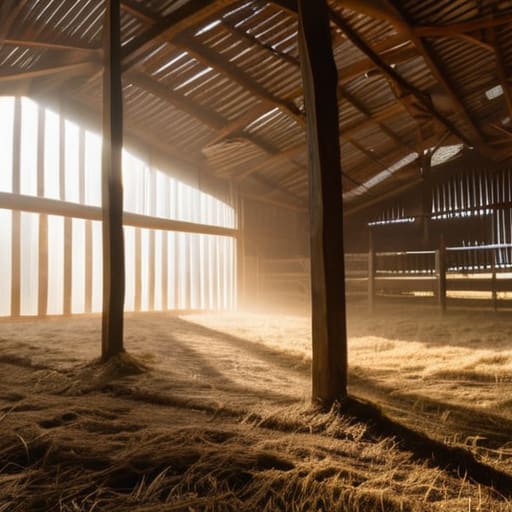
Now, I’m not a vet, but I’ve seen enough lungs turn to stone to know that air isn’t just something you breathe; it’s a delivery system. When you’ve got a crowd of animals packed into a shed, the air isn’t just sitting there—it’s carrying everything from ammonia to the microscopic bits of a virus. If you aren’t moving that air, you’re essentially creating a soup of pathogens. I’ve learned the hard way that indoor air quality and respiratory health are one and the same; you can’t separate them. If the air is stagnant, you’re just helping the next sickness find its way into the next pair of lungs.
It’s not about a fancy fan or some expensive gadget that looks good in a brochure. It’s about the physics of it. You need to understand the impact of airflow on viral load within the space. If you have dead spots in the corners of the shed where the air just sits heavy and damp, that’s where the trouble starts. You’re looking for a steady, purposeful movement that keeps the moisture down and the oxygen moving, rather than just blowing a gale that chills the animals to the bone.
Key Things to Know
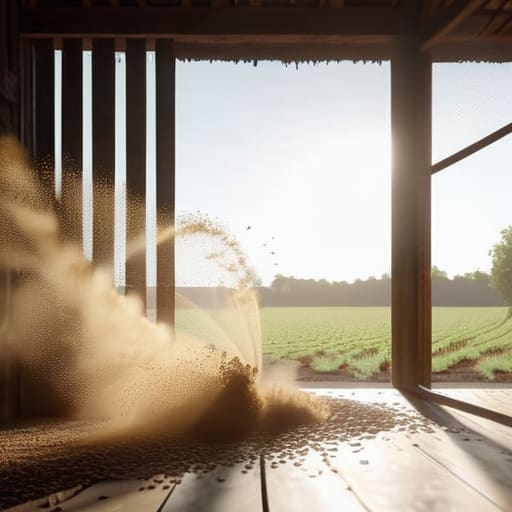
First, you need to stop thinking about air as something that just “is” there and start thinking about it as a moving vehicle. If your shed is sitting stagnant, you aren’t just housing animals; you’re building a concentrated soup of bacteria and dust. When you get the effective air exchange rates right, you aren’t just cooling them down—you are physically flushing the pathogens out before they have a chance to settle in a lung. I’ve seen too many lads think a bit of wind is enough, but if you don’t have a system that actually pulls the old air out and brings the new in, you’re just swirling the same filth around.
Secondly, keep an eye on the moisture. High humidity is a magnet for trouble. It’s not just about comfort; it’s about the impact of airflow on viral load. When the air is heavy and damp, those microscopic droplets from a cough or a sneeze hang in the space like a fog, waiting for the next animal to breathe them in. If you can’t see the air moving, you’re likely inviting a respiratory crisis that will cost you far more in vet bills than a decent fan ever would.
Practical Tips and Steps
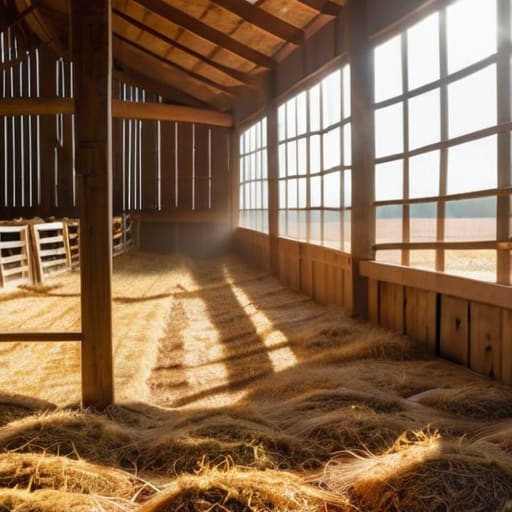
Now, I’m not going to tell you to go out and buy the most expensive automated fan system on the market; half those salesmen wouldn’t know a heifer from a hole in the ground. Instead, start by looking at your bedding and your air. If you walk into a shed and the air feels heavy or smells like a wet rug, you’ve already lost the battle. You need to ensure you have effective air exchange rates that actually move the stale, damp air out without creating a permanent draft that’ll chill the calves to the bone. It’s a fine line, but if that air isn’t moving, you’re just marinating your livestock in their own waste.
Watch the dust, too. If you see a cloud hanging in the light every time a beast moves, you’re looking at a direct route for airborne pathogen mitigation to fail. That dust carries the very thing that turns a healthy herd into a coughing, money-losing mess. Keep the floors dry and the air moving just enough to clear the grit. It isn’t about fancy technology; it’s about making sure the air they breathe isn’t working against them.
Common Mistakes to Avoid
The biggest mistake I see is the “set it and forget it” mentality. A man will install a decent set of fans in November, feel proud of himself, and then leave them on the same setting until May. He doesn’t realize that as the weather turns and the bedding gets damp, the effective air exchange rates he needed in autumn aren’t enough to clear the heavy, moisture-laden air of mid-winter. You aren’t just moving air; you’re trying to manage a living environment. If you don’t adjust for the season, you’re just circulating a soup of ammonia and dust.
Then there’s the tendency to chase expensive, high-tech gadgets while ignoring the basics of the building itself. I’ve seen lads spend a fortune on fancy automated sensors, yet they still have blocked eaves or a shutter that’s been stuck shut since the last lambing. It’s a fool’s errand. If you aren’t monitoring the impact of airflow on viral load by actually looking at where the drafts are—and where they aren’t—you’re just gambling. You might have the best kit in the county, but if the air is stagnant in the corners, you’re still breeding trouble.
Final Thoughts
At the end of the day, you can buy the most expensive feed on the market and breed the finest stock in the county, but if you aren’t managing your air, you’re just throwing money into a drafty hole. I’ve seen enough seasons where a bit of damp, stagnant air turned a healthy herd into a sea of coughing lungs and empty troughs. It isn’t about fancy gadgets; it’s about understanding that effective air exchange rates are just as vital to your bottom line as your grazing rotation.
Don’t let the paperwork or the sheer volume of “expert” advice distract you from the basics. If the air in your shed is heavy, thick, and smells of nothing but ammonia, you’ve already lost the battle. Keeping an eye on indoor air quality and respiratory health isn’t a luxury for the hobby farmer; it’s the difference between a profitable year and a year spent replacing stock that should have lived. Get the airflow right, watch the ground, and keep your eyes on the cash flow. Everything else is just noise.
Five Ways to Keep the Air Moving Without Losing Your Heat
- Stop treating your shed like a sealed box; you need a constant, gentle exchange of air, not a gale-force wind that’ll strip the warmth right off a newborn calf.
- Watch the moisture levels, not just the temperature; if you can see your breath hanging in a thick cloud inside the building, you’re basically brewing a soup of bacteria and respiratory trouble.
- Don’t trust your eyes alone—check the bedding; if it’s staying damp because the air is stagnant, you’re just paying to grow fungus and rot in the very place they’re meant to be dry.
- Position your vents so they aren’t blowing directly onto the animals’ backs; you want the stale air out, but you don’t want to give them a chill that’ll tank their growth rates.
- Clean out the old muck and bedding regularly, because even the best ventilation in the world won’t fix the problem if you’re letting ammonia build up in the floor level where they breathe.
The Bottom Line on Air and Profit
Stop looking at ventilation as a luxury for “animal welfare” and start seeing it as a way to stop your margins from evaporating into damp, stagnant air.
You can buy the finest genetics on the market, but if the air in your shed is thick with ammonia and moisture, you’re just paying a premium to raise animals that will never reach their potential.
Don’t wait for a respiratory outbreak to check your airflow; by the time you see the clinical signs, the cost of the vet bills and the lost weight gain has already been deducted from your bank balance.
The Bottom Line on Breathing Room
At the end of the day, you can buy all the high-spec supplements and pedigree genetics your bank balance allows, but none of it matters if your stock is struggling to draw a clean breath. We’ve looked at how stagnant air turns a shed into a petri dish and why those “practical” fixes often end up costing you more in vet bills than they save in heating. It really comes down to this: ventilation isn’t some luxury or a way to make the yard look tidy; it is the fundamental mechanism that keeps the moisture down and the immunity up. If you aren’t managing the air, you aren’t managing your livestock’s health, and you certainly aren’t managing your margins.
I’ve spent forty years watching men try to outsmart nature with expensive gadgets, only to realize that the simplest things—like a well-placed vent or a bit of common sense regarding airflow—were what actually kept the herd standing. Don’t get distracted by the shiny new kit being peddled at the auctions; focus on the basics that keep your animals dry and their lungs clear. Farming is a hard enough game without fighting preventable respiratory issues that you could have stopped with a bit of fresh air. Watch the wind, watch the damp, and remember that a healthy herd is built on the ground up, one breath at a time.
Frequently Asked Questions
If I'm seeing condensation on the rafters in the morning, is that a sign I need more air, or am I just dealing with a natural bit of dampness from the animals' breath?
If you’re seeing water dripping from the rafters, you aren’t just dealing with “natural dampness”—you’re watching your profit evaporate. That condensation is the literal breath of your livestock turning into a cold, wet weight on your ceiling. It means your air isn’t moving, the humidity is spiking, and you’re setting the stage for pneumonia. It’s a clear sign your ventilation is failing. Get the air moving before that dampness turns into a sick herd.
How do I know if I've gone too far and am just letting the heat out of the shed and wasting money on heating costs?
Look, there’s a fine line between fresh air and throwing money straight up the chimney. If you’re seeing frost on the inside of the eaves while the cattle are still huddling in one corner, you’ve overdone it. You want movement, not a gale. If the bedding is bone dry and the animals aren’t breathing heavy, you’re likely fine. But if you’re paying a heating bill just to watch steam rise, you’re just subsidizing the wind.
When the wind is howling outside, is it actually possible to get a decent airflow through the building without creating a draft that'll chill the calves to the bone?
It’s the oldest balancing act in the shed, isn’t it? You want the air moving so they aren’t breathing their own damp, but you don’t want a gale hitting a calf that hasn’t even found its feet yet. The trick isn’t more wind; it’s better direction. Use your ridge vents or high-level openings to pull the stale air up and out. If you’re relying on a direct blast at floor level to clear the muck, you’ve already lost the battle.
