
I’ve spent forty years watching salesmen in shiny boots try to convince me that the secret to a healthy herd is a new, high-tech vaccination schedule or some fancy nutritional supplement that costs more than the calf is worth. They make it sound like a science experiment, but if you ask me how to prevent common diseases, the answer usually has less to do with a syringe and more to do with the state of your fences and the muck in your sheds. I remember a spring back in ’98, after a week of relentless rain, when I lost three prime heifers not to a rare virus, but to a simple lack of dry ground and basic hygiene. You can buy all the medicine in the country, but if you aren’t managing your environment and your margins, you’re just subsidising the vet.
I’m not here to sell you a subscription to a glossy magazine or a piece of kit that’ll be rusting in the corner of the shed by Christmas. What I’m going to give you is the truth about what actually keeps a beast standing on its own four feet. We’re going to talk about the real costs of neglect, focusing on the practical, unglamorous habits that protect your cash flow as much as your livestock.
Table of Contents
Understanding How to Prevent Common Diseases

Now, most of the lads I talk to think prevention starts with a bottle of antibiotics or a fancy vaccine schedule, but that’s looking at the tail end of the problem. If you want to get serious about infectious disease control measures, you have to look at the environment first. You can buy the best medicine in the county, but if your pens are a slurry-filled mess or your water troughs are coated in slime, you’re just subsidizing the bacteria. It’s about the basics that people find too boring to bother with—keeping the muck out and the air moving.
I’ve seen more money lost to poor hygiene than to any specific virus. It sounds simple, almost insulting, but basic handwashing and sanitation practices when moving between sheds or handling different groups can be the difference between a profitable season and a total write-off. It isn’t about being “clean” for the sake of it; it’s about pathogen transmission reduction. If you aren’t managing the way things move through your farm, you aren’t managing your risk—you’re just waiting for the bill to arrive.
Key Things to Know

If you want to talk about real-world defense, you have to stop looking at the medicine cabinet and start looking at the yard. Most folks think prevention is just a matter of having the right antibiotics on hand when things go south, but that’s a losing game. True infectious disease control measures start with the basics: keeping the muck out of the clean water and making sure your boots aren’t carrying a load of nasties from the sale yard straight into your calving pens. It’s about the small, boring things—like consistent handwashing and sanitation practices—that keep a single bad animal from turning your entire herd into a write-off.
You also need to stop thinking about health as something you “fix” and start seeing it as something you build. You can’t just chase a fever; you have to look at the ground they’re standing on and what they’re putting in their bellies. I’ve learned the hard way that immune system strengthening tips aren’t found in a glossy brochure; they’re found in mineral balances and consistent forage quality. If the nutrition is rubbish, no amount of expensive preventative healthcare measures will stop a weak animal from folding when the weather turns.
Practical Tips and Steps
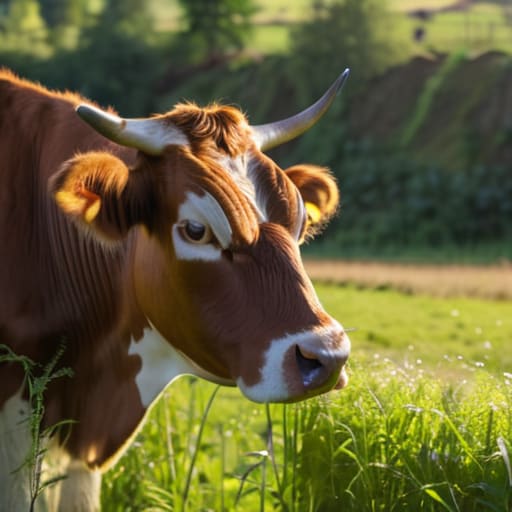
First off, stop looking for a magic pill in a bottle. You can buy the most expensive vaccines on the market, but if your ground is a bog and your nutrition is rubbish, you’re just subsidizing the vet. Real infectious disease control measures start with the basics: clean water and a diet that actually supports the animal. I’ve seen more cattle go downhill because of poor mineral balance than because of a lack of high-end medicine. If the nutrition isn’t right, you aren’t building a defense; you’re just watching them slowly lose the fight.
Secondly, you need to respect the movement of people and gear. It sounds simple, but pathogen transmission reduction usually fails because someone got lazy with the boots or the tractor. I don’t care how busy you are during calving; if you aren’t being disciplined about where you walk and what you bring onto the farm, you’re inviting trouble. It isn’t about fancy protocols; it’s about not being the reason a clean herd turns sour. Keep your gates shut, your tools clean, and your eyes on the animals, not the brochure.
Common Mistakes to Avoid
The biggest mistake I see is people treating disease like a sudden lightning strike rather than a slow leak in the roof. They wait for the vet to arrive with a needle and a heavy invoice, forgetting that most issues start with poor management months earlier. I’ve seen lads spend a fortune on the latest vaccines but neglect basic infectious disease control measures like managing how they move stock between fields. If you’re dragging a sick animal through a clean pen, you aren’t preventing anything; you’re just paying to spread it.
Another trap is thinking you can outrun a bad diet with medicine. You can buy all the supplements in the county, but if the grass is poor and the mineral levels are bottoming out, you’re just masking the symptoms. Real preventative healthcare measures start with the soil and the gut, not the medicine cabinet. People get obsessed with the flashy stuff, but if you aren’t looking at the fundamentals of nutrition and hygiene, you’re essentially just throwing cash into a hole and hoping the cows don’t notice.
Final Thoughts
At the end of the day, you can buy the most expensive vaccines on the market and still find yourself staring at a mortalities report that makes your stomach turn. It’s because people treat health like a checkbox rather than a constant battle against the environment. I’ve learned the hard way that preventative healthcare measures aren’t just about what you inject into an animal; they are about the ground they stand on and the way you move between pens. If you aren’t looking at the damp in the shed or the way your boots are tracking muck from one field to the next, you’re just playing a losing game.
Don’t get distracted by the shiny brochures. Real pathogen transmission reduction comes down to the boring stuff—the stuff that doesn’t make for a good photo on Instagram. It’s about keeping your fences tight, your water clean, and making sure your biosecurity isn’t just a suggestion you ignore when you’re in a hurry. If you want to protect your margin, stop looking for a silver bullet and start looking at your daily habits. A healthy herd starts with a farmer who actually pays attention to the small things before they become expensive problems.
Five ways to keep the sickness out of the shed without breaking the bank
- Watch the ground before you watch the animal. If your cattle are standing in a boggy corner of a field for three weeks because the drainage is rubbish, you aren’t looking for a virus; you’re looking for a foot rot outbreak. Wet feet invite every infection under the sun, and no amount of expensive vaccine will fix a poorly drained paddock.
- Stop treating every sneeze like a crisis and start looking at the nutrition. Most “mysterious” dips in health come down to a cow that isn’t getting the right mineral balance for the season. If the grass is growing too fast or too slow, her system will flag, and that’s when the bugs move in. It’s cheaper to keep them fed properly than to pay a vet to chase a shadow.
- Quarantine isn’t a suggestion; it’s a wall. I’ve seen too many lads bring a fresh batch of weaners straight into the main herd because they “looked fine” at the mart. They might look fine, but they’re carrying something you can’t see. Keep the new stock in a separate field with its own water source for at least three weeks. It’s a pain in the neck, but it beats a whole herd going down.
- Clean your kit, but don’t go overboard with the fancy chemicals. You don’t need a laboratory-grade disinfectant for every single gate, but you do need to make sure you aren’t moving from a sick animal straight to a healthy one with the same dirty boots or the same unwashed handling equipment. It’s common sense, not high science.
- Get your eyes on the stock every single day, not just when you’re doing the big counts. Disease doesn’t wait for your scheduled inspection. A cow that’s slightly slower to get up or a lamb that’s hanging back a bit tells a story long before the clinical symptoms show up. Catching it when it’s just a “look” saves you the cost of a mass cull later.
The Bottom Line on Keeping Your Stock Healthy
Stop treating disease prevention like a checkbox for a subsidy application; it’s actually about protecting your cash flow from the sudden, expensive drain of a vet bill and the quiet loss of a calf that didn’t make it.
Watch the ground and the weather as closely as you watch the animals, because most “disease” problems are really just poor management of damp feet and bad nutrition caused by ignoring the landscape.
Don’t get distracted by the shiny new tech or the latest marketing promises; the best biosecurity is usually just good, old-fashioned observation and keeping your kit clean and your boundaries tight.
The Bottom Line
At the end of the day, preventing disease isn’t about memorizing a textbook or buying every fancy supplement the salesman shoves in your face. It’s about the basics: keeping your feet on the ground, your fences tight, and your eyes on the animals every single morning. If you’ve got the grass managed, the biosecurity sorted, and you aren’t ignoring the small signs of a limp or a dull coat, you’ve already won half the battle. Don’t get distracted by the flashy new tech that promises miracles; focus on the fundamentals of husbandry and keep a sharp eye on your cash flow, because a sick animal is a drain on your bank account long before it ever becomes a problem for the vet.
Farming is a hard, unforgiving business, and nature will always try to find a crack in your armor. You’ll have seasons where you do everything right and still get hit, but that’s why we keep the records and we learn from the mistakes. Don’t let the fear of a bad outbreak paralyze you, but don’t let complacency be your undoing either. Build a system that works for your specific ground and your specific herd, and trust your instincts more than a glossy brochure. If you take care of the small things today, the big things won’t have the chance to break you tomorrow.
Frequently Asked Questions
If I'm already keeping up with the standard vaccination schedule, am I actually protecting my margins, or am I just paying for peace of mind that doesn't show up in the bank account?
If you’re just ticking boxes because the vet’s schedule says so, you’re likely buying peace of mind, not profit. A vaccine won’t fix a cow that’s lost condition because your grazing management is rubbish or your mineral block is empty. You protect your margins by matching those shots to your specific risks—not just the calendar. If the vaccination doesn’t stop a clinical hit that costs you a calf or a week of milk, it’s just an expensive receipt.
At what point does the cost of a vet visit for a "suspected" case outweigh the risk of just watching the animal and seeing if it clears itself?
It depends entirely on what’s at stake. If it’s a cull heifer with a minor respiratory bout, you might watch her for twenty-four hours. But if you’re looking at a prize dam or a calf in a group, you don’t gamble. You don’t call the vet for a “maybe”; you call when the symptoms suggest a loss of production or a spread risk. If the cost of the vet is less than the value of the animal’s recovery, you pick up the phone.
When the ground is nothing but a bog and the weather won't break, how much of my disease prevention strategy is actually realistic versus just wishful thinking?
When the ground turns to soup, your “strategy” goes out the window and your reality starts. You can talk about biosecurity protocols all you like, but if the cattle are standing knee-deep in muck, they’re going to get foot rot or scald regardless of what your paperwork says. In a wet year, disease prevention isn’t about fancy vaccines; it’s about whether you can get them off that ground before the damage is done.
