
I remember sitting in the kitchen in the spring of ’98, staring at a stack of invoices and a broken tractor part, listening to the rain hammer against the slate roof. It wasn’t a sudden explosion that broke me; it was the slow, quiet way how farm stress builds when you’re trying to balance a failing margin against a rising cost of feed. People like to talk about stress as if it’s some sudden mental health crisis you can solve with a weekend away or a new app on your phone. They’re wrong. It’s a slow leak, much like a puncture in a tire that you ignore until you’re riding on the rim and ruining the wheel.
I’m not here to sell you a seminar or a way to “reframe your mindset.” I’ve spent forty years making expensive mistakes, and I know that most advice is just fluff written by people who have never had to decide between a new heifer and a new set of tyres. In this piece, I’m going to lay out the actual mechanics of the pressure, from the first bad calving season to the moment the bank starts calling. I’ll tell you how to spot the signs before they cost you your livelihood, and more importantly, how to keep your eyes on the grass and the cash flow instead of drowning in the noise.
Table of Contents
Understanding How Farm Stress Builds
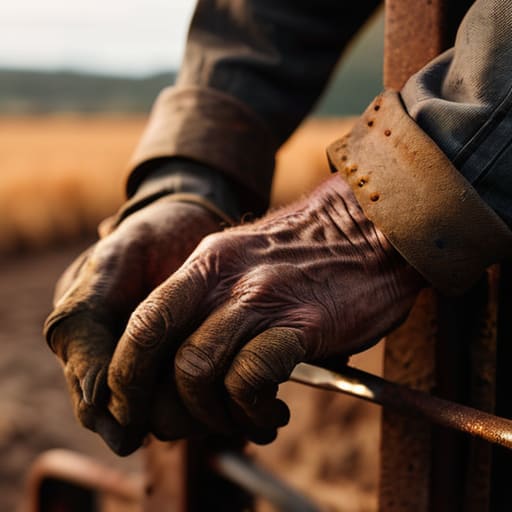
It doesn’t happen all at once, like a sudden frost killing the spring growth. It’s more like a slow leak in a hydraulic line; you don’t notice the pressure dropping until the machine simply won’t lift. For me, it starts with the small, nagging things—a calf that won’t thrive, a broken gate, or a sudden dip in the milk cheque. You tell yourself you’ll sort it tomorrow, but tomorrow is just another day of chasing your tail. Before you know it, those seasonal workload fluctuations have pushed you from being busy to being completely buried.
The real danger is when the external pressures start to bleed into your sleep. You might think you’re just “working hard,” but when you start losing interest in the ewes you’ve spent thirty years perfecting, you’re seeing the first real signs of farmer burnout. It’s the cumulative weight of trying to manage a fluctuating market while the weather refuses to play by the rules. You can have the best breeding line in the district, but if you’re constantly looking over your shoulder at the debt or the rain, you aren’t farming anymore—you’re just surviving.
Key Things to Know

If you’re looking for a checklist of symptoms, you won’t find much use in it. In my experience, the real trouble isn’t a sudden breakdown; it’s the slow erosion of your ability to care about the details. You start ignoring the slight limp in a heifer or the way the feed is being wasted, simply because you’re too tired to face the cost of fixing it. Those signs of farmer burnout don’t usually arrive with a bang; they arrive as a quiet, heavy indifference to the very things that used to drive you.
It’s also worth remembering that this isn’t just about your temperament—it’s about the math. You can be the most resilient man in the parish, but managing agricultural debt stress while trying to navigate the impact of climate volatility on farming is a different beast entirely. When the weather turns and the margins vanish, the weight on your shoulders isn’t just mental; it’s a physical pressure that makes every decision feel like a gamble. You aren’t just fighting the elements; you’re fighting a ledger that refuses to balance.
Practical Tips and Steps

If you’re looking for a way to fix the problem, don’t go looking for a self-help book; go looking at your calendar and your ledger. The first thing I learned is that you cannot manage what you don’t track. Most of the time, the pressure isn’t one big explosion; it’s the seasonal workload fluctuations that grind you down. You’re flat out during lambing, then you’re staring at a mounting pile of paperwork in the quiet months, and that’s when the mind starts to wander to the wrong places. Start by mapping out your year—not just the work, but the periods where you’re most likely to snap. If you know the calving season is going to be a nightmare, plan your mental exit strategy before the first cow is even due.
Secondly, stop treating your finances like a dark secret. I’ve seen too many men sit in a quiet kitchen, staring at a bank statement, thinking they’re the only ones drowning. Managing agricultural debt stress isn’t about having the most money; it’s about having a clear, honest view of the numbers so they don’t surprise you at 3:00 AM. If the margins are thin, talk to the bank or your advisor before the interest rates bite. It’s about keeping the cash flow steady so your head stays steady too.
Common Mistakes to Avoid
The first mistake I see is the attempt to outrun the calendar. People think they can push through the seasonal workload fluctuations by sheer force of will, but you can’t negotiate with a lambing season or a hay cut. I’ve seen men try to work twenty-hour days for three weeks straight, thinking they’re being productive, when really they’re just becoming a liability. When you stop sleeping and start making sloppy mistakes with the machinery or the dosing, you aren’t being a hero; you’re just courting a disaster that’ll cost more than the work you’re saving.
The second trap is treating the bank balance like a personal failing. I’ve spent many a night staring at a ledger, convinced that managing agricultural debt stress was a matter of character rather than math. If you treat a bad year of prices like a moral deficiency, you’ll burn out before the next season even starts. Don’t mistake a dip in the market for a lack of skill. If you keep your head down and focus on the grass and the feet, the numbers will eventually follow, but they won’t fix a man who’s already broken.
Final Thoughts
At the end of the day, you can’t fix a broken engine by ignoring the warning lights on the dashboard, and your own head isn’t much different. We spend our lives watching the weather, the markets, and the condition of our stock, but we’re often the last ones to check our own gauges. Whether it’s the weight of managing agricultural debt stress or just the sheer exhaustion of the calving season, ignoring the cracks doesn’t make them go away; it just ensures they’ll break when you can least afford it.
I’ve seen too many good men and women run themselves into the ground because they thought “toughing it out” was part of the job description. It isn’t. It’s just bad management. If you start noticing the signs of farmer burnout—the irritability, the sleeplessness, the feeling that the math will never add up—don’t treat it as a personal failing. Treat it like a disease in the herd: identify it, address it, and get it sorted before it costs you the farm. There’s no profit in being the most hardworking person in the graveyard.
Five Ways the Pressure Starts to Creep In
- Don’t mistake a busy season for a sustainable one. There’s a difference between the frantic pace of lambing and the slow, grinding exhaustion that comes from trying to outrun a deficit every single month. If you’re running on adrenaline just to keep the bank manager at bay, you aren’t managing a farm; you’re managing a crisis.
- Watch the small, quiet leaks. It isn’t always the big machinery breakdown that breaks a man; it’s the cumulative weight of the small things—the rising cost of feed, the broken fence line you haven’t had time to fix, and the subtle drop in weaning weights. Those little losses pile up in the back of your mind until you’re waking up at 3:00 AM staring at the ceiling.
- Stop treating “looking after the stock” and “looking after yourself” as two different jobs. If you’re skipping meals and losing sleep to ensure every cow is fed, you’ll eventually be too broken to notice when the whole system starts to fail. A farmer who can’t think straight makes mistakes that cost more than any vet bill.
- Beware the “Comparison Trap” at the mart. It’s easy to see a neighbor with a shiny new tractor or a herd that looks perfect on paper and feel like you’re failing. But you don’t know their debt-to-asset ratio or the state of their soil. Comparing your internal ledger to their external show is a fast track to unnecessary misery.
- Recognize when the “sunk cost” is actually a hole in the ground. Some of us have a habit of pouring more time, more money, and more sweat into a failing system or a bad line of ewes just because we’ve already spent years on them. Knowing when to cut your losses isn’t admitting defeat; it’s protecting your cash flow and your sanity.
The Bottom Line on Staying Level
Don’t mistake a busy calendar for a profitable one; if you’re running yourself ragged on tasks that don’t improve your grass or your margins, you’re just burning daylight and mental capital.
Watch your feet and your finances as closely as you watch your stock; a limping cow or a sudden dip in the bank balance will trigger a spiral of stress long before a major disease ever shows its face.
Stop trying to solve every problem with a new piece of kit or a fancy new management system; most of the time, the solution is simpler, cheaper, and involves looking at your actual numbers instead of what the salesman says they should be.
The Long View
At the end of the day, stress isn’t some sudden storm that blows in from the hills; it’s the slow, steady accumulation of bad weather, rising input costs, and the quiet weight of decisions that don’t have an easy answer. We’ve talked about the importance of watching the cash flow as closely as the weather, the necessity of keeping an eye on the feet of your stock to prevent those small, expensive setbacks, and the danger of letting the paperwork pile up until it feels like a mountain. If you try to tackle every problem at once, you’ll find yourself running on empty before the first frost even hits. You have to manage your mental margins just as strictly as you manage your grazing rotations.
I’ve spent forty years watching seasons turn, and I can tell you that no single bad year or broken piece of kit defines a lifetime in this business. There will be times when the ground is too wet to move and the bank is breathing down your neck, but you aren’t a machine, and you can’t run a farm on grit alone. Take the time to step back from the gate every once in a while and remember why you started this in the first place. Farming is a hard, honest way to live, but if you look after the man as well as the herd, you’ll find the strength to see the next spring through.
Frequently Asked Questions
If I'm already working sixteen-hour days just to keep the head above water, how am I supposed to find the time to actually implement these "practical steps" without the farm falling apart?
You’re right to call me on that. If you’re running on fumes, “management strategies” sound like more bloody work you don’t have time for. But here’s the truth: you don’t implement these things all at once. You don’t fix the whole farm in a weekend. You pick one thing—one broken gate, one bad heifer, or one hour of paperwork—and you do just that. If you don’t find a way to stop the bleeding, the sixteen-hour days won’t matter.
At what point does the stress stop being just "part of the job" and start becoming a genuine threat to the actual survival of the business?
It stops being “part of the job” the moment your head isn’t in the gate anymore. If you’re staring at a broken fence or a sick calf and your first thought isn’t how to fix it, but rather how much it’s going to cost you to care, you’re in trouble. When the stress starts making you skip the evening check or ignore the numbers in the ledger, the business is already dying.
How do I talk to my family or my daughter about the mental toll this is taking without making them feel like I'm failing at running the farm?
You don’t talk about “mental health”—that sounds like something from a brochure. You talk about the pressure. Tell her, “The margins are thinner than I’d like, and the weight of the decisions is sitting heavy.” You aren’t failing the farm; you’re managing the most unpredictable element on it: yourself. If you treat it like a broken piece of machinery that needs maintenance rather than a personal defeat, she’ll understand.
