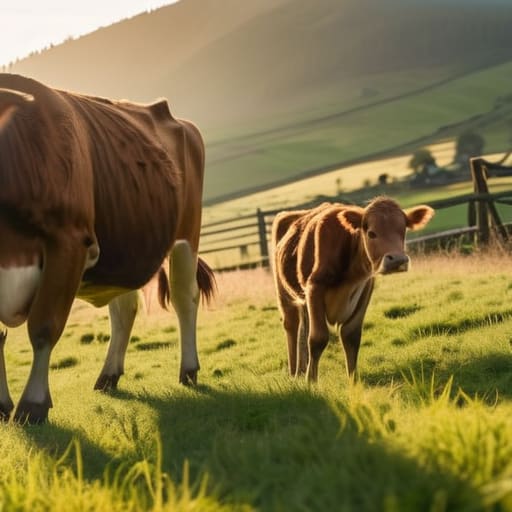
If you pick up a glossy magazine or browse a consultant’s website, you’ll find a “complete guide to suckler herds” that promises a revolution in genetics or some high-tech gadget that’ll track every cow’s movement via satellite. It’s all a load of rubbish designed to separate a man from his hard-earned money. I’ve spent forty years watching people chase the latest shiny thing, only to find themselves staring at a bank balance that won’t budge because they forgot to look at the actual ground under their boots. You don’t need a degree in data science to run a herd; you need to know why your heifer is losing condition when the grass should be coming on.
I’m not here to sell you a dream or a subscription to a fancy management app. What I’m offering is the truth, stripped of the marketing fluff and built on the mistakes I’ve already paid for. We’re going to talk about the real drivers of profit: the quality of your forage, the health of your cattle’s feet, and the brutal reality of your cash flow. If you want to know what a suckler cow actually costs you to keep for a year, pull up a chair.
Table of Contents
Understanding Complete Guide to Suckler Herds
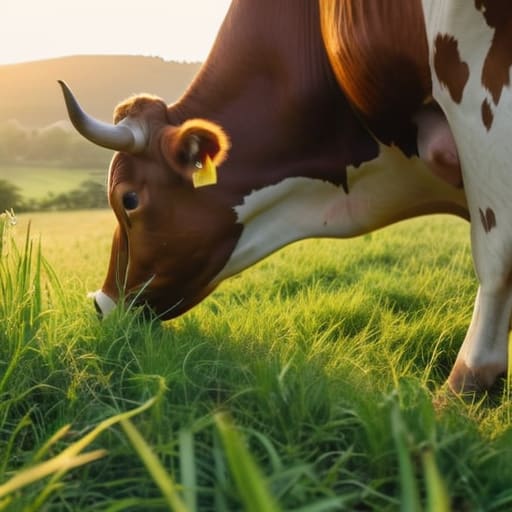
If you want to get this right, you have to stop looking at your herd as a collection of animals and start seeing them as a series of moving financial equations. A lot of the lads I know get caught up in the pedigree or the fancy new bull they’ve brought in, but they forget that a cow is essentially a machine designed to turn grass into a calf. If that machine isn’t efficient, you aren’t farming; you’re just subsidising the livestock industry. To find real suckler cow profitability, you have to look at the gap between what it costs to keep that animal through a winter and what that calf actually fetches at the mart.
It isn’t just about the sale day, either. It’s the long game. You need to be looking at pasture management for suckler herds long before the first spring flush arrives, because if you’ve misjudged your ground in the autumn, you’ll be paying for it in expensive concentrates come February. I’ve seen too many people focus on the wrong things—buying the latest gadget or chasing a specific colour—while their actual breeding soundness in beef cows is slipping because they haven’t even looked at the mineral status of their soil. It’s the basics that pay the bills.
Key Things to Know
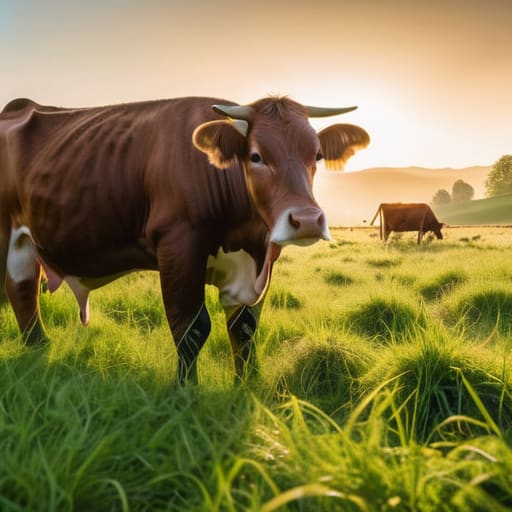
If you want to look past the glossy brochures and actually understand what makes a herd work, you have to stop looking at the animals in isolation and start looking at the system. Most people start with the breed, thinking a certain ear shape or colour will fix their margins. It won’t. Real success is built on pasture management for suckler herds and how well you can turn that grass into weight without spending your entire profit on expensive concentrate. If the ground isn’t right, the cow won’t be right, and no amount of fancy supplementation will fix a lack of forage.
You also need to get honest about your calving window. I’ve seen too many young lads try to spread their calving out to please the bank, only to find themselves drowning in work and losing control of their nutritional plane. Tight calving season management is the difference between a cow that thrives and one that’s just surviving. If you aren’t synchronising your efforts with the grass, you aren’t farming; you’re just managing a slow-motion decline. Keep your eyes on the belly, the feet, and the bank balance.
Practical Tips and Steps
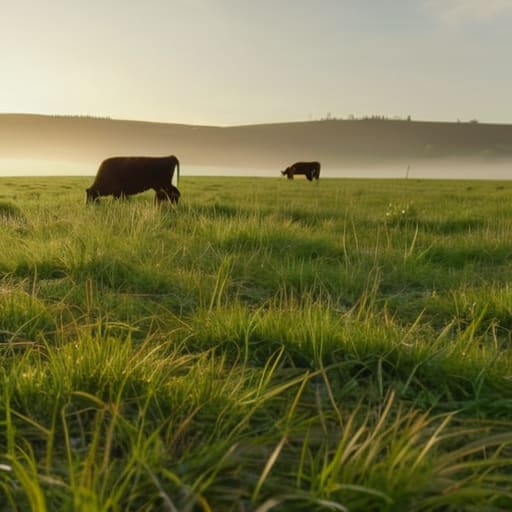
First, let’s talk about the grass. You can buy all the fancy supplements in the world, but if your pasture management for suckler herds is a shambles, you’re essentially just subsidising the local feed merchant. I’ve seen too many lads try to out-supplement poor ground, thinking they can force a calf to grow on a diet of nothing but grit and hope. You need to know your soil and your sward before you even look at a mineral lick. If the ground is poached and the nutrition is lagging, your margins will vanish before the first calf is even weaned.
Then there is the business of the animals themselves. During your calving season management, don’t get distracted by the shiny new tech; watch the cows. A cow that’s struggling to get up or looking hollow is a drain on the bank account, plain and simple. It’s not about having the most cows; it’s about having the right cows that actually turn grass into profit. If a beast isn’t performing, it’s time to let it go. I’d rather run a smaller, tighter herd than a large one that’s just eating my profit.
Common Mistakes to Avoid
The biggest mistake I see—and I’ve certainly fallen into it myself—is treating the cow like a static asset rather than a living, breathing engine that runs on grass. People get obsessed with pedigree papers and fancy genetics, but they forget that suckler cow profitability is won or lost on the field, not in a catalog. If your pasture management for suckler herds is an afterthought, you aren’t farming; you’re just subsidizing the local feed merchant. I’ve seen men spend a fortune on high-spec breeding bulls only to watch their margins vanish because they couldn’t grow enough decent grass to support the calves through the summer.
The second trap is neglecting the “quiet” killers, like poor calving season management. It’s easy to get caught up in the chaos of the spring rush and overlook the small things—the slightly off gait in a heifer or a dip in body condition. By the time you notice a problem with your weaning practices for beef cattle, the money has already walked out the gate. You can’t fix a bad season once the calves are already heading for market; you have to watch the feet and the forage every single day.
Final Thoughts
At the end of the day, there is no magic pill or fancy new piece of software that will fix a broken system. You can read every manual on the market, but if you aren’t looking at your soil and your bank balance with equal scrutiny, you’re just spinning your wheels. Real suckler cow profitability isn’t found in a high-gloss brochure; it’s found in the quiet margins of a well-managed field and the health of a calf that didn’t struggle to stand.
I’ve spent forty years watching people chase the wrong metrics. They obsess over pedigree papers while ignoring the fact that their pasture management for suckler herds is leaving money in the weeds. If you focus on the fundamentals—the grass, the feet, and the cash flow—the rest of the noise tends to settle. Don’t go out and buy the most expensive tractor in the catalogue just because the neighbour did; instead, invest in the things that actually keep your animals healthy and your costs down. Keep your eyes on the ground, your records straight, and remember that the best advice is usually the simplest one.
Five Things That Will Actually Keep You in the Black
- Stop looking at the sale price and start looking at the cost per calf. A calf that fetches a premium but cost you two years of extra forage and a vet bill for a respiratory bout isn’t a profit; it’s a hobby. You need to know exactly what every head of cattle is eating and what it’s costing you to keep it standing in the field.
- Watch the ground before you watch the herd. I’ve seen men buy the best genetics in the country only to watch them go to ruin because they pushed too many mouths onto ground that couldn’t take the weight. If the rainfall has been heavy and the soil is poaching, you don’t add more cattle; you find a way to get them off the wet stuff.
- Lameness is a silent thief. People worry about the big diseases that make the news, but a cow that’s walking gingerly is a cow that isn’t eating, isn’t breeding, and is costing you money every single hour. Keep your tracks clean and your footing firm, or you’ll be paying for it in the calving shed.
- If you can’t explain the benefit of a piece of kit in terms of hours saved or feed efficiency gained, don’t buy it. I’ve got more than a few expensive bits of machinery sitting in the corner of the shed gathering dust because they looked good in a brochure but didn’t fit the reality of my daily routine.
- Record everything, even the bits that hurt. I’ve kept records on my ewes since ’89, and those books tell me more than any fancy software ever could. You need to know which cows are “easy” and which ones are just expensive mouths that happen to produce a decent-looking calf once every three years.
The Bottom Line
Forget the shiny brochures; if you aren’t tracking your grass growth against your feed costs, you aren’t farming, you’re just subsidising the supermarket.
A lame cow is a hole in your pocket that never quite fills up—watch the feet more closely than the pedigree papers if you want to stay in the black.
Don’t buy a piece of kit just because the neighbour has one; if it doesn’t directly improve your margins or save you time on the actual work, it’s just expensive clutter for the shed.
The Bottom Line
At the end of the day, you can read all the glossy brochures you like, but they won’t help you when the weather turns or the market dips. A successful suckler operation isn’t built on fancy genetics or the latest gadgetry that ends up gathering dust in the corner of the shed; it is built on the fundamentals. If you keep your eye on the grass growth, stay ahead of the lameness before it hits your margins, and treat your cash flow with more respect than your bank manager does, you’ll stay in the game. It isn’t about being the biggest or having the most expensive herd; it’s about knowing exactly what every head of cattle is costing you to keep from calving to weaning.
Farming this kind of life is a long game, and it’s one that demands a thick skin and a very sharp pencil. There will be years when the rain doesn’t fall and the prices don’t rise, but those are the years that separate the professionals from the hobbyists. Don’t be afraid to make mistakes—I’ve certainly made enough to fill a library—but make sure you’re paying attention when they happen. If you focus on the ground beneath your feet and the numbers in your ledger, you aren’t just surviving; you’re building something that can actually last for the next generation.
Frequently Asked Questions
How much of a buffer should I actually be keeping in the bank to cover a bad year when the grass fails and the beef prices tank at the same time?
If you’re looking for a tidy percentage, you’re asking the wrong question. You need to look at your input costs for a full year—feed, vet, diesel, and those inevitable repairs—and then double it. When the grass fails, you’ll be buying in hay or silage at peak prices, and when the market tanks, you can’t afford to sell in a panic. I aim for enough to keep the gates open for twelve months of absolute misery.
If I'm looking to upgrade my breeding stock, how do I tell the difference between a cow that's actually worth the investment and one that just looks good in a sales catalogue?
Catalogues are designed to sell, not to farm. They’ll show you a beast with a frame like a cathedral, but they won’t tell you if she’s got a temperament that’ll make your life hell or if she’s prone to losing a calf every third season. I don’t care how deep her ribs look; if she can’t walk a mile on wet ground without looking for a way out, she’s just an expensive ornament. Look for the mothering instinct and the feet. If the feet aren’t right, the rest is just wasted money.
At what point does the cost of treating a chronic lameness issue outweigh the profit from the calf that animal produces?
You stop the moment the vet’s bill and the lost days of grazing exceed the calf’s market value. But it’s more than that. If a cow is limping, she isn’t walking to the best grass, she’s not breeding well, and she’s eating your margin just to stay upright. Once you’re chasing a chronic limp with more than two treatments, you aren’t farming that animal anymore; you’re just subsidising her existence. Cull her.
