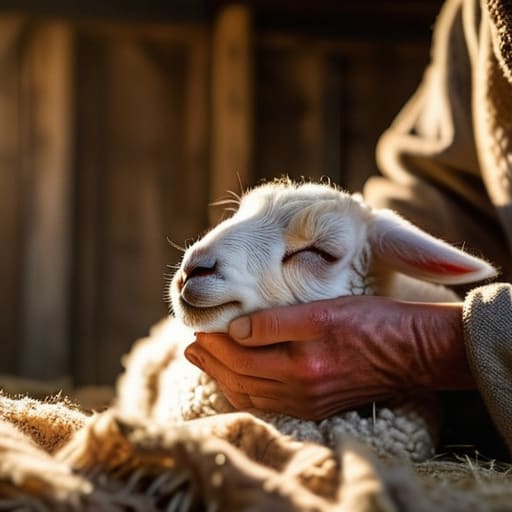
I remember standing in a sodden field back in ’94, watching a lad try to fix a shivering lamb by wrapping it in a high-tech, foil-lined thermal blanket he’d bought from a glossy catalogue. He was treating it like a lost hiker on Everest, but the lamb wasn’t just cold; it was dying because he hadn’t even checked if the ewe had enough milk or if the ground was a literal sponge. People will try to sell you expensive gadgets and complicated protocols for how to manage hypothermic lambs, but most of that gear is just expensive clutter that’ll sit in the shed come July. In this business, you don’t need a science degree to see that a lamb losing heat is a direct leak in your bank account, and no amount of fancy foil is going to plug that hole if you don’t understand the basics of heat and energy.
I’m not here to give you a lecture from a textbook or sell you a subscription to a management system. I’m going to tell you what actually works when the temperature drops and the rain won’t quit, focusing on the three things that matter: dryness, warmth, and fuel. I’ve lost enough lambs to my own stupidity to know that if you don’t get the fundamentals right, you’re just managing a loss rather than raising a flock.
Table of Contents
Understanding How to Manage Hypothermic Lambs
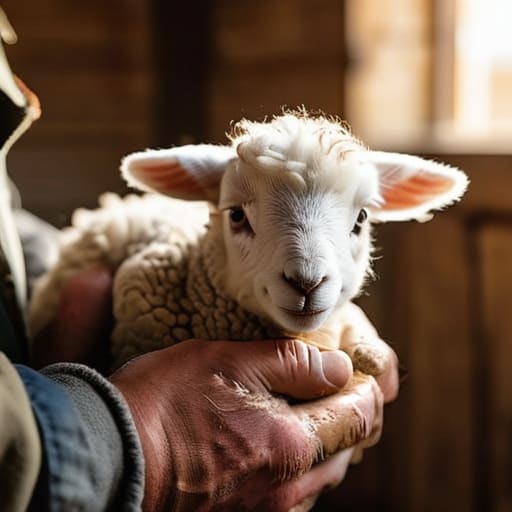
You can’t fix a cold lamb if you don’t understand why it’s cold in the first place. It’s rarely just the wind; it’s usually a failure in the basics. If a lamb hasn’t had its first proper feed, it has no fuel to create heat. You can wrap it in a fleece all day, but without that energy, you’re just packaging a corpse. This is where colostrum management for weak lambs becomes the difference between a sale at market and a funeral in the field. A lamb without that liquid gold is essentially a battery that can’t hold a charge.
Once you’ve spotted a shivering, lethargic creature, you have to move fast but without the panic. I’ve seen folk try to blast them with heat lamps like they’re trying to dry a wet rug, but that’s a mistake. You want steady, gradual rewarming techniques for livestock—think dry bedding, a bit of shelter, and perhaps a gentle warmth from a person or a specialized mat. If they are truly flagging, you might need to look at lamb hypoglycemia treatment by getting some glucose into them, but you have to be certain they can actually swallow first, or you’ll just be drowning them.
Key Things to Know
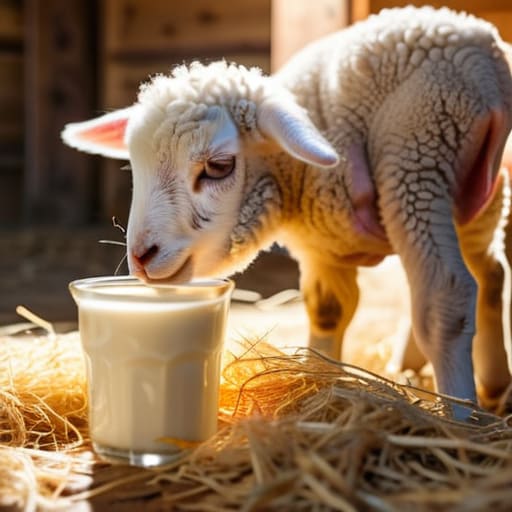
First, you need to understand that a cold lamb is almost always a hungry lamb. If they haven’t had a decent run of colostrum, they haven’t got the fuel to keep their internal furnace burning. You can wrap them in blankets until you’re blue in the face, but if you aren’t addressing colostrum management for weak lambs, you’re just delaying the inevitable. Without that energy, their blood sugar drops through the floor, and you’ll find yourself fighting a losing battle against hypoglycemia.
Second, don’t go trying to cook them. I’ve seen lads try to use hot water bottles or heat lamps like they’re warming up a Sunday roast, and all they do is cause skin damage or trigger a shock response. Proper rewarming techniques for livestock are about a steady, gradual climb, not a sudden spike. You want them warm, yes, but you want them stable. If you’re constantly checking their temperature and finding it hasn’t budged, you aren’t losing a lamb to the weather; you’re losing them to poor management of the basics.
Practical Tips and Steps
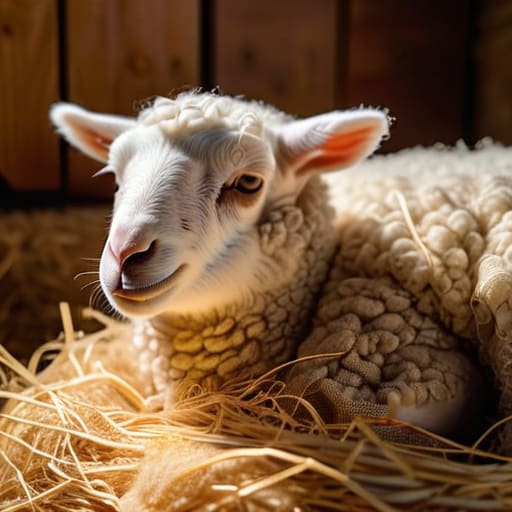
First thing you do is stop looking at the thermometer and start looking at the lamb. If it’s lethargic and won’t lift its head, you’ve got a crisis, not a lecture. Get them out of the wind and into a draft-free pen immediately. I don’t care how much you spent on fancy bedding; if it’s damp, it’s useless. You need to use gradual rewarming techniques for livestock, like placing them near a heat lamp or even just tucked against a warm ewe, but don’t go shoving them against a direct radiator. If you cook them too fast, you’ll do more damage than the cold ever did.
Once they’re starting to stir, you have to address the energy deficit. A cold lamb is a hungry lamb, but they won’t take a bottle if they’re too far gone. This is where lamb hypoglycemia treatment becomes your priority; a little bit of warm, sugary water or a glucose gel can sometimes provide the spark needed to get their system moving again. Only once they are showing some signs of life and can swallow properly should you worry about heavy colostrum management for weak lambs. If you try to force-feed a lamb that can’t even hold its head up, you’re just inviting aspiration pneumonia, and that’s a fast way to turn a small problem into a massive loss.
Common Mistakes to Avoid
The biggest mistake I see—and I’ve certainly made it myself when I was younger and more tired—is trying to rush the process with extreme heat. You’ll see some lad try to shove a freezing lamb straight against a radiator or under a high-wattage heat lamp to get them moving. That’s a fool’s errand. You’ll end up with a lamb that’s either dehydrated or, worse, suffering from a shock to the system that kills them anyway. Proper rewarming techniques for livestock aren’t about intensity; they’re about a steady, gradual climb. If you don’t respect the pace, you’re just burning money.
Another trap is focusing entirely on the temperature while ignoring the fuel. You can wrap a lamb in every fleece you own, but if they haven’t had a decent dose of colostrum, they have no internal engine to generate heat. You’re essentially trying to warm up a cold engine with no petrol in the tank. This is where lamb hypoglycemia treatment becomes vital; you have to address the energy deficit alongside the chill. If you don’t get that sugar and fat into them, you’re just propping up a corpse instead of raising a lamb.
Final Thoughts
At the end of the day, you can have the best breeding lines in the county, but if you can’t master the basics of lamb neonatal care, those years of selective breeding won’t mean a thing. It’s easy to get caught up in the politics of subsidies or the latest fancy machinery, but when a cold snap hits, your profit margin is sitting right there in the lambing shed. You have to be proactive; waiting until a lamb is completely flat on its side is usually a much too late a time to start thinking about preventing lamb mortality.
If you want to see a return on your investment, you need to treat temperature and energy as if they were as precious as diesel. Getting the colostrum management for weak lambs right is half the battle, but you can’t ignore the physical warmth required to make that milk actually work. Don’t go looking for a silver bullet in a sales brochure. Just keep a sharp eye on the weather, watch your ground conditions, and never underestimate the cost of a cold lamb. It’s a simple equation, but it’s the one that keeps the farm solvent.
Five things I’ve learned while watching lambs struggle in the muck
- Stop looking at the thermometer and start looking at the lamb. If it’s not seeking heat or trying to stand, it’s already behind the curve. Don’t wait for a clinical reading when you can see the life draining out of them by the way they’re huddling.
- Get them off the wet ground immediately. You can have the best heating lamp in the county, but if that lamb is lying in a cold, sodden patch of ground, you’re just heating the earth instead of the animal. Dry bedding isn’t a luxury; it’s the difference between a sale and a carcass.
- Don’t go shoving milk down a cold lamb’s throat. If their core temperature is bottomed out, their gut has effectively shut down. If you force-feed them now, you’re just inviting bloat and a very expensive death. Get the heat back into the body first, then worry about the stomach.
- Avoid the temptation to buy a fancy new gadget for every cold snap. Most of the time, a bit of clean straw, a sturdy shelter, and a bit of quick thinking with a heat source you already own will do more for your margin than a piece of plastic kit that’ll be broken by November.
- Watch your margins, not just the lamb. Every minute you spend chasing a dying lamb that’s already gone is time you aren’t spending on the ones that can actually be saved. It’s a hard lesson, but you have to know when you’re fighting for a profit and when you’re just throwing good money after bad.
The Bottom Line on Lamb Survival
Stop looking at a shivering lamb as a medical problem and start seeing it as a lost sale; if you don’t get them warm and dry immediately, you’re just subsidising the vet’s holiday with money you’ll never see again.
Don’t go chasing fancy supplements or expensive additives when the lamb is cold; they can’t digest a thing if their core temperature is bottoming out, so fix the heat first or you’re just flushing money down the drain.
The best way to manage hypothermia is to prevent it by watching the weather and the ground, because once a lamb is too cold to stand, you’ve already lost half the battle and most of your profit.
The Bottom Line on Lamb Survival
At the end of the day, managing hypothermic lambs isn’t about fancy gadgets or expensive supplements; it’s about being in the right place at the right time. You need to watch the weather, keep a sharp eye on the ewes, and know that once a lamb starts shivering, you are already fighting a losing battle against the clock. It comes down to the basics: getting them dry, getting them warm, and getting some energy into them before they simply give up. If you ignore the signs of a cold lamb because you’ve got too many other jobs to do, you aren’t just losing an animal—you are throwing money directly into the mud.
Farming isn’t a job for the faint-hearted, and lambing season will test every bit of grit you’ve got. There will be nights when the rain is horizontal and you feel like you’re just fighting the elements for no reward. But remember, those small, practical interventions—the extra bedding, the quick check of the hutch, the decision to move a lamb now rather than in an hour—are what separate a profitable year from a disaster. It’s about the long game and the discipline of doing the small things right every single time. Keep your head down, watch your margins, and trust your instincts; they’ve usually seen more truth than any textbook.
Frequently Asked Questions
At what point do I stop trying to warm them up myself and just call the vet to save the loss?
Look, I’ve sat in the muck at 3:00 AM trying to play God with a heat lamp, and it’s a hard line to draw. If the lamb is past the point of sucking and won’t hold its head up, you’re fighting a losing battle against physics. If you’ve spent thirty minutes warming them and there’s no change in responsiveness, call the vet. Better to pay for a professional opinion than to waste more time and expensive milk replacer on a corpse.
Is it worth the extra cost of specialized heating lamps, or am I better off just investing in better bedding and more frequent checks?
Look, I’ve spent more on fancy infrared lamps than I care to admit, only to find them sitting in the corner collecting dust while the lambs still shiver. If your bedding is sodden and your checks are lazy, a lamp is just a bright way to watch them die. Get the bedding right—dry, deep, and thick—and get your boots on more often. That’ll save you more money than any piece of kit.
If I’ve got a batch of shivering lambs, how do I know if it’s a one-off bad night or if there's something fundamentally wrong with the way we're managing the ewes?
If it’s just a few stragglers after a wet night, it’s likely the weather. But if you’re seeing a pattern—lambs shivering across different paddocks or at the same time of day—you’ve got a management problem. Check your ewe condition and the timing of your lambing. If the mothers are thin or the ewes aren’t getting enough cover, you aren’t just losing lambs; you’re leaking cash through poor nutrition and bad planning.
