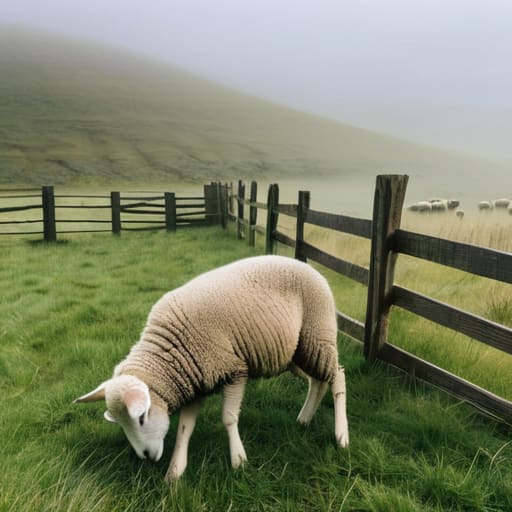
I’ve spent enough years watching people try to solve lamb mortality with expensive new supplements or fancy automated monitoring systems that do little more than collect dust in the shed. Most of the advice you’ll find in those glossy agricultural magazines is just a way to sell you something you don’t need. If you’re looking for a miracle pill to fix your numbers, you’re looking in the wrong place; figuring out how to reduce lamb losses isn’t about high-tech gadgets, it’s about the basics of the ground under your feet and the weather in the sky. You can buy all the vitamins in the world, but if your ewes are running on empty because the spring grass is poor or the rainfall has turned your paddocks into a bog, you’ve already lost the battle.
I’m not here to sell you a subscription or a new piece of kit. I’m going to tell you what actually works when you’re standing in a cold lambing shed at four in the morning, looking at a margin that’s slipping through your fingers. We’re going to talk about nutrition, shelter, and the small, practical things that actually keep a lamb alive and growing. This is about protecting your cash flow, not chasing trends.
Table of Contents
Understanding How to Reduce Lamb Losses

You can buy all the fancy supplements and high-spec lighting in the world, but if you aren’t looking at the ground and the weather, you’re just guessing. Most people start looking for problems when they see a dead lamb, but by then, the money is already gone. Real success in lambing management practices isn’t about reacting to a crisis; it’s about the three weeks before the first ewe even hits her stride. It starts with the condition of the ewe and the quality of the forage she’s been on. If she’s running on empty, those lambs are starting life at a deficit they can rarely recover from.
I’ve seen too many lads focus on expensive vaccines while ignoring the basics of neonatal lamb health care, like warmth and dry bedding. A lamb that’s shivering is a lamb that isn’t growing, and a lamb that isn’t growing is a lamb that won’t pay the bills come weaning. You have to watch the small things—the way they stand, the brightness in their eyes, and the state of the bedding. If the shed is a damp, cold mess, you might as well be handing your margin over to the bank in installments.
Key Things to Know
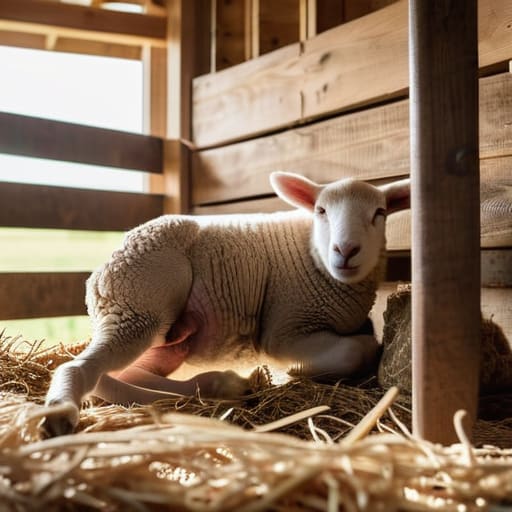
First, you have to stop looking at the lambing shed as a place where things just happen and start seeing it as a place where your margin is either made or broken. Most people get caught up in the high-tech gadgets, but if you aren’t getting your lambing management practices sorted before the first ewe even shows signs of labor, you’ve already lost. It starts with the ewe’s condition; if she’s running on empty, she’ll produce a lamb that’s basically just a walking deficit. You can’t fix a nutritional deficiency after the lamb is already on the floor.
Second, keep a sharp eye on the environment. I’ve seen plenty of lads invest in expensive vaccines only to lose a dozen lambs to a damp, drafty corner because they neglected basic lamb shelter and bedding. If a lamb is cold, its energy goes into shivering rather than growing, and that’s when you start seeing the slow slide into trouble. It isn’t just about the big, dramatic deaths; it’s the quiet drain on your cash flow caused by the weak ones that never quite catch up.
Practical Tips and Steps
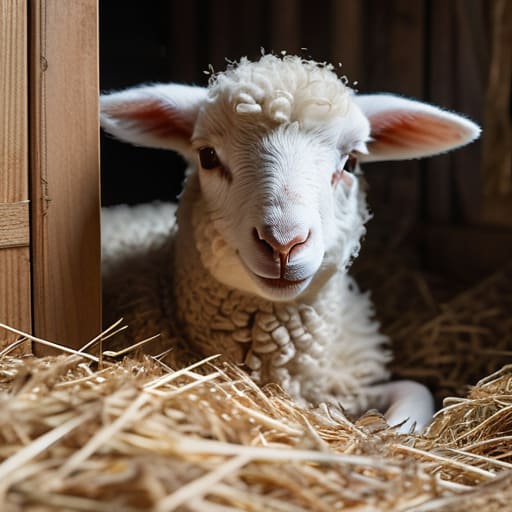
First, let’s talk about the ground you’re working on. You can have the best genetics in the county, but if you’re putting them into a muddy, sodden field in late February, you’ve already lost the battle. Proper lamb shelter and bedding isn’t a luxury; it’s the difference between a lamb that thrives and one that spends its first forty-eight hours shivering itself to death. I’ve seen too many lads skimp on straw to save a few quid, only to find they’ve spent triple that amount on veterinary bills and lost carcasses by week three.
Second, you need to be obsessive about the colostrum. If you aren’t getting that first milk into them within that tiny window after birth, you aren’t farming; you’re gambling. It’s the cornerstone of neonatal lamb health care, and without it, their immune systems are practically non-existent. I also tell my daughter to watch the bedding as closely as the animals themselves. If the pens are staying wet, you’re inviting scours, and once that starts moving through a batch, your profit margin will vanish faster than a subsidy check in a bad year.
Common Mistakes to Avoid
The biggest mistake I see is the assumption that a lamb’s survival is decided only in the final week of lambing. Most folks wait until they see a limp or a hollow-bellied creature before they start worrying, but by then, you’re just performing an autopsy on your profits. People tend to overlook neonatal lamb health care in favor of worrying about the weather, yet it’s often the small, invisible failures—like a poorly managed colostrum window—that drain the bank account. If that first milk isn’t hitting the gut within those first critical hours, you aren’t just losing a lamb; you’re losing the momentum of the whole season.
Another trap is getting too clever with the kit and not enough with the ground. I’ve seen plenty of men spend a fortune on fancy feeders only to let their ewes run on nothing but depleted, wet forage. If you aren’t looking at the nutritional requirements of the ewe in the final month, you’ve already lost the battle. I’ve also seen too many farmers try to fix everything with medicine when the real issue was simply a lack of adequate lamb shelter and bedding during a wet spell. You can’t medicate your way out of a damp, cold pen.
Final Thoughts
At the end of the day, you can buy the most expensive automated feeding systems or the fanciest diagnostic kits on the market, but they won’t save a lamb that’s been left to rot in a cold, wet corner because you were too busy looking at a spreadsheet. Real success in the lambing shed comes down to being present. It’s about knowing the difference between a lamb that’s just a bit sluggish and one that’s actually fighting for its life. If you aren’t prioritizing neonatal lamb health care through consistent, physical checks, you’re just playing a losing game with your margins.
Don’t let the paperwork distract you from the actual animals. You can have the most sophisticated lambing management practices written down in a notebook, but if you aren’t watching for the early signs of managing lamb scours or checking that the shelter is actually dry, the book is worthless. Farming isn’t about following a perfect manual; it’s about reacting to the ground, the weather, and the animal in front of you. Keep your eyes on the sheep, keep your boots moving, and keep your cash flow from leaking out through the cracks.
Five ways to stop bleeding money in the lambing shed
- Watch the weather, not just the ewes. You can have the best genetics in the county, but if you put a newborn out in a wet, biting wind without a dry bit of cover, you’re just subsidising the local vet’s holiday fund. Grass is one thing, but shelter is what keeps them alive.
- Stop obsessing over the fancy supplements and look at the muck. If your lambing pens are a damp, sodden mess of old bedding and fresh waste, you’re inviting coccidiosis and scours before the lamb has even had its first real feed. Clean, dry ground is cheaper than any medicine.
- Don’t get stingy with the colostrum. I’ve seen too many folk try to “manage” the timing to save a bit of effort, only to end up with a field of weak, dying lambs a week later. If they haven’t had that first hit of liquid gold, they aren’t going anywhere, and you’ll be paying for it in lost weight and dead carcasses.
- Check the feet and the fleece, not just the belly. A lamb that’s struggling to stand because it’s cold or poorly nourished is a lamb that won’t find the teat. If you aren’t seeing them move with purpose, something is wrong with the environment or the nutrition, and you’re losing your margin one weak lamb at a time.
- Get your eyes on the ground, not just the clipboard. You can’t manage what you don’t see. If you aren’t walking the pens at the odd hour—the ones when the sun is down and the real trouble starts showing—you’re just guessing. And guessing is a very expensive way to run a farm.
The Bottom Line on Lamb Losses
If you aren’t looking at the ground and the weather before you look at your lambing numbers, you’re missing the point; damp, poached fields kill more lambs than poor genetics ever will.
Stop chasing the latest expensive supplement or fancy gadget; most of your margin is lost in the basics—clean water, dry bedding, and being in the shed before the trouble starts.
Every lamb that doesn’t make it to market isn’t just a lost animal, it’s the wasted cost of the ewe, the feed, and the labor you’ve already sunk into it—don’t let them become a hole in your cash flow.
The Bottom Line
At the end of the day, reducing lamb losses isn’t about buying some fancy new sensor or a high-tech gadget that promises to do the thinking for you. It comes down to the basics: managing your ground so the ewes aren’t starving before they even hit the teat, keeping a sharp eye on the weather, and being present in the shed when it matters most. If you can get your nutrition right, keep the parasite load under control, and actually watch the lambs instead of just counting them, you’ve already beaten half the mistakes I see people making. It’s about protecting your margin from the ground up, because once those lambs are gone, that money isn’t coming back to you.
Farming is a hard way to make a living, and it’s easy to get discouraged when a bad season or a sudden cold snap wipes out your hard work. But remember, you aren’t just raising animals; you’re managing a complex system of grass, biology, and economics. Don’t let one bad lambing season make you think you’ve lost the knack. Take the lessons, look at your numbers without the emotion, and get back to the work. If you keep your eyes on the feet and the cash flow, you’ll find your way through. It’s a long game, and the ones who survive are the ones who refuse to stop learning from their mistakes.
Frequently Asked Questions
If the grass is looking good but the ewes are still losing condition before lambing, am I looking at a nutrition problem or something deeper in the ground?
If the grass looks lush but your ewes are thinning out, don’t go buying expensive concentrates just yet. You need to look at the ground. It’s usually one of two things: either your soil is stripped of the trace elements they actually need to process that grass, or you’ve got a parasite load that’s eating them from the inside out before they can even touch the feed. Check your mineral status and your worming before you waste money on bags of meal.
At what point does the cost of intensive lambing management actually start eating into the profit of the lambs themselves?
It’s when you start treating every lamb like a science project. I’ve seen men spend more on specialized creep feeding, extra teat milk, and constant night-checks than the actual carcass value of the lamb. If you’re chasing a 2% increase in survival by spending 10% more on labor and kit, you’re just subsidizing the sheep. You have to know where the “good enough” line is, or you’re just working for the lambs.
When looking at mortality numbers, how do I tell the difference between a genuine disease outbreak and just poor management in the shed?
Look at the pattern, not just the pile. A disease outbreak usually hits like a wave—sudden, sharp, and often looks the same across different pens. Poor management is more of a slow bleed. If you’re seeing lambs die because they’re too weak to stand or they’ve gone hollow, that isn’t a virus; that’s you failing to keep them warm or fed. Disease is a thief; bad management is just leaving the door wide open.
