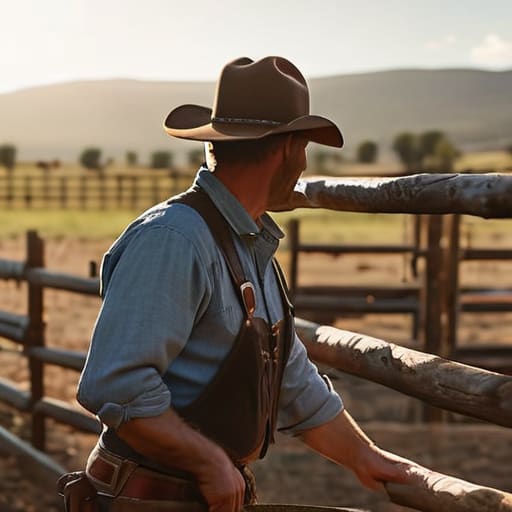
How physical work affects the body long term.

The Back You Will Have at Sixty

I remember standing in a freezing calving shed back in ’94, my lower back screaming louder than the ewes, and thinking that if I just worked harder, I’d somehow outrun the damage. There’s a lot of nonsense in the glossy magazines about “ergonomic solutions” and “wellness retreats” that cost more than a good heifer, but nobody tells you the truth about how physical work affects the body long term. They treat it like a medical mystery to be solved with a fancy gadget, rather than the simple, grinding reality of wearing yourself out one heavy lift at a time.

I’m not here to sell you a subscription to a fitness app or a new set of overpriced back braces that’ll end up gathering dust in the shed. I’m going to tell you what forty years of moving heavy stock and fixing stone walls actually does to your joints, and more importantly, how to manage the inevitable wear and tear without losing your livelihood. We’ll talk about the real costs—the ones that don’t show up on a balance sheet until you’re too old to get out of the tractor—and how to keep your body working as hard as your farm needs it to.

Table of Contents

The Hidden Ledger of How Physical Work Affects the Body Long Term

The Hidden Ledger of How Physical Work Affects the Body Long Term.

You can look at a balance sheet and see the cost of diesel, feed, and fertilizer, but nobody ever puts a line item in the books for the slow erosion of your own frame. I’ve spent four decades lifting heavy gates, wrestling stubborn ewes, and spending too many hours hunched over a calving pen in the dark. That kind of life doesn’t just leave you tired at the end of the day; it leaves a permanent mark. What the brochures call musculoskeletal disorders in manual labor is, in my experience, just the slow, grinding reality of a body being used as a piece of heavy machinery without a maintenance schedule.

It starts small—a twinge in the lower back here, a stiffness in the knee there. You ignore it because there’s a job to be done and the rain is coming. But that’s how you end up with permanent wear and tear on cartilage that no amount of expensive physiotherapy can truly fix. By the time you’re sixty, your joints have a memory of every heavy bale and awkward lift you ever took for granted. You realize too late that your body is the most vital piece of kit on the farm, and once it’s broken, there isn’t a spare part in the shed to replace it.

Chronic Pain From Physical Labor the Debt You Cant Repay

Chronic Pain From Physical Labor the Debt You Cant Repay

People like to talk about the sudden injuries—the snapped tendon or the slipped disc that puts you in the hospital for a week. But in this business, the real killer is the slow bleed. It’s the constant, dull ache in your lower back that you learn to ignore because there’s a gate to fix or a calf to assist. By the time you realize it’s not just “getting older,” you’re already dealing with serious musculoskeletal disorders in manual labor that no amount of ibuprofen can touch.

I’ve seen it a dozen times: a young lad with a back like a whip who, ten years later, can barely stand straight to check a water trough. It’s the cumulative wear and tear on cartilage from decades of twisting in the muck and lifting heavy feed bags that does the damage. You think you’re being productive by pushing through the discomfort, but you’re actually just taking out a high-interest loan on your future. And unlike a bad season of grain prices, you can’t negotiate the terms of this debt; it always comes due, and it always demands payment in full.

Musculoskeletal Disorders in Manual Labor When Your Frame Fails
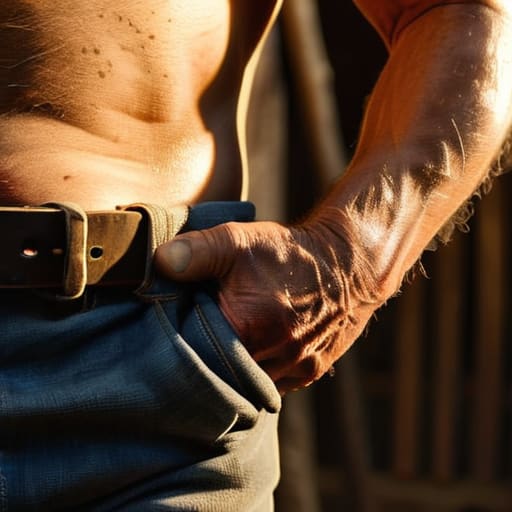
Musculoskeletal Disorders in Manual Labor When Your Frame Fails

You can talk all you want about the latest tractor specs or the price of concentrate, but you can’t trade your spine for a better margin. I’ve seen too many lads think they’re invincible until they’re fifty, only to find that musculoskeletal disorders in manual labor aren’t just something you read about in a safety manual; they are the inevitable result of a lifetime of lifting heavy feed bags and wrestling stubborn heifers. It isn’t a sudden snap that gets you; it’s the slow, grinding reality of wear and tear on cartilage that happens every time you twist awkwardly in a muddy pen or haul a calf through a narrow gate.

The problem is that most of us view our bodies like a piece of heavy machinery—something that just keeps running until it eventually seizes up. But unlike a gearbox, you can’t just order a replacement part when your lower back decides it’s had enough. If you ignore your posture and spinal health while you’re young and “strong,” you aren’t actually saving time; you’re just taking out a high-interest loan that your joints will be collecting on for the rest of your life.

Wear and Tear on Cartilage the High Cost of Moving Heavy

You can talk all you want about the latest tractor tech or the price of concentrate, but no amount of profit will fix a hip that’s gone to grit. I’ve seen it a hundred times: men who thought they were invincible at thirty, only to be hobbling like old men by fifty. It’s the wear and tear on cartilage that gets you. It isn’t a sudden injury like a broken leg; it’s a slow, quiet theft. Every time you heave a heavy bag of feed or twist awkwardly to catch a stray lamb, you’re shaving a microscopic layer off the cushion between your bones.

Once that padding is gone, there’s no replacing it. You can buy the best ergonomic workplace solutions for an office, but there isn’t a gadget in the world that makes lifting a 50kg feeder any easier on a worn-out knee. Most fellas ignore the dull ache until it becomes a constant, grinding reality. By then, you aren’t just dealing with a bit of stiffness; you’re managing a permanent deficit in your physical capital.

Preventing Repetitive Strain Injury Investing in Your Own Machinery

We spend a fortune making sure the tractor’s service interval is met and the feeder’s gate isn’t sticking, yet we treat our own joints like they’re made of cast iron. They aren’t. If you’re doing the same twisting motion to fix a fence or lugging the same heavy feed bags every morning, you aren’t just working; you’re grinding down the machinery. Repetitive strain injury prevention isn’t some fancy concept for office workers in ergonomic chairs; it’s about realizing that your tendons and ligaments have a finite number of cycles before they start fraying.

I’ve seen too many lads try to “power through” a niggle, only to find that a small ache in the wrist or shoulder has turned into a permanent limp. You have to look at ergonomic workplace solutions through a practical lens—using a better tool, changing your stance, or simply stopping to reset your posture before your spine decides it’s had enough. If you don’t invest in your own maintenance now, you’ll eventually be forced into a retirement you can’t afford, simply because your body won’t let you stand in a pen for more than ten minutes.

Five Ways to Keep Your Machinery Running Without a Total Breakdown

  • Treat your joints like a gearbox; you wouldn’t run a tractor at redline for ten hours straight without checking the oil, so stop expecting your knees to take the same punishment without a bit of maintenance and better footing.
  • Watch the way you lift, because a slipped disc is a debt that collects interest every single morning when you try to get out of bed, and no amount of subsidy is going to pay for a spinal surgeon.
  • Invest in the right boots and the right ground; if you’re working on wet, uneven muck in shoddy footwear, you’re asking your ankles and hips to do work they weren’t designed for, and that’s a losing game every time.
  • Don’t ignore the small aches just because the weather is fine; a niggle in the shoulder today is the reason you won’t be able to lift a calf tomorrow, and by the time it’s a roar, the damage is already done.
  • Learn when to step back and let the next generation take the heavy end of the load; there’s no shame in delegating the brute force if it means you’re still mobile enough to manage the books and the breeding when the time comes.

The Bottom Line: Don't Let Your Body Become a Bad Debt

Your body is the only piece of machinery on this farm that you can’t trade in for a newer model when the parts start failing; treat your joints like you treat a good tractor engine—don’t run it into the ground just to save a few hours today.

Pain isn’t a badge of honour or a sign of a hard day’s work; it’s a warning light on the dashboard telling you that you’re accruing a physical debt that the bank won’t let you restructure later.

Investing in your own movement and recovery isn’t “soft”—it’s a practical business decision to ensure you’re still standing when the real work needs doing ten years from now.

The Final Tally

At the end of the day, you have to look at your body the same way you look at a piece of aging machinery or a tired ewe. You can ignore the squeak in the joint or the hitch in your gait for a season, but the debt always comes due, and the interest rates on chronic inflammation and worn-out cartilage are higher than any bank will ever charge. We’ve spent this time talking about the musculoskeletal toll, the creeping reality of repetitive strain, and the way heavy lifting slowly erodes your frame. If you treat your physical health like a secondary concern to the next task on the list, you aren’t being efficient; you are simply liquidating your most vital asset without a plan to replace it.

I’m not telling you to sit in a chair and wait for the world to pass you by—that’s not how a farm works. But I am telling you that the goal isn’t just to survive the next lambing or the next harvest; it is to be capable of standing on your own two feet when you finally hand the keys over to the next generation. Don’t let your legacy be a collection of fine equipment and a body that’s too broken to enjoy the quiet of the evening. Invest in your own maintenance now, because once the structural damage is done, there is no replacement part that can bring you back to center.

Frequently Asked Questions

If the damage is already done to my joints, is there any point in trying to fix it, or am I just delaying the inevitable?

Look, if you’ve already worn the bearings down to the metal, you aren’t going to grow new cartilage overnight. That’s just the physics of it. But treating it like a lost cause is a mistake. You don’t scrap a tractor just because the suspension is shot; you manage the load, you grease the joints, and you change how you drive it. It’s about mitigation and staying functional, not a miracle cure.

How do I tell the difference between the usual aches of a hard day's work and something that’s actually going to sideline me for good?

If it’s just a dull ache in the muscles that fades after a hot shower and a decent night’s sleep, that’s just the price of admission. But if that pain starts waking you up at 3:00 AM, or if it’s a sharp, electric sting in a joint that stays there even when you’re sitting still, you’ve moved past “hard work.” That’s not fatigue; that’s structural damage. Listen to it before it decides for you.

Is it worth spending the money on better kit and ergonomic tools if the margins are already so thin?

It’s a fair question, and one I’ve asked myself while staring at a bank balance that didn’t want to move. But you have to look at it right. If you buy a cheap, blunt tool that makes you hunch for six hours, you aren’t saving money; you’re just taking out a high-interest loan against your own spine. I’d rather spend the extra fifty quid on kit that works now than spend five hundred on a physio later.
How to handle stock safely to prevent injuries.

Good Handling Facilities Prevent Injuries to Both Sides

I’ve spent forty years watching lads walk into a crush with a brand-new, shiny piece of kit they saw in a glossy brochure, thinking it’ll solve all their problems. They think safety is something you buy off a salesman, but if you ask me, most of those expensive gadgets are just ways to mask the fact that you don’t actually understand your animals. Learning how to handle stock safely isn’t about having the latest hydraulic lift; it’s about knowing the temperament of a heifer before she even sees your shadow and understanding that a single wrong move in a narrow race can cost you a limb or a lifetime of vet bills.

I’m not here to sell you a subscription to a management app or a fancy new handling system that’ll be rusting in the corner of the shed by next November. What I’ll give you is the unvarnished truth based on decades of broken fences and bruised shins. We’re going to talk about the practicalities of movement, the importance of flight zones, and why your setup needs to work for the animal, not just for your convenience. If you want to protect your people and your bottom line, listen close.

Table of Contents

Why Your Rough Handling Is Bleeding Your Cash Flow Dry

Why Your Rough Handling Is Bleeding Your Cash Flow Dry

You can buy the best genetics in the country, but if you’re chasing a heifer around a muddy corner with a shouting match and a heavy stick, you’ve already lost the profit. I’ve seen too many lads think that being “tough” with the stock is just part of the job, but it’s nothing of the sort. When you’re rough, you’re spiking their cortisol, and that’s a direct hit to your bottom line. High stress levels don’t just make them difficult to move; they impact everything from weight gain to reproductive success. If you aren’t prioritizing animal behavior and stress reduction, you aren’t farming; you’re just fighting a losing battle against your own margins.

It’s not just the physiological cost, either. Every time a cow slips because your pens are poorly laid out or a sheep gets a broken limb because you’re forcing them through a narrow gap, that’s money walking out the gate. I’ve learned the hard way that investing in a decent containment system design pays for itself in avoided vet bills and less wasted time. You can spend all day shouting, or you can spend a bit of money making sure the work is done right the first time.

The Real Cost of Not Learning How to Handle Stock Safely

The Real Cost of Not Learning How to Handle Stock Safely

You can spend all day reading about the latest breeding genetics or the price of concentrate, but if you haven’t mastered safe animal movement techniques, those margins will vanish before you’ve even left the yard. I’ve seen it a hundred times: a man thinks he’s being efficient by rushing a mob through a narrow race, only to have a heifer catch a leg or a bull decide he’s had enough of being pushed. It isn’t just about the bruised hide or a broken fence; it’s the vet bill that follows, the lost days of work, and the sheer, bloody-minded cost of a broken animal that can’t reach the grass.

It’s a hard truth, but most people ignore animal behavior and stress reduction until something actually goes wrong. You don’t need a degree to see that a panicked animal is an expensive animal. When you ignore the basics of how they move, you aren’t just risking a trip to the A&E; you are actively preventing livestock injury from becoming a predictable part of your overheads. If you can’t move them without a fight, you’re not running a business, you’re just managing a series of expensive accidents.

Mastering Animal Behavior and Stress Reduction to Save Your Profits

Mastering Animal Behavior and Stress Reduction to Save Your Profits

You can spend a fortune on the latest automated crush, but if you don’t understand the animal looking back at you, you’re just wasting money on shiny metal. Most of the lads I know try to bully their way through a move, thinking brute force is a substitute for patience. It isn’t. When you’re working with a nervous heifer or a flighty ewe, the goal isn’t to dominate; it’s to work with their natural instincts. If you trigger a panic, you aren’t just risking a broken fence; you’re triggering a physiological response that ruins the carcass quality. Stress is a silent thief that eats into your margins before you even see the animal at market.

I’ve learned the hard way that animal behavior and stress reduction isn’t some soft, academic concept—it’s basic math. A calm animal moves predictably, which means fewer injuries to the stock and less chance of a worker ending up in the A&E. I always tell my daughter that if you’re shouting and waving sticks, you’ve already lost control of the situation. Instead, focus on your safe animal movement techniques: quiet feet, steady pressure, and knowing when to back off. If you can’t move them without a fight, your setup is wrong, not the animal.

Containment System Design Stop Buying Kit That Just Sits There

I’ve seen enough shiny new crush systems arrive on a trailer only to end up serving as a very expensive clothes rack in the corner of the shed. The problem is that most people shop for gear based on what looks impressive in a catalogue rather than how their specific stock moves. If your pen layout forces a heifer to make a sharp, ninety-degree turn under pressure, you aren’t practicing good containment system design; you’re just building a trap. I’ve learned the hard way that a system is only as good as the flow of the animal, and if the geometry is wrong, no amount of high-grade steel will stop a panicked animal from bruising itself or, worse, finding a way to crack a limb.

Don’t get lured into the trap of buying “all-in-one” kits that promise to solve every problem. Most of that kit is designed for a generic farm that doesn’t exist. Instead, focus on preventing livestock injury by ensuring your races are wide enough for the beast but narrow enough to prevent them from turning around. If you can’t walk through your setup and see exactly where a cow might get a foot caught or where a gap is wide enough for a calf to slip through, you’re just waiting for a vet bill to arrive.

Safe Animal Movement Techniques to Prevent Costly Livestock Injury

You can have the best containment system design in the county, but if your movement through the crush is a chaotic mess of shouting and prodding, you’ve already lost the battle. I’ve seen too many lads think they can bully a heifer into submission with a heavy hand, only to end up with a broken fence, a bruised carcass, or a vet bill that wipes out the week’s profit. Real safe animal movement techniques aren’t about being gentle for the sake of it; they are about working with the animal’s natural flight zone rather than fighting it. If you understand where the animal wants to go, you spend half the energy and twice as little time sweating.

When you’re moving stock, watch the feet and watch the gates. A single trip in a poorly maintained race or a sudden bolt through a loose latch is where the real money disappears. Most people talk about big diseases, but I’ll tell you that a broken leg or a cracked hoof from a botched move is what actually erodes your margins. Stick to basic livestock management best practices: keep the lanes clear, keep the light consistent, and for heaven’s sake, stop trying to rush a nervous animal. Speed is the enemy of a healthy balance sheet.

Five Ways to Stop Fighting Your Stock and Start Saving Your Skin

  • Know your flight zone before you walk into the pen. If you’re running at them or waving arms like a madman, you aren’t “managing” them; you’re just escalating a situation that’s going to end with a broken gate or a bruised animal. Find that sweet spot where they move because they want to, not because they’re terrified.
  • Check your gates and crushes twice before the first animal enters. I’ve seen men spend ten grand on a new herd and then lose a heifer because a rusted bolt on a five-pound gate gave way. If the kit isn’t sound, the whole exercise is a waste of time and a massive liability.
  • Watch the ground, not just the animal. You can have the best handling techniques in the world, but if your crush is sitting in a boggy patch or your race is slick with old muck, you’re asking for a broken leg or a slipped limb. A dry, firm footing is worth more than any fancy training course.
  • Stop trying to move ten head when two will do. People get impatient when they want to get back to the kitchen, so they crowd the race. Crowding leads to panic, and panic leads to animals pinning themselves against the timber. Slow is smooth, and smooth keeps the vet bills down.
  • Never work alone if you can help it, and never work in a way that leaves you with no exit. I’ve seen too many young lads get cornered because they thought they knew better than the beast. If you don’t have a clear way out of the pen, you shouldn’t be in the pen.

The Bottom Line on Keeping Your Stock (and Your Sanity) Intact

Stop looking for a magic gadget to fix a bad system; if your handling facilities aren’t built for the specific way your animals move, you’re just buying expensive scrap metal that’ll eventually cost you a broken limb or a dead calf.

Respect the animal’s flight zone or pay for it in the long run—stress isn’t just a welfare issue, it’s a direct hit to your margins through lower weaning weights and higher injury rates.

If you can’t account for the cost of a single bruised animal or a week of lost labor due to a botched movement, you aren’t running a business, you’re just managing a series of expensive accidents.

The Bottom Line on Stock Handling

At the end of the day, safe stock handling isn’t some lofty welfare standard you tick off to please an inspector; it’s about protecting the three things that actually keep this farm running: the grass, the feet, and the cash flow. We’ve looked at how stress ruins your margins, how poorly designed pens become nothing more than expensive scrap metal in the shed, and how a single bad move in the race can cost you a calf or a hip that’ll never carry weight again. If you aren’t watching the animal’s behavior and respecting the way they move, you aren’t farming—you’re just gambling with your livelihood every time you open a gate.

I know it’s tempting to think you can muscle through a difficult sort or skip the maintenance on a broken crush because there’s more urgent work in the fields. But I’ve spent forty years learning that the “quick way” is almost always the most expensive way. Take the time to do it right, invest in the kit that actually works for your specific ground, and treat every movement as a way to preserve your capital. It won’t make you a hero, but it will ensure that when you finally do hand the keys over to the next generation, you’re handing them a working business rather than a collection of expensive mistakes.

Frequently Asked Questions

When is the right time to stop trying to fix a temperament issue and just cull the animal to save the rest of the herd?

If you’re spending more time debating a cow’s personality than you are checking the grass, you’ve already lost. I’ve seen many a farmer try to “work through” a rogue heifer, only to end up with a broken gate, a bruised calf, or a vet bill that wipes out the year’s margin. If an animal makes the job dangerous or disrupts the flow of the whole herd, it’s not an asset; it’s a liability. Cull it.

How do I know if my current handling facilities are actually safe, or if I'm just one bad afternoon away from a broken limb or a dead heifer?

If you’re holding your breath every time you move a group through the crush, you already have your answer. A safe system shouldn’t feel like a wrestling match. Walk your races on a wet Tuesday. If there’s standing water, slippery concrete, or a gate that sticks just enough to make you curse, you’re asking for trouble. If you can’t move stock through without a dog barking or you shouting, the setup is broken.

Is it worth investing in better handling gear if the ground I'm working on is too uneven to keep the stock steady anyway?

Not a penny. You can buy the most expensive, stainless-steel crush in the country, but if you’re trying to work stock on a slope or in a boggy corner of the field, you’re just buying a very expensive way to get injured. If the ground isn’t level and firm, the animal won’t settle, and your fancy gear won’t stop a panicked heifer from throwing herself against the rails. Fix the footing first; otherwise, you’re just wasting cash.

Complete guide to breeding decisions book cover.

The Complete Guide to Breeding Decisions

I’ve spent half my life listening to consultants in clean wellies try to sell me a “complete guide to breeding decisions” that involves more spreadsheets than actual dirt. They’ll talk to you about genetic indices and complex software that costs more than a decent heifer, as if a computer chip can tell you how that animal will actually perform when the ground is heavy and the rain won’t quit. Most of that advice is just expensive noise designed to make you feel like you’re missing something, when the truth is usually much simpler and a lot more stubborn.

I’m not here to sell you a subscription or a shiny new way to look at data you already have. What I’m going to give you is the truth about what happens when those decisions meet the reality of your bank balance and your grazing capacity. We’ll look at why a fancy pedigree doesn’t mean a thing if the animal can’t hold its condition on your worst acre, and I’ll show you how to pick winners based on grass, feet, and cash flow. This isn’t a textbook; it’s the hard-won lessons from forty years of making mistakes so you don’t have to.

Table of Contents

Beyond the Pedigree a Complete Guide to Breeding Decisions

Beyond the Pedigree a Complete Guide to Breeding Decisions

You’ll see plenty of lads spending hours staring at a screen, obsessing over a bull’s index scores as if those numbers were etched in stone. Don’t get me wrong, interpreting sire data is part of the job, but a spreadsheet won’t tell you how that animal will actually handle a wet March on your specific ground. I’ve seen plenty of “genetically superior” bulls produce calves that look grand in a showroom but lack the bone or the temperament to thrive when the weather turns foul. If you aren’t matching the animal to your acres, you aren’t breeding; you’re just gambling with expensive livestock.

True selection of breeding stock starts with looking at what’s already working in your own fields. Before you go chasing the latest trend in improving herd genetics, look at your worst performers from last season. Why did they fail? Was it a structural issue, or did they just lack the ability to convert grass into condition? Real breeding program optimization isn’t about finding the perfect animal on paper; it’s about finding the animal that fits your system without breaking your bank account.

The Genetic Merit Evaluation Trap Why Paper Wins Lose Money

The Genetic Merit Evaluation Trap Why Paper Wins Lose Money.

I’ve spent many a late evening staring at a catalogue, mesmerized by numbers that look more like a math exam than a livestock record. We’ve all been there—getting caught up in the genetic merit evaluation of a bull that looks like a superstar on paper but has never actually stood in a muddy field. The problem is that those fancy indices don’t account for the reality of your specific ground. You can buy the most genetically advanced semen in the country, but if that bull’s offspring can’t walk a steep hill or thrive on your specific type of rye grass, you aren’t improving the herd; you’re just subsidizing a breeder’s holiday.

When it comes to the selection of breeding stock, I’ve learned that a high EPD or a flashy pedigree is often a distraction from the basics. I’ve seen plenty of lads go bust chasing “superior” genetics only to realize they’ve bred a cow that produces a beautiful calf but has the constitution of a tea biscuit. If you aren’t looking at how those numbers translate to actual survival and weaning weights in your own postcode, you’re just playing a very expensive game of pretend.

Selection of Breeding Stock Avoiding the Most Expensive Mistakes

Selection of Breeding Stock Avoiding the Most Expensive Mistakes

When you’re looking at the selection of breeding stock, don’t let a fancy catalogue or a high EBV score blind you to what’s happening in the muck. I’ve seen plenty of lads walk into a sale with a chequebook ready, convinced they’re improving herd genetics because the sire’s data looks like a mountain range. But if that animal doesn’t have the feet to walk a wet hill or the temperament to be handled without a struggle, those numbers are worth nothing. You can’t eat a percentage on a spreadsheet, and you certainly can’t sell a cow that’s too temperamental to get in the crush.

The real danger lies in your replacement heifer selection. It’s easy to pick the prettiest one in the group, but I’d rather have a plain-looking heifer that’s already proven she can thrive on our local grass than a show-stopper that needs a silver spoon to stay standing. You have to look at the mother, the environment she’s grown up in, and how she handles the actual conditions of your farm. If you aren’t looking at the physical reality of the animal, you’re just gambling with your cash flow.

Interpreting Sire Data Without Losing Your Shirt

You’ll sit there in the kitchen with a glossy catalog in front of you, staring at those long strings of letters and numbers like they’re a map to buried treasure. They’ll tell you a bull has top-tier scores for everything from carcass weight to maternal traits, and for a second, you think you’ve found the shortcut to a better herd. But here’s the truth about interpreting sire data: a spreadsheet doesn’t know if your hills are steep and wet or if your lowland pasture is heavy clay. A bull might have a high genetic merit evaluation for growth, but if he’s pumping out calves that outgrow the grass before the season is out, he’s just eating your profit.

Don’t get blinded by the flashy percentages. When you’re looking at improving herd genetics, you have to balance what the paper says against what your actual ground can support. If you buy a bull based solely on a high score for frame size but your replacement heifer selection is already struggling with nutrition, you’re just compounding a problem you can’t afford to fix. Look for the data that actually matters to your margins—the stuff that translates to fewer vet bills and better weaning weights, not just a pretty certificate.

Replacement Heifer Selection Protecting Your Future Cash Flow

Now, if you want to talk about the real engine of the farm, we have to talk about the heifers. Most people treat replacement heifer selection like a lottery, hoping they’ll pull a winner from the lot, but that’s a fast way to bleed cash. You can spend all day improving herd genetics on paper, but if that heifer hasn’t got the frame to carry a calf or the feet to walk a wet field in November, she’s nothing more than a very expensive way to eat your grass. I’ve seen too many lads pick a girl because she looked pretty in a catalogue, only to find out six months later she’s got a temperament like a cornered cat and won’t stand still for a vet.

You have to look past the shiny exterior and ask what she’s actually going to do for your bottom line. A heifer isn’t just a future cow; she’s a three-year investment before she even pays her way. If she isn’t showing the structural integrity to last through a hard winter, she’s a liability, not an asset. Don’t fall in love with a pedigree if the animal itself can’t handle the ground you’re standing on.

Five Hard Truths to Keep Your Breeding Program from Bleeding You Dry

  • Stop looking at the certificate and start looking at the ground; a bull with a fancy EBV for growth is worth nothing if his calves can’t hold their condition on your specific grass and your specific rainfall.
  • Treat your replacement heifers like a bank account, not a vanity project; if you’re keeping every girl that looks pretty instead of the ones that actually show functional efficiency, you’re just subsidising your own bankruptcy.
  • Watch the feet more than the frame; I’ve seen more money lost to lameness in a poorly bred herd than to any official disease outbreak, so if they can’t walk to the trough, they aren’t worth the feed they’re eating.
  • Don’t get seduced by the “new” tech; if a piece of breeding software or a fancy new testing kit doesn’t directly translate into better weaning weights or lower input costs by next season, it’s just expensive clutter for the shed.
  • Measure the margin, not the muscle; a calf that grows like a weed but costs twice as much in supplementary feed to get there is a liability, not an asset—always calculate the cost of the growth, not just the weight of it.

The Bottom Line Before You Buy

Stop chasing the fancy numbers on a pedigree certificate if they don’t translate to more grass or better weaning weights in your specific soil; a champion bull on paper is a liability if his calves can’t thrive on your hills.

Every replacement heifer you select is a long-term bet on your cash flow, so pick for longevity and easy calving rather than just looking for the biggest frame that’ll end up being a headache in three years.

If you can’t work out exactly how much a breeding animal is costing you in daily maintenance versus what she’s actually producing, you aren’t breeding—you’re just collecting expensive livestock.

The Long View from the Gate

At the end of the day, breeding isn’t about chasing the highest number on a data sheet or trying to win a local show ring; it’s about the marriage of genetics to your specific patch of ground. You can buy the most expensive semen in the country, but if those calves don’t have the feet to walk your hills or the ability to turn your specific grass into meat, you’re just subsidising someone else’s fancy pedigree. Stop looking at the paper in isolation and start looking at the animal in the field. Remember that every decision you make today—whether it’s a bull, a heifer, or a change in your replacement strategy—is a direct withdrawal or deposit into your long-term cash flow.

Farming is a game of margins, and breeding is where those margins are either won or lost before the animal even hits the sale yard. It can be easy to get lost in the spreadsheets and the marketing gloss, but don’t let the noise drown out what your eyes and your bank balance are telling you. If you focus on building a herd that is fit for your farm and resilient to your weather, you’ll find yourself standing much more secure when the prices inevitably dip. It’s a slow build, and it isn’t always glamorous, but building a legacy is about the steady, sensible choices made when nobody is watching.

Frequently Asked Questions

If I've already spent a fortune on a high-index bull, how do I pivot my replacement heifer selection to actually balance out the costs?

If you’ve already paid the premium for that high-index bull, stop looking for more “fancy” genetics in your heifers. You’ve bought the engine; now you need the chassis that can actually carry it. Pivot your selection toward ruggedness and functional correctness. Look for girls with deep ribs, strong feet, and the ability to hold their own on your worst ground. You can’t fix a high-performance bull with more high-performance heifers—you’ll just go broke faster.

How much weight should I really give to temperament and "easyness" when the data says a more temperamental animal has better growth stats?

Listen, I’ve seen plenty of “statistically superior” beasts that are nothing more than a headache on four legs. You can chase those growth numbers all day, but if a cow is a terror at the crush or won’t let a heifer near her, your labor costs will eat that extra weight for breakfast. A temperamental animal makes every job twice as long and twice as dangerous. I’d rather have a steady animal that grows decently than a high-performer that costs me my patience and my safety.

At what point does the cost of testing every single heifer for genetic merit stop being a smart investment and start being a drain on the cash flow?

It stops being an investment the moment the cost of the test exceeds the marginal gain in the calf crop. If you’re spending fifty quid a head to find a two per cent difference in milk or growth that you can’t actually turn into extra cash at the mart, you’re just burning money. You don’t need a PhD in genetics for every heifer; you need the best ones that can actually walk, breed, and thrive on your grass.