Diagram explaining how rural water supplies work.

Private Water Supplies and Testing Them

I’ve lost more money to a dry trough in a July heatwave than I ever did to bad breeding, and it wasn’t because I didn’t have enough water—it was because I didn’t understand how rural water supplies work when the pressure actually matters. I remember standing in a muddy field back in ’98, watching a dozen thirsty ewes pacing a dry pipe while I cursed a salesman who’d promised me a “state-of-the-art” system that couldn’t handle a bit of silt or a summer dip in the water table. Most of the brochures you’ll find tell you about high-tech sensors and fancy filtration, but they never mention what happens when the pump fails at three in the morning or when the ground turns to baked clay and your borehole decides to take a holiday.

I’m not here to sell you a shiny new kit that’ll sit in the shed gathering dust by November. Instead, I’m going to lay out the hard reality of managing your supply, from the reliability of different sources to the hidden maintenance costs that actually eat your margin. We’ll talk about what keeps the water moving when the weather turns foul and, more importantly, how to ensure your infrastructure doesn’t become a drain on your cash flow before the season is even halfway through.

Table of Contents

Understanding How Rural Water Supplies Work
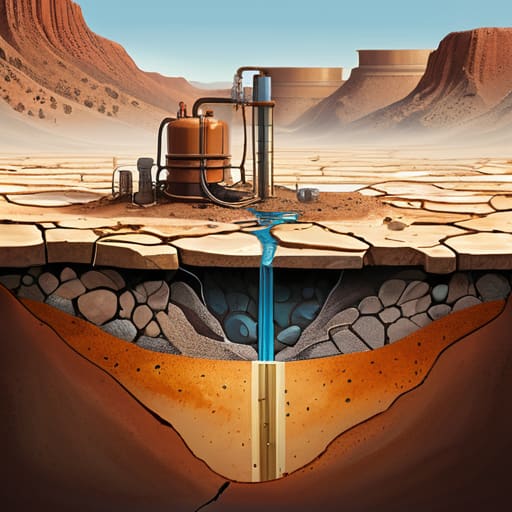
Understanding How Rural Water Supplies Work.

Most people think a water supply is just a tap and a tank, but if you’re pulling from a borehole, you’re actually managing a complex piece of rural water infrastructure components that most folks ignore until the pump burns out. It usually starts with your groundwater extraction methods—whether you’re drawing from a shallow well or a deep bore—and how that interacts with the specific geology under your feet. I’ve seen men spend a fortune on high-spec pumps only to realize they hadn’t accounted for the seasonal drawdown of their local water table.

It isn’t just about getting the liquid from point A to point B, though. Once you’ve pulled it up, you’re faced with the reality of what’s actually in it. You might think your spring is pristine, but without proper rural water quality monitoring, you’re essentially gambling with your livestock’s health. I’ve watched a herd go off its feed because of a sudden spike in mineral content or runoff that no one bothered to test for. You can have the most sophisticated potable water distribution systems in the county, but if the source is inconsistent or contaminated, you’re just efficiently delivering a problem.

Key Things to Know
Key Things to Know: Groundwater Extraction Methods

First off, don’t go thinking a pump and a pipe is a complete system. You can have the most expensive borehole in the county, but if you haven’t looked at your groundwater extraction methods with a bit of common sense, you’ll find yourself staring at a dry trough come July. I’ve seen men invest tens of thousands into fancy setups only to realize they didn’t account for the seasonal dip in the water table. It’s not just about getting the water up; it’s about whether the source can actually sustain the herd when the rain stops for six weeks.

Then there’s the matter of what’s actually in that water. You can talk all you want about potable water distribution systems, but if your source is leaching minerals or runoff from a neighbor’s field, you’re just delivering a problem directly to the cattle. I’ve learned the hard way that rural water quality monitoring isn’t some luxury for scientists; it’s a basic necessity for anyone who wants to keep their margins from being eaten by vet bills. If the water is off, the animals will show it long before you see it in the ledger.

Practical Tips and Steps
Practical Tips and Steps for groundwater extraction.

If you’re going to set up a system, stop looking at the shiny pumps and start looking at the soil. Before you sink a penny into any groundwater extraction methods, you need to know exactly what you’re drawing from. I’ve seen lads invest in high-end solar setups only to find their yield drops to nothing the moment a dry spell hits because they didn’t bother checking the local water table. Don’t guess; get a proper survey done. It’s cheaper than a dry borehole and a dead herd.

Once the water is moving, your focus has to shift to the grit and the grime. You can have the most sophisticated rural water infrastructure components in the yard, but if your filtration is neglected, you’re just circulating sludge. I make it a point to check my line every Monday morning. It’s not about being fancy; it’s about making sure that when a cow walks up to a trough, she’s drinking something that won’t rot her gut or kill her calf. Keep your eyes on the sediment, not just the pressure gauge.

Common Mistakes to Avoid

The biggest mistake I see is people treating water like a utility you just plug into, rather than a living part of the landscape. They spend a fortune on high-end pumps and fancy rural water infrastructure components, only to ignore the fact that the ground they’re sitting on is changing. I’ve seen lads buy the most expensive borehole setup imaginable, only to find out six months later that their groundwater extraction methods weren’t suited to the specific silt levels in their soil. You aren’t just buying a pipe; you’re trying to tap into a system that doesn’t care about your budget.

Another trap is the “set it and forget it” mentality. People think once the pipes are in the ground, the job is done. But if you aren’t consistent with your rural water quality monitoring, you’re essentially gambling with your herd. I’ve watched a perfectly good trough turn into a breeding ground for bacteria because someone thought a bit of algae was “just part of nature.” It isn’t. It’s a slow leak in your cash flow that eventually shows up in the weight of your stock or the health of your calves.

Final Thoughts

At the end of the day, don’t let the shiny brochures for new borehole rigs or complex filtration setups fool you. Most of that gear is designed to make a sale, not to make your life easier when you’re standing in a muddy field at five in the morning. If you get your rural water infrastructure components wrong, you aren’t just losing a bit of convenience; you are bleeding money through broken pumps and dead livestock. I’ve spent enough years watching a dry trough turn a profitable season into a loss to know that water isn’t a luxury—it’s your most basic, unyielding overhead.

If you want to do this right, stop looking for the quickest fix and start looking at your land. Whether you are messing about with different groundwater extraction methods or trying to manage a tank system, it all comes down to what the ground can actually support. Don’t buy a system that requires a technician to visit every time a bit of silt gets into the line. Build it for the reality of your farm, not the theory in a textbook, and always keep your eye on the cash flow before you sign that cheque.

Five ways to keep your water from becoming a hole in your pocket

  • Stop looking at the pump and start looking at the trough. You can have the most expensive borehole in the county, but if your troughs are leaking or fouled with silt because the float valve is rubbish, you’re essentially paying to water the weeds in the corner of the field.
  • Don’t trust a single source if you can help it. I’ve seen men lose a whole set of calves because a single spring dried up in a July heatwave they thought wouldn’t happen. If your system doesn’t have a backup—be it a tank or a secondary well—you aren’t running a farm, you’re running a gamble.
  • Get a proper water analysis done once a year, not when the animals start looking dull. You can’t see high magnesium or certain mineral imbalances in the water, but you’ll certainly see it in your weaning weights and your vet bills when the sickness starts.
  • Check your lines after a hard frost before you even think about moving stock. There is nothing quite as expensive as a burst pipe buried too shallow, because by the time you realize the pressure has dropped, you’ve already wasted half a day of work and a lot of diesel trying to find the leak.
  • If you’re installing a new system, ignore the salesman’s talk about “smart technology” and focus on the grit. If a component can’t be cleaned with a bucket of water and a stiff brush without needing a degree in engineering, it’s going to end up sitting in the shed unused by mid-August.

The Bottom Line on Water

Don’t get blinded by the spec sheet of a new pump; if you haven’t accounted for the silt in your spring or the actual rainfall on your specific acreage, you’re just buying an expensive way to pump nothing.

Treat your water infrastructure like your livestock—if you neglect the maintenance, you’ll pay for it tenfold when a dry trough during a heatwave turns a profitable season into a massive loss in animal weight and condition.

Stop looking for the “perfect” system and start looking for the one that’s easy to fix with a spanner and a bit of grit, because when a pipe bursts at 3 AM in February, a fancy digital sensor won’t do a lick of good.

The Bottom Line on Water

At the end of the day, managing your water supply isn’t about having the most expensive borehole or the fanciest sensor system in the county; it’s about reliability and understanding your source. Whether you are drawing from a spring, a well, or a tank, you have to account for the ground beneath you and the rainfall that isn’t coming. If you ignore the silt buildup in your lines or fail to check your pumps before the heat of July hits, you aren’t just risking a few dry troughs—you are bleeding your cash flow dry through lost weight gains and stressed livestock. Keep your eyes on the infrastructure, keep your records updated, and for heaven’s sake, don’t assume the water will just be there when the cows are thirsty.

I’ve spent forty years watching men lose sleep over things they could have fixed with a bit of foresight and a decent wrench. Farming is a game of margins, and water is the most fundamental margin you have. If you treat your supply like a secondary thought, the land will eventually teach you a lesson you can’t afford to learn. But if you respect the system and stay ahead of the maintenance, you’ll find that a steady supply is the quietest, most profitable partner you’ll ever have on this farm. Build it right, check it often, and let the rest of the noise fade into the background.

Frequently Asked Questions

If I'm looking at a borehole, how do I actually work out if the yield is enough to keep a suckler herd hydrated through a dry July without the pump burning out?

Don’t just take a driller’s word for it; they’re paid to find water, not to manage your cash flow. You need a pump that isn’t running at its limit every time a trough goes dry. Calculate your peak demand—that’s your herd size times a heavy summer drink—and then look at the borehole’s recovery rate. If the yield barely matches the thirst, you’ll burn that motor out by mid-July. Better to have a storage tank acting as a buffer.

When does it stop being a maintenance issue and start being a capital investment—how do I know when to patch an old system versus just biting the bullet and digging a new one?

If you’re spending more on plumber call-outs and replacement parts than the monthly depreciation on a new system, you’re not maintaining; you’re subsidising a corpse. I look at the math: if the downtime is costing you more in weight gain or milk yield than the capital outlay for a new borehole or tank, you bite the bullet. Don’t let the sunk cost of an old pipe trick you into bleeding your cash flow dry.

How much of a difference does water quality, like silt or mineral buildup, actually make to my bottom line when it comes to animal health and longevity?

It’s the difference between a profitable year and a slow bleed. I’ve seen lads ignore silt in the troughs only to watch their weaning weights drop because the calves were too busy fighting gut issues to eat. And mineral buildup? That’s not just a nuisance; it’s a way to mask a failing pump until your cattle are drinking nothing but stagnant sludge. If they aren’t drinking clean, they aren’t growing. It’s pure cash flow.
Complete guide to carbon on farms book.

The Complete Guide to Carbon on Farms

I’ve spent the last six months listening to consultants in crisp shirts explain that a “complete guide to carbon on farms” is all about soil sensors, satellite mapping, and complex data modeling. They make it sound like you need a degree in astrophysics just to keep your head above water. But I’ve sat in my kitchen staring at the same ledger my father used, and I can tell you that most of these schemes are just expensive ways to move numbers around without actually improving your land. If a carbon strategy doesn’t account for the way your specific ground holds moisture or how much it costs to actually implement a change in your rotation, it isn’t a plan—it’s a distraction.

I’m not here to sell you a subscription to a software package or promise you a windfall from a scheme that might not exist in three years. What I am going to do is strip away the jargon and look at what this actually means for your cash flow and your grazing. I’ll tell you which sequestration methods actually work for a suckler herd and which ones are just going to result in expensive kit sitting idle in your shed.

Table of Contents

Understanding Complete Guide to Carbon on Farms

Understanding Complete Guide to Carbon on Farms.

Now, before you go buying into the hype, you need to understand that “carbon” isn’t some magical invisible currency that just appears when you stop ploughing. When people talk about a complete guide to carbon on farms, they usually skip the part where you have to actually manage your soil. Most of what they’re really talking about is soil organic matter sequestration—the ability of your ground to hold onto carbon rather than letting it bleed off into the atmosphere. It sounds fine in a seminar, but on a wet Tuesday in November, it’s really just about how much life you’ve got in your dirt and whether your grazing management is actually building something or just stripping the land bare.

You’ll see plenty of fancy carbon footprint measurement tools being pushed by companies that wouldn’t know a heifer from a heifer-sized hole in the ground. They want to quantify your greenhouse gas emissions in livestock, which is all well and good for a spreadsheet, but it doesn’t tell you if your margins are going to survive the year. If you’re looking at these schemes, don’t just look at the potential payout; look at how the changes to your rotation affect your ability to get a calf on the ground when the weather turns.

Key Things to Know

Key Things to Know: soil organic matter.

If you’re looking for a magic wand to fix your margins, you won’t find it here. Most of what gets pushed as “sustainable farming mitigation strategies” sounds fine in a boardroom, but out here, it’s about whether the soil can actually hold a bit of moisture when the summer turns dry. You need to understand that increasing your soil organic matter sequestration isn’t just about ticking a box for a government scheme; it’s about building a bit of a buffer in the ground so your grass doesn’t turn to dust the moment the rain stops.

Don’t get too hung up on the fancy carbon footprint measurement tools they’re trying to sell you, either. I’ve seen enough gadgets to know that if a piece of kit doesn’t help you manage your grazing or your feed costs, it’s just another expensive way to feel better about yourself. The real work is in the management—the rotation, the stock density, and knowing your land. If the math doesn’t work for your cash flow, no amount of “green” branding is going to keep the bank at bay.

Practical Tips and Steps

Practical Tips and Steps for soil sequestration.

If you’re going to move on this, don’t go buying a subscription to some fancy software suite just because a consultant told you it’s the future. Start where you always have: with the soil. If you want to see any real benefit from soil organic matter sequestration, you need to stop treating your ground like a sponge that only exists to soak up expensive nitrogen. Look at your rotation. If you aren’t managing your sward to build structure, you aren’t sequestering anything; you’re just delaying the inevitable.

Secondly, don’t get blinded by the promise of a quick cheque from carbon credit certification for farmers. Most of those schemes are designed by people who have never had to mend a fence in a gale. Before you sign anything, ask yourself how it affects your grazing window. If a scheme asks you to take land out of production to meet a target, you aren’t “mitigating”; you’re just shrinking your margin. Focus on the basics—better forage, better ground, and better margins—and let the carbon be a byproduct of a well-run farm, not the sole reason you’re staying afloat.

Common Mistakes to Avoid

The biggest mistake I see is people treating carbon like a new crop that grows overnight. They jump into fancy regenerative agriculture practices because a brochure told them it’s the future, without checking if their soil can actually support the change. I’ve seen lads invest a fortune in new fencing and diverse sward mixes, only to realize their ground is too heavy or their rainfall is too inconsistent to make the math work. If you don’t understand your baseline, you’re just playing at being an environmentalist while your margins bleed out.

Another trap is getting blinded by the promise of easy money through carbon credit certification for farmers. It sounds grand on paper, but the paperwork and the audit fees can swallow your profit before you’ve even seen a penny from a buyer. Don’t go chasing a certificate if you haven’t first mastered your actual farm economics. If you’re spending more on consultants to measure your footprint than you are on improving your grazing rotation, you aren’t managing a farm; you’re managing a hobby that pays for itself in nothing but stress.

Final Thoughts

Look, at the end of the day, don’t let the jargon blind you. You can spend your whole life chasing the latest carbon credit certification for farmers schemes, thinking you’ve found a magic way to balance the books, but if the ground isn’t improving, you’re just spinning your wheels. I’ve seen enough “revolutionary” systems come and go to know that if a strategy doesn’t result in better grass or a more resilient herd, it’s just more paperwork for the sake of paperwork.

If you’re going to bother with this, do it because you want better soil organic matter sequestration and a farm that can actually withstand a dry summer or a flooded spring. Treat it like any other input—measure it, watch the margins, and don’t buy into the hype until you see the results in your own soil samples. At the end of the day, a farm is a business of biology and bank balances. If you focus on the biology through sensible management, the rest of this carbon business might actually end up working for you instead of the other way around.

Five things to check before you sign anything

  • Don’t trade your best grazing for a cheque that won’t cover the diesel. If a carbon scheme asks you to take land out of production, you’d better calculate exactly what that lost forage costs you in suckler heifer replacement rates before you agree to a single acre of trees.
  • Watch the ground, not the spreadsheet. A carbon plan that looks tidy on a computer screen but ignores your soil’s drainage or your specific rainfall patterns is just a fantasy. If the ground can’t support the change, the carbon won’t matter because your livestock will suffer.
  • Beware of the “one-size-fits-all” kit. There’s a lot of expensive tech being sold to “measure” carbon that’ll be rusting in the shed by next Michaelmas. Stick to what you can verify with your own eyes and a bit of common sense.
  • Check the exit strategy. These contracts can be longer than my oldest ewe’s lineage. You need to know exactly how much it costs to undo the work if the market shifts or if you suddenly need that ground back for a larger herd.
  • Keep your books separate. Treat carbon income like any other side-crop or subsidy—it’s not “found money.” It needs its own line in the ledger so you can see if it’s actually helping your cash flow or just masking a hole in your core farming margins.

The Bottom Line on Carbon

Don’t let a fancy new scheme distract you from your grass; if a carbon initiative compromises your grazing rotation or reduces your stocking density too much, the math simply won’t work.

Treat carbon credits like any other input—if you can’t see a clear path to how it improves your cash flow or protects your land for the next generation, it’s just more paperwork for the sake of it.

Avoid the trap of buying expensive new kit to meet “green” targets only to have it rust in the shed; stick to what improves the soil and the stock, and let the rest be secondary.

The Bottom Line

At the end of the day, don’t let the jargon cloud your judgment. We’ve looked at the sequestration schemes, the soil testing, and the various ways people are trying to put a price tag on the air. But if you take nothing else from this, remember that carbon is just another variable in the equation, sitting right alongside your grass quality and your feed costs. If a scheme asks you to sacrifice your stocking density to the point where your margins disappear, it isn’t a way to make money; it’s just a way to lose it more quietly. Keep your eyes on the cash flow and don’t let the shiny new paperwork distract you from the reality of what’s happening on your own soil.

Farming has always been about managing what you can see and what you can measure, and carbon is simply the latest frontier in that long struggle. It can feel like the goalposts are moving every time a new policy comes out of London or Brussels, but the land hasn’t changed. It still responds to good management, good drainage, and a steady hand. If you approach these new opportunities with a healthy dose of skepticism and a focus on long-term stability rather than quick wins, you’ll find your way through. We aren’t just managing carbon; we are stewarding a legacy, and that requires keeping our heads level when everyone else is chasing the wind.

Frequently Asked Questions

If I start planting trees or hedges for these carbon schemes, how much is that actually going to take away from my best grazing ground?

That depends entirely on your ground and how much rain you’re getting, but let’s be blunt: if you plant into your best ley, you’re trading high-margin grass for a long-term gamble. I’ve seen lads take prime acreage out of rotation for schemes, only to find the carbon payments don’t even cover the lost weight in beef. Use the margins, the rougher hill, or the field boundaries. Don’t sacrifice your engine room for a bit of paperwork.

How much of this carbon money is actually going to hit my bank account versus how much is being eaten up by the consultants and the paperwork?

If you’re looking for a straight answer, you’ll likely find more of it in the consultant’s pocket than your own. Between the initial soil sampling, the bespoke management plans, and the sheer volume of digital paperwork required to prove you’ve done anything at all, the margins get eaten alive. I’ve seen schemes where the “incentive” barely covers the cost of the time you spend sitting at a desk instead of being in the field.

Is this something that’s going to tie my hands for the next twenty years, or can I pull out if the market turns or the weather goes south?

That depends entirely on what you’ve signed up for. If you’re just tweaking your grazing rotation or changing a fertilizer regime, you can pivot the moment the weather turns or the prices drop. But if you’ve entered into long-term sequestration contracts or planted permanent woodland to chase credits, you’ve essentially tied your hands. You can’t pull up a hedge just because you need the field back for silage. Read the fine print on the exit clauses before you commit.

How to keep accurate treatment records guide.

The Medicine Book an Inspector Will Read

I spent three years convinced that a fancy, cloud-based management app was the silver bullet for my bookkeeping, only to realize I’d spent more time fighting the software than actually looking at my cattle. Most of these tech companies will tell you that “digital transformation” is the only way to stay compliant, but they aren’t the ones standing in a muddy yard at 5:00 AM trying to remember if Cow 402 got her dose of penicillin yesterday or last Tuesday. The truth is, learning how to keep accurate treatment records isn’t about having the most expensive tablet in the shed; it’s about building a system that actually survives a wet winter and a broken gate.

I’m not here to sell you a subscription or a shiny new gadget that’ll end up gathering dust next to the old quad bike. I want to talk about the practical, gritty reality of making sure your data is as reliable as your fences. I’ll show you how to bridge the gap between the treatment pen and the ledger so you aren’t left guessing when the inspector arrives or when the margins get tight. This is about making sure every penny spent on medicine is accounted for, and more importantly, that you aren’t losing your profit to simple, avoidable forgetfulness.

Table of Contents

Understanding How to Keep Accurate Treatment Records

Understanding How to Keep Accurate Treatment Records

Now, I’m not a man for fancy software, but if you’re still relying on a scrap of paper shoved in a waistcoat pocket, you’re asking for trouble. When the vet turns up or a buyer starts poking around, you need more than a vague memory of which cow got which shot. You need a system that holds up under pressure. Whether you’re using a notebook or looking into one of those patient record management systems the salesmen rave about, the principle is the same: if it isn’t written down, it didn’t happen.

The real trouble starts when you try to reconstruct a month of treatments from memory while you’re mid-lambing. That’s how you miss withdrawal dates and end up with a carcass you can’t sell. You have to treat your farm records like a professional business, following standard operating procedures for every dose, every date, and every animal ID. It isn’t about being a clerk; it’s about having audit-ready files so that when the inspectors or the auditors come knocking, you aren’t left sweating and guessing.

Key Things to Know

Key Things to Know: Livestock documentation.

First off, let’s get one thing straight: I don’t care much for the fancy jargon the consultants use. They’ll talk to you about clinical documentation accuracy like they’re managing a hospital in London, but on a farm, it’s simpler and much more brutal. If you can’t prove exactly what you put into a heifer, you aren’t just failing an inspection; you’re losing the ability to track which animals are actually worth the feed. You need to know the dose, the date, the batch number, and the withdrawal period, or you might as well be guessing with a loaded gun.

I’ve seen lads try to move toward fancy electronic health record maintenance software because it looks good on a tablet, but if the system is too fiddly to use while you’re standing in a muddy field at 6:00 AM, it’s useless. The best system is the one you actually use. Whether it’s a battered notebook or a ruggedized app, the goal is the same: being audit-ready without having to spend your entire Sunday digging through a drawer of crumpled receipts.

Practical Tips and Steps

Practical Tips and Steps for livestock recordkeeping.

First, stop thinking of your notebook as a diary and start treating it like a financial ledger. If you’re still using a loose scrap of paper that ends up in the mud or the tractor cab, you’re asking for trouble. I’ve seen men lose entire subsidies because they couldn’t prove a single dose of an antibiotic during an inspection. You need a system that works when your hands are cold and the wind is blowing. Whether you use a battered pocketbook or move toward electronic health record maintenance on a tablet, the rule is the same: if it isn’t written down the moment the needle leaves the skin, it didn’t happen.

Second, don’t overcomplicate the kit. I’ve seen young lads buy expensive software that’s more headache than it’s worth. You don’t need a degree in IT; you just need discipline. Set a hard rule that no animal leaves the crush until the date, dose, and withdrawal period are noted. If you’re aiming for audit-ready medical files, simplicity is your best friend. A simple, consistent method beats a fancy, expensive one that you’re too tired to use come Tuesday afternoon.

Common Mistakes to Avoid

The biggest mistake I see is the “I’ll do it when I get back to the yard” trap. You’re standing there in the middle of a wet field, the vet has just moved on to the next pen, and you think you’ll remember which heifer got which dose of penicillin once you’ve had a tea. You won’t. By the time you’re sitting at the kitchen table, you’ve forgotten the exact weight or the specific batch number. That’s when your clinical documentation accuracy goes out the window, and you’re left guessing.

Another one is treating your records like a diary rather than a business tool. Some lads only write things down when a cow is dying or a sale is coming up. If you aren’t maintaining a consistent system, you aren’t practicing proper medical documentation best practices; you’re just performing a bit of creative writing. When an inspector or an auditor walks through that gate, they don’t want to hear about your “general idea” of what happened in March. They want the hard numbers, the dates, and the proof. If your files aren’t audit-ready, you’re just waiting for a headache you can’t afford.

Final Thoughts

At the end of the day, keeping these logs isn’t about satisfying some bureaucrat or ticking a box to feel busy; it’s about knowing exactly where your money is going. I’ve seen too many lads treat a cow, forget to note the withdrawal period, and then spend three weeks sweating through a sale because they couldn’t prove the animal was clean. You might think you’re saving ten minutes by skipping the notebook, but you’re actually gambling with your margin. If you want to treat this like a business, you need to treat your data with the same respect you give your breeding lines.

I know the fancy salesman will tell you that you need complex electronic health record maintenance software to stay afloat, but don’t fall for it. Whether you’re using a battered clipboard or a tablet, the goal is consistency, not complexity. If your records aren’t reliable, they’re just scrap paper. Get into the habit now, while the sun is up and the work is manageable, so that when the pressure is on, your paperwork is already done. It’s the only way to ensure you’re actually running the farm, rather than the farm running you.

Five ways to stop your record-keeping from becoming a total shambles

  • Don’t wait until the end of the week to sit down with a cup of tea and a notebook. If you’ve just pulled a calf or treated a lame ewe, write it down before you even put the syringe back in the box. If you wait until Friday, you won’t remember if it was Tuesday or Wednesday, and you’ll almost certainly forget which animal actually got the dose.
  • Get rid of the scrap paper. I spent years jotting things on the back of feed invoices or old receipts, only to find them soaked in mud or lost in the bottom of the Land Rover. Use a dedicated book or a rugged tablet that can actually survive being in a shed, not something that needs a silk glove to touch it.
  • Record the specifics, not just the gist. Writing “treated cow” tells me absolutely nothing. You need the animal ID, the exact drug name, the dosage, and the withdrawal date. If you’re vague, you’re not just being lazy; you’re risking a carcass being sent to slaughter with traces in it, and that’s a mistake that’ll cost you more than a new tractor.
  • Make sure the person doing the work is the one doing the writing. If you have your daughter or a worker handling the treatments, they need to be the ones logging it. Passing a message like “I think we gave the heifer the penicillin” is a one-way ticket to a nightmare when the vet or an inspector shows up.
  • Check your work against the reality of the field. Once a month, pick five animals at random and see if their records match what you see in the pen. If the paperwork says they’re clear but the animal looks off, your system is broken. It’s better to find the gap yourself than to have a regulator find it for you.

The Bottom Line on Your Records

If it isn’t written down the moment it happens, it didn’t happen—and you’ll be the one paying the price when the inspector or the vet asks questions you can’t answer.

Good records aren’t about ticking boxes for the government; they are about knowing exactly where your money is going so you don’t end up subsidising a losing animal.

Stop treating paperwork as an afterthought; treat it like your feed budget or your breeding records, because a farm run on guesswork is a farm run into the ground.

The Bottom Line

At the end of the day, keeping these records isn’t about ticking a box for some inspector or satisfying a bureaucrat in an office three counties away. It’s about knowing exactly where your money is going and ensuring you aren’t accidentally selling a calf that’s still under withdrawal or, worse, losing a whole line of breeding stock to a preventable ailment because you couldn’t remember which one got the last dose. If you can’t look at your books and see a clear, unbroken chain of treatment and recovery, then you aren’t managing a farm; you’re just watching your margins disappear into the mud.

I know it feels like a chore when you’ve got a broken gate, a wet field, and a tractor that’s decided to quit halfway through a job. But I’ve seen enough seasons pass to know that the time you “save” by skipping the paperwork is usually paid back tenfold in stress and lost profit when things inevitably go wrong. Treat your records with the same respect you treat your best ewes or your finest soil. If you get the foundation of your data right, the rest of the business becomes a lot easier to steady when the weather turns or the prices drop. Get it written down, get it right, and then get on with the work.

Frequently Asked Questions

If I'm out in the back field in the middle of a wet February, how am I supposed to record a dose without the notebook turning into a sodden mess or losing the pen?

I’ve been there, standing in a knee-deep slurry in February, trying to scribble something down while the wind tries to take my hat. Don’t bother with a standard notebook; it’s useless. Get yourself a proper waterproof Rite in the Rain pad and a carpenter’s pencil—the lead won’t run when it gets damp. Better yet, keep a few laminated cards in your coat pocket. Write the dose, shove it in your pocket, and do the proper entry when you’re back in the dry of the kitchen.

At what point does the cost of the time spent on all this paperwork actually start to outweigh the benefit of the data itself?

It outweighs the benefit the moment you start recording data that doesn’t change how you manage the herd. If you’re spending an hour every Sunday logging the exact weight of a heifer that’s just going to be sold in six months regardless, you’re wasting time. Record what drives decisions—treatment, dates, and withdrawal periods. If the data doesn’t help you fix a problem or save a pound, put the pen down and get back to the gate.

How much of this digital record-keeping is actually necessary, and can I still get by with a decent clipboard and a sharp pencil?

You can get by with a pencil, but you’ll be paying for it in time and mistakes. A clipboard is fine for the field, provided that scrap of paper actually makes it back to the kitchen table. The trouble is, paper gets wet, lost, or illegible when you’re tired. Digital isn’t about being fancy; it’s about not spending three hours squinting at a coffee-stained notebook trying to remember if that heifer had her dose on Tuesday or Thursday.

How to buy or rent more land.

Whether More Land Actually Makes You More Money

I’ve sat through enough auctioneer’s pitches and glossy brochures to know that most advice on how to buy or rent more land is written by men in suits who couldn’t tell a good ley from a patch of ragwort. They’ll talk to you about “strategic expansion” and “portfolio diversification,” but they never mention the drain on your bank account when that new ground turns out to be nothing but a glorified bog. I remember back in ’98, I took a lease on a ten-hectare block just because the price looked right on paper, only to find out the drainage was non-existent and the rainfall had turned it into a permanent soup that wouldn’t grow a blade of grass, let alone feed a calf.

I’m not here to sell you a dream of endless acreage or some fancy management theory. I’m going to tell you the truth about the hidden costs of extra ground, from the actual cost of the fencing to the way a bad lease can swallow your cash flow whole. If you want to know how to look at the soil, check the history of the fences, and decide if a piece of dirt is actually worth the headache, then pull up a chair.

Table of Contents

Understanding How to Buy or Rent More Land

Understanding How to Buy or Rent More Land

Now, you’ve got to decide whether you’re looking to plant roots or just borrow the soil for a season. There is no shame in property ownership vs leasing, but you need to know which one fits your bank balance and your long-term plan. If you buy, you’re tied to the land, the taxes, and the maintenance of every fence and gate. If you lease, you’ve got more flexibility, but you’re at the mercy of a landlord who might decide to build a holiday cottage on your best grazing block the moment your lease is up.

Before you get your heart set on a particular field, you need to look at the land use feasibility study—and I don’t mean the fancy report a consultant sells you for a grand. I mean walking the perimeter when the ground is wet enough to tell you the truth. You need to weigh the land acquisition costs against what that ground can actually produce. If you’re looking at securing farmland leases, check the fine print on what happens when the grass fails or the subsidies shift. Don’t commit to more acres until you know exactly what they’ll cost you when the weather turns.

Key Things to Know

Key Things to Know: Land feasibility.

Before you start looking at maps or talking to the bank, you need to look at the ground. I’ve seen men get caught up in the prestige of owning a few hundred more acres, only to find out the soil is so heavy it’ll drown a calf in a week of wet weather. A proper land use feasibility study isn’t some fancy consultant’s term; it’s just common sense. You need to know if that extra ground can actually support the stock you’re planning to put on it, or if you’re just paying for a very expensive way to grow weeds.

Then there is the matter of the money, and I don’t just mean the purchase price. When people weigh up property ownership vs leasing, they often forget that owning brings a lifetime of tax, maintenance, and interest, while leasing can leave you vulnerable to a landlord who decides to build a holiday home on your best grazing. You have to weigh the land acquisition costs against your actual ability to turn a profit on that specific patch of dirt. If the math doesn’t work on paper, it certainly won’t work when the rain starts falling.

Practical Tips and Steps

Practical Tips and Steps for land drainage.

First, stop looking at the map and start looking at the drainage. I’ve seen men go bust trying to expand because they fell in love with a bit of scenery, only to find out the bottom ten acres are little more than a permanent bog. Before you even look at land acquisition costs, you need to walk that ground after a heavy rain. If you can’t see how it handles a wet spell, you aren’t buying an asset; you’re buying a headache that’ll break your tractor and rot your sheep’s feet.

When you’re weighing up property ownership vs leasing, don’t just look at the monthly outgoing. A lease gives you flexibility if the market turns, but ownership is about the long game—provided you actually have the capital to weather a bad decade. If you do go the lease route, get everything in writing. I don’t care how long you’ve known the neighbor; a handshake doesn’t hold up when the subsidy rules change or the landlord decides he wants to build a holiday cottage on your best grazing. Check the fine print on the grazing rights before you commit a single penny.

Common Mistakes to Avoid

The biggest blunder I see is people getting blinded by the sheer acreage and forgetting to look at the quality of the soil. You can sign a deal for an extra fifty hectares, but if that ground is nothing but a boggy patch of rushes that won’t hold a decent bit of grass, you aren’t expanding your business—you’re just subsidizing a swamp. Before you commit, you need a proper land use feasibility study that actually looks at what that dirt can produce. Don’t just trust a glossy map or a salesman’s word; walk the boundaries when it’s raining and see how it drains.

Another trap is getting caught up in the math of land acquisition costs without accounting for the hidden overheads. I’ve seen men go bust trying to own everything because they thought property ownership vs leasing was a simple matter of pride. They buy the land, but they forget the cost of the fencing, the extra machinery, and the vet bills that come with more mouths to feed. If you haven’t factored in the cost of the extra work, you aren’t growing; you’re just drowning in more expensive problems.

Final Thoughts

At the end of the day, adding more acres isn’t a trophy for your gatepost; it’s a commitment to more work, more risk, and more potential for things to go wrong. I’ve seen plenty of lads get caught up in the prestige of property ownership vs leasing without ever looking at the actual math of the extra mouths they’ll be feeding. If the numbers don’t work on the paper, they certainly won’t work when the weather turns and your margins start thinning out.

Don’t let the excitement of expansion cloud your judgment. Before you get too deep into the weeds of land acquisition costs or signing long-term contracts, take a hard look at your own infrastructure. If your current sheds are bursting and your tractor is held together by prayer and duct tape, more ground is just a faster way to find yourself in a hole. Measure twice, cut once—and in this business, that means checking your grass and your bank balance before you ever touch a pen to a lease.

Five things to check before you sign the paperwork

  • Don’t look at the acreage on a map; look at the ground when it’s sodden. A ten-hectare field of heavy clay that stays a bog until July is worth far less to a suckler herd than five hectares of well-drained hill, no matter what the surveyor tells you.
  • Check the drainage history like your bank balance depends on it—because it does. I’ve seen men go bust trying to turn a wet patch of nothing into productive pasture because they underestimated the cost of getting the water out of the soil.
  • Ask about the fences and the gates, not just the grass. If you’re renting, find out if those boundaries are going to hold your stock or if you’ll be spending your first season chasing cattle through a neighbor’s vegetable patch.
  • Run the numbers on the transport time. Adding more land sounds grand until you realise that extra field is a twenty-minute drive each way, and suddenly your diesel bill and your lost man-hours have eaten the margin you thought you’d gained.
  • Verify the access for your kit. There is no point in taking on a beautiful bit of grazing if your tractor or your slurry tanker can’t get to the gate without getting stuck or breaking a stone wall.

The Bottom Line

Don’t look at the acreage; look at the grass and the rainfall. A hundred extra hectares of wet, sour ground is just a larger way to lose money on vet bills and poor weaning weights.

Check your cash flow before you sign anything. Adding more mouths to the herd means more mouths to feed when the weather turns, and if you haven’t got the buffer for a bad year, you’re just growing your way into debt.

If the new ground requires a piece of kit you don’t currently own, assume it’ll sit in the shed gathering dust or break down the first time you actually need it. Stick to what you can manage with the tools you’ve already proven work.

The Bottom Line

At the end of the day, adding more ground isn’t just about adding more hectares to a map; it’s about whether you can actually manage the extra weight on your balance sheet. You can have the finest pedigree stock in the county, but if you’ve signed a lease on ground that’s nothing but wet, heavy clay without checking your cash flow first, you’re just growing your problems. Remember to look at the grass quality, check the drainage, and most importantly, make sure the math works before you shake hands on anything. Don’t let the desire to grow blind you to the reality of what it actually costs to feed another mouth through a bad winter.

Farming is a game of patience and staying in the black, not a race to see who can own the most dirt. If you do this right—slowly, with your eyes open and your boots on the ground—you’ll build something that lasts for the next generation. But if you rush it just to feel bigger, you’ll find yourself working harder for less. Build your farm on solid ground and steady margins, and you might just find yourself still standing when the next decade of prices rolls around.

Frequently Asked Questions

If I take on a lease, how do I work out if the extra grass is actually worth the rent when the weather turns and the margins tighten?

You don’t look at the grass when it’s lush in May; you look at it when the ground is baked hard or sodden in November. Calculate your margin based on a bad year, not a bumper one. If the rent eats your profit the moment the rainfall drops below average, you aren’t renting land—you’re subsidising your landlord’s lifestyle. If the math doesn’t hold up in a drought, don’t sign the lease.

When looking at a new block of ground, how much should I be worrying about the drainage and soil quality versus just the total acreage?

If you’re looking at acreage without looking at the drainage, you’re just buying a bigger way to drown your stock. I’ve seen men get blinded by a high hectare count, only to find they’ve bought a bog that’ll rot a cow’s feet off in a fortnight. I don’t care if it’s 50 or 500; if the soil can’t hold a bit of grass through a dry spell or drain when the heavens open, it’s nothing but a liability.

How do I figure out if I've got the actual cash flow to support more livestock before I commit to a long-term lease or a mortgage?

You don’t look at your bank balance; you look at your margins per head and your worst-case weather. Sit down with your last three years of records and strip out the subsidies—they’re a ghost that disappears when you need them most. Calculate the cost of a calf that doesn’t thrive and a winter where the grass fails. If your cash flow can’t swallow a 20% price drop and a bad spring simultaneously, you aren’t ready for more mouths.

How winter housing should be managed: ventilation.

Ventilation Is the Cheapest Health Intervention

I’ve spent half my life listening to salesmen in shiny tractors tell me that the secret to a profitable winter is a brand-new, automated feeding system or a high-tech ventilation setup that costs more than my first house. It’s all nonsense designed to separate a man from his cash flow. The truth is, most people get so caught up in the gadgets that they forget how winter housing should be managed on a practical, ground-level basis. You can have all the sensors in the world, but if you haven’t accounted for the drain on your bedding or the way a damp floor ruins a heifer’s feet, you’re just subsidising the manufacturer’s holiday.

I’m not here to sell you a brochure or a dream of a perfect farm. I’m going to tell you what I’ve learned from forty years of watching profit margins disappear into muddy sheds and wasted feed. We’re going to look at the real costs—the ones that show up in your bank balance, not in a glossy magazine. I’ll show you how to keep your stock healthy and your overheads low, focusing on the hard numbers that actually matter when the frost sets in.

Table of Contents

The Hidden Drain How Winter Housing Should Be Managed

The Hidden Drain How Winter Housing Should Be Managed

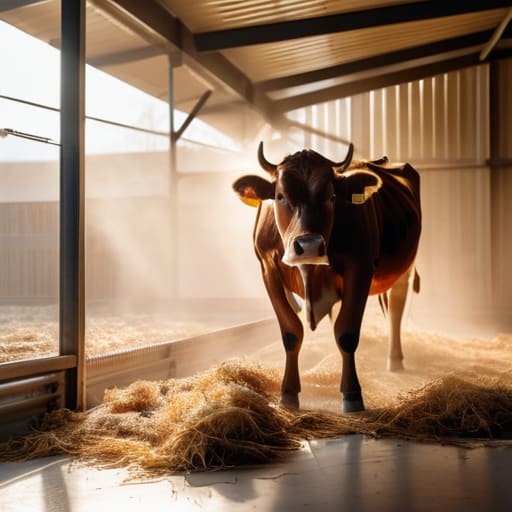
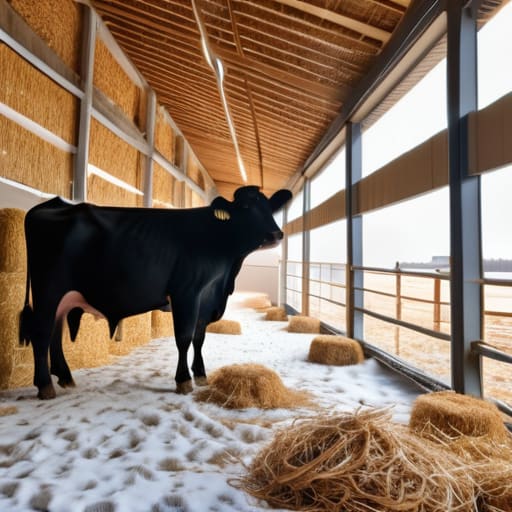
Most people look at a shed and see a roof and four walls. I look at a shed and see a massive, leaking bucket of money. If you’re just shoving animals in to get them out of the wind, you aren’t managing a farm; you’re just subsidising the local vet. The real work starts with preventing moisture buildup in winter, because wet bedding isn’t just uncomfortable—it’s a direct withdrawal from your bank account. I’ve seen too many lads think they can pack them in tight to keep the heat up, but you end up with a soup of muck that rots the feet off a heifer before the first frost is even gone.

You have to balance the air. If you get it too airtight, you’re breathing in ammonia that’ll scar their lungs; if it’s too drafty, you’re paying for the energy they should be using to grow. It’s about controlled ventilation, not just opening a door and hoping for the best. You need to keep the floor dry and the air moving without stripping the warmth from the animal. If you can’t manage the damp, you can’t manage the margin.

Moisture Is a Thief Preventing Moisture Buildup in Winter

Moisture Is a Thief Preventing Moisture Buildup in Winter

You can spend a fortune on the latest automated feeding systems, but if your shed is a damp sponge, you’re just subsidising the vet’s new car. I’ve seen it a hundred times: a farmer builds a tight, well-insulated shed to keep the warmth in, only to realize they’ve accidentally built a sauna. Without proper ventilation, you aren’t just managing animals; you’re managing a swamp. Preventing moisture buildup in winter isn’t about making the shed airtight; it’s about getting the wet air out before it settles on the backs of your cattle and drops their body temperature.

If you see condensation dripping from the rafters, you’ve already lost the battle. That moisture is going straight into the straw, turning your bedding into a cold, sodden mess that invites lameness faster than a bad market year. You have to balance air quality and ammonia levels in winter against the need to keep the wind off them. It’s a fine line. If you don’t get the airflow right, you’ll find yourself constantly replacing bedding, which is just throwing cash into a muddy puddle.

The Cost of Chills Temperature Regulation in Animal Housing

The Cost of Chills Temperature Regulation in Animal Housing.

You can spend a fortune on the best genetics in the country, but if you’re letting your stock shiver through a drafty shed, you’re essentially throwing money into a black hole. It isn’t just about keeping them warm; it’s about the energy they aren’t spending just trying to stay alive. When a cow has to fight the cold, she isn’t putting that energy into growth or maintaining her condition. I’ve seen it time and again: you think you’re being “efficient” by packing them in, but you’ve actually ignored optimal stocking density for cold weather, creating a microclimate that’s either too stagnant or too draughty.

It’s a delicate balance, much like trying to tune an engine while it’s running. If you get the ventilation wrong, you’re dealing with high air quality and ammonia levels in winter that’ll rot their lungs. If you get it too right, you’ve stripped away their natural heat. I’ve learned the hard way that steady, indirect airflow is worth more than any expensive heater you’ll buy at the mart. You want to move the bad air out without turning the shed into a wind tunnel.

Breathing Easy Managing Air Quality and Ammonia Levels in Winter

You can have the best insulation techniques for livestock shelters in the world, but if you seal that shed up tight to keep the heat in, you’re just building a gas chamber. I’ve seen it happen more times than I’d like to admit: a farmer gets so worried about the wind chill that he shuts every vent, only to wake up to a barn full of stinging eyes and animals that can’t stop coughing. Ammonia isn’t just a nuisance; it’s a slow-acting thief that eats away at your lungs and your bottom line.

Managing air quality and ammonia levels in winter is a delicate balancing act between keeping the draughts out and letting the stale air out. If you see a white haze hanging in the light or if your eyes start watering when you walk through the gate, you’ve already lost the battle. You need enough ventilation to sweep that gas away without creating a wind tunnel that strips the warmth right off their backs. It’s about controlled movement of air, not just opening a door and hoping for the best.

Dont Overcrowd the Profit Optimal Stocking Density for Cold Weather

There’s a temptation when the weather turns foul to pack them in tight, thinking the extra bodies will provide a bit of communal warmth. It’s a trap. I’ve seen it happen more times than I care to admit—a farmer tries to save on heating or space, only to find he’s actually just built a high-speed engine for disease. When you ignore optimal stocking density for cold weather, you aren’t just saving space; you are actively inviting trouble.

The moment you crowd them, you lose control. You can have the best insulation techniques for livestock shelters in the world, but if the shed is wall-to-wall animal, that heat is going to turn into a thick, suffocating soup of steam. That’s when you lose the battle. You’ll find that preventing moisture buildup in winter becomes an impossible task because the sheer volume of respiration and heat from too many mouths creates a microclimate that no amount of ventilation can fix. You end up with damp feet, respiratory issues, and a bottom line that looks more like a casualty list than a profit margin. Give them the room, or pay for it later.

Five Ways to Stop Your Winter Housing from Bleeding You Dry

  • Watch the bedding like a hawk. If you’re just throwing straw on top of a wet, trampled mess, you aren’t bedding them down—you’re just making a sponge that holds the cold against their skin. Dry, deep bedding is cheap; a calf with pneumonia because it’s lying in a damp puddle is a luxury you can’t afford.
  • Check your gates and fences more than your books. In the winter, when the ground turns to soup and the wind picks up, things shift. I’ve seen more profit lost to a broken gate or a collapsed pen than to most market fluctuations. If the stock can move where they shouldn’t, you’re losing money every minute they’re out of place.
  • Don’t trust a “new” feeder just because the brochure said it was efficient. If that feeder doesn’t work with the specific way your cattle move, or if it’s too high for the younger ones to get a decent mouthful, you’re just paying for a shiny piece of scrap metal that’ll sit in the corner while they waste feed on the floor.
  • Manage the light, not just the heat. It sounds like something a man with too much time on his hands would say, but if you’ve got animals stuck in a dark, gloomy shed for four months, their condition will drop regardless of how much you’re feeding them. You need enough natural light to see what you’re doing without letting the frost settle on their backs.
  • Keep a strict eye on the feet. You can have the best nutrition plan in the world, but if the floor is a slurry of mud and urine, you’re essentially breeding lameness. A lame cow isn’t just a welfare issue; she’s a walking hole in your cash flow that will haunt you come spring.

The Bottom Line: What You’re Actually Paying For

If you aren’t watching the moisture levels in your bedding, you aren’t managing a herd—you’re just subsidizing foot rot and vet bills.

Don’t let the fear of a cold wind trick you into overcrowding; a crowded shed is just a faster way to turn your profit into ammonia and disease.

Every piece of kit you buy for the winter needs to earn its keep by keeping the animals dry and the air moving, otherwise, it’s just expensive clutter sitting in the shed.

The Bottom Line

At the end of the day, managing winter housing isn’t about following some glossy manual or buying the most expensive automated ventilation system on the market. It’s about the basics: keeping the moisture out of the bedding, making sure the air isn’t thick enough to choke a calf, and ensuring you haven’t packed so many mouths into one shed that you’re just nursing disease instead of profit. If you get the moisture wrong, you lose the feet; if you get the density wrong, you lose the lungs; and if you get any of it wrong, you’re essentially handing your cash flow over to the vet. It’s a balancing act of grass, feet, and hard sense.

I’ve spent enough winters watching the weather turn and the margins tighten to know that you can’t control the rain, but you can certainly control how much of it ends up under your livestock. Don’t let the fancy new kit distract you from the simple reality of what a healthy animal needs to thrive when the ground is nothing but a sponge. If you focus on the environment first, the numbers in the ledger will usually follow. It’s not about being perfect; it’s about being diligent enough to see the mistakes before they become expensive lessons.

Frequently Asked Questions

When does the cost of extra bedding actually start to outweigh the profit from the extra weight we're trying to put on the cattle?

It’s a simple calculation, but most people trip over it. You start losing ground the moment the cost of that extra straw—plus the extra feed they need to stay warm in it—exceeds the market value of the daily weight gain you’re seeing. If you’re dumping tonnes of bedding on a floor just to keep them dry, but they aren’t converting that comfort into kilos, you’re just burying your cash flow in the muck.

How much of a difference does a bit of extra ventilation really make if I'm already seeing the breath of the animals in the morning?

If you’re seeing breath, you’ve already lost the battle with the humidity. That mist isn’t just “atmosphere”; it’s moisture that’s about to settle on the bedding and turn your floor into a soup. Seeing breath means the air is saturated. You don’t need more wind blowing directly on them—that’ll just chill the skin—you need a way to move that heavy, damp air out. If you don’t, you’re just paying to grow pneumonia.

At what point do I stop trying to fix a leaking roof and just accept that the ground is going to be a muck heap until April?

You stop when the cost of the patch exceeds the value of the calf it’s protecting. I’ve spent more on roofing contractors than I have on actual stock in some years, chasing a dry floor that never comes. If the leak is a steady drip, fix it. If the whole structure is a sieve, stop bleeding cash. Buy some more lime, get the bedding right, and accept the muck. You can’t out-engineer a bad building.