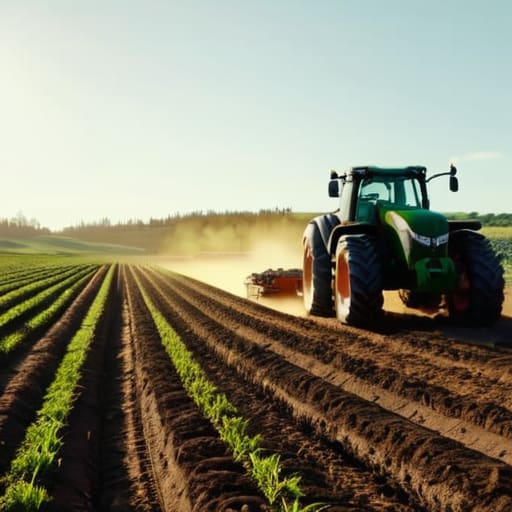
I’ve sat through enough seminars in drafty village halls to know that most of the talk about how to reduce farm emissions practically is nothing more than a way to sell you expensive, unproven additives or fancy software that does little more than track your decline. They’ll show you a spreadsheet with pretty green graphs, but they never ask how much rain fell on your hill last Tuesday or if your soil is actually capable of holding what you’re putting down. You can spend a fortune chasing theoretical carbon sequestration if you like, but if you aren’t looking at the actual efficiency of the animal in front of you, you’re just burning cash to satisfy someone else’s checklist.
I’m not here to give you a lecture on global models; I’m here to talk about the ground under your boots. I want to show you how managing your grazing cycles and paying closer attention to the nutritional density of your forage can actually tighten your margins while doing the job the regulators are asking for. I’ve made my share of expensive mistakes trying to follow the latest trend, so I’ll tell you straight which methods actually move the needle on your bottom line and which ones are just expensive distractions.
Table of Contents
- Stop Chasing Carbon Credits and Learn How to Reduce Farm Emissions Practica
- Methane Mitigation in Livestock Why Better Grass Beats Expensive Gadgets
- Sustainable Fertilizer Management Is About Soil Health Not Just Nitrous Oxi
- Dont Waste Cash on Precision Agriculture Technology That Sits Idle
- Regenerative Agriculture Techniques and Carbon Sequestration in Crops That
- Five Ways to Cut Emissions Without Breaking the Bank
- The Bottom Line on Cutting Emissions
- The Bottom Line
- Frequently Asked Questions
Stop Chasing Carbon Credits and Learn How to Reduce Farm Emissions Practica
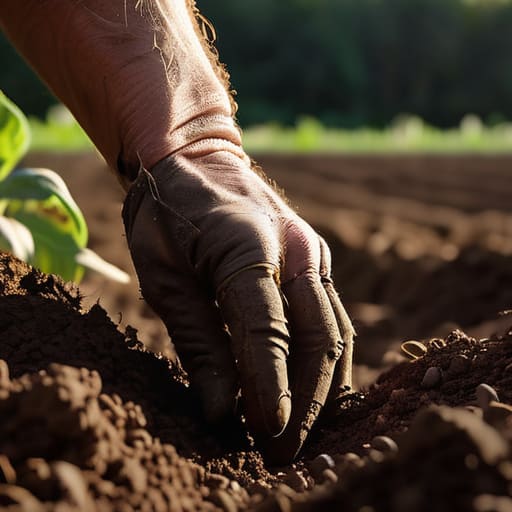
I’ve sat through enough seminars to know that when someone starts talking about “carbon sequestration in crops,” they’re usually looking for a way to make a spreadsheet look pretty rather than making the farm more resilient. You can spend a fortune on fancy consultants trying to navigate the bureaucracy of credits, but if you aren’t looking at the soil under your boots, you’re just chasing ghosts. For me, it’s never been about the global climate models; it’s about the efficiency of the system I’m running.
If you want to see a real difference, stop looking for a magic pill and start looking at your inputs. I’ve found that sustainable fertilizer management is where the real battle is won or lost. It isn’t just about the cost of the bag, though that’s a massive part of it; it’s about how much of that nitrogen actually stays in the ground instead of leaching out or turning into nitrous oxide. If you’re over-applying because you’re afraid of a yellow patch in the field, you aren’t just wasting cash—you’re actively making your environmental footprint larger. It’s about doing more with less, not more with more.
Methane Mitigation in Livestock Why Better Grass Beats Expensive Gadgets
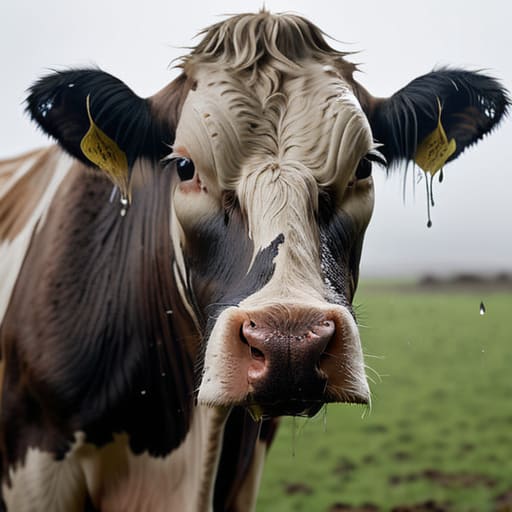
I’ve seen enough “miracle” additives and expensive seaweed supplements to fill a skip. Every time a new company rolls into the mart with a shiny brochure, they promise that their specific pill or spray is the silver bullet for methane mitigation in livestock. They talk about it like it’s a magic trick, but they never talk about the cost per head or how it sits with a cow that’s already struggling to put on condition. Most of these gadgets are designed for a laboratory, not for a wet field in November when the cattle are hungry and the margins are thin.
The truth is, if you want to actually move the needle, you look at the forage. A cow fed on high-quality, well-managed pasture is a different animal entirely compared to one scavenging on poor-quality, fibrous stalks. When you focus on improving the nutritional density of your grazing, you aren’t just feeding them; you’re making their digestion more efficient. That efficiency is what cuts the gas. You can spend thousands on precision agriculture technology to monitor every blade of grass, but if you haven’t mastered the art of getting the right plant under the right cow at the right time, you’re just buying expensive ways to stay broke.
Sustainable Fertilizer Management Is About Soil Health Not Just Nitrous Oxi
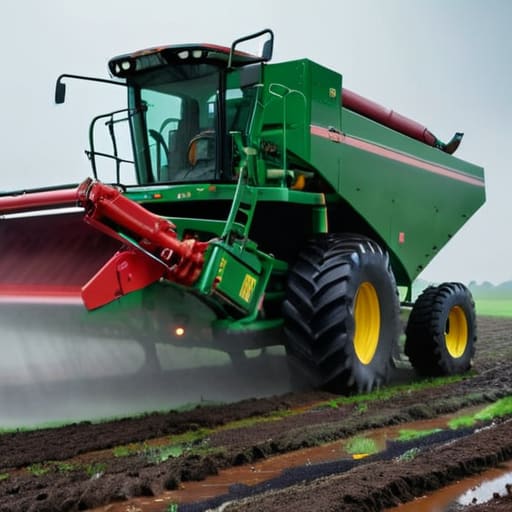
I’ve seen enough men spend a fortune on fancy sensors and satellite maps, thinking that precision agriculture technology is going to solve their nitrogen problems overnight. It won’t. You can have the most expensive spreader in the county, but if you’re dumping nitrogen onto ground that’s already saturated or too wet to take it up, you’re essentially just throwing money into the wind. Most of that nitrogen doesn’t end up in the grass; it ends up in the air or the water, and that’s where your profit leaks out.
Real sustainable fertilizer management isn’t about following a digital readout; it’s about knowing your soil like you know your own hands. I’ve spent more time looking at soil structure and organic matter than I have looking at a screen, because if your soil is dead, no amount of chemical input is going to fix the math. Instead of chasing nitrous oxide reduction in farming through expensive additives, start looking at how you manage your muck and your rotation. If you build the soil health first, the fertility follows, and you won’t be so reliant on buying every bag of NPK that comes out of the local co-op.
Dont Waste Cash on Precision Agriculture Technology That Sits Idle
I’ve seen it happen a dozen times: a salesman in a clean fleece arrives with a shiny new piece of precision agriculture technology, promising that a sensor or a drone will solve your emission problems overnight. They talk about data points and real-time analytics like they’re the second coming, but they rarely mention the interest rate on the loan you took to buy it. Most of that kit ends up gathering dust in the corner of the shed by the third year because it’s too fiddly to use when the weather turns or too expensive to calibrate.
If you want to see a real difference in your margins and your footprint, stop looking at the gadgets and start looking at your infrastructure. You don’t need a satellite map to tell you that your drainage is poor or that your soil compaction is killing your nitrogen efficiency. Real progress comes from getting the basics right—improving your fencing to manage grazing better or fixing a leak in the slurry tank. Investing in better stockmanship and better ground will do more for your bottom line than any software subscription ever will.
Regenerative Agriculture Techniques and Carbon Sequestration in Crops That
I’ve seen enough “regenerative” brochures to last me a lifetime, most of them filled with glossy photos of people who’ve never had to pull a calf in a freezing rain. The truth is, if you’re looking at carbon sequestration in crops as a way to get a cheque from the government, you’ve already lost the plot. Real sequestration isn’t about some magic new way of tilling; it’s about keeping the soil covered and the biology alive so you aren’t constantly fighting a losing battle against compaction and erosion.
If you want to see a difference in your margins, stop looking for a silver bullet and start looking at your cover crops and your rotation. It isn’t about being a saint; it’s about building soil structure so that when the heavy rain comes, your nutrients stay in the field instead of washing into the hedge. When you get your soil health right, you aren’t just helping the planet—you’re making sure your inputs actually do the job they’re paid for. Anything else is just expensive guesswork.
Five Ways to Cut Emissions Without Breaking the Bank
- Fix your parasite control and foot health first; a cow struggling with a worm burden or a limp isn’t converting grass into meat efficiently, and every wasted calorie is an unnecessary emission.
- Stop over-applying nitrogen just because the bag says so; if your soil can’t hold it and your grass can’t use it, you’re just paying to vent nitrous oxide into the atmosphere.
- Focus on your breeding selection for efficiency, not just size; I’d rather have a smaller, hardier cow that can thrive on a bit of hill grazing than a massive beast that needs constant supplementation to stay upright.
- Manage your sward height like your life depends on it; overgrazing leads to soil compaction and less carbon storage, while the right rotation keeps the roots deep and the soil healthy.
- Audit your slurry application timing; spreading when the ground is saturated is a fool’s errand that wastes your hard-earned nutrients and sends them straight into the air instead of the roots.
The Bottom Line on Cutting Emissions
If you want to lower your footprint, stop looking at the fancy gadgets and start looking at your sward; better grazing management produces more meat per unit of methane than any expensive additive ever will.
Soil health isn’t a buzzword for the brochures—it’s about keeping your nitrogen in the ground where it belongs so you aren’t paying to replace what’s washing away in the rain.
Every “green” decision must pass the cash flow test; if a new technique doesn’t improve your margins or the resilience of your stock, it’s just an expensive hobby that won’t keep the farm running.
The Bottom Line
At the end of the day, reducing your footprint isn’t about ticking boxes for a government inspector or buying into the latest shiny piece of kit that promises to solve the climate crisis from a tablet screen. It’s about the basics: managing your grass so you aren’t overstocking, keeping your soil biology alive so you aren’t throwing money away on nitrogen, and ensuring your animals are healthy enough to convert feed into profit efficiently. If you focus on the grass, the feet, and the cash flow, the emissions side of things tends to take care of itself as a byproduct of a well-run farm. You can’t manage what you don’t measure, but you also shouldn’t measure things that don’t actually impact your margin.
I’ve seen plenty of men go bust trying to chase the latest agricultural fad, thinking they could engineer their way out of a bad season. You won’t find the answer in a glossy brochure or a seminar held in a city hotel; you’ll find it in your own fields, looking at the ground and listening to what the weather is telling you. Farming is a long game, and the most sustainable thing you can do is build a business that is resilient enough to survive the next decade. Keep your eyes on the soil and your wits about you, and you’ll find that practicality is the best environmental policy there is.
Frequently Asked Questions
If I move to more intensive grazing to improve my grass quality, how do I stop the soil compaction from undoing all those carbon gains?
You’re asking the right question, and it’s the one most people skip. You can graze as intensively as you like to boost that grass, but if you turn your topsoil into concrete, you’ve achieved nothing but a very expensive way to kill your biology. Watch your stocking density like a hawk. If the ground feels spongy or you see poaching around the water troughs, you’ve gone too far. Move them. It’s better to leave a paddock empty for a week than to spend three years trying to fix a compacted acre.
You say better grass beats gadgets, but how much of a margin am I actually going to see on a suckler cow if I prioritise forage quality over pure numbers?
You’re asking the right question, though the answer isn’t in a spreadsheet; it’s in the weight gain per day. If you chase numbers, you end up with a field of “empty” calories—lots of bulk, no nutrition. You’ll spend your margin on extra feed just to keep them standing. I’ve found that dropping your herd size by 10% but improving forage quality can actually widen your margin by reducing those late-season supplemental costs. It’s about more meat per hectare, not more mouths to feed.
Which specific soil testing methods are actually worth the money, and which ones are just salesmen trying to sell me a subscription?
If a salesman tells you that you need a monthly subscription to a digital soil-mapping service to stay “compliant,” walk away. You’re paying for a fancy interface, not better yields. Stick to the basics: a proper spade test and a decent lab analysis for pH, P, K, and Mg. It’s boring, it’s old-fashioned, and it’s the only way to know what’s actually happening under your boots. If the data doesn’t tell you exactly how much lime or potash to spread, it’s useless.
