How to choose a breed for your ground.

The Breed Should Suit the Hill, Not the Show Ring

I spent a good portion of my thirties listening to salesmen in clean wellies tell me that a specific pedigree line would “revolutionize” my margins, provided I just ignored the fact that my hills are nothing but wet peat and gorse. They’ll show you glossy brochures of animals that look like they belong in a show ring, but they never mention what happens when those same animals are standing knee-deep in a sodden field in mid-November. If you’re looking at a breed catalogue and thinking about carcass weight before you’ve even checked your annual rainfall figures, you’re heading for a very expensive mistake. Learning how to choose a breed for your ground isn’t about chasing the latest genetic trend; it’s about knowing whether that animal can actually survive the reality of your postcode without costing you your shirt.

I’m not here to sell you a dream or a fancy new bloodline. What I can do is tell you what I’ve learned from forty years of watching animals thrive and watching others fail miserably because they were a mismatch for the soil. I’ll be looking at this through the only lens that matters: the intersection of your grass quality, your drainage, and your bank balance.

Table of Contents

Stop Buying Pretty Cows How to Choose a Breed for Your Ground
Stop Buying Pretty Cows How to Choose a Breed for Your Ground

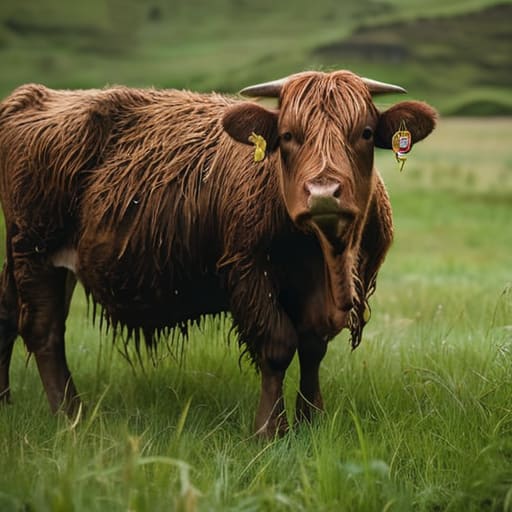
I’ve seen too many young lads walk into a livestock sale with a glossy brochure in one hand and a bank loan in the other, convinced that a certain pedigree is going to transform their business. They see a sleek, high-growth animal and think they’ve found the holy grail. But if you’re putting a high-input, “showy” breed onto heavy, wet clay without a massive budget for supplementary feeding, you aren’t farming; you’re just subsidising a walking money pit. You have to look past the coat and the conformation and start thinking about soil type compatibility. If that animal can’t forage efficiently on the specific grass your soil produces, it’s a liability from day one.

It comes down to what I call the “survival math.” You need to prioritize resilient breed characteristics over anything that looks good in a ring. I don’t care how much a heifer might weigh at weaning if she spends her entire life lying down because her feet can’t handle your specific terrain. A cow that thrives on your local forage and handles your seasonal weather shifts without needing a vet every Tuesday is worth twice what a “fancy” breed is worth when the prices drop.

The Hidden Cost of Ignoring Soil Type Compatibility
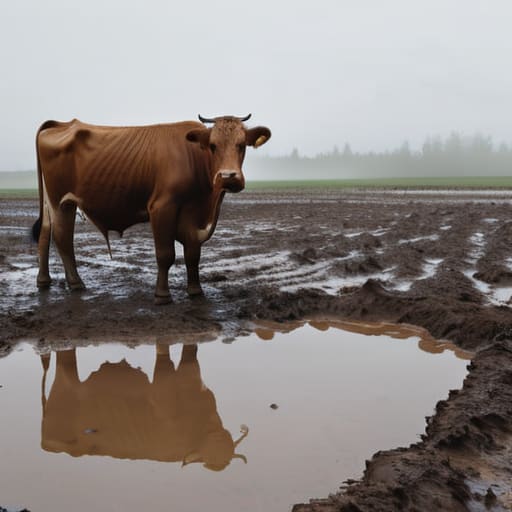
The Hidden Cost of Ignoring Soil Type Compatibility

You can buy the most expensive, high-performance genetics on the market, but if they’re standing on heavy, waterlogged clay, you aren’t running a farm—you’re running a money pit. I’ve seen it time and again: a lad buys a flashy, high-output line because the catalogue says they’ll produce more kilos of beef, only to find they lack the basic resilient breed characteristics needed to cope with a wet winter. When the ground turns to soup, those fancy animals don’t just stand there; they sink, they get scald, and they start looking for a way to lose weight faster than you can replace it.

It’s a mistake of soil type compatibility that most people don’t realize they’ve made until the vet bill arrives. A breed that thrives on light, well-drained limestone won’t cut it if your hills are nothing but peat and heavy silt. You have to look at the drainage, not the pedigree. If the animal can’t manage the specific conditions of your acres without constant intervention, you aren’t investing in genetics; you’re just subsidizing a mistake.

Why Regional Climate Adaptation Matters More Than Pedigree Papers
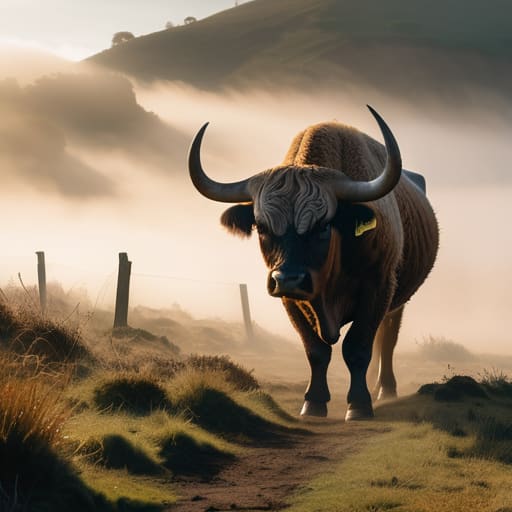
Why Regional Climate Adaptation Matters More Than Pedigree Papers

I’ve seen enough men walk into a livestock auction with a folder full of pedigree certificates and a head full of dreams to know where they’re headed. They see a bull with a lineage that goes back to the turn of the century and think they’ve found gold. But a piece of paper doesn’t tell you how that animal will behave when the mist sits in the valley for three weeks straight or when the summer heat turns your best pasture into dust. You can buy the finest genetics in the country, but if you haven’t accounted for regional climate adaptation, you aren’t investing in livestock; you’re just subsidizing a slow leak in your bank account.

A cow that thrives in a dry, lowland valley is going to struggle—and lose weight—on a wind-swept hill in a wet year. It’s about resilient breed characteristics that actually match the reality of your weather, not the prestige of the registry. If the animal spends more energy trying to stay warm or dry than it does converting grass into muscle, you’ve already lost the game. Don’t let a fancy name blind you to the fact that the weather doesn’t care about a pedigree.

Matching Resilient Breed Characteristics to Your Local Ecosystem

You can read all the fancy breeding manuals you like, but they won’t tell you how a heifer will behave when the March rains turn your bottom field into a peat bog. When I’m looking at resilient breed characteristics, I’m not looking at the shape of the head or the curve of the horn; I’m looking at the feet and the temperament. If you’re running a breed that’s been pampered on high-protein silage and flat, well-drained acreage, you’re going to have a very expensive time when the weather turns. You need animals that can find their own way through a bit of scrub and won’t lose a toe the moment the ground gets soft.

True local ecosystem matching is about more than just survival; it’s about whether the animal can actually turn your specific grass into profit without needing a constant vet bill. I’ve seen lads bring in high-input breeds thinking they’ll squeeze every ounce of meat out of the land, only to find they spend more on supplements and foot baths than they ever make at the mart. If the animal doesn’t fit the rhythm of your seasons, it isn’t an asset—it’s a liability.

Hardiness Zone Selection Avoiding the Most Expensive Mistakes

I’ve seen it happen more times than I care to count: a young man gets a bit too much credit for a fancy new bull, brings in a line of cattle that looks grand on a glossy catalogue, and spends the next three years fighting a losing battle against the weather. He’s focused on the weaning weight, but he hasn’t looked at the thermometer or the wind chill in a decade. Proper hardiness zone selection isn’t about reading a chart in a textbook; it’s about knowing whether your stock can stand a week of sleet in a north-facing field without losing half their condition.

If you ignore regional climate adaptation, you aren’t just farming livestock; you’re subsidizing the vet and the feed merchant. I don’t care how much profit a certain breed promises on paper if they need a heated shed just to survive January. You have to look at the reality of your hills and your valleys. If the breed can’t thrive in the damp or stand the wind, you’re essentially buying a very expensive way to lose money every single season.

Five Ways to Avoid Buying a Very Expensive Mistake

  • Forget the show ring and look at the grass. If you’re running heavy-set continental beef cattle on thin, upland soil that barely holds a bit of rye, you aren’t farming; you’re just subsidising their weight gain with your own bank balance.
  • Check the feet before you check the fleece. I don’t care how high the wool price is if that breed can’t stand in a wet, heavy clay paddock for three weeks without looking like it’s walking on eggshells. A lame animal is a hole in your pocket that never quite plugs.
  • Don’t trust a brochure’s “ideal conditions.” Every salesman says his breed thrives in “temperate climates,” but they never mention what happens when the wind comes sideways off the hills in February or when the summer turns your grazing into dust.
  • Watch your margins, not just your carcass weight. A breed that puts on meat like a machine sounds grand until you realize it requires expensive concentrates just to keep its head up. If it can’t finish itself on what you actually grow, it’s a luxury you can’t afford.
  • Buy for your worst year, not your best. It’s easy to make a breed look profitable when the rain is even and the grass is lush, but you need to know if those genetics will hold their condition when the weather turns sour and the forage runs low.

The Bottom Line: Three Things to Remember Before You Buy

Forget the prize ribbons; if a breed can’t handle your specific soil and your local rainfall without needing a vet or a bag of expensive feed every second week, you aren’t farming, you’re just subsidising a hobby.

Your grass is your only real bank account, so pick a breed that actually knows how to turn it into meat rather than one that just looks good standing in a clean, well-managed show ring.

Always check the feet and the temperament before you check the pedigree; a fancy animal that won’t walk on your ground or stays in the corner of the field is nothing more than a very expensive way to lose money.

The Bottom Line

At the end of the day, you aren’t just buying animals; you are buying a long-term commitment to your specific patch of earth. If you ignore the soil type, the rainfall, and the way your grass actually grows in February, you are essentially inviting a slow leak into your bank account. You can chase the highest-selling pedigree or the trendiest breed in the next agricultural magazine, but if that animal can’t find its own way through a wet autumn or thrive on your local forage, you’ll be paying for them through vet bills and wasted feed every single month. Stick to the basics: match the genetics to the ground, and ensure the feet and the temperament are up to the task of your specific landscape.

I’ve spent forty years watching people try to outsmart nature with expensive imports and fancy breeding programs, only to see them fold when the weather turns sour. Farming isn’t about winning a show ring; it’s about building a system that survives the bad years so you can actually enjoy the good ones. Don’t be afraid to choose the “boring” breed that works, because reliability is the most profitable asset you will ever own. Look at your fields, listen to what the ground is telling you, and trust your own eyes more than a salesman’s brochure.

Frequently Asked Questions

If I’ve already invested in a specific breed that isn't performing well on my soil, is it better to try and fix the ground or just cull the herd and start over?

You’re asking if you should fix the ground or the herd. You can’t fix the ground by tomorrow, and you can’t fix a cow’s genetics by next season. If the soil is fundamentally wrong for the animal, you’re just subsidising their survival. Don’t pour money into lime and drainage hoping to force a misfit to thrive. Cull the underperformers slowly, reinvest that cash into a breed that actually likes your rain, and fix the ground in the meantime.

How much weight should I actually give to a breed's nutritional requirements versus the actual nutrient density of my grass?

You’re asking the right question, though you’ve got the order slightly wrong. The breed’s requirements are just a theoretical number on a page; your grass is the reality. I’ve seen men go bust trying to feed “high-performance” genetics on marginal hill ground because they thought they could out-supplement a poor diet. Don’t chase a nutritional requirement you can’t meet. Match the animal to the nutrient density you actually have, not the one you wish you had.

When looking at a breed's profile, how can I tell if their "hardiness" is genuine or just marketing fluff designed to sell more semen?

Look past the glossy brochures and the “extraordinary constitution” claims. If they won’t tell you exactly what kind of forage they’re bred to thrive on, or how they handle a wet, heavy clay, they’re selling you a dream, not a beast. Ask for the data on weaning weights in marginal conditions, not just show ring stats. If the “hardiness” doesn’t translate to survival on your specific grass during a bad year, it’s just expensive marketing.
Guide on how to plan a farming year.

Planning a Year Around the Weeks You Cannot Move

If you pick up a glossy agricultural magazine, they’ll try to sell you some digital management suite or a complex, color-coded spreadsheet to show you how to plan a farming year. They make it sound like you just need the right software to solve your problems, but they’ve never had to stand in a wet field in late November wondering if the silage will actually hold or if the bank is going to call. Most of that high-tech advice is written by people who have never had a calf die in the mud or a heifer go lame when the prices are at their lowest. You don’t need a subscription; you need a realistic look at your margins.

I’m not here to sell you a system or a piece of kit that’ll end up gathering dust in the corner of the shed. What I want to do is walk you through the actual mechanics of the seasons—the stuff that matters, like managing your grass, watching your stock’s feet, and protecting your cash flow. I’ll tell you how I map my year around the hard realities of the weather and the market, so you can stop reacting to crises and start actually managing the business.

Table of Contents

Stop Guessing and Start Governing How to Plan a Farming Year

Stop Guessing and Start Governing How to Plan a Farming Year

Most people approach their year by looking at a calendar, but a calendar is just paper. If you want to actually run a business instead of just reacting to crises, you have to align your livestock breeding cycles with the reality of your pasture. I spent my thirties thinking I could outrun the seasons with more fertilizer or a bigger tractor, only to find myself staring at a mounting debt because my calving window didn’t match my grass availability. You don’t plan by the month; you plan by the growth of the sward and the needs of the animal.

Real control comes when you stop treating your overheads like a surprise at the end of the quarter. You need a rigorous approach to agricultural financial management that accounts for the fact that your biggest expenses—feed, fuel, and vet bills—don’t care about your projected margins. I’ve learned the hard way that if you haven’t mapped out your cash outlays against your expected weaning numbers, you aren’t farming; you’re just hoping for the best. And in this business, hope is a very expensive way to live.

The Grass Is Always Greener When Your Seasonal Crop Rotation Schedule Works

The Grass Is Always Greener When Your Seasonal Crop Rotation Schedule Works.

You can talk all you want about the price of beef or the latest subsidy tweaks, but if you haven’t mastered your seasonal crop rotation schedule, you’re essentially trying to build a house on a bog. I spent far too many years thinking the grass would just “be there” when the cows were ready, only to find myself staring at a field of nothing but weeds and disappointment in late August. You have to work backward from the animal’s needs, not forward from the seed bag. If your soil preparation timeline is off by even a fortnight, you aren’t just losing a crop; you’re losing the margin that keeps the bank from calling.

It isn’t just about the biology, either; it’s about the math. A well-timed rotation means you aren’t scrambling to buy expensive hay in a drought or paying a premium for silage because you missed your window. When you sync your forage production with your livestock breeding cycles, the whole system starts to breathe. You stop reacting to the weather and start anticipating the gaps in your feed. If you aren’t planning your grass around your cash flow, you’re just a spectator on your own land.

Dont Let Breeding Cycles and Soil Preparation Timelines Ruin Your Margin

Dont Let Breeding Cycles and Soil Preparation Timelines Ruin Your Margin

Most people treat their breeding calendar like a suggestion rather than a law, and that’s where the bleeding starts. If your livestock breeding cycles aren’t tightly synced with when you actually have the forage to support the calves, you aren’t farming—you’re just subsidizing the vet. I’ve seen too many lads rush the job, trying to squeeze an extra lamb crop out of a season that doesn’t have the ground to carry it. You can have the best genetics in the county, but if those animals hit the field when the soil is a bog or the grass is spent, you’re just feeding your profit to the mud.

It’s the same story with the ground itself. You can’t just wake up in March and decide it’s time to work. A proper soil preparation timeline needs to be settled long before the tractor leaves the shed, or you’ll find yourself fighting the weather and your bank balance at the same time. If you haven’t accounted for the time it takes to get the lime down and the tilth right, you’ll miss your window, and a missed window is a direct hit to your margin.

Protecting Your Cash Flow Through Strict Agricultural Financial Management

Most people treat their bank balance like a weather vane—they just look at it to see which way the wind is blowing. That’s a mistake. Real agricultural financial management isn’t about looking at what you spent last month; it’s about knowing exactly what a suckler cow is going to cost you before she even hits the field. I’ve seen too many lads get caught out by a sudden spike in diesel or a sudden drop in calf prices because they hadn’t accounted for the “hidden” costs of the year. You have to map your outgoings against your income peaks, or you’ll find yourself staring at a dry bank account just when the vet’s bill arrives.

Don’t get caught in the trap of buying shiny new kit on credit just because the salesman promised it would “pay for itself.” If it doesn’t directly improve your grass quality or your animal health, it’s probably a luxury you can’t afford mid-season. I keep a strict farm equipment maintenance schedule not because I love tinkering in the shed, but because a broken tractor in October is a direct hit to my margin. You need to plan for the breakdowns before they happen, or you’ll be paying premium rates for repairs when you’re already stretched thin.

Managing Labor and Equipment Before They Leave You in the Lurch

You can have the best soil preparation timeline in the county and a perfect grass plan, but if your tractor won’t turn over when the silage needs cutting, or your best hand walks off mid-lambing, the whole year goes sideways. I’ve learned the hard way that a farm equipment maintenance schedule isn’t just a suggestion for the quiet months; it’s the only thing standing between you and a catastrophic repair bill in the middle of a busy week. If you wait until the machine starts making a funny noise during the peak of the season to look at it, you aren’t just fixing a belt—you’re paying for lost time and wasted grass.

The same goes for people. Relying on a “steady hand” that only shows up when the weather is fine is a recipe for disaster. You need real farm labor management strategies that account for the fact that people have lives, and sometimes they’re unreliable. I don’t look for the most skilled person on day one; I look for the one who understands that if they don’t show, the whole system breaks. Plan for the gaps, train for the basics, and never assume your most critical task will be handled by someone who hasn’t been properly briefed.

Five Lessons Learned from Forty Years of Watching the Calendar Fail

  • Stop planning around the dates in a textbook and start planning around the weather you actually get; if your calving or lambing schedule relies on a “standard” spring that doesn’t account for a wet March, you’re going to spend your entire profit margin on extra bedding and vet bills.
  • Treat your maintenance schedule like a debt that’s due every single year, because ignoring a worn bearing or a leaking gate in the autumn means you’ll be paying triple for a repair—and a lost animal—when the pressure is on in May.
  • Map your grass growth against your actual stock numbers, not your “ideal” numbers, because there is no sense in planning for a herd size that your worst bit of ground can’t support when the rain won’t stop for three weeks.
  • Audit your kit every winter before you decide what to buy for the spring; I’ve seen enough expensive machinery sit in the corner of a shed gathering dust because someone bought a “solution” for a problem they didn’t actually have.
  • Build a three-month cash buffer into your seasonal plan specifically for the things you can’t predict, like a sudden spike in feed prices or a dip in market value, because the only thing worse than a bad year is a bad year that leaves you with no way to buy your way out of it.

The Bottom Line for Your Planning

If you aren’t planning your year around the grass growth and the rainfall, you aren’t farming; you’re just waiting for the weather to decide if you’ll be in the black or the red.

Stop chasing the latest shiny piece of kit and start looking at the feet of your stock; a lame animal is a hole in your pocket that no amount of high-spec machinery can plug.

A calendar is useless if it doesn’t account for cash flow, so make sure your breeding and selling dates line up with when the bills actually land, not just when it’s convenient for the livestock.

The Bottom Line

At the end of the day, planning isn’t about filling out a glossy diary or following some consultant’s five-year vision that ignores the reality of a wet spring. It’s about the relentless, unglamorous work of synchronising your grass growth, animal health, and cash flow so they don’t collide when you least expect it. If you’ve managed your soil, kept a sharp eye on the feet of your stock, and accounted for the cost of every litre of diesel before the season even starts, you’ve already done more than half the men I know. You aren’t just chasing a harvest or a weaning date; you are building a buffer against the inevitable bad luck that every farmer eventually faces.

I’ve spent forty years watching weather patterns shift and subsidy rules change, and if there is one thing I’ve learned, it’s that the farm doesn’t care about your intentions, only your preparation. You will still have years where the rain won’t stop and the prices won’t move, but a well-planned year means those bad years won’t be the ones that break the bank. Don’t aim for perfection—that’s a fool’s errand—just aim to be the one who isn’t caught flat-footed when the ground turns to soup or the market turns sour. Get your numbers right, watch your grass, and keep your eyes on the margin, not just the field.

Frequently Asked Questions

How do I adjust my seasonal plan when the weather turns and the grass growth simply isn't there to back up my numbers?

You don’t “adjust” the plan; you face the reality of the ground. If the grass isn’t growing, your numbers are just fiction written in a ledger. You have two choices: find the feed to bridge the gap or reduce the mouths eating it. I’ve learned the hard way that trying to “wait it out” with too many head is just a slow way to bleed your cash flow dry. Sell early, sell cheap, or starve.

At what point does the cost of maintaining old machinery outweigh the risk of trying to squeeze one more season out of it?

You know it’s time when you stop fixing the machine and start fixing your calendar. If a breakdown during a critical window—like hay making or calving—costs you more in lost time and stressed stock than a monthly finance payment on a new unit, the old iron is dead. I’ve sat in the shed looking at a cracked gearbox and a mounting repair bill, knowing full well that piece of kit is just a liability waiting to happen.

How much of a cash buffer should I actually be holding back to account for the inevitable price drops or sudden vet bills?

If you’re looking for a percentage, you’re asking the wrong question. You need to look at your fixed costs for a dry year—the diesel, the feed, the vet, and the taxman—and then add another twenty percent on top for when the market turns or a heifer goes down. I don’t move a penny on new kit until I know I can weather six months of nothing. If your buffer doesn’t cover the basics, you aren’t farming; you’re just praying.

How rural isolation affects people in isolation.

Isolation Is an Occupational Hazard Here

You’ll see plenty of glossy pamphlets from the city talking about mental health as if it’s something you can fix with a mindfulness app or a weekend retreat. They make it sound like a clinical problem to be solved, but they’ve never spent a Tuesday in February when the wind is coming off the hills and the nearest soul is three miles away. They don’t understand how rural isolation affects people because they think it’s just about being lonely; they don’t realize it’s the weight of the silence that gets you. It’s that heavy, ringing quiet in the kitchen after the dogs have gone to sleep and the machinery is finally still, making you wonder if you’ve forgotten how to speak to anyone who isn’t a heifer.

I’m not here to offer you any soft-edged platitudes or academic theories that won’t hold water when the weather turns. I’m going to tell you what it actually looks like when the distance between you and the rest of the world starts to erode your grit. We’ll talk about the practical ways to keep your head straight when the yard is empty, and why ignoring the mental toll is just as dangerous to your livelihood as a bad case of foot rot.

Table of Contents

The Invisible Drain How Rural Isolation Affects People More Than Drought

The Invisible Drain How Rural Isolation Affects People More Than Drought

You can look at a dry spell and know exactly how much it’s going to cost you in forage and weight gain; the numbers are right there on the ledger. But you can’t quantify the way the silence starts to settle in when the only voice you’ve heard for three days is your own or the radio in the tractor. The psychological impact of remote living isn’t a sudden storm you can batten down against; it’s a slow leak, like a puncture in a tyre that you don’t notice until you’re riding on the rim.

It’s not just about being physically distant from the next house, though the geographic barriers to social interaction certainly don’t help when the nearest decent pub is a twenty-minute drive on tracks that’ll shake your teeth loose. It’s the loss of that casual, unforced connection. When you’re struggling with a calving or a broken fence, you need more than a text message; you need someone to stand in the yard with you. Without those rural community support systems in place, the weight of the farm starts to feel less like a business and more like a cage.

The Psychological Impact of Remote Living and the Heavy Price of Silence

The Psychological Impact of Remote Living and the Heavy Price of Silence.

It isn’t just about being alone; it’s the way the silence starts to settle into your bones when the only voice you’ve heard all day is your own, or the radio in the tractor cab. You get used to the distance, but there is a genuine psychological impact of remote living that doesn’t show up on a balance sheet. When a fence goes down or a calf is stuck at three in the morning, you realize just how much you rely on a neighbor’s nod or a quick word at the mart. Without that, the walls of the farmhouse start feeling a lot thicker, and the isolation stops being a way of life and starts being a weight.

The real trouble is that when things do go south, the access to mental health services in the countryside is often a joke. You can’t exactly book a Tuesday afternoon appointment when you’ve got a hundred head to move or a broken gate to fix, and most of us aren’t the type to go ringing a helpline. We tend to just keep our heads down and work harder, thinking we can outrun the quiet, but you can’t outwork a lack of connection.

Broken Links Why Geographic Barriers to Social Interaction Kill Morale

It isn’t just the miles on the odometer that get to you; it’s the way the distance makes every bit of human contact feel like a scheduled event rather than something that just happens. When you’re living behind a gate that’s five miles from the nearest neighbour, you stop expecting people to drop by. You start to view geographic barriers to social interaction as a permanent part of the landscape, as fixed as a stone wall or a bad drainage ditch. You stop calling because you don’t want to be a burden, and eventually, you just stop wanting to talk at all.

That’s where the rot sets in. When you lose that easy, unplanned connection—the quick chat over a fence or a nod at the mart—you lose your tether to the rest of the world. You start thinking your problems are yours alone, which is a dangerous way to live. The real trouble is that social connectivity in rural areas isn’t some luxury for when the weather’s fine; it’s the safety net that catches you when the bank calls or a calf dies in the middle of the night. Without it, the world gets very small, and very dark, very quickly.

Loneliness in Rural Communities a Debt No Bank Can Ever Forgive

The problem with loneliness in rural communities is that it doesn’t show up on a balance sheet until it’s far too late. You can account for a broken tractor or a dip in beef prices, but you can’t easily quantify the slow erosion of a man’s spirit when his only meaningful conversation for three days is with a heifer. We tend to treat social connectivity in rural areas as a luxury—something that happens at the mart or the pub if the weather holds—rather than a basic necessity for staying upright.

When you’re tucked away behind three miles of stone walls and a bad track, the distance isn’t just measured in meters; it’s measured in the effort it takes to reach out. Most of us are too proud to admit when the silence starts getting loud, and that’s where the danger lies. We view access to mental health services in the countryside as a secondary concern compared to getting a vet out or fixing a fence, but if the person running the farm has checked out mentally, the whole operation follows suit. It’s a debt that compounds every single day you spend working in a vacuum.

Fixing the Connection Building Better Rural Community Support Systems

You can’t fix a broken fence by just staring at the gap; you have to actually get the wire and the strainer out. The same goes for this. We talk about rural community support systems like they’re something you can just download on an app, but that’s nonsense. Real support isn’t a helpline that rings from a city three hundred miles away; it’s the lad down the road noticing your tractor hasn’t moved from the yard in two days and pulling up to ask if you’re alright. We need more of that local, boots-on-the-ground presence, because digital connectivity is a poor substitute for a handshake.

The real challenge is that improving social connectivity in rural areas requires more than just better broadband. It means creating spaces—actual, physical places—where we aren’t just passing each other in a Land Rover at forty miles an hour. We need hubs that don’t feel like a doctor’s waiting room, because most of us won’t walk through a door if it feels like we’re admitting defeat. If we want to tackle the isolation, we have to build systems that respect the way we live, rather than trying to force a city model onto a landscape that doesn’t work that way.

Five Ways to Keep Your Head Above Water When the Miles Start Getting Long

  • Stop treating a visit to the mart or the local co-op as a mere transaction. If you only go there to buy feed and leave without a ten-minute chat about the weather or the price of silage, you’re leaving the most important part of the job at home. Those small, pointless conversations are the only thing that keeps you tethered to the rest of the world.
  • Learn to distinguish between being “busy” and being “productive.” I’ve seen many a lad spend sixteen hours a day in the yard, working himself into the ground, only to realise he hasn’t spoken a word to another human being in three days. Hard work is fine, but if it’s being used as a shield to avoid people, it’ll cost you more in the long run than a broken tractor.
  • Don’t wait for a crisis to reach out. If you wait until the bank is breathing down your neck or the herd is failing to call a neighbour, you’re already halfway to the bottom of the pit. You have to build the habit of talking when things are going well, so that when the weather turns sour, the lines of communication are already open.
  • Get out of the cab and off the tractor more often than you think you need to. There is a particular kind of madness that sets in when your only view for twelve hours a day is a windscreen and a dashboard. Even if it’s just a walk to the far field or a quick trip into the village for a bit of milk, you need to break the visual monotony before it starts to weigh on your mind.
  • Be honest about the margins, even with yourself. We’re a breed that likes to pretend everything is “fine” when we’re staring at a mounting pile of debt and a lonely house. If the isolation is starting to bite, admit it. It’s not a sign of a weak farmer; it’s just a practical assessment of your current mental stock, and you wouldn’t let a ewe run on nothing but air, would you?

The Bottom Line on Staying Sane

Isolation isn’t just a feeling; it’s a drain on your ability to make clear-headed decisions when the margins are thin and the weather turns.

You can’t fix a broken community with a new piece of kit or a subsidy check; you fix it by making sure the person in the next farm over is still standing.

Stop treating mental health like a luxury for people with time to kill; in this business, a man who’s lost his head is just as dangerous to the farm as a heifer with a broken leg.

The Bottom Line on Being Alone

We’ve spent a lot of time looking at the ledger of isolation, and it’s a grim accounting. We talk about the cost of diesel, the price of concentrate, and the fluctuations in the beef market, but we rarely tally the cost of the silence that settles over a farm when the social fabric starts to fray. Isolation isn’t just a bit of peace and quiet; it is a slow, corrosive drain on the mental grit required to run a livestock business. It breaks the morale that keeps a man or woman going through a hard lambing or a dry summer. If we don’t address the way geographic distance and crumbling community links strip away our resilience, we are essentially letting the farm die from the inside out, regardless of how much grass is in the field.

At the end of the day, a farm is more than just a collection of assets and acreage; it is a life lived in connection to others. You can have the best genetics in your flock and the most modern kit in the shed, but if you’re working in a vacuum, you’re working on borrowed time. We need to stop treating rural loneliness as a personal failing and start seeing it for what it is: a structural risk to our way of life. Look after your neighbours as closely as you look after your stock, because when the weather turns and the margins get thin, it’s the people, not the machinery, that will see you through to the next season.

Frequently Asked Questions

If the isolation is part of the job, how do you stop it from becoming a permanent part of who you are?

You don’t stop it; you manage it like you manage a wet spring. If you let the isolation settle into your bones, it’ll rot your sense of perspective. I’ve found you have to force the social side, even when you’re bone-tired. It means showing up to the mart or the local meeting when you’d rather stay in the yard. You have to keep one foot in the world of people, or you’ll start believing the silence is the only truth.

Is there a way to build a community when everyone is too busy or too tired just to keep their own heads above water?

It’s a fair question, and the answer is usually found in the margins. You can’t expect a man who’s been in the yard since five a.m. to show up for a committee meeting. Community in this business isn’t about town hall socials; it’s about the five minutes spent leaning on a gate or the text sent when a neighbor’s tractor breaks down. If it isn’t practical and doesn’t respect the workload, it won’t happen.

At what point does a man stop seeing the silence as peace and start seeing it as a problem?

It’s when the silence stops being a respite from the noise of the yard and starts feeling like a weight in your chest. When you find yourself driving ten miles just to hear a voice that isn’t your own, or when you realize you haven’t spoken a word out loud since Tuesday morning, that’s when the peace has turned into a problem. It’s the difference between enjoying the quiet and being swallowed by it.