Understanding how body condition scoring works.

Condition Scoring by Hand, Not by Eye

I’ve spent enough time watching salesmen in clean boots try to pitch expensive nutritional software to convince me that “how body condition scoring works” requires a tablet and a subscription. It’s a bloody joke. You don’t need a digital readout to tell you a cow is running on empty; you need to get your hands dirty and actually feel the animal. I remember back in ’94, during a particularly dry spell, I wasted a small fortune on high-spec concentrates because I was looking at the wrong data, rather than just walking the field and feeling the hollows in the flanks of my best breeders. I was looking at spreadsheets when I should have been looking at the ribs.

I’m not here to give you a lecture from a textbook or sell you a piece of kit that’ll end up gathering dust in the shed. What I’m going to do is show you how to use your own two hands to make decisions that actually protect your margins. We’ll talk about the difference between a cow that’s carrying good cover and one that’s just bloated on cheap forage, and more importantly, how that distinction dictates whether you’re making money or just subsidising the vet.

Table of Contents

Stop Guessing at the Feed Bunk How Body Condition Scoring Works

Stop Guessing at the Feed Bunk How Body Condition Scoring Works

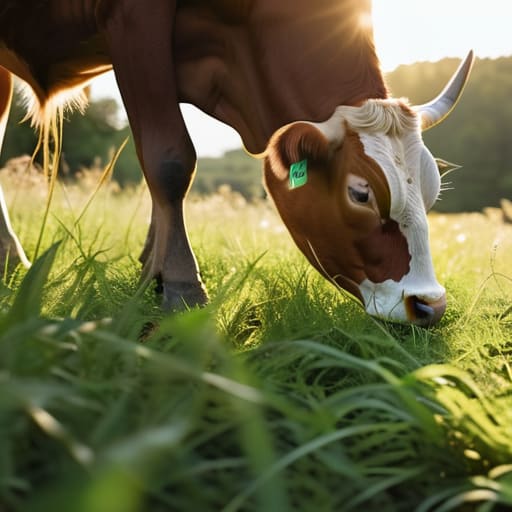
Now, you can stand in the yard and stare at a cow until the sun goes down, but staring isn’t the same as seeing. If you’re just looking at whether she looks “plump” or “thin,” you’re playing a dangerous game with your margins. To do this right, you need a combination of visual and palpation techniques. It’s not enough to just glance at her from the gate; you have to get in close and actually feel the spine, the ribs, and the fat cover over the pelvis. If your hands aren’t doing the work, you’re just guessing, and guessing is a luxury a suckler herd can’t afford.

Most folks use a standard scale, but a number on a page means nothing if you haven’t mastered the animal fat distribution assessment yourself. I’m talking about feeling the transition from muscle to fat around the tail head and the loin. You aren’t just checking if she’s well-fed; you are performing nutritional status monitoring to predict if she’ll actually hold a calf come next season. If you miss the dip in condition now, you’ll pay for it in the calving pen later.

More Than Just a Skinny Cow Animal Fat Distribution Assessment

More Than Just a Skinny Cow Animal Fat Distribution Assessment

If you think a skinny cow is just a skinny cow, you’re missing the point entirely. It isn’t just about the scale reading; it’s about where that energy is actually sitting. A proper animal fat distribution assessment tells you if the animal is actually holding onto its reserves or if it’s just running on fumes. I’ve seen plenty of cattle that look fine from a distance, but once you get in there and start using proper visual and palpation techniques, you realize they’ve got nothing on their ribs and no cover over their pins.

You have to look at the hollows and the bumps, specifically around the tail head and the spine. If she’s all bone and no muscle, she isn’t going to thrive when the weather turns or the grass dies back. This is where the real money is won or lost; the impact of BCS on reproductive success is far more significant than any fancy supplement you can buy in a bag. If she hasn’t got the fat cover to support a pregnancy, you’re essentially paying to keep a cow that won’t produce a calf.

The Hands on Truth Visual and Palpation Techniques That Matter

The Hands on Truth Visual and Palpation Techniques That Matter

Now, you can stand in the lane and squint at a cow from twenty yards, but that’s just window shopping. If you want the truth, you have to get your hands dirty. Real visual and palpation techniques require you to actually walk up to the animal and feel the architecture underneath the hide. I don’t care how expensive your digital scales are; if you aren’t reaching out to feel the depth of the spine and the thickness of the fat over the ribs, you’re just playing at farming. You’re looking for that specific resistance where the bone meets the flesh—if it feels like a broomstick, she’s failing; if she feels like a keg of ale, you’re wasting money on feed she doesn’t need.

It’s a tactile skill, much like judging the moisture in a soil sample. You’re checking the hooks and pins, feeling for that subtle layer of cover that separates a profitable breeder from a liability. This isn’t about being gentle; it’s about accurate nutritional status monitoring. If you miss the mark here, you aren’t just miscalculating a number on a spreadsheet—you’re missing the early warning signs of a cow that’s about to drop her calf or, worse, fail to conceive entirely.

Where the Money Leaks Impact of Bcs on Reproductive Success

You can have the finest genetics in the county, but if your cows are running on empty, those pedigrees won’t mean a damn thing come calving season. I’ve seen it time and again: a farmer spends a fortune on a bull with a fancy certificate, only to end up with a field of empty cows because he neglected the impact of BCS on reproductive success. A cow that’s too thin won’t cycle, and one that’s too fat is just a walking liability that’ll struggle to get into heat or have a smooth enough calving to keep the calf thriving.

It’s a simple equation of energy, really. If she’s spent the whole winter just trying to maintain her own skin and bone, she’s got nothing left in the tank for a pregnancy. That’s where the real money leaks out—not in the cost of the feed, but in the lost opportunity of a dry cow that should have been producing a calf. When you’re doing your nutritional status monitoring, don’t just look for a healthy animal; look for the margin that allows her to actually perform her one job.

Mastering the Scale Optimal Weight Management for Livestock Profits

You can buy all the high-spec weighing scales in the world, but if you aren’t using that data to drive your decisions, you’re just paying for heavy metal to sit in the yard. Real optimal weight management for livestock isn’t about chasing a number on a digital readout; it’s about knowing whether that number means you’ve got a profitable cow or a walking deficit. I’ve seen lads spend a fortune on precision weighing only to ignore the fact that their ewes are coming into lamb on nothing but bone and prayer.

The trick is to marry the scale with what your hands tell you. A cow might hit the target weight, but if she’s all gut and no cover, she’s going to fail you when the weather turns or the calf comes. You have to look at the trend over time, not just a snapshot on a Tuesday morning. If you aren’t using your nutritional status monitoring to adjust your forage or supplement levels before the animal hits a breaking point, you aren’t managing a herd—you’re just watching it happen.

Five Ways to Stop Losing Money to a Bad Score

  • Don’t trust your eyes alone when the sun is out. A cow can look like she’s carrying well in the bright light of a June afternoon, but you won’t know the truth until you put your hands on her spine and ribs on a damp Tuesday morning. If you aren’t feeling the bone, you’re just looking at a coat of hair.
  • Watch the movement, not just the frame. A cow might hit the right score on paper, but if she’s lagging behind the rest of the herd or walking heavy, she’s likely carrying too much fat and wasting energy that should be going into her calf. You want a cow that moves with purpose, not one that’s lugging around a useless layer of tallow.
  • Consistency is the only thing that stops the guesswork. If you’re scoring your heifers in one field and your dry cows in another, you’ll end up with a mess of data that tells you nothing. Pick a time, pick a place, and use the same hands every single time, or you’ll spend the whole winter chasing shadows.
  • Check the rump, not just the ribs. Everyone gets obsessed with the spine, but the fat cover over the tail head and the hooks tells you the real story of her reserves. If she’s all bone in the rear, she hasn’t got the cushion to get through a hard winter, no matter how much grass you think you’ve got in the field.
  • Score for the season you’re in, not the season you want. A score of 3 might be perfect for a cow in mid-winter when she’s working hard to stay warm, but if she’s hitting a 3 right as calving approaches, you’ve got a problem. You have to be looking six months ahead, or you’ll be paying for it in empty pens come spring.

The Bottom Line on Body Condition

Stop looking at the animal as a whole and start feeling the bones; if you aren’t getting your hands on the ribs and the spine, you aren’t scoring, you’re just daydreaming.

A cow that’s too thin won’t breed and a cow that’s too fat won’t calve well, and either way, you’re watching your margin disappear into the grass.

BCS isn’t an academic exercise to satisfy a vet—it’s your most practical tool for deciding exactly how much money you’re about to spend on feed versus how much you’re likely to get back at the mart.

The Bottom Line on the Scorecard

At the end of the day, body condition scoring isn’t some academic exercise to keep you busy when the rain is coming down; it is a direct window into your bank balance. You’ve seen how a cow that’s too thin won’t cycle, and you’ve felt the weight of a cow that’s too fat, costing you a fortune in unnecessary maintenance and making calving a nightmare. It’s about the constant tension between the grass in the field and the fat on the animal. If you aren’t walking the pens, feeling the ribs and the spine, and making decisions based on what your hands tell you rather than what a spreadsheet says, then you aren’t managing a herd—you’re just watching it happen.

I’ve spent forty years making mistakes that cost me more than a new tractor, and I can tell you that the most expensive mistake is assuming “they look fine from the gate.” Don’t let the novelty of new tech or fancy supplements distract you from the fundamentals of what is actually happening under the skin. Farming is a game of margins, and those margins are won or lost in the details of how you manage your nutrition and your stock. Get out there, get your hands dirty, and trust your eyes and your touch. That is how you build a farm that lasts for the next generation, rather than one that just survives the season.

Frequently Asked Questions

How do I know if I'm being too soft on them when I'm feeling for the ribs, and how do I stop my own bias from messing up the scoring?

The problem is you’re looking for a “feeling” instead of a fact. If you’re hesitating, you’re being too soft. I used to think a bit of extra fat was a safety net, but it’s usually just a slow leak in the bank account. To stop your own bias, stop scoring by eye first. Use your hands. If you can’t feel the spine through the muscle, she’s too thin; if you have to push to find the bone, she’s too heavy. Stick to the landmarks, not your gut.

If I see a cow is running too thin, is it worth the extra cost of bringing in supplementary feed, or am I just throwing good money after bad?

It depends entirely on the ground and how much of the season you’ve got left. If she’s thin because the grass is poor and she’s got a calf to raise, you feed her; otherwise, you’re just subsidising a losing bet. You have to weigh the cost of the concentrate against the cost of a failed pregnancy or a weak calf. If the math doesn’t work on paper, don’t do it in the field.

How much does the weather and the quality of the spring grass actually change my scoring targets from one year to the next?

You can’t set a target in a vacuum. If you’ve had a wet spring and the ground is poaching, that lush-looking grass isn’t doing half the job it should. You’ll find your cows dropping points faster than you can track them. On the flip side, a dry year means you’re chasing quality that isn’t there. I don’t look at the chart first; I look at the sky and the field, then I adjust my expectations.

Learning how to budget a farm.

Gross Margins Before Gut Feeling

I’ve sat through enough seminars in drafty village halls to know that most advice on how to budget a farm is written by men in suits who couldn’t tell a heifer from a hole in the ground. They’ll hand you a glossy spreadsheet filled with “projected growth” and “synergistic efficiencies,” but they never mention the cost of a sudden diesel spike or a wet spring that turns your best grazing into a bog. You can spend all day staring at fancy software, but if you aren’t accounting for the real variables—the ones that actually happen when you’re out in the muck—you aren’t budgeting, you’re just dreaming.

I’m not here to sell you a subscription to a management app or some complicated accounting theory. I’m going to show you how to look at your books the way I look at my ewe records: with a focus on what actually stays in the bank at the end of the season. We’ll talk about the true cost of a suckler cow, why you should fear a broken foot more than a bad market, and how to ensure your cash flow doesn’t dry up when the weather turns. This is about hard numbers and keeping the gates open for the next generation.

Table of Contents

Understanding How to Budget a Farm

Understanding How to Budget a Farm.

Most people approach a budget like a school exam, trying to get the numbers to balance on a spreadsheet before they’ve even looked at the field. That’s a mistake. Real agricultural financial planning isn’t about predicting the future; it’s about acknowledging the uncertainty of the present. You have to separate what you’re spending to keep the lights on from what you’re spending to grow the business. I’ve seen too many lads confuse operating expenses vs capital expenditures, pouring money into a new tractor they don’t need while the feed bill for the suckler herd is quietly eating their lunch.

You need to look at your livestock production costs through a lens of reality, not optimism. If you’re just looking at the sale price of a heifer at weaning, you’re missing the half of the story. You have to account for the cost of the heifer from the moment she hits the ground to the day she leaves the farm. If you aren’t tracking the incremental cost of every head, you aren’t budgeting—you’re just guessing. And in this business, guessing is a very expensive way to go bust.

Key Things to Know

Key Things to Know: Managing farm expenses.

First off, you have to stop treating your bank balance like a weather vane. Just because there’s money in the account in August doesn’t mean you’re doing well; it usually just means you haven’t had to pay the vet or the diesel bill yet. You need to get a handle on your operating expenses vs capital expenditures before you go buying a new tractor on credit. I’ve seen too many lads buy a piece of kit that looks grand in the yard, only to realize three months later they can’t afford the feed to keep the herd through a wet winter.

You also need to account for the reality of seasonal income variability. On a suckler farm, you aren’t getting a steady paycheck every Friday; you’re getting a lump sum once or twice a year and then a long, slow drain on your resources. If you don’t master farm cash flow management, you’ll find yourself staring at a pile of high-quality forage and a very empty wallet. It isn’t about the fancy spreadsheets the consultants sell you; it’s about knowing exactly how much a single heifer costs you to get from calving to weaning, minus the luck of the weather.

Practical Tips and Steps

Practical Tips and Steps for managing expenses.

First, stop treating your bank balance like a weather vane. You can’t just look out the window at a green field and assume you’re doing well. You need to separate your operating expenses vs capital expenditures before you even pick up a pen. If you’re buying a new tractor, that’s a different beast entirely from the diesel and feed that keeps the herd moving through February. I’ve seen too many lads mistake a good year of high beef prices for a successful business, when in reality, they were just burning through cash they’d need for next year’s replacements.
Second, you have to account for the seasonal income variability that defines this life. You won’t see a penny of real profit in November, but the bills for vet bills and winter fodder don’t care about your calving schedule. When I sit down to look at my farm cash flow management, I don’t look at what I made last month; I look at what I’ll need in six months’ time. If you aren’t planning for the lean months while the grass is still growing, you’re just waiting for the ground to give way beneath you.

Common Mistakes to Avoid

The first mistake I see, and I’ve made it myself more than once, is treating your bank balance like a scorecard for success. People get blinded by a good sale price at the mart and think they’re doing well, forgetting that they’ve got six months of feed and diesel coming due before the next cheque arrives. You have to understand seasonal income variability; if you don’t account for those lean months where the money only flows out, you aren’t budgeting, you’re just guessing.

Then there’s the trap of confusing what you spend to keep the lights on with what you spend to grow the business. I’ve seen too many young lads treat every single invoice the same way, failing to distinguish between operating expenses vs capital expenditures. If you’re buying a new tractor on credit and calling it a “running cost,” your farm profitability analysis is going to look like a work of fiction. You can’t balance the books if you can’t tell the difference between a repair that keeps the herd moving and an investment that’s meant to last a decade.

Final Thoughts

At the end of the day, a spreadsheet isn’t going to make the rain fall or the cattle grow faster, but it will tell you if you’re actually running a business or just a very expensive hobby. I’ve seen plenty of lads go bust because they focused on the wrong numbers, chasing a high head count while ignoring the slow bleed of their livestock production costs. You can have the finest genetics in the county, but if your margins are thinner than a summer drought, you’re just one bad season away from a reckoning.

Don’t get caught up in the fancy software that promises to do the thinking for you. Real farm cash flow management happens in the muddy reality of the yard, not in a glossy brochure. It’s about knowing exactly when the money leaves your pocket and when it actually hits the bank. If you keep your eyes on the grass, the feet, and the ledger, you might just survive long enough to see the next generation take the reins. Keep it simple, keep it honest, and watch your margins.

Five Ways to Stop Your Money Leaking Out of the Shed

  • Stop budgeting for the year you want and start budgeting for the year you actually get. If the rainfall is as bad as last July, your silage figures aren’t just optimistic—they’re dangerous. Always run a “dry year” column in your books so you know exactly when you’ll hit the wall.
  • Treat your livestock as a line of credit, not a collection of assets. A heifer might look like a fine piece of stock, but until she’s weaned a calf that actually fetches a price, she’s just an expensive mouth eating your profit. Budget for the cost of the feed she consumes, not just the price you hope to sell her for.
  • Watch the “small” kit like a hawk. Everyone remembers the cost of the new tractor, but it’s the three hundred quid spent on a fancy new feeder that sits in the corner collecting dust because it doesn’t suit the ground, that actually kills your margins. If it doesn’t make the work faster or the animal healthier, don’t buy it on credit.
  • Calculate the cost of a lame animal, not just the vet’s bill. A cow that’s limping doesn’t graze properly, and a cow that doesn’t graze properly doesn’t make a profit. When you budget for animal health, you aren’t just paying for medicine; you’re paying to keep your production levels from dropping.
  • Keep your personal pocket separate from the farm’s cash flow. I’ve seen too many good farms go under because the owner treated the farm account like a personal ATM for a new Land Rover or a holiday. If the farm can’t pay you a set wage in your budget, you aren’t running a business—you’re just funding a lifestyle.

The Bottom Line

Stop chasing the fancy kit and start watching the grass; if your forage costs aren’t under control, no amount of new machinery will fix your margin.

Watch your feet as closely as your bank balance, because a single bout of lameness in a productive heifer costs you more in lost momentum than any spreadsheet error ever will.

Budget for the reality of the weather, not the optimism of the auction; if you haven’t factored in a dry summer or a flooded spring, your numbers aren’t a plan, they’re a wish.

The Bottom Line

At the end of the day, budgeting isn’t about filling out spreadsheets to satisfy a bank manager or a consultant; it’s about knowing exactly where your margins are before the weather turns. You can have the finest genetics in the county and the most expensive machinery in the shed, but if you haven’t accounted for the cost of a bad spring or a sudden spike in diesel, you’re just gambling with your livelihood. Remember that every decision—from which ewe to cull to which piece of kit to lease—must be weighed against the reality of your cash flow. If the numbers don’t make sense on paper when the sun is shining, they certainly won’t make sense when the ground is a bog and the prices are bottoming out.

Farming is a hard, unforgiving business, and I’ve spent more than my fair share of nights staring at books, wondering how a year of hard work could leave me so thin. But there is a certain kind of peace that comes from knowing your numbers. When you stop chasing the “big win” and start focusing on the steady, predictable margins, you stop being a passenger on your own farm. It won’t make the work any lighter, and it won’t change the rainfall, but it will ensure that when you finally do hand the keys over to the next generation, you’re handing them a viable business, not just a collection of debts and good intentions.

Frequently Asked Questions

How do I account for those years when the weather decides my forage plan is a fantasy and I'm forced to buy in hay at peak prices?

You don’t “account” for it in the budget; you build a buffer for it. If your spreadsheets assume a perfect growing season every year, you aren’t budgeting, you’re dreaming. I keep a “weather contingency” line in my cash flow—a sum of money that sits there specifically to be burned when the rain fails or the ground turns to iron. It’s better to have a smaller, realistic profit margin than a massive one that vanishes the moment the silage looks thin.

When looking at the books, how do I separate the actual cost of a cow from the money I'm just pouring into a heifer that'll never make it to the breeding pen?

You have to stop looking at your bank balance as one big pot of money. If you don’t, you’ll mistake a heifer’s growth for a cow’s profit. You need to ring-fence your heifer costs—the feed, the vet bills, the time—into a separate line item. They’re an investment, not a return. If you’re mixing that “investment” money with your suckler cow’s operating costs, your margins will look healthy right up until the day you go bust.

Should I be budgeting for new machinery every few years, or am I better off just patching up the old tractor until it finally gives up the ghost?

It’s a trap, isn’t it? You patch that old tractor up, thinking you’re saving cash, until a single blown hydraulic pump costs more than a monthly finance payment. But don’t go buying shiny new kit just because the salesman has a nice smile. You budget for the machine when the cost of the repairs and the lost time in the field starts to bleed your cash flow dry. Fix it until it costs more than it earns.

How to assess hydration in the field.

Assessing Dehydration in the Field

I’ve seen enough glossy brochures and “expert” webinars to last me three lifetimes, most of them filled with nonsense about high-tech sensors and automated monitoring systems that cost more than a decent heifer. They want you to believe that knowing how to assess hydration requires a digital readout or a fancy probe, but they’re usually the same people who wouldn’t know a dry trough from a hole in the ground. If you’re waiting for a computer to tell you your stock is flagging, you’ve already lost the battle. In my experience, by the time a sensor starts beeping, you’re already looking at a drain on your margins that no amount of tech can fix.

I’m not here to sell you a subscription or a piece of kit that’ll end up gathering dust in the shed next spring. What I want to do is show you how to use your own eyes and a bit of common sense to spot the signs before the vet—or the butcher—becomes your only option. We’ll talk about the real indicators, from the way a cow carries herself to the state of the ground around the water, because at the end of the day, it’s about protecting your cash flow.

Table of Contents

Understanding How to Assess Hydration

Understanding How to Assess Hydration via gums.

You can stand in the middle of a field and watch a cow drink all day, but that won’t tell you if she’s actually recovering. If you want to know what’s happening inside the animal, you have to get your hands dirty. I always start with a simple capillary refill test—press your thumb against the gum and see how long it takes for the pink to return. If it lingers, she’s struggling. It’s a quick bit of business that tells you more than any fancy sensor ever could.

Next, I look at the skin. You aren’t looking for a lecture on biology here; you’re looking for checking skin elasticity to see if the animal is holding onto what she needs. If you pinch the skin on the neck and it stays tented like a piece of old leather, you’ve moved past a simple thirst issue. At that stage, you aren’t just looking at a dry mouth; you’re looking at signs of severe dehydration that will likely end with a vet bill you didn’t budget for. Don’t wait for the animal to stop moving before you start paying attention.

Key Things to Know

Key Things to Know: Capillary refill test.

You can spend half a day staring at a trough, but if you aren’t looking at the animal itself, you’re missing the point. I’ve seen plenty of lads walk past a cow that looked “fine” only to find her down in the dirt two days later because she’d been slipping for a week. The first thing you need to master is the capillary refill test. It’s a simple thing—press your thumb against the gum and see how long it takes for the pink to return. If it’s taking more than a couple of seconds, that animal is struggling, and you’re already losing the battle.

Don’t ignore the small things, either. I always tell my daughter to keep an eye on the dung and the output; a urine color chart isn’t just for fancy labs, it’s a practical way to see if they’re actually processing what they’re drinking. If the urine is dark and the skin doesn’t snap back when you’re checking skin elasticity on the neck, you aren’t just looking at a thirsty animal—you’re looking at a massive drain on your margins.

Practical Tips and Steps

Practical Tips and Steps for checking skin.

Now, you can sit in the yard with a clipboard and a textbook, but if you want to know what’s actually happening in the field, you have to get your hands dirty. Start with the simplest thing: the skin. I don’t care what the vet says about fancy sensors; get up to a cow, pinch the skin on the side of her neck, and see how fast it snaps back. Checking skin elasticity is the quickest way to tell if she’s running on empty or if she’s got enough reserves to weather a dry spell. If it stays in a tent shape for a few seconds, she’s in trouble.

If you’re looking at a calf that’s acting lethargic, don’t just guess. Use a capillary refill test by pressing on the gums; if the color doesn’t return instantly, you’re looking at a serious problem. While you’re at it, keep an eye on the dung heaps. I know it’s not the most pleasant job, but a quick look at the consistency and color tells you more about their internal state than any expensive supplement ever will. If the urine looks dark and concentrated, you aren’t just dealing with thirst; you’re watching your profit margins dry up.

Common Mistakes to Avoid

The biggest mistake I see is people waiting until a cow looks “off” before they start looking for dehydration symptoms and signs. By the time a heifer is drooping her ears or looking lethargic, you aren’t “assessing” anymore; you’re just performing an autopsy on your profit margins. If you’re only looking at the animal and not the trough, you’re missing the point. I’ve seen men spend a fortune on fancy supplements while the actual water source was fouled with muck or sitting in a stagnant puddle that no animal would touch.

Another blunder is relying on a single metric. You can’t just glance at a cow and decide she’s fine. I’ve known lads who thought they were experts because they could spot a dry nose, but they completely ignored checking skin elasticity or the way the animal was moving. If you aren’t performing a quick capillary refill test or paying attention to the consistency of the dung, you’re guessing. And for heaven’s sake, stop assuming that if they’re drinking, they’re fine. If the ground is baked hard and the mineral levels in your soil are shot, they might be drinking plenty but still failing to maintain a proper electrolyte balance.

Final Thoughts

At the end of the day, you can run all the tests in the world, but none of them matter if you aren’t looking at the state of your infrastructure. I’ve seen men spend a fortune on fancy supplements only to lose a heifer because a single trough was blocked by slurry or sitting in a boggy patch of ground that no one bothered to drain. If you aren’t checking your water quality and the access to it, you’re just managing a decline rather than running a business.

Don’t get caught out by the subtle stuff. By the time you’re seeing obvious signs of severe dehydration, you’re already fighting an uphill battle against a dropping margin. Learn to trust your eyes—use a quick capillary refill test on a calf if you have to, but more importantly, learn the rhythm of your herd. If the cows aren’t moving toward the water when they should be, something is wrong. Keep your eyes on the grass, your feet in the mud, and your money in the bank.

Five things to look for before the vet bill arrives

  • Stop looking at the animal and start looking at the trough. If the ground around the water point is a baked-hard crust or a soup of filth, you aren’t dealing with a thirst problem, you’re dealing with a management problem that’s going to cost you in weight gain.
  • Get your hands on the skin. If you pinch the hide behind the shoulder and it stays in a little tent for more than a second, that cow is already well past the point of being ‘a bit thirsty’ and is heading straight for a serious loss.
  • Watch the eyes, not just the ears. A dehydrated animal has a sunken, dull look to the eyes that no amount of good pasture can fix once it’s set in. If they look hollow, they’re losing the battle.
  • Check the consistency of the dung. It sounds a bit crude, but a dry, hard cake in the dung pat tells you more about your herd’s water intake than any expensive sensor ever will.
  • Listen to the movement. A thirsty animal isn’t just slow; they’re heavy-footed. If the herd is lagging behind the usual pace when moving to a fresh break, they’re likely struggling with the internal plumbing.

The bottom line on hydration

Stop looking at the cow in isolation; if your troughs are fouled or your ground is so poached that they can’t reach the water, no amount of “monitoring” will save your margins.

Dehydration isn’t just a health issue, it’s a leak in your cash flow—a thirsty cow is a cow that isn’t converting grass into weight, and that’s money you’ll never see again.

Don’t trust the fancy tech or the salesman’s promise; the best way to spot a problem is to walk the fields, check the water quality yourself, and watch how the animals actually move when they’re thirsty.

The Bottom Line

At the end of the day, assessing hydration isn’t about reading a fancy sensor or waiting for a cow to look half-dead in the eye. It’s about the basics: checking the skin tension, watching how they move, and—most importantly—making sure the water itself isn’t a mess of silt and algae. If you aren’t looking at the state of the trough and the ground around it, you aren’t really managing hydration; you’re just hoping for the best. You can spend all the money in the world on supplements, but if your stock is struggling to pull enough clean water through a dirty system, you are simply throwing money down the drain one thirsty head at a time.

Farming has always been a game of margins, and hydration is one of those quiet ones that can bleed you dry before you even notice the leak. I’ve spent forty years learning that the most expensive mistakes aren’t the big ones everyone talks about; they are the small, daily oversights that eat away at your profit. Don’t get distracted by the shiny new kit or the latest marketing fluff. Stick to the ground, watch your animals, and keep your eyes on the actual numbers. If you get the water right, the rest of the system usually finds its feet.

Frequently Asked Questions

If the trough is full and clean, but the cattle are still looking dull and not drinking, is it a hydration issue or something more serious like a mineral deficiency or a gut bug?

If the water is clean and the trough is full, stop looking at the bucket and start looking at the animal. If they aren’t drinking, they aren’t just thirsty; they’re likely unwell. A gut bug or a heavy mineral deficiency will kill the appetite before it kills the thirst. You’ll see it in the eyes and the way they carry themselves. Check the dung and the temperature. If they won’t drink, the problem isn’t the water—it’s the engine.

How much of a difference does it actually make to the bottom line if I'm catching dehydration a day late versus catching it the moment it starts?

A day late isn’t just a delay; it’s a leak in your bank account. If you catch it early, you’re looking at a bit of extra mineral lick or a quick check on the trough. If you wait twenty-four hours, you’re paying for vet call-outs, lost weight in a heifer, or a calf that won’t thrive. In this business, you don’t lose money in big chunks; you lose it in those twenty-four-hour windows of neglect.

When the ground is baked hard and the water is running low, is it better to try and force more frequent small drinks or just wait for a heavy rain to reset the system?

You can’t wait for the heavens to open; by the time that rain hits, your weaning calves will be too far gone to salvage. If the ground is baked and troughs are low, you don’t “force” drinks, but you do manage the supply. Keep the water you have clean and accessible. Small, frequent refills are better than letting a trough go stagnant or bone-dry. If the water’s failing, your margins are too.

Complete guide to sheep farming book cover.

The Complete Guide to Sheep Farming

If you pick up one of those glossy, twenty-page pamphlets titled a “complete guide to sheep farming” from a sales rep, you’ll mostly find instructions on how to buy more expensive feed and shiny new handling systems you don’t actually need. They’ll talk to you about genetics and high-tech scanning like those are the things that keep the lights on, but they never mention the sheer exhaustion of a wet February or the way a single bad bout of foot rot can wipe out your entire margin for the year. Most of these guides are written by people who have never had to balance a checkbook while standing knee-deep in a bog.

I’m not here to sell you a lifestyle or a new brand of mineral lick. What I’m going to give you is the truth about what actually happens when the gates close and the weather turns. We’re going to look at the things that matter: the quality of your grass, the health of your ewes’ feet, and the cold, hard numbers that dictate whether you’re running a business or just a very expensive hobby. I’ve made the mistakes so you don’t have to, and I’ll tell you exactly where the money goes.

Table of Contents

Understanding Complete Guide to Sheep Farming

Understanding Complete Guide to Sheep Farming.

If you’re looking for a textbook definition of what it takes to run a flock, you’re wasting your time. Most manuals treat sheep farming like a math equation, but the math only works if you understand the biology of the beast and the quality of the ground beneath them. You can spend all day reading about sheep breed selection, trying to pick the “perfect” animal on paper, but if that breed isn’t suited to your specific soil and your local rainfall, you’re just buying an expensive way to go broke. I’ve seen men buy top-tier rams only to watch them struggle because the forage wasn’t up to the task.

Real success comes down to your daily livestock management practices, specifically how you handle the intersection of nutrition and movement. It isn’t about fancy gadgets; it’s about knowing when the grass is too lush and when it’s too spent. If you aren’t watching the way your ewes move and how they interact with the pasture, you’re missing the early warning signs of trouble. Everything starts with the grass, and if your management doesn’t respect the seasonal cycle, the numbers in your ledger will reflect that mistake very quickly.

Key Things to Know

Key Things to Know: Sheep Breed Selection

First off, forget the glossy brochures that promise you a windfall if you just buy the right genetics. Most of that is nonsense. If you’re looking at sheep breed selection, don’t just pick what’s winning at the local show; pick what can actually survive your specific hills and your specific weather. A sheep that puts on weight in a showroom but can’t hold its own on a wet, sloping field in February is nothing more than a very expensive way to drain your bank account. You need animals that match your land, not your ego.

Secondly, you have to get your head around the basics of sheep nutrition and feeding without getting distracted by every new supplement hitting the market. I’ve seen enough men go bust buying fancy bagged feeds when they should have been focusing on their pasture rotation techniques. If you aren’t managing your grass, you aren’t managing your flock; you’re just paying a premium to fix a problem you should have prevented six months ago. It all comes back to the same thing: if the ground isn’t right, the numbers won’t be either.

Practical Tips and Steps

Practical Tips and Steps for pasture rotation.

First, let’s talk about the ground. You can buy the finest pedigree rams in the country, but if your pasture rotation techniques are rubbish, you’re just feeding expensive wool to a hungry mouth. I’ve seen men spend a fortune on sheep breed selection only to watch their margins vanish because they didn’t understand their soil’s carrying capacity. You have to move them when the grass needs it, not when it’s convenient for your schedule. If the ground is wet and the sward is getting poached, you move them. Period.

Second, stop looking for a silver bullet in a bottle. Most of your profit is won or lost on preventative veterinary care for sheep and basic hygiene. I’ve spent more money on lost weight and poor weaning than I ever have on actual medicines, simply because I let a bit of lameness or a parasite load slide. It’s not about the flashy new tech; it’s about being out in the field when the weather is turning, checking the feet, and knowing exactly what your stock is doing. If you aren’t watching the condition of the animal daily, you aren’t farming; you’re just gambling.

Common Mistakes to Avoid

The biggest mistake I see—and I’ve made it myself more than once—is getting blinded by a fancy pedigree or a sheep that looks good in a sales catalogue. People get caught up in the glamour of a specific breed without looking at the ground they’re standing on. If you pick a high-maintenance breed for land that’s nothing but wet, heavy clay, you aren’t farming; you’re just subsidising a slow walk to bankruptcy. Proper sheep breed selection isn’t about what looks best at the auction; it’s about what can actually thrive on your specific acreage without needing a vet in the yard every Tuesday.

Then there’s the habit of treating everything as an emergency. I’ve seen too many young lads wait until a ewe is stumbling or losing condition before they even think about a footbath or a mineral lick. If you aren’t prioritizing preventative veterinary care for sheep, you’re essentially just waiting for the bill to arrive. You can’t manage a flock by reacting to crises; you manage it by watching the grass, checking the feet, and keeping your eyes on the margins before the problem becomes a catastrophe.

Final Thoughts

At the end of the day, there isn’t a magic pill or a fancy new piece of machinery that will fix a broken system. You can spend all your time reading about the latest trends, but if you haven’t mastered the basics of sheep flock management, you’re just rearranging the deckchairs on a sinking ship. It comes back to the same thing I’ve said since the eighties: watch your grass, watch your feet, and keep a sharp eye on the ledger. If you aren’t paying attention to the small leaks in your cash flow, the big successes won’t matter much.

Don’t get distracted by the shiny objects the salesmen are peddling at the shows. Focus on sound preventative veterinary care for sheep and getting your pasture rotation techniques right before you start thinking about expansion. I’ve seen plenty of men go bust trying to run a flock they couldn’t afford on ground they didn’t understand. Keep your head down, stay honest with your numbers, and remember that farming is a game of margins, not a race to see who can buy the biggest tractor.

Five Things That’ll Either Keep You in the Black or Put You Out of Business

  • Stop looking at the price of the ewe and start looking at the cost of the grass. You can buy the finest genetics in the country, but if they’re walking on poor quality forage or if you haven’t timed your grazing to match the spring flush, you’re just subsidising the local feed merchant. A sheep is only as profitable as the acre it stands on.
  • Treat hoof health like it’s your mortgage. I’ve seen men lose more money to a quiet, creeping case of foot rot than they ever have to a sudden outbreak of something flashy. A lame sheep doesn’t eat, doesn’t breed well, and spends your time being chased around the yard instead of doing anything useful. Fix the feet, or prepare to lose the margin.
  • Buy the kit you need, not the kit that looks good in a brochure. I’ve a shed full of “essential” gadgets that cost more than they ever earned me because they were too complicated for a wet Tuesday in February. If it isn’t easy to clean, easy to fix, and easy to use when your hands are frozen, it’s a luxury you can’t afford.
  • Know your numbers better than your neighbors do. Don’t tell me you’re “doing alright”; tell me your weaning percentage and your cost per lamb. If you aren’t tracking the actual cost of every kilogram of meat produced against the input of every bag of concentrate, you aren’t farming, you’re just gambling with your family’s future.
  • Watch the weather, not just the sheep. You can have the best management plan in the world, but if you don’t respect the rainfall and the ground conditions, you’ll end up poaching your best pasture into a mud bath. A sheep on a wet, poached field is a sheep that’s losing you money every hour it stands there.

The Three Things That Actually Matter

Stop chasing the latest fancy supplement or high-tech gadget; if your grass quality is poor and your soil is spent, no amount of expensive feed will fix a broken margin.

Watch the feet like a hawk, because a lame ewe is a leaking tap in your bank account, and by the time you notice the limp, the profit from that lamb is already gone.

Keep your eyes on the cash flow, not just the head count, because a flock that looks impressive in the field can still bankrupt you if the timing of your sales doesn’t match the reality of your input costs.

The Long View

At the end of the day, you can buy the fanciest breeding stock in the country and the most expensive automated feeders, but they won’t save you if you haven’t mastered the basics. If you aren’t watching the weather, checking the quality of your sward, and keeping a sharp eye on the condition of your animals’ feet, you are essentially just gambling with your bank balance. A successful sheep operation isn’t built on grand gestures or the latest agricultural gadgets; it is built on the quiet, repetitive work of managing your margins and ensuring that every lamb produced actually adds value to the farm rather than just adding to the workload. Keep your eyes on the grass, the feet, and the cash flow, and you’ll stay ahead of most of the crowd.

Farming is a hard way to make a living, and there isn’t a single year in my forty years of doing this that hasn’t thrown a curveball your way. You will lose animals, you will see prices drop when you least expect it, and you will make mistakes that keep you awake at three in the morning. But there is a profound satisfaction in seeing a well-managed flock thrive on ground you’ve nurtured. Don’t get distracted by the noise of the industry or the people trying to sell you a quick fix. Just focus on the fundamentals of the land and the animals, and you might just find that the hard work is worth every penny.

Frequently Asked Questions

How do I actually work out the true cost of a ewe when you factor in the vet bills and the time spent fixing fences?

You stop looking at the purchase price and start looking at the “burn rate.” You take your total annual outlay—feed, bedding, and every single vet invoice—and add the depreciation on the kit you used to fix those fences. Then, you factor in your own time. If you spend ten hours a week mending wire, that’s labor, even if you don’t pay yourself a wage. Divide that grand total by the number of lambs sold. That’s your real cost.

When the weather turns and the ground gets heavy, how do I know when I've pushed my stocking rate too far without losing my profit to lameness?

You don’t look at the sheep first; you look at the ground. If you’re seeing poached tracks in the wet areas and the grass is looking more like a mud soup than a forage, you’ve already gone too far. Once those feet start getting soft and you see the first signs of lameness, you aren’t just losing animals—you’re bleeding cash on vet bills and lost weight gain. Move them, or pay the price.

Which of these new pieces of tech is actually worth the investment, and which is just more expensive kit destined to gather dust in the shed?

If it doesn’t help you manage grass, monitor feet, or tighten up your margins, it’s just a fancy paperweight. I’ve seen lads spend thousands on automated feeding systems that break the first time a rogue ewe kicks them, or fancy GPS collars that do nothing but drain batteries. Unless a bit of kit directly reduces your labor hours or improves your weaning percentages, keep your money in the bank. Most of it is just marketing in a shiny box.

Understanding how farm stress builds up.

Stress Comes From Things You Cannot Control

I remember sitting in the kitchen in the spring of ’98, staring at a stack of invoices and a broken tractor part, listening to the rain hammer against the slate roof. It wasn’t a sudden explosion that broke me; it was the slow, quiet way how farm stress builds when you’re trying to balance a failing margin against a rising cost of feed. People like to talk about stress as if it’s some sudden mental health crisis you can solve with a weekend away or a new app on your phone. They’re wrong. It’s a slow leak, much like a puncture in a tire that you ignore until you’re riding on the rim and ruining the wheel.

I’m not here to sell you a seminar or a way to “reframe your mindset.” I’ve spent forty years making expensive mistakes, and I know that most advice is just fluff written by people who have never had to decide between a new heifer and a new set of tyres. In this piece, I’m going to lay out the actual mechanics of the pressure, from the first bad calving season to the moment the bank starts calling. I’ll tell you how to spot the signs before they cost you your livelihood, and more importantly, how to keep your eyes on the grass and the cash flow instead of drowning in the noise.

Table of Contents

Understanding How Farm Stress Builds

Understanding How Farm Stress Builds over time.

It doesn’t happen all at once, like a sudden frost killing the spring growth. It’s more like a slow leak in a hydraulic line; you don’t notice the pressure dropping until the machine simply won’t lift. For me, it starts with the small, nagging things—a calf that won’t thrive, a broken gate, or a sudden dip in the milk cheque. You tell yourself you’ll sort it tomorrow, but tomorrow is just another day of chasing your tail. Before you know it, those seasonal workload fluctuations have pushed you from being busy to being completely buried.

The real danger is when the external pressures start to bleed into your sleep. You might think you’re just “working hard,” but when you start losing interest in the ewes you’ve spent thirty years perfecting, you’re seeing the first real signs of farmer burnout. It’s the cumulative weight of trying to manage a fluctuating market while the weather refuses to play by the rules. You can have the best breeding line in the district, but if you’re constantly looking over your shoulder at the debt or the rain, you aren’t farming anymore—you’re just surviving.

Key Things to Know

Key Things to Know: Farmer Burnout Signs

If you’re looking for a checklist of symptoms, you won’t find much use in it. In my experience, the real trouble isn’t a sudden breakdown; it’s the slow erosion of your ability to care about the details. You start ignoring the slight limp in a heifer or the way the feed is being wasted, simply because you’re too tired to face the cost of fixing it. Those signs of farmer burnout don’t usually arrive with a bang; they arrive as a quiet, heavy indifference to the very things that used to drive you.

It’s also worth remembering that this isn’t just about your temperament—it’s about the math. You can be the most resilient man in the parish, but managing agricultural debt stress while trying to navigate the impact of climate volatility on farming is a different beast entirely. When the weather turns and the margins vanish, the weight on your shoulders isn’t just mental; it’s a physical pressure that makes every decision feel like a gamble. You aren’t just fighting the elements; you’re fighting a ledger that refuses to balance.

Practical Tips and Steps

Practical Tips and Steps for seasonal management.

If you’re looking for a way to fix the problem, don’t go looking for a self-help book; go looking at your calendar and your ledger. The first thing I learned is that you cannot manage what you don’t track. Most of the time, the pressure isn’t one big explosion; it’s the seasonal workload fluctuations that grind you down. You’re flat out during lambing, then you’re staring at a mounting pile of paperwork in the quiet months, and that’s when the mind starts to wander to the wrong places. Start by mapping out your year—not just the work, but the periods where you’re most likely to snap. If you know the calving season is going to be a nightmare, plan your mental exit strategy before the first cow is even due.

Secondly, stop treating your finances like a dark secret. I’ve seen too many men sit in a quiet kitchen, staring at a bank statement, thinking they’re the only ones drowning. Managing agricultural debt stress isn’t about having the most money; it’s about having a clear, honest view of the numbers so they don’t surprise you at 3:00 AM. If the margins are thin, talk to the bank or your advisor before the interest rates bite. It’s about keeping the cash flow steady so your head stays steady too.

Common Mistakes to Avoid

The first mistake I see is the attempt to outrun the calendar. People think they can push through the seasonal workload fluctuations by sheer force of will, but you can’t negotiate with a lambing season or a hay cut. I’ve seen men try to work twenty-hour days for three weeks straight, thinking they’re being productive, when really they’re just becoming a liability. When you stop sleeping and start making sloppy mistakes with the machinery or the dosing, you aren’t being a hero; you’re just courting a disaster that’ll cost more than the work you’re saving.

The second trap is treating the bank balance like a personal failing. I’ve spent many a night staring at a ledger, convinced that managing agricultural debt stress was a matter of character rather than math. If you treat a bad year of prices like a moral deficiency, you’ll burn out before the next season even starts. Don’t mistake a dip in the market for a lack of skill. If you keep your head down and focus on the grass and the feet, the numbers will eventually follow, but they won’t fix a man who’s already broken.

Final Thoughts

At the end of the day, you can’t fix a broken engine by ignoring the warning lights on the dashboard, and your own head isn’t much different. We spend our lives watching the weather, the markets, and the condition of our stock, but we’re often the last ones to check our own gauges. Whether it’s the weight of managing agricultural debt stress or just the sheer exhaustion of the calving season, ignoring the cracks doesn’t make them go away; it just ensures they’ll break when you can least afford it.

I’ve seen too many good men and women run themselves into the ground because they thought “toughing it out” was part of the job description. It isn’t. It’s just bad management. If you start noticing the signs of farmer burnout—the irritability, the sleeplessness, the feeling that the math will never add up—don’t treat it as a personal failing. Treat it like a disease in the herd: identify it, address it, and get it sorted before it costs you the farm. There’s no profit in being the most hardworking person in the graveyard.

Five Ways the Pressure Starts to Creep In

  • Don’t mistake a busy season for a sustainable one. There’s a difference between the frantic pace of lambing and the slow, grinding exhaustion that comes from trying to outrun a deficit every single month. If you’re running on adrenaline just to keep the bank manager at bay, you aren’t managing a farm; you’re managing a crisis.
  • Watch the small, quiet leaks. It isn’t always the big machinery breakdown that breaks a man; it’s the cumulative weight of the small things—the rising cost of feed, the broken fence line you haven’t had time to fix, and the subtle drop in weaning weights. Those little losses pile up in the back of your mind until you’re waking up at 3:00 AM staring at the ceiling.
  • Stop treating “looking after the stock” and “looking after yourself” as two different jobs. If you’re skipping meals and losing sleep to ensure every cow is fed, you’ll eventually be too broken to notice when the whole system starts to fail. A farmer who can’t think straight makes mistakes that cost more than any vet bill.
  • Beware the “Comparison Trap” at the mart. It’s easy to see a neighbor with a shiny new tractor or a herd that looks perfect on paper and feel like you’re failing. But you don’t know their debt-to-asset ratio or the state of their soil. Comparing your internal ledger to their external show is a fast track to unnecessary misery.
  • Recognize when the “sunk cost” is actually a hole in the ground. Some of us have a habit of pouring more time, more money, and more sweat into a failing system or a bad line of ewes just because we’ve already spent years on them. Knowing when to cut your losses isn’t admitting defeat; it’s protecting your cash flow and your sanity.

The Bottom Line on Staying Level

Don’t mistake a busy calendar for a profitable one; if you’re running yourself ragged on tasks that don’t improve your grass or your margins, you’re just burning daylight and mental capital.

Watch your feet and your finances as closely as you watch your stock; a limping cow or a sudden dip in the bank balance will trigger a spiral of stress long before a major disease ever shows its face.

Stop trying to solve every problem with a new piece of kit or a fancy new management system; most of the time, the solution is simpler, cheaper, and involves looking at your actual numbers instead of what the salesman says they should be.

The Long View

At the end of the day, stress isn’t some sudden storm that blows in from the hills; it’s the slow, steady accumulation of bad weather, rising input costs, and the quiet weight of decisions that don’t have an easy answer. We’ve talked about the importance of watching the cash flow as closely as the weather, the necessity of keeping an eye on the feet of your stock to prevent those small, expensive setbacks, and the danger of letting the paperwork pile up until it feels like a mountain. If you try to tackle every problem at once, you’ll find yourself running on empty before the first frost even hits. You have to manage your mental margins just as strictly as you manage your grazing rotations.

I’ve spent forty years watching seasons turn, and I can tell you that no single bad year or broken piece of kit defines a lifetime in this business. There will be times when the ground is too wet to move and the bank is breathing down your neck, but you aren’t a machine, and you can’t run a farm on grit alone. Take the time to step back from the gate every once in a while and remember why you started this in the first place. Farming is a hard, honest way to live, but if you look after the man as well as the herd, you’ll find the strength to see the next spring through.

Frequently Asked Questions

If I'm already working sixteen-hour days just to keep the head above water, how am I supposed to find the time to actually implement these "practical steps" without the farm falling apart?

You’re right to call me on that. If you’re running on fumes, “management strategies” sound like more bloody work you don’t have time for. But here’s the truth: you don’t implement these things all at once. You don’t fix the whole farm in a weekend. You pick one thing—one broken gate, one bad heifer, or one hour of paperwork—and you do just that. If you don’t find a way to stop the bleeding, the sixteen-hour days won’t matter.

At what point does the stress stop being just "part of the job" and start becoming a genuine threat to the actual survival of the business?

It stops being “part of the job” the moment your head isn’t in the gate anymore. If you’re staring at a broken fence or a sick calf and your first thought isn’t how to fix it, but rather how much it’s going to cost you to care, you’re in trouble. When the stress starts making you skip the evening check or ignore the numbers in the ledger, the business is already dying.

How do I talk to my family or my daughter about the mental toll this is taking without making them feel like I'm failing at running the farm?

You don’t talk about “mental health”—that sounds like something from a brochure. You talk about the pressure. Tell her, “The margins are thinner than I’d like, and the weight of the decisions is sitting heavy.” You aren’t failing the farm; you’re managing the most unpredictable element on it: yourself. If you treat it like a broken piece of machinery that needs maintenance rather than a personal defeat, she’ll understand.

Understanding how farm cash flow works.

Farming Cash Flow: Income in Lumps, Costs Every Week

I’ve sat through enough seminars in drafty village halls to know that most people talking about how farm cash flow works are actually just talking about how to sell you a shiny new software package. They’ll show you colourful spreadsheets and talk about “optimising assets,” but they never mention the reality of a dry June or a sudden spike in diesel prices that eats your margin before you’ve even finished the first milking. You can have a herd of prize-winning cattle and the finest silage in the parish, but if your money is tied up in a tractor you don’t need or a stock level you can’t feed, you aren’t running a business—you’re just managing a crisis.

I’m not here to give you a lecture from a textbook; I’m going to tell you what I’ve learned from forty years of watching my bank balance dance to the tune of the weather and the markets. I’ll show you how to look past the gross turnover and focus on the actual movement of money through your gates. We’re going to talk about the hard numbers, the seasonal gaps that catch you out, and how to ensure that at the end of the year, you’ve actually got cash in the hand rather than just a lot of expensive grass.

Table of Contents

The Brutal Truth of How Farm Cash Flow Works

The Brutal Truth of How Farm Cash Flow Works

The mistake most people make is looking at their bank balance in July and thinking they’re wealthy. They aren’t. They’re just in the middle of a cycle. In this business, you aren’t just managing animals; you are managing farm seasonal income gaps that can swallow a man whole if he isn’t looking. You’ll have months where the only thing moving is money out—diesel, fertilizer, vet bills, and feed—while the money coming in is stuck in a calf that hasn’t even been weaned yet.

It’s a constant tug-of-war between your operating expenses vs capital expenditures in farming. I’ve seen plenty of lads go bust because they spent their liquid cash on a shiny new tractor when they should have been hoarding it for a dry spring. You have to understand that a profitable year on paper doesn’t mean a thing if you don’t have the liquidity to pay the men or the fuel bill when the weather turns. If you can’t bridge that gap between the grass growing and the cheque clearing, you aren’t farming; you’re just gambling with someone else’s time.

Stop Chasing Yield and Start Managing Agricultural Working Capital Manageme

Stop Chasing Yield and Start Managing Agricultural Working Capital Management.

Everyone I meet at the mart seems obsessed with one thing: how much weight they can put on a calf or how many bushels they can squeeze out of an acre. They chase yield like it’s a holy grail, but yield doesn’t pay the diesel bill in November when the cattle are still growing and the bank is breathing down your neck. You can have a record-breaking year on paper, but if you haven’t mastered agricultural working capital management, you’re just a high-performing pauper. I’ve seen men with the finest genetics in the county go under because they forgot that a heavy calf in the field is a liability until it’s a cheque in the hand.

The real trick is understanding the gap between your operating expenses vs capital expenditures in farming. It’s easy to get caught up in the excitement of buying a new tractor or upgrading the yard, but that’s capital tied up in steel that won’t help you bridge the months when the income simply isn’t coming in. You have to treat your cash like you treat your grazing; if you overstock the bank account in the spring, you’ll be starving for liquidity by the time the frost hits.

Surviving the Lean Months and Managing Farm Seasonal Income Gaps

Surviving the Lean Months and Managing Farm Seasonal Income Gaps.

The problem with most of the fancy spreadsheets I see is that they don’t account for the months when the bank account looks like a desert and the bills look like a mountain range. If you’re running a suckler herd, you aren’t getting paid every Tuesday; you’re waiting on the weaning, the sale, and the weather. Managing farm seasonal income gaps isn’t about having a magic wand; it’s about knowing exactly how much cash you need to keep in the tank to get through the months when the cows are eating your profit and the market is quiet.

I learned the hard way that you can’t treat every pound like it’s available for spending. You have to separate your operating expenses vs capital expenditures in farming with a thick line between them. If you start dipping into your winter feed fund to pay for a new tractor attachment in July, you’re not “investing”—you’re just digging a hole you won’t be able to climb out of come February. It’s about having the discipline to keep the cash where it belongs: in the ground or in the bank, ready for when the cycle turns.

The Expensive Mistake of Mixing Operating Expenses vs Capital Expenditures

I’ve seen it happen a dozen times: a man buys a brand-new tractor on credit because “it’s an investment,” and suddenly he’s wondering why he can’t afford the diesel or the vet bills in November. The problem is that most folks don’t know the difference between operating expenses vs capital expenditures in farming, and that confusion is exactly how a profitable farm goes bust. A tractor is a capital asset; it’s something that sits there and holds value, even if it’s depreciating. But your feed, your fuel, and your medicine? Those are operating expenses. They are the daily friction of keeping the business moving, and they need to be covered by the cash you have on hand, not by more debt.

If you treat a capital purchase like an everyday running cost, you’ll wreck your farm liquidity and solvency ratios before the first frost hits. You cannot pay a heifer’s calving costs with a piece of machinery. When you blur those lines, you aren’t “investing”—you’re just gambling with your ability to keep the lights on. Keep your kit separate from your kit-maintenance, and for heaven’s sake, never borrow against next year’s calf crop to pay for a shiny new implement today.

Watching Your Farm Liquidity and Solvency Ratios Sink or Swim

Now, don’t get me wrong—I’m not a man who enjoys sitting behind a desk staring at spreadsheets when there’s a broken fence or a wet field calling my name. But if you ignore your farm liquidity and solvency ratios, you’re essentially flying a plane without looking at the fuel gauge. You might feel like you’re doing fine because the cattle look healthy and the grass is growing, but liquidity is about whether you can actually pay the vet or the diesel man today. Solvency is about whether you’ll still be standing when the bank comes knocking in three years’ time.

It’s easy to confuse the two. You can be solvent on paper—owning more land and kit than you owe—while being completely cash-poor and unable to buy a bag of feed. I’ve seen many a bright young lad go bust because he had plenty of assets but zero available cash to bridge the gap between seasons. You have to know the difference between being “wealthy” in hectares and being able to meet your immediate obligations. If you can’t see the distinction, you aren’t managing a business; you’re just hoping for the best.

Five Ways to Stop Your Bank Balance From Playing Hide and Seek

  • Stop looking at your bank statement as a scoreboard and start looking at it as a weather forecast. Just because you’ve got a decent lump sum from a sale in August doesn’t mean you’re rich; it just means you’re currently holding the money that’s going to pay for winter feed and diesel in three months’ time.
  • Treat your input costs like a slow leak in a tire. A few extra bags of concentrate here or a slightly more expensive vet call there won’t sink you today, but if you aren’t tracking the cumulative creep, you’ll wake up in February wondering why the tank is empty when the sheep haven’t even been sheared.
  • Get used to the “Cash Gap” between when the grass grows and when the cheque clears. You’re essentially financing the life of every animal on your land with your own pocketbook for months on end; if you don’t account for that delay, you’re not farming, you’re just gambling with interest rates.
  • If a piece of kit doesn’t pay for itself in improved margins or saved labour within two seasons, it’s not an investment—it’s a very expensive ornament for the shed. I’ve seen too many lads buy a top-of-the-line feeder on credit thinking it’ll “fix” their efficiency, only to find the monthly repayment is more than the feed savings ever were.
  • Always keep a “rainy day” fund that isn’t actually for rain, but for the things that happen when it doesn’t. Whether it’s a sudden spike in fertilizer prices or a dip in the market right when you need to sell, having a cash buffer is the difference between a bad year and a career-ending one.

The Bottom Line Before You Close the Gate

Stop looking at your bank balance as a measure of success; a healthy balance can hide a looming disaster if your money is tied up in stock you can’t sell or kit that’s depreciating faster than you can pay for it.

If you haven’t accounted for the cost of the grass, the vet bills, and the inevitable broken machinery before you decide to expand the herd, you aren’t growing a business—you’re just growing a debt.

Cash flow isn’t a math problem to be solved once a year at tax time; it’s a seasonal rhythm you have to respect, or the lean months will catch you with your hands empty and your overheads still climbing.

The Bottom Line

At the end of the day, managing your cash flow isn’t about making the spreadsheets look pretty for the bank manager; it’s about ensuring you aren’t caught short when the tractor breaks or the weather turns foul. We’ve looked at why chasing yield is a fool’s errand if you don’t have the working capital to back it up, and why mixing your capital spend with your daily operating costs is a fast way to lose your grip on reality. If you can keep a sharp eye on your liquidity and stop treating every piece of shiny new kit like a necessity, you’ll find that the margins actually start to matter. It all comes back to that simple equation: grass, feet, and cash flow.

I’ve seen plenty of men with massive herds and high-spec machinery go belly up because they forgot that a farm is a business, not just a way of life. You don’t need to be a mathematician to survive this industry, but you do need to be a realist. Don’t let the marketing people or the fancy consultants talk you into spending money you haven’t actually seen in your bank account yet. Focus on the fundamentals of your margins, keep your eyes on the ground and the rainfall, and remember that survival is the greatest profit of all.

Frequently Asked Questions

If my bank balance looks healthy after the autumn sale, how do I know if I've actually got enough to cover the diesel and feed bills come February?

A healthy bank balance after the autumn sale is a dangerous illusion; it’s just a pile of cash waiting to be eaten. To know if you’re actually safe, you stop looking at the balance and start looking at your “burn rate.” Sit down with your feed invoices and diesel receipts from last year. If those numbers, plus the inevitable price hikes, don’t sit comfortably below your sale proceeds, you aren’t wealthy—you’re just temporarily liquid.

How do I figure out if a new piece of machinery is actually going to pay for itself, or if I'm just buying a very expensive way to sit in the shed?

You don’t look at the brochure; you look at the hours and the hectares. Before you sign anything, strip the math back to the basics: how many more hours of sleep will this buy you, or how much less diesel will it burn compared to the old kit? If it isn’t directly reducing your cost per head or saving you a trip to the contractor that costs more than the monthly payment, it’s just a very expensive paperweight waiting to happen.

When the weather turns and the grass stops growing, what are the first three places I should look to tighten the belt without ruining the herd?

First, look at your feed. If you’re buying in expensive concentrates just to chase a weight gain that won’t pay for itself at market, you’re burning cash. Second, cull the “project” animals—the ones you’re keeping because you hope they’ll improve the line, but they’re just eating grass they haven’t earned. Third, audit your input timing. Don’t buy kit or chemicals on credit just because the salesman is visiting; if the ground is too wet to use it, you’re just financing a headache.

Complete guide to suckler herds book cover.

The Complete Guide to Suckler Herds

If you pick up a glossy magazine or browse a consultant’s website, you’ll find a “complete guide to suckler herds” that promises a revolution in genetics or some high-tech gadget that’ll track every cow’s movement via satellite. It’s all a load of rubbish designed to separate a man from his hard-earned money. I’ve spent forty years watching people chase the latest shiny thing, only to find themselves staring at a bank balance that won’t budge because they forgot to look at the actual ground under their boots. You don’t need a degree in data science to run a herd; you need to know why your heifer is losing condition when the grass should be coming on.

I’m not here to sell you a dream or a subscription to a fancy management app. What I’m offering is the truth, stripped of the marketing fluff and built on the mistakes I’ve already paid for. We’re going to talk about the real drivers of profit: the quality of your forage, the health of your cattle’s feet, and the brutal reality of your cash flow. If you want to know what a suckler cow actually costs you to keep for a year, pull up a chair.

Table of Contents

Understanding Complete Guide to Suckler Herds

Understanding Complete Guide to Suckler Herds profitability.

If you want to get this right, you have to stop looking at your herd as a collection of animals and start seeing them as a series of moving financial equations. A lot of the lads I know get caught up in the pedigree or the fancy new bull they’ve brought in, but they forget that a cow is essentially a machine designed to turn grass into a calf. If that machine isn’t efficient, you aren’t farming; you’re just subsidising the livestock industry. To find real suckler cow profitability, you have to look at the gap between what it costs to keep that animal through a winter and what that calf actually fetches at the mart.

It isn’t just about the sale day, either. It’s the long game. You need to be looking at pasture management for suckler herds long before the first spring flush arrives, because if you’ve misjudged your ground in the autumn, you’ll be paying for it in expensive concentrates come February. I’ve seen too many people focus on the wrong things—buying the latest gadget or chasing a specific colour—while their actual breeding soundness in beef cows is slipping because they haven’t even looked at the mineral status of their soil. It’s the basics that pay the bills.

Key Things to Know

Key Things to Know: Pasture management.

If you want to look past the glossy brochures and actually understand what makes a herd work, you have to stop looking at the animals in isolation and start looking at the system. Most people start with the breed, thinking a certain ear shape or colour will fix their margins. It won’t. Real success is built on pasture management for suckler herds and how well you can turn that grass into weight without spending your entire profit on expensive concentrate. If the ground isn’t right, the cow won’t be right, and no amount of fancy supplementation will fix a lack of forage.

You also need to get honest about your calving window. I’ve seen too many young lads try to spread their calving out to please the bank, only to find themselves drowning in work and losing control of their nutritional plane. Tight calving season management is the difference between a cow that thrives and one that’s just surviving. If you aren’t synchronising your efforts with the grass, you aren’t farming; you’re just managing a slow-motion decline. Keep your eyes on the belly, the feet, and the bank balance.

Practical Tips and Steps

Practical Tips and Steps for pasture management.

First, let’s talk about the grass. You can buy all the fancy supplements in the world, but if your pasture management for suckler herds is a shambles, you’re essentially just subsidising the local feed merchant. I’ve seen too many lads try to out-supplement poor ground, thinking they can force a calf to grow on a diet of nothing but grit and hope. You need to know your soil and your sward before you even look at a mineral lick. If the ground is poached and the nutrition is lagging, your margins will vanish before the first calf is even weaned.

Then there is the business of the animals themselves. During your calving season management, don’t get distracted by the shiny new tech; watch the cows. A cow that’s struggling to get up or looking hollow is a drain on the bank account, plain and simple. It’s not about having the most cows; it’s about having the right cows that actually turn grass into profit. If a beast isn’t performing, it’s time to let it go. I’d rather run a smaller, tighter herd than a large one that’s just eating my profit.

Common Mistakes to Avoid

The biggest mistake I see—and I’ve certainly fallen into it myself—is treating the cow like a static asset rather than a living, breathing engine that runs on grass. People get obsessed with pedigree papers and fancy genetics, but they forget that suckler cow profitability is won or lost on the field, not in a catalog. If your pasture management for suckler herds is an afterthought, you aren’t farming; you’re just subsidizing the local feed merchant. I’ve seen men spend a fortune on high-spec breeding bulls only to watch their margins vanish because they couldn’t grow enough decent grass to support the calves through the summer.

The second trap is neglecting the “quiet” killers, like poor calving season management. It’s easy to get caught up in the chaos of the spring rush and overlook the small things—the slightly off gait in a heifer or a dip in body condition. By the time you notice a problem with your weaning practices for beef cattle, the money has already walked out the gate. You can’t fix a bad season once the calves are already heading for market; you have to watch the feet and the forage every single day.

Final Thoughts

At the end of the day, there is no magic pill or fancy new piece of software that will fix a broken system. You can read every manual on the market, but if you aren’t looking at your soil and your bank balance with equal scrutiny, you’re just spinning your wheels. Real suckler cow profitability isn’t found in a high-gloss brochure; it’s found in the quiet margins of a well-managed field and the health of a calf that didn’t struggle to stand.

I’ve spent forty years watching people chase the wrong metrics. They obsess over pedigree papers while ignoring the fact that their pasture management for suckler herds is leaving money in the weeds. If you focus on the fundamentals—the grass, the feet, and the cash flow—the rest of the noise tends to settle. Don’t go out and buy the most expensive tractor in the catalogue just because the neighbour did; instead, invest in the things that actually keep your animals healthy and your costs down. Keep your eyes on the ground, your records straight, and remember that the best advice is usually the simplest one.

Five Things That Will Actually Keep You in the Black

  • Stop looking at the sale price and start looking at the cost per calf. A calf that fetches a premium but cost you two years of extra forage and a vet bill for a respiratory bout isn’t a profit; it’s a hobby. You need to know exactly what every head of cattle is eating and what it’s costing you to keep it standing in the field.
  • Watch the ground before you watch the herd. I’ve seen men buy the best genetics in the country only to watch them go to ruin because they pushed too many mouths onto ground that couldn’t take the weight. If the rainfall has been heavy and the soil is poaching, you don’t add more cattle; you find a way to get them off the wet stuff.
  • Lameness is a silent thief. People worry about the big diseases that make the news, but a cow that’s walking gingerly is a cow that isn’t eating, isn’t breeding, and is costing you money every single hour. Keep your tracks clean and your footing firm, or you’ll be paying for it in the calving shed.
  • If you can’t explain the benefit of a piece of kit in terms of hours saved or feed efficiency gained, don’t buy it. I’ve got more than a few expensive bits of machinery sitting in the corner of the shed gathering dust because they looked good in a brochure but didn’t fit the reality of my daily routine.
  • Record everything, even the bits that hurt. I’ve kept records on my ewes since ’89, and those books tell me more than any fancy software ever could. You need to know which cows are “easy” and which ones are just expensive mouths that happen to produce a decent-looking calf once every three years.

The Bottom Line

Forget the shiny brochures; if you aren’t tracking your grass growth against your feed costs, you aren’t farming, you’re just subsidising the supermarket.

A lame cow is a hole in your pocket that never quite fills up—watch the feet more closely than the pedigree papers if you want to stay in the black.

Don’t buy a piece of kit just because the neighbour has one; if it doesn’t directly improve your margins or save you time on the actual work, it’s just expensive clutter for the shed.

The Bottom Line

At the end of the day, you can read all the glossy brochures you like, but they won’t help you when the weather turns or the market dips. A successful suckler operation isn’t built on fancy genetics or the latest gadgetry that ends up gathering dust in the corner of the shed; it is built on the fundamentals. If you keep your eye on the grass growth, stay ahead of the lameness before it hits your margins, and treat your cash flow with more respect than your bank manager does, you’ll stay in the game. It isn’t about being the biggest or having the most expensive herd; it’s about knowing exactly what every head of cattle is costing you to keep from calving to weaning.

Farming this kind of life is a long game, and it’s one that demands a thick skin and a very sharp pencil. There will be years when the rain doesn’t fall and the prices don’t rise, but those are the years that separate the professionals from the hobbyists. Don’t be afraid to make mistakes—I’ve certainly made enough to fill a library—but make sure you’re paying attention when they happen. If you focus on the ground beneath your feet and the numbers in your ledger, you aren’t just surviving; you’re building something that can actually last for the next generation.

Frequently Asked Questions

How much of a buffer should I actually be keeping in the bank to cover a bad year when the grass fails and the beef prices tank at the same time?

If you’re looking for a tidy percentage, you’re asking the wrong question. You need to look at your input costs for a full year—feed, vet, diesel, and those inevitable repairs—and then double it. When the grass fails, you’ll be buying in hay or silage at peak prices, and when the market tanks, you can’t afford to sell in a panic. I aim for enough to keep the gates open for twelve months of absolute misery.

If I'm looking to upgrade my breeding stock, how do I tell the difference between a cow that's actually worth the investment and one that just looks good in a sales catalogue?

Catalogues are designed to sell, not to farm. They’ll show you a beast with a frame like a cathedral, but they won’t tell you if she’s got a temperament that’ll make your life hell or if she’s prone to losing a calf every third season. I don’t care how deep her ribs look; if she can’t walk a mile on wet ground without looking for a way out, she’s just an expensive ornament. Look for the mothering instinct and the feet. If the feet aren’t right, the rest is just wasted money.

At what point does the cost of treating a chronic lameness issue outweigh the profit from the calf that animal produces?

You stop the moment the vet’s bill and the lost days of grazing exceed the calf’s market value. But it’s more than that. If a cow is limping, she isn’t walking to the best grass, she’s not breeding well, and she’s eating your margin just to stay upright. Once you’re chasing a chronic limp with more than two treatments, you aren’t farming that animal anymore; you’re just subsidising her existence. Cull her.

Guide on how to take a temperature.

Normal Temperature Ranges Worth Memorising

I remember standing in a freezing calving shed back in ’94, staring at a heifer that looked “off” but wasn’t quite down, while some vet’s trainee tried to explain the nuances of digital infrared sensors. He was talking about technology, but I was looking at a cow that was losing value by the minute because we weren’t sure if she was actually sick or just shivering. Most of the glossy brochures you’ll find online make it sound like a science experiment, but when you’re standing in the muck at four in the morning, you don’t need a lecture on thermal imaging; you need to know exactly how to take a temperature that actually tells you something useful before the fever turns into a massive loss.

I’m not here to sell you a fancy new gadget that’ll end up gathering dust in the corner of the shed next to the broken hedge trimmers. I’m going to show you the practical, grit-under-the-fingernails way to get an accurate reading using the kit you already have. We’ll talk about the right way to handle the animal, the common mistakes that lead to false readings, and how to use that number to decide whether you’re calling the vet or just giving them a bit of extra hay.

Table of Contents

Understanding How to Take a Temperature

Understanding How to Take a Temperature.

Now, before you go poking around, you need to understand what you’re actually looking for. You aren’t checking a child for a sniffle; you’re looking for the difference between a cow that’s slightly off and one that’s going to drop dead in the middle of a wet Tuesday. You’ll see some fellas trying to use those new-fangled infrared guns, but in my experience, a digital thermometer is the only thing worth the price of the batteries when you’re dealing with a thick-skinned heifer. Infrared might give you a quick reading on the surface, but it won’t tell you what’s happening deep in the gut where the real trouble starts.

You have to be precise about how to read a thermometer once you’ve actually done the work. If you’re looking at a reading and wondering if it’s just a bit of natural variation, remember that livestock aren’t like people; their internal heat is a much more rigid indicator of a brewing infection. Don’t get distracted by the weather or the time of day. If that number is climbing, it’s not just a bit of a heat spike—it’s a signal that you’ve got a problem that’s going to cost you money if you don’t move fast.

Key Things to Know

Key Things to Know: Reading thermometers.

First thing you need to understand is that a thermometer is only as good as the man holding it. I’ve seen lads walk into a pen with a fancy new piece of kit, thinking it’ll do the thinking for them, but if you don’t know what a normal reading looks like for a heifer versus a ewe, you’re just playing with numbers. You’ll find yourself staring at a screen, wondering how to read a thermometer when the animal is already halfway out the gate. Don’t let that be you.

You also need to decide on your gear before the weather turns or the animals get restless. Some of the newer crowd swear by a digital thermometer vs infrared setups, thinking the laser point is the magic fix. In a barn, an infrared gun might give you a quick idea of surface heat, but if you want the truth of what’s happening inside the animal, you’re going to have to get your hands dirty with a standard probe. It’s not as glamorous, but it’s the only way to be sure you aren’t chasing a ghost or missing a genuine infection that’ll cost you a calf by morning.

Practical Tips and Steps

Practical Tips and Steps for livestock thermometers.

First thing’s first: get your kit sorted before you even head into the shed. I’ve seen too many lads wander into a pen with nothing but a prayer, only to find they’ve forgotten the thermometer or it’s gone missing in a pile of straw. If you’re choosing between a digital thermometer vs infrared, don’t let the fancy marketing fool you. An infrared gun is fine for a quick glance if you’re chasing a herd, but if you want to know if that heifer is actually heading for a serious infection, you need a proper digital probe. You need the hard number, not a guess.

When you’re actually doing the work, don’t be shy about the method. For livestock, we aren’t doing oral temperature measurement steps like you’d see in a nursery; you need to go rectal, and you need to do it properly. Clean the probe, get it in, and hold it steady. If you’re rushing it, you’ll get a reading that’s all over the shop, and misreading the numbers is just as bad as not taking them at all. Wait for the beep, write it down immediately, and don’t trust your memory when the rest of the herd is trying to kick your shins.

Common Mistakes to Avoid

The biggest mistake I see—and I’ve done it myself when the light was failing and the wind was up—is relying on a quick glance or a “feeling” rather than a proper reading. People tend to grab an infrared gun and think they’ve done the job, but there is a massive difference between a surface reading and what is actually happening inside the animal. If you’re using a digital thermometer vs infrared, remember that the laser only tells you about the skin. If a cow is shivering or standing in a draft, that reading is about as useful as a chocolate teapot. You need to know the core temperature to know if you’re dealing with a genuine infection or just a beast that’s been standing in a wet trough.

Another blunder is ignoring the timing. If you take a reading right after a heavy bout of exercise or during a sudden shift in weather, you’ll see body temperature fluctuations that don’t actually mean the animal is sick. You’ll end up chasing your tail with antibiotics you don’t need, wasting money that should have stayed in the bank. Don’t be in such a rush to get back to the quad; wait for the animal to settle, or you’re just guessing.

Final Thoughts

At the end of the day, a thermometer is just a bit of plastic and metal, but if you use it wrong, it’s a waste of your time and your money. I’ve seen enough people try to eyeball a sick animal, waiting for it to look “off” before they bother reaching for the kit. By then, you aren’t just looking at a fever; you’re looking at a drain on your cash flow that’s already started. Whether you’re debating digital thermometer vs infrared for your daily rounds, just remember that the most expensive reading is the one you didn’t take when you should have.

Don’t get caught out by body temperature fluctuations caused by a heavy rain or a long walk from the far field, either. If you don’t account for the environment, you’ll be chasing ghosts and treating animals that aren’t actually sick. Get the measurement right, trust the numbers over your gut feeling, and keep your eyes on the margin. It’s better to spend five minutes doing it properly now than five hours trying to fix a problem that should have been caught at the gate.

Five Things I’ve Learned the Hard Way About the Thermometer

  • Don’t trust a reading taken in the middle of a freezing gale; if you’re checking a calf in the field, get them into a bit of shelter first or the ambient chill will give you a reading that’s nothing but a lie.
  • Stop using the cheap, plastic ones that feel like a toy; if you’re going to be shoving a thermometer up a cow’s backside three times a day, buy the heavy-duty kit that won’t snap and leave you cleaning up a mess you didn’t plan for.
  • Keep a clean notebook in the shed, not just a scrap of paper in your pocket; if you don’t write down the temperature alongside the date and the animal’s ID, you’re just guessing, and guessing is how you lose a heifer.
  • Always check the thermometer against a known baseline before you start; I’ve seen men swear a beast was dying only to realise they’d been reading a faulty piece of kit that hadn’t been calibrated since the nineties.
  • Don’t be a hero and try to do it while the animal is agitated; if they’re kicking and you’re struggling, you’ll get a wrong reading and probably a bruised rib, and neither of those helps your bottom line.

The Bottom Line on Fever

Don’t treat a thermometer like a suggestion; if you’re guessing whether a cow is running hot or just had a long walk, you’ve already lost the battle against the vet’s bill.

Get the reading early and get it right—waiting until the animal is visibly flagging usually means you’re looking at a massive loss rather than a simple fix.

Keep your kit clean and your numbers recorded, because a temperature reading is useless if you can’t compare it to how that same animal was behaving last Tuesday.

The Bottom Line on Fever

At the end of the day, taking a temperature isn’t some fancy veterinary science project; it’s a basic bit of husbandry that keeps you from being blindsided. If you’ve learned anything from this, let it be that a digital thermometer is the cheapest insurance policy you’ll ever buy, provided you actually use it. Don’t just glance at a cow and decide she “looks a bit off”—get the reading, record it, and compare it to what you know is normal for your specific herd. Whether it’s a sudden spike in a calf or a slow creep in a ewe, catching it early means you’re dealing with a simple course of treatment rather than watching your margins vanish into a vet’s bill for a terminal animal.

I’ve seen plenty of lads come through these gates with the latest gadgets and the most expensive supplements, but they still lose animals because they couldn’t be bothered to check the basics. Farming isn’t about the high-tech bells and whistles; it’s about the quiet, disciplined work you do when nobody is watching. If you get the fundamentals of health monitoring right, the rest of the business tends to follow suit. Keep your eyes on the animals, keep your thermometer clean, and remember that a few minutes of effort in the pen today can save you a massive headache in the ledger tomorrow.

Frequently Asked Questions

Is there a difference in what I should be looking for if I'm checking a calf versus a mature cow?

Aye, there’s a world of difference. With a calf, you’re looking for a sudden spike; they can go from fine to crashing before you’ve finished your tea. A small rise in a calf is a red flag. With a mature cow, you’re looking for a slow creep or a drop, often linked to something like metritis or a problem after calving. Don’t treat them the same—a calf’s fever is an emergency; a cow’s is a management problem.

How often should I actually be running these checks, or am I just wasting time if they look alright to the eye?

If they look alright to the eye, you’re halfway there, but don’t let a shiny coat fool you. I’ve seen a heifer look perfectly fine one morning and be a total loss by tea time because a fever was brewing under the surface. You shouldn’t be sticking thermometers in every animal every day—that’s a waste of time and your sanity. Check the ones that look “off,” but keep a scheduled eye on the whole lot during high-stress periods like weaning or calving.

If I get a reading that looks a bit high but the animal is still eating, do I call the vet immediately or just wait and see?

If she’s still eating and the eye is bright, don’t go ringing the vet just to hear the cost of the call-out fee. But don’t just sit on your hands, either. Check the ground—is she standing in a wet patch or is the weather turning? I’ll keep a close eye on her for six hours, re-check the temp, and watch her movement. If that appetite drops even a fraction, call them. A hungry cow is a profitable cow; a cow that stops eating is a leaking tap on your cash flow.

How to look after mental health in farming.

Asking for Help in a Trade That Does Not

I’ve sat through enough seminars in drafty village halls to know that most advice on how to look after mental health in farming is written by people who have never had a calf stuck in a freezing field at three in the morning. They talk about “mindfulness” and “work-life balance” like you can just switch off the pressure of a mounting debt or a dry spell by sitting quietly in a garden. It’s nonsense. You can have the best grass in the county and a healthy herd, but if your head isn’t right, the whole operation will go south faster than a bad debt, and no amount of breathing exercises is going to fix a broken spirit.

I’m not here to sell you a lifestyle or a polished bit of marketing. I’m going to tell you what I’ve learned from forty years of watching the weather, the markets, and my own mistakes. We’ll talk about the real, heavy stuff—the stuff that actually keeps you awake when the house is quiet—and how to manage the invisible drain on your energy without pretending the job is anything other than hard. This isn’t a lecture; it’s just a bit of honest truth from someone who has been in the trenches.

Table of Contents

The Invisible Drain How to Look After Mental Health in Farming

The Invisible Drain How to Look After Mental Health in Farming

It isn’t about sitting in a circle and talking about your feelings; it’s about the quiet erosion that happens when you’re staring at a ledger that doesn’t balance or watching a drought turn your best acreage into dust. For most of us, the pressure doesn’t come all at once like a calving crisis; it’s a slow leak. You start skipping meals, then you stop sleeping, and before you know it, you’re running on fumes. This is the reality of coping with farm financial stress—it’s a constant, low-level hum of anxiety that sits in the back of your throat every time you pick up the phone.

If you want to stay in this game for another twenty years, you have to treat your own head with the same maintenance schedule you give the tractor. You wouldn’t run an engine until it seized, so why do it to yourself? Practical resilience means knowing when the weight is becoming too much to carry alone. It’s about recognizing that agricultural worker burnout prevention isn’t some soft concept from a textbook; it’s a survival strategy. If you don’t manage the man behind the plow, the farm won’t matter, because there won’t be anyone left to run it.

Coping With Farm Financial Stress Before the Bank Calls

Coping With Farm Financial Stress Before the Bank Calls

Most folks think the stress starts when the bank manager starts calling, but by then, you’re already halfway down the hill. The real trouble is the slow, quiet rot of watching your margins shrink every single month while the price of diesel and fertiliser does the opposite. I’ve sat at this kitchen table with a calculator and a ledger, feeling that cold weight in my gut because the numbers just wouldn’t square. Coping with farm financial stress isn’t about magic tricks or finding a new subsidy; it’s about facing the figures before they become a crisis.

If you spend your nights staring at the ceiling, running every possible bad scenario through your head, you aren’t being “diligent”—you’re just burning out. You have to separate the farm’s balance sheet from your own worth as a person. I learned the hard way that a bad year on the books doesn’t mean you’re a bad farmer. It’s vital to look into rural mental health resources that actually understand how a bad calving season or a sudden drop in beef prices hits your psyche. Don’t wait until the accounts are in the red to start talking.

Agricultural Worker Burnout Prevention More Vital Than New Machinery

Agricultural Worker Burnout Prevention More Vital Than New Machinery

I’ve seen men spend forty thousand pounds on a new telehandler to save twenty minutes a day, only to end up staring at a wall at three in the morning because they can’t switch their brains off. We treat our machinery with more respect than our own nervous systems. You wouldn’t run a tractor until the engine seized and the oil turned to sludge, yet we expect ourselves to do exactly that. Real agricultural worker burnout prevention isn’t about a weekend away or a fancy seminar; it’s about recognizing when the engine is running too hot before you blow a gasket.

It’s a hard habit to break, especially when the culture around you treats exhaustion like a badge of honour. But if you’re running on fumes, you’re going to make mistakes—the kind of mistakes that end up in a vet’s bill or a broken fence. We need to stop viewing rest as a luxury and start seeing it as essential maintenance. If you don’t schedule time to step back, your body will eventually schedule it for you, and it’ll usually happen at the worst possible time, like during lambing or a sudden dry spell.

Beating Seasonal Affective Disorder in Farmers When the Light Fails

There is a particular kind of gloom that sets in around November, when the sun ducks behind the hills by three in the afternoon and the mud becomes a permanent fixture of your boots. It isn’t just the cold; it’s the heavy, grey weight of it all. I’ve seen men who can manage a crisis in a calving shed at midnight crumble simply because they haven’t seen a proper bit of daylight in six weeks. Seasonal affective disorder in farmers isn’t some soft, modern concept; it’s a physiological reality that hits hardest when the workload is high and the light is low.

You can’t just “tough it out” when your brain is running on low battery. I’ve learned that if I don’t force myself to step out of the office and get some actual light—even if it’s just a grey afternoon—the fog settles in. It’s about managing your internal margins just as strictly as you manage your feed rations. If you ignore the dip in your mood, you’ll find yourself making poor decisions on the tractor or losing your temper with the staff, and that’s when the real damage starts.

Breaking the Silence in Farming Communities to Save Our Own

We’ve spent generations being taught that if a fence is down, you fix it, and if a cow is lame, you treat it, but if your head is spinning, you just get on with it. That silence is a heavy thing to carry, and it’s heavier than a full trailer of silage. I’ve sat in many a pub or at many a mart, watching men who could manage a thousand head of sheep stare into a pint like it held the secrets to the universe, too proud to admit they were drowning. But there’s no sense in pride if it leaves you bankrupt of spirit. Breaking the silence in farming communities isn’t about sitting in a circle and crying; it’s about having the grit to say to a neighbour, “I’m having a hard season,” before the cracks become canyons.

You don’t need a lecture on resilience training for agriculturalists to know that isolation is a slow poison. It’s the quietness of a farm when the work is done and the house is still that gets to you. We need to treat our mental state with the same practical scrutiny we give our breeding lines. If you see a mate struggling, don’t wait for him to ask for help—he won’t. Just lean on the gate and talk.

Five things that won't fix the price of beef, but might keep you upright

  • Stop treating your head like a piece of kit you can just ignore until it breaks. You wouldn’t run a tractor for five years without changing the oil or checking the belts, so don’t think you can run yourself on nothing but caffeine and stubbornness and expect to finish the season in one piece.
  • Get a proper handle on the books before the numbers start looking like a foreign language. Most of my sleepless nights didn’t come from the weather, they came from the dread of opening an envelope from the bank. Knowing exactly where you stand—even if it’s bad—is better than the slow rot of not knowing.
  • Find one person who isn’t a family member to talk to about the nonsense. When you live and work with the same people, every disagreement feels like the end of the world. You need someone outside the farm gate who can look at your situation and tell you you’re being a fool, or just listen without it affecting the dinner table.
  • Learn to say ‘no’ to the shiny new thing. I’ve seen too many lads take on a massive new contract or buy a piece of machinery they can’t afford just because they thought it would make them look “established.” If the extra work is going to cost you your sleep and your sanity, the margin isn’t worth the misery.
  • Get some daylight in your system that isn’t spent staring at a screen or a ledger. It sounds like something a city person would say, but when the weather turns and you’re stuck in a dark shed or a cramped office doing paperwork, your brain starts to turn to mush. Even a fifteen-minute walk without a phone in your hand makes a difference to how you process a bad day.

The bottom line on keeping your head

Treat your mental state like your soil; if you ignore the depletion for years, you won’t be able to just throw a bit of fertiliser on it to fix the problem when the crop fails.

Stop treating “the grind” as a badge of honour; a farmer who can’t sleep or think straight is just as much a liability to the farm as a broken gate or a sick heifer.

Watch the margins on your own time as closely as you watch the margins on your beef; if you aren’t investing in your own ability to stay in the game, the whole operation is running on borrowed time.

The bottom line

At the end of the day, we’ve spent this time looking at everything from the bank balance to the lack of light in a mid-winter field, but it all circles back to the same truth. You can breed the finest ewes in the district and have the most efficient feeding system money can buy, but if you’re running on empty, the whole system is structurally unsound. We talk about soil health and herd health because we know that if the foundation is gone, nothing else matters. Mental health isn’t some soft, modern concept to be brushed aside; it is the primary infrastructure of your farm. If the person running the operation breaks, the grass doesn’t matter, the cattle don’t matter, and the cash flow certainly won’t save you.

I’ve spent forty years watching seasons turn and markets crash, and if there is one thing I’ve learned, it’s that a farm is more than just an asset on a balance sheet—it is a life. Don’t wait for a total system failure before you decide to make a change or ask for a hand. It takes more grit to admit you’re struggling than it does to pull a double shift in a freezing shed. Look after the person behind the gate, because once that person is gone, the farm is just a collection of fences and hungry mouths. Take care of yourself with the same practical, no-nonsense diligence you give to your best stock.

Frequently Asked Questions

When the weather's turning and the bills are mounting, how do I actually sit down and talk about it without feeling like I'm admitting defeat?

You don’t start by talking about your feelings; you start by talking about the facts. If the ground is too wet to move the cattle or the input costs have jumped twenty percent, talk about that. It’s the same data, just framed differently. Admitting the numbers are tight isn’t admitting defeat—it’s a situational report. Once you’ve laid out the practical mess, the conversation about how it’s weighing on you usually follows naturally.

Is there a way to manage the mental strain of the job without letting the day-to-day work suffer, or is one always going to cost the other?

You can’t run a farm on empty, just like you can’t run a tractor on a half-tank of diesel and expect it to pull a heavy trailer up a hill. If you try to balance it by working harder to “fix” the stress, you’ll just end up breaking something—either a piece of kit or yourself. It’s about triage. You prioritize the tasks that keep the animals fed and the gates shut, then you find the small gaps to step back. It’s not about doing less; it’s about being more disciplined with what you allow to drain you.

How do I help a worker or a family member who’s clearly struggling but won't say a word because they think it's a sign of weakness?

You don’t start by asking how they’re feeling; you’ll just get a grunt and a closed door. You start by noticing the work. If a man who usually keeps his boots clean is letting the yard go to seed, or your daughter is staring at a ledger for an hour without turning a page, that’s your opening. Don’t make it a confrontation. Just sit there, lean on the gate, and mention the work. Sometimes, you have to bridge the gap with a practical task before you can bridge it with a conversation.

Learning how stocking rates are calculated.

Working Out What Your Ground Can Actually Carry

I’ve spent half my life listening to consultants in clean wellies tell me that how stocking rates are calculated is all about some complex formula involving soil nitrogen levels and high-tech satellite mapping. They’ll hand you a glossy spreadsheet that looks more like a bank statement than a farm plan, and they’ll charge you a premium for the privilege. But if you ask me, most of those people have never had to look at a field of poached, muddy nothingness in a wet March and wonder where the profit went. You can crunch all the numbers you want on a computer, but if you haven’t looked at the actual ground and how much rain it’s taken this month, those calculations are nothing more than expensive fiction.

I’m not here to sell you a new piece of software or a subscription to a data service. I’m going to tell you how I actually do it—the way that keeps the cattle fed and the cash flow moving when the weather turns sour. We’ll talk about the real math of grass, the mistakes I made when I was too eager to overstock, and why you should trust your eyes more than a spreadsheet.

Table of Contents

Understanding How Stocking Rates Are Calculated

Understanding How Stocking Rates Are Calculated.

Now, most of the glossy brochures will tell you to sit down with a calculator and start plugging in numbers like you’re doing the tax returns. They’ll talk about animal unit equivalents as if a heifer and a yearling are the same thing just because they both stand on four legs. But if you want to know the truth of it, you don’t start with a spreadsheet; you start by looking at the soil. You cannot calculate a rate in a vacuum. If you haven’t done a proper forage availability assessment to see what’s actually coming out of the ground, your math is nothing more than a fairy tale.

I’ve seen men try to squeeze an extra ten head onto a paddock because the ledger looked thin, only to realize they’d ignored the dry matter intake per animal during a dry spell. They weren’t managing livestock; they were just managing a slow-motion bankruptcy. You have to account for the fact that grass isn’t a constant—it’s a moving target. If you don’t balance the hunger of the herd against the actual regrowth of the sward, you aren’t farming; you’re just gambling with your silage.

Key Things to Know

Key Things to Know: forage assessment.

Before you start scribbling numbers on a spreadsheet, you need to look at the ground. Most people approach this by looking at a map and a headcount, but that’s a fool’s errand if you haven’t done a proper forage availability assessment first. You can’t calculate what you don’t have. I’ve seen plenty of lads try to squeeze an extra ten head onto a parcel of land because the “math” says they can, only to find they’ve ignored the fact that the soil is heavy and the rainfall has been relentless. If you don’t account for the actual dry matter intake per animal against what the sward can actually provide, you aren’t farming; you’re just gambling with your margins.

You also have to stop thinking in terms of “head of cattle” as a universal unit. A yearling and a heavy suckler cow are not the same thing when it comes to what they take out of the field. You need to use animal unit equivalents to get a realistic picture of the true load on your pasture. If you treat every animal as a flat number, you’ll find your grazing pressure climbs far faster than your bank balance can handle. Real management is about the gap between what is growing and what is being eaten.

Practical Tips and Steps

Practical Tips and Steps for forage assessment.

Don’t just pull a number out of a hat because a brochure told you that a certain hectare can hold twenty head. You need to start with a proper forage availability assessment before you even think about moving a gate. I spent too many years looking at the map instead of the ground; you have to walk the fields when they’re at their peak and see what’s actually there. If you haven’t accounted for the late summer slump or the way a wet spring turns your best grazing into a bog, your math is nothing more than wishful thinking.

When you’re sitting down with the ledger, stop thinking in head numbers and start thinking in dry matter intake per animal. A heavy suckler cow isn’t the same as a yearling, and treating them as equal on paper is a quick way to bleed cash. You need to factor in those animal unit equivalents to get a real sense of the load you’re putting on the soil. If you ignore the actual energy requirements of your stock, you aren’t farming; you’re just gambling with your grass.

Common Mistakes to Avoid

The biggest blunder I see is people treating a field like a static number on a spreadsheet. They look at the acreage, look at the head of cattle, and think they’re sorted. But a field in a wet May is not the same as a field in a dry August. If you don’t perform a proper forage availability assessment before you turn the herd out, you aren’t farming; you’re just gambling with your soil structure. I’ve seen too many lads try to squeeze an extra five head into a paddock because the “maths” said they could, only to watch the grass disappear and the animals start poaching the ground into a mud bath.

Another trap is ignoring the reality of different sizes and needs. You can’t just count heads; you have to account for animal unit equivalents if you want to keep your margins from bleeding out. A hungry heifer and a heavy-set cow are two different economic problems. If you ignore the actual dry matter intake per animal, you’ll find yourself chasing your tail with expensive supplementary feed just to keep them standing. Don’t let a tidy ledger hide a starving herd.

Final Thoughts

At the end of the day, a spreadsheet is just a collection of guesses until you actually walk the field. You can sit in the kitchen and run every animal unit equivalent through your calculator until the numbers look pretty, but if you haven’t accounted for the fact that the south field stays boggy until mid-May, those numbers are worthless. I’ve seen too many men try to force a mathematical ideal onto ground that simply won’t carry it. You aren’t just managing animals; you are managing the relationship between the soil and the stomach.

Don’t let the fancy jargon from the consultants get in your head. Whether you call it a forage availability assessment or just “looking at the grass,” the principle remains the same: know what you have before you decide what you can take. If you find yourself constantly chasing after more feed or watching your soil turn to dust, you haven’t failed at farming—you’ve just failed to respect your limits. Keep your eyes on the ground and your hands on the cash flow, and the rest usually settles itself.

Five things the spreadsheets won't tell you about your numbers

  • Stop looking at the map and start looking at the soil; a hectare of heavy, wet clay in the bottom field won’t carry half of what your well-drained slope does, no matter what the textbook says.
  • Factor in the rainfall before you count the heads, because a theoretical stocking rate is useless the moment you have a wet June that turns your best pasture into a bog.
  • Build a buffer for the “bad years” instead of planning for the best ones; if your math only works when the weather is perfect and the grass is waist-high, you aren’t farming, you’re gambling.
  • Calculate for the animal, not the acre; a heavy suckler cow needs significantly more than a light ewe, and trying to average them out into one neat number is a quick way to run out of grass by August.
  • Watch your margins on the “hidden” costs of overstocking, because the money you think you’re making by squeezing in an extra few head usually disappears straight into vet bills for lameness and parasite loads.

The Bottom Line

Forget the textbook formulas for a moment and look at your soil; if you haven’t accounted for the actual rainfall and the quality of the ground, your stocking rate is nothing more than a guess that will cost you come autumn.

Stop chasing the high numbers that make the farm look busy, because overstocking is just a fast way to trade your long-term grass reserves for a short-term sense of productivity.

Always run the math through the lens of cash flow, because a field full of hungry animals on ground that can’t support them is just a massive, unpaid debt waiting to happen.

The Bottom Line on Numbers

At the end of the day, calculating your stocking rate isn’t some academic exercise to impress a consultant; it is about making sure you aren’t starving your future to feed your ego today. You’ve looked at the grass, you’ve accounted for the rainfall, and you’ve factored in the cost of the feed you’ll inevitably have to buy if the weather turns. Remember that a number on a spreadsheet is just a guess until it meets the actual ground in your specific parish. If you ignore the relationship between your forage availability and your herd size, you aren’t farming; you’re just gambling with your cash flow and hoping the clouds break in time.

I’ve seen plenty of men go bust trying to chase a theoretical maximum that the land simply couldn’t support in a dry July. Don’t be one of them. True success in this business isn’t about how many head you can cram into a hectare, but about how many of those animals actually reach the mart with a profit attached to them. Keep your eyes on the grass, your boots on the ground, and your math honest. If you respect the limits of your land, the land will eventually respect your bank balance.

Frequently Asked Questions

If the rainfall is as poor as we're expecting this season, how much should I actually scale back my numbers before the ground starts turning to dust?

You don’t scale back based on a weather forecast; you scale back when the grass stops growing and the soil stops holding moisture. If the ground is turning to dust, you’ve already gone too far. Watch your dry matter intake and your weight gains. If the cows aren’t maintaining condition on what’s left, you need to move them or sell them now. Don’t wait until you’re feeding expensive concentrate just to keep them standing.

When I'm looking at the math, how do I account for the difference between my best permanent pasture and that run of marginal ground that only yields anything in a wet year?

You don’t average them out. If you try to find a middle ground between your best field and that wet, boggy run on the hill, you’ll end up overstocking the bad ground and starving the good. You treat them as two different economies. Calculate your capacity for the permanent pasture based on a decent year, then treat that marginal ground as a seasonal bonus—or a place to put the hardiest ewes when the grass is actually growing.

How much of a buffer should I be building into my calculations to make sure I'm not one bad month of feed prices away from a cash flow crisis?

If you’re calculating based on a perfect summer and steady grain prices, you’ve already lost. I never run a margin without a 15% buffer, but that’s just the floor. You need to look at your worst year on record—the one where the rain wouldn’t stop and the hay crops failed—and build your cash flow around that. If your math only works when the weather’s behaving and the markets are up, you aren’t farming; you’re gambling.