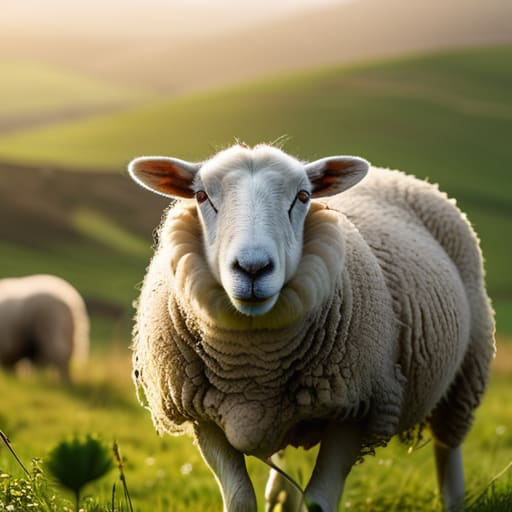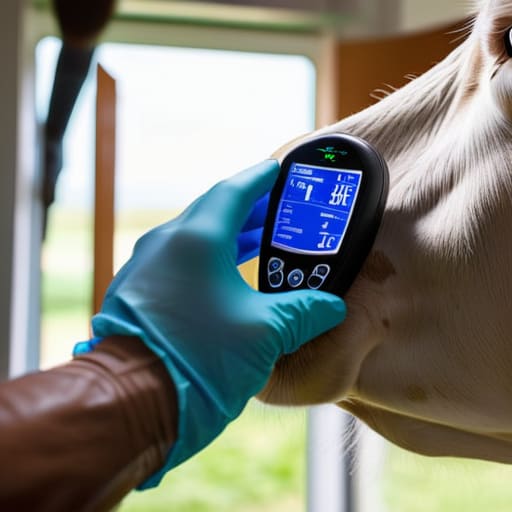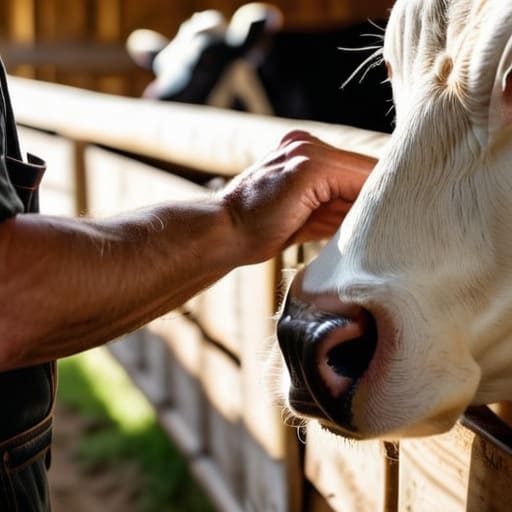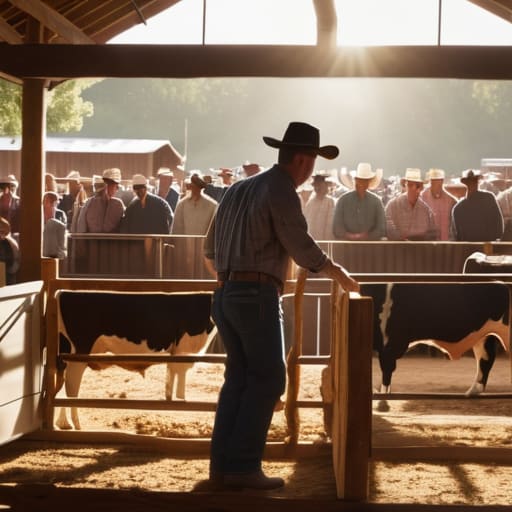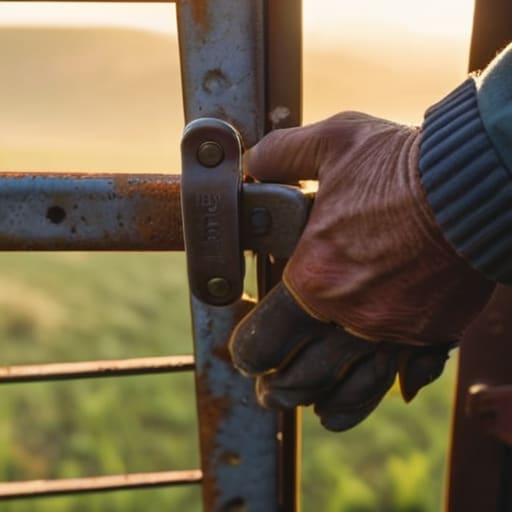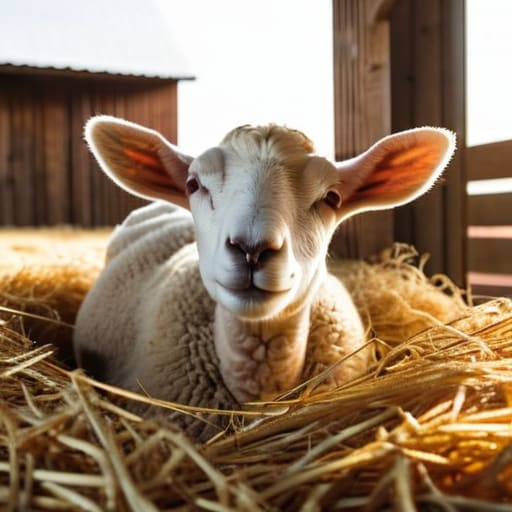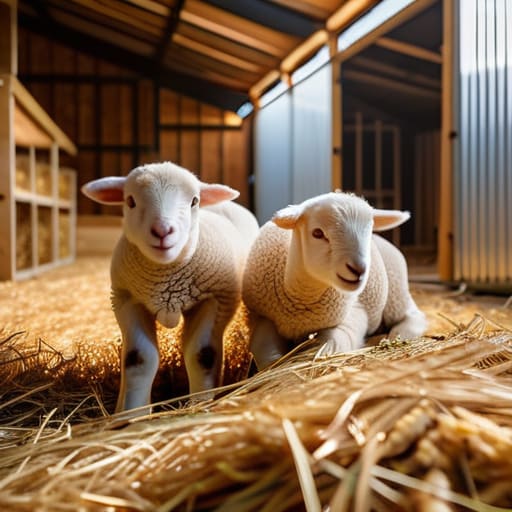
How to keep children safe on a farm.

A Farm Is a Workplace and Children Live in It

I remember standing in the yard back in ’94, the smell of wet diesel and silage heavy in the air, watching my own lad chase a stray lamb toward the heavy feeder. My heart didn’t just skip; it hit the floor. You can buy all the high-tech fencing and expensive signage in the world, but if you think a shiny new gate latch is the secret to how to keep children safe on a farm, you’ve been listening to the wrong people. Most of the safety advice out there is written by people who have never had to scrub blood off a concrete floor or explain to a terrified child why the tractor doesn’t stop just because they’ve shouted “stop.”

I’m not here to sell you a safety course or a glorified plastic barrier that’ll crack after one season in the sun. I want to talk about the real hazards—the ones that hide in plain sight, from the blind spots of a slurry tanker to the way a child’s curiosity can turn a productive afternoon into a disaster. I’m going to share what I’ve learned from forty years of making mistakes, focusing on the practical, common-sense habits that actually work when you’re too busy with the stock to watch every single step.

Table of Contents

Understanding How to Keep Children Safe on a Farm

Understanding How to Keep Children Safe on a Farm

You can’t just slap a “keep out” sign on a gate and call it a day. On a working farm, the danger isn’t just one big thing; it’s a thousand small things that look perfectly normal to a child. They don’t see a PTO shaft that can take a limb in a heartbeat, or a grain hopper that can swallow a small person whole. They just see a shiny bit of machinery or a new place to hide. Real agricultural hazard prevention starts with looking at your land through their eyes—if it looks like a playground, they’ll treat it like one, and that’s when the trouble starts.

I’ve seen enough to know that you can’t build a completely childproof farm environment without essentially turning your livelihood into a museum. It’s not about that; it’s about boundaries. You have to establish strict rules for where they can go and, more importantly, what they can touch. Whether it’s teaching them the basics of livestock handling for kids or simply ensuring they know that a tractor is never a climbing frame, you’re teaching them to respect the machinery and the animals. If they don’t respect the power of what we work with, they’re a walking liability.

Key Things to Know

Key Things to Know: Agricultural Hazard Prevention

If you’re looking for a checklist of rules to pin on the fridge, you’re wasting your time. Real agricultural hazard prevention isn’t about a list; it’s about understanding that a farm is a living, breathing machine that doesn’t care if you’re ten or sixty. I’ve seen a child’s curiosity turn into a crisis in the time it takes to walk from the yard to the gate. You have to look at your land through their eyes—where is the mud too deep, where is the machinery left idling, and which gate doesn’t quite latch?

You can’t just tell them to “be careful.” That’s a useless instruction. You need to teach them why a certain area is off-limits. It’s about establishing farm equipment safety protocols that are as second nature to them as brushing their teeth. If they don’t understand that a tractor isn’t a toy and a grain store isn’t a playground, you haven’t taught them anything at all. It’s better to be overly cautious now than to spend your evening explaining to a vet why a child was playing near the cattle crush.

Practical Tips and Steps

Practical Tips and Steps for farm safety.

First, you have to treat the farm like a living thing that doesn’t care about your plans. I tell my daughter that if she’s letting the grandkids run about, she needs to look at the farm through their eyes—which means everything is at eye level and everything is a potential lever or a hiding spot. You can’t just rely on a “stay back” command; you need actual agricultural hazard prevention built into the daily routine. That means securing the heavy feeders, double-checking that gate latches actually catch, and making sure no one is leaving a quad bike or a mower with the keys in the ignition. If it can move, it’s a risk.

Second, when it comes to the animals, you have to be blunt. I’ve seen plenty of “gentle” sheep or a “docile” heifer turn a situation sour in a heartbeat because a child stepped in the wrong place. Effective livestock handling for kids isn’t about teaching them to herd; it’s about teaching them distance. They need to understand that an animal’s flight zone isn’t a playground. Never let a child enter a pen alone, no matter how much they’ve bonded with a particular calf. It only takes one spooked animal to turn a quiet afternoon into a very expensive, very painful mistake.

Common Mistakes to Avoid

The biggest mistake I see is the assumption that “they know better” because they grew up in the yard. You can spend all day teaching a child about agricultural hazard prevention, but the second they see a pet lamb or a shiny piece of machinery, that training goes out the window. I’ve seen plenty of parents let kids wander near a heavy feeder or a loose gate just because they were busy with a calving, thinking the child is “part of the team.” That’s a dangerous bit of complacency. A farm isn’t a playground; it’s a working environment where the rules don’t change just because a child is present.

Another trap is thinking that childproof farm environments are about locking every single shed. It isn’t that simple. The real error is failing to account for the “what if” factor—what if a gate isn’t latched properly, or what if a tractor is left idling while you’re in the house? You can have the best farm equipment safety protocols in the world written in a binder on your desk, but if you aren’t physically checking the pins and the locks every single time, they won’t stop a disaster.

Final Thoughts

At the end of the day, you can buy all the fancy safety signage and high-tech fencing in the world, but they won’t do a lick of good if you don’t have a culture of awareness. I’ve seen plenty of men talk a big game about agricultural hazard prevention while leaving a gate unlatched or a tractor key in the ignition. It’s not about being paranoid; it’s about understanding that a farm is a working machine, not a playground. You have to treat every bit of machinery and every restless heifer with the respect they deserve, because they don’t have a sense of mercy when things go wrong.

If you want to pass this life on to the next generation, you have to teach them the boundaries early. It’s about more than just preventing farm accidents; it’s about teaching them to read the environment. They need to know that a quiet field can turn sour in a second and that certain sounds mean they need to move, fast. It’s a hard lesson to teach, but I’d much rather spend my time explaining why they can’t climb the feeder than spend it in a hospital waiting room.

Five ways to keep the small ones from becoming a permanent part of the farm's history

  • Treat every gate like a boundary between safety and a crisis; if a child is old enough to walk, they’re old enough to know that a latch left undone is an invitation to wander into a field they have no business being in.
  • Stop assuming they understand the physics of a heavy feeder or a moving tractor; a child sees a bright red machine as a toy, not as several tonnes of steel that won’t even feel them if they get caught underneath.
  • Watch the chemistry as closely as you watch the weather, because a spilled bottle of pour-on or a forgotten container of mineral lick is a fast track to a vet bill you can’t afford and a child in the hospital.
  • Don’t let “just for a second” become a habit when it comes to supervision; I’ve seen more trouble caused by a farmer turning his back to check a teat or a fence than by any actual disease, and it usually happens when you think things are quiet.
  • Teach them that the livestock aren’t pets, they’re unpredictable animals with a lot of weight and very little patience; a curious hand reaching for a cow’s nose can turn a calm afternoon into a frantic dash for the gate in a heartbeat.

The Bottom Line on Farm Safety

Never mistake a child’s familiarity with the farm for actual safety; a toddler who knows where the dog lives doesn’t understand the physics of a heavy feeder or a loose gate.

Safety isn’t a checklist you tick off once a year, it’s the constant, nagging awareness that the moment you get distracted by a broken fence or a sick heifer, the risk goes up tenfold.

If you wouldn’t leave a piece of expensive machinery unattended in a field, don’t leave a child unsupervised near any part of the working farm—the hazards don’t take breaks.

The Bottom Line

At the end of the day, keeping kids safe isn’t about memorising a manual or ticking boxes for a safety inspector; it’s about knowing your ground and knowing your limits. We’ve talked about the heavy machinery that doesn’t care if a child is in its path, the unpredictable temperament of a heifer in a tight pen, and the simple, vital necessity of never letting them wander without an adult. You can have the best fencing in the county and the newest tractor with a cab, but if you haven’t instilled a sense of constant vigilance in your family, you’re leaving too much to chance. Safety on a working farm isn’t a single task you complete; it is a continuous habit that sits right alongside checking your fences or monitoring your grass growth.

I know how it goes—you get busy with a calving job or a broken gate, and you think, “They’re just five minutes away, they’ll be fine.” But I’ve seen how quickly a quiet afternoon can turn into a crisis, and those five minutes are often all it takes. Farming is a hard, beautiful, and often dangerous way to make a living, but it shouldn’t be a way that costs you your peace of mind. If you teach your children to respect the animals and the equipment rather than just playing around them, you aren’t just keeping them safe today; you are raising the next generation of sensible, capable farmers who understand that respecting the risk is the only way to truly enjoy the life we’ve chosen.

Frequently Asked Questions

How do I manage the risk of children getting too curious about the machinery when I'm busy in the yard?

The yard is no place for a wandering child, especially when you’re mid-task and the tractor is idling. Curiosity is a powerful thing, and a heavy feeder or a loose lever doesn’t care if they’re only five. If you can’t supervise them personally, get them behind a proper gate or inside the house. Don’t rely on “staying close”—when you’re focused on a hitching problem, you won’t see them until it’s too late.

Is there a way to teach kids about livestock safety without making them so nervous they can't help out around the farm?

You don’t teach them by lecturing them on danger; you teach them by teaching them the animals. If a lad understands how a heifer moves or why a ewe gets flighty when she’s nursing, he isn’t “scared”—he’s observant. Show them the signs of a shifting weight or a sudden turn before they ever step into a pen. Knowledge builds confidence, whereas constant warnings just breed hesitation, and hesitation is exactly what gets someone stepped on.

What's the best way to secure old outbuildings and feed stores that weren't built with modern safety locks in mind?

You can’t rely on a rusted latch or a bit of twine when there are curious hands around. If the building wasn’t built for security, stop trying to “fix” the old door and start thinking about access. I’ve found that heavy-duty, padlocked hasps are the only thing that works, but even then, you need to check the timber isn’t rotting around the bolt. If the frame is soft, the lock is just a suggestion.

Complete guide to farm compliance book cover.

The Complete Guide to Farm Compliance

If you pick up a glossy magazine or browse some consultant’s website, they’ll try to sell you a “complete guide to farm compliance” that looks more like a theological treatise than a practical working document. They’ll tell you it’s about digital integration, fancy software, and endless layers of administrative perfection. Most of that is just expensive noise designed to make you feel like you’re failing if you aren’t staring at a screen instead of your stock. I’ve spent forty years learning that if your compliance isn’t as sturdy as your fences, you aren’t actually managing a farm—you’re just managing a paper trail that’s waiting to catch fire.

I’m not here to teach you how to satisfy a bureaucrat’s sense of order; I’m here to show you how to protect your margins. This isn’t a lecture on theory, but a hard-won look at how to keep your records tight enough to satisfy an inspector without letting the paperwork strangle your actual productivity. I’ll tell you which regulations actually matter for your cash flow, where the real risks lie in your daily routine, and how to ensure a single oversight doesn’t turn a good year into a massive financial hole.

Table of Contents

Understanding Complete Guide to Farm Compliance

Understanding Complete Guide to Farm Compliance.

When people talk about a “complete guide” to this side of the business, they usually hand you a glossy folder full of jargon that makes it sound like you’re running a laboratory rather than a farm. But if you strip away the fluff, what you’re actually looking at is a map of the hoops you have to jump through just to keep the gates open. It isn’t just about ticking boxes for the sake of it; it’s about navigating the thicket of agricultural regulatory requirements without losing your mind or your margins. Whether it’s proving where your feed came from or showing that your slurry spreading didn’t turn the local stream into a dead zone, it all boils down to being able to prove what you did, when you did it, and why it was legal.

I’ve seen too many lads get caught out because they treated their paperwork like an afterthought. They think they can manage the animals and the land, and the rest will just sort itself out. That’s a mistake that will cost you. True compliance is built on rigorous farm record keeping best practices—the kind where you don’t have to spend three frantic nights in the kitchen with a flashlight and a stack of coffee-stained receipts trying to reconstruct a calving schedule from six months ago. If your records aren’t as disciplined as your breeding program, you aren’t actually running a business; you’re just waiting for an inspector to find the gap.

Key Things to Know

Key Things to Know: Livestock welfare.

Now, if you’re looking for a list of checkboxes to tick so you can sleep better, you’re looking in the wrong place. Compliance isn’t about a tidy folder; it’s about the reality of what happens when a man in a high-vis jacket stands in your yard and asks to see your movement books. Most of what people call “compliance” is just a way to prove you aren’t a risk to the supply chain. For me, it always comes down to livestock welfare standards and the paper trail that proves you aren’t just winging it. If you can’t prove where a beast came from or what it’s been fed, you don’t have a business; you have a liability.

You also need to understand that farm record keeping best practices aren’t just about being pedantic. It’s about the margin. If your records are a mess, your farm audit preparation becomes a nightmare of lost receipts and half-remembered dates, and that is exactly when the cash starts leaking out of the business. You can have the best grass in the county, but if your documentation doesn’t match your stock numbers, the inspectors will find the gap, and they’ll be the ones deciding your profit for the year.

Practical Tips and Steps

Practical Tips and Steps for farm audits.

First, stop treating your paperwork like a chore you can tackle on a Sunday evening when the weather turns. If you want to survive a proper farm audit preparation, you need to be living your records every single day. I’ve seen too many lads with a pristine herd but a shambolic notebook; when the inspector shows up, that gap between what’s happening in the field and what’s written in the ledger is where the fines live. Make it a habit to log your movements, your treatments, and your feed as they happen. If it isn’t written down, in the eyes of the law, it never happened.

Second, don’t let your livestock welfare standards become a theoretical exercise. It’s easy to read a manual, but it’s another thing entirely to ensure your dipping schedule or your medication logs are actually airtight. I’ve learned the hard way that trying to reconstruct a month of data from memory is a fool’s errand that leads to mistakes. Focus on farm record keeping best practices that actually fit into your daily rhythm—if a system is too complicated to use while you’re covered in mud, you won’t use it, and that’s exactly when you’ll find yourself in trouble.

Common Mistakes to Avoid

The biggest mistake I see is treating paperwork like a chore you can tackle on a Sunday evening when the weather’s turned. If you wait until the inspector is standing at the gate to start digging through muddy folders, you’ve already lost. People tend to treat farm record keeping best practices as a suggestion rather than a survival tactic. I’ve seen many a fine farm lose its footing because they couldn’t prove where a specific batch of feed came from or why a certain animal was moved. It isn’t just about ticking boxes; it’s about having a paper trail that stands up when the pressure is on.

Another trap is getting distracted by the shiny stuff—the new machinery or the latest tech—while your livestock welfare standards documentation is a shambles. You can have the best breeding line in the county, but if your treatment logs are incomplete, you’re one audit away from a massive headache. Don’t mistake being a good farmer for being a compliant one. The two are not always the same in the eyes of the law, and a gap in your records is just as much a failure as a gap in your fence.

Final Thoughts

At the end of the day, don’t let the paperwork become the master of the farm. I’ve seen plenty of lads get so bogged down in the minutiae of agribusiness certification processes that they forget to actually look at the stock or check the fences. Compliance isn’t a box you tick once and forget; it’s a continuous, slightly irritating part of the job that keeps the lights on. If you treat your farm record keeping best practices as a chore rather than a tool, you’ll find yourself scrambling when the inspector actually shows up at the gate.

My advice is to keep it simple and keep it honest. You don’t need a fancy digital system that costs more than a decent heifer if a well-kept ledger and a disciplined routine do the job. Focus on the things that actually impact your margins—like meeting livestock welfare standards to prevent losses—and let the rest follow that same logic. If you stay on top of the small details daily, you won’t be left staring at a mountain of chaos when it’s time for a formal review. Just keep your head down and keep the records tight.

Five Ways to Keep the Inspectors Out of Your Pocket

  • Stop treating your paperwork like a weekend hobby; if you aren’t logging your movements and treatments as they happen, you aren’t “keeping records,” you’re just guessing, and a guess is a fine waiting to happen.
  • Get your footings right with your digital systems—if you’re using an app that’s more complicated than the tractor you use to haul silage, you’ll stop using it the moment the weather turns, and that’s exactly when you’ll lose the data you actually need.
  • Treat your compliance folder like your feed store—keep it organized and accessible, because nothing kills a productive morning like scrambling through a mess of loose receipts and scribbled notes while an inspector is standing in your yard.
  • Don’t buy into the “all-in-one” software trap; most of those expensive subscriptions are designed by lads in offices who have never seen a muddy heifer, so only pay for the features that actually track your specific stock and margins.
  • Learn the specific language of the current subsidy regime before you sign anything; I’ve seen too many good farmers commit to environmental schemes that looked fine on paper but ended up costing them more in lost grazing than the payment was ever worth.

The Bottom Line on Compliance

Don’t let the paperwork become a full-time job that costs more than the farm makes; keep your records tight, seasonal, and focused on what actually proves your compliance during an inspection.

Treat your compliance files like you treat your breeding records—if it isn’t written down with a date and a clear reason, for the inspector, it never happened.

Compliance isn’t about checking boxes to please a bureaucrat; it’s about protecting your cash flow from the sudden, unnecessary drain of a fine or a failed audit.

The Bottom Line on Paperwork

At the end of the day, compliance isn’t some academic exercise designed to keep you sitting at a desk when you should be in the yard. It’s about making sure that when an inspector walks through your gate, they see a business that is tightly managed and ready to defend itself. We’ve talked about keeping your records as disciplined as your calving schedule, avoiding the trap of “doing it later,” and ensuring your documentation actually matches the reality of what’s happening on the ground. If you treat your compliance like an afterthought, you aren’t just risking a fine; you are leaving a gap in your cash flow that can bleed a farm dry faster than a bad season of drought.

I know it feels like a mountain of nonsense sometimes, especially when you’re already working fourteen-hour days just to keep the head above water. But remember, the goal isn’t to become a bureaucrat; the goal is to protect what you’ve built. Proper compliance is the armor that protects your livelihood from the whims of regulators and the unpredictability of the market. Do the work now, do it right, and do it consistently. It won’t make the paperwork any more enjoyable, but it will ensure that when you finally do hand the keys over to the next generation, you’re handing them a solid, sustainable legacy rather than a pile of problems.

Frequently Asked Questions

If I’ve already got a decent system for my breeding records and movement books, where exactly is the inspector going to start digging to find the gaps?

If your books are straight, they won’t start with the numbers; they’ll start with the reality on the ground. They’ll look at your medicine cupboard to see if the dates on the bottles match what you’ve written down, or they’ll walk the fences to see if your stock density matches your grazing records. If you say you’ve moved ten head but there’s a stray in the wrong field, they’ll start digging into everything else.

How much of this paperwork is actually about animal welfare, and how much of it is just a way for the government to keep us busy while they change the subsidy rules again?

Look, if you’re asking if there’s a difference, the answer is yes, but the line is thin. Some of it—the movement records and medicine logs—is genuine. If you lose track of a treatment, you’re risking the herd and your reputation. But a fair chunk of it? It’s bureaucracy designed to justify the next subsidy shift. They want a paper trail so they can move the goalposts without being blamed for the cost.

Is there a point where I'm spending more on the time and software to track everything than I am actually saving in potential fines?

If you’re staring at a screen instead of a gate, you’ve gone too far. There’s a point where the software becomes a hobby rather than a tool. If you’re paying a monthly subscription to track data that doesn’t change how you manage your grass or your breeding, you’re just subsidising a tech company. Keep your records tight enough to satisfy an inspector, but don’t let the pursuit of perfection bleed your cash flow dry.

Learn how to work with a bank.

Talking to a Bank Before You Need to

Most people think that learning how to work with a bank is about mastering some complex financial spreadsheet or knowing which expensive consultant to hire to polish your business plan. They’re wrong. I spent years thinking that if I just showed up with enough polished jargon, the manager would see me as a “professional” rather than just another man with muddy boots and a fluctuating balance sheet. But the truth is, the bank doesn’t care about your fancy projections or the shiny new tractor you’ve been eyeing; they care about predictability. I learned that the hard way back in ’94, sitting in a sterile office while a man in a tie looked at my books like they were written in a foreign language, simply because I hadn’t accounted for a wet spring and the cost of rising diesel.

I’m not here to give you a lecture on credit scores or some textbook theory that has never seen a day of lambing. Instead, I’m going to tell you how to build a relationship based on hard numbers and honesty so that when the weather turns or the prices drop, they’re standing with you rather than looking for the exit. I’ll show you how to present your cash flow so they actually understand the rhythm of a suckler herd, and how to ensure you’re the one driving the conversation, not the other way around.

Table of Contents

The Bank Isnt Your Partner Until You Prove It

The Bank Isnt Your Partner Until You Prove It

There’s a common misconception among the younger lot that the bank manager is your partner in the business. They aren’t. They are a service provider with a very specific set of rules, and they don’t care about your passion for breeding ewes or the pedigree of your heifer line. They care about risk. You don’t build a relationship by showing up only when you need a new tractor or a line of credit to cover feed costs in a dry summer. You build it by showing them you have a grip on your numbers when things are going well.

If you want to start building rapport with loan officers, you have to treat your bookkeeping like you treat your fences: keep them tight and easy to inspect. When you walk into their office with your financial documentation for banks neatly organized—not a crumpled pile of receipts from the back of the Land Rover—you change the dynamic. You stop being a solicitor asking for a favour and start being a professional managing a business. They won’t trust your judgment on a bad year if you haven’t proven you can handle the good ones.

How to Work With a Bank Without Losing Your Soul

How to Work With a Bank Without Losing Your Soul

The trick isn’t about being their friend; it’s about being the most prepared person in the room. When you sit down to discuss securing commercial loans, don’t walk in with a handful of crumpled receipts and a vague sense that “the weather was good for silage.” They don’t care about the weather as much as you do; they care about the math. You need to show them you’re managing liquidity and credit with the same precision you use to select a breeding ewe. If you show up with your financial documentation for banks already organized—spreadsheets that actually make sense and a clear view of your seasonal ebbs and flows—you stop being a “risk” and start being a professional.

It’s easy to feel like they’re looking for a reason to say no, but half the battle is simply building rapport with loan officers by being predictable. I’ve learned that the most expensive mistake isn’t a bad crop or a dip in beef prices; it’s the silence that happens when you know a payment is going to be tight. Don’t wait for the crisis to call them. If you walk in before the cash flow dries up to explain the situation, you’re a manager. If you wait until the account is overdrawn, you’re just another farmer in trouble.

Building Rapport With Loan Officers Before the Crisis Hits

Building Rapport With Loan Officers Before the Crisis Hits

The mistake most people make is treating the bank like a vending machine: you only approach them when you’re hungry and need something immediately. If you show up only when the calving season has gone sideways or a heifer price has plummeted, you aren’t a client; you’re a problem. Real building rapport with loan officers happens in the quiet months, when the sun is out and your books are actually legible. I make it a point to drop by once a year—not to ask for a penny, but just to show them the year-end figures and let them see the state of the farm. It’s much harder for a manager to pull the rug out from under you when they’ve seen your breeding records and know exactly how much grass you’ve actually got in the field.

When you do sit down, don’t expect them to understand the nuances of a suckler unit. They deal in spreadsheets, not livestock. If you want to move toward securing commercial loans more easily, you have to speak their language. That means having your financial documentation for banks ready before they even ask for it. If you walk in with a tidy folder of accounts and a clear plan for your seasonal cash flow, you aren’t just another farmer asking for a handout; you’re a professional managing a business. It’s about proving you have a handle on the margins before the weather turns.

Managing Liquidity and Credit So the Interest Doesnt Bite

You can have the finest genetics in the county and the most fertile ground in the parish, but if your cash is tied up in a tractor that’s sitting idle half the year, you’re essentially just feeding the bank’s bottom line. Most people treat their credit line like a safety net for when things go wrong, but that’s a mistake that’ll cost you. Real managing liquidity and credit isn’t about having a pile of money; it’s about knowing exactly when your cash is going to move. I’ve seen too many lads buy a new forage harvester on finance because they thought it would save them time, only to realize six months later that the interest payments were eating the profit from every single bale they pulled.

Instead of chasing shiny new kit, focus on optimizing working capital so you actually have a buffer when the weather turns or the market dips. You need to know your numbers—not just the rough guess you give the tax man, but the hard reality of your daily outgoings. When you approach the bank with a clear plan for your seasonal swings, you aren’t just asking for a favour; you’re showing them you’ve got the discipline to stay afloat.

Securing Commercial Loans Through Bulletproof Financial Documentation for B

When you walk into a branch with a stack of receipts held together by a rubber band and a prayer, you’ve already lost. The bank manager doesn’t care about the sweat you put into the calving season; they care about the clarity of your margins. If you want success in securing commercial loans, you need to present a set of books that looks like a professional business, not a diary of your expenses. This means having your livestock inventories, feed costs, and projected sales figures laid out in a way that shows you actually know where every penny is going.

The goal isn’t just to show them you have money, but to prove you have a handle on optimizing working capital throughout the year. I’ve seen too many lads get knocked back because their balance sheet looked like a minefield of unexpected costs. You need to show them how you manage the gaps between when the grass is growing and when the check actually clears. If your financial documentation for banks is organized, predictable, and shows you’ve accounted for the bad years as well as the good, they’ll treat you like a businessman rather than a gamble.

Five things the bank manager won't tell you over a coffee

  • Stop treating your accounts like a personal piggy bank; if you’re dipping into the farm account to pay for a new truck or a holiday before the calf crop is even sold, you’ve already lost the bank’s respect.
  • Know your numbers better than they do, because the moment you walk into their office and say “I think we’re doing alright,” they’ve already decided you’re a risk.
  • Don’t go to them with a problem you’ve known about for six months; if you wait until the cash flow is red to ask for an extension, you aren’t asking for help, you’re asking for a miracle, and they don’t sell those.
  • Keep your paperwork as tidy as your best field, because a loan officer who has to chase you for a basic balance sheet is a loan officer who is already looking for a reason to say no.
  • Treat every line of credit like it’s the last bit of oxygen in the shed—use it only when the grass is short and the timing is right, not because it’s sitting there looking pretty.

The Bottom Line for Your Books

Stop treating the bank like a mystery you only solve when the tractor breaks; they don’t care about your intentions, they care about your ability to show them a spreadsheet that makes sense before the grass stops growing.

Never walk into a meeting empty-handed or hoping for the best; if you can’t explain exactly how a loan will turn into more weight on a scale or more heads in the field, they won’t give you a penny.

Watch your interest rates like you watch your weaning weights—if you aren’t paying attention to the small margins, the whole year’s profit will vanish before you’ve even seen the check.

The Bottom Line

At the end of the day, managing a bank is no different from managing a herd; you can’t just hope for the best and expect the results to follow. You have to know your numbers, keep your paperwork tighter than a well-set fence, and ensure you aren’t walking into their office with nothing but a handshake and a prayer. If you wait until the cash flow is dry to start talking to your manager, you’ve already lost the initiative. Remember, the goal isn’t just to get the money, but to maintain the leverage so that you remain the one in control of the farm’s direction, rather than becoming a mere passenger in your own business.

I’ve seen men lose more than just their livelihoods because they were too proud to admit the margins were thinning or too disorganized to prove they were worth the risk. Banking isn’t about being a mathematician, it’s about being a professional who respects the reality of the debt. If you treat your financial obligations with the same rigour you apply to your breeding records or your soil health, you’ll find that the bank becomes a tool rather than a threat. Keep your eyes on the cash flow and your books in order, and you might just find that the next generation inherits a business that is actually worth running.

Frequently Asked Questions

What do I do if the bank manager is a city person who doesn't understand why a wet spring means I can't pay the installment this month?

You don’t win that argument by shouting about the weather; they don’t care about the rain, they care about the risk. Stop explaining the clouds and start explaining the grass. Show them the silage figures and the projected weight gain loss. If the ground is too wet to move the cattle, show them the data that proves it. Translate your mud into their math. If you can’t make the weather a line item, you’ve already lost.

How much of my personal life and private business should I actually let them see when they come out to inspect the farm?

Show them the stock, the fences, and the books—but keep the kitchen table for yourself. When a manager comes out, they’re looking for competence, not your personal life. If the gates are hanging off and the records are a mess, they’ll smell blood. Show them you have a handle on the grass and the cash flow, but don’t feel the need to explain why the tractor’s been broken for a month. Professionalism isn’t about being an open book; it’s about being a reliable one.

If I've already messed up my books for the last two years, is it better to hide it or go to them with the truth before they find out themselves?

If you try to hide it, you’re not just managing a bad year; you’re managing a lie. And banks have a very long memory for liars. If they find the hole in your books before you do, the conversation is over and the credit line is frozen. Walk in there, show them the mess, and tell them exactly how you’re going to fix it. They can work with a loss, but they won’t work with a deception.

How to manage lameness in cattle.

Lameness Costs More Than Any Disease You Can Name

I’ve sat through enough seminars to know that most of the “experts” will try to sell you a high-tech scanning system or a fancy new mineral lick to solve your foot problems. They’ll talk about “proactive welfare protocols” while ignoring the fact that your cows are standing in three inches of poached muck. The truth is, if you’re looking for a magic pill, you’re looking in the wrong place; learning how to manage lameness in cattle isn’t about buying more kit, it’s about understanding the ground beneath them and the cost of inaction. I’ve seen a single bad season of wet, heavy soil turn a profitable year into a massive deficit, all because we were too busy looking at breeding stats to look at the feet.

I’m not here to give you a lecture from a textbook or a sales pitch for a new supplement. I’m going to tell you what I’ve learned from forty years of watching cows walk—and more importantly, watching them limp. We’ll talk about the real drivers of foot rot, why your yard layout might be bleeding you dry, and how to spot a problem before it becomes a vet bill you can’t afford.

Table of Contents

The Silent Thief Why Lameness Bleeds Your Bank Account Dry

The Silent Thief Why Lameness Bleeds Your Bank Account Dry

Most people look at a sick cow and see a tragedy; I look at a lame cow and see a spreadsheet bleeding red. You can have the best genetics in the county and the most expensive feed on the market, but if that animal is favoring a limb, you’re essentially throwing money into a hedge. It isn’t just the immediate cost of the vet or the time spent chasing a rogue heifer into a crush; it’s the compounded loss of everything else. A cow that isn’t walking properly isn’t eating properly, and a cow that isn’t eating isn’t growing or producing.

I’ve seen lads spend a fortune on high-spec supplements only to go bust because they ignored the basics of cow comfort and bedding management. If your yard is a slurry-filled bog and your stalls are concrete enough to chip a tooth, you aren’t farming; you’re just subsidizing bacteria. Whether it’s a simple case of digital dermatitis or something deeper, the principle remains: lameness is a tax on your inefficiency. By the time you’ve noticed a limp, the profit from that animal has already started to evaporate.

Beyond the Limp Mastering Cattle Gait Analysis Techniques

Beyond the Limp Mastering Cattle Gait Analysis Techniques

You can’t wait until a cow is standing with one leg cocked like a tripod before you start worrying; by then, you’ve already lost the battle. Real cattle gait analysis techniques aren’t about fancy sensors or expensive software; they’re about your eyes and your patience. I spend twenty minutes every Tuesday morning just walking the pens, watching them move from a distance. You’re looking for that subtle hitch in the stride, the way a heifer might favor a side when she turns, or a slight hesitation when she steps onto harder ground. If she isn’t moving with a certain rhythmic ease, something is brewing under the surface.

Once you spot the movement, you have to get down in the dirt. It’s not glamorous, but you won’t find the truth from the top of the gate. You need to be looking for the small things—the slightest swelling or a change in how the hoof hits the floor. Identifying bovine foot lesions early is the difference between a quick trim in the shed and a month of lost milk or weight gain. If you’re waiting for the animal to show obvious distress, you’re already paying for the mistake.

How to Manage Lameness in Cattle Without Wasting Money

How to Manage Lameness in Cattle Without Wasting Money

Now, you can spend a fortune on the latest automated footbath systems or fancy nutritional supplements that promise the moon, but if you haven’t sorted your ground, you’re just throwing money into a bog. Most of the lads I know wait until they see a cow actually stumbling before they act, but by then, the damage is done. Real management starts with the basics: cow comfort and bedding management. If your cattle are standing in a slurry pit or on sharp, poached ground for twelve hours a day, no amount of expensive copper sulphate is going to save your margins. It’s about keeping the environment dry and the footing stable; if the ground is rubbish, the feet will be too.

Don’t go buying a fleet of new tractors or high-spec machinery to solve a problem that’s actually happening under the animal. Instead, invest your time in identifying bovine foot lesions before they become a crisis. I’d rather spend an hour walking the pens with a torch and a steady eye than a thousand pounds on a vet bill for a cow that’s already lost her ability to graze properly. Stick to what works: good drainage, clean bedding, and regular, methodical inspections. Everything else is usually just marketing fluff.

Spotting the Red Flags in Identifying Bovine Foot Lesions

You can’t just walk through a pen with a clipboard and expect to see the trouble. If you’re looking for a dramatic limp, you’ve already missed the window. By the time a cow is holding a leg up like she’s trying to avoid a puddle, the damage to her tissue is already deep, and your profit margin is halfway out the gate. Real identifying bovine foot lesions starts with the subtle things—the way a heifer shifts her weight when she thinks no one is watching, or that slight, uneven rhythm in her stride when she’s moving toward the feeder.

I’ve spent enough years in the yards to know that the real trouble often hides in the cracks. You need to be getting down on your knees, looking at the interdigital space, and checking for that raw, weeping redness that signals something is brewing. It isn’t just about a single sore spot; it’s about seeing the pattern. If you see consistent irritation across a group, it’s rarely an isolated accident; it’s a sign that your environmental management or footing is failing you. Don’t wait for the limp; look for the heat and the swelling before they turn into a vet bill you can’t afford.

Bedding Boots and Bottom Lines Mastering Cow Comfort

You can spend a fortune on the best digital dermatitis treatment or the fanciest foot baths in the county, but if you’re letting them stand in a slurry pit or on concrete that’s harder than a banker’s heart, you’re just throwing money at a bucket with a hole in the bottom. I’ve seen lads buy the most expensive boots for their cattle, only to realize they haven’t looked at the drainage in their yard for five years. It’s a fool’s errand. Real cow comfort and bedding management isn’t about luxury; it’s about making sure the ground under their feet isn’t actively working against them.

If the bedding is damp, the problem is already halfway won. I’ve learned that a dry, deep bed is often cheaper than a vet bill for a cow that’s gone lame because she couldn’t get a decent night’s sleep on a soaked mat. You have to look at the interface between the hoof and the floor. If that ground is constantly saturated, your foot rot prevention strategies are nothing more than a polite suggestion. Keep them dry, keep the footing stable, and you’ll find your margins start to look a lot healthier.

Five Hard Lessons from a Sore Foot and a Thin Margin

  • Stop looking at the cow and start looking at the ground; if your tracks are turning the yard into a slurry pit, you aren’t managing lameness, you’re just inviting it to dinner.
  • Don’t wait for the limp to become a gallop; by the time a cow is visibly favoring a leg, she’s already lost weight, her milk yield has tanked, and you’re already paying for the mistake.
  • Invest in a decent set of trimming tools and the skill to use them, because a cheap blade or a rushed trim is a fast way to turn a minor irritation into a permanent, expensive limp.
  • Watch your mineral levels like a hawk, because if the diet is off, the feet follow, and no amount of expensive bedding will fix a cow that’s crumbling from the inside out.
  • Keep your records on the individual, not just the herd; I’ve seen many a farmer try to “fix” a problem with a whole batch of supplements when they really just needed to cull one stubborn, foot-rotting heifer.

The Bottom Line on Keeping Them on Their Feet

Stop looking for a magic cure or a fancy new footbath; if your ground is a bog and your bedding is thin, you’re just pouring money into a hole that won’t stay filled.

A cow that’s even slightly off her stride is already costing you more in milk and weight than you’ll ever make back by waiting until she’s outright limping to act.

Invest your cash in good husbandry and watching the animals daily rather than buying the latest piece of kit that’ll end up gathering dust in the corner of the shed.

The Long View on the Long Walk

At the end of the day, managing lameness isn’t about buying the most expensive automated footbath or some fancy new sensor that promises to do the thinking for you. It comes down to the basics we’ve talked about: watching the gait when you’re out checking the fences, keeping the bedding dry when the weather turns, and making sure the ground isn’t turning into a soup that swallows a cow whole. If you get the environment and the nutrition right, half your battles are won before they even start. You can’t fix a bad foot with a clever spreadsheet, but you can certainly fix a bad bank balance by paying attention to the physical reality of your herd every single morning.

I’ve spent forty years watching animals, and if there is one thing I know, it’s that the most successful farmers aren’t the ones with the most debt or the newest tractors; they are the ones who notice the small things before they become big, expensive problems. Don’t let the marketing people convince you that there’s a magic pill for a healthy herd. The real work is in the daily observation and the willingness to get your boots muddy to see what’s actually happening underfoot. Keep your eyes on the grass, your eyes on the feet, and your eyes on the margins, and you’ll do better than most.

Frequently Asked Questions

When is the right time to pull a cow out of the breeding cycle for a foot issue, and at what point is she just a lost cause for the season?

If she’s walking with a hitch during the heat of service, pull her. You’re wasting semen and risking a calf that’ll be born weak or won’t be born at all. If the lesion is deep and the hoof is soft, she’s a write-off for the season; trying to nurse a bad foot through a breeding cycle is just throwing good money after bad. If she isn’t gaining condition, she’s a liability, not an asset.

How much of this is actually down to the silage quality and mineral balance versus just the physical ground we're putting them on?

It’s both, but you can’t fix one without the other. If your ground is a soup of mud and poached clay, you can feed them the finest mineral lick in the country and they’ll still be limping by Tuesday. But if you’ve got good, firm footing and they’re still showing signs, then you’re looking at a deficiency—likely copper or zinc. Check the soil first, then check the forage. Don’t chase minerals until you’ve checked the drainage.

Which of these expensive hoof trimming tools are actually worth the investment, and which ones are just clever marketing for something a good knife and a bit of sense could do?

Look, I’ve seen enough “revolutionary” trimmers sit rusting in the shed to know the truth. If you’re looking at a fancy electric grinder, it’s fine if you’re doing fifty heads a week, but for most of us, it’s just a loud way to spend money you don’t have. Give me a sharp, decent knife and a steady hand any day. A good blade and knowing exactly where the sole meets the wall beats any gadget.

How to care for working dogs.

A Working Dog Is an Athlete, Feed It Like One

I’ve lost count of how many glossy brochures I’ve seen claiming that “how to care for working dogs” requires a diet of boutique organic kibble and a subscription to some high-tech wellness app. It’s enough to make you sick. I remember sitting in the yard ten years ago, watching a lad spend a small fortune on fancy supplements while his collie was working half-dead because he hadn’t bothered to check the condition of its joints or the quality of the actual fuel in its belly. You don’t need a lifestyle brand; you need a dog that can hold a flank in a driving rain without flagging.

I’m not here to sell you on the latest gadget that’ll end up gathering dust in the corner of the shed come November. What I’m going to do is talk about the hard numbers and the real costs—from the feed that actually keeps them steady to the preventative maintenance that keeps a vet’s bill from eating your profit margins. I’ve made enough mistakes with my own stock to know that true care isn’t about pampering; it’s about ensuring your best worker stays on the hill when the weather turns foul.

Table of Contents

Understanding How to Care for Working Dogs

Understanding How to Care for Working Dogs

You can’t treat a working dog like a pet that spends its days sleeping on a rug in a heated kitchen. If you try to feed them the same kibble you’d give a lapdog, you’re asking for trouble when the weather turns and the work gets heavy. They have specific working dog nutrition requirements that most people ignore until the animal starts losing condition or, worse, loses the drive to move. It isn’t about the most expensive bag on the shelf; it’s about the right balance of fats and proteins to keep them from burning out by mid-season.

I’ve seen too many lads think a bit of extra grain is the answer to a tired dog, but it’s usually a sign of poor canine athletic conditioning. A dog needs to be fit enough to handle the terrain without tearing a ligament, but you have to watch the workload. If they aren’t built for the miles you’re asking of them, you’ll be paying the vet to fix what you should have managed with a bit of common sense and a steady training regime.

Key Things to Know

Key Things to Know: Working dog nutrition.

First, let’s talk about the fuel. You can’t run a tractor on watered-down diesel and expect it to pull a plough through heavy clay, and the same goes for your dogs. Most people think a handful of standard kibble is enough, but if they’re working twelve-hour days in the hills, their working dog nutrition requirements are going to be far higher than what you’d give a pet living on a sofa. If you’re skimping on the quality of the protein or the fats, you’ll see it first in their coat and last in their energy levels—and by then, you’ve already lost the day.

Then there’s the physical toll. I’ve seen too many lads ignore the small things until a dog is suddenly hobbling or refusing to move. You need to be looking at canine athletic conditioning not as some fancy fitness regime, but as a way to make sure their joints and muscles can actually handle the terrain. It’s about more than just strength; it’s about ensuring they don’t blow a ligament when the ground is uneven. If you aren’t watching their movement daily, you’re just waiting for a vet bill that’ll cost more than the dog was worth to replace.

Practical Tips and Steps

Practical Tips and Steps for dog nutrition.

First, stop looking at your dog as a pet and start looking at him as a piece of living, breathing machinery. If you’re skimping on the fuel, the engine will seize when you need it most. You can’t just throw standard kibble at a dog that’s spent ten hours navigating brambles and steep hillsides; you need to understand working dog nutrition requirements to ensure they aren’t running on empty by mid-season. If the weight is dropping or the coat looks dull, you aren’t just losing a dog, you’re losing the ability to move stock efficiently.

Second, watch the feet. I’ve seen more money lost to a limp than to a bad calf crop, simply because a man was too busy to check his dog’s pads after a wet spell. Preventing paw injuries in dogs isn’t about fancy gear; it’s about the daily habit of checking for stones, cuts, or rot before they turn into a limp that puts the dog in the shed for a month. If you wait until they’re actually hobbling, you’ve already lost the battle.

Common Mistakes to Avoid

The biggest mistake I see is treating a working dog like a pet that just happens to go to work. If you’re feeding them the same bag of kibble you give the neighbor’s poodle, you’re asking for trouble. You can’t expect a dog to pull a full day’s shift on a diet that lacks proper working dog nutrition requirements. When the energy levels drop or the coat goes dull, that’s not just a health issue; it’s a performance failure that costs you time and money in the field.

Then there’s the habit of ignoring the small things until they become massive, expensive problems. I’ve seen too many lads skip basic working dog health monitoring because they’re too busy with the sheep. They miss the slight limp or the subtle change in gait, and by the time they realize there’s an issue, the dog is sidelined for a month. It’s much cheaper to check a paw or a joint every single evening than it is to pay a vet to fix a preventable injury that keeps your best worker in the shed.

Final Thoughts

At the end of the day, a working dog isn’t a piece of machinery you can just service when the light comes on. You can buy the most expensive supplements on the market, but if you aren’t paying attention to working dog health monitoring on a daily basis, you’re just throwing money into a hedge. I’ve seen too many lads treat their dogs like they’re indestructible, only to find themselves shorthanded when a prize collie goes down with a preventable injury.

If you want to keep your margins tight and your stock moving, you have to treat the dog’s fitness as a business necessity. That means understanding that recovery protocols for working dogs aren’t a luxury; they are part of the job. You wouldn’t run a tractor into the ground without checking the oil and the tyres, so don’t do it to the animal that actually does the heavy lifting. Keep your eyes on the ground, keep an eye on the dog, and for heaven’s sake, don’t wait for them to limp before you start worrying about the cost.

Five ways to stop your dog from becoming a liability

  • Stop treating their feed like an afterthought; if you’re skimping on the quality of the kibble to save a few quid on the monthly overhead, you’re just paying for it later when they lack the stamina to finish a job or, worse, start picking up injuries that could have been prevented.
  • Check those pads every single evening, especially if the ground has been wet or the terrain is heavy with stone, because a dog that can’t walk properly is a dog that’s costing you man-hours and lost sheep.
  • Don’t go buying every shiny new gadget or high-tech GPS collar that some salesman tells you is “essential”—half of it will sit in the shed gathering dust after the first frost, so stick to the basics that actually work when the weather turns.
  • Watch the weight more closely than the breed; a dog that’s carrying even five kilos of unnecessary fat is putting undue stress on its joints, and I’ve seen enough “well-fed” dogs go lame in the middle of a season to know it’s a recipe for disaster.
  • Keep a strict routine for rest, because a tired dog makes poor decisions in the field, and a bad decision from a dog usually ends up being a very expensive mistake for the farmer.

The bottom line on your working dogs

Stop looking at dog food as an expense to be trimmed; if you’re skimping on their nutrition to save a few quid, you’ll just pay for it tenfold when they lose their edge or end up on the vet’s table.

A working dog is an asset, not a pet, and that means treating their physical condition—especially their feet and joints—with the same scrutiny you’d give a prize heifer.

If a piece of kit or a new training regime doesn’t directly improve your ability to move stock or save you time in the field, it’s just more clutter that’ll end up gathering dust in the shed.

The Bottom Line

At the end of the day, caring for a working dog isn’t about following some glossy manual or buying the most expensive supplements on the market. It comes down to the basics: decent fuel in the bowl, a dry place to sleep, and keeping a sharp eye on their feet and their temperament before a small issue becomes a bankrupting disaster. If you treat them like a piece of machinery that you can just switch off when the job is done, you’ll find out the hard way that a broken-down dog is the most expensive tool on the farm. Stick to the fundamentals of nutrition, preventative care, and listening to what the dog is telling you through its movement and energy.

I’ve seen plenty of men spend a fortune on the latest quad bikes and fencing systems, only to lose a season’s profit because their best collie went lame or dropped out due to neglect. A good dog is a partner in the business, not just an asset on the balance sheet. If you look after them with the same rigorous attention to detail that you give your best breeding ewes, they’ll pull their weight through the hardest winters and the toughest lambing seasons. It’s not about being sentimental; it’s about being a sensible farmer who knows that the strength of the herd often starts with the health of the dog.

Frequently Asked Questions

When does the cost of a high-end working pedigree actually start to pay for itself in terms of efficiency and longevity?

You don’t see the return on a pedigree dog in the first season; you see it in the third. A cheap dog might work well enough for a few months, but if he lacks the temperament or the drive to stay steady when the weather turns sour, he’s just an expensive liability. A top-tier dog pays for itself when he stays sound for six years instead of two, and when he does the job right the first time without you having to chase him.

How do I work out if a dog is actually underperforming, or if it's just a bad season with the weather and the ground?

You can’t judge a dog by a single season of muck and heavy rain. If the ground’s been a sponge and the sheep are flighty, even a top-tier dog will look sluggish. Look at the data, not the weather. Is the dog losing its instinct, or is it just physically exhausted from working heavy ground? If the drive is still there but the legs are gone, it’s the season. If the head’s dropped, it’s the dog.

At what point do I stop putting money into an older dog that's slowing down and just accept the loss?

You stop when the cost of keeping them afloat starts eating into the margin of the livestock they’re meant to be working. It’s a hard calculation. If you’re spending more on vet bills and supplemental feed than the dog is actually adding in value to your stock handling, you’ve gone too far. A dog that’s more of a liability in the field than an asset is just a hole in your cash flow.

Complete guide to livestock records book cover.

The Complete Guide to Livestock Records

I’ve spent half my life watching salesmen in clean fleece jackets try to peddle some “revolutionary” software that promises to manage your entire farm from a smartphone. They’ll tell you that a complete guide to livestock records involves complex algorithms and cloud-based data syncing, but most of that is just expensive noise designed to separate a man from his cash flow. I remember sitting in the yard ten years ago, staring at a stack of crumpled receipts and a notebook full of illegible scribbles, trying to figure out why my best-looking heifer was actually bleeding my bank account dry. It wasn’t a lack of technology that failed me then; it was a lack of knowing exactly what every head of cattle was costing me in terms of real, hard numbers.

I’m not here to sell you a subscription or a shiny new app that’ll sit gathering dust in the shed come November. What I’m going to give you is the truth about what actually matters: tracking the grass they eat, the feet they stand on, and the actual cost of keeping them through a season. This is a practical look at the only data points worth your time, stripped of the marketing fluff and built on forty years of making—and fixing—expensive mistakes.

Table of Contents

Understanding Complete Guide to Livestock Records

Understanding Complete Guide to Livestock Records.

When people talk about a “complete guide” to what you should be writing down, they usually start with the flashy stuff—the kind of thing a salesman tells you when he’s trying to move a new subscription to some fancy farm management software. But if you want to actually run a business, you need to look past the interface. Real record-keeping isn’t about having a pretty dashboard; it’s about knowing exactly which cow is a high-performer and which one is just eating your profit for breakfast. You need to track the basics: birth dates, weaning weights, and every single vet intervention. If you aren’t looking at herd productivity metrics alongside your feed costs, you’re essentially flying blind in a fog.

It’s also about the long game. I’ve spent thirty years refining a line of ewes, and I didn’t do that by guessing. You need solid breeding and lineage documentation so you aren’t accidentally doubling up on bad genetics every three years. Beyond that, there’s the headache of the paperwork required for traceability compliance standards. It’s a nuisance, I’ll grant you, but being able to prove where an animal came from and what it’s been through is the only way to keep the inspectors off your back and the markets open.

Key Things to Know

Key Things to Know: Breeding Documentation.

First off, don’t get blinded by the shiny apps. I’ve seen plenty of lads spend more on a subscription for fancy farm management software than they ever make back in saved time. The real value isn’t in the interface; it’s in the data. If you aren’t meticulously documenting your breeding and lineage documentation, you aren’t running a business, you’re running a lottery. You need to know exactly which dam produced that heifer and whether she’s actually worth the grass she’s eating.

Secondly, you have to look past the obvious stuff like birth dates. The real money is hidden in your herd productivity metrics. I don’t care how pretty a cow looks in the field; if her weaning weight is consistently lagging behind the rest of the group, she’s a liability, not an asset. You need to track the subtle shifts in weight and health before they become a crisis. If you aren’t watching the numbers, you’re just waiting for the bank to call you about a margin you didn’t even know you’d lost.

Practical Tips and Steps

Practical Tips and Steps for livestock tracking.

Now, I’ve seen plenty of lads spend a fortune on fancy tablets and high-end animal health tracking systems only to find they’ve gone back to scratching notes on a greasy piece of paper in the back of a Land Rover by mid-winter. If you’re going to do this, you have to make it part of the daily rhythm, not a Sunday evening chore you dread. Start with the basics: every time a cow goes to the vet or a heifer shows a bit of a limp, write it down immediately. If you wait until the end of the month, you’ve already forgotten the details that actually matter for your bottom line.

Don’t get bogged down in data for the sake of having data. Focus on the numbers that tell you if you’re actually making money or just moving it around. I’m talking about breeding and lineage documentation that tells you which ewe is a producer and which one is just eating your grass for nothing. You don’t need a degree in computer science to see a pattern; you just need to be consistent. If a piece of kit or a new software doesn’t save you time when you’re standing in a wet field, it’s a waste of your hard-earned cash.

Common Mistakes to Avoid

The biggest mistake I see is people treating their records like a chore they can tackle once a month. If you’re waiting until the end of the quarter to jot down which heifer was treated for foot rot or which ewe failed to scan, you aren’t recording data—you’re writing fiction. By then, the details are gone, and you’re just guessing. You need to be capturing real-time data if you want any hope of seeing your true margins.

Another trap is getting blinded by shiny new gadgets. I’ve seen lads spend a fortune on fancy animal health tracking systems only to find they’ve gone unused because the interface was too fiddly for a wet Tuesday morning in the field. Don’t buy software just because the salesman says it’ll change your life; if it doesn’t make it easier to track your herd productivity metrics while you’re standing in a muddy pen, it’s just an expensive way to clutter your desk. Keep it simple, keep it accurate, and for heaven’s sake, make sure it actually works when the weather turns.

Final Thoughts

At the end of the day, don’t let the paperwork become a chore that keeps you in the office while the weather turns. I’ve seen plenty of lads get seduced by flashy animal health tracking systems that promise the moon but end up being nothing more than an expensive way to enter data that nobody ever looks at. If the information isn’t helping you decide which heifer to cull or which ewe is worth the extra trouble in lambing, then you’re just wasting your time.

The goal isn’t to have a perfect set of books for the sake of it; it’s about knowing your numbers so well that you can spot a problem before it hits your bank balance. Whether you’re using a notebook or looking into farm management software benefits, keep it focused on what matters: the grass, the feet, and the cash. If you can’t see the direct link between a record and a decision on the field, stop writing it down. Stick to the facts, watch your margins, and remember that the best system is the one you actually use when things get busy.

Five Ways to Stop Your Records From Becoming a Paperweight

  • Stop recording for the sake of a folder; if the data doesn’t tell you which ewe is eating her weight in grass without producing a decent lamb, it’s just wasted ink.
  • Keep your movement and health records separate from your financial ones, but make sure they talk to each other—there is no point knowing a cow was treated for foot rot if you haven’t noted the cost of the vet call-out and the lost days on pasture.
  • Don’t wait for the end of the season to sit down with a stack of receipts and a headache; if you aren’t updating your numbers weekly, you’re looking at a history lesson rather than a management tool.
  • Get your breeding dates down the second they happen, not when you think you might remember them three weeks later, because a missed cycle is a missed calf, and a missed calf is money straight out of your pocket.
  • Use a system that actually works in a muddy field, not one that requires a clean desk and a high-speed internet connection, because if it’s too fiddly to use when your hands are cold and wet, you won’t use it at all.

The Bottom Line

If you aren’t tracking exactly what every heifer is costing you in feed, medicine, and time, you aren’t running a business—you’re just managing a very expensive hobby.

Records aren’t just for the inspector or the bank; they are for you, so you can spot a losing animal before she’s had the chance to eat your entire year’s profit.

Forget the fancy software for a moment; if your data doesn’t tell you how much grass you’ve actually turned into meat or cash, then you’re just wasting time writing things down.

The Bottom Line

At the end of the day, a stack of records isn’t just a pile of paper to show a subsidy inspector or a bank manager; it is the only way you actually know if you’re making a living or just buying yourself a very expensive job. If you aren’t tracking the cost of every kilo of concentrate against the weight gain in the yard, or noting exactly which field is turning your ewes’ feet to mush, you aren’t farming—you’re gambling. You have to watch the grass, the feet, and most importantly, the cash flow that moves between them. If the numbers don’t line up in your notebook, they certainly won’t line up in your bank account when the season turns sour.

I’ve spent forty years learning that the most expensive thing on a farm is a guess. I’ve bought the fancy software that ended up gathering dust and I’ve ignored the small details that cost me a heifer here and a lamb there. Don’t try to be perfect from day one, but don’t be blind either. Build a system that works for your hands and your head, and stick to it even when the weather is rubbish and the prices are lower than the ground. If you can master your data, you can master your margins, and that is the only way to ensure there is a third generation standing here after you.

Frequently Asked Questions

If I'm already keeping the basic movement and medicine books required by law, what exactly am I missing that actually helps me see if I'm making money?

You’re keeping the books to keep the inspector happy, not to keep the farm solvent. The law wants to know where a cow moved; I want to know what she cost to produce. You need to be tracking individual feed conversion, weaning weights against maternal age, and—most importantly—the cost of every vet call and hoof trim per head. If you aren’t measuring the cost of the grass she ate against the price she fetched, you’re just a glorified hobbyist.

How much time am I realistically going to lose to this paperwork every week, and is there a way to do it without spending every evening at the kitchen table?

Look, if you try to do it all at once on a Sunday night, you’ll end up staring at a blank ledger with a glass of whisky and a headache. You’ll lose hours. The trick is to do it in the gaps—ten minutes after a check, or while the tea is brewing. If you don’t record it while the mud is still on your boots, you’ll forget the details that actually matter for the bank.

At what point does a record become more trouble than it's worth—how do I know when I'm just collecting data for the sake of it rather than tracking something that matters?

If you’re spending more time staring at a spreadsheet than you are checking the condition of your ewes or the quality of the grass, you’ve gone too far. A record is only useful if it changes what you do on Tuesday morning. If a piece of data doesn’t help you decide which cow to cull, which field to graze, or where your cash is leaking, then it’s just expensive clutter. Stop collecting numbers and start tracking decisions.

How quiet handling improves performance.

Calm Stock Gain More Weight

I spent a good chunk of the nineties thinking that if a heifer wasn’t moving, I wasn’t working hard enough, so I’d grab the prod or raise my voice to get things moving. I thought I was being efficient, but all I was doing was teaching my stock to live in a state of constant, expensive panic. People love to sell you fancy new crush designs or high-tech gates, but they rarely tell you the truth about how quiet handling improves performance on a practical level. You can have the most expensive steel in the yard, but if you’re still treating your cattle like they’re your enemy, you’re just burning money through stress and weight loss.

I’m not here to give you a lecture on animal welfare from a textbook; I’m here to talk about the bottom line. I want to show you how slowing down your movements and lowering your voice actually keeps more weight on the animal and more cash in your pocket at weaning. I’ll tell you exactly what I learned the hard way about the link between a calm yard and a profitable season, without any of the marketing fluff.

Table of Contents

Understanding How Quiet Handling Improves Performance

Understanding How Quiet Handling Improves Performance

You can look at the fancy charts all you want, but it comes down to biology. When you’re charging through a gate or swinging a stick, you’re triggering an animal stress response that no amount of good forage can undo. That spike in cortisol levels doesn’t just make the cattle skittish; it literally diverts energy away from growth and into survival mode. You’re essentially paying for the privilege of watching your margin disappear into thin air because the animal is too busy panicking to put on weight.

It’s also about the final product. I’ve seen enough bruised, dark, and leaking carcasses at the mart to know that calm handling and meat quality aren’t just buzzwords for the welfare inspectors—they’re the difference between a premium price and a heavy discount. If you spend the whole season treating your stock like they’re your enemies, don’t be surprised when the butcher treats your beef like it’s second-rate. It’s a simple equation: less agitation equals better finish, and a better finish is the only thing that keeps the bank manager from calling.

Key Things to Know

Key Things to Know: Animal stress response.

If you want to get this right, you have to stop looking at it as a way to be “kind” to the animals and start seeing it as a way to protect your margin. When a beast gets spooked, its body reacts in ways you can’t see just by looking at it. You’re looking at a spike in animal stress response cortisol levels that pulls energy away from growth and puts it straight into survival mode. That’s energy you’ve paid for in grass and silage that you’ll never see again in the weight at the mart.

It’s also about the end product. I’ve seen enough bruised, dark-fleshed beef to know that calm handling and meat quality are linked more tightly than most people care to admit. If you’re treating the yard like a wrestling ring, you’re essentially pre-sorting your best stock into the lower price bracket before they even leave the farm. You don’t need a degree to see it; you just need to look at the carcass. It’s about reducing animal agitation from the moment they hit the crush until they’re on the truck, because a steady animal is a profitable animal.

Practical Tips and Steps

Practical Tips and Steps for cattle handling.

First, stop looking at the cattle and start looking at the gates and the crush. If you’ve got a corner that’s sharp or a gate that bangs like a gunshot every time you move it, you’re fighting a losing battle. I’ve learned the hard way that you can’t talk a cow into being calm if your setup is a deathtrap of shadows and sudden noises. Spend a morning just watching how they move through your yard. If they’re bunching up or trying to turn back, your layout is the problem, not the animal. Fix the flow before you try to fix the beast.

Second, it’s about your own temperament. I know it sounds soft, but if you’re walking into the yard with a heavy tread and a loud voice, you’re spiking their animal stress response before you’ve even touched a halter. You don’t need to be whispering sweet nothings, but you do need to move with purpose rather than panic. When you’re reducing animal agitation during transport or just moving them to a fresh break of grass, remember that a steady hand and a quiet step keep the cortisol down and the weight on. If you’re sweating and swearing, they’re already losing value.

Common Mistakes to Avoid

The first mistake I see is treating a handling system like a wrestling match. I’ve seen lads think that if they aren’t sweating and shouting, they aren’t working hard enough, but that’s just a fast way to bleed money. When you’re chasing stock with a stick or a loud voice, you aren’t just being a nuisance; you are actively spiking their animal stress response, and that cortisol doesn’t just vanish once they’re back in the field. It stays in the system, affecting everything from their ability to graze to how they’ll finish on the scale.

Another one that gets overlooked is the “one-off” mentality. People think they can afford to be rough during the busy periods—like weaning or transport—because they’re in a rush. But the impact of noise on livestock productivity isn’t a one-time hit; it’s a cumulative drain. If you’re constantly rattling them, you’re essentially training them to be flighty, which makes every subsequent job twice as hard. Don’t mistake a bit of controlled chaos for efficiency; if your yard is a theatre of noise, you’ve already lost the battle.

Final Thoughts

At the end of the day, you can buy the most expensive genetics in the country, but if you treat them like cattle in a boxing ring, you’re just throwing money down the drain. It’s easy to get caught up in looking at the pedigree on a piece of paper, but I’d rather look at the temperament of the beast in the pen. When you focus on low-stress livestock management techniques, you aren’t just being “kind”—you’re protecting your bottom line. A cow that isn’t constantly spiking her cortisol levels is a cow that’s actually using her feed to put on weight rather than just burning it off through sheer panic.

Don’t expect these changes to happen overnight, and don’t expect them to be easy if you’ve spent thirty years shouting at the yard. It takes patience, and more importantly, it takes watching the ground and the weather to ensure you aren’t rushing jobs when the conditions are against you. If you can master the art of moving stock without the chaos, you’ll find that calm handling and meat quality go hand in hand. It’s about working smarter, keeping the margins tight, and making sure the only thing you’re losing on this farm is the dust behind the tractor.

Five ways to stop fighting your stock and start making money

  • Stop the shouting and the poking. Every time you raise your voice or swing a stick to move a heifer, you’re triggering a cortisol spike that’s essentially stealing meat off the carcass before it’s even finished growing. A calm animal holds its weight; a panicked one burns it off.
  • Fix your gates and your crush before you buy a new supplement. If a gate is sticking or a race is uneven, you’ll end up rushing the job to get out of the rain or the cold, and that’s exactly when you start making mistakes that lead to broken bones or bruised backs.
  • Watch the ground as much as the animal. You can have the quietest handling system in the world, but if your handling area is a boggy mess of poached ground, you’re inviting lameness. And as I’ve said before, a lame animal is a hole in your pocket that no amount of “good management” can plug.
  • One person, one job. I’ve seen lads try to run a crush with three people all barking orders and waving arms. It’s chaos. One person directing the flow, one person operating the gate—keep it simple, keep it predictable, and the cattle will follow the rhythm rather than fighting the noise.
  • Use the flight zone, don’t hunt it. You don’t need to chase a cow halfway across the field to get her into the race. Learn where her “bubble” is, step into it, and step back. It takes more patience than most people have, but it saves you three hours of wrestling and a lot of unnecessary wear and tear on your equipment.

The bottom line on quiet handling

Stop treating stockmanship like a wrestling match; a calm animal holds its weight, while a stressed one burns through its profit margin before it even hits the weighbridge.

If your yard setup requires you to shout or use a prod to move a beast, you’ve already lost the battle—fix the gates and the flow, or you’ll keep paying for it in lost condition and broken equipment.

Quiet handling isn’t some soft-hearted luxury; it’s a practical way to protect your most valuable asset—the animal’s ability to turn grass into cash without wasting energy on fear.

The Bottom Line

At the end of the day, quiet handling isn’t some fancy welfare concept dreamed up in an office in London; it is a fundamental part of managing your margins. If you’ve listened to a word I’ve said, you’ll know that every time you spend ten minutes wrestling a stubborn heifer or chasing a stray through a gate, you are effectively paying for it out of your own pocket through lost time and unnecessary weight loss. It comes down to the basics: better temperament leads to better growth, and better growth leads to a better cheque at the mart. If you keep your yards clean, your movements steady, and your temper in check, you aren’t just being “kind” to the stock—you are protecting your cash flow from the slow leak of stress and inefficiency.

I’ve seen plenty of lads come onto the land with the newest, flashiest kit, thinking a bigger tractor or a fancier crush will solve their problems. But the truth is, the most important piece of equipment on this farm is the person standing in the yard. You can buy all the tech in the world, but you cannot buy the discipline it takes to do things properly and calmly every single time. It’s a long game, and it’s often the quiet, unglamorous work that actually builds a legacy worth passing down. So, stop looking for the quick fix and start looking at how you move through your livestock; that’s where the real profit is hidden.

Frequently Asked Questions

If I’m working a tight schedule during calving or lambing, how much time am I actually going to lose trying to be "quiet" versus just getting the job done?

You’ll lose ten minutes in the yard, but you’ll save three hours in the pen. If you rush a heifer through a narrow race by shouting and prodding, you’re gambling on her not tripping or bruising. A bruised animal is a carcass or a vet bill, not a calf producer. I’d rather take the extra time to move them steady than spend the next six months chasing the cost of a mistake made in a hurry.

How much of a difference does this actually make to the bottom line—are we talking about a few extra kilos on the scale, or is it more about preventing the vet bills?

It’s both, but it’s rarely about the kilos alone. If you’re bruising cattle or stressing them through a rough crush, you’re losing weight in the feed conversion and the meat quality. But the real killer is the hidden leakage: the vet bills for stress-related issues and the time you waste wrestling stock that should have walked themselves in. It’s not just a few extra kilos; it’s stopping the slow bleed of your margins.

I’ve got a mix of old, stubborn stock and new additions; does this approach work on a cow that’s spent ten years being moved around by a shouting man?

It’ll work, but don’t expect a miracle by Tuesday. That cow has a memory longer than a wet winter, and she’s learned that noise means trouble. You aren’t just training her; you’re unlearning ten years of bad habits. It’ll take patience and a lot of nothing happening. If you rush it or get frustrated, you’ll just prove her right. Slow down, use the pressure, and let her find her feet.

How to plan farm buildings for growth.

Building for the Herd You Will Have, Not the One You Have

I’ve spent enough years watching salesmen in clean high-vis jackets trot across a yard to know that most advice on how to plan farm buildings is designed to empty your bank account rather than fill your sheds with something profitable. They’ll show you glossy 3D renders of sprawling steel structures that look magnificent on a tablet but turn into a financial black hole the moment you try to move a heavy cow through a poorly placed gate. I remember standing in the rain ten years ago, staring at a brand-new calf housing unit that looked grand on paper, only to realize the floor slope was so slight that the muck just sat there, turning the whole lot into a slurry pit that cost me more in foot rot treatments than the shed was worth.

I’m not here to sell you a dream or a blueprint that looks good in a magazine. What I’m going to give you is the hard truth about what actually matters when you sit down to figure out how to plan farm buildings: the drainage, the workflow, and the unforgiving reality of your cash flow. I’ll tell you which features are worth the investment and which ones are just expensive ways to store dust.

Table of Contents

Understanding How to Plan Farm Buildings

Understanding How to Plan Farm Buildings.

Before you even look at a blueprint or talk to a contractor, you need to look at the ground. I’ve seen too many men walk into a dealership, buy a shiny new shed, and then realize they’ve placed it right in the middle of a natural drainage path. Now they’re spending more on pumping out muck than they are on anything else. True agricultural site layout optimization isn’t about where the building looks best on a map; it’s about where the water goes when the heavens open and where the tractor can actually turn around without getting bogged to the axles.

You also have to think about the movement of the animals and the men. If you design a yard that requires you to drive three times around the perimeter just to move a small group of ewes, you aren’t being efficient; you’re just burning diesel and wasting daylight. You need an efficient farm workflow design that respects the way a suckler cow actually moves and the way you actually work at 5:00 AM in February. If the layout doesn’t make the daily chores easier, it’s just a very expensive way to make your life harder.

Key Things to Know

Key Things to Know: Efficient Farm Workflow.

Before you even look at a set of blueprints, you need to look at your movement. I’ve seen too many lads spend a fortune on a top-tier shed only to realize they’ve built it in a spot that makes moving cattle a bloody nightmare. You aren’t just building a box; you are designing an efficient farm workflow design that dictates how much time you waste every single day. If the distance between the feeding area and the water troughs adds ten minutes to your morning, you aren’t just losing time—you’re losing money.

Then there is the matter of what goes inside. People get blinded by the shiny steel and forget the actual livestock housing requirements for the animals they intend to keep, not the ones they wish they had. If you’re planning for growth, you need to think about farm expansion scalability from day one. It is much cheaper to leave a gap in the layout for a future extension now than it is to tear down a concrete wall in five years because you’ve outgrown your footprint. Plan for the animals, not the ego.

Practical Tips and Steps

Practical Tips and Steps for farm workflow.

Before you even look at a set of blueprints, walk the ground. I’ve seen too many men spend a fortune on a fancy new shed only to realize they’ve placed it right where the heavy machinery needs to turn, or worse, in a hollow that turns into a bog every time we get a week of decent rain. You need to focus on efficient farm workflow design from the start. If you have to drive the tractor halfway across the farm just to move a load of silage or check on a sick calf, you aren’t saving money; you’re burning diesel and wasting the only thing you can’t grow more of: time.

When you finally sit down to map it out, don’t just think about where the walls go; think about the movement of the animals and the weight of the gear. Real farm infrastructure development isn’t about making things look tidy; it’s about ensuring your livestock housing requirements actually match the way your stock behaves in a storm. If your layout forces you to fight against the natural slope of the land or the direction of the wind, you’ll be paying for that mistake in maintenance and lost labor for the next twenty years.

Common Mistakes to Avoid

The biggest mistake I see is people designing for the farm they have today, rather than the one they’ll have in ten years. I’ve seen plenty of lads invest everything into a single, massive block that looks impressive on a brochure, only to realize they’ve ignored farm expansion scalability. You end up trapped; you can’t grow because your layout is choked, and you can’t pivot because you’ve built yourself into a corner. If you aren’t thinking about how a new shed will connect to your existing yard or how it might handle a larger herd down the line, you aren’t planning, you’re just gambling.

Then there’s the trap of ignoring efficient farm workflow design in favour of what’s cheapest or easiest to build. I once watched a neighbour spend a fortune on a fancy new handling system, only to realise he’d placed it so far from the main gates that he was spending half his day just moving stock back and forth. It’s a slow bleed of time and diesel. If the layout doesn’t respect the natural movement of the animals and the daily rhythm of your boots on the ground, it’s nothing more than a very expensive way to make your life harder.

Final Thoughts

At the end of the day, a building is just a way to manage your risk. You can spend months obsessing over the blueprints, but if you haven’t accounted for the way the water sits on that bottom field in February, you’re just building a very expensive way to get stuck in the mud. True efficient farm workflow design isn’t about having the shiny new steel shed that the salesman promised would change your life; it’s about whether you can get a heifer from the gate to the crush without losing half your morning and a good deal of your patience.

Don’t let the excitement of farm infrastructure development cloud your judgment. I’ve seen plenty of men go into debt building for a future that never arrived, forgetting that a farm needs to breathe and change. Always ask yourself if what you’re building today will still make sense when the weather turns or the market shifts. If it doesn’t protect your livestock or your bank balance, it’s just a monument to a bad decision. Keep your eyes on the grass, your feet on the ground, and your cash flow in sight.

Five Things to Think About Before You Break Ground

  • Map your muck, not just your machines. You can have the most expensive steel frame in the county, but if you haven’t planned the slope for the effluent or the distance to the slurry tank, you’ll spend the next decade fighting a losing battle against smells and drainage.
  • Measure twice, build once, and account for the weather. I’ve seen men build sheds that looked grand in a July brochure, only to find they’re useless in a February gale because they didn’t account for the wind direction or the way the rain lashes across that specific corner of the field.
  • Build for the stock you have, not the stock you hope to have in five years. It’s easy to get carried away dreaming of a massive expansion, but if you build a footprint for a herd size that your grass and your cash flow can’t actually support, you’ve just built a very large, very expensive way to go broke.
  • Check the turning circles of your largest piece of kit. There is nothing more frustrating—or more expensive in terms of wasted time—than a yard designed so tightly that you have to perform a twelve-point turn every time you bring the feeder in or move a trailer.
  • Keep the “easy” stuff in mind. If a building requires you to walk half a mile or move three different gates just to check on a sick animal or move a handful of sheep, you won’t do it nearly as often as you should, and that’s when the real costs start to bite.

The Bottom Line Before You Break Ground

If a building doesn’t directly improve your ability to manage grass, stock, or cash flow, it’s just a very expensive way to store dust.

Don’t fall in love with a blueprint; a shed is only as good as its ability to keep your animals dry and your movements efficient when the weather turns foul.

Calculate the cost of the building against the actual margin of the animals it’s meant to hold, or you’ll find yourself owning a monument to a bad decision.

Before You Break Ground

At the end of the day, a new shed is just a pile of concrete and steel until you figure out how it serves the stock and the bank balance. You can spend months obsessing over the height of the eaves or the colour of the cladding, but if you haven’t accounted for the drainage of the ground it sits on or how many hours it will save you during a wet calving season, you’ve missed the point entirely. Don’t let a shiny new structure become a monument to poor planning that sits idle half the year while your cash flow bleeds out through the interest on the loan. Keep your eyes on the grass, the feet, and the figures, and make sure every square metre of that build earns its keep.

I’ve seen plenty of men go bust trying to build the farm they thought they should have, rather than the one they actually need to run. It’s easy to get caught up in the grand vision, but the most successful farms I know are built on small, sensible increments that allow for mistakes without ending the business. Build for the reality of your weather, your terrain, and your specific herd, not for the version of yourself that exists in a glossy agricultural magazine. If you build with common sense and a bit of caution, you won’t just be building a structure; you’ll be building a legacy that actually lasts.

Frequently Asked Questions

If I decide to expand my cattle sheds now, how do I factor in the rising cost of feed and diesel so I'm not stuck with a half-empty building in three years' time?

You don’t build for the herd you have today; you build for the margins you’ll have in five years. If diesel and feed are climbing, your shed needs to be efficient, not just big. Scale up your storage for bulk feed to hedge against price spikes, but don’t overbuild the footprint. A half-empty shed is just a massive, unheated drain on your cash flow. Build for flexibility, not for a dream that costs too much to feed.

How much of my actual working budget should I be setting aside for the "hidden" costs like drainage and concrete, rather than just the steel and cladding?

If you’re only budgeting for the steel and the cladding, you’re dreaming. I’ve seen lads get halfway through a build only to realise they’ve spent their entire contingency on a floor that’s more muck than concrete. You need to ringfence at least 30% of your total build cost for the things you can’t see once the doors are on. Drainage and a proper slab are what keep your feet dry and your cash flow from leaking into the mud.
When looking at a new site, how do I know if the ground is actually going to hold the weight of the machinery and stock long-term, or if I'm just buying a future mud bath?

You don’t look at the surface; you look at the history. If the field looks like a green carpet in July, it’s lying to you. You need to see how it behaves in November when the rain won’t stop. Walk it after a heavy soak. If you’re seeing puddles that don’t move or ground that feels like sponge under a boot, you aren’t buying land; you’re buying a permanent mud bath that’ll swallow your tractor and your margins.

Learning how to shear and handle wool.

Shearing Timing and Welfare

I remember standing in a muddy pen back in ’94, watching a man charge me a premium to clip my best ewes, only to see him leave the fleece looking like it had been through a hedge backwards. He talked a grand game about “fleece quality,” but he didn’t know the first thing about how to shear and handle wool without contaminating the lot with bits of manure and lanolin. You can spend your whole life obsessing over the pedigree of your sheep, but if your shearing process is a shambles, you aren’t producing wool—you’re just producing waste. Most people think the profit is in the sale price, but the real truth is that you lose your margin the second a dirty fleece hits the bale.

I’m not here to sell you some shiny new electric clipper or a course on “holistic fiber management.” I’m going to tell you how to do it right so you don’t end up with a shed full of useless, stained fluff. We’ll look at the actual mechanics of a clean clip, the proper way to manage the fleece from the sheep to the sack, and most importantly, how to avoid the expensive mistakes that turn a decent clip into a total loss.

Table of Contents

Guide Overview

Total Time: 3-5 hours per animal
Estimated Cost: $150-300
Difficulty: Intermediate

Tools & Supplies

  • Electric sheep shears or hand blades for cutting fleece
  • Skirting knife for removing dirty edges
  • Wool combs to straighten fibers
  • Large clean tubs for washing
  • Mild wool wash or specialized detergent (5 liters)
  • Drying racks or clean clotheslines

Step-by-Step Instructions

  • 1. First, you need to sort your sheep by temperament and condition before they even see a blade. I’ve seen men try to rush a job by throwing the nervous, flighty ones in with the calm ones, and all they end up with is a bruised animal and a half-day wasted on nicks and cuts. Get them into a tight race, check their feet, and make sure they’re clean; if you’re shearing sheep that have been rolling in manure for three days, you aren’t just losing wool quality, you’re losing your profit to the cleaning bill later on.
  • 2. Set up your shearing stand so it actually works for your height and the sheep’s size. It sounds like common sense, but I’ve watched enough lads bend over like a question mark until their backs are shot by lunchtime. If your gear is poorly positioned, you’ll spend more time fighting your own body than you will the fleece, and fatigue is the quickest way to start making mistakes that cost you money.
  • 3. When you start the clip, focus on the direction of the grain rather than just trying to move fast. The temptation is to race against the clock, but if you aren’t following the natural flow of the wool, you’ll end up pulling at the skin. A clean, even clip is what matters; a ragged job might save you ten minutes, but it’ll tank the value of that fleece the moment it hits the auction floor.
  • 4. Once the sheep is off the stand, don’t just toss it back into the main mob like a sack of spuds. You need to handle the animal with enough respect to ensure it doesn’t go off and injure itself or another sheep. A sheep that’s been handled roughly will be on edge for days, and an injured animal is just another line item on the ledger that you’ll have to pay for in vet bills and lost weight.
  • 5. Dealing with the wool itself requires a steady hand and a bit of discipline regarding how it’s collected. Don’t let the fleece get trampled into the dirt by the very animals you’re trying to manage. If you let the wool get “dirty” with hay, dung, or even just excessive lanolin buildup from poor handling, you are essentially throwing money into the muck before you’ve even left the farmyard.
  • 6. Finally, keep a sharp eye on your equipment throughout the day. A blunt comb is a thief; it steals your time, it steals your energy, and it steals the quality of the clip. I’ve learned the hard way that stopping for five minutes to sharpen and clean your gear is far cheaper than trying to power through a dull blade and ending up with a field full of nicked sheep and ruined wool.

Understanding How to Shear and Handle Wool

Understanding How to Shear and Handle Wool

Now, before you go running out to the shed to grab the combs, you need to understand that you aren’t just cutting hair; you’re managing a biological asset. Most lads make the mistake of thinking the job is done once the fleece is off the back. They forget that shearing fleece quality is dictated by how you treat the animal in the ten minutes leading up to the first cut. If the sheep is stressed, sweating, or fighting you, that wool is going to be stained, crimped, or dirty, and you’ll be looking at a price per kilo that wouldn’t buy you a decent lunch.

You also have to be realistic about the calendar. There is no point in forcing the issue just because a salesman tells you it’s time; the best time of year to shear sheep is when the ground isn’t a bog and the weather isn’t going to strip the heat right out of them. If you shear too early or too late, you’re either risking the animal’s health or ruining the clip. It’s a balance of the weather, the weight of the fleece, and the state of your gear. If your equipment is blunt, you aren’t just being slow—you’re being expensive.

Key Things to Know

Key Things to Know: Sheep Shearing Timing

First, let’s get one thing straight: timing isn’t just a suggestion, it’s the difference between a clean clip and a disaster. You might be tempted to get the job done whenever the weather looks fair, but the best time of year to shear sheep is dictated by the condition of the animal and the state of the ground, not your diary. If you shear too early, you’re leaving them vulnerable to the damp; too late, and you’re dealing with heat stress and a fleece that’s already seen too much grit.

Secondly, don’t go chasing fancy gadgets before you’ve mastered the basics of the craft. I’ve seen lads spend a small fortune on high-end sheep shearing equipment only to find they haven’t got the hands to use it properly. It’s a waste of capital. If you want to see any return, you have to focus on shearing fleece quality from the very first pass. If you’re hacking at the skin or leaving uneven patches, you aren’t just risking the animal’s health; you’re essentially throwing money into the muck pile.

Five Ways to Stop Bleeding Money at the Shearing Shed

  • Watch the hands, not just the fleece. You can have the finest clip in the county, but if your shearer is nicking sheep or if your lads are bruising the animals during handling, you’re paying for it in vet bills and lost weight gain. A stressed sheep is a sheep that isn’t converting grass into profit.
  • Keep the wool clean, or don’t bother collecting it. I’ve seen men spend a fortune on high-quality breeds only to have the wool value tank because they let dung and burrs get worked into the fleece during a rushed shearing. If it’s dirty, the buyer will price it like it’s rubbish, and they aren’t wrong.
  • Don’t buy a fancy new handling system just because the brochure says it’s “revolutionary.” If it doesn’t work on your specific ground and your specific sheep, it’s just a very expensive piece of metal that’ll be gathering rust in the shed by November. Stick to what works for your layout.
  • Timing is everything, and it isn’t just about the weather. If you shear too late because you were waiting for a better price or a dry spell that never came, you’re risking the animal’s condition and the quality of the wool. You have to work with the season, not against it.
  • Check your kit before the sheep arrive. There is nothing more expensive than a shearer standing idle while you hunt for a spare part or a blunt comb. If the gear isn’t ready, the day is lost, and lost time is the one thing you can’t buy back when the margins are this tight.

The Bottom Line on Wool and Handling

Stop chasing fleece quality if your handling is rough; a premium clip won’t pay for the time you waste wrestling sheep or the stress you’ve put into a flock that’ll take twice as long to settle.

Treat your shearing gear like your tractor—if you’re skimping on the sharpest blades or the right combs to save a few quid, you’re just paying for it later in skin damage and wasted labor.

Remember that everything in this business is about the margin; if the time spent on a specific wool procedure doesn’t result in a cleaner clip or a faster turnaround, it’s just a hobby, not a farm business.

The Bottom Line on the Fleece

The Bottom Line on the Fleece.

At the end of the day, shearing isn’t just about getting the animal naked; it’s about managing the transition from the field to the market without losing your shirt in the process. If you’ve ignored the handling, you’ll end up with a stressed animal and a ruined clip. If you’ve ignored the equipment, you’ll spend more on repairs and downtime than the wool is worth. You can obsess over the micron levels all you want, but if you haven’t mastered the basics of animal restraint and kept your gear sharp, you’re just performing an expensive circus act. It all comes down to how much time you waste and how much quality you preserve before that fleece hits the bale.

I’ve seen plenty of men come in with the latest high-speed clippers and a fancy degree, only to find themselves staring at a pile of stained, uneven wool and a mounting debt. Don’t be one of them. Real success in this business isn’t found in a glossy brochure; it’s found in the quiet competence of a job done right the first time. Treat your sheep with respect, respect your tools, and keep a sharp eye on your margins. It won’t make you rich overnight, but it’ll stop you from being the fool who spends a year’s profit on a single season of mistakes.

Frequently Asked Questions

How much is this actually going to cost me in terms of man-hours versus the price I'll get at the mart?

You’re asking the only question that matters. If you’re paying a hand by the hour to wrestle sheep that haven’t been handled right, you’re burning money. Between the man-hours spent chasing strays and the time lost to a nervous flock, you’ll likely spend more on labour than the mart price will ever return. Unless you’ve got a clean clip and a fast rhythm, you aren’t making a profit; you’re just subsidising the shearer’s holiday.

If the weather turns and the fleece gets damp before it's bagged, am I looking at a total loss on the clip?

Not necessarily, but you’re dancing on the edge of a disaster. If it’s just a bit of surface damp, you might save it by getting it out into the air immediately—but don’t let it sit in a clumped, heavy mass in a bag. If that moisture hits the core and starts to rot, you aren’t just looking at a bad price; you’re looking at a total loss. Get it dry, or don’t bother bagging it at all.

At what point does the cost of hiring a professional shearer outweigh the money I'm losing by doing a messy job myself?

If you’re spending more time nursing nicked skin or trying to salvage a fleece that looks like it was shorn with a blunt butter knife, you’ve already lost. You have to look at the math: the hours you lose, the stress on the animal, and the value of the wool. If you can’t get them clean and off the board in a reasonable time without making a mess, pay the professional. Your time isn’t free, and neither is a wounded sheep.

Understanding how rural healthcare access works.

Being an Hour From a Hospital

I remember sitting in the cab of the Massey last November, staring at a twisted ankle and realizing that the “comprehensive coverage” promised in the glossy brochures meant absolutely nothing when you’re forty minutes from the nearest GP and the roads are turned to soup. People love to talk about policy and digital health initiatives, but they don’t understand how rural healthcare access works when you’re actually standing in a muddy yard with a crisis. They treat it like a math problem on a spreadsheet, forgetting that in this part of the country, distance isn’t just a number—it’s a physical barrier that can turn a minor injury into a career-ending disaster before the ambulance even clears the main road.

I’m not here to give you a lecture on government subsidies or some polished white paper from a consultant who’s never seen a cow in a storm. I want to talk about the reality of the gap between what the papers say and what actually happens when you’re isolated. I’ll be looking at the real costs of being far from help, from the lost working hours to the sheer logistics of getting a professional to your gate, and why the current system is often just a way of shifting the burden onto the people who can least afford it.

Table of Contents

Understanding How Rural Healthcare Access Works

Understanding How Rural Healthcare Access Works.

When people talk about healthcare in the city, they talk about waiting rooms and booking apps. Out here, the “system” is a lot more fragile and relies heavily on a few thin threads. You’ve got your local community health center functions—which usually means a nurse who knows your name and your father’s name—acting as the first line of defense. But once you move past a simple prescription or a blood pressure check, the geography starts working against you. Most of the time, the “access” people speak of is actually just a series of logistical hurdles that you have to clear before you even see a doctor.

The reality is that we are living with massive medical provider shortages in rural communities, and that isn’t just a statistic; it’s a hole in the fence. When the local GP retires and no one moves in to take the reins, you’re left looking at a screen for telehealth solutions for remote areas, hoping the signal holds up while you try to explain a symptom. It works for a minor ailment, but it won’t help when the tractor rolls or a calf gets stuck in a bad way. In this part of the world, access isn’t about a choice; it’s about how much distance you can afford to travel before the situation turns critical.

Key Things to Know

Key Things to Know: transportation barriers.

First, you have to look at the math of distance. It isn’t just about the miles; it’s about the lost time that doesn’t come back. When we talk about transportation barriers to medical care, most people think of a broken-down car. I think of a man who has to choose between driving two hours to see a specialist or staying to ensure the calving goes right. If you aren’t on the farm, the work doesn’t stop, and that’s a barrier no amount of goodwill can fix.

Then there is the sheer lack of boots on the ground. We deal with medical provider shortages in rural communities every single day, and it isn’t just a headline. You might have a decent community health center nearby, but if they don’t have a GP who understands the physical toll of manual labor, they aren’t much use to us. You can’t treat a farmer’s chronic back issues with a generic pamphlet and a polite nod. It’s about having someone who knows that a “minor” injury in town is a catastrophic loss of income out here.

Practical Tips and Steps

Practical Tips and Steps for rural healthcare.

If you’re looking for a way to manage this, don’t wait for a crisis to find out where the nearest doctor is. Start by mapping out your local rural health clinic models—not just the ones in town, but the smaller outposts that might actually be within a reasonable drive. I’ve learned the hard way that assuming a clinic is “just down the road” is a dangerous game when the weather turns or a vehicle breaks down. You need to know exactly who is on call and, more importantly, how long it takes them to get to your gate.

Don’t dismiss telehealth solutions for remote areas just because you’re skeptical of a screen. I’m a man who likes to look a person in the eye, but if I can sort a prescription or a minor consultation via a video link without losing a whole day of work, I’ll take it. It’s about minimizing the downtime that keeps you away from the livestock. If you can’t get to the doctor, make sure the doctor can at least reach you digitally before you’re standing in a field with a problem you can’t fix.

Common Mistakes to Avoid

The biggest mistake I see is treating a medical crisis like a broken fence. You can call a contractor and have them there by tea time, but you can’t do that with a human being. A lot of folks think they can just rely on telehealth solutions for remote areas to solve everything, but a screen won’t set a bone or stitch a wound when the weather turns foul. If you’re banking on a video call to manage a serious injury while you’re miles from the nearest paved road, you’re playing a dangerous game with your margins and your life.

Another trap is assuming the local service is “good enough” just because it’s there. I’ve seen neighbors ignore the early signs of something serious because they didn’t want to deal with the transportation barriers to medical care that come with a two-hour round trip. By the time they finally make the drive, a minor issue has become a catastrophe. Don’t wait until you’re incapacitated to realize that medical provider shortages in rural communities mean you can’t just pop into a clinic whenever you feel like it. Plan for the distance before the distance plans for you.

Final Thoughts

At the end of the day, you can have the best breeding program in the county and the cleanest grass in the hills, but none of it matters if you aren’t around to see the profit. We spend our lives managing risks—weather, market crashes, and disease—yet we often treat our own health as an afterthought. The reality is that medical provider shortages in rural communities aren’t just a statistic you read in a government report; they are a physical weight on every farmstead. When the nearest specialist is a two-hour drive away and the local clinic has shuttered its doors, your resilience is tested in ways a drought never could.

Don’t wait for a crisis to realize how fragile your setup is. Whether it’s investing time in telehealth solutions for remote areas or simply making sure your neighbors know exactly where your gate is in an emergency, you have to build a margin for your own well-being. It isn’t about being soft; it’s about protecting your most valuable asset, which isn’t the herd or the land, but the person running the show.

Five Ways to Keep Your Family From Becoming a Statistic

  • Stop treating the GP like a luxury and start treating them like a piece of essential kit. If you wait until you’re halfway through a crisis to figure out who your local doctor is or how long the waitlist is, you’ve already lost the battle. Get your name on the books when you’re healthy, not when you’re bleeding.
  • Map your distance to the nearest A&E like you map your worst grazing ground. I don’t care if it’s a thirty-minute drive or an hour; you need to know exactly how much time sits between a broken bone and a hospital bed. If that distance is more than a quick run, you need a plan for transport that doesn’t involve a tractor.
  • Keep a medical kit in the farm vehicle that actually works. I’ve seen lads with a box of plasters and a stale packet of paracetamol thinking they’re prepared. If you’re working the livestock, you need proper pressure bandages and antiseptic that hasn’t expired since the last subsidy regime changed.
  • Don’t assume “access” means “availability.” Just because there’s a clinic five miles down the road doesn’t mean there’s a doctor in it on a Tuesday afternoon. Learn the local rhythms—when the clinics are closed, when the locums are in, and when you’re effectively on your own.
  • Build a network that goes beyond the medical professionals. In this business, your neighbours are your first responders. You need to know which one of them has a car that won’t fail, who stays calm when things go sideways, and who can get a message to the emergency services when the mobile signal is non-existent in the bottom field.

The Bottom Line on Rural Health

Don’t mistake distance for a mere inconvenience; in this business, a three-hour drive for a specialist is a logistical cost that eats directly into your ability to manage the farm when things go wrong.

Stop waiting for a crisis to map out your local services, because by the time you’re looking for a clinic in the middle of a bad season, you’ve already lost the window of opportunity that matters.

Treat your own physical health like you treat your livestock—if you don’t have a preventative plan and a way to manage the small issues before they become catastrophic, you’re just waiting for a breakdown that’ll cost you more than any piece of kit.

The Bottom Line on Staying Whole

At the end of the day, navigating rural healthcare isn’t about mastering a complex map of clinics; it’s about managing your own risk before the crisis hits. We’ve talked about the distance, the lack of specialists, and the sheer logistical headache of getting a family member to an appointment when the weather is turning foul. You can have the best livestock management in the county and the most efficient grass cycles in the region, but if you haven’t accounted for the reality of isolation, your entire operation is vulnerable. Don’t wait for a broken limb or a sudden illness to figure out who your local contact is or how long the drive actually takes when you’re operating on four hours of sleep and a prayer.

It’s easy to feel like the system has forgotten us out here, tucked away behind the hills and the hedgerows, but we’ve survived much harder things than a lack of local GPs. We survive by looking ahead, by planning for the lean years, and by making sure our most valuable assets—our people—are as well-protected as our breeding lines. It’s about building a bit of resilience into the routine so that when the unexpected happens, it’s a problem to be solved rather than a catastrophe that breaks the bank. Keep your wits about you, keep your contacts ready, and remember that staying healthy is just another part of the job.