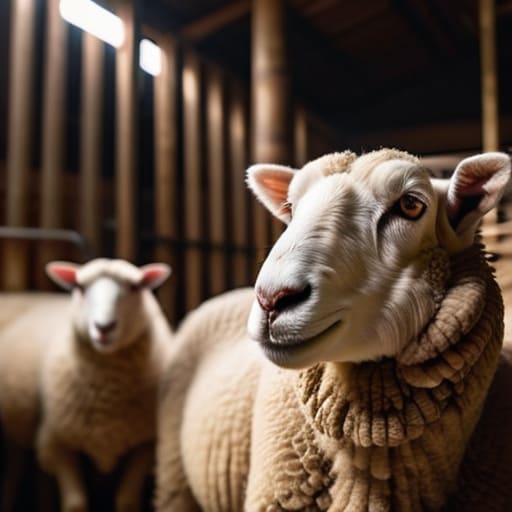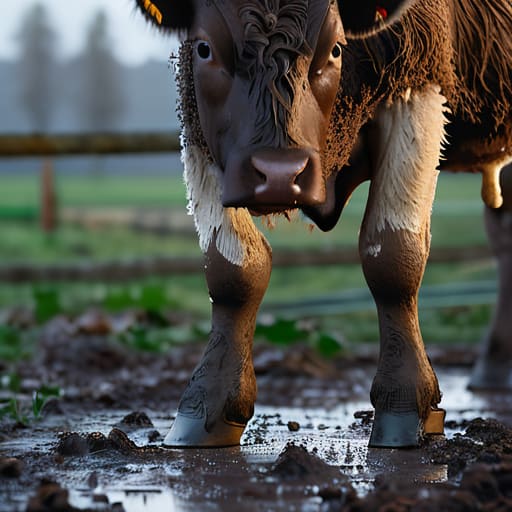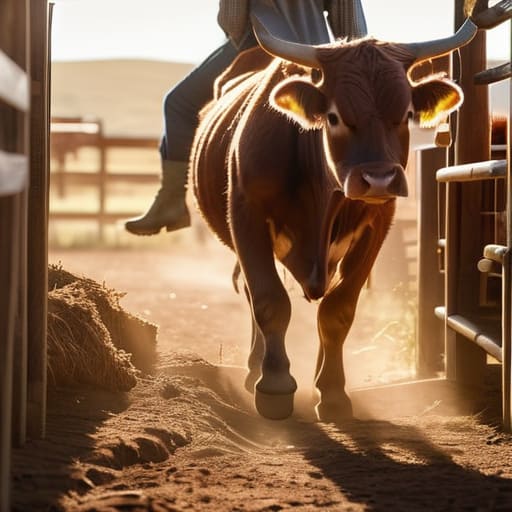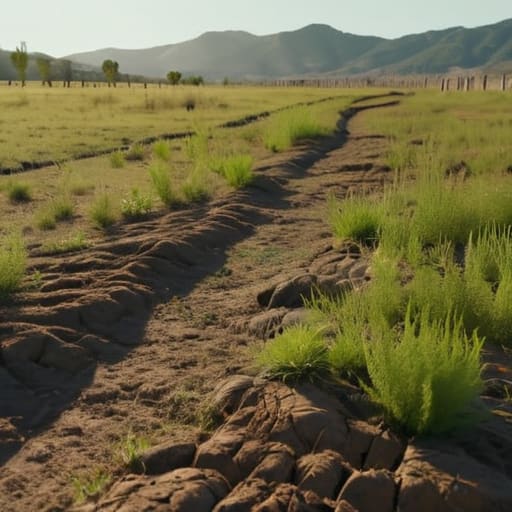
Complete guide to grazing management book cover.

The Complete Guide to Grazing Management

I’ve spent half my life reading glossy brochures from seed companies and agronomists who seem to think a “complete guide to grazing management” involves more expensive software and fancy paddock fencing than it actually does. They’ll talk to you about “optimizing biomass” and “nutritional precision,” but they never mention what happens when the rain stops for six weeks or when your soil is too heavy to move a mob without turning the field into a boggy graveyard. Most of that advice is written by people who have never had to balance a ledger while watching their best grass disappear into the hooves of an overstocked herd.

I’m not here to sell you a subscription or a new piece of kit that’ll be rusting in the shed by next November. What I’m going to give you is the truth about what actually works when the margins are thin and the weather is turning. We’re going to talk about grass, feet, and cash flow—the only three things that actually keep a farm solvent. I’ll show you how to read your ground so you aren’t just chasing growth, but actually protecting your profit before the season gets away from you.

Table of Contents

The Hard Truth a Complete Guide to Grazing Management That Actually Works

The Hard Truth a Complete Guide to Grazing Management That Actually Works.

Most people approach grazing like they’re reading a manual, but the land doesn’t care about your spreadsheets. You can have the most expensive fencing in the county, but if you aren’t performing a proper forage availability assessment every single week, you’re just guessing. I’ve seen too many lads walk into a field, see a bit of green, and think they’re set for the month. They aren’t. You have to look at the leaf area and the root depth; if you graze them down to the dirt, you aren’t just losing grass, you’re killing your ability to grow it back when the weather turns.

The real trick isn’t some magic formula; it’s about respecting pasture rest periods. If you don’t give that sward enough time to recover, you’re essentially mining your soil for a quick profit that will bankrupt you by autumn. I’ve moved toward more regenerative agriculture techniques lately, not because I’m a convert to the latest trend, but because I’ve seen what happens when you overstock a wet field. You end up with nothing but poached ground and a massive vet bill. It all comes back to the same thing: if the grass isn’t growing, the money isn’t either.

Stop Guessing Your Forage Availability Assessment and Start Counting Cash

Stop Guessing Your Forage Availability Assessment and Start Counting Cash

Most people walk out to the field, look at a sea of green, and think, “That’ll hold them for a week.” That’s how you end up with a field of bare earth and a bank balance that looks just as hollow. A proper forage availability assessment isn’t about squinting at the horizon; it’s about knowing exactly how many kilograms of dry matter are under your boots before you move the herd. If you aren’t measuring, you aren’t farming; you’re just gambling with your margins.

I’ve seen too many lads chase the latest buzzwords regarding regenerative agriculture techniques without first understanding their own ground. You can talk about soil health all day, but if your livestock carrying capacity is based on a feeling rather than a measurement, you’re going to fail. You need to know the difference between a field that looks lush and a field that actually has the caloric density to sustain a suckler cow through a dry spell. Stop eyeballing the grass and start calculating the cost of every bite they take, or you’ll find yourself buying expensive supplementary feed just to make up for a mistake you could have seen coming three weeks ago.

Why Rotational Grazing Benefits Your Bank Account More Than Your Ego

Why Rotational Grazing Benefits Your Bank Account More Than Your Ego

There’s a certain type of farmer who takes a strange pride in seeing a field looking “clean”—which is usually just code for a field that’s been grazed down to the dirt. They think they’re being efficient, but they’re really just starving their soil. I’ve seen it a hundred times: a man spends his whole life trying to prove he can run more head on a piece of ground than his neighbour, only to realize he’s actually just running a deficit.

True stock density optimization isn’t about how many animals you can cram into a paddock to look busy; it’s about how much energy you can pull out of the grass before you damage the plant. When you get your pasture rest periods right, you aren’t just “doing ecology”—you’re ensuring that the next flush of growth actually has the strength to pay the bills. If you let the cattle linger too long in one spot, they’ll eat the best bits, trample the rest, and leave you with nothing but weeds and a massive hole in your cash flow. It’s not about the ego of the big herd; it’s about the math of the regrowth.

Mastering Stock Density Optimization Without Buying Expensive Unused Kit

You’ll see plenty of lads on the internet telling you that you need a fleet of electric fences, high-tech GPS trackers, and enough polywire to wrap around the county just to achieve decent stock density optimization. They’ll sell you a system that looks grand in a brochure but ends up as a tangled heap of plastic in the corner of the shed by November. The truth is, you don’t need more kit; you need more eyes on the ground. If you’re trying to manage your livestock carrying capacity based on a spreadsheet rather than how the sward actually looks under a cow’s nose, you’re already losing.

It’s about matching the animal to the grass, not the other way around. I’ve learned the hard way that if you push too many head into a paddock because you’re chasing a theoretical number, you’ll end up with nothing but poached ground and a massive vet bill. Proper pasture rest periods aren’t some fancy regenerative agriculture technique designed to make you feel good about yourself; they are the only way to ensure the plant actually has the energy to grow back before the next lot moves in. If the ground is soaked and the grass is struggling, you move them. It’s that simple, and it doesn’t cost a penny in equipment.

Respecting Pasture Rest Periods to Protect Your Livestock Carrying Capacity

The biggest mistake I see is a farmer looking at a lush field and thinking, “I’ve got space for ten more head.” You might have the room, but if those animals are eating the plant down to the crown, you aren’t farming; you’re mining. You’re strip-mining your soil’s future for a quick bit of weight today. Proper pasture rest periods aren’t some luxury for people with too much time on their hands; they are the only thing standing between you and a field full of nothing but bare dirt and weeds come next season.

If you don’t let the grass recover, your livestock carrying capacity will drop faster than the price of beef in a bad year. I’ve seen men try to skip a rotation because the weather turned, only to find they’ve ruined the root systems of their best perennial ryegrass. You can talk all you want about regenerative agriculture techniques, but none of that fancy theory matters if you don’t give the ground the time to actually rebuild its strength. If the plant hasn’t regained its leaf area, the animals stay out. It’s that simple.

Five Things You’ll Learn the Hard Way If You Don't Listen

  • Watch the ground, not just the grass. If you keep pushing stock on ground that’s turning to a poached mess because you’re chasing a few extra kilos of weight, you aren’t farming; you’re just destroying your most valuable asset for a margin that won’t even cover the repair bill.
  • Stop trusting your eyes and start trusting your boots. A field might look lush from the gate, but if you haven’t walked it to see the actual leaf height and the state of the soil underneath, you’re just guessing, and guessing is a very expensive way to run a suckler herd.
  • Don’t buy a fancy new electric fencing system until you’ve mastered the basics of your current setup. I’ve seen more money wasted on high-tech gadgets sitting idle in the shed than I have on actual feed, and most of it could have been avoided by just fixing the lines you already have.
  • Treat your rest periods like a bank deposit. Every day you cut a paddock too early is money you’re withdrawing from next season’s forage; you can’t expect to pull a profit in the autumn if you’ve been bankrupting your soil all spring.
  • Keep your eyes on the feet, not just the belly. If your grazing management is pushing animals into poor-quality forage or muddy corners, you’ll spend your entire profit margin on vet bills and lameness treatments, which is a far quicker way to lose money than any market dip.

The Bottom Line: What to Keep in Your Head When You’re Out in the Field

Stop looking at your grass as just green stuff and start seeing it as your primary cash flow; if you aren’t managing your rest periods to protect the root, you’re essentially burning money you haven’t even earned yet.

Forget the flashy new gadgets and expensive fencing kits that promise a revolution—success in grazing comes down to the unglamorous work of counting your forage, watching your stock density, and knowing exactly how much ground you have to work with.

If you can’t explain how your grazing rotation affects your bottom line, you aren’t managing a farm, you’re just watching your livestock eat your profit.

The Bottom Line

At the end of the day, grazing management isn’t some complex science you need a PhD to master; it’s just about paying attention to what’s actually happening under your boots. You can buy all the fancy fencing and automated waterers you want, but if you aren’t measuring your forage, respecting the rest periods the grass needs, and matching your stock density to the actual ground conditions, you’re just burning money in slow motion. It comes down to the basics: watch the grass, watch the feet, and keep a sharp eye on the cash flow. If you get the rotation right, the livestock will take care of themselves, and more importantly, the bank balance will reflect the work you’ve put into the soil.

I’ve spent forty years making mistakes that cost me more than I’d care to admit, and if there is one thing I’ve learned, it’s that the land doesn’t care about your spreadsheets—it only cares about how you treat it. Don’t try to outsmart the seasons or force a stocking rate that the rainfall won’t support this year. Instead, aim to be a steward of your acres rather than just a manager of them. If you build a system that works with the rhythm of your pastures rather than against them, you won’t just survive the next bad decade of prices; you’ll be in a position to actually enjoy the quiet moments at the gate.

Frequently Asked Questions

How do I figure out if my rest periods are actually long enough when the weather is turning wet and the grass just won't recover?

You stop looking at the calendar and start looking at the leaf. If the weather’s turned wet, your planned twenty-one days might as well be five. If you send them back in and they’re nibbling the regrowth down to the dirt, you’ve gone too soon. You’re not just losing grass; you’re killing the plant’s ability to feed itself. When the rain won’t stop, extend the rest. Better a few light cattle than a ruined pasture.

Is it worth the extra labor to move the stock every few days, or am I just chasing a margin that isn't there?

If you’re looking at the labor as a standalone cost, you’ve already lost the argument. Moving stock every few days isn’t about being a martyr to the gate; it’s about preventing the sheep from eating the regrowth and turning your best grass into a patch of bare earth. You aren’t just chasing a margin; you’re preventing a massive loss in forage value. If the grass isn’t growing, you’re paying for it in expensive concentrates later.

When the grass is thin and the prices are low, how do I decide between pushing the stock harder or bringing in expensive supplementary feed?

You have to look at the ground before you look at the feed bill. If that grass is thin because the soil is exhausted or the rain hasn’t come, pushing the stock harder just means you’re trading your future fertility for a few weeks of mediocre weight gain. I’ve seen men bankrupt themselves trying to “stretch” a bad pasture. If the forage isn’t there, you bring in the feed, but only if the math says the animal’s value outweighs the cost of the bag.

How to assist a difficult calving.

Knowing When to Help and When to Ring the Vet

I’ve lost count of how many glossy brochures I’ve seen claiming that a “state-of-the-art calving kit” and a PhD in bovine anatomy are the secrets to a smooth season. They’ll sell you a plastic gadget that promises to solve every problem, but they won’t tell you that when it’s three in the morning, the ground is a slurry of frozen mud, and a heifer is screaming in the dark, none of that gear matters if you don’t have the steady hands to match. Learning how to assist a difficult calving isn’t about following a colour-coded flowchart from a salesman; it’s about knowing when to push, when to stop, and when you’re simply fighting a losing battle against a cow that’s decided she’s done.

I’m not here to give you a textbook lecture or a list of expensive tools that will sit gathering dust in your shed come July. What I want to do is walk you through the actual mechanics of a bad situation—the stuff they don’t put in the manuals. I’ll tell you exactly where I’ve gone wrong, how to read the cow’s body language before you even reach for the lube, and how to make decisions that protect your calf and your bottom line.

Table of Contents

Understanding How to Assist a Difficult Calving

Understanding How to Assist a Difficult Calving

Before you even reach for the grease or the OB chains, you need to know if you’re actually dealing with a problem or just a cow that’s taking her sweet time. I’ve learned the hard way that the biggest mistake is intervening too early. If she’s got a decent rhythm to her contractions and the water bag is showing, she’s likely doing the work herself. You’re looking for specific signs of dystocia in cattle—not just a delay, but a change in her effort. If she’s straining like her life depends on it but nothing is moving, or if the contractions suddenly stop altogether, that’s when the clock starts ticking against your margin.

The real trick is identifying abnormal fetal presentation before you start pulling. I’ve seen men go in blind, thinking they’re helping, only to realize they’ve been tugging on a hind leg when the head is tucked up against the pelvis. Once you know it’s a malpresentation, you have to be methodical. It isn’t about brute strength; it’s about position and leverage. If you don’t have the right calving assistance tools and equipment cleaned and ready, you’re just wasting time while the calf’s lungs are being compressed.

Key Things to Know

Key Things to Know: Signs of dystocia.

Before you even think about reaching for the lube or the chains, you need to know what you’re actually looking at. I’ve seen plenty of lads rush in because they see a cow straining, only to make a mess of things because they didn’t recognize the real signs of dystocia in cattle. It isn’t always a simple matter of a calf being stuck; sometimes it’s a matter of identifying abnormal fetal presentation, like a leg tucked up or a head turned the wrong way. If you go in blind, you aren’t helping; you’re just bruising the calf and potentially tearing the cow, and that’s a debt you’ll be paying for the rest of the season.

You also need to have your kit sorted before the panic sets in. I’ve spent too many nights shivering in a shed realizing I’ve got the wrong size calving ropes or half-empty lubricant bottles. Having your calving assistance tools and equipment laid out and ready—and actually knowing how to use them without fumbling—is the difference between a clean job and a vet bill that makes your eyes water. If you’ve tried the basics and the progress has stopped, don’t let pride get in the way; know exactly when to call a large animal veterinarian before the situation becomes terminal for both.

Practical Tips and Steps

Practical Tips and Steps for cattle dystocia.

First thing you do is get your head right. If you’re shaking, the cow knows, and she’ll be twice as difficult. Before you even reach for the kit, you need to be certain you’re looking at actual signs of dystocia in cattle rather than just a slow mover. I’ve seen men rush in, grab a calf by the legs, and pull like they’re trying to start a tractor, only to end up with a dead calf and a cow that won’t breed again for two years. If you aren’t certain about the position, don’t just pull. You need to be identifying abnormal fetal presentation—is it a leg, a hip, or a head tucked back? If it’s not a clear, clean presentation, you’re just making a mess of the pelvis.

Once you’re in, less is more. If you’re using any calving assistance tools and equipment, make sure they are clean and, more importantly, well-lubricated. I’ve learned the hard way that a dry hand is a recipe for tearing tissue. If you’ve spent twenty minutes working and the situation hasn’t shifted, or if you feel something that shouldn’t be there, stop and call the vet. It’s cheaper to pay a professional fee than to lose a heifer and a calf because you were too proud to admit you were out of your depth.

Common Mistakes to Avoid

The biggest mistake I see—and I’ve certainly made it myself in a dark shed at three in the morning—is the urge to rush in with your hands before you’ve actually looked at what’s going on. If you start pulling blindly, you aren’t helping; you’re just tearing up the cervix or, worse, breaking a limb. You need to spend five minutes identifying abnormal fetal presentation before you even think about applying pressure. If the legs aren’t coming or the head is tucked, you need to know exactly why. Pulling against a malpresentation is a fast way to turn a manageable situation into a dead calf and a cow that won’t breed again for two years.

Another blunder is the “hero complex”—thinking you can muscle through everything with nothing but a pair of greasy gloves. I’ve seen lads try to fix a massive heifer with nothing but grit, only to end up with a massive vet bill and a heavy heart. You have to know your limits and recognize the signs of dystocia in cattle that signal you’re out of your depth. If the progress stops or the presentation is twisted, that is precisely when to call a large animal veterinarian. It’s cheaper to pay for a professional’s expertise early than to pay for a carcass and a ruined uterus later.

Final Thoughts

At the end of the day, you can own the best calving assistance tools and equipment in the county, but they won’t make up for a lack of patience or a heavy hand. I’ve seen men lose a perfectly good heifer because they were too eager to get back to the kitchen table, or too stubborn to admit they were out of their depth. You have to know your limits. There is a fine line between being a good farmer and being a fool; knowing when to call a large animal veterinarian is often the difference between a profitable season and a massive hole in your books.

Don’t go looking for a quick fix when things get messy. If you’re struggling with identifying abnormal fetal presentation, stop, take a breath, and think about the ground you’re standing on and the animal in front of you. If the situation isn’t improving, don’t gamble with your livelihood. A vet’s fee is a bitter pill, but it’s a lot cheaper than a dead calf and a damaged cow. Focus on the basics: keep your gear clean, keep your head clear, and remember that the most expensive mistake you can make is staying in the pen too long.

Five things I’ve learned when the clock is ticking and the heifer is stuck

  • Get your hands clean or don’t bother; I’ve seen enough uterine infections turn a heifer into a write-off to know that a bit of laziness with a bucket of disinfectant is the fastest way to kill a calf you’ve just spent an hour fighting to save.
  • Know when to call for help before you’ve exhausted the animal; there is no shame in calling the vet or a neighbour when you’re knee-deep in mud and the calf isn’t moving, but there is a massive amount of shame in losing a cow because you were too proud to admit you were out of your depth.
  • Check the presentation before you start pulling; if you’re tugging blindly without knowing if it’s a leg, a hip, or a tail tucked in the wrong way, you aren’t helping—you’re just tearing things apart that can’t be mended.
  • Watch the clock, not just the cow; a calving that drags on for six hours isn’t just a nuisance, it’s a drain on the cow’s energy reserves and your own sanity, and usually means you’ve missed the window where intervention actually works.
  • Keep your kit within arm’s reach and actually use it; I’ve seen men stumble around a dark shed looking for a torch or a specific lubricant while a cow is struggling, and by the time they find it, the damage is already done.

The Bottom Line on Calving

Don’t let pride or panic drive your decisions; if you’ve spent twenty minutes wrestling a heifer and the situation isn’t improving, call the vet before you turn a difficult birth into a dead calf and a lost cow.

Your kit is only as good as your ability to use it in the dark and the rain, so stop buying fancy gadgets and make sure you actually know how to handle your calving ropes and lubricant when the ground is turning to soup.

Every minute spent fumbling in a pen is money leaking out of your bank account, so focus on the basics—cleanliness, steady hands, and knowing when to step back—because a botched job costs far more than a professional fee.

The Bottom Line on Calving

At the end of the day, assisting a difficult calving isn’t about having the fanciest calving jack or the most expensive set of obstetric tools sitting in the shed. It’s about knowing when to step in and, more importantly, knowing when to call the vet before you’ve done more harm than good. You can have all the technique in the world, but if you haven’t respected the biology of the cow or the limits of your own patience, you’re just spinning your wheels. Remember that every minute you spend wrestling a calf that won’t come is a minute where margin and mortality are dancing a very dangerous dance. Keep your gear clean, keep your head clear, and keep an eye on the clock.

I’ve stood in the freezing rain at three in the morning, feeling like the world was ending because a heifer wouldn’t deliver, but the farm doesn’t stop for our drama. You’ll make mistakes, you’ll lose animals despite your best efforts, and you’ll learn more from a lost calf than a hundred successful ones. Don’t let the bad nights make you lose sight of the long game. This life is built on the steady accumulation of small, smart decisions made when things are difficult. Focus on the grass, watch your feet, and keep your cash flow steady; the rest of the madness will eventually settle into the rhythm of the seasons.

Frequently Asked Questions

At what point do I stop trying to fix it myself and actually call the vet before I've done more damage than the calf already has?

If you’ve been at it for thirty minutes, your hands are slick with more than just grease, and you haven’t seen any progress, stop. I’ve spent many a night thinking I could outsmart a heifer’s pelvis, only to end up with a dead calf and a cow that’ll never carry again. If the position hasn’t changed or you feel something isn’t right, call the vet. A call fee is cheaper than a replacement heifer.

How can I tell if the calf is actually stuck because of its position or if I'm just fighting against a cow that's run out of steam?

It’s the question that keeps you standing in the muck at three in the morning, isn’t it? You have to feel the rhythm. If she’s giving you genuine, hard contractions that move the calf even a fraction, she’s still in it. But if you’re pulling against a soft, unproductive heave, she’s spent. If the calf isn’t moving despite her effort, it’s position. If she’s stopped trying, it’s exhaustion. Don’t fight her; if she’s done, you’re just wasting energy and risking a tear.

What’s the real cost of using too much lube or pulling too hard when it comes to the long-term health of the heifer?

You’re asking about the damage that isn’t visible in the calving pen. If you’re using half a tub of lube because you’re panicked, or worse, hauling on a calf like you’re pulling a tractor out of a bog, you’re trading a quick fix for a long-term liability. You’ll end up with a heifer with a torn uterus or a permanent pelvic issue. She might survive, but she’ll never be a reliable producer. That’s money walking out the gate.

How antibiotic use should be reduced infographic.

Using Less by Preventing More

I spent most of last Tuesday listening to a consultant in a clean fleece explain exactly how antibiotic use should be reduced, using nothing but glossy charts and words like “biosecurity protocols.” It was all well and good until he realized he hadn’t asked about the drainage in the bottom field or the fact that our spring lambing was two weeks late due to a wet March. You can buy all the fancy diagnostic kits in the world, but if you’re trying to fix a disease problem with a syringe instead of looking at the quality of your forage and the muck under your feet, you aren’t practicing medicine—you’re just throwing money into a black hole.

I’m not here to sell you a new management software or a proprietary mineral lick that promises miracles. What I’ll give you is the truth from forty years of watching what actually keeps a cow standing and a bank account in the black. We’re going to talk about the real drivers of infection—the grass, the feet, and the environment—and how tightening up those basics is the only way to actually cut back on the drugs without losing your shirt in the process.

Table of Contents

The Medicine Cabinet Leak Why Overprescribing Medical Protocols Costs You

The Medicine Cabinet Leak Why Overprescribing Medical Protocols Costs You

I’ve seen it a dozen times: a farmer gets a bit of a chill in the herd, panics, and reaches for the heavy-duty stuff before he’s even checked the weather or the bedding. It’s a reflex, but it’s a costly one. When you fall into the trap of overprescribing medical protocols just to sleep better at night, you aren’t actually managing risk; you’re just subsidizing the vet and the pharmacy. Every time you pull a bottle off the shelf for a calf that probably just needed a bit more dry ground and better forage, you’re watching your margin evaporate.

The real sting, though, isn’t just the immediate invoice. It’s the long-term erosion of what actually works. We talk a lot about antimicrobial resistance prevention in the city, but on the farm, it’s a matter of practical survival. If you burn through your best drugs on every minor setback, you’ll find yourself standing in a yard with a genuinely sick animal and nothing left in the kit that can actually touch the problem. You can’t fix a management failure with a syringe, and trying to do so is a fast way to turn a profitable season into a very expensive lesson.

How Antibiotic Use Should Be Reduced to Save Your Margins

How Antibiotic Use Should Be Reduced to Save Your Margins

If you want to stop the bleeding, you have to stop treating every sniffle like a crisis. Reducing the reliance on drugs isn’t about following some high-minded lecture from a city office; it’s about improving prescription accuracy so you aren’t throwing expensive bottles at problems that a bit of dry bedding and better nutrition would have sorted. I’ve seen too many lads reach for the syringe the moment a calf looks a bit dull, rather than looking at the muck in the pens or the damp in the field.

The real way to bring those costs down is to focus on the environment the animal lives in. When we talk about antimicrobial resistance prevention, we aren’t just talking about global health; we’re talking about making sure that when a real, life-threatening infection hits, the medicine you actually buy still works. If you keep using the same broad-spectrum stuff for every minor setback, you’re just teaching the bugs how to fight back. It’s a long-term game of managing your environment to keep the bugs from rising in the first place.

Fighting Bacterial Resistance Mechanisms Before They Break Your Herd

Fighting Bacterial Resistance Mechanisms Before They Break Your Herd.

You can talk all day about the science of it, but for us, bacterial resistance mechanisms aren’t just something they discuss in a lecture hall; they are the reason a calf that should have been fine suddenly stops responding to everything you throw at it. When you use a drug as a crutch because the housing is damp or the weaning was too sharp, you aren’t just treating a symptom—you’re training the bugs to fight back. It’s a slow-motion disaster where the medicine eventually stops working, and then you’re left holding an empty bottle and a dying animal.

The real way to stay ahead is to stop looking for a quick fix and start looking at the environment. I’ve learned that antimicrobial resistance prevention doesn’t start with a better syringe; it starts with better drainage and cleaner bedding. If you keep the stress levels down and the hygiene up, you won’t find yourself needing to reach for the heavy hitters in the first place. It’s about being proactive rather than just reacting when the fever hits.

Better Antibiotic Stewardship Programs Investing in Prevention Over Pills

Now, I know what you’re thinking. “Stewardship” sounds like something a man in a suit discusses in a boardroom in London, not something you do while standing knee-deep in a muddy pen at five in the morning. But that’s the mistake. A proper approach to antibiotic stewardship programs isn’t about following some government checklist to tick a box; it’s about moving your focus from the medicine chest to the environment the animal actually lives in. If you’re constantly reaching for the syringe, you aren’t managing a herd—you’re just reacting to failures in your own system.

You have to stop treating the vet as a first responder and start treating them as a consultant for preventative infrastructure. Whether that’s fixing a broken gate that’s letting sheep into a wet corner or improving your mineral supplementation, the goal is to make the animal robust enough that you don’t need the drugs in the first place. When we talk about antimicrobial resistance prevention, we aren’t just talking about global health; we are talking about making sure that when a real crisis hits, the medicine you actually buy still has the teeth to do its job.

Improving Prescription Accuracy to Stop Wasting Cash on Drugs

The problem with a lot of modern farm management is that we’ve become too quick to reach for the syringe before we’ve even checked the thermometer or the footing. I’ve seen too many lads—and frankly, a few veterans too—treating symptoms rather than causes. When you’re overprescribing medical protocols just because a calf looks a bit dull in the morning, you aren’t being proactive; you’re being expensive. If the vet comes out and writes a script for a broad-spectrum drug when a targeted approach would have done the job, you’ve just handed over a chunk of your margin for nothing.

Improving prescription accuracy isn’t just about following the rules or keeping the inspectors happy; it’s about making sure every penny spent on a bottle of something actually works. You need to know exactly what you’re fighting. If you’re guessing at the diagnosis, you’re likely wasting money on drugs that won’t touch the specific bacterial resistance mechanisms you’re actually dealing with. It’s about precision. If you wouldn’t buy a bag of feed without knowing the protein content, you shouldn’t be buying a dose of medicine without being certain it’s the right tool for the specific job.

Five ways to stop treating the symptoms and start fixing the farm

  • Get your eyes off the medicine cabinet and onto the muck heap; if your bedding is damp and your ventilation is rubbish, you’re just paying a vet to chase a problem you created with poor hygiene.
  • Stop the “just in case” injections; if you aren’t seeing a clinical sign, keep the needle in the drawer, because treating a healthy animal based on a hunch is just a very expensive way to lose a margin.
  • Fix the feet before you fix the fever; a massive chunk of what we call “illness” is really just a result of poor ground management and sharp stones, and no amount of drugs will fix a cow walking on bad footing.
  • Watch your nutrition like a hawk, because a cow that isn’t hitting her targets is a cow with a compromised immune system, and it’s far cheaper to buy better forage than it is to buy better antibiotics.
  • Stop buying the “magic bullet” supplements that every salesman swears by; if a product doesn’t show up in the weight gain or the calving numbers by the end of the season, it’s just expensive clutter for the shed.

The Bottom Line on Keeping the Meds in the Cupboard

Stop treating the symptom and start looking at the source; if your ground is wet and your forage is poor, no amount of injectable drugs will fix the rot in your margins.

Every time you reach for the bottle because you’re too busy to check a hoof or a teat, you’re essentially writing a cheque to the vet that you’ll never see a return on.

True stewardship isn’t about following a shiny new government protocol, it’s about knowing your stock well enough to catch the problem before it becomes a prescription.

The Bottom Line

At the end of the day, reducing your reliance on the medicine cabinet isn’t about some grand environmental crusade or following the latest trend from a government office; it’s about protecting your margins. We’ve looked at how overprescribing drains your bank account, how poor stewardship invites resistance that can cripple a herd, and why investing in better forage and foot care beats a needle every single time. If you’re spending more time looking at the vet’s invoice than you are looking at the quality of your grass or the condition of your stock, you’ve lost the plot. You can’t medicate your way out of poor management, and no amount of expensive drugs will ever compensate for neglecting the basics of animal husbandry.

It’s easy to get caught up in the immediate panic of a sick animal and reach for the easiest fix, but the real work happens when the animals are healthy. The most successful years I’ve had weren’t the ones where I had the best medicine cupboard, but the ones where I had the sturdiest stock and the cleanest ground. Focus on the environment, the nutrition, and the daily observation that no sensor or tablet can replace. If you get the foundation right, the need for those interventions will naturally fade, and you’ll find that cash stays in your pocket instead of being flushed away on preventable problems.

Frequently Asked Questions

If I back off the drugs to save money, how do I know I'm not just letting a minor issue turn into a herd-wide disaster that costs me twice as much?

You don’t “back off” by closing your eyes; you do it by opening them wider. If you’re just guessing, you’re a gambler, not a farmer. You watch the feet, you watch the dung, and you watch the temperament of the animal. If a cow’s off her feed or her gait is wrong, you deal with it. You aren’t cutting corners; you’re just making sure the medicine is actually solving a problem rather than masking a poor environment.

Most of these "preventative" programs look good on paper, but how much is the actual kit and extra labor going to eat into my margins before I see a return?

It’s a fair question, and if you’re looking at the brochure, you’re already losing. Most of these “programs” try to sell you a shiny new piece of tech or a consultancy contract. Forget that. The real “kit” is just better fencing to keep them out of the wet stuff and a more disciplined eye on the muck. It’s more labor, yes—more walking the fields—but that cost is fixed. A vet bill for a systemic infection? That’s variable and it’s a killer.

When the vet comes out and says we need a course of treatment, how do I tell the difference between a necessary call and one where I'm just paying for his peace of mind?

Look, I’ve been there. The vet pulls up, looks at a calf, and suggests a course of treatment. Before you reach for the chequebook, ask him two things: “What’s the clinical goal here, and what happens if we just watch it for twelve hours?” If he can’t explain exactly what he’s trying to stop, or if the plan is just to “be safe,” you’re likely paying for his insurance, not your animal’s recovery.

Showing how village services have changed.

Losing the Shop, the Bus and the Bank

I remember when you could pull the tractor up to the village shop, grab a bag of feed, a pint of milk, and have a ten-minute chat about the weather or the price of barley without even checking your watch. Now, they tell you that everything is more “efficient” because it’s all moved to a smartphone screen, but they never mention the hidden cost of diesel it takes to drive twenty miles just to find a working ATM or a decent butcher. People love to talk about the digital revolution, but when we look at how village services have changed, they tend to forget that a website won’t help you when your delivery driver can’t find your gate or the local post office has shuttered its windows for good.

I’m not here to sell you on some glossy new app or tell you that the loss of our local infrastructure is “progress.” I’m going to look at this through the lens of actual margins—the time lost, the fuel burned, and the sheer practical headache of trying to run a farm when the community around you is thinning out. I’ll tell you plainly which “modern conveniences” are actually just expensive distractions and what we’re truly losing when the village heart stops beating.

Table of Contents

Understanding How Village Services Have Changed

Understanding How Village Services Have Changed.

It’s not just a matter of missing the local shop; it’s the way the whole ecosystem of the place has been stripped back. Twenty years ago, if you needed a part for the tractor or a bag of feed, you could find someone within a ten-mile radius who knew your name and didn’t need a spreadsheet to tell you the price. Now, you’re looking at a constant loss of local amenities that leaves the gaps filled by nothing but more tarmac and more commuters. We used to have a rhythm here, tied to the seasons and the people, but that’s been replaced by a sort of hollowed-out convenience.
People talk about the digital transformation in villages as if having a smartphone solves the problem of a closed post office or a pub that’s turned into a holiday let. They say everything is at your fingertips, but a screen won’t help you when you’re trying to coordinate a local harvest or find a mechanic who actually understands a diesel engine. What we’re seeing isn’t progress; it’s a slow, quiet rural community decline that makes it harder for the people actually working the land to stay rooted.

Key Things to Know

Key Things to Know: Losing local amenities.

If you’re looking for a tidy list of statistics, you’ve come to the wrong place. What I’ve seen from my gate is that the loss of local amenities isn’t just a matter of convenience; it’s a matter of survival for the people left behind. When the local Co-op shuts and the post office moves to a digital-only service, you aren’t just losing a shop; you’re losing the one place where you actually see your neighbours. It’s a slow erosion, and once that social glue dries up, it’s a hell of a thing to try and stick back together.

The push for digital transformation in villages sounds grand on a spreadsheet in London, but it doesn’t account for a broadband connection that drops out every time the wind picks up over the ridge. They tell us everything is at our fingertips now, but they forget that a farmer or an elderly resident can’t always navigate a smartphone just to book a GP appointment. We’re being told that modernization is progress, but if you can’t use the service, it isn’t progress—it’s just a barrier.

Practical Tips and Steps

Practical Tips and Steps for local amenities.

If you want to make a dent in this, you have to stop waiting for the council or some distant agency to fix things. They aren’t coming. The first step is recognizing that the loss of local amenities isn’t just an inconvenience; it’s a drain on your time and your wallet. I’ve seen it myself—spending an extra hour in the tractor just to reach a decent hardware shop because the local one folded. Start by mapping out what you actually need to survive the winter and seeing who else in the parish is feeling the same pinch. It’s about pooling resources before the cupboard is completely bare.

Don’t get caught out by the digital transformation in villages, either. They’ll tell you that an app or a website replaces a post office or a bank, but a screen won’t help you when the broadband goes down in a gale. My advice? Keep your physical connections strong. If the high street shops are disappearing, look at setting up a local trade exchange or a shared delivery scheme. It’s about defending the margins of your own life by making sure you aren’t entirely dependent on a signal that’s as thin as the grass in a drought.

Common Mistakes to Avoid

The biggest mistake I see is people assuming that the digital transformation in villages is a silver bullet for everything. There’s a lot of talk about how an app can replace a post office or a local shop, but an app won’t help you when the broadband drops out during a storm or when you actually need to speak to a human being about a delivery. Relying solely on “smart” solutions is a gamble that ignores the reality of our infrastructure. If you bank everything on a screen, you’re going to find yourself stranded when the technology fails to bridge the gap left by the loss of local amenities.

Another error is treating the decline of these services as an inevitability rather than a symptom of poor planning. People often wait until the last pub or the last smithy has shuttered before they realize what they’ve lost. It’s easy to get caught up in the general rural community decline and just shrug your shoulders, but that’s how you end up with a village that’s nothing more than a dormitory for commuters. You can’t rebuild a social hub once the foundation has gone, and once that cash flow dries up, no amount of wishing will bring the shop back.

Final Thoughts

At the end of the day, you can’t replace a local mechanic or a decent butcher with a smartphone app and call it progress. We talk a lot about the digital transformation in villages, but a screen doesn’t fix a broken tractor or help you move a heavy feeder when the ground is frozen solid. The truth is, when you lose those small, local touchpoints, you aren’t just losing a shop; you’re losing the glue that keeps a place from becoming nothing more than a collection of houses for commuters.

I’ve watched the loss of local amenities turn too many decent settlements into dormitories. It’s a slow erosion, often disguised as “convenience,” but once the post office goes and the pub turns into a boutique holiday let, the character of the place changes for good. My advice is to stop waiting for the council or a tech company to fix the gap. If we want to stave off rural community decline, we have to be intentional about supporting what’s left and being a bit more stubborn about keeping our own networks alive. It’s not about being old-fashioned; it’s about being practical.

Five ways to keep your head above water when the village stops serving you

  • Stop counting on the local shop for your essentials. I’ve seen too many people wait until they’ve run out of milk or bread only to realize the village shop closed three months ago, and now they’re burning twenty litres of diesel just to get to the supermarket. Plan your runs around the weekly heavy lifting, not the daily whim.
  • Get your digital tools sorted before you actually need them. They tell you everything is moving online—banking, council forms, even ordering feed—but if you wait until your internet goes down in a storm to realize you can’t access your accounts, you’re in a spot of bother. Have a backup, and learn the systems while you have the time.
  • Don’t let your social circle shrink to just your own gate. When the pub or the post office goes, that’s where the information exchange happens. You need to make a conscious effort to keep in touch with the neighbours, because when the local services vanish, the only thing left to rely on is the person living in the next farmstead.
  • Watch your transport costs like a hawk. Losing a local service isn’t just an inconvenience; it’s a direct hit to your cash flow. If you’re spending an extra forty quid a week in fuel just to do what used to be a five-minute walk, you need to factor that into your margins or you’ll wonder where the money’s gone by Christmas.
  • Invest in community, not just convenience. If there’s a group or a local cooperative trying to keep a service alive, join it. It’s cheaper to pay a small membership fee to keep a village hall open than it is to try and rebuild a community once it’s completely evaporated.
The Bottom Line on What’s Been Lost

Don’t mistake convenience for savings; driving twenty minutes for a loaf of bread or a parcel pickup eats your margin faster than a bad season of silage.

If the local service disappears, the community loses more than just a shop—it loses the eyes on the road and the pulse of the village that keeps things running.

Stop waiting for the council or the big firms to fix it; once a service is gone, the cost of trying to bring it back is usually more than the village can actually afford.

The Bottom Line

At the end of the day, looking at how these services have drifted away is a bit like watching a field go to seed if you aren’t paying attention. We’ve talked about the rising costs of just getting from A to B, the loss of that local social glue, and the way everything seems to be moving behind a screen where you can’t shake a hand or look a man in the eye. It isn’t just about the inconvenience; it’s about the erosion of the margins that keep a rural community viable. If you lose the post office and the local shop, you aren’t just losing a place to buy milk; you’re losing the very infrastructure that makes living out here a practical reality rather than a costly hobby.

I don’t believe in being sentimental for the sake of it, but there is a logic to what we are losing. A village without its services is just a collection of houses, and a collection of houses doesn’t make a community. We have to be more intentional about how we support what is left, whether that’s through local cooperatives or simply making the effort to use the services that still stand. It won’t bring back the old ways, but if we want these places to remain economically sensible for the next generation, we have to value the foundations while they are still standing. It’s about protecting the long-term viability of where we live.

Frequently Asked Questions

Is it actually worth driving twenty miles for a specialist service, or am I better off just paying the premium for someone to come to the farm?

It depends on whether you’re paying for the expertise or just the diesel. If it’s a vet who can fix a complex lameness issue that’ll save your margins, drive the twenty miles; the specialist’s brain is worth the trip. But if it’s just a technician for a piece of kit that’ll likely sit idle by autumn, pay the premium for them to come here. Your time is better spent on the ground, not stuck in a cab.

How much of this "digital shift" is actually about efficiency, and how much is just a way for these companies to cut their overheads at our expense?

It’s a bit of both, but let’s not pretend it’s all for our benefit. Sure, being able to check a market price on your phone while you’re out in the top field is handy. But most of this “digital shift” is just a way for companies to stop paying for real people and physical branches. They call it efficiency; I call it passing the cost of their overheads onto us in the form of wasted time.

With the local shops and post offices going, what's the real cost to a working farm when we have to spend more time on the road and less time on the land?

It’s not just the diesel, though that’s a bloody nuisance. It’s the opportunity cost. Every hour I’m sitting in a queue at the town post office or driving twenty miles for a bag of feed, I’m not checking a fence line or watching a heifer that’s looking a bit off. You can’t put a price on the time you lose being away from the stock, but I can tell you it’s eating our margins alive.

How contracting compares to ownership cost analysis.

Contractors Cost Less Than You Think and More Than You Hope

I remember standing in the yard back in ’98, watching a neighbor sink his entire life savings into a brand-new telehandler just because the salesman convinced him he couldn’t run a farm without it. He spent the next three years staring at a piece of depreciating iron that spent more time gathering dust than moving muck, all while his cash flow bled out through a sieve. People love to talk about the prestige of having your own kit, but they rarely stop to ask how contracting compares to ownership when the rain is coming down sideways and your bank balance is looking thin. Most of the advice you’ll find in those glossy trade magazines is written by people who have never had to worry about a broken hydraulic line on a Sunday afternoon.

I’m not here to sell you a dream of a shiny, full yard or a service contract that promises the world. I’m going to tell you what actually happens to your margins when you decide to stop hiring and start buying. We’ll look at the real numbers—not the ones in the brochures, but the ones that matter when it comes to grass, feet, and cash flow.

Table of Contents

Understanding How Contracting Compares to Ownership

Understanding How Contracting Compares to Ownership.

When you sit down with the books, the debate usually turns into a tug-of-war between capital expenditure vs operating expense. On paper, it looks simple: you either pay for the machine and the debt that comes with it, or you pay a man with a tractor to do the job. But that’s the easy version. The reality is that owning a piece of kit means you own the downtime, the repairs, and the headache of finding a mechanic on a Tuesday when the weather is turning. Contracting gives you a way to move that burden, but you’re trading your autonomy for someone else’s schedule.

It really comes down to a choice between operational flexibility and control. If you own the baler, you bale when the grass is right, even if it’s three in the morning. If you’re relying on a contractor, you’re at the mercy of his diary and how many other farms he’s juggling. You aren’t just paying for the service; you’re paying for the peace of mind that you aren’t the one staring at a broken gearbox while the rain starts to fall.

Key Things to Know

Key Things to Know: Owning vs Renting.

The first thing you have to reckon with is the shift from capital expenditure vs operating expense. When you own the kit, you’re not just paying for the machine; you’re paying for the depreciation, the specialized insurance, and the inevitable afternoon spent swearing at a broken hydraulic line while the weather turns. With a contractor, that cost is smoothed out into a single line on your ledger. It looks cleaner, certainly, but you lose that sense of operational flexibility and control when you’re at the mercy of someone else’s schedule and their ability to show up when the window for haymaking actually opens.

You also have to look at the long-term cost implications that don’t show up in a brochure. Outsourcing vs in-house resources isn’t just about the hourly rate; it’s about the knowledge that stays on the farm. If you hire a man to do the work, he takes the skill and the “feel” for your specific ground with him when he drives away. I’ve seen many a young lad think he’s saved a fortune by avoiding the debt of a new tractor, only to find he’s traded away his independence for a service model that doesn’t care if his grass is ready or not.

Practical Tips and Steps

Practical Tips and Steps for tractor costs.

Before you sign a contract or pull a deposit out of your savings for a new tractor, you need to sit down with your accounts and look at the long-term cost implications. Don’t just look at the hourly rate a contractor charges; look at the cost of the diesel, the insurance, the mechanic’s time, and the three weeks of lost productivity when a gearbox goes through the floor in the middle of a harvest window. I’ve learned the hard way that capital expenditure vs operating expense isn’t just an accounting distinction; it’s the difference between having a machine that works when you need it and having a massive debt hanging over your head when the weather turns.

If you do decide to move toward more in-house work, start by auditing your actual usage. If a piece of kit sits idle for more than sixty percent of the year, you aren’t building an asset; you’re just storing expensive rust. I always tell the younger lads that operational flexibility and control is a fine thing to have, but it only matters if you have the cash flow to back it up when things go wrong. Sometimes, the best way to manage your risk is to let someone else take the headache of maintenance off your hands.

Common Mistakes to Avoid

The biggest mistake I see is treating a contractor’s invoice like a fixed cost when it’s actually a variable one. People look at the hourly rate and think they’ve found a bargain, but they forget that you’re paying for the contractor’s overheads, their diesel, and their margin on top. When you weigh up capital expenditure vs operating expense, it’s easy to feel like you’re winning because you haven’t got a massive loan for a new tractor sitting on your balance sheet. But if that contractor gets tied up elsewhere during a sudden wet spell, your crop sits in the field and your margins vanish.

Another trap is underestimating the loss of operational flexibility and control. When you own the kit, you work when the weather says you can. When you outsource, you work when the contractor says he can get to you. I’ve seen many a young man go broke trying to own every piece of machinery under the sun, only to find he’s spent more on interest and repairs than he ever would have on a service contract. You have to decide if you’re running a machine business or a livestock business.

Final Thoughts

At the end of the day, there isn’t a single right answer that’ll work for every farm, and anyone telling you otherwise is likely trying to sell you a tractor or a subscription. It comes down to what keeps you awake at night: is it the fear of a broken gearbox during a tight window, or the sting of a massive invoice from a contractor who didn’t quite get the job done? You have to weigh up operational flexibility and control against the sheer weight of the debt that comes with owning your own kit.

I’ve spent forty years watching men go bust because they bought a machine they only needed for three weeks a year, and I’ve seen others struggle because they couldn’t get a contractor to show up when the grass was actually growing. It’s a constant balancing act between capital expenditure vs operating expense, and you won’t find the solution in a spreadsheet alone. You find it by looking at your soil, your bank balance, and whether you actually have the time to fix the things you own.

Five Things the Salesman Won't Mention About Owning Your Own Kit

  • Stop looking at the sticker price and start looking at the depreciation. A tractor isn’t an asset when it’s sitting in the shed for ten months of the year; it’s a very expensive, very heavy paperweight that’s losing value every hour the sun goes down.
  • Check your weather before you check your bank balance. If you own the machinery, you’re betting that the weather will play ball when the grass is growing or the hay needs cutting. A contractor takes that gamble for you; when you own it, you’re the one staring at the clouds at 2:00 AM.
  • Calculate the “hidden” hours. It’s never just the fuel and the diesel. It’s the time you spend fixing a broken hydraulic line in the middle of a wet Tuesday, the cost of the specialized tools you didn’t know you needed, and the sheer mental weight of knowing if that machine fails, the whole season stalls.
  • Don’t buy for your best year; buy for your worst. I’ve seen plenty of lads go into debt buying a massive rig because they had a bumper crop one season, only to find themselves drowning in interest payments when the ground was too wet to move or the prices dropped.
  • Know when to call it a day. There is no shame in hiring a professional who has the right kit for a specific job. If you find yourself spending more time under a bonnet than in the field, you aren’t a farmer anymore—you’re an unpaid mechanic with a very expensive hobby.

The Bottom Line Before You Sign Anything

Don’t let a shiny brochure fool you; a machine is only an asset if it’s working the ground, and if it’s sitting idle for six months of the year, it’s just a very expensive way to take up space in the shed.

Contracting gives you flexibility, but it never gives you control over the timing—and in this business, being two days late on a job because a contractor is busy elsewhere can cost you more in grass lost than the service fee itself.

Before you commit to ownership, look past the monthly repayment and calculate the true cost of the “hidden” bits: the diesel, the specialized maintenance, and the hours of your own life you’ll spend fixing things instead of managing your stock.

The Long View from the Gate

At the end of the day, there isn’t a single right answer written in a textbook, only the answer that keeps your particular farm solvent. You have to weigh the immediate relief of a contractor’s invoice against the long-term, slow-burn drain of owning a machine that only works three weeks a year. It comes down to whether you want to manage a fleet of steel or manage your cash flow through the lean months. If you own it, you own the maintenance, the depreciation, and the heartbreak of a broken gearbox in the middle of a harvest window. If you contract, you’re buying certainty, but you’re also paying a premium for someone else’s expertise and timing. Watch your margins, not just your machinery.

I’ve spent forty years watching men go bust buying the latest shiny tractor to impress the neighbours, only to spend the next five years working just to pay off the finance. Farming isn’t about having the most kit in the yard; it’s about having the resilience to weather the seasons when the prices drop and the rain won’t stop. Whether you choose to hire or to buy, make sure it’s a decision made on the ledger, not on ego. Keep your eyes on the grass, your feet on the ground, and never let a piece of iron dictate your future.

Frequently Asked Questions

When does the math actually flip, and at what point does paying a contractor start costing me more than the interest and upkeep on my own kit?

The math flips when your machinery is working more hours than it’s sitting idle. If you’re running a contractor for more than sixty or seventy hours a year, you’re likely paying for their profit margin on top of your own headache. But watch the interest rates and the repair bills; a tractor that spends half the year rusting in the shed is just a very expensive paperweight. It’s about the frequency of use versus the cost of the downtime.

If I decide to buy, how much of a buffer do I need in the bank for when the machine breaks down in the middle of a wet harvest window?

If you’re buying, you aren’t just buying a machine; you’re buying the responsibility of its repair bill. Don’t look at your monthly repayment schedule; look at your worst-case scenario. I always tell people to have enough sitting in liquid cash to cover a major component failure—say, a gearbox or a hydraulic pump—plus the cost of an emergency mechanic coming out on a Sunday. If you can’t afford the breakdown, you can’t afford the machine.

How do I factor in the 'hidden' cost of my own time—is the hour I spend fixing a tractor actually worth more than the hourly rate the contractor charges?

If you’re spending three hours elbow-deep in grease to save fifty quid, you aren’t saving money; you’re just paying yourself a pittance. You have to value your time against the actual work that moves the needle—like checking fences or weaning calves. If you’re under the tractor, you aren’t looking at the grass or the books. A contractor isn’t just buying you a repaired machine; they’re buying you the time to run the farm.

Learning how to decide on machinery.

Own It, Hire It or Get It Done

I remember standing in the yard back in ’98, watching a salesman in a clean fleece try to explain why a specific piece of tech was the “future of efficiency” while my bank balance was looking more like a temperature in mid-winter. He had a brochure for everything, but he didn’t have a clue about the reality of working a wet hillside in February. Most of the advice you get nowadays on how to decide on machinery is just a thinly veiled attempt to move stock, filled with jargon that sounds grand until you actually try to use it when the ground is heavy and the clock is ticking.

I’m not here to sell you a dream or a shiny new badge; I’m here to talk about what actually works when the weather turns foul. I’ve spent forty years making the kind of expensive mistakes that keep you awake at night, and I’ve learned that the best kit isn’t the one with the most buttons, but the one that doesn’t break your cash flow. In this, I’ll give you the straight truth on how to separate the essential tools from the expensive clutter that’ll just sit in the shed gathering dust.

Table of Contents

Stop Chasing Shiny Objects How to Decide on Machinery

Stop Chasing Shiny Objects How to Decide on Machinery

The salesman will tell you that this new telehandler is the key to your future, but he’s not the one who has to balance the books come January. Before you sign anything, you need to look past the spec sheet and focus on your actual equipment utilization rates. I’ve seen too many lads buy a high-spec machine because it looks good in the yard, only to find it spends twenty-two months of the year gathering dust and rust. If that machine isn’t working for you at least three days a week, you aren’t investing; you’re just subsidising a manufacturer’s profit margin.

You also need to get honest about the total cost of ownership analysis before the money leaves your account. It’s never just the sticker price; it’s the diesel, the specialized technician who charges a premium to travel out to your gate, and the inevitable parts that break when the warranty expires. Sometimes, looking at machinery leasing vs buying is the smarter play for specialized kit. It keeps your capital liquid and prevents you from being stuck with a depreciating heap of iron when the market turns sour.

The Silent Profit Killer Calculating Your Equipment Utilization Rates

Most folk look at a new piece of kit and see the sticker price, but they never look at the calendar. I’ve seen too many lads pull a massive loan for a telehandler only to realize it spends three hundred days a year gathering dust and rust. You need to look at your equipment utilization rates with a cold eye. If that machine isn’t working for you at least twenty days a month, you aren’t buying a tool; you’re buying a very expensive, very large paperweight that’s slowly eating your profit.

Before you sign anything, you have to sit down with a pencil and do a proper total cost of ownership analysis. It isn’t just the monthly repayment; it’s the diesel, the insurance, the specialized service intervals, and the inevitable way the value drops the moment you drive it off the forecourt. I’ve learned the hard way that sometimes machinery leasing vs buying isn’t just a financial preference—it’s the difference between having a working farm and having a graveyard of depreciating assets. If the math doesn’t work on paper, it won’t work in the field.

Ownership vs Renting the Real Machinery Leasing vs Buying Math

Ownership vs Renting the Real Machinery Leasing vs Buying Math

Now, you’ll hear plenty of talk about the tax benefits of machinery leasing vs buying, usually from someone in a suit who’s never had to fix a hydraulic leak in a freezing rainstorm. Don’t let them confuse you with fancy spreadsheets. The real question isn’t about what looks good on a year-end balance sheet; it’s about whether that machine is going to be a tool or a tether. If you’re looking at a piece of kit that you only need for three weeks of the year, you’re better off renting it and keeping your cash where it belongs—in the bank or in the ground.

When you own, you aren’t just paying for the iron; you’re taking on the total cost of ownership analysis whether you like it or not. That means the maintenance, the specialized tools, and those nasty machinery depreciation rates that start eating your equity the moment you drive it off the yard. I’ve seen too many lads tie up all their liquidity in a high-spec telehandler just to have it sit idle through the winter. If the math doesn’t show a clear path to paying for itself through increased efficiency, renting is often the smarter play to protect your cash flow.

Dont Ignore the Hidden Costs of Total Cost of Ownership Analysis

Dont Ignore the Hidden Costs of Total Cost of Ownership Analysis

Most people look at a price tag on a new telehandler and think they’ve seen the whole picture. They haven’t. You’re not just paying the dealer; you’re paying for the interest, the specialized mechanic who charges a week’s wages just to show up, and the inevitable parts that break when the weather turns foul. When you run a total cost of ownership analysis, you have to look past the sticker price and account for the “invisible” drain on your bank account. If you don’t factor in the cost of your own time spent fixing it or the specialized fuel it gulps, you aren’t calculating a cost—you’re just guessing.

Then there is the matter of machinery depreciation rates, which most youngsters treat like a theoretical concept rather than a cold, hard reality. That machine starts losing value the moment the tires hit your yard, and it doesn’t stop until you’ve squeezed every ounce of utility out of it. I’ve seen too many men mistake capital expenditure vs operating expense; they treat a massive upfront purchase like a one-time event, forgetting that the ongoing maintenance and the loss in resale value are what actually dictate whether that kit is a tool or a liability.

Capital Expenditure vs Operating Expense Avoiding the Money Pit

Now, here is where most people trip over their own feet. They look at a piece of kit and see one big number on a bank loan application, but they forget that the money doesn’t stop moving once the cheque clears. You have to weigh up your capital expenditure vs operating expense with a cold eye. If you sink all your liquidity into a new telehandler, you might find yourself staring at a dry well when the silage season hits and the diesel prices jump. It’s easy to get caught up in the pride of ownership, but pride doesn’t pay the vet bill or the feed merchant.

You need to look at how that machine actually eats your cash day-to-day. A massive upfront investment might look tidy on a balance sheet, but the ongoing maintenance, insurance, and fuel are the things that actually bleed you dry over a long winter. I’ve seen too many lads go bust because they focused on the monthly loan repayment and ignored the reality of the running costs. If you can’t forecast the daily cost of turning that engine over, you aren’t buying a tool; you’re buying a liability.

Five Ways to Keep Your Bank Manager Happy and Your Shed Useful

  • Look at your calendar, not your neighbor’s yard. If that piece of kit only serves you for three weeks a year, you aren’t “investing in efficiency,” you’re just buying a very large, very expensive paperweight that’ll collect dust and rust while your cash flow dries up.
  • Calculate the “failure cost” before you sign the check. It’s easy to price the machine, but have you priced the cost of it breaking down mid-harvest when you’re already behind? If you can’t afford the repair bill or the downtime, you can’t afford the machine.
  • Demand the truth about maintenance, not the brochure version. Ask the dealer how many times that specific model has been back in the workshop for the same fault in the last twelve months. If they start stuttering, walk away; I’ve spent too many nights in a cold shed waiting on parts that never arrived.
  • Check the ground before you check the horsepower. A massive, high-spec machine is useless if it’s too heavy for your wettest fields in April. There is no point in having the most powerful tractor in the county if you’re spending all your profit compacting your soil into concrete.
  • Buy for the farm you have, not the farm you wish you had. It’s tempting to scale up based on a “growth plan” that looks great on paper, but until that extra acreage is actually under contract and producing, keep your capital in the bank and your machinery sized to the work you’re actually doing today.

The Bottom Line Before You Sign the Check

If that piece of kit doesn’t have a clear, documented job that pays for itself in more than just pride, leave it on the dealer’s lot.

Stop looking at the sticker price and start looking at the maintenance, the diesel, and the interest; it’s the running costs that actually bleed a farm dry.

Before you commit to owning, ask yourself if you’re buying a tool or just buying a permanent new resident for your shed that’ll be gathering dust by November.

The Bottom Line

At the end of the day, deciding on a piece of kit isn’t about what your neighbour is running or what looks good in a showroom catalogue. It’s about whether that machine earns its keep through actual hours in the field or if it’s just going to be a heavy, rusting anchor on your balance sheet. You have to look past the shiny paint and weigh the true cost of ownership against your actual utilization. If you haven’t crunched the numbers on the maintenance, the depreciation, and the way it affects your cash flow during the lean months, then you aren’t making a business decision; you’re just making a gamble.

I’ve spent forty years watching men go bust because they bought a solution for a problem they didn’t actually have. Farming is hard enough without intentionally sabotaging your margins with unnecessary debt. My advice is simple: keep your eye on the grass, your boots on the ground, and your bank balance in the black. The best piece of machinery isn’t the most advanced one on the market; it’s the one that does exactly what you need it to do without leaving you staring at an empty wallet when the lambing season hits.

Frequently Asked Questions

Is it better to buy a second-hand machine with a known history, or go for the new one with the warranty even if the monthly payment is eye-watering?

It depends entirely on whether you’re buying a tool or a job. If you can get a second-hand machine with a service history that actually makes sense, take it. A warranty is fine, but it won’t fix a broken spirit when that eye-watering monthly payment comes due during a dry spell. Only go new if the machine is the literal heartbeat of your operation; otherwise, you’re just working for the dealership.

At what point does it actually become cheaper to hire a contractor than to try and justify the cost of owning the kit myself?

You look at the math when the machine’s hours per year drop below the point where it pays for its own depreciation and the interest on the loan. If you’re only using a telehandler for three weeks of haymaking and a bit of muck spreading, you’re just subsidizing a manufacturer’s holiday. If the cost of the contractor plus the fuel and your own time is less than the monthly finance note and the inevitable repair bill, hire the man.

How much of a buffer should I be keeping in the cash flow to cover the repairs on old machinery when the parts are inevitably stuck in transit?

If you’re counting on a tight margin to get through the season, you’re already in trouble. I don’t look at a fixed number; I look at the calendar. If you’ve got a critical window—like calving or silage—you need enough liquid cash to cover a replacement rental plus the cost of a mechanic coming out at emergency rates. Aim for a buffer that covers three months of your highest-risk operating costs. If you can’t afford the downtime, you can’t afford the machine.

How to prepare for calving season tips.

The Fortnight Before Calving Starts

I’ve spent half my life watching salesmen in clean fleece jackets try to convince me that the secret to a successful spring is a new brand of high-tech calving teat or some fancy digital monitoring system that costs more than a decent heifer. They make it sound like a science experiment, but if you ask me how to prepare for calving season, the answer isn’t found in a glossy brochure; it’s found in the mud, the bedding, and your bank balance. I remember back in ’98, after a particularly wet winter, I’d spent a small fortune on “premium” nutritional supplements only to realize I’d neglected the simple fact that my calving pens were a slip hazard waiting to happen.

I’m not here to sell you a subscription or a miracle cure. What I’m going to do is walk you through the practicalities of what actually matters when the temperature drops and the cows start looking restless. We’ll talk about the kit that actually stays in the shed, the ground conditions that’ll make or break your margins, and how to ensure you aren’t bleeding cash on things that don’t move the needle. This is about the hard numbers and the reality of keeping a herd profitable, not the marketing fluff.

Table of Contents

Understanding How to Prepare for Calving Season

Understanding How to Prepare for Calving Season

You can buy all the fancy gadgets in the world, but if you haven’t looked at your ground, you’re already behind. Before you even think about your calving kit essentials, you need to be walking those fields. If the drainage is poor and the ground is a bog, your maternity pens will turn into a mud bath that invites infection before the calf has even taken its first breath. I’ve seen too many lads focus on the brand of disinfectant they’re using while ignoring the fact that their cow maternity pen setup is sitting in a hollow that collects every bit of runoff from the hill.

Once you’ve sorted the ground, it’s about the inventory. Don’t be the one standing in the dark at 3:00 AM realizing you’ve run out of iodine or that your torch has a dying battery. A proper calving season checklist for farmers isn’t about ticking boxes for a consultant; it’s about making sure you aren’t making expensive mistakes when the pressure is on. You need to know exactly where your livestock birthing supplies are kept and, more importantly, that they actually work. If it’s been sitting in the shed since last year, test it now.

Key Things to Know

Key Things to Know: Maternity pen setup.

First off, stop looking at the glossy brochures for the latest automated tech and look at your shed floor instead. You can have the most expensive livestock birthing supplies money can buy, but if your maternity pens are a muddy, uneven mess, you’re just buying a front-row seat to a disaster. I’ve seen more money lost to a heifer slipping on a bad floor than to almost any actual disease. A proper cow maternity pen setup isn’t about luxury; it’s about dry, level ground where a cow can lie down without feeling like she’s in a bog.

Then there’s the kit. Don’t go running to the co-op on a Tuesday night in February because you realized you’ve run out of iodine or colostrum replacer. Build a proper calving season checklist for farmers—one that actually works for your specific setup—and stick to it. I’ve spent too many nights chasing a weak calf because I didn’t have the right tools within arm’s reach. It isn’t about being fancy; it’s about having the right gear at your fingertips before the first contraction starts.

Practical Tips and Steps

Practical Tips and Steps for cow pens.

First, let’s talk about the shed. You can have the best genetics in the county, but if your cow maternity pen setup is a mud pit or a death trap of uneven concrete, you’re already losing money. I’ve seen too many lads spend a fortune on high-spec bulls only to have a heifer slip and break a leg because they couldn’t be bothered to check the bedding. Get your eyes on the floor; it needs to be dry, level, and easy to clean. If you’re setting up pens, make sure they are wide enough that a cow doesn’t feel boxed in, but tight enough that she isn’t wandering off into a corner where she can’t get her footing.

When it comes to the actual gear, don’t go buying every shiny gadget in the catalog. Most of it is marketing fluff. Stick to a solid calving season checklist for farmers that focuses on the basics: clean colostrum supplies, iodine, and decent lighting. I’ve learned the hard way that managing newborn calves effectively starts with having your livestock birthing supplies within arm’s reach before the first contraction hits. If you’re fumbling in the dark for a pair of gloves or a clean towel, you’ve already missed the window to prevent a problem.

Common Mistakes to Avoid

The biggest mistake I see is the “wait and see” approach to your kit. There is nothing quite as expensive as standing in a cold shed at three in the morning, realizing the colostrum replacer you thought you had is actually empty, or that your thermometer has no batteries. People spend a fortune on fancy supplements but skimp on the basic calving kit essentials that actually keep a calf alive. If you haven’t physically laid out your livestock birthing supplies on the floor to ensure they’re all there and working, you aren’t prepared; you’re just hoping for the best. And hope is a poor substitute for a working plan when the margins are this tight.

Then there is the matter of the environment. I’ve seen too many lads rush into a cow maternity pen setup that’s nothing more than a muddy corner with a bit of straw. If the ground is a bog, you aren’t just risking a slip; you’re inviting infection. Poor hygiene in the calving area is the fastest way to find yourself fighting a losing battle with neonatal diseases. You can have the best genetics in the county, but if you don’t get the bedding and the footing right, you’re essentially throwing money into a puddle.

Final Thoughts

At the end of the day, you can have the most expensive calving kit essentials money can buy sitting in the shed, but they won’t mean a damn thing if you haven’t accounted for the weather or the state of your fences. I’ve seen plenty of men spend a fortune on fancy gadgets only to lose a heifer because they forgot to check the drainage in the maternity paddock. It’s not about the shine on the equipment; it’s about the readiness of the ground and having the sense to act before the crisis hits.

Don’t let the paperwork or the sheer scale of the season overwhelm you. If you’ve gone through a proper calving season checklist for farmers—one that actually focuses on the basics like nutrition, shelter, and clean bedding—then you’re already ahead of most. My advice is to keep your eyes on the margins and your boots on the ground. If you manage the environment well, the rest of the season usually finds its own rhythm. Just remember: cash flow follows good husbandry, not the other way around.

Five things that actually matter when the thermometer drops

  • Check your footing before you check your medicine cabinet. I’ve seen more money lost to a cow slipping on a poorly maintained concrete yard than I have to almost any pathogen. If your sheds are slick or your walkways are a mess of muck and stone, you aren’t ready for calving, no matter how many antibiotics you’ve got lined up.
  • Stop looking at the pedigree and start looking at the forage. A fancy heifer is a liability if she hasn’t got the condition to carry a calf through a wet spring. You need to know exactly what’s in those troughs and how much grass is actually available in the field; if you can’t calculate your feed margin by eye, you’re flying blind.
  • Audit your kit, but don’t buy the shiny stuff. Go through your calving box, your teat dip, and your lighting. If that expensive new automated feeder is sitting in the yard gathering rust because you forgot to check the voltage, you’ve just thrown cash into a hole. If it isn’t working today, it won’t work at 3:00 AM in a freezing rainstorm.
  • Get your records out of the computer and into your head. I don’t care how good your software is; you need to know which cows are prone to trouble and which ones have a history of poor temperament. When the pressure is on, you don’t want to be scrolling through a screen trying to remember if cow 402 struggled last year.
  • Watch the cash flow, not just the cattle. Calving season is when the bank account takes its hardest hit before you see a single penny of return. Make sure you’ve accounted for the cost of the extra labor, the extra feed, and the inevitable repairs. If your math only accounts for the cost of the calf and not the cost of the environment it’s born into, you’re in for a shock.

The Bottom Line on Calving Prep

If your kit isn’t tested and your shed isn’t sorted before the first heifer shows signs, you aren’t just risking a calf; you’re inviting an expensive, frantic mess that’ll eat your margins alive.

Stop looking at the pedigree papers for a moment and look at the ground and the weather; if your calving area is a bog, no amount of fancy management is going to save your profit or your feet.

Watch your cash flow like a hawk by only buying what you actually need for the season—half the gadgets sitting in my shed right now were bought on a whim and haven’t earned their keep since they left the shop.

The Bottom Line Before the First Calf

At the end of the day, preparing for calving isn’t about having the most expensive calving kit or the newest tractor sitting in the yard; it’s about ensuring your infrastructure and your cash flow are ready for the hit. You’ve looked at the ground, you’ve checked the sheds, and you’ve hopefully audited that pile of “essential” gear you bought last autumn to see what’s actually going to work when it’s three in the morning and raining sideways. If your pens are sound, your medicine is in date, and your margins are calculated on reality rather than hope, you’ve done more than most. Remember, a well-prepared farm is one where you aren’t chasing problems that could have been spotted in a quiet field back in November.

There will always be something that goes wrong—that is the nature of the beast we’ve chosen to live with. A heifer will struggle, a gate will snap, or the weather will turn foul just when you need it to stay dry. But if you have the fundamentals right—the grass, the feet, and the finances—you won’t be broken by the small stuff. Farming is a long game of managing the inevitable, and if you approach this season with your eyes wide open and your wits about you, you’ll come out the other side with your herd, and your bank balance, intact.

Frequently Asked Questions

How do I work out if my current forage stocks will actually carry the cows through to weaning without me having to buy in expensive concentrates at the wrong time?

You don’t start with a calculator; you start by walking the fields and looking at the sky. If you haven’t accounted for a wet spring or a dry summer, your math is a fantasy. Map your hectares, estimate your dry matter, and then subtract twenty percent for the inevitable reality of weather and wastage. If that number doesn’t cover the cows until weaning, stop looking at brochures and start looking at your grass.

When looking at new calving kit, how do I tell the difference between something that'll actually save me time and something that's just going to end up gathering dust in the corner of the shed?

If it doesn’t solve a problem you face every single Tuesday at 3:00 AM, leave it on the showroom floor. I’ve got a shed full of “revolutionary” gadgets that only work if the weather is perfect and the cow is cooperative. Before you tap your card, ask yourself: does this tool work when my hands are freezing, the ground is a bog, and I’m running on four hours of sleep? If the answer is “maybe,” it’s junk.

At what point does the cost of treating a single case of lameness or a bad infection outweigh the benefit of pushing for a higher calving percentage?

It’s a simple bit of math that most people overcomplicate. You push for that extra 5% calving rate, but if it costs you one vet call-out, a week of lost labor, and a heifer that’s too lame to walk to market, you’ve already wiped out the profit from three other calves. Once the cost of the intervention—and the time you spend chasing it—exceeds the margin on a saleable calf, you’re just subsidizing mistakes.

Complete guide to calf rearing book cover.

The Complete Guide to Rearing Calves

You can buy every shiny, color-coded feeding chart and high-tech sensor on the market, but if you think a “complete guide to calf rearing” is going to be found in a glossy brochure from a feed company, you’re already losing money. I’ve seen too many young lads spend a fortune on premium milk replacers and automated drinkers, only to realize they’ve neglected the basic hygiene of the pens or failed to account for the sheer cost of a calf that won’t thrive. Most of the advice out there is written by people who have never had to balance a suckler herd’s books in a wet March; they sell you the kit, but they don’t sell you the reality of the margins.

I’m not here to sell you a subscription or a new piece of plastic that’ll end up rusting in the corner of the shed. What I’m going to give you is the truth about what actually matters: the hygiene that prevents disease, the nutrition that builds bone instead of just gut, and the hard numbers behind every liter you pour. This isn’t a textbook; it’s a map of the mistakes I’ve made so you don’t have to pay for them.

Table of Contents

The Expensive Mistake a Complete Guide to Calf Rearing

The Expensive Mistake a Complete Guide to Calf Rearing

I’ve seen plenty of lads walk into the yard with a brand-new, top-of-the-line calf feeder and a folder full of glossy brochures, thinking they’ve solved the puzzle. They haven’t. You can buy the most expensive milk replacer on the market, but if your colostrum management techniques are a shambles in those first few hours, you’re essentially just subsidising a vet bill for next month. I learned that the hard way back in ’94; we were so focused on the quantity of feed that we ignored the quality of the immunity, and the subsequent losses felt like a punch to the gut.

It isn’t just about what goes into the bucket, either. People talk about nutrition as if it’s a magic wand, but they forget that environment dictates absorption. If your calf housing ventilation is poor and the air is thick with ammonia, it doesn’t matter how much protein you’re shoving down their throats; they’ll be too busy fighting respiratory issues to grow an ounce of muscle. You have to watch the ground, the air, and the animal. If you aren’t managing the dampness and the airflow, you aren’t rearing calves—you’re just managing a slow leak in your bank account.

Liquid Gold or Lost Cash Mastering Colostrum Management Techniques

Liquid Gold or Lost Cash Mastering Colostrum Management Techniques

You can buy all the fancy tech in the world to monitor your herd, but if you miss the window on that first feeding, you might as well be throwing money straight into the slurry pit. I’ve seen too many lads treat colostrum like a suggestion rather than a deadline. It isn’t just about volume; it’s about the quality of those antibodies hitting the gut before the window slams shut. If you aren’t testing your ewe or cow’s milk for immunoglobulin levels, you aren’t managing; you’re just guessing, and guessing is an expensive way to run a farm.

Proper colostrum management techniques are the only thing standing between a profitable year and a massive vet bill for preventing calf scours. Once those gut linings close up, you’ve lost your best chance at building immunity. I’ve learned the hard way that a calf with a weak start will never catch up, no matter how much expensive starter you throw at it later. You have to be disciplined with the timing and the temperature, or you’re simply subsidizing the vet’s new car.

Why Poor Calf Housing Ventilation Kills Your Profit Margins

Why Poor Calf Housing Ventilation Kills Your Profit Margins

I’ve seen plenty of lads spend a fortune on the latest high-spec, insulated calf hutches, only to seal them up tight to keep the warmth in. It’s a classic mistake. You might think you’re being kind, but you’re actually just building a petri dish. When you trap that damp, ammonia-heavy air inside, you aren’t protecting them; you’re inviting the very pathogens that lead to preventing calf scours becoming a losing battle. If the air is stagnant, the moisture from their breath and bedding builds up, and suddenly you’ve got a damp, heavy atmosphere that does nothing for early life calf development.

Proper calf housing ventilation isn’t about making the shed feel like a drafty hallway; it’s about moving the bad air out without stripping the heat. If you can’t smell the bedding, you’re likely doing alright, but if that sharp tang of ammonia hits your nose, your margins are already leaking. You can have the best nutritional program in the county, but if they’re struggling to breathe in a soup of their own waste, they aren’t growing—they’re just surviving. And in this business, surviving is a very expensive way to stay in business.

Stopping the Bleed Preventing Calf Scours Before They Bankrupt You

You can spend a fortune on the best genetics and the most expensive starter pellets, but scours will strip your bank account bare before those calves even see a summer pasture. I’ve seen it happen more times than I care to admit: a clean, well-managed batch of calves suddenly turning into a graveyard of wasted potential because someone thought they could skim on the bedding or ignore a wet patch in the pens. Preventing calf scours isn’t about some miracle medicine you buy in a bottle; it’s about the relentless, boring work of keeping things dry and keeping the muck moving.

If you aren’t looking at the moisture levels in your pens every single morning, you’re already losing. It usually starts with a breakdown in hygiene or a failure in your early life calf development protocols. Once that rot sets in, you aren’t just losing a calf; you’re losing the months of feed, the labor, and the eventual value of that animal. It is a massive, invisible leak in your cash flow. You have to treat cleanliness like it’s part of your daily budget, because in this business, it is.

The Weaning Trap Nutrition and Early Life Calf Development

Most people treat weaning like a single, painful event—a sudden yank of the teat that leaves the calf confused and the farmer relieved. But if you treat it like a cliff edge rather than a slope, you’re asking for trouble. I’ve seen too many lads rush the process because they want that calf out of the pens and onto the grass to save on labor, only to watch the weight curve flatline two weeks later. You can have the best early life calf development plan in the county, but if you don’t transition them onto solid feed properly, you aren’t raising a calf; you’re just raising a very expensive, very hungry mouth that won’t hit its target weight.

The trick isn’t just about what they eat, but how much they’re actually getting into their guts. It’s easy to get caught up in the technicalities of dairy calf nutrition requirements, but at the end of the day, it comes down to whether that rumen is actually working. If they aren’t hitting the concentrate hard enough before you pull the milk, they won’t have the digestive capacity to cope with the change. Don’t let the desire for a clean pen trick you into a nutritional deficit that takes six months to correct.

Five Things They Don't Put in the Sales Catalogues

  • Stop looking at the price per bag of starter and start looking at the conversion. If you’re buying the cheapest pellets on the market just to save a few quid, you’re likely paying for it twice: once at the feed merchant and again when that calf fails to hit its target weight by weaning.
  • Watch the feet, not just the belly. You can have the cleanest pens in the county, but if your ground is constantly sodden because you’ve ignored the drainage in the calf shed, you’re inviting lameness before they’ve even seen a blade of grass. A limp calf is a calf that isn’t eating, and a calf that isn’t eating is a hole in your pocket.
  • Record keeping isn’t just for the subsidy inspectors. If you aren’t tracking exactly which dam produced which calf and how much they’ve cost you in feed from day one, you’re just guessing. You can’t manage what you don’t measure, and in this business, guessing is a luxury we can’t afford.
  • Don’t get seduced by the shiny new tech. I’ve seen plenty of lads buy automated feeding systems that end up as expensive clothes horses because they’re too fiddly to clean or they break the first time a calf decides to headbutt them. Stick to what works, what you can fix yourself, and what actually keeps the calf dry.
  • The weather doesn’t care about your schedule. You can have the best weaning plan written on paper, but if a wet spring hits and your grass isn’t ready, your plan is worth nothing. Always have a contingency for the ground; if the pasture is a bog, you need to know exactly how much extra hard feed you’re prepared to buy to bridge the gap.

The Bottom Line on Calf Rearing

Stop looking at the price of the bag and start looking at the cost of the calf; if you aren’t tracking how much every pound of growth actually costs you in feed and vet bills, you aren’t farming, you’re just gambling.

Colostrum and hygiene aren’t “best practices” to be ticked off a list—they are the difference between a calf that grows into a productive heifer and one that becomes a drain on your cash flow before it’s even weaned.

A clean shed and good air aren’t luxuries; they are the cheapest insurance policy you’ll ever buy, because no amount of expensive medicine will fix a calf that’s been struggling to breathe in a damp corner for a week.

The Bottom Line on the Calf Floor

At the end of the day, calf rearing isn’t about chasing the latest high-tech gadget or a fancy nutritional supplement that promises the world. It’s about the basics we’ve talked about: getting that colostrum in early, keeping the air moving so they aren’t breathing their own filth, and watching the scours like a hawk before they turn into a vet bill that wipes out your margin. If you can manage the grass, the hygiene, and the hygiene, you’ve won half the battle. Most of the money lost in this business isn’t lost to bad luck; it’s lost to neglecting the small, daily details that keep a calf standing on its own four feet.

I’ve spent forty years watching seasons turn, and I can tell you that the most successful farmers aren’t the ones with the most expensive sheds, but the ones with the most disciplined eyes. It’s easy to get caught up in the paperwork and the subsidies, but don’t forget that every calf represents a future asset or a future liability. If you treat them with a bit of common sense and a heavy dose of practical observation, they’ll repay you when they hit the field. Farming is hard enough without making it harder on yourself by ignoring the fundamental economics of a healthy animal.

Frequently Asked Questions

At what point does the cost of supplemental feeding outweigh the actual weight gain you're seeing on the scale?

You’ll know you’ve hit the wall when the cost of that extra bag of concentrate is rising faster than the price per kilo on the weighbridge. I’ve seen lads chase an extra five kilos of frame by throwing expensive pellets at a calf that’s already hit its genetic ceiling. If the math doesn’t show a clear return on the feed conversion, stop. You aren’t growing a beast; you’re just subsidising a hobby.

How much of a difference does the actual ground condition in the calf pens make to the rate of lameness once they're out on pasture?

It makes all the difference. You can buy the best starter pellets in the country, but if those calves are standing in a soup of wet bedding and slurry for six months, you’ve already lost the battle. That constant moisture softens the hoof horn and invites bacteria in. By the time they hit the pasture, they aren’t walking; they’re limping. You’ll spend more on vet bills and lost growth than you ever would have on proper drainage.

When the weather turns and the grass stops growing, how do you decide which calves are worth the extra feed and which ones are just a drain on the cash flow?

You don’t decide with your heart; you decide with a pencil and a look at the ground. If the grass is gone and the silage is thin, you look at the frame and the vigor. I look for the calves that have the structural potential to become my replacement heifers. If a calf is lagging behind and looks like it’ll never catch up, you don’t feed it more to chase a ghost; you sell it and save the cash.

Understanding how withdrawal periods work.

Withdrawal Periods and the Records That Prove Them

I remember standing in the yard back in ’98, watching a vet explain a new injectable like it was some kind of miracle cure, while I was staring at a notebook full of dates I couldn’t make sense of. Most of the lads in the trade will try to tell you that understanding how withdrawal periods work is just a matter of reading the fine print on a bottle, but they’re selling you a simplified version of a very messy reality. In practice, it isn’t about following a neat little line on a label; it’s about the gap between when that needle hits the skin and when that animal actually becomes cash in your pocket without the inspector shutting your gate.

I’m not here to give you a lecture on pharmaceutical science or recite the manufacturer’s brochure back to you. What I want to do is strip away the jargon and talk about the actual math of it—the way a single miscalculated day can turn a profitable sale into a total write-off. I’ll show you how to manage your treatment schedules so you aren’t constantly choosing between a healthy animal and a healthy bank balance, because at the end of the day, a mistake in your timing is just another way to lose money you’ve already worked too hard to earn.

Table of Contents

Understanding How Withdrawal Periods Work

Understanding How Withdrawal Periods Work in livestock.

Now, don’t go thinking this is just some bit of paperwork to keep the inspector happy. At its simplest, it’s the time it takes for a drug to clear out of the animal’s system so you aren’t sending a carcass to market loaded with chemicals. Every time you inject a calf or treat a ewe, you’re starting a clock. That clock doesn’t care if you’re in a rush to hit a high price at the mart; it only cares about the chemical residue limits set by the authorities.

The math isn’t always straightforward, either. You’ve got to look at the specific product label—and I mean actually read the fine print, not just glance at it while you’re halfway through a pen—to find the correct withdrawal period calculation. If you’re treating a cow for a respiratory issue, that period might be different depending on whether you’re looking at the milk or the meat. If you miss the mark, you aren’t just failing a bit of industry standard compliance; you’re risking a failed trace residue analysis that can shut your whole operation down faster than a drought.

Key Things to Know

Key Things to Know: Drug Withdrawal Periods

First off, don’t go thinking a withdrawal period is just a suggestion or a bit of paperwork to tick off for the vet. It’s about the math of how long a drug stays in the system before it drops below the chemical residue limits set by the authorities. If you’re treating a cow for a respiratory issue, that clock doesn’t start when the needle hits the skin; it starts when the last dose is administered. You have to account for the specific animal, the specific drug, and the specific way that animal processes it. If you guess wrong, you aren’t just breaking a rule; you’re gambling with your reputation.

I’ve seen lads try to get clever and shave a day or two off the schedule to get a calf to market sooner. That’s a fool’s errand. The inspectors don’t care about your tight margins or the price of diesel; they care about trace residue analysis. If a sample comes back positive, you won’t just be facing a fine; you’ll be facing a total loss on the whole lot. It’s better to lose a few days of growth than to lose the trust of your buyer and the stability of your bank balance in one go.

Practical Tips and Steps

Practical Tips and Steps for herd management.

If you’re waiting until the day the truck arrives to check your dates, you’ve already lost. I’ve seen lads try to scramble through a notebook, guessing at a withdrawal period calculation because they can’t find the original label. Don’t be that man. My rule is simple: the moment a needle touches an animal, that date goes on the gate or the ear tag in permanent ink. If you’re managing a large herd, you can’t rely on memory; you need a system that doesn’t depend on you being a genius on a Tuesday morning when the weather’s turned.

Keep your records clean enough that even a stranger could walk in and know exactly which animal is “off-limits.” It isn’t just about being a good neighbor; it’s about avoiding a trace residue analysis that finds something it shouldn’t. When the lab results come back positive, the inspector won’t care about your excuses or your “almost” systems. They only care about industry standard compliance, and once you’ve lost that trust, you’ll find that the cost of regaining it is far higher than the price of a decent set of permanent markers and a bit of discipline.

Common Mistakes to Avoid

The biggest mistake I see is treating the label on the bottle like a suggestion rather than a law. People get lazy, especially when they’re working a long day in the muck and just want to get the job done. They think, “It’s only a few hours over, what’s the harm?” But you aren’t just fighting the clock; you’re fighting chemical residue limits that the inspectors don’t take lightly. If you’re cutting corners on your withdrawal period calculation because you’re behind schedule, you aren’t being efficient—you’re being reckless with your livelihood.

Another one that’ll catch you out is assuming one treatment covers the whole lot. I’ve seen lads treat a single cow for a foot issue and then forget that the rest of the mob might have been in contact or shared the same trough. If you don’t have a tight system for safety monitoring protocols, you’re basically playing Russian roulette with a trace residue analysis. One failed test at the mart doesn’t just mean a rejected animal; it means the inspector starts looking at every single thing you’ve done for the last six months. That’s a headache that no amount of “saved time” is worth.

Final Thoughts

At the end of the day, you can have the finest genetics in the county and the best grass in the parish, but if you can’t get your animals to market cleanly, none of it matters. I’ve seen men lose sleep over a bad heifer or a late spring, but those are things you can plan for. You can’t plan for a failed trace residue analysis that turns your entire year’s profit into a legal headache. It isn’t just about following the rules to keep the inspector happy; it’s about protecting the reputation you’ve spent decades building.

Don’t treat these timings like a suggestion or a bit of paperwork to be rushed through when the cattle trailer is idling. Precision is cheaper than a fine. If you stay on top of your records and respect the math, you won’t be caught out by shifting regulatory compliance requirements when you least expect it. Keep your head down, keep your records straight, and for heaven’s sake, don’t let a bit of laziness in the medicine cabinet be the thing that breaks your cash flow.

Five Ways to Keep Your Meds from Ruining Your Margin

  • Don’t trust your memory when the weather turns foul. If you’re halfway through a treatment during a heavy spell of rain or a particularly busy lambing week, write the withdrawal date on the animal’s ear tag or a piece of tape on the gate. If you’re guessing, you’re gambling.
  • Treat the label as the law, not a suggestion. I’ve seen lads think they can shave two days off a period because the animal “looks fine,” but a rejected batch at the mart doesn’t care about your intuition—it just cares about the chemistry, and it’ll cost you the lot.
  • Keep your records in one place, not scattered across three different notebooks and a phone app. When the inspector is standing in your yard, you don’t want to be hunting through a kitchen drawer; you want a single, clear paper trail that shows you weren’t cutting corners.
  • Watch your stock rotation like a hawk. If you’ve got a group of cattle on a long withdrawal, make sure they aren’t being mixed with the ones headed for sale next week. A single mistake in a mixed pen can turn a profitable sale into a massive, expensive headache.
  • Check the box every single time. Manufacturers change formulations and labels more often than they should, and a drug that had a five-day period last year might have seven this year. Don’t rely on what you used last season; read the actual bottle in your hand.

The Bottom Line

A withdrawal period isn’t just a line in a vet’s notebook; it’s a countdown to when you can actually turn a profit on that animal without risking a total wipeout at the mart.

Don’t trust your memory when the farm gets busy—write the date on the ear tag or the gate, because a single mistake in a batch of beef will cost you far more than the medicine ever did.

If you find yourself tempted to cut corners to meet a deadline, remember that the inspector doesn’t care about your cash flow, and a rejected carcass is a debt you can’t easily outrun.

The Bottom Line on the Ledger

At the end of the day, managing withdrawal periods isn’t about memorising a thick manual or being a stickler for the rules just to please the inspector. It’s about understanding that every single dose of medicine is a potential financial liability if you don’t respect the clock. You have to track the date, the animal, and the specific product with the same precision you use to track your grass growth or your calving dates. If you get sloppy with the paperwork or try to shave a day off to make a sale, you aren’t just risking a fine; you are risking the entire reputation of your herd and the cash flow that keeps the lights on.

I’ve seen plenty of lads try to cut corners when the market looks good, thinking they can outsmart the system. They can’t. The system always wins, and usually, it wins by taking the profit out of your pocket. Farming is hard enough without manufacturing your own disasters through simple negligence. Treat your withdrawal periods with the same respect you give your best breeding ewes, and you’ll find that consistency is your best insurance policy. Stick to the numbers, watch the calendar, and keep your business clean; it’s the only way to ensure you’re still standing when the next hard season rolls around.

Frequently Asked Questions

If I’ve got a cow that’s gone off her feed and I’m forced to use a treatment, how do I keep track of which animal is which when the whole herd is mixed back together in the field?

You don’t rely on memory; memory is for things that don’t cost money. You use a different coloured ear tag or a spray paint mark on the rump—something that won’t wash off in a week of rain. But the real way is a dedicated treatment log, even if it’s just a grease pencil on a whiteboard in the shed. If you can’t see that cow from fifty yards away, you’re gambling with your bank balance.

What happens to my margins if a vet recommends a drug that has a withdrawal period longer than my usual sale date—is it worth the extra feed cost to hold her back?

It’s a math problem, plain and simple. You have to weigh the cost of the extra feed and the lost market window against the price of the animal. If that heifer is a top-end replacement, you hold her; she’s worth the extra oats. But if she’s just another sale animal, and that withdrawal period pushes her right past the peak price window, you’re just feeding a loss. Don’t let sentimentality eat your margin.

If I’m using a product that’s technically legal but the label is a bit vague on the specifics for suckler cattle, do I play it safe and extend the period, or is that just wasting money on extra grass?

If the label is vague, you play it safe. I’ve seen men try to squeeze a few extra days of grazing out of a cow to save a bit of cost, only to have a vet or an inspector pull the rug out from under them. A rejected animal is a total loss; a few extra days of grass is just a minor overhead. If you can’t be certain, extend the period. Don’t gamble your margins on a bit of guesswork.

Understanding how rural communities function today.

What Holds a Village Together Now

You’ll hear plenty of talk from people in suits about “social cohesion” and “sustainable development” when they’re trying to explain how rural communities function, but most of it is just expensive noise. They look at a map and see dots on a grid; they don’t see the reality of a village where the only thing keeping the lights on is a shared understanding of who has the working tractor when the frost hits in January. A community isn’t some theoretical concept you can fix with a government grant or a new community centre; it’s a delicate web of debts, favors, and shared hardship that holds steady only as long as the local economy has enough blood in it to circulate.

I’m not here to give you a lecture on sociology. I’m going to tell you how this actually works when the weather turns and the margins get thin. We’ll look at the practical mechanics—from the way a local auction mart dictates the mood of a whole parish, to why the survival of the village school is more tied to livestock prices than any social policy. I’ve made enough mistakes to know that if you don’t respect the economic bones of a place, the social skin will peel right off.

Table of Contents

Social Capital in Rural Areas the Real Glue That Holds Us Together

Social Capital in Rural Areas the Real Glue That Holds Us Together

You can talk all you like about subsidies and broadband speeds, but if you want to know why a village survives a hard winter or a sudden dip in beef prices, you look at the people. It isn’t about fancy policy papers; it’s about the rural social networks that exist long before anyone thinks to write them down. It’s the bloke three gates down who shows up with a tractor when your calf is stuck in the muck at three in the morning, not because he’s being paid, but because he knows it’ll be him next Tuesday. That’s the real glue.

Most folks coming from the cities think a community is just a collection of houses, but out here, it’s a web of mutual debt and unspoken agreements. We call it community resilience strategies in the textbooks, but on the ground, it’s just knowing who has the working welder and who has the extra hay when the silage crop fails. If you lose that trust, you lose the farm, regardless of how much land you’re sitting on.

How Rural Communities Function Beyond the Post Office and Pub

How Rural Communities Function Beyond the Post Office and Pub.

People like to talk about the village pub or the local post office as if they are the sole lungs of a community, but that’s a surface-level view. If you want to see how a place actually breathes, you look at the informal networks that kick in when the weather turns or a tractor breaks down in a bottom field. It’s the neighbor who notices your gate is unlatched, or the person who shows up with a trailer before you’ve even had the chance to ask. These rural social networks are the invisible scaffolding; they aren’t written into any government white paper, but they are the only reason most of us make it through a hard winter.

True resilience isn’t found in a shiny new community center, though those have their place. It’s found in the way we share information—who’s selling what, which vet is actually worth the call-out fee, and which tracks are too boggy for the heavy machinery. When we talk about community resilience strategies, we shouldn’t be looking at grand schemes, but at the strength of these everyday handshakes. It’s about the quiet, unrecorded transactions of time and labor that keep a parish from drifting apart.

Rural Social Networks Why Your Neighbors Are Your Best Insurance

Rural Social Networks Why Your Neighbors Are Your Best Insurance

You can buy all the fancy insurance policies in the world, but they won’t help you when a blizzard hits at three in the morning or when a gate latch snaps on a field full of hungry ewes. In this business, your real safety net isn’t a piece of paper from an office in the city; it’s the man three gates down who knows exactly which tractor has the right weight for your soil. These rural social networks are the only thing that actually keeps the wheels turning when the weather turns foul or the supply chain breaks.

It’s a practical kind of security. We trade favors, we share machinery, and we keep an eye on each other’s stock. That isn’t just being neighborly; it’s a fundamental part of community resilience strategies that keeps us solvent. When the local shop closes or the school shrinks, you feel the fraying of that fabric immediately. You realize that once that connection to the person next to you is gone, you aren’t just losing a friend—you’re losing a vital layer of your own operational security.

Local Governance and Infrastructure Avoiding the Expensive Mistakes of Negl

The problem with most talk regarding local governance and infrastructure is that it’s usually handled by people who think a “road” is something you drive on to get to a supermarket, not something that has to survive a heavy tractor in a wet February. When the council decides to trim the maintenance budget, they aren’t just cutting costs; they are cutting into our ability to move stock and get goods to market. If the single-track lane leading out of the valley turns into a bog because the drainage hasn’t been cleared since the last administration, it doesn’t matter how much rural economic development grant money is floating around in a spreadsheet in the city. You can’t build an economy on ground you can’t traverse.

Neglect is a slow leak, not a sudden burst. It starts with a closed library or a diverted bus route, and it ends with the young ones realizing they can’t live here without a car they can’t afford to fuel. We talk a lot about community resilience strategies, but resilience isn’t just about having a good neighbor to borrow a quad from; it’s about having the basic, boring bones of a working landscape—reliable power, decent broadband, and roads that don’t swallow a trailer whole.

Rural Economic Development and the Brutal Impact of Urbanization

You see it every time you drive into the next valley: the old machinery shop turned into a boutique coffee house, or the feed store replaced by a holiday let. People call it “diversification,” but if you look at the ledger, it’s often just a slow leak. When the core industries—the ones that actually require people to live, work, and sweat in the mud—start to thin out, the whole structure shifts. The impact of urbanization on rural life isn’t always a sudden flood; it’s more like a steady drought that dries up the local supply chain. When the young people head for the cities because they can’t see a future in a landscape of part-time holiday homes, you lose the very hands needed to maintain the local economy.

Real rural economic development isn’t about attracting a tourist trail; it’s about ensuring a man can make a living from his land and still have a reason to spend his money in the village. If the local garage closes because everyone is driving electric commuters from the city, the village loses a bit more of its backbone. You can’t build community resilience strategies on a foundation of seasonal visitors who don’t care if the drainage fails or the local school closes. You need people with skin in the game.

Five Hard Truths About Keeping a Community From Folding

  • Don’t mistake a village hall for a community; a community is the informal network that decides who gets a hand with the harvest when the tractor breaks or who checks on the widow down the lane when the snow is deep. If those unwritten rules stop working, the buildings won’t matter much.
  • Watch your local services like you watch your calving rates. Once the last shop or the last school closes, the demographic shifts, the young folk head for the cities, and you’re left with a beautiful landscape inhabited by nothing but retirees and holiday rentals.
  • Invest in the people, not just the infrastructure. A new community center is just a way to store dust if you haven’t got the local characters and the reliable hands willing to run the committees and show up to the meetings.
  • Understand that local governance isn’t just about planning permissions; it’s about the grit required to fight for the roads and the broadband that actually work. If you don’t have a seat at the table, you’re just part of the menu.
  • Keep your eyes on the economic diversity. A community that relies on a single employer or one specific subsidy is as vulnerable as a field with no drainage; when the rain comes or the market shifts, the whole thing washes away.

The Bottom Line: What Actually Keeps a Village Standing

A community is only as resilient as its local economy; when you lose the small-scale service providers to urban sprawl, you aren’t just losing shops, you’re losing the social fabric that catches people when they fall.

Don’t mistake a busy pub for a healthy community; true social capital is found in the informal networks—the neighbor who checks the stock when your tractor breaks or the person who notices a gate left open.

Infrastructure isn’t just about tarmac and broadband; it’s about maintaining the local institutions that allow a rural area to function as a self-sustaining unit rather than a mere dormitory for the nearest town.

The Bottom Line

If you take anything away from this, let it be that a rural community isn’t just a collection of postcodes or a map of farm boundaries; it is a living, breathing system of mutual reliance. We’ve looked at how social capital acts as our safety net, how our local networks serve as a better insurance policy than any premium you’ll find in a city office, and how the slow erosion of our infrastructure can bleed a district dry just as surely as a bad year of prices. It all comes back to the same principle I apply to my herd: if you ignore the foundation—the grass, the feet, and the cash flow—the whole structure eventually collapses under its own weight.

Looking ahead, the challenge isn’t going to be found in a government white paper or a new subsidy scheme, but in how we choose to show up for one another when the weather turns or the markets dip. We cannot wait for urban planners to understand the nuances of life on the margins; we have to be the ones to guard our own gates. It’s about making sure the next generation doesn’t just inherit a set of hectares, but a community that is actually worth staying for. Keep your eyes on the ground, your hands on the levers, and never underestimate the value of a neighbor who knows exactly what it costs to keep a farm running.

Frequently Asked Questions

If the social glue is all well and good, how do we stop the younger generation from moving away the second they get their certificates?

You can’t keep them here with sentiment or “community spirit” alone. If the numbers don’t work, they’ll leave, and they’re smart enough to know it. You have to make the business viable enough that staying isn’t a sacrifice of their future. That means better connectivity, realistic succession planning, and moving away from the idea that farming is just hard work for diminishing returns. If they can’t see a path to a decent life, they’ll find one elsewhere.

We talk about neighbors being insurance, but what happens to a community when the local businesses are bought out by people who don't actually live here?

It’s like buying a prize heifer that looks grand from the road but’s got nothing in her tank. When a local shop or garage is bought by someone living three counties away, the profit leaks out of the parish like water through bad limestone. They don’t care about the local harvest or who’s had a bad season; they just care about the spreadsheet. You lose the credit, you lose the custom, and eventually, you lose the community.

How do we balance keeping the traditional way of life going without letting the whole place turn into a museum for tourists?

You can’t freeze a farm in amber and expect it to breathe. If we only cater to the people coming in for the scenery, we’ll end up with a village of gift shops and holiday lets, and no one left to actually work the land. The balance is simple, though not easy: keep the businesses that serve the people living here, not just the ones passing through. If the young ones can’t afford a house or a decent wage, the museum wins.