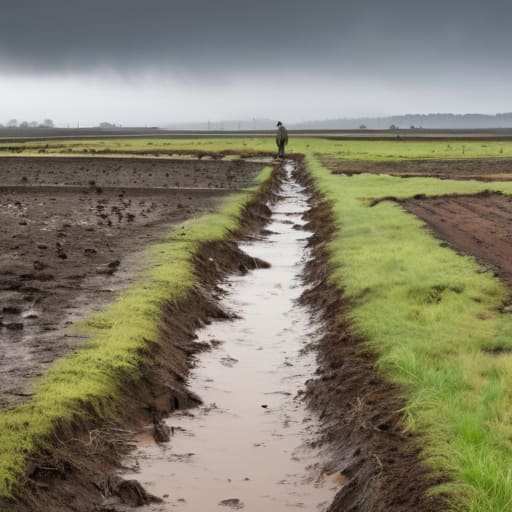
How to prevent common diseases with hygiene.

Prevention Is Mostly Quarantine and Hygiene

I’ve spent forty years watching salesmen in shiny boots try to convince me that the secret to a healthy herd is a new, high-tech vaccination schedule or some fancy nutritional supplement that costs more than the calf is worth. They make it sound like a science experiment, but if you ask me how to prevent common diseases, the answer usually has less to do with a syringe and more to do with the state of your fences and the muck in your sheds. I remember a spring back in ’98, after a week of relentless rain, when I lost three prime heifers not to a rare virus, but to a simple lack of dry ground and basic hygiene. You can buy all the medicine in the country, but if you aren’t managing your environment and your margins, you’re just subsidising the vet.

I’m not here to sell you a subscription to a glossy magazine or a piece of kit that’ll be rusting in the corner of the shed by Christmas. What I’m going to give you is the truth about what actually keeps a beast standing on its own four feet. We’re going to talk about the real costs of neglect, focusing on the practical, unglamorous habits that protect your cash flow as much as your livestock.

Table of Contents

Understanding How to Prevent Common Diseases

Understanding How to Prevent Common Diseases.

Now, most of the lads I talk to think prevention starts with a bottle of antibiotics or a fancy vaccine schedule, but that’s looking at the tail end of the problem. If you want to get serious about infectious disease control measures, you have to look at the environment first. You can buy the best medicine in the county, but if your pens are a slurry-filled mess or your water troughs are coated in slime, you’re just subsidizing the bacteria. It’s about the basics that people find too boring to bother with—keeping the muck out and the air moving.

I’ve seen more money lost to poor hygiene than to any specific virus. It sounds simple, almost insulting, but basic handwashing and sanitation practices when moving between sheds or handling different groups can be the difference between a profitable season and a total write-off. It isn’t about being “clean” for the sake of it; it’s about pathogen transmission reduction. If you aren’t managing the way things move through your farm, you aren’t managing your risk—you’re just waiting for the bill to arrive.

Key Things to Know

Key Things to Know: disease control measures.

If you want to talk about real-world defense, you have to stop looking at the medicine cabinet and start looking at the yard. Most folks think prevention is just a matter of having the right antibiotics on hand when things go south, but that’s a losing game. True infectious disease control measures start with the basics: keeping the muck out of the clean water and making sure your boots aren’t carrying a load of nasties from the sale yard straight into your calving pens. It’s about the small, boring things—like consistent handwashing and sanitation practices—that keep a single bad animal from turning your entire herd into a write-off.

You also need to stop thinking about health as something you “fix” and start seeing it as something you build. You can’t just chase a fever; you have to look at the ground they’re standing on and what they’re putting in their bellies. I’ve learned the hard way that immune system strengthening tips aren’t found in a glossy brochure; they’re found in mineral balances and consistent forage quality. If the nutrition is rubbish, no amount of expensive preventative healthcare measures will stop a weak animal from folding when the weather turns.

Practical Tips and Steps

Practical Tips and Steps for disease control.

First off, stop looking for a magic pill in a bottle. You can buy the most expensive vaccines on the market, but if your ground is a bog and your nutrition is rubbish, you’re just subsidizing the vet. Real infectious disease control measures start with the basics: clean water and a diet that actually supports the animal. I’ve seen more cattle go downhill because of poor mineral balance than because of a lack of high-end medicine. If the nutrition isn’t right, you aren’t building a defense; you’re just watching them slowly lose the fight.

Secondly, you need to respect the movement of people and gear. It sounds simple, but pathogen transmission reduction usually fails because someone got lazy with the boots or the tractor. I don’t care how busy you are during calving; if you aren’t being disciplined about where you walk and what you bring onto the farm, you’re inviting trouble. It isn’t about fancy protocols; it’s about not being the reason a clean herd turns sour. Keep your gates shut, your tools clean, and your eyes on the animals, not the brochure.

Common Mistakes to Avoid

The biggest mistake I see is people treating disease like a sudden lightning strike rather than a slow leak in the roof. They wait for the vet to arrive with a needle and a heavy invoice, forgetting that most issues start with poor management months earlier. I’ve seen lads spend a fortune on the latest vaccines but neglect basic infectious disease control measures like managing how they move stock between fields. If you’re dragging a sick animal through a clean pen, you aren’t preventing anything; you’re just paying to spread it.

Another trap is thinking you can outrun a bad diet with medicine. You can buy all the supplements in the county, but if the grass is poor and the mineral levels are bottoming out, you’re just masking the symptoms. Real preventative healthcare measures start with the soil and the gut, not the medicine cabinet. People get obsessed with the flashy stuff, but if you aren’t looking at the fundamentals of nutrition and hygiene, you’re essentially just throwing cash into a hole and hoping the cows don’t notice.

Final Thoughts

At the end of the day, you can buy the most expensive vaccines on the market and still find yourself staring at a mortalities report that makes your stomach turn. It’s because people treat health like a checkbox rather than a constant battle against the environment. I’ve learned the hard way that preventative healthcare measures aren’t just about what you inject into an animal; they are about the ground they stand on and the way you move between pens. If you aren’t looking at the damp in the shed or the way your boots are tracking muck from one field to the next, you’re just playing a losing game.

Don’t get distracted by the shiny brochures. Real pathogen transmission reduction comes down to the boring stuff—the stuff that doesn’t make for a good photo on Instagram. It’s about keeping your fences tight, your water clean, and making sure your biosecurity isn’t just a suggestion you ignore when you’re in a hurry. If you want to protect your margin, stop looking for a silver bullet and start looking at your daily habits. A healthy herd starts with a farmer who actually pays attention to the small things before they become expensive problems.

Five ways to keep the sickness out of the shed without breaking the bank

  • Watch the ground before you watch the animal. If your cattle are standing in a boggy corner of a field for three weeks because the drainage is rubbish, you aren’t looking for a virus; you’re looking for a foot rot outbreak. Wet feet invite every infection under the sun, and no amount of expensive vaccine will fix a poorly drained paddock.
  • Stop treating every sneeze like a crisis and start looking at the nutrition. Most “mysterious” dips in health come down to a cow that isn’t getting the right mineral balance for the season. If the grass is growing too fast or too slow, her system will flag, and that’s when the bugs move in. It’s cheaper to keep them fed properly than to pay a vet to chase a shadow.
  • Quarantine isn’t a suggestion; it’s a wall. I’ve seen too many lads bring a fresh batch of weaners straight into the main herd because they “looked fine” at the mart. They might look fine, but they’re carrying something you can’t see. Keep the new stock in a separate field with its own water source for at least three weeks. It’s a pain in the neck, but it beats a whole herd going down.
  • Clean your kit, but don’t go overboard with the fancy chemicals. You don’t need a laboratory-grade disinfectant for every single gate, but you do need to make sure you aren’t moving from a sick animal straight to a healthy one with the same dirty boots or the same unwashed handling equipment. It’s common sense, not high science.
  • Get your eyes on the stock every single day, not just when you’re doing the big counts. Disease doesn’t wait for your scheduled inspection. A cow that’s slightly slower to get up or a lamb that’s hanging back a bit tells a story long before the clinical symptoms show up. Catching it when it’s just a “look” saves you the cost of a mass cull later.

The Bottom Line on Keeping Your Stock Healthy

Stop treating disease prevention like a checkbox for a subsidy application; it’s actually about protecting your cash flow from the sudden, expensive drain of a vet bill and the quiet loss of a calf that didn’t make it.

Watch the ground and the weather as closely as you watch the animals, because most “disease” problems are really just poor management of damp feet and bad nutrition caused by ignoring the landscape.

Don’t get distracted by the shiny new tech or the latest marketing promises; the best biosecurity is usually just good, old-fashioned observation and keeping your kit clean and your boundaries tight.

The Bottom Line

At the end of the day, preventing disease isn’t about memorizing a textbook or buying every fancy supplement the salesman shoves in your face. It’s about the basics: keeping your feet on the ground, your fences tight, and your eyes on the animals every single morning. If you’ve got the grass managed, the biosecurity sorted, and you aren’t ignoring the small signs of a limp or a dull coat, you’ve already won half the battle. Don’t get distracted by the flashy new tech that promises miracles; focus on the fundamentals of husbandry and keep a sharp eye on your cash flow, because a sick animal is a drain on your bank account long before it ever becomes a problem for the vet.

Farming is a hard, unforgiving business, and nature will always try to find a crack in your armor. You’ll have seasons where you do everything right and still get hit, but that’s why we keep the records and we learn from the mistakes. Don’t let the fear of a bad outbreak paralyze you, but don’t let complacency be your undoing either. Build a system that works for your specific ground and your specific herd, and trust your instincts more than a glossy brochure. If you take care of the small things today, the big things won’t have the chance to break you tomorrow.

Frequently Asked Questions

If I'm already keeping up with the standard vaccination schedule, am I actually protecting my margins, or am I just paying for peace of mind that doesn't show up in the bank account?

If you’re just ticking boxes because the vet’s schedule says so, you’re likely buying peace of mind, not profit. A vaccine won’t fix a cow that’s lost condition because your grazing management is rubbish or your mineral block is empty. You protect your margins by matching those shots to your specific risks—not just the calendar. If the vaccination doesn’t stop a clinical hit that costs you a calf or a week of milk, it’s just an expensive receipt.

At what point does the cost of a vet visit for a "suspected" case outweigh the risk of just watching the animal and seeing if it clears itself?

It depends entirely on what’s at stake. If it’s a cull heifer with a minor respiratory bout, you might watch her for twenty-four hours. But if you’re looking at a prize dam or a calf in a group, you don’t gamble. You don’t call the vet for a “maybe”; you call when the symptoms suggest a loss of production or a spread risk. If the cost of the vet is less than the value of the animal’s recovery, you pick up the phone.

When the ground is nothing but a bog and the weather won't break, how much of my disease prevention strategy is actually realistic versus just wishful thinking?

When the ground turns to soup, your “strategy” goes out the window and your reality starts. You can talk about biosecurity protocols all you like, but if the cattle are standing knee-deep in muck, they’re going to get foot rot or scald regardless of what your paperwork says. In a wet year, disease prevention isn’t about fancy vaccines; it’s about whether you can get them off that ground before the damage is done.

Learn how record keeping requirements work.

Keeping Records the Inspector Will Accept

Most of the consultants you’ll meet in a tweed jacket will try to tell you that understanding how record keeping requirements work is about mastering some fancy new software or ticking a hundred little boxes for a government inspector. They’ll sell you a subscription to a digital platform that costs more than a decent heifer, promising it’ll make your life easy. Let me tell you something I learned the hard way during the last subsidy shift: those shiny apps won’t save you if you don’t actually know your numbers. If you’re just entering data to satisfy a bureaucrat without looking at what it says about your actual margins, you aren’t keeping records—you’re just performing digital housework.

I’m not here to teach you how to please an auditor; I’m here to show you how to stop the bleeding. I’m going to strip away the jargon and show you the difference between “compliance” and actual farm management. We’ll look at the bare essentials you need to track to ensure your grass, feet, and cash flow stay in balance, and I’ll tell you exactly which bits of paperwork are worth your time and which ones are just expensive distractions that’ll sit in the shed gathering dust.

Table of Contents

Stop Guessing and Start Tracking How Record Keeping Requirements Work

Stop Guessing and Start Tracking How Record Keeping Requirements Work

Now, when people talk about the rules, they tend to make it sound like you’re preparing for a high court trial rather than just running a farm. But the reality is that regulatory compliance standards aren’t there to make your life difficult; they are there because, without a paper trail, you don’t actually own your history. Whether it’s movement licenses or medicine logs, if it isn’t written down, it didn’t happen in the eyes of the inspector. I’ve seen men lose entire subsidies because they couldn’t prove which heifer came from which field, and let me tell you, that is a bitter pill to swallow.

You need to treat your paperwork with the same discipline you treat your fences. This means establishing a solid audit trail management system that connects the dots between what you bought, what you fed them, and what you eventually sold. Don’t just scribble things on the back of a feed receipt and hope for the best. If you aren’t keeping a consistent log, you aren’t just risking a fine—you’re flying blind. You can’t manage what you don’t measure, and in this business, guessing is just a slow way to go broke.

The Audit Trail Management That Saves Your Skin and Cash

The Audit Trail Management That Saves Your Skin and Cash

There’s a world of difference between having a pile of receipts in a biscuit tin and having a proper audit trail management system that actually holds water when an inspector turns up. I’ve seen men twice my age get flustered because they couldn’t prove which batch of medicine went into which group of ewes, or why they moved stock across a certain boundary on a Tuesday in November. It isn’t about being a bureaucrat; it’s about having the evidence to back up your decisions so you aren’t left arguing with someone in a suit who’s never seen a muddy boot in his life.

You need to treat your legal documentation standards with the same respect you give your breeding records. If you’re just scribbling things down as they come to mind, you’re leaving yourself wide open to a massive headache. Good document retention policies mean you aren’t digging through damp folders in the shed looking for a vet’s invoice from three years ago. You want that information organized, accessible, and—most importantly—accurate. If you can’t prove it, as far as the regulators are concerned, it never happened.

Dont Let Regulatory Compliance Standards Become Your Most Expensive Mistake

Dont Let Regulatory Compliance Standards Become Your Most Expensive Mistake

I’ve seen enough inspectors walk through a yard to know that they aren’t looking for your best breeding heifer; they’re looking for the gap between what you say you did and what you can prove you did. When people talk about regulatory compliance standards, they make it sound like a box-ticking exercise for the office, but out here, it’s about survival. If your movement books are a mess or your medicine records are scribbled on the back of a feed receipt, you aren’t just being untidy—you’re leaving yourself wide open to a fine that could wipe out your entire margin for the season.

It isn’t just about the immediate inspection, either. You have to think about your document retention policies and how long you actually keep those papers. I’ve seen lads get caught out years later because they couldn’t produce a specific trace record from a previous season. If you aren’t following decent archiving best practices, you’re essentially gambling with your livelihood. You don’t need a fancy computer system to do this, but you do need a method that doesn’t rely on your memory or a scrap of paper that might get lost in the muck.

Most people think legal documentation standards are just about keeping the inspectors happy, but they’re actually about plugging the holes in your bucket. If you have a gap in your movement records or a missing treatment date, you aren’t just looking at a fine; you’re looking at a massive headache that can invalidate your entire year’s work. I’ve seen men lose more sleep over a misplaced batch number than they ever did about a dry summer. You need to treat your paperwork with the same discipline you treat your fences—if there’s a break in the line, the whole system fails.

It isn’t enough to just scribble things down on the back of a feed bag and hope for the best. You need a proper approach to document retention policies so that when an auditor comes knocking, you aren’t scrambling through a shoebox of damp receipts. Following archiving best practices means having your data organized by year and category, ready to go. It’s about making sure that if someone challenges your stock numbers, you can prove where every animal came from and where it went, without breaking a sweat or losing your shirt.

Archiving Best Practices and Data Privacy Regulations for Busy Farmers

Now, don’t go thinking that once the paperwork is filed, the job is done. I’ve seen too many men treat their records like last year’s silage—toss them in a heap and hope nobody asks about them. If you haven’t established clear document retention policies, you’re essentially leaving a trail of breadcrumbs for an inspector to follow. You need to know exactly how long you’re keeping those movement books and medicine logs. I keep mine in a way that if a solicitor or an agent walked in tomorrow, I wouldn’t spend three hours sweating through my shirt looking for a receipt from 2021.

It’s not just about the physical paper anymore, either. With everything moving to the cloud, you’ve got to wrap your head around data privacy regulations. It sounds like something for city lawyers, but if your digital records get breached or lost, it’s your livelihood on the line, not some IT firm in London. My rule is simple: keep your digital files as tidy as your calving pens. If you can’t find a specific entry within five minutes, your archiving system is broken, and you’re just waiting for a headache to arrive.

Five Ways to Keep Your Books From Becoming a Liability

  • Stop treating your records like a chore for the end of the month. If you wait until you’re sitting in the kitchen with a cold cup of tea on a Sunday night to remember which field you moved the heifers to or what the vet charged for that one emergency call, you’ve already lost. Write it down the moment it happens, or you’ll end up “estimating”—and an estimate is just a fancy word for a lie that an inspector will eventually catch.
  • Keep your receipts for everything, not just the big stuff. I’ve seen lads try to claim a massive tractor repair and then get tripped up because they couldn’t prove the cost of the diesel or the small parts that added up over six months. If it costs money and it touches the farm, there needs to be a piece of paper to prove it.
  • Separate your personal life from the farm’s ledger like they’re two different counties. I know it’s tempting to run the grocery shop through the farm account when you’re short on time, but it turns your annual review into a nightmare and makes it impossible to see if your suckler herd is actually paying its way or just subsidising your family’s lifestyle.
  • Don’t just record what you did; record why you did it. If you change a grazing rotation or adjust a supplement program, jot down the reason—was it the rainfall, the condition of the grass, or a specific animal’s health? When an auditor asks why your numbers look different from the last three years, “because I felt like it” isn’t going to cut it.
  • Back up your digital files, but keep a physical backup for the essentials. It’s all well and good having everything on a tablet, but if that tablet ends up in a muddy trough or gets stolen from the truck, you’re in a hole. Keep a hard copy of your most vital livestock movements and land holdings in a dry, fireproof spot. Technology is a tool, but it isn’t a guarantee.

The Bottom Line on Your Books

If you aren’t tracking every cent spent on feed, vet bills, and diesel against what’s actually coming in the gate, you aren’t running a business; you’re just managing a very expensive hobby.

Paperwork isn’t just about keeping the inspectors happy; it’s your only real defense when a subsidy gets questioned or a disease outbreak turns your livelihood upside down.

Don’t wait for an audit to find out your records are a mess—fix the system now while the margins are thin, because by the time the bank or the government asks for proof, it’s already too late.

The Bottom Line on the Paperwork

At the end of the day, these record-keeping requirements aren’t just some bureaucratic hoop to jump through to keep the inspectors happy; they are the map of your business. If you aren’t tracking your feed costs, your vet bills, and your movement dates, you aren’t running a farm, you’re just managing a series of expensive accidents. You can have the best grass in the county and a line of ewes that would make a breeder weep, but if your documentation is a mess, you’ll never truly know if you’re making a profit or just trading your time for debt. Get the numbers down, keep them straight, and treat your data with the same respect you give your livestock.

I’ve spent forty years watching men lose their shirts because they thought they could “remember” their margins or “wing it” when the audit came knocking. It’s tedious, and it’s often the last thing you want to do after a twelve-hour day in the muck, but it is the only way to ensure the farm survives long enough to pass to the next generation. Don’t let the small details slip through the cracks. Build a system that works for you, not against you, and you’ll find that true peace of mind comes not from a full bank account, but from knowing exactly where every penny went.

Frequently Asked Questions

If I'm already keeping a notebook for my vet bills and feed costs, what specific legal paperwork am I actually missing that an inspector will look for?

A notebook is a fine start for your own sanity, but it won’t stop an inspector from breathing down your neck. You’re likely missing the formal movement books—the ones that track every animal in and out of your gates—and your medicine administration records. If you can’t prove exactly which cow got which dose and when the withdrawal period ends, that notebook is just a scrap of paper. They want the official paper trail, not your memory.

How much time am I realistically going to lose every week to this paperwork, and is there a way to do it without it taking over my entire life?

If you’re waiting for a quiet afternoon to catch up, you’re dreaming. Realistically, you’ll lose five to ten hours a week if you’re playing catch-up, and that’s when you’re making mistakes. The trick isn’t working harder; it’s doing it in the moment. Carry a notebook or use a phone app while you’re actually standing in the muck. If you wait until you’re sitting at the kitchen table on a Sunday, you’ve already lost.

If I lose a year's worth of records to a fire or a spilled coffee, how much of a headache am I actually looking at when the subsidy people come knocking?

You’re looking at a nightmare. If the inspectors arrive and your books are a blank space, they won’t give you the benefit of the doubt; they’ll assume the worst and claw back every penny you’ve been paid. You won’t just lose that year’s subsidy; you’ll likely face an audit on the years prior to prove you weren’t playing games. If it isn’t written down, in their eyes, it never happened.

Complete guide to soil management book cover.

The Complete Guide to Soil Management

I’ve spent half my life listening to consultants in clean trousers tell me that a “complete guide to soil management” involves some sort of magic ritual involving expensive granulated additives and high-tech sensors that cost more than a decent heifer. They’ll hand you a glossy folder full of charts, but they never mention that you can spend ten thousand pounds on soil conditioners and still end up with nothing but empty pockets if your drainage is rubbish and your compaction is through the roof. I learned that the hard way back in ’98, watching a field turn into a brick-hard wasteland because I was too busy chasing nitrogen levels and not enough time looking at the actual structure of the ground under my boots.

I’m not here to sell you a subscription to a lab service or a new brand of chemical fertilizer. What I’m going to give you is the truth about what actually keeps a suckler herd fed without bleeding your cash flow dry. We’re going to talk about the real mechanics of your land—the stuff that matters when the rain won’t stop and the margins are thin—and I’ll show you how to stop throwing money at the dirt and start actually building something that lasts.

Table of Contents

Understanding Complete Guide to Soil Management

Understanding Complete Guide to Soil Management.

Now, I’m not one for those glossy brochures that promise a “complete guide to soil management” in three easy steps, usually while trying to sell you a bag of overpriced granules. If you want to understand what’s actually happening in your fields, you have to stop looking at the surface and start looking at the biology. Most men I know spend a fortune on NPK, but they ignore the microbial activity in soil that actually makes those nutrients available to the plant. You can dump all the nitrogen you want on a field, but if the life in that dirt has died off because you’ve treated it like a sterile factory, you’re just washing money into the subsoil.

It’s about the foundation. I’ve spent many a morning looking for soil nutrient deficiency symptoms in my grass, only to realise the problem wasn’t a lack of fertilizer, but a lack of structure. If your ground is compacted tight as a drum, no amount of spreading will help. You need to focus on organic matter enrichment to build something that can actually hold a bit of moisture when the summer dry hits, and keep the pH in a range where the plants can actually breathe. Anything else is just guesswork.

Key Things to Know

Key Things to Know: Soil Deficiency.

If you want to get anywhere with your grass, you have to stop treating the ground like a static platform and start treating it like a living thing. Most lads I know wait until they see yellowing patches or stunted growth—classic soil nutrient deficiency symptoms—before they even think about a spreader. By then, you’re already playing catch-up, and you’re usually paying a premium for the privilege. You can’t just throw NPK at a problem and expect a miracle; if your soil is compacted tight as a drum, that expensive fertilizer is just going to wash off into the nearest ditch.

You need to be looking at improving soil aeration as much as you look at the chemistry. I’ve seen too many men go broke buying high-spec seed when the real issue was a lack of microbial activity in soil because they’d worked the ground into a brick. It’s about the structure. If you aren’t keeping an eye on your organic matter, you aren’t farming; you’re just managing a slow decline. Get the biology right, and the rest of the math starts to make sense.

Practical Tips and Steps

Practical Tips and Steps for soil enrichment.

First, stop treating your soil like a static bank account where you just deposit NPK and expect a dividend. If you want to see a difference in your grazing quality, you need to start looking at organic matter enrichment as a long-term investment rather than a quick fix. I’ve spent too many seasons watching lads spread expensive granular fertilizer over ground that was as hard as a paving slab. It’s a waste of money. You need to get some well-rotted manure or compost back into those fields; it builds the structure so the ground can actually hold moisture when the summer dry spells hit, rather than just letting it run off into the ditch.

Second, get your hands dirty and look for the soil nutrient deficiency symptoms in your forage before you go buying a tonne of lime on a whim. If your ryegrass is looking pale and stunted, don’t just assume it’s a lack of nitrogen. Check your pH first. If your acidity is off, nothing else you throw at it will stick. You also need to keep an eye on compaction. If the ground feels spongy or refuses to drain after a week of rain, you’re looking at a serious need for improving soil aeration, likely through controlled grazing or mechanical means, before you lose your best acre to a permanent bog.

Common Mistakes to Avoid

The biggest mistake I see is the rush to fix a problem with a bag of NPK before actually looking at what’s happening in the dirt. People see a bit of yellowing in the rye and immediately start throwing expensive granular fertiliser at it, thinking they’ve found the cure. Half the time, you aren’t dealing with a lack of food; you’re dealing with soil pH balance optimization issues. If your ground is too acidic, those nutrients are sitting there right under your boots, completely unavailable to the plant. You’re essentially paying to fertilise the worms instead of your grass.

Another one that burns holes in a bank account is neglecting the structure itself. I’ve seen lads spend a fortune on top-dressing while their heavy machinery is turning the paddock into a concrete slab. If you aren’t improving soil aeration through proper management and avoiding compaction, you’re just layering expensive chemicals on top of a dead sponge. You can talk about organic matter all day, but if the ground is packed tight, nothing moves—not the water, and certainly not the life needed to make that grass worth the cost of the grazing.

Final Thoughts

At the end of the day, you can buy all the fancy additives and high-tech sensors your heart desires, but they won’t fix a fundamental lack of understanding. I’ve seen men go broke trying to chase a yield that their ground simply isn’t built to support. If you aren’t paying attention to microbial activity in soil, you aren’t farming; you’re just managing a slow decline. You have to look at the long game. It’s about building something that lasts through the droughts and the floods, rather than just trying to force a result out of a single season.

Don’t get caught up in the jargon. Whether you are focusing on soil pH balance optimization or just trying to get your organic matter back up to a sensible level, keep your eyes on the livestock. If the grass is thin and the cows are losing condition, your soil is telling you something is wrong. Stop looking for a quick fix in a bag of fertilizer and start looking at what’s actually happening under your boots. If the ground isn’t right, nothing else on this farm will ever truly be right.

Five Ways to Stop Treating Your Ground Like a Bank Account You Can’t Withdraw From

  • Stop chasing NPK numbers on a spreadsheet and start looking at the structure. You can dump all the fertilizer you want on a field, but if the soil is compacted tight as a drum because you’ve been driving heavy kit over it in the wet, that expensive input is just going to wash straight into the ditch. If the water isn’t moving through, the nutrients aren’t moving to the roots.
  • Get a proper soil analysis done, and I don’t mean the cheap kind that tells you what you already know. You need to know your pH and your trace elements, but don’t go buying a ton of lime just because a salesman told you to. Check your actual levels first; there’s no sense in spending three months’ worth of margin on lime if your ground is already sitting where it needs to be.
  • Watch your organic matter like a hawk. I’ve seen plenty of men try to “modernise” by stripping every bit of muck and bedding off the farm to save on labor, only to find their soil turns to dust by July. You need that rot in the ground to hold the moisture when the rain stops, otherwise, your grass growth will flatline exactly when you need it most.
  • Timing is everything, and most people get it wrong because they’re looking at the calendar instead of the sky. Don’t go out and spread or cultivate just because it’s “the right time of year” according to a magazine. If the ground is too wet, you’re just destroying the very life you’re trying to build. I’d rather wait two weeks and lose a bit of momentum than spend five years fixing a poached field.
  • Stop thinking of soil management as a “once a year” job. It’s a constant observation. If you aren’t walking your fields, noticing where the clover is thinning out or where the grass is turning a pale, sickly shade of yellow, you aren’t managing anything—you’re just reacting to problems that have already cost you money.

The Bottom Line on Your Ground

Stop chasing fancy input lists from a salesman; if you haven’t checked your soil structure and rainfall patterns first, you’re just throwing expensive fertiliser into a sieve.

Soil management isn’t a seasonal task to tick off a list, it’s the only thing standing between a profitable year and a herd that’s walking on nothing but dust and debt.

Treat your ground like your livestock—if you ignore the foundation, you can’t expect the output to hold up when the weather turns sour.

The Bottom Line

At the end of the day, managing your soil isn’t about following some fancy new environmental checklist to impress a consultant; it’s about ensuring you actually have something to graze when the weather turns. You can buy all the expensive additives and high-tech sensors you like, but if you aren’t watching your structure, your drainage, and your organic matter, you are essentially throwing money into a bottomless pit. Remember that every pound you spend on correcting a fundamental soil error is a pound that isn’t going toward your livestock or your margins. Focus on the grass under your boots, keep your testing regular, and stop treating your ground like an infinite resource that doesn’t require a bit of common sense to maintain.

I’ve seen plenty of men go bust trying to chase the latest trend while their best acreage turned to dust or muck right under their noses. Farming is a long game, and your soil is the only partner that’s going to stay with you through the bad years and the good. If you treat the ground with a bit of respect and keep your eyes on the actual biology of your fields, the livestock will take care of themselves. Don’t aim for a perfect spreadsheet; aim for ground that can feed your herd through a dry spell and hold its own through a wet one. That is the only real way to build a legacy worth handing down.

Frequently Asked Questions

How much of my annual margin am I actually losing to compaction if I'm driving heavy machinery over the same tracks every time it rains?

You aren’t just losing a bit of grass; you’re bleeding cash through your boots. If you’re rutting those tracks every time the heavens open, you’re compacting the life out of the soil for ten yards either side of the path. That’s dead ground that won’t drain, won’t breathe, and won’t grow a lick of forage. Between the lost grazing and the extra fertilizer you’ll throw at it to compensate, you’re likely shaving 5% off your annual margin without even noticing.

Is it worth paying for a proper soil analysis, or am I just buying another expensive report that tells me what I already know?

If you’re just looking for someone to tell you the pH is low, save your money. You usually know that by the look of the weeds. But if you’re guessing at your potash or phosphorus levels, you’re playing a dangerous game with your margins. A proper analysis isn’t about the paper it’s printed on; it’s about stopping you from throwing expensive fertiliser on ground that can’t even use it. Don’t buy the report—buy the certainty.

At what point does the cost of lime or fertilizer stop being an investment and start being a way to mask the fact that the ground is simply tired?

It stops being an investment the moment you’re chasing a yield that your soil can’t actually support. If you’re throwing more NPK at a field just to keep the grass from turning to dust, you aren’t farming; you’re subsidizing a dying system. When the cost of the bag exceeds the value of the extra weight on the cattle, you’ve stopped fixing the ground and started paying for the privilege of watching it fail.

How notifiable diseases are handled after reporting.

What Happens After You Report a Suspicion

I remember sitting in the cab of the tractor back in ’01, watching the dust settle and feeling that cold, hollow knot in my gut when the first signs showed up. Most of the glossy brochures and government pamphlets will try to tell you that how notifiable diseases are handled is all about following a neat, tidy checklist of bureaucratic steps and paperwork. They make it sound like a clinical exercise in filing forms. But they don’t tell you about the sheer panic of seeing a vet’s van pull up the track, or the way your stomach drops when you realize a single sick animal could mean a total cull and a frozen bank account.

I’m not here to recite the official handbook to you; you can find that on a government website if you’ve got the patience for it. What I want to do is walk you through the reality of what happens when the inspectors actually arrive and how you keep your head when the pressure is on. I’ll tell you exactly what the process looks like on the ground, where the hidden costs actually lie, and how to manage the fallout so you aren’t left staring at an empty farm and a mountain of debt.

Table of Contents

Understanding How Notifiable Diseases Are Handled

Understanding How Notifiable Diseases Are Handled.

Now, when the government talks about mandatory disease reporting requirements, they make it sound like a bit of paperwork you tick off between tea and lunch. It isn’t. The moment you spot something that doesn’t sit right—a sudden drop in condition or a cluster of symptoms that look too much like the real thing—the clock starts ticking. You aren’t just filling out a form; you are triggering a chain of events that brings the inspectors, the vets, and a lot of very serious people onto your land.

Once that call is made, they move straight into their epidemiological investigation procedures. This is where it gets intrusive. They’ll want to see your movement books, your pens, and likely every scrap of paper you’ve kept on your stock. They aren’t just looking at the sick animal; they are looking at the entire system to see how far the rot has spread. It’s a clinical, methodical process designed to map out the spread, and while it feels like they’re poking around in your business, their goal is to stop one bad animal from turning your whole year into a write-off.

Key Things to Know

Key Things to Know: disease reporting requirements.

First, you need to understand that these aren’t just bureaucratic hoops to jump through; they are part of the mandatory disease reporting requirements that keep the whole industry from collapsing. When a vet calls it, the clock starts ticking. It isn’t just about a bit of paperwork on your kitchen table; it’s about the fact that once that word is out, the authorities move in with a level of scrutiny that can make your skin crawl. They aren’t there to help you sort your gates; they are there to trigger epidemiological investigation procedures to see exactly how far the rot has spread.

Second, don’t mistake their arrival for a helpful advisory service. They are implementing outbreak management protocols designed to protect the wider food chain, often at the direct expense of your immediate peace of mind. While they’re busy running their public health surveillance systems to satisfy the folks in the city, you’re the one left staring at a closed gate and a mounting pile of bills. You have to realize that their priority is containment, not your bottom line, and if you don’t learn to work within their rules quickly, you’ll be the one paying the price.

Practical Tips and Steps

Practical Tips and Steps for record keeping.

First thing you do is get your paperwork in order before the chaos starts. I don’t mean your tax returns, though those are a headache in their own right; I mean your movement records and identification tags. When the inspectors arrive to begin their epidemiological investigation procedures, the last thing you want is to be fumbling through a muddy notebook trying to remember which heifer went to which neighbor three weeks ago. If your records are a mess, they won’t just be looking at the sick animal; they’ll be looking at your entire operation, and that’s when the real stress begins.

Second, you need to have a plan for isolation that doesn’t involve just throwing a gate shut and hoping for the best. Effective infectious disease containment strategies aren’t about fancy technology; they are about keeping the healthy stock far away from the suspected ones and making sure your boots and gear don’t become a walking vector. If you wait until the vet is on the phone to figure out where to move the rest of the herd, you’ve already lost the battle. You have to act on instinct and preparation, not on panic once the officials are standing in your yard.

Common Mistakes to Avoid

The biggest mistake I see is the hesitation—that split second where you think, “Maybe it’s just a bad run of luck,” or “I’ll check the temperature again in the morning.” By the time you decide it’s a problem, the inspector is already in the yard and your neighbors are looking at you sideways. You have to respect the mandatory disease reporting requirements not because you love paperwork, but because silence is the most expensive thing on this farm. If you try to play doctor yourself to save face, you aren’t just risking a fine; you’re risking the entire local area’s ability to trade.

Another blunder is thinking you can manage an outbreak with a bit of quick thinking and some disinfectant. People underestimate the scale of the epidemiological investigation procedures that follow a report. If you haven’t kept your movement logs tight and your gates secure, you’ll find yourself caught in a web of questions you can’t answer. Don’t treat a potential outbreak like a minor nuisance; treat it like a fire in the hay shed. If you aren’t proactive, you’re just waiting to lose your margin.

Final Thoughts

At the end of the day, you can read all the manuals you like, but a disease outbreak doesn’t care about your schedule or your calving intentions. It only cares about how fast you move. I’ve seen enough to know that the bureaucracy—the mandatory disease reporting requirements and the endless paperwork—is a bitter pill to swallow when you’re already staring at a sick animal. But you have to view it as a necessary evil. If you try to play hero and hide a symptom to save a sale, you aren’t just risking your own livelihood; you’re risking the entire valley.

Don’t get bogged down in the technicalities of epidemiological investigation procedures while the fire is burning. Your job isn’t to be a scientist; your job is to be the first line of defense. Follow the rules, get the vet on the phone, and keep your head. If you manage the situation with a bit of honesty and a lot of speed, you might still come out the other side with your farm intact. If not, you’ll be learning the hard way that the cost of silence is always higher than the cost of a report.

Five things that actually matter when the inspectors are at the gate

  • Don’t play the hero with a sick animal. If you see something that doesn’t look right—a cough that won’t quit or a sudden drop in condition—call the vet immediately. Trying to “wait and see” if it clears up on its own is the fastest way to turn a single animal problem into a farm-wide catastrophe that’ll have the whole district under lockdown.
  • Keep your paperwork tighter than your fences. When the authorities come knocking, they aren’t interested in your intentions; they want the paper trail. If your movement records or medicine logs are a mess, they’ll treat you like a suspect rather than a producer, and that makes every inspection twice as long and ten times as expensive.
  • Know your boundaries and your neighbors. Notifiable disease doesn’t respect a fence line. If you’ve got a movement coming in or an animal showing symptoms, make sure you know exactly who is next door and what their biosecurity looks like. A lapse in your yard is a direct threat to theirs, and a legal battle with a neighbor over a lost herd is a debt you’ll never quite clear.
  • Stop treating biosecurity like a suggestion. It’s easy to get lazy with boot baths or shared equipment when the sun is out and the work is piling up, but that’s exactly when the pathogens move. If you wouldn’t walk into a clean calving shed with boots covered in muck from the bottom field, don’t do it. It’s a small habit that saves a massive amount of grief.
  • Watch the cash flow, not just the cattle. A notifiable disease outbreak isn’t just a veterinary issue; it’s a financial one. You need to know exactly what your contingency looks like for a sudden cull or a movement ban. If your entire year’s profit is tied up in a single herd that could be quarantined tomorrow, you aren’t farming; you’re gambling.

The bottom line

Don’t treat a report like a paperwork exercise; treat it like a fire drill. If you spot something off and try to “wait and see” if it clears up, you aren’t being cautious, you’re gambling with the entire farm’s ability to move stock.

The inspectors aren’t your enemy, but your lack of records is. Having your movements and treatments written down clearly doesn’t just satisfy the law; it keeps the chaos to a minimum so you can get back to the actual work.

Remember that a disease outbreak is a cash flow crisis disguised as a biological one. The cost isn’t just the vet bill or the dead animal—it’s the months of closed gates and the market prices you can’t touch while you’re under lockdown.

The Bottom Line

At the end of the day, managing notifiable diseases isn’t about ticking boxes for a government inspector or memorizing a handbook; it’s about protecting the integrity of your entire operation. You can have the best genetics in the county and the finest grass underfoot, but one misstep in reporting or a moment of hesitation when a symptom appears can wipe out years of hard work. It comes down to the basics we’ve discussed: knowing your stock, keeping your records tight, and having the backbone to call the vet the second something feels off. If you treat the protocol like a burden rather than a shield, you’re essentially leaving your gate unlocked in a storm.

Farming is a game of margins, and while the bureaucracy of disease control feels like a headache, it is the only thing standing between a manageable setback and a total wipeout. I’ve seen good farms stumble because they tried to be too clever or too quiet when things went wrong. Don’t be that person. Focus on your animal health, watch your cash flow, and remember that transparency is cheaper than a quarantine. You can build a legacy that lasts generations, but you have to be willing to play by the rules of the land, even when the rules feel like they were written by someone who’s never stepped in a muck heap.

Frequently Asked Questions

If I report a suspected case and it turns out to be nothing, am I going to be stuck with a massive bill for the inspectors and the loss of my movement licenses?

Look, I’ve sat in that same spot, heart in my mouth, wondering if I’ve just signed my own death warrant. Here’s the truth: if you report a suspicion and it turns out to be nothing, you aren’t footing the bill for the inspector’s petrol or their time. The government eats that cost. As for your movement licenses, if there’s no disease, there’s no reason to hold them. Better a temporary headache than a permanent catastrophe.

Once the vet makes the call, how long does it actually take for the whole farm to be locked down, and how do I feed the rest of the herd if I can't move anything in or out?

The clock starts ticking the second the vet picks up the phone. You’re looking at a lockdown within hours, not days. Once the inspectors arrive, that gate stays shut. As for feed, if you haven’t got a decent buffer of silage or hay in the barn, you’re in trouble. You can’t just call a merchant and have a lorry roll in. You have to plan your winter stores around the reality that you might be stuck with what’s already in the shed.

What happens to the compensation money—is it enough to actually cover the loss of the animal and the hit to my cash flow, or is it just a drop in the bucket?

Let’s be blunt: compensation is rarely a windfall. It’s meant to cover the market value of the animal, but it rarely accounts for the hole it leaves in your cash flow. It won’t replace the calf crop you lost or the months of labor you spent trying to fix a problem that wasn’t yours. It pays for the carcass, not the catastrophe. If you’re counting on that check to keep the lights on, you’re already in trouble.

How rural volunteering sustains services in communities.

The Same Six People Run Everything

You can pour all the grant money you want into a village hall or a local clinic, but if you don’t have a handful of locals willing to show up when the heating fails or the rota goes blank, that money is just expensive wallpaper. I’ve seen plenty of “strategic community development” schemes fall flat because they focused on shiny new buildings rather than the people actually running them. The truth is, understanding how rural volunteering sustains services isn’t about complex social engineering or high-level policy; it’s about the grit of a neighbor who turns up at 6:00 AM because they know if they don’t, the whole system grinds to a halt.

I’m not here to give you a lecture on “civic engagement” or some polished pamphlet from a consultancy firm. I want to talk about the real cost of absence and why the backbone of our countryside isn’t made of cash flow, but of unpaid sweat equity. I’ll be sharing what I’ve learned from forty years of watching these community lifelines hold together—and where they snap—so you can understand the practical reality of keeping a village alive when the official support inevitably dries up.

Table of Contents

Understanding How Rural Volunteering Sustains Services

Understanding How Rural Volunteering Sustains Services.

If you look at a map, a village looks like a collection of houses and roads. If you look at it through the eyes of someone who actually lives there, you see the rural social infrastructure that keeps the whole thing from tilting over. It’s the person who keeps the village hall keys, the neighbor who checks the elderly widow’s woodpile, and the group that manages the local cricket pitch. None of that shows up on a balance sheet, but without it, the town becomes nothing more than a dormitory for people who work elsewhere.

The trouble is, we tend to treat these services like they’re permanent fixtures, like a stone wall or a well-established hedgerow. They aren’t. They are living, breathing things that require constant upkeep. When we talk about community resilience in remote areas, we aren’t talking about some grand political theory; we are talking about the thin line between a functioning village and a ghost town. If you rely too heavily on the same three people to run every committee, you aren’t building a service—you’re just waiting for the inevitable collapse when those people finally burn out.

Key Things to Know

Key Things to Know: Rural Infrastructure.

If you’re looking for a tidy spreadsheet to explain why this works, you won’t find one. What you’ll find is that rural social infrastructure isn’t built on grants or government mandates; it’s built on the person who shows up to fix the boiler when the heating fails in February. You can’t quantify the value of a neighbor who manages the village hall or keeps the local shop’s books, but without them, the whole system collapses. It’s about keeping the lights on when the formal economy decides our postcode isn’t worth the investment.

However, there is a hard truth most people ignore: you can’t run a village on grit alone. I’ve seen too many good people try to carry the weight of three different committees until they simply snap. Preventing volunteer burnout is just as critical as finding the hands to do the work in the first place. If you treat your volunteers like an inexhaustible resource, you’ll find yourself with a very quiet community center and a lot of empty chairs by next season. It’s a delicate balance of people and pace.

Practical Tips and Steps

Practical Tips and Steps for local involvement.

If you’re looking to get people involved, don’t start by asking for a massive commitment. I’ve seen too many well-meaning schemes collapse because they asked a farmer to commit to every Tuesday morning, forgetting that Tuesday is when the vet comes or the tractor breaks down. Start small. Build your local service delivery models around tasks that can be picked up and put down without the whole system grinding to a halt. If the job is too heavy, people will bolt, and you’ll end up with nothing but resentment and a half-finished project.

The real trick is preventing volunteer burnout before it starts. You can’t run a village hall or a local group on the backs of the same three people indefinitely; that’s a recipe for disaster. Instead of looking for “leaders,” look for people who can manage a single, discrete task—like the accounts or the keys. It’s about building community resilience in remote areas through a wide, shallow base of help rather than a narrow, deep one. If you rely on one person to hold the keys, the moment they move away or get sick, the whole thing is dead in the water.

Common Mistakes to Avoid

The biggest mistake I see is treating volunteers like a free, infinite resource, much like a farmer treats a field that hasn’t been limed in a decade. You can’t just keep pulling at the same patch of ground without expecting it to turn sour. People often mistake enthusiasm for longevity, but if you don’t focus on preventing volunteer burnout, you’ll find yourself staring at an empty community hall by mid-winter. It’s not about the initial burst of energy; it’s about the steady, sustainable pace that keeps the lights on.

Another error is trying to build a massive, complex system when you only have the hands to manage a small one. I’ve seen too many local committees try to replicate big-city local service delivery models that require more paperwork than a pedigree sheep registry. It creates a bottleneck that kills momentum. If you overcomplicate the management, you’ll end up with a few exhausted people doing everything and everyone else feeling too intimidated to help. Keep the structure lean, keep the tasks clear, and for heaven’s sake, don’t let the bureaucracy outgrow the actual work.

Final Thoughts

At the end of the day, you can’t build a community on a spreadsheet or a government grant that disappears the moment the wind changes. These services—the shops, the halls, the little bits of glue that hold a parish together—depend entirely on people willing to give their time when there isn’t a direct profit in it. It’s about rural social infrastructure, the kind of stuff that doesn’t show up on a balance sheet but keeps a place from becoming a ghost town. If we stop showing up, the services don’t just get more expensive; they simply vanish.

But I’ve seen enough to know that you can’t run a village like you run a high-intensity grazing system; you’ll exhaust the land and the people. If you aren’t careful about preventing volunteer burnout, you’ll find yourself with a lot of empty chairs and a lot of broken promises. It’s a delicate balance of managing the workload so the same three people aren’t doing everything until they drop. We have to look after the people doing the work, or there won’t be anyone left to do it next season.

Five Ways to Keep the Local Engine Running Without Going Bust

  • Don’t mistake enthusiasm for a long-term plan; a volunteer who burns out in three months is just more work for the rest of us, so build tasks around seasons, not just good intentions.
  • Keep the bureaucracy light, because if you ask a man who’s just finished a twelve-hour shift to fill out a twelve-page compliance form just to help at the village hall, he won’t be coming back.
  • Focus on the skills we actually have in the parish—if you need a shed built, don’t look for a committee, look for the bloke with the welder who’s willing to give two hours on a Saturday.
  • Make sure the “thank you” isn’t just a polite nod; in a small community, people show up because they feel part of the fabric, and if they feel like unpaid cogs in a machine, that fabric starts to fray.
  • Plan for the gaps, because unlike a hired hand, a volunteer might decide they’d rather be fixing their own fence or watching the weather than helping with your committee meeting.

The Bottom Line on Rural Volunteering

You can’t substitute local sweat for a government grant; when the funding dries up, it’s the people who show up to keep the village hall heated and the community bus running.

Don’t mistake “helping out” for a professional service; if you don’t respect the time people give, they’ll stop giving it, and you’ll be left with nothing but an empty schedule and a broken service.

Treat volunteers like you treat your best breeding ewes—if you don’t invest the time in looking after them and making sure they’re valued, they won’t stick around for the next season.

The Bottom Line on Community

At the end of the day, you can look at the spreadsheets and the subsidy figures all you want, but they don’t tell the whole story of how a village stays upright. We’ve talked about the mechanics of it—how local services depend on people showing up, the pitfalls of trying to run everything like a corporate franchise, and why sweat equity is often more valuable than a grant that comes with too many strings attached. If you rely solely on cash flow to keep your community services running, you’re building on sand. It’s the volunteer who mends the hall door or drives the elderly neighbor to the chemist that provides the actual structural integrity of rural life. Without that unpaid labor, the margins on our social survival simply wouldn’t add up.

I’ve spent forty years watching seasons turn and markets crash, and if there is one thing I’ve learned, it’s that you cannot outsource the soul of a place. You can buy the best machinery and the most expensive consultants, but you can’t buy the sense of belonging that comes from a neighbor helping a neighbor without being asked. Don’t wait for a committee to form or a budget to be approved before you step in. Real resilience is grown in the small, unglamorous moments of service that no one puts on a CV. If we want our communities to be more than just collections of houses on a map, we have to be the ones willing to lean on the gate and get to work.

Frequently Asked Questions

If the local volunteer numbers start dropping, is there any real way to bring people back, or is the community just past the point of no return?

It’s not a death sentence, but you can’t fix a dry field by wishing for rain. If the numbers are dropping, it’s usually because the workload has become a grind rather than a contribution. You don’t bring people back with glossy leaflets; you bring them back by making the jobs smaller and more manageable. People will give an hour if they know exactly what’s expected, but they’ll run if they feel they’re being asked to carry the whole farm.

How do you stop the same three or four people from doing everything until they burn out and leave the whole thing to collapse?

It’s the same problem as a farm run by one man; eventually, the engine seizes. You can’t run a village committee like a solo operation. You have to stop asking for “volunteers” in general—that’s just an invitation for the same four people to say yes out of guilt. Instead, break tasks into small, bite-sized jobs. Don’t ask for a Secretary; ask for someone to type up ten minutes of notes once a month. Low stakes, low commitment. If you don’t build a succession plan, you aren’t building a service, you’re just managing a slow-motion collapse.

Is there a way to actually measure if these volunteer services are worth the time we're putting in, or are we just spinning our wheels to keep things from getting worse?

You don’t measure it in spreadsheets, you measure it in what stays standing. If the village hall isn’t boarded up and the local shop hasn’t turned into a derelict shell, you’re winning. But if you’re just working harder to prevent a total collapse without seeing any actual improvement, you’re just treading water. Look at the usage, not the effort. If the services are being used, the sweat is worth the salt.

Explaining how farm assurance schemes work.

Assurance Audits and Why They Exist

I spent three hours last Tuesday staring at a stack of audit checklists that felt more like a novel than a management tool. Most of the consultants will tell you that understanding how farm assurance schemes work is about “elevating your brand” or “meeting consumer expectations,” but if you ask me, it usually just feels like paying a premium to prove you aren’t doing anything wrong. You can sign up for every gold-standard badge available, but if that extra paperwork doesn’t actually help you manage your margins or keep your stock healthy, you’re just paying for a fancy piece of paper that’ll end up gathering dust in the office.

I’m not here to sell you on the virtues of bureaucracy or help you polish your marketing brochure. What I intend to do is strip away the jargon and look at the actual cost of compliance versus the real-world benefit to your bottom line. I’ll show you which requirements actually improve your animal welfare and which ones are just expensive distractions that do nothing for your cash flow. We’ll talk about the real numbers, the time lost, and whether these schemes are actually worth the headache when the gates close at the end of the day.

Table of Contents

Understanding How Farm Assurance Schemes Work

Understanding How Farm Assurance Schemes Work.

At its simplest, these schemes are just a way for the big buyers—the supermarkets and the processors—to sleep better at night. They want to know that the beef or lamb coming off your hill isn’t going to cause a headline in the papers. To do that, they set up a third-party verification process where an auditor comes out, walks your fences, and checks your books. They aren’t there to help you grow more grass; they’re there to tick boxes that prove you’re meeting their specific version of food safety compliance.

It usually boils down to a mountain of paperwork. You’ll find yourself spending more time on farm management documentation than you do actually checking the condition of your ewes. They want to see every movement, every treatment, and every scrap of paper that proves your traceability in supply chains is airtight. It’s a system built on proof rather than practice. If you can’t show them the paper trail, as far as the scheme is concerned, the work didn’t happen—even if you’ve been doing it the same way since before their auditors were born.

Key Things to Know

Key Things to Know: supply chain documentation.

First, you need to understand that most of these schemes are less about the animal and more about the paper. They’ll talk a big game about traceability in supply chains, and while it’s vital to know which field a lamb came from, the actual burden falls on your desk. You’ll find yourself spending more time on farm management documentation than you will actually checking the condition of your ewes. If you aren’t careful, you’ll be chasing signatures and timestamps instead of watching your margins.

Secondly, don’t mistake a certificate for a guarantee of profit. A lot of these programs focus heavily on food safety compliance and various agricultural certification standards, which are all well and good for the supermarket buyers. But a badge on the gate doesn’t put diesel in the tractor or grass in the silage pit. Before you commit to a new scheme, ask yourself if the extra layer of third-party verification process is actually going to fetch you a better price at mart, or if you’re just paying for the privilege of being audited.

Practical Tips and Steps

Practical Tips and Steps for farm documentation.

If you’re going to bother with these schemes, stop treating the audit like a surprise inspection and start treating it like a basic part of your daily routine. The biggest mistake I see is farmers waiting until the week before the inspector arrives to start digging through the shed for records. You need to get your farm management documentation in order well before then—not because the auditor wants to see it, but because if you can’t find a movement record in thirty seconds, you don’t actually know where your stock is. Keep your folders by the office door, not buried under a pile of feed invoices.

Secondly, don’t go chasing every new badge that comes across your desk. There is a massive difference between meaningful traceability in supply chains and just ticking boxes to satisfy a supermarket’s procurement department. Before you commit your time to a new set of agricultural certification standards, ask yourself one question: will this actually improve the way I manage my grass or my cattle? If the answer is no, you’re just paying for a glorified sticker. Focus on the systems that keep your animals healthy and your margins intact; the paperwork should serve the farm, not the other way around.

Common Mistakes to Avoid

The biggest mistake I see is treating the whole process like a chore to be finished rather than a way to run the business. People get so bogged down in the third-party verification process that they forget why they’re doing it in the first place. I’ve seen lads spend three days straight tidying up the office to meet some inspector’s checklist, while the actual stock in the field is going to seed or losing condition. If your farm management documentation is nothing more than a frantic scramble to find a receipt ten minutes before the auditor arrives, you aren’t managing a farm; you’re managing a crisis.

Another trap is thinking that ticking a box for food safety compliance automatically means you’re running a tight ship. You can have every certificate hanging on the wall, but if you aren’t watching the actual margins on your feed or the condition of your soil, those papers won’t save you when the bank calls. Don’t let the pursuit of fancy labels distract you from the fundamentals of your bottom line. An assurance scheme is a tool, not a substitute for common sense.

Final Thoughts

Look, at the end of the day, an assurance scheme is just another layer of the job. It won’t fix a bad year of grass, and it certainly won’t make a low-grade heifer worth more at the mart than she is. If you treat it as a box-ticking exercise to satisfy some auditor, you’ll find yourself drowning in farm management documentation that does nothing for your bottom line. I’ve seen too many lads spend more time chasing the paperwork than they do watching their stock, and that’s a fast way to lose your shirt.

If you’re going to do it, do it because you want a tighter system, not because you’re chasing a badge. Use the traceability in supply chains to actually understand where your leaks are—whether that’s in your breeding lines or your feed costs. If the certification helps you spot a problem before it hits your bank balance, then it’s worth the headache. If it’s just another way to pay for a piece of paper while your margins shrink, then you’re better off sticking to what you know: watching the ground and the weather.

Five ways to keep your head above water while playing the assurance game

  • Don’t let the paperwork swallow the farm. If you’re spending three hours a night at the kitchen table filling out forms for a certificate that only adds a few pence to your margin, you’ve lost the plot. Use a system that works for you, not one that requires a degree in administration.
  • Audit your own ground before the inspector does. I’d rather find a gap in my fencing or a bit of poached ground in the back field on my own terms than have some lad with a clipboard pointing it out and making a mountain out of a molehill.
  • Watch the cost of compliance like you watch the price of diesel. Every scheme has a price tag—not just the membership fee, but the time, the new kit, and the changes to how you move stock. If the cost of the “badge” eats more than the premium it brings, walk away.
  • Keep your records for the cow, not the scheme. If your record-keeping is only done to satisfy an auditor, you’ll miss the real data—like why a certain line of ewes is costing you more in vet bills than they’re worth in wool and meat.
  • Realize that a certificate isn’t a substitute for good husbandry. You can have every sticker and seal in the book, but if your feet are soft and your grass management is rubbish, no assurance scheme in the world is going to save your cash flow when the market turns.

The Bottom Line

Don’t mistake a certificate for a profit margin; if the scheme doesn’t help you manage your grass or your stock better, it’s just another overhead to be paid.

Treat assurance as a management tool rather than a box-ticking exercise, or you’ll spend more time in the office than you do in the field.

Always run the numbers on the cost of compliance against the actual premium you’ll get at the mart, because a piece of paper won’t pay the feed bill if the math doesn’t work.

The Bottom Line

At the end of the day, these assurance schemes are just another layer of the bureaucracy we’ve been dealing with since the subsidies first started shifting under our feet. You can tick every box, file every folder, and host every auditor, but none of that matters if your margins are being eaten alive by the cost of compliance. Remember that a certificate doesn’t grow grass, and it certainly doesn’t fix a lame heifer or a broken fence. Use the schemes if they actually open doors to better markets or if they force you to tidy up your records, but never let the pursuit of a logo distract you from the three pillars of a working farm: grass, feet, and cash flow.

Farming has never been about following a manual written by someone in a suit in a city office; it’s about making the best decisions with the ground you’ve got and the weather you’re given. Don’t let the paperwork make you feel like you’re doing it wrong just because you aren’t obsessed with the latest audit criteria. If your stock is healthy, your land is improving, and your bank balance isn’t a constant source of dread, then you’re doing better than most. Keep your eyes on the actual animals in the field, not just the ones on the spreadsheet, and you’ll find your way through the next decade just fine.

Frequently Asked Questions

If these schemes are supposedly about animal welfare, why does it feel like I'm spending more time documenting a gate hinge than actually checking my stock?

Because they aren’t. Let’s be honest: most of these schemes are designed by auditors, not farmers. An auditor wants to see a signed piece of paper or a perfectly greased hinge because it’s easy to tick a box on a clipboard. A cow being sound or a field having the right sward depth is harder to quantify in a spreadsheet. You’re chasing compliance, not welfare. If the paperwork isn’t helping you spot a limp or a nutritional gap, it’s just noise.

Is there any actual evidence that being on a specific scheme gets me a better price at the mart, or am I just subsidising the auditor's petrol?

If you’re looking for a hard number on the invoice that says “Scheme Premium Added,” you’ll be waiting a long time. In my experience, the mart doesn’t care about your certificate; they care about the carcass and the weight. Most of these schemes are just a way to open doors to certain buyers, but they rarely move the needle on the price per head. You aren’t getting a premium; you’re paying for the privilege of being allowed to sell.

How do I work out if the cost of the audit and the extra infrastructure they demand is actually going to be offset by the premium, or if I'm just chasing a dead end?

You have to strip it back to the basics: what’s the actual per-head premium, and what’s the per-head cost of the extra fence, the new feed storage, and the hours you’ll spend staring at a clipboard? If that premium doesn’t cover the depreciation of the kit and the extra labor, you aren’t making a profit; you’re just subsidizing a certificate. Do the math on the margin, not the top line, or you’ll find yourself working harder for less.

How vaccination programmes are planned by timing.

Vaccine Timing Matters More Than Brand

I’ve spent half my life listening to sales reps in clean wellies tell me that a “gold standard” protocol is the only way to protect a herd, as if they’ve ever had to balance a ledger in a wet February. They’ll hand you a glossy brochure full of complex charts, but they never mention that if you don’t understand how vaccination programmes are planned around your specific calving window and your actual soil quality, you’re essentially just donating money to the chemist. I’ve seen plenty of men follow those fancy spreadsheets to the letter, only to find themselves staring at a pile of expensive, empty vials and a calf crop that’s gone nowhere because the timing was a complete shambles.

I’m not here to sell you a specific brand or a fancy new way of doing things that requires a degree in biochemistry. What I want to do is show you the hard math of what actually works when the weather turns and the margins get thin. I’ll tell you how to look at your own numbers, how to time your jabs so they actually mean something, and how to avoid the costly mistakes that come from following a plan written by someone who has never had to muck out a shed in the dark.

Table of Contents

Stop Guessing and Start Calculating How Vaccination Programmes Are Planned

Stop Guessing and Start Calculating How Vaccination Programmes Are Planned

Most people approach a vaccination schedule like they approach a weather forecast—they have a vague idea of what’s coming and hope for the best. But hope isn’t a business plan. If you’re just buying boxes of vials because the salesman says they’re “essential,” you aren’t planning; you’re gambling. A proper immunization strategy development isn’t about the science in a textbook; it’s about looking at your specific calving window and your local disease pressure. You need to know exactly when those animals are most vulnerable and whether you actually have the labor to get the job done before the window closes.

Then there is the practical side that most brochures conveniently leave out: the logistics of keeping the stuff alive. You can have the best plan in the world, but if your cold chain management protocols are non-existent, you’re essentially paying to inject expensive, dead water into your stock. I’ve seen too many young lads buy a premium batch, leave it in the back of a warm Land Rover for three hours, and then wonder why the lambs are dropping like flies. If you aren’t accounting for the temperature and the timing, you’re just flushing cash down the drain.

The Hidden Cost of Broken Cold Chain Management Protocols

The Hidden Cost of Broken Cold Chain Management Protocols.

You can buy the most expensive, high-spec vaccine on the market, but if it’s been sitting in the back of a warm ute for three hours while you were fixing a fence, you might as well have thrown that money straight into the slurry pit. I’ve seen it happen more times than I care to admit. People get so caught up in the immunization strategy development and the paperwork that they forget a vaccine is a living thing. It has a temper, and if you don’t respect the temperature, it simply stops working.

When you talk about cold chain management protocols, most of the lads think it’s just about having a working fridge in the farm office. It’s not. It’s about the gap between the vet’s van and the animal’s neck. If your vaccine rollout logistics are sloppy—if you’re moving stock through a heatwave without a plan for the vials—you aren’t just risking a sick animal; you are flushing your profit margin down the drain. A failed jab isn’t just a wasted dose; it’s a wasted opportunity to protect the calf that actually keeps the books balanced.

Using Epidemiological Data in Planning to Protect Your Margins

Using Epidemiological Data in Planning to Protect Your Margins

Now, some of the lads will tell you that a disease outbreak is just bad luck, like a sudden frost or a heavy rain in July. It isn’t. Most of the time, it’s just a failure to look at the numbers. When I talk about epidemiological data in planning, I’m not talking about some academic exercise for people in white coats; I’m talking about knowing which bugs have been knocking around your local area for the last five years. If your neighbor’s herd has been struggling with respiratory issues every spring, you don’t wait for the vet to tell you what’s happening—you look at your own history and your neighbors’ patterns to decide when to move.

You have to treat your immunization strategy development like you treat your breeding records: it has to be based on what has actually happened, not what the salesman says might happen. If you ignore the local trends, you’re essentially gambling with your margins. It’s much cheaper to spend a bit of time mapping out the risks in your specific corner of the world than it is to pay for a mass cull because you thought you could skip a season.

Why Immunization Strategy Development Is More Than Just Buying Bottles

Most fellas see a catalogue from the vet and think the job is half done. They look at the price per vial, see a number that fits the budget, and call it a plan. But if you think immunization strategy development is just a matter of clicking ‘order’ on a website, you’re in for a very expensive awakening. A bottle of vaccine sitting on a workbench in a warm shed is nothing more than a very pricey way to waste your time.

You have to look at the calendar, not just the inventory. It’s about matching the biology of the animal to the reality of your labor and your weather. If you haven’t mapped out your vaccine rollout logistics to ensure you actually have the hands available to dose a hundred head of cattle in a single afternoon, you aren’t planning—you’re just hoping. And hope is a poor substitute for a margin. You need to account for the movement of the stock, the timing of the weaning, and the fact that a missed dose is essentially money thrown into a hedge.

Mastering Vaccine Rollout Logistics Before the Cash Flow Dries Up

You can have the best immunization strategy development on paper, but if your boots are stuck in a bog and your timing is off by a week, that paper is worth nothing. I’ve seen too many lads try to tackle the whole herd in a single afternoon because they thought it would save on diesel. They end up fighting the weather, the animals, and their own exhaustion, all while the thermometer in the vaccine carrier starts creeping up.

The real trick to vaccine rollout logistics isn’t about speed; it’s about the rhythm of the farm. You have to map your plan against the calving window and the weather forecast, not just the date on the bottle. If you’re trying to vaccinate a group of restless heifers while the ground is turning to soup, you aren’t just risking a missed dose—you’re risking injury and wasted time. A well-planned rollout means having the right person, the right kit, and the right weather window lined up before you even crack the first seal. If you don’t respect the logistics, you’re just paying for expensive medicine that ends up doing nothing but draining your bank account.

Five ways to stop treating your vaccine cupboard like a charity donation

  • Map your calving window against your delivery schedule, not the salesman’s calendar. If you’re ordering a bulk shipment to arrive two weeks after the cows have already hit the field, you aren’t “prepared”—you’re just holding a very expensive pile of wasted potential.
  • Look at your history, not the brochure. A manufacturer will tell you their product is magic, but your own records from the last five years will tell you which diseases actually hit your hills when the ground gets wet and the stress kicks in. Trust your own books over a glossy flyer.
  • Factor in the labour, not just the liquid. If you plan a massive rollout that requires four men and three days of standing in a muddy yard, you’ve forgotten to calculate the cost of the man-hours and the inevitable downtime. A plan that’s too big to execute is just a daydream.
  • Check your storage before you check your stock. It doesn’t matter if you’ve bought the best stuff on the market if your fridge has been struggling through a heatwave or if the thermometer hasn’t been calibrated since the last decade. A dead vaccine is just expensive water.
  • Build a buffer for the “what ifs,” but don’t overstock. I’ve seen many a young lad tie up all his working capital in extra vials “just in case,” only to find himself short of cash when the grass needs spreading or a tractor part snaps. Buy what you need for the season, and only the season.

The bottom line on your vaccination strategy

A vaccine is only as good as the timing of the jab; if you aren’t syncing your rollout with your calving or lambing window, you’re just paying for expensive way to miss the window of protection.

Stop looking at the price per bottle and start looking at the cost of a failed rollout—broken cold chains and poor logistics turn a preventative measure into a massive hole in your cash flow.

Use your own data, not a salesman’s brochure; knowing your specific disease pressure and your ground conditions tells you more about what you actually need to buy than any glossy marketing pamphlet ever will.

The Bottom Line

At the end of the day, a vaccination programme isn’t some scientific exercise for the lads in lab coats; it is a fundamental part of managing your cash flow. If you aren’t looking at the timing of your calving, the integrity of your cold chain, and the actual data from your own pastures, you aren’t planning—you’re just gambling. You can buy the most expensive vials on the market, but if they sit in a warm bonnet in the back of a Land Rover or are administered when the animals are already stressed by poor ground, you’ve effectively just thrown your profit into the muck. It comes down to the same three things we always talk about: the grass, the feet, and making sure the math actually works when the vet’s invoice arrives.

I’ve spent forty years watching people chase the latest silver bullet, only to find they’ve neglected the basics that actually keep a farm solvent. Don’t get distracted by the marketing gloss or the promise of a “magic” shot that solves everything. Build your programme around the reality of your farm, the rhythm of your seasons, and the hard numbers in your ledger. If you get the planning right, the medicine does its job; if you get it wrong, no amount of luck will save your margins. Plan for the reality of the field, not the promise of the brochure, and you’ll find your footing much more easily.

Frequently Asked Questions

If I’m already seeing a bit of trouble in the field, is it worth changing my whole schedule mid-season, or am I just throwing good money after bad?

If you’re seeing trouble in the field, you’re already playing catch-up, and catching up is expensive. Don’t scrap the whole year’s plan—that’s just chaos—but you can’t ignore the reality on the ground. If the sickness is hitting now, you pivot. Target the most vulnerable group immediately to stop the bleed, but don’t go buying every shiny new bottle on the market. Fix the immediate gap, then get back to the original schedule.

How much of this "epidemiological data" actually matters when my neighbor's farm is three miles up the road and he doesn't follow half these rules?

It matters because your neighbor’s bad luck is your biological debt. He might be running a loose ship, but pathogens don’t respect property lines or common sense. If his herd is a reservoir for something nasty, that three-mile gap is nothing to a gust of wind or a shared vet. You can’t farm based on his mistakes; you farm based on the reality of the risk. I’d rather bank on my own biosecurity than his negligence.

At what point does the cost of the extra labor and the time taken out of the field actually outweigh the price of the vaccine itself?

It’s the classic trap: looking at the invoice for the vials and forgetting the man holding the syringe. You hit that tipping point when you’re chasing a marginal gain on a low-value animal that costs more in man-hours and lost field time than the calf is worth at weaning. If you’re spending three hours of labor to protect a heifer that’s barely covering her own feed bill, you aren’t farming; you’re just busy.

Complete guide to machinery decisions book cover.

The Complete Guide to Machinery Decisions

If you listen to the lads in the shiny showroom suits, they’ll tell you that a complete guide to machinery decisions involves looking at horsepower curves, GPS precision, and every digital bell and whistle available on the market. They want you to believe that more tech equals more profit, but they aren’t the ones sitting in the cab at four in the morning when the hydraulics fail or the bank calls to ask about the interest on that new tractor. I’ve spent forty years watching men buy into the hype, only to end up with a yard full of expensive iron that’s more suited to being a garden ornament than a working tool.

I’m not here to sell you a brochure or a dream of a high-tech utopia. What I’m going to give you is the truth, stripped of the marketing gloss and based on what actually survives a wet winter and a bad market. I’ll show you how to look past the shiny paint to see if a piece of kit is actually going to protect your cash flow or just bleed it dry. We’re going to talk about utility, durability, and the hard math of whether that machine is worth the debt it’s going to put on your books.

Table of Contents

The Complete Guide to Machinery Decisions Avoiding the Shed Graveyard

The Complete Guide to Machinery Decisions Avoiding the Shed Graveyard.

Before you even look at a spec sheet, you need to ask yourself if that machine is actually going to earn its keep or if it’s just going to be another massive hole in your bank balance. I’ve seen too many lads get swept up in the shiny paint and the salesman’s promises, only to find themselves staring at a piece of dead weight in the corner of the yard six months later. A proper equipment procurement strategy isn’t about having the biggest tractor in the parish; it’s about knowing exactly how many hours that machine will work versus how many hours it’ll spend waiting for a part to arrive.

You have to weigh up the real math of leasing vs buying machinery before you sign anything that binds you. On paper, owning is always better, but once you factor in the interest, the insurance, and the inevitable repair bills when the warranty expires, the math changes. If a machine doesn’t directly improve your margins—either by saving time during a tight window or by reducing waste—it’s just a luxury. And on a farm like this, luxury is a dangerous word.

Leasing vs Buying Machinery Dont Let Debt Kill Your Cash Flow

Leasing vs Buying Machinery Dont Let Debt Kill Your Cash Flow

I’ve seen too many men walk into the dealership with a look of misplaced confidence, thinking a new tractor is a badge of honour rather than a massive hole in the bank account. When you’re weighing up leasing vs buying machinery, you aren’t just looking at the monthly payment; you’re looking at the shadow that machine casts over your entire year. If you buy, you own the depreciation, the breakdowns, and the headache of finding a buyer when the technology shifts in five years. If you lease, you’re paying for the privilege of not owning it, but you’ve kept your cash in the bank for when the feed prices spike or a heifer goes wrong.

The real trick to a decent equipment procurement strategy is knowing when to stop being an owner and start being a user. For the specialist kit that sits idle for ten months of the year, leasing or even hiring is often the only way to keep your margins from bleeding out. I’d much rather have a slightly older, paid-off machine that I know how to fix myself than a shiny new one that requires a technician from the city every time a sensor trips. Never let the pride of ownership blind you to the reality of your cash flow.

A Real Equipment Procurement Strategy for the Hard Working Farmer

If you want a proper equipment procurement strategy, you have to stop looking at the shiny paint and start looking at your calendar. I don’t care how much horsepower a tractor has if it sits idle for ten months of the year; that’s just money tied up in a metal box. You need to map out your year—not by what you hope to do, but by what the ground and the weather actually allow. If a piece of kit doesn’t pay for itself in labour saved or time gained during that narrow window when the grass is growing or the lambs are coming, it doesn’t belong on the farm.

True machinery lifecycle management means knowing exactly when a machine stops being an asset and starts being a liability. There’s a tipping point where your machinery maintenance costs start climbing faster than the value of the work it’s doing. I’ve seen many a lad try to squeeze an extra three years out of an old muck spreader only to have it break down on the one afternoon they actually need it. You have to plan for the replacement before the repair bill makes you wince.

Managing Capital Expenditure for Heavy Equipment Without Losing Your Shirt

When you sit down to look at the books, it’s easy to get blinded by the shiny paint on a new tractor and forget that you’re actually signing away your profit for the next five years. Managing capital expenditure for heavy equipment isn’t about how much you can borrow; it’s about how much you can afford to lose when the weather turns and the markets drop. I’ve seen men go bust because they financed a machine that was twenty percent too big for their acreage, thinking they were “investing in the future.” In reality, they were just buying a very expensive way to go broke.

You have to look at the true cost of ownership, and that means looking well beyond the monthly finance payment. If you aren’t factoring in the rising machinery maintenance costs and the inevitable downtime when a sensor goes haywire in the middle of a busy week, you aren’t calculating your margins—you’re guessing. A machine that looks good on a spreadsheet often fails the moment it hits the muck. Before you sign anything, ask yourself if that piece of kit is going to pay for itself in actual work, or if it’s just going to be a heavy, metal anchor around your neck.

Machinery Maintenance Costs and the True Lifecycle Management Reality

Machinery Maintenance Costs and the True Lifecycle Management Reality.

Most folks look at the sticker price of a tractor and think they know the cost, but that’s a rookie mistake. They forget that the real sting comes from the machinery maintenance costs that creep up once the warranty expires. I’ve seen too many lads get caught out, thinking they’ve made a grand deal, only to find themselves staring at a repair bill for a hydraulic pump that costs more than their monthly diesel budget. You have to look at the whole picture—not just what leaves your bank account on delivery day, but what it takes to keep that iron moving when the weather turns foul and the work doesn’t stop.

True machinery lifecycle management isn’t about keeping a machine until it literally falls apart in the middle of a field; it’s about knowing exactly when the cost of fixing it outweighs the value of the work it does. If you’re constantly chasing parts and losing hours of daylight to a broken sensor, your operational efficiency is in the gutter. I’ve learned the hard way that a machine that sits idle because you’re waiting on a specialist part is just a very expensive way of losing money. You need a plan for when to repair, when to replace, and most importantly, when to walk away.

Five Ways to Avoid Buying Expensive Iron That Only Collects Dust

  • Don’t trust a brochure over a field test. A dealer will tell you a machine can handle your heaviest muck and steepest hill, but until you’ve seen it struggle in a wet February on your own ground, take everything they say with a grain of salt.
  • Calculate the “dead hours” before you sign anything. If that tractor is only going to be working twenty days a year, you aren’t buying a tool; you’re buying a very large, very expensive piece of sculpture for the yard.
  • Check the second-hand market for your specific model before you buy new. If there isn’t a steady stream of parts and a decent resale value for that particular brand, you’ll find yourself stranded and broke when the first major component snaps.
  • Factor in the “hidden” cost of the operator, not just the machine. I’ve seen men buy a high-spec harvester only to realize they don’t have the time or the specific skill to run it properly, so it ends up doing half the job at twice the cost.
  • Always ask yourself if the job can be done with what’s already in the shed. Most of the time, a bit of cleverness with the kit you own is worth more to your cash flow than a shiny new implement that promises a miracle.

The Bottom Line Before You Sign the Check

If you can’t work out exactly how many hours that machine needs to run to pay for its own diesel and the interest on the loan, you aren’t buying a tool, you’re buying a liability.

Never mistake a shiny new showroom model for a solution; if the kit doesn’t solve a specific problem on your particular ground, it’s just going to be the most expensive ornament in your shed.

Keep your eye on the cash flow, not just the asset value, because a tractor that looks good on a balance sheet won’t help you much when you’ve got no money left to cover the feed bill.

The Final Word Before You Sign the Check

At the end of the day, making a decision on a new piece of kit isn’t about having the cleanest workshop or the newest sticker on the tractor; it’s about the math. You’ve looked at the leasing versus buying numbers, you’ve accounted for the maintenance that’s bound to happen when the weather turns foul, and you’ve weighed the procurement strategy against your actual, honest cash flow. If you can’t look at a machine and see exactly how it’s going to improve your grass management or reduce your labor during the most frantic weeks of the year, then you aren’t buying a tool—you’re buying a liability. Don’t let a salesman convince you that a machine is an investment if it doesn’t actually protect your margins when the prices dip or the rain won’t stop.

Farming is a game of long horizons, and your machinery should reflect that. I’ve seen too many good men break their backs trying to service a debt on a machine that was too big for their acreage or too fancy for their needs. Build your setup around the land you actually have, not the farm you wish you had on paper. If you focus on the fundamentals of utility and keep your eye on the bank balance rather than the showroom floor, you’ll find that the right equipment becomes an extension of your hands rather than a weight around your neck. Stay practical, stay skeptical, and always keep your eyes on the ground.

Frequently Asked Questions

When is the right time to stop patching up the old tractor and actually bite the bullet on a replacement?

You stop patching it up when the cost of the repair is more than the value of the time you’ve lost. I’ve spent too many mornings sitting in a cold shed waiting on a mechanic while the silage was ready for the field. If you’re spending more on parts and downtime than you are on a monthly finance payment, you aren’t “saving money”—you’re just bleeding cash through your fingertips.

How do I figure out if a piece of kit is actually saving me time, or if I'm just paying for a convenience I don't truly need?

You have to stop looking at the clock and start looking at the bank balance. If a new piece of kit saves you two hours a day but costs more in interest and diesel than those two hours are worth in labour or extra yield, you haven’t bought a tool—you’ve bought a hobby. Track your actual output per hour before and after. If the margin doesn’t move, that “convenience” is just expensive clutter.

If I decide to lease, how do I make sure the monthly payments don't swallow my entire margin before the season even starts?

You look at the monthly figure, but you’ve got to look at the working capital it leaves you with. If that lease payment is so high that you’re skimping on your feed or delaying a vet call, you’ve overextended. Run the numbers against your worst-case year, not your best. If the payment eats more than a predictable slice of your margin, you aren’t leasing equipment—you’re leasing your own stress.

How to build a social life rurally.

Making Plans When Everyone Is an Hour Away

I’ve sat through enough “community building” seminars in drafty village halls to know they’re usually just a way for someone to sell you a membership to a club you’ll never visit. They talk about “networking” and “social engagement” like you’re heading to a boardroom in London, rather than trying to find a decent conversation after twelve hours of working a wet field. The truth is, learning how to build a social life rurally isn’t about joining a committee or attending a curated event; it’s about the unplanned mechanics of being a neighbour when the weather is foul and everyone is tired.

I’m not here to give you a list of hobbies that cost more than a new set of tyre treads. Instead, I want to talk about the actual overhead of isolation and how to manage it without wasting your time or your dignity. I’ll tell you which local gatherings are worth the diesel and which ones are just a vacuum for your cash flow, and more importantly, how to turn a passing nod at the mart into a connection that actually matters. This is about building a support network that is as reliable as a good fence, not some polished social calendar that falls apart at the first sign of lambing season.

Table of Contents

The Hidden Cost of Isolation Why Loneliness Erodes Your Resilience

The Hidden Cost of Isolation Why Loneliness Erodes Your Resilience.

People tend to think of isolation as a mental problem, something you sort out with a bit of grit or a long walk. But if you’ve ever spent a week staring at a broken gate or a sick calf while the rain turns the yard to soup, you know it’s a physical drain. When you’re working solo, your decision-making gets narrow. You stop weighing up the risks because there’s no one to talk sense into you. That’s where the mistakes happen—the ones that cost more than a bad year of beef prices. Loneliness is a quiet tax on your judgment, and it eats away at your ability to bounce back when the weather or the markets turn sour.

I’ve seen good men lose their way because they thought they could weather every storm in a vacuum. Overcoming rural isolation isn’t about finding a hobby; it’s about protecting your most important asset, which is your own head. If you aren’t actively building local connections, you’re essentially running your business without a safety net. When the pressure mounts, a man who has no one to lean on is a man who is much more likely to break.

How to Build a Social Life Rurally Without Wasting Time

How to Build a Social Life Rurally Without Wasting Time

Now, I’m not one for wasting daylight, and I suspect most of you feel the same. If you’re going to spend your evening out of the house, it ought to be for something that doesn’t feel like a chore. The mistake most people make is treating socialising like a formal meeting—something you schedule and then dread. In reality, building local connections is much more effective when it’s incidental. It’s the livestock mart on a Tuesday, the occasional grain merchant who stays for a brew, or the local auction. You don’t need a grand strategy for making friends in remote areas; you just need to show up to the places where the people you actually respect tend to congregate.

Don’t bother with the high-maintenance social clubs that require a membership fee and a suit. Instead, look for the practical intersections. Whether it’s a machinery demonstration or a local charity auction, these are the venues where the conversation is grounded in something real. It’s about low-stakes engagement—showing your face, nodding to the right people, and being part of the landscape. If you try to force it, you’ll find it as unnatural as trying to graze cattle on a paved road.

Finding Community in Small Towns Is Better Than Fencing Off

Finding Community in Small Towns Is Better Than Fencing Off.

You’ll find that some folks treat their social circle like a high-security perimeter, thinking that if they just keep their head down and focus on the work, they’re doing fine. But a farm is no place to live if you’ve built a wall around yourself. Finding community in small towns isn’t about joining a club or sitting through endless committee meetings; it’s about the butcher, the vet, or the man at the feed merchant. These aren’t just transactions. If you can’t have a five-minute chat about the weather or the price of diesel without checking your watch, you’re missing the point.

The real trick to building local connections is showing up when you aren’t strictly required to be there. It’s the pub on a Tuesday, or the local livestock market, or even just the parish hall when there’s a bit of a stir. You don’t need to be the life of the party, but you do need to be present. If you spend your whole life just moving from the yard to the kitchen, you’ll find that overcoming rural isolation is a lot harder than fixing a broken gate.

Making Friends in Remote Areas Avoiding the Lone Wolf Mistake

There’s a certain kind of pride that comes with being able to fix your own gates, handle your own calving, and keep your head down when the weather turns foul. I used to think that being self-sufficient meant I didn’t need anyone else’s input or company. But that’s a dangerous way to run a life, much like trying to run a farm on nothing but grit and no diesel. When you adopt the “lone wolf” mentality, you aren’t being strong; you’re just becoming a single point of failure. Making friends in remote areas isn’t about finding a crowd to drink with; it’s about building a network of people who can spot a problem before it becomes a catastrophe.

If you spend all your time hunkered down in the yard, you’ll miss the subtle shifts in the local landscape. Building local connections means showing up to the mart or the local pub, even when you’ve got a mountain of paperwork waiting. It’s about showing your face so that when the hard times hit—and they always do—you aren’t a stranger to the people who might actually be able to lend a hand.

Building Local Connections to Stop Overcoming Rural Isolation Alone

You can’t fix a broken gate with a prayer, and you can’t fix a sense of isolation by just staring at the horizon. I’ve learned the hard way that building local connections isn’t about finding a group of people to go to the pub with every Friday night; it’s about creating a network of people who know your name and, more importantly, know when your tractor hasn’t moved from the yard by ten in the morning. It is about moving from being a person who merely occupies a postcode to someone who is part of the local fabric.

When you start focusing on community engagement in the countryside, you realize that the most valuable assets aren’t the ones you can buy at a mart. It’s the neighbor who shares a tip on a local vet or the person at the feed merchant who actually remembers your preferences. Don’t treat these interactions like a chore on a to-do list. If you treat people like they are just another overhead to be managed, they’ll treat you like a stranger. You have to put the work in, much like tending a difficult field, if you want the results to hold.

Five Ways to Stock Your Social Life Without Letting the Work Slip

  • Show up to the things that matter, even when the weather’s rubbish. You don’t need to stay for the whole parish meeting or the entire pub session, but being a face that people recognise is half the battle. If you only ever appear when you need a favour or a hand with a broken gate, people will start treating you like a contractor rather than a neighbour.
  • Use the gate as a tool, not a barrier. I’ve spent too many years keeping my head down and my eyes on the ground, thinking I was being productive. Most of the real intelligence on what’s happening with prices or local disease outbreaks doesn’t come from a newsletter; it comes from a ten-minute chat over a fence. If you aren’t talking, you aren’t learning.
  • Don’t wait for an invitation that isn’t coming. Out here, everyone is busy and everyone is tired. If you wait for someone to knock on your door to bring you into the fold, you’ll be waiting until the cows come home. You have to be the one to suggest the coffee or the walk, even if it feels a bit awkward at first.
  • Find your people through shared struggle, not just shared interests. You might not care much for local politics or the village choir, but you’ll find common ground with the person at the mart or the vet who understands exactly why a late frost is a disaster. Connection is built on understanding the weight of the work, not just having the same hobbies.
  • Be useful, but don’t be a martyr. There is a fine line between being a good neighbour and being the man who does everything for everyone else just to feel needed. True social connection is a two-way street; it’s about a mutual exchange of time and help, not you running yourself into the ground trying to buy a sense of belonging.

The Bottom Line on Rural Connection

Treat your social capital like your soil health; if you don’t actively manage the connections and put in the groundwork when things are good, you’ll find the ground is too hard to work when a crisis hits.

Stop viewing time spent at the mart or the local pub as “time away from the farm” and start seeing it as essential maintenance for the person running the business.

Don’t wait for an invitation to join the community, because in a rural setting, nobody is coming to knock on your door—you have to be the one to lean on the gate first.

The Bottom Line on Staying Connected

At the end of the day, building a social life out here isn’t some luxury or a hobby for when the weather is fine; it’s a necessary bit of infrastructure maintenance. We’ve talked about why isolation eats away at your mental resilience, why you can’t just fence yourself off from the small town, and why playing the lone wolf is a losing game. Just like you wouldn’t ignore a leaking water trough or a lame ewe and hope it fixes itself by spring, you can’t ignore the social fabric of your community. If you don’t invest the time into those local connections and town gatherings, you’ll find yourself running on empty when the real hard years hit.

I’ve spent forty years watching the seasons turn, and I can tell you that no man is an island, no matter how many hectares he holds in his name. The most successful farmers I know aren’t just the ones with the best grass or the cleanest books, but the ones who have a network of neighbors they can actually rely on when the machinery breaks or the prices drop. Don’t wait until you’re staring at a quiet yard and a heavy heart to start reaching out. Put in the work now, tend to your relationships like you tend to your best stock, and you’ll find that a bit of human connection is the most reliable hedge you have against the uncertainty of rural life.

Frequently Asked Questions

What do I do if the local crowd is a closed shop and they don't seem interested in letting a newcomer in?

It’s like trying to graze sheep on ground that’s already been overstocked; there’s no room for you if you just push your way in. If the local crowd is a closed shop, stop trying to join the club and start being useful. Show up at the mart, help a neighbour fix a broken gate, or just be a consistent face at the creamery. You don’t win them over with talk; you win them over by proving you’re reliable.

How much time am I actually supposed to carve out for this without letting the daily chores and the stock suffer?

You don’t carve out a block of time like you’re scheduling a tractor service. If you try to find a free Tuesday afternoon, you’ll find it doesn’t exist. It’s about the margins. You find the gaps between the chores—the twenty minutes after the cattle are fed or the hour while the rain is too heavy to be out on the hill. It’s small, incremental, and if you try to do too much at once, the stock will pay the price.

Is it worth trying to join these local groups if most of the people there are just looking for someone to complain to about the weather and the subsidies?

Look, I’ve sat in those meetings. Half the time, it’s just a circle of people venting about the rain and the latest nonsense from Whitehall. It’s tedious, I’ll grant you that. But don’t mistake the grumbling for the whole crop. You go for the weather talk, but you stay for the information. You find out who has a working quad bike when yours breaks, or who knows a vet that actually answers the phone. It’s about the network, not the gossip.

How biosecurity protects a farm from threats.

Biosecurity That Does Not Depend on Goodwill

I’ve spent half my life listening to consultants in clean shirts explain how biosecurity protects a farm using glossy brochures and words like “mitigation” and “synergy.” It’s enough to make you want to walk straight into a hedge. They’ll try to sell you a digital tracking system that costs more than a decent heifer, when the truth is far more basic. Most of the time, biosecurity isn’t about high-tech sensors; it’s about the fact that a single contractor driving a tractor from a neighbor’s muddy field into yours without a proper wash-down can wipe out your entire year’s margin before the sun goes down.

I’m not here to sell you a subscription or a fancy new piece of kit that’ll end up gathering dust in the shed come November. What I want to do is talk about the real-world mechanics of keeping your stock safe and your bank balance intact. I’ll be looking at the practical, often boring, habits that actually stop a disease from moving through your herd, and more importantly, I’ll tell you which “essential” security measures are nothing more than expensive distractions from the basics of grass, feet, and cash flow.

Table of Contents

Understanding How Biosecurity Protects a Farm

Understanding How Biosecurity Protects a Farm.

Most people hear the word ‘biosecurity’ and think of some high-tech laboratory or a checklist from a government inspector. In reality, it’s just common sense applied to your gate. It’s about understanding that every time a stranger drives a tractor through your yard or a new set of rams arrives on a trailer, they are bringing more than just livestock; they are bringing a potential debt you didn’t sign for. Effective preventing pathogen transmission in livestock isn’t about fancy equipment; it’s about knowing who is coming onto your land and what they’ve been touching elsewhere.

If you treat your farm like an open door, don’t be surprised when the results show up in your bank balance. I’ve seen men lose a whole year’s profit because they thought a quick spray-down of a boot wasn’t worth the effort. Real livestock health management strategies aren’t written in some glossy brochure; they are found in the discipline of keeping your clean and dirty zones separate. It’s the boring, repetitive work—the footbaths, the quarantine pens, the controlled movement—that actually keeps the lights on when the next local outbreak hits.

Key Things to Know

Key Things to Know: Farm Sanitation Protocols

First off, forget the fancy brochures. Real biosecurity isn’t about a checklist you tick off once a year to satisfy an inspector; it’s about the daily, unglamorous habit of preventing pathogen transmission in livestock before it hits your main herd. I’ve seen men spend a fortune on high-end vaccines only to let a contractor with mud on his boots walk straight into the calving pens. You can have the best genetics in the county, but if you haven’t mastered your farm sanitation protocols, you’re essentially just running a high-stakes lottery with your livelihood.

It also comes down to the boundaries. I’ve always reckoned that biosecurity perimeter management is where most people get lazy. It’s not just about a fence; it’s about knowing exactly who is crossing that line and what they’re bringing with them. If you aren’t watching the movement of stock and the gear coming in from the mart, you aren’t managing a farm—you’re just waiting for a disaster to happen. It’s about protecting the cash flow by keeping the sickness out of the field in the first place.

Practical Tips and Steps

Practical Tips and Steps for biosecurity management.

Now, I’m not interested in reading a manual written by a consultant who’s never had mud on his boots. If you want to actually manage your risk, you start with the gates. You need a clear line where the public road ends and your livelihood begins. I’ve always found that biosecurity perimeter management is mostly about discipline; it’s about making sure that every contractor, vet, or neighbor who wanders in isn’t bringing a hitchhiker on their tires or their wellies. If you haven’t got a dedicated dip or a footbath that’s actually being cleaned—not just topped up with dirty water—you’re just performing for yourself.

Once you’ve sorted the boundaries, look at your movement. It’s easy to get caught up in the high-level talk of preventing pathogen transmission in livestock, but in reality, it’s about the small, boring habits. It’s about quarantining new arrivals for three weeks, even when the market is screaming at you to get them in the field. It’s about keeping your handling facilities clean enough that you aren’t scrubbing old filth into a fresh wound. If you can’t control the small things, you’ll never control the big ones.

Common Mistakes to Avoid

The biggest mistake I see is treating biosecurity like a checklist you tick off once a year for an inspector, rather than a daily habit. People get obsessed with the big, headline-grabbing diseases, but they forget that a single contractor bringing a muddy boot from a neighbor’s yard is often the real threat. You can have the most expensive vaccines in the world, but if your farm sanitation protocols are nothing more than a half-hearted spray of the gates, you’re essentially leaving the back door wide open.

Another one that’ll bleed you dry is neglecting your biosecurity perimeter management. I’ve seen lads spend a fortune on high-spec feeders only to let stray dogs or unmanaged wildlife wander right through the stockyards. It’s not just about the animals you own; it’s about everything that moves around them. If you aren’t watching the preventative agricultural measures that happen at the boundary of your fields, you aren’t managing a farm—you’re just hosting a party for every pathogen in the county. Keep your eyes on the gates, not just the ledger.

Final Thoughts

At the end of the day, you can buy the most expensive vaccines on the market and still find yourself staring at a field of empty pens because you let a contractor walk through your yard without checking his boots. People tend to treat biosecurity like a checklist for a government inspector, but it isn’t about paperwork; it’s about protecting your margins. Every time you skip a step in your farm sanitation protocols, you aren’t just risking a sick animal—you’re gambling with the cash flow that keeps the lights on through the winter.

I’ve seen enough seasons to know that preventative agricultural measures rarely make for exciting conversation at the mart, but they are the only thing standing between a steady year and a total write-off. Don’t get distracted by the headlines or the latest “miracle” supplement. Stick to the basics: watch your gates, watch your visitors, and keep a sharp eye on the ground. If you focus on the fundamentals of livestock health management strategies now, you won’t be left trying to outrun a disaster when the weather turns and the prices drop.

Five ways to keep the gates shut and the money in

  • Watch the boots, not just the animals. You can have the best fences in the county, but if a contractor comes in to fix a gate and walks straight from a wet field into your calving pens without changing his footwear, he might as well have brought the disease in a bucket.
  • Control your movement like you control your cash flow. Every time a new animal or a piece of shared machinery enters the yard, it’s a gamble. If you can’t isolate it for ten days in a corner of the farm where it won’t touch the main herd, you’re just playing Russian roulette with your margins.
  • Stop treating biosecurity like a luxury for when you have time. It’s a chore, like mending fences or checking the water, but you don’t do it when it’s convenient; you do it because a single outbreak will cost you more in lost stock and empty pens than a lifetime of cleaning boots ever will.
  • Don’t trust a shiny new piece of kit just because the salesman says it’s “sanitary.” If that trailer was sitting in a field used by three other farms last week, it’s a Trojan horse. Scrub it, disinfect it, and treat it like a stranger until you know better.
  • Keep your records tighter than your belt in a bad year. You need to know exactly who was in which field and when. When something goes wrong—and eventually, it will—you don’t want to be guessing where the leak started; you want to be able to trace it before the whole system goes down.

The bottom line on keeping it tight

Biosecurity isn’t about ticking boxes for a government inspector; it’s about protecting the cash flow you’ve spent all year building from being wiped out by a single careless contractor.

Focus on the small, daily realities—like clean boots and controlled movement—rather than getting lost in the big, scary headlines that don’t actually affect your gate.

If a new protocol costs more in time and headache than the actual risk of disease on your specific ground, you’ve probably bought yourself a lesson instead of a solution.

The Bottom Line on Biosecurity

At the end of the day, biosecurity isn’t about ticking boxes for a government inspector or buying a fancy new disinfectant that smells like a chemist’s shop. It’s about the simple, unglamorous work of controlling who and what comes through your gate. Whether it’s keeping the contractor’s boots clean, quarantining that new set of heifers, or making sure your neighbor isn’t inadvertently bringing a problem onto your land, it all comes down to one thing: protecting your cash flow. You can have the best genetics in the county and the most expensive feed on the market, but if you let a single pathogen slip through the cracks, you aren’t just losing animals—you’re burning through your margins faster than you can replace them.

I’ve seen enough seasons to know that the most expensive mistakes aren’t the ones you see coming on the news; they’re the ones that walk in quietly on the back of a trailer or a muddy boot. Don’t let the paperwork distract you from the actual practice of watching your stock and your boundaries. Farming is a game of managing risks that you can’t always control, but you can certainly control the discipline you bring to the yard every single morning. Build your defenses now, while things are quiet, so that when the pressure is on, your foundation is solid enough to weather whatever comes knocking at the gate.

Frequently Asked Questions

How much is this actually going to cost me in terms of time and labour when the cattle are coming in?

It’ll cost you more than you think, and I don’t mean the price of the disinfectant. You’re looking at an extra two hours a day, minimum, during the intake. It’s the constant sorting, the extra eyes on the pens, and the time spent cleaning boots and equipment that you’d rather be using to fix a fence. If you don’t budget that labour now, you’ll find yourself cutting corners when you’re tired, and that’s when the mistakes happen.

At what point does the cost of all these new protocols start eating into the margin of the calf crop?

It starts eating your margin the moment you’re buying kit or spending hours on paperwork that doesn’t actually stop a pathogen from entering the yard. If you’re spending more on fancy disinfectants and specialized fencing than you are saving in prevented vet bills or calf mortality, you’ve gone too far. Biosecurity should be a shield for your cash flow, not a drain on it. If the protocol doesn’t protect the animal or the bottom line, it’s just expensive theatre.

If I'm using contractors for hay or silage, how do I actually enforce these rules without making the job impossible for them?

You don’t “enforce” rules with a clipboard; you manage them with a conversation before the tractor even hits the gate. I tell my contractors straight: “I’ve got a clean farm, and I need you to keep it that way.” It’s not about being a nuisance; it’s about the fact that one dirty trailer can cost me more in lost weight and vet bills than their entire season’s fee. Just ask.