Tips on how to reduce fertiliser cost.

Cutting Fertiliser Without Cutting Yield

I remember standing in the yard back in ’94, watching a young lad from the local co-op explain why we needed a new, high-analysis spread to “unlock” our soil potential. He was talking in fancy percentages, but I was looking at the bank balance and the sheer amount of nitrogen we were essentially burning for warmth. Most of the advice you get today on how to reduce fertiliser cost is just a thinly veiled sales pitch for more expensive bags of chemical magic. They want you to believe the grass won’t grow unless you’re feeding the soil like it’s a prize-winning show pony, but they never mention that you’re just subsidising the manufacturer with your margins.

I’m not here to sell you a new brand of pellets or a shiny piece of tech that’ll be rusting in the shed by Christmas. What I’m going to do is talk about what actually works when you’re staring at a rainy field and a mounting bill. We’ll look at the real math of grazing management, the importance of what’s already in your ground, and how to stop throwing cash at the soil to fix a management problem.

Table of Contents

Stop Throwing Cash at the Soil How to Reduce Fertiliser Cost
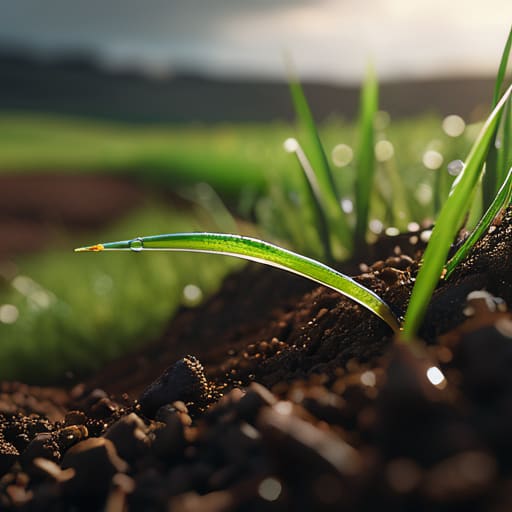
Stop Throwing Cash at the Soil How to Reduce Fertiliser Cost

The biggest mistake I see is treating a field like a leaky bucket that just needs more liquid poured in. If your soil structure is rubbish and your drainage is non-existent, you aren’t feeding the grass; you’re just watching your money wash through the subsoil during the first heavy autumn rain. Before you even look at a bag of NPK, you need to get a proper handle on your soil nutrient management. I’ve seen men spend thousands on nitrogen when their pH was so low the plants couldn’t even process it. It’s a fool’s errand.

You have to stop looking for a magic pellet and start looking at the biology. I’ve moved more toward integrating organic soil amendments and managing clover levels rather than relying on the spreader to do all the heavy lifting. It takes more patience, and it certainly isn’t as fast as a chemical hit, but it builds a base that doesn’t disappear the moment the weather turns. If you aren’t managing the life in the ground, you’re just subsidizing the chemical companies with your hard-earned cash.

The Hidden Cost of Guesswork in Your Soil Nutrient Management
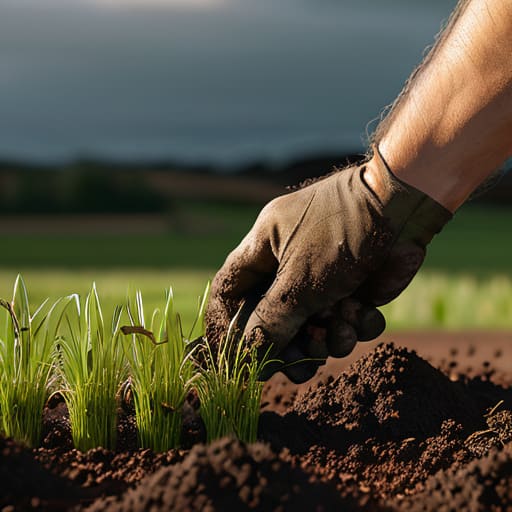
The Hidden Cost of Guesswork in Your Soil Nutrient Management

I’ve seen too many lads walk out to the field with a spreader and a “gut feeling,” convinced they know exactly what that acre needs because the grass looks a bit thin in the corner. That’s not farming; that’s gambling with your margin. When you skip proper soil nutrient management in favor of a broad-brush approach, you aren’t just wasting money—you’re actively damaging the ground. You end up over-applying in some spots where the nutrients just leach away into the watercourse, while other areas stay hungry, stunted, and useless for grazing.

The truth is, modern precision agriculture techniques aren’t some fancy buzzword for people with more money than sense; they are about knowing exactly where your deficiency lies before you open a single bag. I learned the hard way that treating a field as one single unit is the fastest way to burn through your cash flow. If you aren’t testing your soil to a granular level, you are essentially subsidizing the chemical companies with money that should have gone toward your next heifer or a bit of much-needed kit for the shed.

Precision Agriculture Techniques Stop Overpaying for Empty Results
Precision Agriculture Techniques Stop Overpaying for Empty Results

I’ve seen enough lads buy a fancy GPS-guided spreader thinking it’s a magic wand that solves a bad management plan. It won’t. You can have the most expensive machinery in the county, but if you’re still applying nitrogen based on what your neighbour did or what a glossy brochure suggested, you’re just spreading money into the wind. True precision agriculture techniques aren’t about the shiny tech; they are about knowing exactly where the deficiency is before you ever crack a bag.

If you want to stop the bleeding, you have to treat your fields like individual units rather than one big, homogenous block. I spent years treating the whole 180 hectares the same way, only to realise I was over-applying on the heavy ground and starving the well-drained slopes. Integrating soil nutrient management with variable rate application—even if it’s just manual adjustments based on decent zone mapping—is the only way to stop the waste. It’s about matching the input to the actual need of the grass, not just hitting the ground with a standard rate and hoping for the best.

Using Nitrogen Fixation Methods to Build Grass for Free

If you’re looking to cut your dependency on the bag, you need to stop thinking about what you can buy and start looking at what you can grow. I spent far too many years trying to outrun a poor sward by pouring more urea on it, only to find I was chasing a moving target. The real way to handle nitrogen fixation methods isn’t through some fancy laboratory concoction; it’s about getting your clover levels right. If your leys are nothing but ryegrass, you aren’t farming; you’re just renting nitrogen from a manufacturer at a premium.

A good, deep-rooted white clover isn’t just a filler; it’s a biological factory working on your dime while you sleep. I’ve found that if you manage your grazing to ensure the clover isn’t being grazed down to the nub every single week, it starts to pay for itself. It’s one of those sustainable farming practices that actually makes sense for the bank balance, not just the environment. You’re essentially building a nitrogen reserve in the soil that stays there, rather than washing away in the first heavy autumn rain.

Why Organic Soil Amendments Outperform Expensive Chemical Fixes

I’ve spent too many years watching men in clean overalls try to sell me a bag of granules that promises the moon but leaves the ground as hard as a billiard table. The problem with relying solely on those quick-fix chemical hits is that they’re like a shot of whiskey; they give you a momentary buzz, but they don’t build any real strength. You might see a flush of green, but you aren’t actually building anything in the long term. If you want to move away from being a glorified delivery driver for the chemical companies, you have to look at organic soil amendments that actually do the heavy lifting.

Whether it’s well-rotted manure or a decent compost, these materials aren’t just about adding N-P-K; they are about fixing the structure of the ground itself. I’ve found that a field with decent organic matter holds water through a dry spell and stays breathable when the heavens open. It’s about improving the biology of the soil so it can actually hold onto what you give it, rather than letting half your investment wash straight down the drain into the nearest stream.

Five Ways to Stop the Bleeding Before the Next Spate

  • Watch the weather, not the calendar. I’ve seen too many men spread nitrogen on a Tuesday just because the book says it’s time, only to watch a heavy rain wash half their investment straight into the ditch by Wednesday morning. If the ground is sodden or the clouds are heavy, keep the spreader in the shed.
  • Get your eyes back in your head. You can buy all the soil testing kits in the world, but if you aren’t walking the fields and noticing where the ryegrass is thinning or where the clover is struggling, you’re flying blind. A bit of observational walking costs nothing and tells you more than a spreadsheet ever will.
  • Stop treating every acre like it’s the same. Treating a wet, heavy corner of a field the same way you treat a well-drained hill is just a fast way to waste money. Target your inputs where the grass actually has the capacity to use them, rather than spreading it thin and useless across the whole lot.
  • Fix your drainage before you fix your chemistry. You can throw all the lime and nitrogen you want at a field, but if the water isn’t moving, the roots aren’t breathing. A field that sits wet is a field that won’t take up what you’re paying for, no matter how much you spread.
  • Respect the clover. If you’ve managed to get a decent amount of white clover established, stop trying to outsmart it with expensive nitrogen. That clover is working for free, fixing air into the soil while you’re busy looking for a bag of chemical to do the job. Let it do its work.

The Bottom Line on Your Fertilizer Bill

Stop treating fertilizer like a magic wand; if your grazing management is a mess and your soil is compacted, you’re just pouring expensive nitrogen into a sieve.

Get your soil testing right and stick to it, because guessing your nutrient requirements is the fastest way to turn your hard-earned cash into wasted runoff.

Invest in the biological health of your ground through clover and organic matter, because the most profitable grass is the stuff you didn’t have to buy in a bag.

The Bottom Line

At the end of the day, reducing your fertiliser bill isn’t about finding a magic product or a new chemical cocktail; it’s about getting back to the basics of how a field actually works. We’ve talked about why guessing is a fast way to bleed cash, why nitrogen fixation can do the heavy lifting for you, and why that expensive bag of NPK is often just a band-aid on a deeper soil problem. If you aren’t looking at your soil tests, managing your grazing rotation, and understanding the actual biology of your ground, you aren’t farming—you’re just subsidising the chemical companies. It all comes down to managing what you have rather than trying to buy your way out of a poor system.

I’ve spent forty years watching men and women try to outrun a bad season by throwing more inputs at a problem, and I can tell you from experience that the grass doesn’t care how much you spent to grow it; it only cares if the conditions are right. Don’t get caught up in the marketing hype or the latest shiny gadget that promises a miracle. Focus on the soil, watch the weather, and keep a sharp eye on your margins. If you can master the relationship between your grass and your cash flow, you’ll find that true profitability isn’t found in a spreader, but in the discipline of knowing exactly what your land needs and nothing more.

Frequently Asked Questions

If I cut back on the nitrogen now, am I going to lose my spring grass surge and end up paying more for silage later?

You’re asking the right question, but you’re looking at it through a narrow lens. If you starve the ground now, you’ll absolutely miss that spring surge, and you’ll be chasing it with expensive concentrates or bought-in forage come July. But don’t just cut blindly. Look at your soil test and your weather forecast. If the ground is wet and the nitrogen is just going to leach out, you’re wasting money. Aim for balance, not a deficit.

Most of these organic amendments take years to show results; how do I keep the cash flow steady while I wait for the soil to actually respond?

You’re asking the right question. You can’t eat “soil health” in February when the bank wants its interest. The trick isn’t choosing between chemical and organic; it’s about the bridge. Use a measured, targeted dose of N to keep the grass growing now, but use that as a tactical strike rather than a blanket spray. You’re buying time, not a permanent fix. Manage the immediate hunger of the crop while the organic matter builds the engine underneath.

I've got a mix of heavy clay and some decent well-drained ground—is it even worth the bother of testing every single field, or am I just wasting more money on paperwork?

If you think you can eyeball a clay field and a well-drained slope and come to the same conclusion, you’re already losing money. That clay is going to hold onto nutrients differently and drain like a sieve compared to your good ground. Testing every field isn’t paperwork; it’s an insurance policy against over-applying where it won’t sink in and under-applying where it’s needed. Don’t guess. Guessing is just a slow way to go broke.
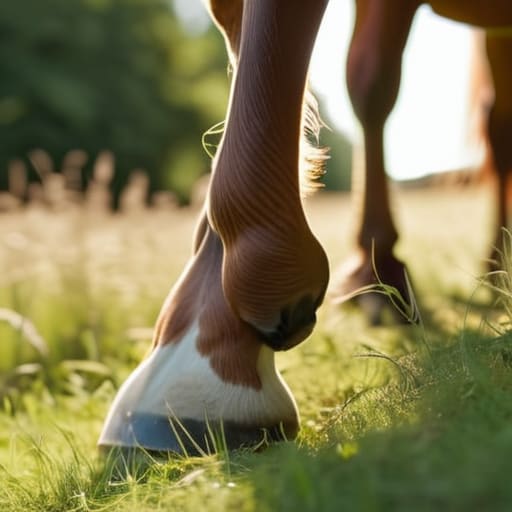
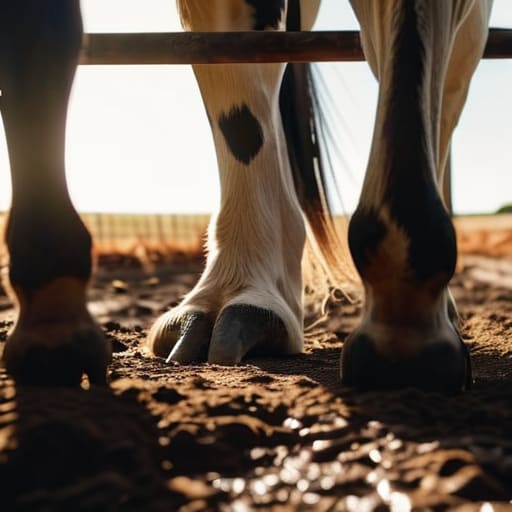
Complete guide to lameness book cover photograph.

The Complete Guide to Lameness

I’ve sat through enough seminars in drafty village halls to know that most people will try to sell you a “complete guide to lameness” that’s nothing more than a glossy brochure for a specific brand of copper sulphate or a fancy new footbath chemical. They’ll talk about biology and pathogens until your eyes glaze over, but they never mention the actual cost of a cow that’s walking gingerly in the back field. You can buy every supplement on the market, but if you haven’t looked at the drainage in your bottom paddock or the way your concrete yard is wearing down, you’re just throwing money at a symptom while the cause sits there laughing at you.

I’m not here to give you a lecture from a textbook; I’m here to tell you what happens when the margins are thin and the rain won’t stop. This isn’t a marketing pitch, it’s a breakdown of the real-world mechanics of keeping a herd sound. I’ll walk you through the things that actually matter—the ground, the grit, and the hard numbers—so you can stop treating lameness like a stroke of bad luck and start managing it like the financial drain it truly is.

Table of Contents

Understanding Complete Guide to Lameness

Understanding Complete Guide to Lameness cattle observation.

Now, you can buy all the fancy diagnostic software in the world, but if you aren’t walking the pens with a sharp eye, you’re missing the point. Understanding what’s actually happening under the hoof isn’t about reading a textbook; it’s about knowing the difference between a cow that’s just being stubborn and one that’s truly struggling. Most of the trouble starts long before a beast is visibly limping. By the time they’re holding a leg up, you’ve already lost the battle on milk yield or weaning weight. Real identifying lameness symptoms starts with watching how they move through the gate and how they stand when they think no one is looking.

It isn’t just about the obvious holes in the sole, either. You have to look at the whole picture—the way the weight is distributed and how the heel sits. I’ve spent more time than I care to admit looking at preventative hoof care as a way to save the bank balance rather than just a chore for the foot trimmer. If you aren’t getting the basics of hoof health management right during the dry period, you’re essentially inviting a disaster into your next calving season.

Key Things to Know

Key Things to Know: Identifying lameness symptoms.

First, you need to stop looking for a single “smoking gun.” Lameness isn’t always a cow limping in the middle of the field; more often, it’s a subtle shift in how they carry their weight or a slight delay in getting up from a lying position. If you’re waiting until they’re visibly favoring a leg, you’ve already lost the battle. Effective identifying lameness symptoms starts with a walk through the yard when they’re moving toward feed, not just when you’re standing there staring at them. You have to learn the rhythm of your herd; once you know what “normal” looks like, the wrongness becomes obvious.

Second, don’t get blinded by the fancy tech or the expensive vet calls before you’ve mastered the basics of preventative hoof care. I’ve seen lads spend a fortune on supplements while their cows are walking on nothing but stone and mud. It comes down to the ground and the drainage. If the feet are constantly sitting in wet, poached ground, no amount of expensive trimming is going to save your margins. You can’t out-manage poor husbandry with a better pair of shears.

Practical Tips and Steps

Practical Tips and Steps for hoof care.

You can buy all the fancy automated scanners in the world, but they won’t replace a pair of boots and a keen eye. Real preventative hoof care starts with how you walk your fields. I don’t wait for a cow to go down on her side before I start looking; I’m looking for the subtle things—a slight shift in weight, a cow that’s lingering a second too long at the feeder, or a sheep that isn’t quite hitting its stride in the paddock. If you aren’t making a habit of identifying lameness symptoms while you’re out checking the fences, you’re already behind the curve.

When you do find a problem, don’t just guess at the severity. I’ve learned the hard way that treating everything like a crisis is a quick way to empty your bank account. You need a consistent way of scoring them. Using basic lameness assessment techniques—essentially looking at gait and stance—allows you to decide if you need a quick trim or a trip to the vet. It’s about knowing when to intervene and when you’re just wasting time on a beast that’s already gone.

Common Mistakes to Avoid

The biggest mistake I see is waiting until a cow is visibly hobbling before you even think about her feet. By then, you aren’t just managing a problem; you’re managing a loss. Most people treat lameness like a sudden event, but it’s usually a slow leak. If you aren’t consistent with preventative hoof care, you’re essentially waiting for the bank balance to drop. I’ve seen too many lads skip the routine checks because they were “too busy” with the tractor, only to find they’ve lost three calves to poor maternal performance because the mothers were too uncomfortable to graze properly.

Another trap is relying on guesswork rather than actual lameness assessment techniques. You can’t just glance at a herd from the quad bike and decide everything is fine. I’ve made the mistake of assuming a slight limp was just “the way she walks,” only to find a deep abscess that had been brewing for weeks. You need a system—even if it’s just a simple way of grading what you see—so you aren’t constantly surprised by a sudden spike in the lame count. Stop guessing and start looking.

Final Thoughts

Look, I’m not going to tell you that there’s a magic pill or a piece of machinery that will solve your problems overnight. If you’re looking for a silver bullet, you’ve come to the wrong place. Managing a herd is about the long game, and that means moving away from reactive firefighting and toward a real system of preventative hoof care. You can have the best genetics in the county, but if you aren’t walking those fields and actually looking at what’s under the animal, those genetics won’t mean a penny when the sale comes around.

It all boils down to consistency. You don’t need a degree to master basic lameness assessment techniques, but you do need the discipline to do them when it’s raining, when you’re tired, and when the margins are tight. Don’t wait until a cow is dropping her milk yield or limping heavily before you take notice. By then, the profit has already walked out the gate. Get your eyes on the ground, keep your records honest, and remember that the most expensive cow in the herd is the one you ignored until it broke.

Five ways to stop bleeding money through the hoof

  • Stop looking at the cow and start looking at the ground. You can buy the best minerals in the world, but if your tracks are a boggy mess of poached soil and standing water, you’re just inviting digital dermatitis to set up shop. A dry foot is a profitable foot.
  • Get your eyes on the back of the herd, not just the ones in the front of the race. The trouble usually starts with the quietest animal—the one that’s slightly slower to move or isn’t pushing for the feed. If you wait until they’re visibly limping, you’ve already lost the margin on that animal.
  • Don’t go buying a fancy new automated hoof-trimming setup just because the salesman says it’ll save you time. If you haven’t mastered the basics of foot hygiene and regular inspections, all that expensive kit is just going to sit in the shed collecting dust while your problems get worse.
  • Learn the difference between a structural problem and a management problem. Sometimes a cow has a bad foot because she’s built poorly, but more often than not, it’s because the bedding is wrong or the mineral balance is off. Fix the environment before you blame the genetics.
  • Treat the foot, but don’t forget the ledger. Every time you pull a cow out of the ring to deal with a lame foot, calculate the cost of that lost grazing time and the vet’s bill. If you aren’t tracking the cost of the treatment against the cost of the neglect, you aren’t farming; you’re just guessing.

The Bottom Line on Lameness

Stop looking at lameness as a veterinary problem and start seeing it as a leak in your bank account; a cow that isn’t walking right isn’t eating right, and if she isn’t eating, she’s costing you money every hour she stands there.

You can buy the most expensive supplements and feed additives on the market, but if your ground is a bog and your drainage is non-existent, you’re just throwing good money after bad.

Prevention isn’t about fancy new gadgets that’ll gather dust in the shed; it’s about the boring, daily work of watching the feet, managing the muck, and catching the limp before the animal actually goes down.

The Bottom Line on Feet

At the end of the day, managing lameness isn’t about memorizing a veterinary textbook or buying the most expensive copper sulphate spray on the market. It comes down to the basics we’ve talked about: keeping an eye on the ground when it’s wet, maintaining your footbaths when they actually matter, and—most importantly—not ignoring that one cow that’s walking a bit stiffly in the corner of the field. You can have the best genetics in the county, but if those animals can’t walk to the grass without pain, you aren’t running a farm; you’re just subsidizing a loss. It’s about the small, daily observations that prevent the big, expensive vet bills. If you get the grass, the environment, and the early detection right, the rest usually takes care of itself.

I’ve seen plenty of men try to outsmart the problem with new-fangled gadgets that end up gathering dust in the shed, only to realize they should have just spent more time walking the perimeter in the rain. Farming is a hard business, and the margins don’t leave much room for mistakes caused by laziness or pride. But if you take this seriously—if you treat every lame animal as a leak in your bank account—you’ll find that your profitability settles into a much steadier rhythm. Don’t wait for a crisis to start looking at the feet; build the habit now, and your future self, and your daughter, will certainly thank you for it.

Frequently Asked Questions

How much of a dent in the year's profit am I actually looking at if I let a few borderline cases slide through the winter?

A “few” borderline cases is how a bad year starts. You aren’t just losing the cost of a dose of copper or a footbath; you’re losing the milk, the weight gain, and the eventual sale price of a cow that’s been dragging a foot since November. By spring, that “borderline” animal is a spent force. If you don’t fix it now, you’re essentially paying for the privilege of watching your profit walk out the gate.

At what point do I stop treating a foot issue myself and admit it’s time to call the vet and pay the bill?

You stop when the math stops working. If you’ve applied the block, cleaned the wound, and checked the bedding, but that cow is still flagging or refusing the trough, you’re just wasting expensive antiseptic. Don’t let pride turn a ten-minute fix into a week of lost milk or a dead calf. If she’s still limping after forty-eight hours of your best efforts, call the vet. It’s cheaper to pay the bill now than to replace the animal later.

When it comes to footing, is it better to invest in better drainage for the field or better bedding in the sheds?

If you’re asking me to choose between the two, you’re asking whether to fix the roof or the floor. You need both, but if the cash flow is tight, start with the field. You can put the finest straw in the world under a cow, but if she’s standing in a boggy acre all day, she’s still going to go lame. Fix the drainage to keep the ground firm; bedding is just a temporary bandage for a wet field.

Understanding how bedding affects health.

Clean Dry Bedding Prevents More Than Any Treatment

I’ve spent forty years watching salesmen in shiny boots try to convince me that the secret to a thriving herd lies in some high-tech, proprietary additive or a fancy new mineral lick. It’s nonsense. Most of them wouldn’t know a sick heifer from a hole in the ground, yet they’ll charge you a premium to solve problems they created in the first place. If you want to talk about the real mechanics of how bedding affects health, stop looking at the supplement catalogue and start looking at what’s under your boots. I learned that the hard way back in ’94, when I thought I could save a few quid on straw only to spend three times that amount fixing a line of cattle with sour feet and wasted energy.

I’m not here to sell you a miracle cure or a way to make your farm look pretty for a magazine spread. What I’m going to do is show you the actual math behind a dry, deep bed and why it’s the single most important bit of “equipment” you own. We’ll look at the direct link between moisture levels and your bottom line, because at the end of the day, bad bedding is just a slow way to bleed cash through vet bills and lost weight.

Table of Contents

The Hidden Tax of Poor Sleep How Bedding Affects Health

The Hidden Tax of Poor Sleep How Bedding Affects Health

You can spend a fortune on high-end supplements, but if you’re sleeping your cattle on damp, thin bedding, you’re just flushing cash down the drain through foot rot and lost weight. It isn’t just about comfort; it’s about the biology of the animal. When a cow spends her night standing in a slurry of her own making because the straw wasn’t deep enough or was too coarse, you’re inviting microbial growth in linens—or in our case, the bedding itself—that eats away at her condition. A restless animal is an animal that isn’t growing.

I’ve seen it time and again: a farmer buys the cheapest bulk straw to save a few quid, only to find his weaning calves are lagging behind the curve. If the bedding doesn’t offer proper temperature regulation, they spend more energy trying to stay warm than they do putting on meat. It’s a slow leak in your margins. You might think you’re saving money on the input, but the true cost of poor sleep is measured in the vet bills and the weight you lose at the mart.

Microbial Growth in Linens the Invisible Drain on Your Vitality

Microbial Growth in Linens the Invisible Drain on Your Vitality

It isn’t just about the dampness you can feel; it’s about what you can’t see. When you let bedding sit, or worse, use materials that don’t breathe, you’re essentially building a hotel for bacteria. I’ve seen it in the pens and I’ve seen it in my own house: microbial growth in linens isn’t some abstract science concept, it’s a practical drain on your energy. If your sheets are holding onto moisture and heat instead of letting it pass through, you aren’t just sleeping poorly, you’re marinating in a cocktail of allergens.

Most people think a quick shake of the duvet is enough, but that’s just moving the problem around. If you aren’t paying attention to sleep hygiene and sanitation, you’re inviting a slow-motion assault on your immune system. I’ve learned the hard way that if the fabric doesn’t allow for proper airflow, you’re basically inviting dust mites to set up shop. You can buy the most expensive mattress in the showroom, but if you’re sleeping on a surface that traps microbes, you might as well be sleeping in a compost heap.

Dust Mite Allergy Prevention Stopping the Slow Bleed of Fatigue

Dust Mite Allergy Prevention Stopping the Slow Bleed of Fatigue

You can spend all day worrying about the pedigree of your stock, but if you’re waking up feeling like you’ve been dragged through a hedge backwards, you aren’t looking at your own environment. I’ve seen it plenty: a farmer working twelve-hour days on nothing but grit, wondering why his energy is flagging. Often, it isn’t the workload; it’s the microscopic battle happening in your own bed. Dust mite allergy prevention isn’t some fancy wellness trend; it’s basic maintenance, much like keeping the grit out of a feeder. If your bedding is holding onto years of skin cells and moisture, you’re essentially inviting an irritant to sit in your lungs all night.

It’s a slow bleed of productivity. You don’t notice the fatigue until it’s become your baseline. Moving toward hypoallergenic bedding materials or simply ensuring you aren’t sleeping on heavy, synthetic fabrics that trap heat and moisture is a practical fix. If you can’t manage basic sleep hygiene and sanitation in your own quarters, you’ll never have the clarity needed to manage the margins on the farm.

Breathable Fabrics for Temperature Regulation Dont Overpay for Discomfort

I’ve spent enough nights in drafty outbuildings and overheated calving pens to know that if a creature can’t regulate its own temperature, it’s going to spend its energy fighting the environment instead of growing or recovering. It’s the same with us. You can buy the most expensive, heavy-duty duvet in the shop, but if it doesn’t allow for breathable fabrics for temperature regulation, you’re just building a sweatbox. When you wake up damp and shivering, you haven’t rested; you’ve just undergone a slow, uncomfortable metabolic struggle.

It’s a bit like choosing the wrong cover for a heifer in a wet spring; if the moisture stays trapped against the skin, you’re asking for trouble. People talk a lot about luxury, but in my experience, luxury is simply being able to maintain a steady temperature without waking up at 3:00 AM. If your bedding traps heat and moisture, you’re inviting microbial growth in linens and creating a cycle of discomfort that no amount of caffeine can fix the next morning. Don’t pay a premium for weight when what you actually need is airflow.

Hypoallergenic Bedding Materials Investing in Proper Sleep Hygiene and Sani

Now, I know what you’re thinking—I’m a man who spends more time thinking about silage quality than thread counts. But if you look at the biology, the principles are the same. Whether it’s a calf in a pen or a person in a bed, you cannot ignore the environment. When we talk about hypoallergenic bedding materials, we aren’t just talking about some fancy marketing term used to upcharge you at a shop; we are talking about reducing the biological load on the body. If your linens are a breeding ground for irritants, you aren’t resting, you’re just surviving the night.

Investing in proper sleep hygiene and sanitation is a lot like managing your pasture; you wouldn’t let a field turn into a bog of weeds and expect a good crop. If you’re constantly battling skin irritations or waking up feeling like you’ve gone ten rounds in a ring, it’s likely because your bedding is holding onto more than just heat. You can buy the most expensive mattress in the country, but if the cover is trapping allergens and moisture, you’re effectively throwing money at a symptom rather than fixing the cause.

Five Ways You’re Letting Your Bedding Kill Your Bottom Line

  • Stop treating bedding as a static cost; if it isn’t supporting recovery, it’s a liability. I’ve seen men spend a fortune on the best feed only to wonder why their animals—or themselves—look hollow. If the bedding isn’t dry and deep enough to insulate, you’re paying for the heat in lost vitality and wasted energy.
  • Check the moisture levels before you check the price tag. I don’t care how fancy the material is; if it holds dampness, it’s just a breeding ground for the kind of rot that settles in the joints and the lungs. You can’t out-supplement a damp environment.
  • Don’t get caught in the trap of “set and forget.” Bedding needs a rotation as regular as a calving schedule. If you’re letting old material sit because you’re too busy to swap it, you aren’t saving time—you’re just letting microbes build up a debt you’ll eventually have to pay in health issues.
  • Watch the dust. I’ve spent years watching farmers ignore the fine grit and dander in old bedding, thinking it’s just part of the job. It isn’t. That fine particulate is a slow leak in your respiratory health, and once the lungs are compromised, no amount of cash flow will fix the damage.
  • Buy for durability and breathability, not for the glossy brochure. I’ve bought enough “innovative” kit to know that if it doesn’t stand up to a bit of hard use and still allow for airflow, it’s nothing more than expensive rubbish sitting in the corner of the shed.

The Bottom Line on Bedding

Stop treating bedding as a fixed cost and start seeing it as a health investment; if you’re saving pennies on cheap materials, you’ll end up paying triple in vet bills and lost performance.

Sanitation isn’t just about looking tidy; if your bedding is a breeding ground for microbes or dust, you’re essentially inviting disease into the system and draining your margins.

Comfort and temperature regulation aren’t luxuries—they are practical necessities that dictate how much energy an animal puts into growth versus just trying to stay stable.

The Bottom Line on Bedding

At the end of the day, whether you are looking at a suckler cow in a calving pen or your own bed at home, the principle remains the same: you cannot build health on a foundation of filth and damp. We’ve looked at how microbial growth, dust mites, and poor temperature regulation act as a slow, silent drain on your energy and your wallet. You can buy all the fancy supplements and high-margin feed you like, but if you are sleeping in an environment that irritates your lungs or keeps your body fighting for warmth, you are essentially throwing money into a hole. It isn’t about luxury; it is about managing the basic inputs of your biology to ensure you aren’t paying a tax on your health every single morning.

I’ve spent forty years learning that the smallest details—the ones most people overlook because they aren’t “flashy”—are usually the ones that determine whether you finish the season in the black or the red. Don’t let the marketing talk fool you into buying kit you don’t need, but do have the sense to invest in the basics that actually work. If you get the bedding right, the rest of the system has a fighting chance to thrive. It’s about protecting your most valuable asset, and in this business, that asset is you.

Frequently Asked Questions

If I switch to more expensive, breathable bedding, how long does it actually take before I see a difference in my energy levels during the day?

You won’t see it in a single morning, but you’ll feel the shift in the way you carry yourself by the end of the first week. If you’ve been fighting damp, heavy bedding, your body’s been working overtime just to regulate itself while you sleep. Once you stop that constant, subtle struggle, the brain fog lifts. It’s not magic; it’s just finally getting the baseline right so you aren’t starting every day at a deficit.

Is it worth the extra cost of hypoallergenic materials if I don't have a diagnosed allergy, or is that just more marketing fluff?

Look, if you aren’t sneezing your head off, you don’t need to go chasing every “hypoallergenic” label they slap on a box. Most of it is just marketing fluff designed to pad the margins. However, there is a difference between an allergy and just having a clean environment. I don’t buy the expensive stuff for the name, but I do invest in quality materials that don’t trap grit and moisture. If it keeps the bedding cleaner for longer, it’s worth the pence. If it’s just a fancy word for “expensive,” leave it on the shelf.

How often do I actually need to wash these materials to stop the microbial buildup, and does frequent washing ruin the fabric?

If you’re waiting for the bedding to look dirty, you’ve already lost the battle. I’d say every week, without fail. You can’t see the microbes, but you can certainly feel the cost in lost energy. As for ruining the fabric, that’s just poor management. Use a standard cycle, avoid the scorching heat that kills the fibres, and stop treating your laundry like it’s some delicate museum piece. It’s a tool, not a trophy.

Tips on how to reduce lamb losses.

Where Lambs Are Actually Lost

I’ve spent enough years watching people try to solve lamb mortality with expensive new supplements or fancy automated monitoring systems that do little more than collect dust in the shed. Most of the advice you’ll find in those glossy agricultural magazines is just a way to sell you something you don’t need. If you’re looking for a miracle pill to fix your numbers, you’re looking in the wrong place; figuring out how to reduce lamb losses isn’t about high-tech gadgets, it’s about the basics of the ground under your feet and the weather in the sky. You can buy all the vitamins in the world, but if your ewes are running on empty because the spring grass is poor or the rainfall has turned your paddocks into a bog, you’ve already lost the battle.

I’m not here to sell you a subscription or a new piece of kit. I’m going to tell you what actually works when you’re standing in a cold lambing shed at four in the morning, looking at a margin that’s slipping through your fingers. We’re going to talk about nutrition, shelter, and the small, practical things that actually keep a lamb alive and growing. This is about protecting your cash flow, not chasing trends.

Table of Contents

Understanding How to Reduce Lamb Losses

Understanding How to Reduce Lamb Losses.

You can buy all the fancy supplements and high-spec lighting in the world, but if you aren’t looking at the ground and the weather, you’re just guessing. Most people start looking for problems when they see a dead lamb, but by then, the money is already gone. Real success in lambing management practices isn’t about reacting to a crisis; it’s about the three weeks before the first ewe even hits her stride. It starts with the condition of the ewe and the quality of the forage she’s been on. If she’s running on empty, those lambs are starting life at a deficit they can rarely recover from.

I’ve seen too many lads focus on expensive vaccines while ignoring the basics of neonatal lamb health care, like warmth and dry bedding. A lamb that’s shivering is a lamb that isn’t growing, and a lamb that isn’t growing is a lamb that won’t pay the bills come weaning. You have to watch the small things—the way they stand, the brightness in their eyes, and the state of the bedding. If the shed is a damp, cold mess, you might as well be handing your margin over to the bank in installments.

Key Things to Know

Key Things to Know: Lambing Management.

First, you have to stop looking at the lambing shed as a place where things just happen and start seeing it as a place where your margin is either made or broken. Most people get caught up in the high-tech gadgets, but if you aren’t getting your lambing management practices sorted before the first ewe even shows signs of labor, you’ve already lost. It starts with the ewe’s condition; if she’s running on empty, she’ll produce a lamb that’s basically just a walking deficit. You can’t fix a nutritional deficiency after the lamb is already on the floor.

Second, keep a sharp eye on the environment. I’ve seen plenty of lads invest in expensive vaccines only to lose a dozen lambs to a damp, drafty corner because they neglected basic lamb shelter and bedding. If a lamb is cold, its energy goes into shivering rather than growing, and that’s when you start seeing the slow slide into trouble. It isn’t just about the big, dramatic deaths; it’s the quiet drain on your cash flow caused by the weak ones that never quite catch up.

Practical Tips and Steps

Practical Tips and Steps for lamb bedding.

First, let’s talk about the ground you’re working on. You can have the best genetics in the county, but if you’re putting them into a muddy, sodden field in late February, you’ve already lost the battle. Proper lamb shelter and bedding isn’t a luxury; it’s the difference between a lamb that thrives and one that spends its first forty-eight hours shivering itself to death. I’ve seen too many lads skimp on straw to save a few quid, only to find they’ve spent triple that amount on veterinary bills and lost carcasses by week three.

Second, you need to be obsessive about the colostrum. If you aren’t getting that first milk into them within that tiny window after birth, you aren’t farming; you’re gambling. It’s the cornerstone of neonatal lamb health care, and without it, their immune systems are practically non-existent. I also tell my daughter to watch the bedding as closely as the animals themselves. If the pens are staying wet, you’re inviting scours, and once that starts moving through a batch, your profit margin will vanish faster than a subsidy check in a bad year.

Common Mistakes to Avoid

The biggest mistake I see is the assumption that a lamb’s survival is decided only in the final week of lambing. Most folks wait until they see a limp or a hollow-bellied creature before they start worrying, but by then, you’re just performing an autopsy on your profits. People tend to overlook neonatal lamb health care in favor of worrying about the weather, yet it’s often the small, invisible failures—like a poorly managed colostrum window—that drain the bank account. If that first milk isn’t hitting the gut within those first critical hours, you aren’t just losing a lamb; you’re losing the momentum of the whole season.

Another trap is getting too clever with the kit and not enough with the ground. I’ve seen plenty of men spend a fortune on fancy feeders only to let their ewes run on nothing but depleted, wet forage. If you aren’t looking at the nutritional requirements of the ewe in the final month, you’ve already lost the battle. I’ve also seen too many farmers try to fix everything with medicine when the real issue was simply a lack of adequate lamb shelter and bedding during a wet spell. You can’t medicate your way out of a damp, cold pen.

Final Thoughts

At the end of the day, you can buy the most expensive automated feeding systems or the fanciest diagnostic kits on the market, but they won’t save a lamb that’s been left to rot in a cold, wet corner because you were too busy looking at a spreadsheet. Real success in the lambing shed comes down to being present. It’s about knowing the difference between a lamb that’s just a bit sluggish and one that’s actually fighting for its life. If you aren’t prioritizing neonatal lamb health care through consistent, physical checks, you’re just playing a losing game with your margins.

Don’t let the paperwork distract you from the actual animals. You can have the most sophisticated lambing management practices written down in a notebook, but if you aren’t watching for the early signs of managing lamb scours or checking that the shelter is actually dry, the book is worthless. Farming isn’t about following a perfect manual; it’s about reacting to the ground, the weather, and the animal in front of you. Keep your eyes on the sheep, keep your boots moving, and keep your cash flow from leaking out through the cracks.

Five ways to stop bleeding money in the lambing shed

  • Watch the weather, not just the ewes. You can have the best genetics in the county, but if you put a newborn out in a wet, biting wind without a dry bit of cover, you’re just subsidising the local vet’s holiday fund. Grass is one thing, but shelter is what keeps them alive.
  • Stop obsessing over the fancy supplements and look at the muck. If your lambing pens are a damp, sodden mess of old bedding and fresh waste, you’re inviting coccidiosis and scours before the lamb has even had its first real feed. Clean, dry ground is cheaper than any medicine.
  • Don’t get stingy with the colostrum. I’ve seen too many folk try to “manage” the timing to save a bit of effort, only to end up with a field of weak, dying lambs a week later. If they haven’t had that first hit of liquid gold, they aren’t going anywhere, and you’ll be paying for it in lost weight and dead carcasses.
  • Check the feet and the fleece, not just the belly. A lamb that’s struggling to stand because it’s cold or poorly nourished is a lamb that won’t find the teat. If you aren’t seeing them move with purpose, something is wrong with the environment or the nutrition, and you’re losing your margin one weak lamb at a time.
  • Get your eyes on the ground, not just the clipboard. You can’t manage what you don’t see. If you aren’t walking the pens at the odd hour—the ones when the sun is down and the real trouble starts showing—you’re just guessing. And guessing is a very expensive way to run a farm.

The Bottom Line on Lamb Losses

If you aren’t looking at the ground and the weather before you look at your lambing numbers, you’re missing the point; damp, poached fields kill more lambs than poor genetics ever will.

Stop chasing the latest expensive supplement or fancy gadget; most of your margin is lost in the basics—clean water, dry bedding, and being in the shed before the trouble starts.

Every lamb that doesn’t make it to market isn’t just a lost animal, it’s the wasted cost of the ewe, the feed, and the labor you’ve already sunk into it—don’t let them become a hole in your cash flow.

The Bottom Line

At the end of the day, reducing lamb losses isn’t about buying some fancy new sensor or a high-tech gadget that promises to do the thinking for you. It comes down to the basics: managing your ground so the ewes aren’t starving before they even hit the teat, keeping a sharp eye on the weather, and being present in the shed when it matters most. If you can get your nutrition right, keep the parasite load under control, and actually watch the lambs instead of just counting them, you’ve already beaten half the mistakes I see people making. It’s about protecting your margin from the ground up, because once those lambs are gone, that money isn’t coming back to you.

Farming is a hard way to make a living, and it’s easy to get discouraged when a bad season or a sudden cold snap wipes out your hard work. But remember, you aren’t just raising animals; you’re managing a complex system of grass, biology, and economics. Don’t let one bad lambing season make you think you’ve lost the knack. Take the lessons, look at your numbers without the emotion, and get back to the work. If you keep your eyes on the feet and the cash flow, you’ll find your way through. It’s a long game, and the ones who survive are the ones who refuse to stop learning from their mistakes.

Frequently Asked Questions

If the grass is looking good but the ewes are still losing condition before lambing, am I looking at a nutrition problem or something deeper in the ground?

If the grass looks lush but your ewes are thinning out, don’t go buying expensive concentrates just yet. You need to look at the ground. It’s usually one of two things: either your soil is stripped of the trace elements they actually need to process that grass, or you’ve got a parasite load that’s eating them from the inside out before they can even touch the feed. Check your mineral status and your worming before you waste money on bags of meal.

At what point does the cost of intensive lambing management actually start eating into the profit of the lambs themselves?

It’s when you start treating every lamb like a science project. I’ve seen men spend more on specialized creep feeding, extra teat milk, and constant night-checks than the actual carcass value of the lamb. If you’re chasing a 2% increase in survival by spending 10% more on labor and kit, you’re just subsidizing the sheep. You have to know where the “good enough” line is, or you’re just working for the lambs.

When looking at mortality numbers, how do I tell the difference between a genuine disease outbreak and just poor management in the shed?

Look at the pattern, not just the pile. A disease outbreak usually hits like a wave—sudden, sharp, and often looks the same across different pens. Poor management is more of a slow bleed. If you’re seeing lambs die because they’re too weak to stand or they’ve gone hollow, that isn’t a virus; that’s you failing to keep them warm or fed. Disease is a thief; bad management is just leaving the door wide open.

How to feed ewes before lambing.

Feeding in the Last Six Weeks Decides Lamb Vigour

I’ve lost count of how many glossy brochures I’ve seen claiming you need a laboratory-grade nutritional plan and a pallet of expensive, branded supplements to get through the season. It’s enough to make you want to head straight to the pub. Most of these “experts” wouldn’t know a hungry ewe from a hole in the ground, and they certainly don’t account for a wet February or a field that’s turned into a bog overnight. If you’re looking for a way to overcomplicate how to feed ewes before lambing just to impress the neighbors, you’ve come to the wrong place. In my experience, if you start chasing every new additive on the market, you’ll find your margins disappearing long before the first lamb hits the ground.

I’m not here to sell you a bag of anything. What I want to do is talk about the reality of the situation: the grass, the weather, and the actual cost of the feed in your troughs. I’ll tell you exactly where I’ve wasted money on fancy concentrates that did nothing but fatten the salesman, and how to focus on the essential nutrition that actually translates into heavy lambs and healthy mothers. This isn’t about perfection; it’s about making sure your hard work doesn’t end up as nothing more than expensive manure.

Table of Contents

The Expensive Mistake of How to Feed Ewes Before Lambing

The Expensive Mistake of How to Feed Ewes Before Lambing

I’ve seen it a dozen times: a young lad or a new tenant gets a bit of extra money in the bank and decides the best way to use it is by buying every shiny bag of concentrate on the market. They think they’re “optimising nutrition,” but they’re usually just throwing money into a trough that the sheep aren’t even using properly. The real mistake isn’t failing to feed; it’s feeding without looking at the ground first. If you start supplementing forage with concentrates when the grass is already coming on thick and lush, you aren’t building a lamb crop—you’re just building fat, and fat sheep are expensive sheep that don’t lamb well.

The goal isn’t to make them heavy; it’s to get the condition right. I spent far too many years chasing high numbers by overfeeding, only to find myself staring at a flock of ewes that were too fat to move and too weak to lamb. You have to focus on managing ewe body condition score with a bit of discipline. If you miss the window where they actually need that extra boost, you’re just burning cash. You want them ready, not rotund.

Flushing Ewes for Higher Lambing Rates Without Wasting Feed

Flushing Ewes for Higher Lambing Rates Without Wasting Feed

Now, everyone loves to talk about flushing ewes for higher lambing rates like it’s some magic trick you can buy in a bag of pellets. They tell you to ramp up the energy three weeks out and suddenly you’ve got twins across the board. But if you’re doing that on ground that’s already running lean, you’re just burning cash for a marginal gain that might not even show up in the pens. I’ve seen men spend a fortune on concentrates only to find their ewes have put on so much condition they’re struggling to walk, let alone lamb well.

The real work is in managing ewe body condition score long before you even think about the supplement bin. You want them coming into the final stretch with enough cover to weather a bad spell, but not so much that they’re wasting energy storing fat. It’s a narrow margin. If you get the plane right—balancing the grass quality with just enough supplemental feed to nudge the ovulation rate—you’ll see the difference in the lamb numbers. If you don’t, you’re just feeding the soil and the salesman, not your bottom line.

Managing Ewe Body Condition Score to Protect Your Margins

Managing Ewe Body Condition Score to Protect Your Margins

You can spend all the time you like reading about the latest grain mixes, but if you aren’t managing ewe body condition score with a bit of common sense, you’re just throwing money into a trough. I’ve seen plenty of lads walk into lambing season with ewes that look like they’ve been through a hedge backwards—too thin to carry a healthy lamb, or worse, so fat they’ll be having calving difficulties before the first frost. A cowy, fat ewe is a liability; she’ll have a poor temperament and a high chance of metabolic issues. On the flip side, a thin ewe is a wasted slot in your system. You aren’t just feeding an animal; you’re protecting your margin for the next twelve months.

When it comes to late gestation sheep feeding strategies, the goal isn’t to make them heavy, it’s to make them efficient. As the lambs grow in that final stretch, the ewe simply runs out of room in the rumen. This is where most people panic and overdo the concentrates, but you have to be surgical about it. If you get the condition right in the autumn, you won’t be scrambling to fix broken bodies come March.

Supplementing Forage With Concentrates What Actually Stays in the Gut

Now, here is where most people go wrong and start throwing expensive bags of pellets at the flock because they’ve read a glossy brochure. You can’t just replace good grass with concentrate and expect the same result. When you’re supplementing forage with concentrates, you have to remember that a sheep’s rumen isn’t a bucket you just pour stuff into; it’s a living, breathing engine. If you transition too fast or rely too heavily on grain to make up for poor pasture, you aren’t just feeding them; you’re playing a dangerous game with acidosis. I’ve seen enough sheep stumble around with a bloated belly to know that cheap feed often becomes the most expensive mistake on the farm.

The goal isn’t to turn your ewes into fat little things, but to ensure they meet their pre-lambing nutritional requirements without breaking the bank. I prefer to use concentrates as a precision tool—something to bridge the gap when the grass quality dips or when the lambs are getting big in the womb. It’s about balance. If you’re looking at late gestation sheep feeding strategies, remember that the energy needs are spiking, but so are the risks. Keep the concentrate levels steady, keep the mineral mix right, and for heaven’s sake, don’t forget that the best supplement is still a decent bit of forage.

Late Gestation Sheep Feeding Strategies That Save Your Lambs

Once you hit that final month, the game changes entirely. You aren’t just feeding for the ewe anymore; you’re feeding for the lambs that are taking up more and more room in the womb. This is where most people trip up by thinking more is always better. If you go too heavy on the concentrates too early, you’re just asking for abomasum displacement or a ewe that’s too fat to get through a difficult birth. The real trick with late gestation sheep feeding strategies is understanding that the lambs’ demand for energy spikes right at the end, but the ewe’s ability to process it is limited by how much space is left in her gut.

I’ve seen too many lads try to fix a poor season by throwing bags of pellets at the problem in March. Instead, focus on the quality of the forage. If your grass is heading off and getting woody, you need to be supplementing forage with concentrates just enough to bridge the gap, not to replace the diet. It’s about maintaining that steady trickle of energy. If you get the nutrition right now, you aren’t just saving the lambs; you’re ensuring the ewe actually has the strength to stand back up and get back to grazing once the job is done.

Five Things That Actually Matter When the Feed Bill Starts Climbing

  • Stop looking at the bag and start looking at the field. If your pasture is nothing but old, woody stems and no decent clover, all the concentrate in the world won’t fix a lack of protein. You can’t feed your way out of a bad sward without bleeding cash.
  • Watch the teeth, not just the belly. I’ve seen many a farmer try to push a hard ration on an older ewe that’s lost her ability to chew properly. If she can’t process the forage, you’re essentially just throwing money into the muck pile.
  • Consistency is more important than quantity. I’ve learned the hard way that swinging from “feast” to “famine” by dumping feed only when you see a rib will mess with their gut flora and leave you with nothing but scours and empty pens.
  • Mineral lick is cheap insurance, but don’t expect it to do the heavy lifting. It’s there to fill the gaps, not to replace a decent diet. If you’re relying on a lick to fix a nutritional deficit, you’ve already lost the margin.
  • Keep a close eye on the water troughs. You can provide the finest meal in the county, but if that water is fouled or the trough is frozen, she won’t eat. A thirsty ewe is a stressed ewe, and a stressed ewe doesn’t make a profit.

The Bottom Line Before You Reach for the Feed Bag

Don’t start throwing expensive concentrates at a hungry flock just because the calendar says it’s time; if the ground is soaked and the grass is poor, you’re just throwing cash into a hole that won’t fill up.

Watch the body condition, not the scale—a ewe that looks “right” can still be running on empty, and a ewe that’s too heavy is just a walking way to lose money on lamb vigor and ease of lambing.

Every kilogram of feed you put in the trough needs to be measured against the lamb crop it produces, because if you aren’t seeing more lambs or heavier lambs, you aren’t “feeding,” you’re just subsidizing the feed merchant.

The Bottom Line Before the Lambing Pens Open

At the end of the day, feeding ewes isn’t about following a fancy nutritional chart printed by a grain salesman; it’s about reading your fields and your flock. You’ve looked at the body condition scores, you’ve balanced the concentrates against what the grass is actually giving you, and you’ve made sure those late-gestation ewes aren’t running on empty. If you’ve done that, you’ve protected your most vital assets. Remember, every pound you spend on feed needs to be an investment in a lamb that actually makes it to the market, not just a way to fill a rumen with expensive waste. Keep your eyes on the cash flow and your hands on the ewes, and you’ll avoid the kind of nutritional debt that takes years to pay off.

There will always be a new supplement or a “miracle” mineral lick being pitched at the mart, but don’t let the noise distract you from the basics. Farming is a game of margins, and those margins are won or lost in the quiet months of preparation before the first lamb hits the ground. It’s easy to get caught up in the excitement of a new season, but stay steady and trust the data you’ve gathered from your own acres. You can’t control the weather or the market prices, but you can control how well you prepare your stock to face them. Do the work now, so you aren’t left staring at an empty bank account and a flock of weak lambs come spring.

Frequently Asked Questions

If the ground is too wet to get the sheep out on good pasture, how much concentrate am I actually going to need to bridge the gap without making them fat as pigs?

If the ground’s a bog, you aren’t just feeding them; you’re managing the damage. You can’t just dump grain in the trough and hope for the best, or you’ll have fat ewes and a ruined pasture. Aim for a steady 300g to 500g of concentrate to bridge the gap, depending on how much grass they’re actually getting. Watch the condition closely; if they start looking like they’ve been sitting on a cushion, pull it back immediately.

At what point does adding more feed stop being an investment in the lamb and just become a way of throwing money into a trough?

You hit the wall the moment you stop seeing a rise in lamb weight and start seeing nothing but fat cover on the ewe. If you’re pouring concentrates into the trough and your BCS is climbing but your lambing percentage isn’t budging, you aren’t investing; you’re just subsidising the sheep. Once the ewe is “well-covered,” any extra grain is just expensive fuel for making her too fat to lamb well. Watch the margins, not just the trough.

How do I tell the difference between a ewe that's just a bit thin and one that’s actually struggling to keep up with the lamb growing inside her?

It’s the difference between a hard winter and a failing engine. A thin ewe is usually just “tucked up”—she’s lost her cover, but her eyes are bright and she’s still moving with purpose. A ewe struggling with the lamb is different; she looks hollowed out, even if the forage is decent. Look at the spine and the pelvis. If she’s lagging behind the flock and looking “stale” or lethargic, she’s not just thin—she’s being raided from the inside.

How farm diversification affects planning: barn conversion.

Turning a Barn Into Something Else

I spent half a decade watching consultants in clean wellies trot across my fields, waving glossy brochures about “synergistic revenue streams” and “strategic asset reallocation.” They’ll tell you that a farm is a business waiting to happen, provided you buy the right specialized kit or convert the old stone barn into a boutique holiday let. But most of that talk is just a way to mask the fact that they don’t know a heifer from a hole in the ground. When you sit down to figure out how farm diversification affects planning, you aren’t looking for a way to play at being a hotelier; you’re trying to figure out if a new venture will actually protect your margins or if it’s just going to suck the life out of your core business.

I’m not here to sell you a dream or a new piece of machinery that’ll be rusting in the shed by next Christmas. I’m going to tell you what I’ve learned from the mistakes that cost me real money—the ones where I let a “good idea” distract me from the grass and the cash flow. We’ll look at the hard numbers behind moving away from livestock, and I’ll show you how to plan for a new income stream without letting it break the back of the farm you’ve spent forty years building.

Table of Contents

Diversification Dont Let New Revenue Become Idle Shed Kit

Diversification Dont Let New Revenue Become Idle Shed Kit

I’ve seen it a dozen times: a farmer gets a bright idea for a farm shop or a glamping site, spends a fortune on a fancy new polytunnel or a timber lodge, and within two years, it’s just another bit of expensive clutter gathering dust in the corner of a field. The problem isn’t usually the idea; it’s the lack of foresight regarding permitted development rights for farms. You think you can just pop a shed up and start selling sourdough, but the council has a different view of what constitutes a working farm versus a commercial enterprise.

If you’re looking at diversifying, you have to look at the long-term impact of non-agricultural use on land. Once you move away from the core business of livestock or crops, you’re playing a different game with the planning office. It’s easy to get caught up in the excitement of a new venture, but if you haven’t accounted for the constraints on your agricultural land use rights, you might find yourself stuck with a building you can’t use for anything other than storing old feed bags. Don’t let your new revenue stream become a permanent resident of your shed.

The Hidden Cost of How Farm Diversification Affects Planning

The Hidden Cost of How Farm Diversification Affects Planning.

The real trouble isn’t just the money you spend; it’s the way a new venture starts nibbling at your ability to run the core business. You might think a small workshop or a visitor centre is a separate thing, but once you start diversifying agricultural holdings, you’re fundamentally changing the footprint of the farm. I’ve seen men spend years chasing a side income only to find they’ve bit off more than they can chew, losing the rhythm of their seasonal work because they’re too busy managing a booking calendar or a retail shop.

Then there’s the headache of the paperwork. You can’t just slap a roof on a shed and call it a day. Navigating permitted development rights for farms is a minefield, and if you miscalculate, you’ll find yourself in a long, expensive battle with the council over planning permission for farm buildings. It’s not just about the physical space, either; it’s about the legal baggage. Once you shift the way you use your ground, you might find your original agricultural land use rights aren’t as flexible as you once thought. It’s a slow creep that can leave you with a farm that looks great on paper but is a nightmare to actually manage.

Navigating Permitted Development Rights for Farms Without Losing Sleep

Now, when you start looking at moving from cattle to, say, a small workshop or a farm shop, you’ll hear a lot of talk about permitted development rights for farms. On paper, it sounds like a golden ticket—a way to change how you use a building without having to dance with the local council for eighteen months. But don’t let the jargon fool you. There is a massive, fine line between “agricultural use” and “commercial use,” and if you cross it without knowing exactly where the boundary lies, you’ll find yourself in a legal hole that costs more to climb out of than the new venture ever made.

I’ve seen men try to squeeze a retail unit into a barn that was clearly meant for hay, only to have the planning officers breathing down their necks because the impact of non-agricultural use on land wasn’t properly accounted for. If you’re diversifying agricultural holdings, you have to treat the paperwork with the same respect you treat a bad bout of foot rot. You don’t ignore it and hope for the best; you deal with it early, or it’ll eat your margins alive before you’ve even opened the gates.

Planning Permission for Farm Buildings Avoiding the Expensive Mistake

I’ve seen too many lads think that because they own the dirt, they own the right to build whatever they fancy on it. They see a bit of profit in a workshop or a small unit and jump straight to pouring concrete. That’s a fast way to find yourself in a legal knot that costs more than the building is worth. When you start diversifying agricultural holdings, the council stops looking at you as a farmer and starts looking at you as a developer. And let me tell you, they are a hell of a lot harder on developers.

The trap is assuming your old permitted development rights for farms will cover your new ambitions. They won’t. If you’re building for a new business, you’re often stepping right out of the safety of agricultural use and into a grey area where the planning office can make your life miserable. You might think you’re just adding a shed, but if the intent of the building shifts from storing hay to storing customer cars, you’re asking for a headache. Get the paperwork right before the first spade hits the ground, or you’ll be paying for a legal battle instead of a new income stream.

Protecting Agricultural Land Use Rights During Rural Business Diversificati

Here is the danger most folk don’t see until they’re staring at a legal bill: once you start tilting the scales toward non-farming activities, you start chipping away at your agricultural land use rights. It’s a slow erosion. You think you’re just putting up a couple of polytunnels for a nursery or a small yard for a mechanic, but if you aren’t careful, the council starts looking at your acreage through a different lens. If the land stops looking like it’s being used to feed livestock and starts looking like it’s being used to host tourists or retail, you’ve lost the very thing that makes this a farm in the eyes of the law.

When you’re deep into rural business diversification planning, you have to treat your land classification like a fence line—don’t let it drift. If you let the impact of non-agricultural use on land creep up too far, you might find yourself unable to get permission for a simple new calf housing unit or a grain store later on because the site has been reclassified in all intents and purposes. You aren’t just adding a business; you are potentially trading your long-term farming flexibility for a short-term cash injection. Make sure you know exactly where the line is before you cross it.

Five things to check before you sign the papers

  • Check your soil and your drainage before you think about a car park or a café; if you build on the best ground and ruin the drainage, you’ll spend more fixing the land than you ever made from the new business.
  • Don’t assume a change in use is a “quick win”—if you turn a barn into a workshop or a holiday let, you’re changing the character of the farm in the eyes of the council, and getting that agricultural status back once it’s gone is a nightmare.
  • Map out your access routes now; there’s no point in planning a fancy new entrance for a farm shop if your tractor can’t get the silage out or the delivery vans end up stuck in the mud every time it rains.
  • Keep your paperwork separate from the day-to-day; if you start mixing the books for the new venture with the suckler herd’s expenses, you’ll never actually know if the diversification is paying for itself or just bleeding the farm dry.
  • Talk to the neighbours before you talk to the planning office; a new business might be legal on paper, but if it ruins the view or the quiet for the man next door, he’ll be the first one to lodge an objection that stalls your project for years.

The bottom line on diversifying

Don’t let a new venture swallow your time or your land; if the new business stops you from looking after the grass and the herd, it isn’t diversification, it’s a distraction that’ll cost you more than it earns.

Check your planning rights twice before you buy a single piece of kit; there is no sense in investing in a workshop or a storage unit if the council decides it’s a commercial unit and shuts you down before you’ve turned a penny.

Keep your agricultural status watertight; the moment you start treating the farm like a retail park, you risk losing the very protections and land-use rights that keep the core business viable when the weather turns sour.

The Bottom Line

At the end of the day, diversification isn’t some magic wand that fixes a bad decade of prices; it’s a tool that requires just as much precision as breeding a good ewe. You can’t afford to treat your planning permission like a casual afterthought or assume that a new revenue stream will magically pay for itself without eating into your core business. Whether you are navigating permitted development rights or worrying about losing your agricultural land use status, the goal is to ensure your new venture supports the farm rather than becoming a drain on your time and your cash flow. If you don’t get the planning and the purpose right from the start, you’ll find yourself with a fancy new building that does nothing but collect dust and debt.

I’ve seen plenty of folks get caught up in the excitement of a new idea and forget to look at the ground beneath their feet. My advice is simple: don’t let the pursuit of something new compromise the very thing that keeps you in business. Diversification should be a way to fortify your farm, not a way to gamble away what your father and grandfather built. If you approach it with a bit of calculated caution and a clear eye on the long-term margins, you can build something that lasts. Just remember that a successful farm isn’t built on the newest trend, but on sound decisions and steady ground.

Frequently Asked Questions

If I turn an old stone barn into a holiday let, does that mean I'll lose my agricultural status for the rest of the farm?

It’s the question that keeps most of us up when we’re looking at a derelict stone barn. The short answer is: not if you do it right. Converting one building doesn’t magically strip the agricultural status from your 180 hectares. But if you start turning the whole yard into a boutique hotel, you’ll find the council and the tax man knocking on the gate. Keep the core business on the grass, and the barn stays just a barn.

How much of a headache am I looking at with the council if I want to build a small workshop for a side business on land that’s currently grazing?

If that grazing land is part of your main agricultural holding, you might get away with a small workshop under permitted development, but don’t bank on it. The council will look at whether the building is “reasonably necessary” for your farming business or just a way to sneak in a side hustle. If they decide it’s purely commercial, you’re looking at a full planning application. Get your paperwork in order before you pour a single bit of concrete.

At what point does a "diversification project" stop being a farm business and start being a commercial enterprise in the eyes of the planning office?

The planning office doesn’t care about your intentions; they care about your footprint. The moment your “diversification” starts looking like a retail unit or a holiday park that requires more staff, more traffic, and more infrastructure than your livestock ever did, you’ve crossed the line. If the primary driver of your cash flow isn’t tied to the land or the animals, you aren’t running a farm anymore—you’re running a commercial business on agricultural soil.

Learning how to value farmyard manure.

Muck Is Worth More Than People Spread It Like

I spent half a decade watching consultants in clean wellies lecture me about “nutrient management plans” and “optimising soil organic matter” through expensive, glossy spreadsheets. They’ll charge you a premium to tell you that your muck is a complex chemical asset, but they never quite get to the heart of how to value farmyard manure in a way that actually matters when the bank statement arrives in January. Most of that high-level talk is just noise designed to sell a subscription; in reality, if you aren’t looking at the direct offset against your fertilizer bill and the long-term health of your grass, you aren’t valuing anything—you’re just moving waste around.

I’m not here to give you a lecture on soil science that you could find in a textbook. Instead, I want to talk about the hard numbers: what that heap in the yard is actually worth to your bottom line, from the cost of the diesel to spread it, to the actual pounds of nitrogen you’re saving on bagged N. I’ll show you how to stop treating your manure like a nuisance and start treating it like the essential cash flow tool it is.

Table of Contents

Understanding How to Value Farmyard Manure

Understanding How to Value Farmyard Manure.

Most people look at a heap of muck in the yard and see a nuisance that needs moving before the smell reaches the house. I see it differently. If you aren’t looking at the nitrogen phosphorus potassium levels hidden in that pile, you aren’t managing a resource; you’re just managing a mess. You can’t value what you haven’t measured. I’ve seen lads spend a fortune on bagged NPK from a merchant, only to realize they’ve been sitting on a goldmine of the same stuff right outside their stable door.

The trick is moving past guesswork. You can’t just eye a pile and decide it’s “good enough” for the spring grazing. To get a real handle on your livestock manure fertilizer quality, you need to stop guessing and start looking at the numbers. A proper manure nutrient analysis testing service isn’t an unnecessary expense; it’s the only way to know if you’re actually feeding your soil or just spreading expensive waste. It’s the difference between knowing exactly what your ground needs and just hoping the rain makes up for your lack of data.

Key Things to Know

Key Things to Know: Manure Nutrient Analysis

First off, stop guessing. I’ve seen too many men walk around their yards acting like a heap of muck is just a heap of muck, without a clue if they’re spreading gold or just expensive sludge. If you want to get serious, you need to look at the nitrogen phosphorus potassium levels rather than just the volume. You can have a yard full of it, but if the chemistry is off, you’re essentially paying for the diesel to spread nothing. A proper manure nutrient analysis testing isn’t an indulgence; it’s the only way to know if you’re actually feeding your soil or just wasting time.

You also have to account for what’s actually in the stuff. I’m talking about the organic matter content in manure and how much of it is actually stable enough to do the job. If it’s too fresh, you’re burning your crop; if it’s too old, you’re just spreading dirt. You need to judge the quality of the breakdown before it ever touches the spreader. If you can’t tell the difference between a well-aged heap and a pile of raw waste, you’ve already lost the margin.

Practical Tips and Steps

Practical Tips and Steps for nutrient analysis.

First, stop guessing based on how much it smells or how dark the pile looks. If you want to stop treating your spread like a guessing game, you need to invest in actual manure nutrient analysis testing. It’s a small upfront cost that prevents you from over-applying nitrogen and watching it leach away into the watercourse, or worse, under-applying and wondering why your grass hasn’t recovered by May. You need to know your specific nitrogen, phosphorus, and potassium levels; otherwise, you’re just playing at farming rather than managing a business.

Second, look at the consistency. A pile of raw, wet slurry is a different beast entirely from well-rotted solids. I’ve seen many a young lad try to spread fresh muck straight onto a hungry field, only to find the organic matter content in manure wasn’t high enough to hold the moisture, or the heat from the decomposition scorched the very ground he was trying to feed. Perform a simple compost maturity assessment by checking the temperature and the breakdown of the bedding. If it’s still steaming and sour, it’s a liability, not an asset. Wait until it’s stable, or you’re just burning money.

Common Mistakes to Avoid

The biggest mistake I see is treating every heap in the yard like it’s the same thing. I’ve seen men treat a pile of old, fermented bedding the same way they treat fresh, steaming muck from the cattle shed, and it’s a recipe for a wasted season. If you aren’t performing a basic compost maturity assessment before you spread, you’re essentially gambling. Spreading “green” manure that hasn’t broken down properly won’t just fail to feed your grass; it’ll actually rob your soil of nitrogen to do the decomposing, leaving your pasture looking like a graveyard come July.

Another trap is relying on guesswork when it comes to your inputs. People think they know their numbers, but “feeling” like a field needs more nitrogen is a fast way to watch your margins evaporate. You can’t build a proper soil amendment value calculation on gut instinct alone. I’ve learned the hard way that skipping a proper manure nutrient analysis testing is just a polite way of saying you’re happy to overpay for fertilizer later. If you don’t know your actual NPK levels, you aren’t managing a farm; you’re just moving waste around and hoping for the best.

Final Thoughts

At the end of the day, you can spend all your time squinting at a spreadsheet, but the truth is usually found in the field. If you aren’t looking at your nitrogen phosphorus potassium levels and comparing them to what you’d actually pay for a bag of synthetic stuff, you aren’t valuing your manure—you’re just guessing. I’ve seen too many men treat their yard like a storage problem rather than a bank account.

Don’t let the paperwork get in the way of the practical reality. A bit of manure nutrient analysis testing might feel like an extra chore, but it’s cheaper than over-applying and washing your money straight into the watercourse. If you know exactly what’s in that pile, you stop treating it like waste and start treating it like the asset it is.

Stop treating your yard like a graveyard for old bedding and start seeing it as part of your margin. Whether you’re looking at the organic matter content in manure or just checking if it’s actually cooked properly, remember that knowledge is the only thing that keeps the cash flow moving when the weather turns sour.

Five ways to stop treating your manure like a waste product and start treating it like an asset

  • Stop looking at the pile and start looking at the field. Manure isn’t just ‘fertilizer’; it’s a delivery system for nutrients. If you don’t know whether you’re spreading high-nitrogen slurry or old, dry bedding that’s mostly straw, you aren’t managing your soil—you’re just guessing with your wallet.
  • Calculate the replacement cost of the chemical equivalent. If you weren’t spreading that muck, how much would you have to spend on bagged NPK to get the same response from your grass? If you haven’t done that math, you don’t actually know if your manure is worth anything at all.
  • Watch the moisture content like a hawk. A yard full of wet, heavy muck is a logistical nightmare that eats diesel and time, while bone-dry manure is often too slow to release what the crop actually needs when the growth spurt hits. You need to know the consistency before you commit the tractor.
  • Account for the ‘hidden’ cost of the bedding. If you’re using expensive straw to bed your cattle just to spread it back out on the hill, you’re essentially paying for your fertilizer twice. You have to weigh the cost of the straw against the value of the nutrients it’s carrying.
  • Timing is everything for your cash flow. Spreading manure at the wrong time—either when the ground is too wet to take it or when the plants aren’t ready to eat it—is just throwing money into the hedgerow. If the weather doesn’t suit the spread, keep it in the yard and wait; don’t let a bad decision ruin your nutrient efficiency for the whole season.

The Bottom Line on Your Manure

Stop looking at manure as a waste product and start treating it like a deferred fertilizer bill; if you aren’t accounting for its value, you’re losing track of your actual input costs.

The quality of your muck is dictated by what goes into the animal, so if you’re skimping on feed or minerals, you’re essentially paying to produce low-grade compost that won’t do a lick of good for your grass.

Don’t let the convenience of a messy yard blind you to the logistics—if you can’t move it efficiently when the ground is right, that “free gold” is just a pile of wasted labour and lost opportunity.

The Bottom Line

At the end of the day, valuing your manure isn’t about fancy spreadsheets or some consultant’s nitrogen calculator; it’s about recognizing that what you’ve got sitting in the yard is either an asset or a liability. If you aren’t tracking the nutrient value against the cost of the bagged fertilizer you’re buying, you’re essentially leaving money in the muck. You have to look at the ground, check the rainfall, and understand how much of that organic matter is actually going to feed your grass rather than just being moved from one corner of the farm to another. Stop treating it like a chore and start treating it like part of your working capital.

I’ve spent forty years watching men go bust because they focused on the wrong numbers, and I’ve seen plenty of others thrive because they mastered the basics of what they already owned. Farming is a game of margins, and those margins are often found in the things we take for granted. Don’t let the shiny new kit or the latest subsidy scheme distract you from the fundamentals of your own soil. If you manage your manure with the same discipline you use for your breeding records, you aren’t just cleaning a yard—you are securing your future cash flow. Get it right, and the ground will pay you back for it.

Frequently Asked Questions

If I'm buying manure from a neighbour, how do I know if I'm paying for actual nutrients or just paying to haul a load of heavy, wet bedding across my fields?

If you’re buying from a neighbour, you aren’t just buying nutrients; you’re buying their bedding and their moisture levels. If it’s a slurry-soaked mess of wet straw, you’re paying a premium to haul water and extra weight across your ground, which is just bruising your soil for nothing. Ask them what the bedding ratio is. If it’s more straw than dung, you’re paying for carbon, not nitrogen. Don’t pay for the weight of the water.

How much of a difference does the bedding material—straw versus sawdust—actually make when I'm trying to figure out the real value of the nitrogen in the mix?

It’s the difference between a steady bank deposit and a lottery ticket. Straw is predictable; you know the carbon-to-nitrogen ratio, and you know how it’ll sit in the field. Sawdust is a different beast entirely. It’s hungry. It’ll tie up your nitrogen so aggressively that your grass won’t see a lick of it for months. If you’re using sawdust, you’re not just managing manure; you’re managing a massive carbon debt.

At what point does the cost of the diesel and the manurial spreader outweigh the money I'd save by just buying a bag of straight fertiliser?

You’ll find that tipping point the moment your diesel bill and spreader maintenance start eating the margin you saved on the NPK. If you’re only spreading a few hectares of high-quality muck to patch up a corner, you’re burning money just to move it. But if you’ve got the volume to build soil structure across the whole farm, the manure wins. Don’t run a spreader just to feel busy; run it when the math holds.

Complete guide to parasite control book cover.

The Complete Guide to Parasite Control

I spent a good portion of my thirties listening to salesmen in clean overalls tell me that the secret to a healthy herd was a shiny new chemical regimen and a subscription to every fancy diagnostic kit on the market. They’ll hand you a glossy brochure promising a “complete guide to parasite control” that looks more like a lifestyle magazine than a farming manual, but they never mention how much of that money is actually leaking out of your pockets through ineffective dosing and ruined gut health. I’ve seen enough “revolutionary” products sit gathering dust in the shed to know that if a solution doesn’t account for your specific soil, your rainfall, and your bottom line, it’s nothing more than expensive placebo.

I’m not here to sell you a dream or a bottle of something new. What I’m going to give you is the truth about what actually works when the weather turns wet and the worms start biting into your margins. We’re going to look at the hard numbers behind grazing rotations, the reality of resistance, and how to stop treating parasites like a mystery and start managing them like the financial drain they are. This isn’t a textbook; it’s a lesson learned from forty years of mistakes so you don’t have to make them yourself.

Table of Contents

The Invisible Leak Why Your Parasite Control Strategy Is Failing

The Invisible Leak Why Your Parasite Control Strategy Is Failing

Most of you are treating parasite control like a chore on a checklist—something to tick off once a season so you can get back to the real work. You buy a jug of drench, go through the herd, and assume the job is done. That’s where the leak starts. If you’re just blindly following a calendar instead of looking at the actual internal parasite lifecycle in your specific fields, you aren’t managing anything; you’re just providing a training manual for the worms.

The real problem is that we’ve become too reliant on the bottle. I’ve seen too many lads spend a fortune on high-end deworming strategies for animals, only to realize six months later that the drugs aren’t even touching the heavy hitters anymore. That’s anthelmintic resistance management in a nutshell—or rather, the lack of it. If you aren’t using fecal egg count testing to see what you’re actually up against, you’re essentially throwing money into a hole in the ground and hoping it grows back as profit. You can’t fix a problem you haven’t bothered to measure.

A Complete Guide to Parasite Control That Protects Your Cash Flow

A Complete Guide to Parasite Control That Protects Your Cash Flow

If you’re looking for a magic bottle to pour over your herd every spring, you’re in the wrong place. Real livestock parasite prevention isn’t about the product; it’s about the timing and the ground beneath your feet. I’ve seen too many lads treat the whole lot on a schedule dictated by a calendar rather than the weather or the grass. If you’re treating when the larvae aren’t even a threat, you’re just throwing money into a hole in the ground. You have to understand the internal parasite lifecycle in your specific field, not just what the salesman tells you.

The smartest move I’ve made in the last decade wasn’t buying a new drug, but investing in fecal egg count testing. It tells you exactly what you’re dealing with before you reach for the drench. If you just keep dosing blindly, you’re going to run straight into anthelmintic resistance management issues that’ll leave you with nothing but expensive, useless chemicals and a herd that won’t thrive. Stop treating for the sake of treating; start treating because the numbers tell you it’s time to act.

Stop Guessing and Start Testing With Fecal Egg Count Testing

Stop Guessing and Start Testing With Fecal Egg Count Testing

Most of the lads I know treat deworming like a calendar event rather than a biological necessity. They see a date in the diary, grab the drench, and go through the herd because that’s what they’ve always done. But if you aren’t looking at the actual numbers, you’re just playing a guessing game with your margins. I’ve seen too many farmers spend a fortune on high-end products only to find out they’re essentially pouring money into the soil because the worms in their specific field have already developed a tolerance.

This is where fecal egg count testing stops being a luxury and starts being a necessity for anyone who actually wants to keep a tight grip on their overheads. Instead of blindly applying a chemical, you’re getting a snapshot of what’s actually happening inside the animal. It’s the only way to get a real handle on anthelmintic resistance management before it becomes a permanent problem on your farm. If the counts are low, leave the drug in the shed and save the cash; if they’re high, you know exactly which weapon you need to pull out. It’s about being surgical rather than sweeping.

Beating the Clock Mastering the Internal Parasite Lifecycle

You can study the biology books until you’re blue in the face, but if you don’t understand the internal parasite lifecycle in relation to your own fields, you’re just chasing your tail. It isn’t just about the worms in the gut; it’s about the timing of when those larvae hit the grass. I’ve seen too many men wait for the animals to look “off” before they act. By then, the cycle is already well into its next rotation, and you’re not just treating a cow—you’re treating the entire pasture.

The real trick is matching your movements to the weather and the growth. If you’ve got a wet spring followed by a sudden heatwave, those larvae are moving through the parasite life cycle stages faster than you can pull a trigger on a drench gun. You have to think three weeks ahead of the weather forecast. If you aren’t timing your grazing rotations to break that cycle, you aren’t managing a farm; you’re just providing a buffet for the next generation of worms.

Avoiding the Expensive Trap of Anthelmintic Resistance Management

Now, here is where most people throw their money into a black hole. You see a salesman in a clean fleece telling you that the latest, most expensive pour-on will solve everything, and you want to believe him because you’re tired of seeing your margins slip. But if you treat every animal in the herd every single time, you aren’t being thorough; you’re just training the worms to survive. That is the core of anthelmintic resistance management. If you kill the weak ones but leave the survivors to breed, you’re essentially running a breeding program for the very parasites you’re trying to eradicate.

I’ve seen it happen too often—a farmer buys the top-shelf stuff, uses it religiously, and then wonders why the sheep look hollow-eyed despite the treatment. You’ve bred a resistant strain. Instead of blindly following a calendar, you need to integrate fecal egg count testing into your routine to see if the drugs are actually doing the job. It’s much cheaper to pay for a lab test than to realize you’ve spent three seasons pouring expensive chemicals onto animals that are no longer responding to them. Don’t just chase the symptoms; protect the efficacy of your kit.

Five Ways to Stop Feeding the Worms and Start Feeding Your Bank Account

  • Watch the weather, not just the calendar. I don’t care if the brochure says it’s time for a treatment; if we’ve had a dry spell and the ground is hard, those larvae aren’t moving. Conversely, if the rain hasn’t let up, you’re essentially handing your medicine to the worms on a silver platter.
  • Stop treating the whole lot just because one animal looks a bit off. If you drench every head in the field every time, you’re just training the parasites to survive. Pick the ones that actually need it—the ones showing the signs—and keep the rest on clean ground.
  • Grass management is your best medicine. You can buy all the fancy chemicals you want, but if you aren’t rotating your stock onto fresh, clean pasture and leaving old ground to rest, you’re just fighting a losing battle against the lifecycle.
  • Check your fences as often as you check your drug cabinet. A single gap that lets a stray sheep into a contaminated paddock can undo six months of careful planning and a fair bit of investment in one afternoon.
  • Keep your records in hectares and heads, not just dates. You need to know exactly which field is doing the heavy lifting and which one is becoming a parasite reservoir. If you don’t know where they’re coming from, you’ll never stop them from coming back.

The Bottom Line on Parasites

Stop treating parasites as a health issue and start treating them as a financial one; if you aren’t measuring the impact on your grass utilization and weaning weights, you’re just guessing with your bank balance.

Don’t fall for the “spray and pray” method of drenching on a calendar; testing your stock is the only way to ensure you aren’t wasting money on drugs that the worms have already learned to ignore.

Management starts with the ground you stand on, not the bottle in the shed—getting your grazing rotations and stocking densities right does more to break the lifecycle than any chemical ever will.

The Bottom Line on Parasites

At the end of the day, managing parasites isn’t about following a colorful calendar some salesman handed you at the mart; it’s about understanding your own ground and your own animals. You’ve looked at the lifecycle, you’ve seen how resistance can turn your most expensive drenches into little more than expensive water, and you know that a fecal egg count is worth more than a dozen guesses. If you aren’t balancing your grazing rotation with the reality of your soil and the specific needs of your stock, you aren’t managing a farm—you’re just watching your margins disappear one worm at a time. It comes back to that same old truth: watch the grass, watch the feet, and keep a sharp eye on the cash flow.

I’ve spent forty years making mistakes that cost me more than I’d care to admit to the neighbors, and many of them were born from trying to find a shortcut where none exists. There is no magic pill or “all-in-one” spray that will fix a broken system. But if you take the time to do the testing, respect the biology, and treat your parasite control as a financial necessity rather than a chore, you’ll find yourself in a much stronger position when the weather turns. It’s hard, unglamorous work, but it’s the difference between a farm that survives the year and one that actually thrives.

Frequently Asked Questions

If I'm seeing a drop in weight or a bit of scouring, is it already too late to bother with the FEC testing, or can I still catch the damage before it hits the bank balance?

If you’re seeing scouring or weight loss, you’ve already lost the battle on efficiency, but you haven’t lost the farm. The damage to your margins is happening right now—that’s money literally passing through them. Don’t wait for a total collapse to call the lab. Get the FEC done immediately. You need to know if you’re fighting a specific resistant strain or just a massive load, otherwise, you’re just throwing expensive chemicals at a problem they can’t touch.

How much of a difference is a wet spring actually going to make to my drenching schedule this year, regardless of what the product label says?

The label tells you what the chemical does in a lab; it doesn’t tell you what it does when your fields are a slurry. A wet spring means more moisture, more larvae, and a much shorter window before your stock is under pressure. If the ground is sodden, that lifecycle I mentioned is moving twice as fast. Don’t trust the calendar. Trust the weather and the state of your grass, or you’ll be drenching too late.

At what point does the cost of the testing and the more expensive, targeted treatments stop being an "investment" and just become another overhead I can't afford?

It stops being an investment the moment you’re treating for the sake of a calendar rather than the state of the animal. If you’re dosing every sheep in the field just because it’s “the usual time,” you’re not managing; you’re just subsidizing the worm population. You calculate it like this: if the cost of the test and the targeted drug is less than the price of a calf lost to poor condition or a ewe that won’t hold a pregnancy, you do it. If you can’t see that math, you aren’t farming, you’re just spending.

How to manage animal welfare standards accurately.

Welfare Assessed Honestly, Not Aspirationally

I’ve spent half my life listening to consultants in polished boots explain how to manage animal welfare standards using glossy brochures and spreadsheets that have never seen a muddy field. They’ll talk to you about “compliance metrics” and “holistic wellbeing frameworks” as if you can manage a herd by staring at a computer screen in a heated office. It’s all a load of nonsense designed to sell you a subscription. In my experience, if you’re looking for welfare in a digital dashboard instead of looking at the condition of the grass or the way a cow holds her head, you’ve already lost the battle.

I’m not here to give you a lecture on theory or help you tick boxes for a government inspector. What I’m going to do is tell you what actually matters when the rain is coming down sideways and the margins are thin. We’re going to talk about the real drivers of stock health—the things that actually protect your cash flow—and why the most expensive piece of technology in your shed won’t save you if you don’t understand the basics of what a healthy animal looks like in the flesh.

Table of Contents

Welfare Isnt a Luxury How to Manage Animal Welfare Standards Profitably

Welfare Isnt a Luxury How to Manage Animal Welfare Standards Profitably

The trouble with most modern advice is that it treats welfare like a moral luxury—something you do when the bank account is full and the weather is kind. That’s nonsense. In my experience, welfare is just a different way of looking at your margins. If you aren’t improving animal living conditions by keeping the muck down and the shelter adequate, you aren’t being “kind”; you’re just inviting disease and vet bills that will eat your profit before the calf is even weaned.

You don’t need a fancy consultant to tell you what’s wrong. Forget those high-tech animal behavior assessment tools that cost more than a good heifer; they’re usually just more kit destined to rust in the shed. Instead, focus on the basics of livestock welfare monitoring that actually matter: are the sheep moving well, is the feed actually reaching the ones in the back, and is the water clean? If you treat welfare as a set of rigid, expensive compliance frameworks, you’ll go bust. Treat it as a way to protect your assets, and the cash flow will follow.

Stop Guessing and Start Observing With Animal Behavior Assessment Tools

Stop Guessing and Start Observing With Animal Behavior Assessment Tools

You’ll see plenty of consultants peddling fancy software that promises to track every breath a heifer takes, but most of those animal behavior assessment tools are just expensive ways to digitize what you should already know by looking at the gate. I’ve seen lads spend a fortune on sensors only to miss the fact that their best ewes were huddling in a corner because the wind was cutting straight through a gap in the stone wall. Real monitoring isn’t about a dashboard on your phone; it’s about knowing the difference between a cow that’s resting because she’s content and one that’s resting because she’s lame or losing condition.

If you want to get serious about improving animal living conditions, stop looking at the screen and start looking at the herd’s rhythm. I use a simple version of animal welfare audit protocols myself—nothing more than a notebook and a keen eye for how the stock moves from the field to the crush. If the movement is sluggish or the social hierarchy in the pen looks like a street fight, you’ve got a problem with your setup. Watch the way they eat and the way they stand; that’ll tell you more about your margins than any expensive piece of kit ever will.

The Hidden Cost of Neglecting Livestock Welfare Monitoring in Your Yard

The Hidden Cost of Neglecting Livestock Welfare Monitoring in Your Yard.

Most people think the cost of welfare is the price of a new handling system or a better batch of mineral lick. They’re looking at the wrong ledger. The real cost is the slow bleed of profit that happens when you stop looking. You see it in the heifer that doesn’t hit her target weight because she’s fighting a subclinical issue you didn’t catch, or the ewe that drops a lamb early because the ground was too poached and the shelter was lacking. By the time you notice the problem, the money has already walked out of the gate.

I’ve seen plenty of lads try to run a farm on spreadsheets alone, thinking they’re implementing welfare best practices just because they’ve ticked a box on a government form. But a clipboard won’t tell you that a specific corner of the field stays too wet in March, or that your weaning process is stressing the calves more than it should. True livestock welfare monitoring isn’t about passing an inspection; it’s about catching the small, expensive failures before they turn into a catastrophic loss of stock.

Moving Beyond Paperwork With Real Animal Welfare Audit Protocols

I’ve spent enough time staring at spreadsheets to know that a clipboard won’t fix a broken fence or a hungry heifer. You can fill out every form in the book, but if your animal welfare audit protocols are just a way to tick boxes for a consultant before they drive away, you’re wasting your time and your ink. Real auditing isn’t about whether you’ve signed the paper; it’s about whether you’ve actually walked the perimeter of the paddock and noticed the drainage is turning the bottom field into a bog.

When you’re implementing welfare best practices, you have to stop treating the audit like a school exam and start treating it like a diagnostic tool for your bank account. A proper walk-through should tell you more about your margins than a quarterly report ever will. If the protocol doesn’t force you to look at the condition of the hocks or the way the ewes are grouping in the wind, then it isn’t an audit—it’s just expensive paperwork that does nothing to stop your profit from leaking out through the ground.

Implementing Welfare Best Practices to Protect Your Bottom Line

You can buy all the fancy software in the world, but if you aren’t actually walking the fields, you’re just playing at being a farmer. Implementing welfare best practices isn’t about ticking a box to satisfy a consultant; it’s about the simple, daily discipline of checking that the basics are right. If your fences are broken or your water troughs are fouled, you aren’t just failing an audit—you’re bleeding money through poor weight gain and unnecessary vet bills. I’ve learned the hard way that the most expensive animal is the one you didn’t notice was struggling until it was already being loaded onto the truck.

Don’t get bogged down in complex welfare compliance frameworks that require a degree to understand. Instead, focus on what you can actually see and measure. Use your livestock welfare monitoring to track things that matter: how they move, how they eat, and how they interact. If you’re improving animal living conditions, do it because it makes sense for the stock and the soil, not because a brochure told you to. At the end of the day, good husbandry and a healthy bank balance usually go hand in hand.

Five things that actually matter when the gate is open

  • Watch the feet, not the certificates. You can have a folder full of welfare audits that would make a bureaucrat weep, but if your cattle are walking with a hitch or your ewes are thinning out on the hill, your “standards” are a fantasy. Lameness is a silent thief; it eats your profit margin before you’ve even noticed the animal is struggling.
  • Stop buying kit for problems you don’t have. I’ve seen too many lads take out a loan for a fancy new automated feeder or a high-tech monitoring system, only to have it gather dust because it doesn’t suit the way their ground actually drains. If the kit doesn’t work when the ground is sodden in November, it’s just expensive scrap metal.
  • Get your eyes on the grass before you look at the herd. You can’t talk to me about animal health without telling me what the rainfall has been like and what state the sward is in. A cow struggling to meet her requirements because the nutrition is poor isn’t a “welfare issue” to be solved with a lecture—it’s a management failure in the field.
  • Learn the difference between a “good” year and a “profitable” year. You’ll have seasons where the animals look magnificent and the welfare scores are through the roof, but the cash flow is bleeding out because your input costs outpaced the market. Real welfare management means knowing exactly what that suckler cow costs you to keep for 365 days, including the mistakes.
  • Trust your gut, then check the numbers. There’s a certain feeling you get when you walk through a pen and something is just… off. Don’t ignore that instinct in favour of a spreadsheet. If your gut says the stock is stressed, go find out why—whether it’s the handling facilities, the shade, or the way you’re moving them—and fix it before it shows up in your bank balance.

The bottom line on welfare

Stop treating welfare like a moral extra or a box to tick for an inspector; it is a direct measurement of your margins, where a single lame cow or a poorly managed group of sheep costs you more in lost growth and wasted feed than any subsidy check will ever cover.

Ditch the fancy digital sensors if they don’t actually change how you run the yard; the best monitoring tool you own is your own eyes and ears when you’re out on the ground, noticing the subtle shifts in how a beast holds its head or moves through the gate.

Invest your capital in things that improve the daily reality of the animal—better footing, better nutrition, and better handling—rather than expensive kit that looks good in a brochure but sits gathering dust in the shed when the weather turns.

The long view

At the end of the day, managing welfare isn’t about filling out a ledger to satisfy some inspector or checking a box on a government form. It’s about the ground under your boots and the way your stock moves through the gate. We’ve talked about the costs of neglect, the value of real observation over paperwork, and why protecting your margins starts with the health of the individual animal. If you aren’t watching the feet, the feed, and the temperament of your herd, you aren’t managing a farm; you’re just waiting for a disaster to show up on your balance sheet. It all comes back to the same truth: good welfare is just good business.

I’ve seen plenty of men try to farm by looking at a screen or a spreadsheet, forgetting that the real work happens in the mud and the rain. You’ll make mistakes—I certainly have—but the goal is to make sure those mistakes don’t cost you the farm. Don’t buy into the fancy marketing that says there’s a magic pill for productivity. Instead, focus on the basics, keep your eyes sharp, and respect the animals that pay your bills. If you treat the welfare of your stock as the foundation of your livelihood rather than an inconvenience, you might just find you have something worth passing down to the next generation.

Frequently Asked Questions

How do I know if the extra cost of better bedding or more space is actually paying for itself in weight gain or calving rates?

You don’t look at the receipt for the straw; you look at the weight at weaning and the number of heifers that actually make it to their first calf. If you’re spending more on space but your weaning weights are flat or your calving interval is stretching out because the cows are too stressed to cycle, you’re just burning cash. Track your margins per head, not your input costs. If the math doesn’t show more kilos in the truck, the extra bedding is just a hobby.

If I’m seeing more lameness in the wet months, is that a failure of my welfare protocols or just a reality of the ground I'm working with?

It’s both, and that’s where most people get tripped up. If the ground is a bog, that’s just the reality of the weather, but if you’re running heavy stock on it without a plan, that’s a failure of management. You can’t argue with the rainfall, but you can argue with your stocking density and your footing. If you aren’t adjusting your movement or checking feet more often when the grass gets soft, you’re just inviting the bill.

At what point does "observing behaviour" turn into a massive time-sink that stops me from actually getting the work done?

It turns into a time-sink the moment you stop looking for problems and start looking for perfection. If you’re standing in a field for an hour trying to decide if a heifer looks “slightly” off when she’s clearly eating well and walking sound, you’re wasting daylight. Observation should be a diagnostic tool, not a hobby. Watch the outliers—the ones lagging or the ones with the odd gait. If it doesn’t change your management decision, get back to the gate.

How post mortem findings help save others.

One Post Mortem Can Save the Rest

I remember standing in a muddy field back in ’94, staring at a heifer that had simply decided to stop being, while a vet in a clean coat told me we needed to “implement a more robust diagnostic protocol.” It was all fancy talk for a dead animal and a hole in my pocket. Most people think you only call for a necropsy when something spectacular happens, but they miss the point entirely. If you aren’t looking at the actual cause of death, you’re just playing a guessing game with your herd’s future, and I’ve spent enough of my own money on expensive guesses to know better. Understanding how post mortem findings help isn’t about satisfying some academic curiosity; it’s about figuring out if you’re dealing with a one-off bad luck event or a silent killer moving through your gates.

I’m not here to sell you a new management software or a subscription to a glossy journal. I’m going to tell you exactly how to use those findings to protect your cash flow and your breeding lines. We’ll talk about what to look for when the vet leaves, how to spot the difference between a nutritional deficiency and a parasite load, and how to ensure you never pay for the same mistake twice.

Table of Contents

Stop Guessing at the Carcass How Post Mortem Findings Help

Stop Guessing at the Carcass How Post Mortem Findings Help

Most lads I know see a dead calf or a ewe gone overnight and their first instinct is to call the undertaker, bury the thing, and move on to the next chore. That’s a mistake that costs more than the animal itself. When you skip the veterinary autopsy importance, you aren’t just losing a head of livestock; you’re losing the only map you’ve got to prevent the next one from dropping. I spent years thinking a sudden death was just “bad luck” or “the weather,” until I finally stopped burying my mistakes and started looking at what was actually happening inside the carcass.

The real value isn’t in the tragedy; it’s in the pathological examination benefits that tell you if you’re dealing with a one-off fluke or a creeping problem in the herd. If it’s a lung issue, you look at your ventilation and your bedding; if it’s something in the gut, you look at your mineral balance or your parasite load. Without that clarity, you’re just throwing expensive supplements or medicines at a shadow, hoping you hit the mark. You have to treat a post mortem like a financial audit—it’s the only way to stop the slow leak in your cash flow.

The Real Cost of Ignorance Pathological Examination Benefits

The Real Cost of Ignorance Pathological Examination Benefits

You can call it a lot of things—a necropsy, an autopsy, or just a messy job on a Tuesday morning—but the pathological examination benefits go far beyond just finding out why one animal died. If you treat a death as an isolated incident, you’re basically just sweeping the dirt under the rug and hoping it doesn’t trip you up next month. I’ve seen too many lads look at a dead heifer, shrug, and bury her without a second thought, only to find three more down in the same field a fortnight later. That isn’t bad luck; it’s a failure to see the pattern.

When you actually get a vet to look at the lungs or the gut, you aren’t just playing doctor; you are investing in your own survival. True disease identification in livestock tells you if you’re dealing with a fluke in the pasture or something much nastier moving through the herd. It’s the difference between spending fifty quid on a targeted treatment and spending five thousand on a cull. If you aren’t using these findings to change how you manage your ground or your stock, you’re just paying for a lesson you refuse to learn.

Pinpointing the Killer Disease Identification in Livestock

Pinpointing the Killer Disease Identification in Livestock.

There is a massive difference between knowing a cow died and knowing why she died. You can stand in a field with a dozen different theories about worms, bloat, or a sudden turn in the weather, but until you’ve had a proper look under the hood, you’re just whistling in the dark. Real disease identification in livestock isn’t about confirming what you already suspected; it’s about catching the things that don’t show symptoms until the animal is already on the ground. I’ve seen too many men lose a whole batch of replacements because they thought they had a simple nutritional deficiency, only to find out later it was something far more systemic and contagious.

If you want to move beyond mere guesswork, you have to respect the veterinary autopsy importance. It’s the only way to see if you’re dealing with a one-off bad luck event or a pattern that’s about to sweep through your entire herd. Without that clarity, you aren’t managing a farm; you’re just playing a very expensive game of chance. Mapping out these patterns is the only way to actually get ahead of the curve.

Why Veterinary Autopsy Importance Trumps Cheap Guesswork

I’ve seen plenty of men stand over a dead heifer, scratching their heads and deciding it was “just a sudden thing” or “bad luck with the weather.” That’s the kind of thinking that fills the bank account of the vet and empties yours. Relying on a gut feeling isn’t management; it’s gambling. When you skip the veterinary autopsy importance, you aren’t saving money on the call-out fee; you’re just paying for the privilege of being blindsided by the same problem next season.

The difference between a guess and a diagnosis is the difference between a controlled farm and a chaotic one. If you’re just looking at the outside of the animal, you’re missing the internal reality of what’s actually happening in your herd. Real improving animal health management starts when you stop treating every death as an isolated incident and start looking for the patterns. It’s about knowing whether you’re dealing with a one-off fluke or a creeping issue in your mineral lick that’s going to take the rest of the mob with it. Don’t let a cheap decision turn into a massive bill.

Protecting Your Margin Through Identifying Infectious Disease Patterns

If you think a single dead calf is just a bad break of luck, you’re missing the forest for the trees. I’ve seen enough seasons where a farmer treats one animal, fixes nothing, and watches the rest of the heifer crop follow suit two weeks later. That’s not bad luck; that’s a pattern. By identifying infectious disease patterns through a proper look at the organs, you stop playing a game of whack-a-mole. You aren’t just looking at one animal; you’re looking for the blueprint of what’s coming for the rest of the herd.

It’s about more than just being a good steward; it’s about improving animal health management where it actually counts—on the balance sheet. If a post mortem shows a respiratory issue spreading through the weaning group, you change your handling or your bedding immediately. If you don’t, you’re just subsidizing a pathogen. Relying on disease identification in livestock to catch these trends early is the difference between a controlled vaccination tweak and a catastrophic loss of your entire year’s margin.

Five Ways a Post Mortem Keeps Your Books in the Black

  • Stop treating every death like a freak accident; if the vet finds a pattern in the lungs or the gut, you aren’t looking at bad luck, you’re looking at a management failure that needs fixing before the rest of the herd follows.
  • Use the findings to audit your nutrition, because if a carcass shows nothing but a hollowed-out rumen or metabolic deficiency, you’ve just spent six months feeding expensive nothing to a hungry animal.
  • Don’t let a single death be a wasted expense; if you pay for the necropsy, make sure you actually use the report to change your bedding, your mineral lick, or your weaning schedule, otherwise you’ve just bought a very expensive piece of paper.
  • Watch the feet and the parasites; if the post mortem shows heavy worm burdens or foot rot complications, it’s a signal to stop looking at the price of the drench and start looking at your grazing rotation and your ground drainage.
  • Treat the autopsy as an insurance policy for your next calf crop; knowing exactly why one animal failed is the only way to ensure the next ten don’t make the same mistake, and on 180 hectares, those margins don’t allow for “maybe.”

The Bottom Line: Three Things to Remember When the Vet Calls

Stop treating a carcass like a lost cause; it’s the most expensive piece of intelligence you’ll ever buy if you actually listen to what it’s telling you about the rest of the herd.

If you aren’t looking for the “why” behind a death, you’re just waiting for the next one to walk through the gate and take your margin with it.

Don’t let a “wait and see” attitude turn a single loss into a farm-wide catastrophe; a post mortem is cheap insurance against the kind of guesswork that bankrupts a man.

The Bottom Line on the Carcass

At the end of the day, a post mortem isn’t about being morbid or paying a vet to tell you what you already suspected. It’s about moving from guesswork to actual intelligence. If you keep ignoring the physical evidence left behind when a calf or a ewe drops, you aren’t just losing an animal; you are losing the data required to stop the next one from dying. You can spend your time debating whether it was “just a bad luck” or a sudden weather shift, or you can look at the lungs, the gut, and the feet to find out exactly where your margins are being eroded. I’ve learned the hard way that an expensive vet bill for a necropsy is nothing compared to the cost of a silent killer moving through your herd because you were too busy to look.

Farming isn’t a game of luck, though the weather and the markets certainly try to make it feel like one. It is a game of observation and discipline. When you start treating every loss as a lesson paid for in blood and cash, you stop being a passenger to your own circumstances. It’s about building a farm that is resilient enough to weather the lean years, and that resilience starts with knowing exactly what is happening inside your livestock. Don’t just bury the problem and hope it stays buried; dig for the truth, because that is the only way you’ll ever truly master the ground you stand on.

Frequently Asked Questions

If I’ve already lost the animal, at what point does the vet's fee for a post mortem actually start costing me more than the lesson is worth?

If you’re losing one calf every few years, don’t bother; you’re just paying for a fancy funeral. But the moment you see two deaths in a week, or a calf drops and you don’t know why, you stop looking at the vet’s bill and start looking at the herd. If you don’t find the pattern, you aren’t losing one animal—you’re losing the whole season’s margin. That’s when the fee pays for itself.

How do I know if what the vet finds is a one-off freak occurrence or a sign that my whole herd is about to go south?

You look at the pattern, not just the carcass. If it’s a single calf with a freak malformation or a lone cow hit by a lightning strike, you move on. But if you’re seeing the same lung lesions or the same parasite load in three different animals across different paddocks, you don’t have a coincidence; you have a management problem. One is a bad break; two is a trend; three is a crisis.

When a calf drops and it's clearly something internal, do I really need a full pathology report, or can I just trust my gut and the local vet's quick look?

Trusting your gut is fine for deciding which gate to close, but it’s a poor way to run a suckler herd. A quick look tells you the calf is dead; a pathology report tells you if the rest of the crop is next. If you skip the report to save a few quid on the vet bill, you’re just gambling with your margins. I’ve seen “gut feelings” cost me a whole season’s worth of replacements.