Complete guide to parasite control book cover.

The Complete Guide to Parasite Control

I spent a good portion of my thirties listening to salesmen in clean overalls tell me that the secret to a healthy herd was a shiny new chemical regimen and a subscription to every fancy diagnostic kit on the market. They’ll hand you a glossy brochure promising a “complete guide to parasite control” that looks more like a lifestyle magazine than a farming manual, but they never mention how much of that money is actually leaking out of your pockets through ineffective dosing and ruined gut health. I’ve seen enough “revolutionary” products sit gathering dust in the shed to know that if a solution doesn’t account for your specific soil, your rainfall, and your bottom line, it’s nothing more than expensive placebo.

I’m not here to sell you a dream or a bottle of something new. What I’m going to give you is the truth about what actually works when the weather turns wet and the worms start biting into your margins. We’re going to look at the hard numbers behind grazing rotations, the reality of resistance, and how to stop treating parasites like a mystery and start managing them like the financial drain they are. This isn’t a textbook; it’s a lesson learned from forty years of mistakes so you don’t have to make them yourself.

Table of Contents

The Invisible Leak Why Your Parasite Control Strategy Is Failing

The Invisible Leak Why Your Parasite Control Strategy Is Failing

Most of you are treating parasite control like a chore on a checklist—something to tick off once a season so you can get back to the real work. You buy a jug of drench, go through the herd, and assume the job is done. That’s where the leak starts. If you’re just blindly following a calendar instead of looking at the actual internal parasite lifecycle in your specific fields, you aren’t managing anything; you’re just providing a training manual for the worms.

The real problem is that we’ve become too reliant on the bottle. I’ve seen too many lads spend a fortune on high-end deworming strategies for animals, only to realize six months later that the drugs aren’t even touching the heavy hitters anymore. That’s anthelmintic resistance management in a nutshell—or rather, the lack of it. If you aren’t using fecal egg count testing to see what you’re actually up against, you’re essentially throwing money into a hole in the ground and hoping it grows back as profit. You can’t fix a problem you haven’t bothered to measure.

A Complete Guide to Parasite Control That Protects Your Cash Flow

A Complete Guide to Parasite Control That Protects Your Cash Flow

If you’re looking for a magic bottle to pour over your herd every spring, you’re in the wrong place. Real livestock parasite prevention isn’t about the product; it’s about the timing and the ground beneath your feet. I’ve seen too many lads treat the whole lot on a schedule dictated by a calendar rather than the weather or the grass. If you’re treating when the larvae aren’t even a threat, you’re just throwing money into a hole in the ground. You have to understand the internal parasite lifecycle in your specific field, not just what the salesman tells you.

The smartest move I’ve made in the last decade wasn’t buying a new drug, but investing in fecal egg count testing. It tells you exactly what you’re dealing with before you reach for the drench. If you just keep dosing blindly, you’re going to run straight into anthelmintic resistance management issues that’ll leave you with nothing but expensive, useless chemicals and a herd that won’t thrive. Stop treating for the sake of treating; start treating because the numbers tell you it’s time to act.

Stop Guessing and Start Testing With Fecal Egg Count Testing

Stop Guessing and Start Testing With Fecal Egg Count Testing

Most of the lads I know treat deworming like a calendar event rather than a biological necessity. They see a date in the diary, grab the drench, and go through the herd because that’s what they’ve always done. But if you aren’t looking at the actual numbers, you’re just playing a guessing game with your margins. I’ve seen too many farmers spend a fortune on high-end products only to find out they’re essentially pouring money into the soil because the worms in their specific field have already developed a tolerance.

This is where fecal egg count testing stops being a luxury and starts being a necessity for anyone who actually wants to keep a tight grip on their overheads. Instead of blindly applying a chemical, you’re getting a snapshot of what’s actually happening inside the animal. It’s the only way to get a real handle on anthelmintic resistance management before it becomes a permanent problem on your farm. If the counts are low, leave the drug in the shed and save the cash; if they’re high, you know exactly which weapon you need to pull out. It’s about being surgical rather than sweeping.

Beating the Clock Mastering the Internal Parasite Lifecycle

You can study the biology books until you’re blue in the face, but if you don’t understand the internal parasite lifecycle in relation to your own fields, you’re just chasing your tail. It isn’t just about the worms in the gut; it’s about the timing of when those larvae hit the grass. I’ve seen too many men wait for the animals to look “off” before they act. By then, the cycle is already well into its next rotation, and you’re not just treating a cow—you’re treating the entire pasture.
The real trick is matching your movements to the weather and the growth. If you’ve got a wet spring followed by a sudden heatwave, those larvae are moving through the parasite life cycle stages faster than you can pull a trigger on a drench gun. You have to think three weeks ahead of the weather forecast. If you aren’t timing your grazing rotations to break that cycle, you aren’t managing a farm; you’re just providing a buffet for the next generation of worms.

Avoiding the Expensive Trap of Anthelmintic Resistance Management

Now, here is where most people throw their money into a black hole. You see a salesman in a clean fleece telling you that the latest, most expensive pour-on will solve everything, and you want to believe him because you’re tired of seeing your margins slip. But if you treat every animal in the herd every single time, you aren’t being thorough; you’re just training the worms to survive. That is the core of anthelmintic resistance management. If you kill the weak ones but leave the survivors to breed, you’re essentially running a breeding program for the very parasites you’re trying to eradicate.

I’ve seen it happen too often—a farmer buys the top-shelf stuff, uses it religiously, and then wonders why the sheep look hollow-eyed despite the treatment. You’ve bred a resistant strain. Instead of blindly following a calendar, you need to integrate fecal egg count testing into your routine to see if the drugs are actually doing the job. It’s much cheaper to pay for a lab test than to realize you’ve spent three seasons pouring expensive chemicals onto animals that are no longer responding to them. Don’t just chase the symptoms; protect the efficacy of your kit.

Five Ways to Stop Feeding the Worms and Start Feeding Your Bank Account

  • Watch the weather, not just the calendar. I don’t care if the brochure says it’s time for a treatment; if we’ve had a dry spell and the ground is hard, those larvae aren’t moving. Conversely, if the rain hasn’t let up, you’re essentially handing your medicine to the worms on a silver platter.
  • Stop treating the whole lot just because one animal looks a bit off. If you drench every head in the field every time, you’re just training the parasites to survive. Pick the ones that actually need it—the ones showing the signs—and keep the rest on clean ground.
  • Grass management is your best medicine. You can buy all the fancy chemicals you want, but if you aren’t rotating your stock onto fresh, clean pasture and leaving old ground to rest, you’re just fighting a losing battle against the lifecycle.
  • Check your fences as often as you check your drug cabinet. A single gap that lets a stray sheep into a contaminated paddock can undo six months of careful planning and a fair bit of investment in one afternoon.
  • Keep your records in hectares and heads, not just dates. You need to know exactly which field is doing the heavy lifting and which one is becoming a parasite reservoir. If you don’t know where they’re coming from, you’ll never stop them from coming back.

The Bottom Line on Parasites

Stop treating parasites as a health issue and start treating them as a financial one; if you aren’t measuring the impact on your grass utilization and weaning weights, you’re just guessing with your bank balance.

Don’t fall for the “spray and pray” method of drenching on a calendar; testing your stock is the only way to ensure you aren’t wasting money on drugs that the worms have already learned to ignore.

Management starts with the ground you stand on, not the bottle in the shed—getting your grazing rotations and stocking densities right does more to break the lifecycle than any chemical ever will.

The Bottom Line on Parasites

At the end of the day, managing parasites isn’t about following a colorful calendar some salesman handed you at the mart; it’s about understanding your own ground and your own animals. You’ve looked at the lifecycle, you’ve seen how resistance can turn your most expensive drenches into little more than expensive water, and you know that a fecal egg count is worth more than a dozen guesses. If you aren’t balancing your grazing rotation with the reality of your soil and the specific needs of your stock, you aren’t managing a farm—you’re just watching your margins disappear one worm at a time. It comes back to that same old truth: watch the grass, watch the feet, and keep a sharp eye on the cash flow.

I’ve spent forty years making mistakes that cost me more than I’d care to admit to the neighbors, and many of them were born from trying to find a shortcut where none exists. There is no magic pill or “all-in-one” spray that will fix a broken system. But if you take the time to do the testing, respect the biology, and treat your parasite control as a financial necessity rather than a chore, you’ll find yourself in a much stronger position when the weather turns. It’s hard, unglamorous work, but it’s the difference between a farm that survives the year and one that actually thrives.

Frequently Asked Questions

If I'm seeing a drop in weight or a bit of scouring, is it already too late to bother with the FEC testing, or can I still catch the damage before it hits the bank balance?

If you’re seeing scouring or weight loss, you’ve already lost the battle on efficiency, but you haven’t lost the farm. The damage to your margins is happening right now—that’s money literally passing through them. Don’t wait for a total collapse to call the lab. Get the FEC done immediately. You need to know if you’re fighting a specific resistant strain or just a massive load, otherwise, you’re just throwing expensive chemicals at a problem they can’t touch.

How much of a difference is a wet spring actually going to make to my drenching schedule this year, regardless of what the product label says?

The label tells you what the chemical does in a lab; it doesn’t tell you what it does when your fields are a slurry. A wet spring means more moisture, more larvae, and a much shorter window before your stock is under pressure. If the ground is sodden, that lifecycle I mentioned is moving twice as fast. Don’t trust the calendar. Trust the weather and the state of your grass, or you’ll be drenching too late.

At what point does the cost of the testing and the more expensive, targeted treatments stop being an "investment" and just become another overhead I can't afford?

It stops being an investment the moment you’re treating for the sake of a calendar rather than the state of the animal. If you’re dosing every sheep in the field just because it’s “the usual time,” you’re not managing; you’re just subsidizing the worm population. You calculate it like this: if the cost of the test and the targeted drug is less than the price of a calf lost to poor condition or a ewe that won’t hold a pregnancy, you do it. If you can’t see that math, you aren’t farming, you’re just spending.

Complete guide to minerals and trace elements.

The Complete Guide to Minerals

I’ve spent half my life watching salesmen in clean fleece jackets try to convince me that their proprietary, multi-stage mineral blend is the magic bullet for every lackluster calf in the parish. They’ll hand you a glossy brochure and call it a complete guide to minerals and trace elements, but they never mention that most of that expensive grit is just going to end up as expensive manure on the hill. I learned that the hard way back in ’94, when I spent a small fortune on “premium” supplements only to realize my ground was so depleted of selenium that the sheep were practically running on empty regardless of what I threw in the trough.

I’m not here to sell you a subscription to a supplement brand or a way to make your margins look prettier on a spreadsheet. What I’m going to give you is the truth about what actually reaches the blood and what just wastes your time. We’ll look at the real cost of deficiency, how to read your soil before you reach for the bag, and how to ensure you aren’t just flushing cash down the drain every time you top up the troughs.

Table of Contents

Understanding Complete Guide to Minerals and Trace Elements

Understanding Complete Guide to Minerals and Trace Elements.

Now, don’t get me wrong; I’m not interested in a chemistry lecture. But if you want to understand why one heifer thrives while her twin looks like she’s been through a hedge backwards, you have to look at the distinction between macrominerals vs trace minerals. The big stuff—calcium, magnesium, phosphorus—is what keeps the skeletal frame standing and the metabolic engine turning. But it’s the tiny, almost invisible amounts of trace elements like copper, selenium, and cobalt that often dictate whether your breeding program succeeds or stalls out.

The trouble is, most people treat mineral supplementation like a “set and forget” task. They buy the cheapest bag of lick available and assume the job is done. But you have to consider the bioavailability of mineral supplements; if the chemistry is wrong or the soil is depleted, you aren’t feeding the animal, you’re just feeding the dirt. I’ve seen plenty of lads get caught out by the signs of mineral imbalance—a bit of poor coat quality here, a drop in fertility there—only to realize they’ve been chasing symptoms instead of fixing the actual deficiency in the diet.

Key Things to Know

Key Things to Know: Macrominerals vs trace minerals.

Now, before you go ordering a pallet of whatever the salesman tells you is the latest “breakthrough” in nutrition, you need to understand the difference between macrominerals vs trace minerals. It’s a bit like your tractor; you can’t run on just a bit of oil, but you also can’t fill the tank with nothing but additives. You’ve got the big stuff—calcium, magnesium, phosphorus—that forms the structural backbone of the animal. But then you have those tiny, nagging trace elements that act like the fine-tuning on an engine. If you miss the big stuff, the cow collapses; if you miss the small stuff, she just stops performing, and that’s a much quieter way to go broke.

You also have to stop looking at the price per bag and start looking at the bioavailability of mineral supplements. I’ve seen men spend a king’s ransom on cheap salts only to realize the stock isn’t actually absorbing a lick of it. It’s a waste of good money. If the mineral isn’t in a form the gut can actually use, it’s just going to end up in the dung heap, and you’re essentially paying to fertilize your bottom field.

Practical Tips and Steps

Practical Tips and Steps for mineral supplements.

Don’t go out and buy the biggest bag of premix you can find just because the salesman says it’s “all-in-one.” That’s how you end up with a shed full of expensive dust that your cattle won’t touch. Start by looking at your soil and your grass first; if the ground is depleted, no amount of fancy supplementation will fix a fundamentally broken diet. I’ve learned the hard way that understanding the bioavailability of mineral supplements is more important than the total percentage on the label. If the animal can’t actually absorb it, you’re essentially just paying to fertilize your pastures.

Next, keep your eyes on the animals, not the ledger. You’ll see the signs of mineral imbalance long before the vet shows up—look for dull coats, strange gait patterns, or ewes that just don’t seem to have the “get up and go” during lambing. I don’t trust a single blood test to tell the whole story, as blood mineral testing accuracy can be hit-or-miss depending on what they ate that morning. Use your eyes, watch the behavior, and match the supplement to the specific need of the season.

Common Mistakes to Avoid

The biggest mistake I see is the “spray and pray” approach—buying the cheapest bag of lick on the market and assuming the job is done. People get caught up in the price per tonne and forget about the bioavailability of mineral supplements. If the minerals aren’t actually being absorbed by the animal, you aren’t feeding them; you’re just providing expensive manure. I’ve seen too many lads stare at a lackluster heifer and assume she’s just “slow,” when in reality, she’s starving for something specific that isn’t in that cheap mix.

Another trap is relying solely on visual cues. By the time you notice the obvious signs of mineral imbalance, like coat condition or reproductive failure, you’ve already lost the profit margin on that animal. You can’t manage what you don’t measure, but don’t go blindly trusting every lab report either. I’ve learned the hard way that blood mineral testing accuracy depends entirely on when and how you pull the sample. If you’re testing a hungry animal or one that just finished a lick, you’re chasing ghosts. Don’t guess; just get the timing right.

Final Thoughts

At the end of the day, you have to stop looking at mineral supplements as an extra line item on the invoice and start seeing them as a hedge against the things that actually break your bank. I’ve spent too many years watching good stock struggle because I thought I could save a few quid by skipping the lick or buying the cheapest bag on the market. It doesn’t work that way. You can get caught up in the math of macrominerals vs trace minerals, but if you aren’t watching the animal in front of you, the numbers won’t save you.

If you want to get this right, stop chasing the shiny brochures and start watching the ground and the weather. If your grass is poor, your supplement needs to be better, and it needs to be something the animals can actually use. I’ve learned the hard way that the bioavailability of mineral supplements matters far more than the total percentage listed on the label. If it’s sitting in the trough and not getting into the blood, you’re just throwing money at the dirt. Keep your eyes on the feet, the coat, and the calving rates, and you’ll know if you’re winning.

Five ways to stop throwing money at the soil and start feeding the beast

  • Stop trusting the bag more than your own eyes. A salesman will tell you a mineral lick is a ‘complete solution,’ but if your grass is coming up thin and yellow after a wet spring, no amount of overpriced grit in a tub is going to fix a fundamental soil deficiency. You have to look at what’s actually growing in the field before you start buying the cure.
  • Test the ground before you test the cattle. It’s much cheaper to send a soil sample to the lab than it is to try and fix a deficiency once it’s already showing up in a lamb that won’t thrive or a cow that won’t hold a calf. If you don’t know what’s in your soil, you’re just guessing, and guessing is an expensive hobby.
  • Watch the weather, not just the trough. A heavy rainfall can leach the very elements you’re trying to supplement right out of the topsoil, and a long dry spell can change how much of those minerals the grass is actually making available. If you aren’t adjusting your supplementation based on the season and the moisture, you’re likely either wasting money or leaving gaps.
  • Don’t fall for the ‘all-in-one’ trap. There’s a temptation to buy the most expensive, complex mineral mix on the market because it promises everything. Most of the time, you’re paying for five things you don’t need just to get the two things you actually do. Figure out what your specific ground is lacking and buy for that, rather than paying for a fancy label.
  • Consistency beats intensity every time. I’ve seen lads buy the best trace element supplements money can buy, only to let the troughs run empty for three weeks because they got busy with something else. You can’t “catch up” on minerals; once a deficiency sets in, the damage to the animal’s performance is already done. Keep the supply steady or don’t bother.

The Bottom Line on Minerals

Don’t mistake a full trough for a healthy animal; if your soil is washed out and your grass is thin, you’re just throwing expensive lick at a problem that needs better ground management.

Watch the feet and the fertility, not just the coat; a deficiency won’t always show up as a dull look, but it’ll show up in a lame ewe or a heifer that won’t hold a calf.

Stop buying the marketing gloss; check your own soil tests and your own stock’s performance before you let a salesman convince you that you need every new additive on the market.

The Bottom Line on the Trough

At the end of the day, you can have the best genetics in the county and the finest pasture money can buy, but if those trace elements aren’t hitting the bloodstream, you’re just running a very expensive hobby. We’ve talked about the cost of skimping, the importance of testing your soil rather than guessing, and the way a deficiency can quietly erode your margins through poor fertility or weak lambs. It isn’t about buying the most expensive bag of lick on the market; it’s about ensuring the right balance is actually available when the animal needs it most. If you aren’t watching the relationship between your ground and your troughs, you’re essentially leaving your profit to chance.

Farming has never been about the quick fix or the magic product that promises the world, and minerals are no different. It’s a game of observation, patience, and making sure the math adds up before the season gets away from you. I’ve seen enough seasons pass to know that the farmers who thrive aren’t the ones with the most gear in the shed, but the ones who understand the fundamentals of their biology and their land. Get the minerals right, keep your eyes on the stock, and you’ll find that the hardest days become just a little bit more manageable.

Frequently Asked Questions

If I’m already putting out a decent quality lick in the spring, am I just throwing money away by adding more trace elements to the concentrate?

If your spring lick is hitting the right targets for the season, you aren’t necessarily throwing money away, but you might be overcomplicating it. The trouble is, a lick is a blunt instrument; it’s designed to bridge a gap. If your concentrate is already doing the heavy lifting, adding more trace elements is just paying for expensive urine. Check your soil and your grass first. If the ground is providing it, leave the wallet in your pocket.

How do I actually know if my soil is depleted, or am I just guessing based on how the ewes are looking?

If you’re guessing based on the ewes, you’ve already lost the battle. You might see a dull coat or a ewe that’s struggling to hold condition, but by then, the deficit is baked in. You need a proper soil analysis from a lab that actually knows what they’re looking at. Don’t just look at the NPK; look at the trace elements. If the soil is empty, you’re just feeding the grass, not the livestock.

Is it worth buying the expensive, branded mineral mixes, or can I get the same result by mixing my own from bulk salts?

Look, I’ve sat on both sides of this. If you’ve got the time to be a chemist and the precision to weigh out micro-elements without making a mess of it, mixing your own can save you a few quid on the margin. But most men don’t. If your mix is off by a fraction, you aren’t just wasting salt; you’re losing the health of the whole herd. Sometimes, paying for the brand is just paying for the certainty.

Complete guide to livestock nutrition book cover.

The Complete Guide to Livestock Nutrition

If you pick up the latest glossy magazine or scroll through a feed, you’ll find a dozen different experts promising a “complete guide to livestock nutrition” that involves expensive premixes, high-tech additives, and enough science to make your head spin. Most of it is nonsense designed to separate a man from his hard-earned cash. I spent years thinking that if the cattle weren’t looking quite right, I just needed a more sophisticated bag of pellets or a fancy new mineral lick. It took a particularly lean winter and a bank balance that looked more like a temperature reading to realize that all the additives in the world won’t fix a fundamental failure to understand what’s actually happening in the gut.

I’m not here to sell you a subscription or a proprietary blend of vitamins. What I’m going to give you is the truth about what actually keeps a beast performing without bleeding your margins dry. We are going to talk about the reality of grass quality, the actual cost of supplemental feeding, and why your most important nutritional tool is usually sitting right under your boots. This isn’t a lecture; it’s a breakdown of what I’ve learned from forty years of expensive mistakes.

Table of Contents

The Hard Truth a Complete Guide to Livestock Nutrition

The Hard Truth a Complete Guide to Livestock Nutrition

Most people hear “nutrition” and immediately start looking at the price of a bag of concentrate or a fancy pellet. They want a quick fix in a bucket. But if you want to understand what’s actually happening inside the animal, you have to look at the field first. A proper forage quality assessment isn’t some academic exercise for university students; it’s the difference between a cow that holds her condition through a hard winter and one that’s nothing more than a walking debt. If your grass is poor, no amount of expensive, balanced livestock feed formulations will make up for the lack of real substance.

You can spend your life chasing the perfect ratio of proteins and fats, but if you ignore the basics of ruminant digestive health, you’re just playing at farming. I’ve seen too many men go broke trying to balance every single micronutrient requirement for cattle on paper, while they’ve completely neglected the fiber that keeps the rumen moving. It’s not about being a chemist; it’s about knowing that if the gut isn’t working, the money isn’t growing. Keep it simple, watch your margins, and don’t buy anything just because a salesman says it’s “complete.”

Why Forage Quality Assessment Dictates Your Yearly Profit

Why Forage Quality Assessment Dictates Your Yearly Profit

Most people look at their silage pit or their hay meadow and see a pile of green stuff. I see a bank statement that hasn’t been balanced yet. You can spend your entire spring worrying about whether your cows are getting enough protein, but if you haven’t done a proper forage quality assessment, you’re essentially guessing with your margins. I’ve seen too many men try to fix a poor crop by buying more concentrates, only to realize they’ve spent three times the cost of the supplement just to compensate for a lack of actual nutrition in the grass.
It isn’t just about filling a rumen; it’s about the chemistry of what’s happening inside it. If your forage is stalling, you aren’t just losing weight on the animal; you are risking their metabolic health in farm animals, which is a quick way to turn a profitable year into a write-off. When the quality drops, the rumen bacteria struggle, and suddenly you’re dealing with more than just slow growth—you’re looking at a breakdown in the whole system. You have to know what’s in the forage before you decide what to buy, or you’ll find yourself paying twice for the same meal.

Ruminant Digestive Health the Engine You Cant Afford to Break

Ruminant Digestive Health the Engine You Cant Afford to Break

You can spend your entire year chasing the highest protein numbers on a bag of concentrate, but if you don’t respect the rumen, you’re just playing a very expensive game of chance. I’ve seen too many lads try to “force” growth by dumping high-energy pellets into a system that isn’t ready for it, only to end up with a field full of animals with acidosis and a bank balance that’s even more sour. Ruminant digestive health isn’t about hitting a target on a spreadsheet; it’s about managing the biology of a living, breathing fermenting vat. If that fermentation goes sideways, nothing else—not your weaning weights, not your milk solids, and certainly not your profit—is going to go right.

It’s easy to get distracted by the flashy marketing of balanced livestock feed formulations that promise the world, but a cow is only as good as her ability to process what’s under her nose. You have to watch the consistency of the dung and the way they move through the gate. If the gut isn’t working, those expensive additives are just passing straight through them. At the end of the day, you aren’t just feeding an animal; you are managing a digestive engine that dictates every single cent you’ll see at the mart.

The Hidden Cost of Ignoring Micronutrient Requirements for Cattle

Beyond Bulk Balancing Feed Formulations and Essential Amino Acids

Complete guide to forage budgeting winter food.

The Complete Guide to Budgeting Winter Forage

I’ve sat through enough seminars in drafty village halls to know that when someone promises a “complete guide to forage budgeting,” they’re usually just trying to sell you a software subscription or a fancy new slurry spreader you don’t need. They talk about “optimising nutritional throughput” and “predictive modeling,” but they never mention what happens when the rain doesn’t stop for three weeks in May and your silage pit is half-empty. Most of these guides are written by people who have never had to decide between buying more concentrate or fixing a broken gate. To me, a real complete guide to forage budgeting isn’t about complex spreadsheets; it’s about knowing exactly how many hectares of clover you have versus how many mouths you’ve got to feed before the bank starts asking questions.

I’m not here to give you a lecture or a sales pitch. I’m going to tell you how I stopped guessing and started counting, based on forty years of seeing what actually stays in the belly and what ends up as wasteful overhead. We’ll look at the hard numbers—the actual cost of a tonne of grass versus the cost of buying it in—and I’ll show you how to spot a deficit before it hits your cash flow. This is about practical survival, not academic theory.

Table of Contents

Understanding Complete Guide to Forage Budgeting

Understanding Complete Guide to Forage Budgeting infographic.

Now, don’t let the fancy terminology fool you. When people talk about a “complete guide to forage budgeting,” they usually mean a spreadsheet filled with numbers that don’t account for a wet July or a late spring. To me, it’s simpler and much more brutal. It’s about knowing exactly how many tonnes of dry matter you have sitting in the clamps versus how many mouths are going to be staring at you come November. If you aren’t practicing rigorous foraging inventory management, you aren’t budgeting; you’re just hoping for the best. And in this business, hope is a very expensive way to run a farm.

You have to look at your silage and hay not as a pile of feed, but as a bank account. Every bale you pull out is a withdrawal. Real winter food security planning starts in the spring, when the ground is actually doing something. You need to calculate your requirements based on the actual nutritional value of what you’ve grown, not what the salesman promised it would be when you bought the seed. If your math is off by even ten percent, you’ll find yourself buying in expensive concentrates just to keep the herd from losing condition, and that’s when the margins disappear.

Key Things to Know

Key Things to Know: winter food security.

First off, forget everything the shiny brochures tell you about “optimizing nutritional intake.” Out here, it’s about winter food security planning and not being caught short when the weather turns foul in November. You need to know exactly how many tonnes of silage you’ve got in the pit and exactly how many days that’ll carry your best cows before you’re forced to buy in expensive, low-quality concentrates just to keep them standing. If you haven’t measured your field capacity against your expected rainfall, you aren’t budgeting; you’re just praying.

Secondly, you have to respect the gap between what you think you have and what is actually edible. I’ve seen too many lads rely on a theoretical surplus, only to find their foraging inventory management is a shambles because they forgot to account for spoilage or a particularly wet summer that ruined the hay. It’s about minimizing food shortages through hard, cold numbers. If the math doesn’t work on paper in July, it certainly won’t work when the frost hits the ground in January. Stick to what you can prove with a scale and a clipboard.

Practical Tips and Steps

Practical Tips and Steps for foraging management.

First, stop looking at your silage pit and start looking at your calendar. You can’t manage what you haven’t measured, and most of you are guessing. I want you to walk your fields when the ground is actually firm enough to hold a weight, not when you’re chasing a sunbeam in a wet April. You need a proper foraging inventory management system that accounts for the reality of your soil, not the ideal version in a brochure. If you haven’t mapped out your dry matter requirements against your actual field capacity, you aren’t budgeting; you’re just hoping.

Second, don’t treat your winter stores like a static number on a spreadsheet. Weather doesn’t care about your plans. I’ve seen plenty of men go bust because they banked on a full winter’s worth of hay and then had a June that wouldn’t stop raining. You need to build in a buffer for winter food security planning that assumes the worst, not the best. If your math only works when the weather is perfect, your math is wrong. Keep your eyes on the grass, your feet in the mud, and your margins tight.

Common Mistakes to Avoid

The first mistake I see is treating your forage plan like a static document rather than a living thing. People sit down in January with a spreadsheet, decide they have enough silage to see them through, and then act surprised when a wet July turns their best field into a bog. If you aren’t practicing proper foraging inventory management—which means actually walking the field and checking the quality of what’s in the pit rather than just trusting the tonnage on a piece of paper—you’re just gambling. I’ve seen too many men rely on “average” yields, only to find they’ve underestimated the dry matter loss because they didn’t account for the ground conditions.

The second blunder is ignoring the necessity of winter food security planning in favour of buying cheap, low-quality supplements at the last minute. It’s a classic trap: you try to save a few pence on feed in the autumn, only to spend three times that amount in February when the cattle are running hollow and the prices have spiked. You cannot substitute poor grass management with expensive bags of pellets and expect to see a profit. If you haven’t accounted for the inevitable dip in quality, you aren’t budgeting; you’re just hoping for the best.

Final Thoughts

Complete guide to silage making book.

The Complete Guide to Making Silage

You can buy all the fancy inoculants and high-tech additives your heart desires, but if you haven’t mastered the basics of compaction and pit management, you’re essentially just throwing cash into a fermenting pile of wasted grass. I’ve seen too many young lads follow some glossy brochure’s “complete guide to silage” only to end up with a fermented mess that smells more like vinegar than good feed. They spend a fortune on the chemistry of it all, while completely ignoring the simple, brutal reality of how much moisture is actually in that sward and how much air is getting trapped in the clamp.
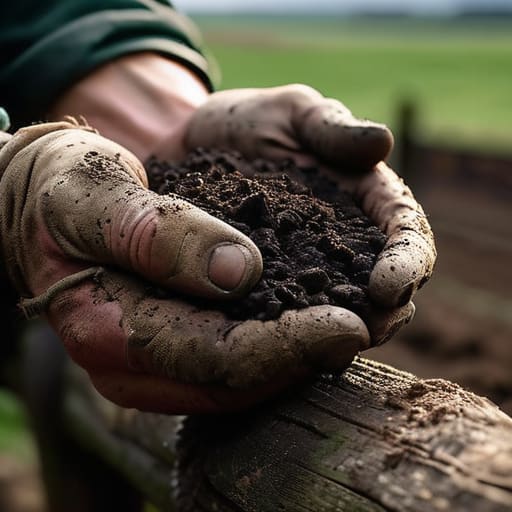
I’m not here to sell you a subscription to a management software or a bag of overpriced additives. What I’m going to give you is a proper, hard-won look at what actually keeps a suckler herd fed through a wet winter without breaking the bank. We’ll talk about the timing of the cut, the importance of the squeeze, and why your silage quality is directly tied to the quality of your ground and your ability to manage the weather. No marketing fluff—just the numbers and the reality of what it takes to turn grass into profit.

Table of Contents

Understanding Complete Guide to Silage

Understanding Complete Guide to Silage fermentation.

Now, if you’re looking for a textbook definition, you can find plenty of those online, but they won’t tell you why your heap smells like a brewery in July. At its simplest, silage is just about managing the anaerobic fermentation process—getting the air out so the good bacteria can do their job instead of the rot. If you leave pockets of oxygen in that pit, you aren’t preserving forage; you’re just growing expensive mould. It’s a biological battle, and if you lose it, you lose the crop.

I’ve spent too many winters looking at a pile of fermented waste to realize that silage quality assessment isn’t something you do once a year in a lab. It’s something you do with your nose and your eyes every time you pull a face of feed. You need to know if you’ve got a consistent, acidic product or if you’ve just made a very expensive, wet mess that’ll drop your cows’ condition before the frost even hits. It all comes down to how well you managed the compaction and the moisture when it was still in the field.

Key Things to Know

Key Things to Know: Silage fermentation.

First things first: don’t get blinded by the shiny brochures. You can buy all the fancy ensiling additives benefits promised on a salesman’s flyer, but if your grass is too wet when it hits the pit, you’re just paying for expensive-smelling waste. It all comes down to the anaerobic fermentation process working correctly. If you don’t get the air out and the compaction right, you aren’t making feed; you’re just growing mould. I’ve seen more money lost to poor pit management than to bad market prices, and that’s a hard pill to swallow when the winter frost hits.

You also need to stop treating every batch of forage like it’s the same. A proper silage quality assessment isn’t just for university researchers; it’s for anyone who wants to know if they’re actually feeding their cows nutrition or just filler. If the nutritional value of silage drops because you were too lazy to check the moisture levels or the pit seal, your margins will vanish before the first spring calf is even born. Focus on the basics: dry matter, compaction, and airtight seals. Everything else is just window dressing.

Practical Tips and Steps

Practical Tips and Steps for successful ensiling.

First, stop looking at the calendar and start looking at the field. You can have the best plan in the world, but if you cut when the grass is too mature, you’re just making expensive hay that won’t ferment right. The goal is to get that anaerobic fermentation process started as quickly as possible. That means getting it chopped, dumped, and packed before the rain has a chance to turn your pit into a swamp. I’ve seen many a young lad spend a fortune on fancy ensiling additives benefits, thinking a bag of powder will fix a poorly managed pit. It won’t. If you haven’t got the weight behind your tractor to compact that grass properly, you’re just inviting mould to the party.

Once it’s in, your job is simple: keep the air out. Silage pit management isn’t about complex science; it’s about discipline. Check your covers every week and don’t leave the face exposed to the elements longer than you absolutely have to. If you want a real silage quality assessment, don’t just look at the colour—smell it. If it stinks like vinegar or rot, you’ve lost your margin.

Common Mistakes to Avoid

The biggest mistake I see—and I’ve certainly made my fair share of them—is thinking that you can fix bad grass with a fancy bag of chemicals. People get seduced by the sales pitch for ensiling additives benefits, convinced that a bit of extra powder will turn mediocre rye-grass into gold. It won’t. If your moisture content is off or your plant is already stressed from a dry spell, those additives are just expensive seasoning on a bad meal. You can’t cheat the biology of the anaerobic fermentation process if you haven’t given it a decent foundation of healthy, uniform forage to work with.

Then there’s the issue of laziness at the pit. I’ve seen too many lads rush the compaction because the weather is turning, thinking they’ll “sort it later.” That’s when you lose the battle. Poor compaction leads to oxygen pockets, and oxygen is the enemy of everything we’re trying to achieve. Once that air gets in, you aren’t preserving feed; you’re just growing mould. If you don’t get your silage pit management right from the first load, you’re essentially watching your profit rot in the dark.

Final Thoughts

At the end of the day, you can read every manual and attend every seminar on modern forage preservation techniques, but the truth is still found in the pit. If you haven’t mastered the basics of compaction and moisture, no amount of fancy science is going to save you. I’ve seen men spend thousands on expensive ensiling additives benefits, thinking they can buy their way out of poor management, only to find they’ve just made a very expensive pile of rot.

Don’t get distracted by the shiny new kit or the latest marketing jargon. Focus on the ground, the weather, and how much you’re actually putting into that pit. A proper silage quality assessment shouldn’t just happen when you’re hungry in February; it should be the standard you live by from the moment the mower starts. If you treat your storage like an afterthought, your bank balance will eventually reflect that. Keep your eyes on the nutritional value of silage and your hands on the controls, and you’ll likely find yourself in a much better position come spring.

Five ways to stop your silage from becoming a hole in your pocket

  • Stop obsessing over the additives and look at your compaction. You can buy the most expensive inoculant on the market, but if you haven’t got that grass packed down tight enough to squeeze the air out, you aren’t making silage—you’re just growing expensive mould.
  • Watch the moisture like a hawk. If your grass is too dry, it won’t ferment properly; if it’s too wet, you’ll end up with a pit full of effluent and wasted nutrients. I’ve seen enough men lose a season’s profit because they were too lazy to check the dry matter before they started cutting.
  • Get the pit covered before you even think about heading back to the yard. Every hour that face is exposed to the rain or the air is money leaking out of your herd’s winter budget. It’s not about being tidy; it’s about keeping the energy in the grass where it belongs.
  • Don’t trust a single piece of kit just because it’s new. I’ve seen lads buy top-of-the-line mowers and then spend three days of prime weather waiting for a spare part to arrive. If you’re going to do this, make sure your maintenance schedule is as disciplined as your breeding records.
  • Check your ground before you commit to a cut. I don’t care how much grass looks good from the gate; if the rainfall has turned your field into a bog, you’ll spend more on diesel and tractor wear-and-tear than the silage is worth. Know your soil, or the soil will know you.

The Bottom Line on Your Winter Feed

Stop chasing fancy additives and focus on the basics; if your pit isn’t compacted properly, you aren’t making silage, you’re just making expensive, fermented waste.

Watch your timing like a hawk, because the difference between a high-quality crop and a mediocre one is often just three days of weather and a bit of common sense.

Treat your silage storage as a bank account, not a dumping ground—every bit of spoilage or poor fermentation is cash leaking directly out of your pocket before the first cow even touches it.

The Bottom Line on Your Winter Feed

At the end of the day, a successful silage season isn’t about having the most expensive tractor or the flashiest additives the salesman tried to push on you last autumn. It comes down to the basics: getting the grass in at the right stage, ensuring your pit is compacted tight enough to squeeze the air out, and making sure your covers aren’t leaking like a sieve. If you ignore the compaction or mess up the timing of the cut, you aren’t just losing nutrients; you are effectively watching your profit margin rot in the pit. Keep your eyes on the ground, watch the weather, and remember that every ton of wasted silage is a direct hit to your cash flow come February.

Farming is a game of margins, and silage is one of the biggest levers you have to control them. There will always be a new piece of kit or a new chemical promised to make life easier, but don’t let the marketing distract you from the fundamental truth of the land. If you manage your grass well and respect the process, the numbers will eventually respect you back. It’s a hard way to make a living, but there is a particular kind of satisfaction in looking at a well-managed clamp in mid-winter and knowing you’ve secured your herd’s future through sound, practical management rather than luck.

Frequently Asked Questions

How do I know if my grass is actually ready for the pit, or am I just cutting it because the weather looks decent for once?

Look, if you’re cutting just because the sun is out, you’ve already lost. You can have a week of glorious weather, but if that grass is too lush and hasn’t hit the right dry matter, you’re just making expensive, fermented mush. I don’t care what the forecast says; I care about the stage of growth. If it’s too young, the moisture will ruin your compaction. Check the stem, check the density, and for heaven’s sake, check your moisture levels. Don’t let a bit of sunshine trick you into wasting a year’s worth of feed.

Is there any point in buying those expensive inoculants if I haven't got the tractor power to get the compaction right?

None whatsoever. You’re just pouring money into a hole. An inoculant is designed to work in a controlled, anaerobic environment, but if you haven’t got the weight or the passes to squeeze the air out, you’ve just got a fancy way of fermenting rot. I’ve seen lads spend a fortune on additives only to pull up a pit full of mouldy, aerated waste. Sort your compaction first; otherwise, you’re just throwing cash into a fermenting pile of wasted grass.

How do I figure out if the cost of making this silage is actually going to be offset by the weight gain in the cattle come February?

You stop looking at the diesel bill and start looking at the scale. You calculate the cost per tonne of your silage—including the tractor hours and the mowers—and then you compare that to the price of a finisher. If that silage doesn’t put an extra 40 or 50 kilos on a steer by February compared to cheap straw or poor grass, you’ve just paid for a very expensive way to keep them standing.

Complete guide to grass measurement infographic.

The Complete Guide to Measuring Grass

I’ve spent enough money on shiny new forage measuring tools to buy a decent second-hand tractor, and most of them are nothing more than expensive ways to lie to yourself. You’ll see plenty of glossy brochures claiming they have the “complete guide to grass measurement” through satellite imagery or complex software, but all that does is add a layer of digital nonsense between you and the actual field. I remember standing in a wet paddock back in ’98, staring at a patch of rye-grass that looked lush but felt hollow, realizing my “calculated” stocking rate was about to leave my ewes starving by October. If you aren’t getting your boots muddy and actually looking at the structure of the sward, you aren’t measuring anything—you’re just playing with numbers.

I’m not here to sell you a subscription or a piece of kit that’ll sit rusting in the shed come November. What I’ll give you is the truth about what actually works when the weather turns and the margins get tight. This is a practical, no-nonsense breakdown of how to track your forage so you can stop guessing and start managing your cash flow. We’ll talk about the real math behind the tonnage, because at the end of the day, if you can’t account for the grass, you can’t account for your profit.

Table of Contents

The Complete Guide to Grass Measurement Stop Feeding Your Margin to the Soi

The Complete Guide to Grass Measurement Stop Feeding Your Margin to the Soi

You can spend all day squinting at a field and telling yourself it looks “lush,” but looking isn’t the same as knowing. If you aren’t actually performing a proper dry matter estimation, you’re essentially playing a high-stakes game of poker with your bank balance. I’ve seen too many lads overstock a field in May because the sward looked deep, only to watch the ground turn into a dust bowl by July, leaving them scrambling for expensive supplementary feed that eats their entire profit margin before the calves are even weaned.

The reality is that effective forage yield estimation isn’t about fancy satellite imagery or some expensive app that promises to do your thinking for you. It’s about getting out there with a quadrat and a bit of common sense. You need to understand your grass biomass calculation based on what’s actually available to the animal, not what you wish was there. If you don’t know your numbers, you aren’t managing a farm; you’re just hosting a very expensive buffet for your livestock.

Why Dry Matter Estimation Matters More Than Your Stock Numbers

Why Dry Matter Estimation Matters More Than Your Stock Numbers

Most young lads I talk to come at the problem from the wrong end. They look at the field, they look at the number of head in the herd, and they think they’ve got a handle on things. They calculate how many mouths they have to feed and assume the grass will simply rise to meet the demand. That’s a dangerous way to run a business. You can have the most impressive stock numbers in the county, but if your dry matter estimation is off, you aren’t farming; you’re just gambling with your feed bill.

The reality is that a field of lush-looking rye grass can be a liar. It might look thick and green, but if the quality is poor or the actual forage yield estimation is wrong, you’re going to find yourself buying in expensive concentrate just to keep the cows from losing condition. I’ve seen many a profitable year evaporate because someone focused on the cattle count instead of the actual grass biomass calculation. It doesn’t matter how many head you have if you don’t know exactly how much energy is sitting in that sward.

Sward Height Monitoring the Difference Between Profit and Empty Fields

Sward Height Monitoring the Difference Between Profit and Empty Fields

You can walk your fields every day and still have no idea what’s actually happening under your boots. I’ve seen plenty of lads rely on “eye-balling” it, thinking they can just judge the lushness of a paddock to decide when to move the cattle. That’s a quick way to find yourself staring at nothing but bare dirt and weeds by mid-July. Real sward height monitoring isn’t about being precious; it’s about knowing exactly when the plant has enough leaf area to recover after a graze without losing its momentum.

If you let the stock graze it down to the roots, you’re not just losing grass; you’re killing your regrowth and inviting soil compaction. On the flip side, if you leave it too long, you’re letting that energy go into seed heads instead of high-quality feed. Using basic grazing management tools, like a simple rising plate or even just a well-used ruler, takes the guesswork out of the equation. It’s the difference between managing a resource and simply watching your potential profit get trampled into the mud.

Mastering Forage Yield Estimation Without Buying Expensive Gadgets

You don’t need a drone or a piece of kit that costs more than a decent heifer to get a handle on what’s actually growing in your fields. Most of the lads I know get lured in by the shiny new grazing management tools that promise a miracle, but half of them end up gathering dust in the shed because they’re too much of a faff to use when it’s raining sideways in November. Real forage yield estimation comes down to a clipboard, a few square meters of ground, and the discipline to actually do the math.

If you want to get serious about your grass biomass calculation, start with the quadrat method. It’s old-fashioned, yes, but it doesn’t require a software subscription. You clip the sward, weigh it, and dry it—or at least estimate the dry matter—to see what you’ve truly got. It’s about understanding the relationship between the height you see and the actual energy available to your livestock. If you aren’t willing to walk the field and get your boots dirty, you aren’t managing your pasture; you’re just hoping for the best.

Smart Grass Biomass Calculation Making Your Pasture Management Techniques W

Once you’ve got your sward height and a decent idea of your coverage, you have to actually do the math, or you’re just playing at farming. A proper grass biomass calculation isn’t about being a mathematician; it’s about knowing if you have enough feed to carry those ewes through the next three weeks without having to go out and buy expensive, low-quality concentrate to make up the difference. If you estimate 2,500kg of dry matter per hectare but you’re actually sitting on 1,800kg, you aren’t just “running short”—you are actively eating into your profit margin before the sun even goes down.

I’ve seen plenty of lads get caught up in high-tech grazing management tools that promise the world, but the most reliable way to stay on top is to keep your calculations grounded in the reality of your specific ground. You have to factor in the moisture. If the ground is sodden, your dry matter estimation is going to shift, and if you don’t adjust your numbers, you’ll end up overstocking a field that simply can’t support the weight. Don’t trust a spreadsheet more than you trust your own eyes and a bit of basic arithmetic.

Five Hard Lessons from the Field: Measuring What Actually Matters

  • Stop looking at the color of the grass and start looking at the density; a lush green field can be nothing but stem and air if you haven’t managed the grazing pressure, and that’s just wasted space where a cow should be eating.
  • Always take your measurements in a ‘W’ pattern across the field, not just where the ground looks easiest to walk on, because if you only sample the good bits, you’re lying to your own bank balance.
  • Check the rainfall before you even think about your estimates; you can have the best measurement in the world, but if the ground is bone dry or sodden, your dry matter math is going to be a work of fiction.
  • Don’t get precious about the timing of your checks—if you only measure when you feel like it, you’re not managing a system, you’re just reacting to a crisis.
  • Keep your notes in a way that actually makes sense when the winter comes; a scrap of paper with “lots of grass” written on it won’t help you figure out why your feed bill was double what you budgeted for in February.

The Bottom Line on Your Grass

Stop looking at your livestock numbers as the primary driver of your season; if you don’t know your dry matter, you’re just guessing how much money you’re losing to the soil.

Forget the fancy gadgets that promise a miracle; a simple sward height check and a bit of honest math will tell you more about your margin than any expensive piece of kit gathering dust in the shed.

Management isn’t about maximizing every blade of grass, it’s about timing the graze so you aren’t paying for expensive concentrates just because you let the field get too low.

The Bottom Line on the Field Edge

At the end of the day, you can have the best genetics in the county and the most expensive machinery in the shed, but if you aren’t measuring your grass, you’re just gambling with your margins. We’ve talked about sward heights, dry matter, and why those fancy gadgets often end up gathering dust; the point is that measurement isn’t about being a scientist, it’s about knowing your limits. If you don’t know what’s under the cows’ feet, you’ll never know if you’re truly feeding them or if you’re just watching your cash flow disappear into the soil one missed grazing rotation at a time.

I didn’t learn this from a textbook or a shiny brochure; I learned it by watching my bank balance drop when I overstocked a field that looked lush but was nothing but water and air. Grass measurement is the difference between a farm that survives the bad years and one that actually thrives through them. Don’t wait for a drought or a price crash to start paying attention to your forage. Get out there, get your boots muddy, and start counting the kilograms before the season decides for you. It’s the only way to ensure that what you grow today is actually what you bank tomorrow.

Frequently Asked Questions

If the rain's been coming down for three days straight, how much can I actually trust a sward height reading to tell me the truth about what's in the field?

If it’s been raining for three days, your sward height reading is lying to you. You aren’t measuring grass; you’re measuring water and heavy, slumped blades. The height will look decent, but that’s just wet weight and lack of structure. Don’t trust a single measurement until the ground has breathed a bit and the stalks have stood back up. If you base your stocking on a sodden reading, you’ll be overgrazing a field that’s actually empty.

At what point does the cost of the time spent measuring the grass actually outweigh the extra margin I'm trying to squeeze out of the herd?

It’s the classic trap: chasing a percentage of margin while losing your sanity. If you’re out there with a quadrat and a clipboard every single day on every single paddock, you’re wasting time that should be spent fixing fences or checking feet. You don’t need a census; you need a trend. Measure when the seasons shift or when the weather turns, not because the calendar says so. If the measurement takes longer than the decision it informs, stop doing it.

I can get a decent estimate on my best leys, but how do I account for the patchy ground and the rush in the corners without spending all day on my feet?

You don’t walk every square inch, and you’d be a fool if you tried. If you’re measuring the best ley, you’re only seeing the dream, not the reality. Take three or four representative samples: one from the good ground, one from the patchy bits, and one from the rushy corner. Average them out. It’s better to have a rough, honest number for the whole field than a perfect number for a patch that doesn’t represent the truth.

Complete guide to grazing management book cover.

The Complete Guide to Grazing Management

I’ve spent half my life reading glossy brochures from seed companies and agronomists who seem to think a “complete guide to grazing management” involves more expensive software and fancy paddock fencing than it actually does. They’ll talk to you about “optimizing biomass” and “nutritional precision,” but they never mention what happens when the rain stops for six weeks or when your soil is too heavy to move a mob without turning the field into a boggy graveyard. Most of that advice is written by people who have never had to balance a ledger while watching their best grass disappear into the hooves of an overstocked herd.

I’m not here to sell you a subscription or a new piece of kit that’ll be rusting in the shed by next November. What I’m going to give you is the truth about what actually works when the margins are thin and the weather is turning. We’re going to talk about grass, feet, and cash flow—the only three things that actually keep a farm solvent. I’ll show you how to read your ground so you aren’t just chasing growth, but actually protecting your profit before the season gets away from you.

Table of Contents

The Hard Truth a Complete Guide to Grazing Management That Actually Works

The Hard Truth a Complete Guide to Grazing Management That Actually Works.

Most people approach grazing like they’re reading a manual, but the land doesn’t care about your spreadsheets. You can have the most expensive fencing in the county, but if you aren’t performing a proper forage availability assessment every single week, you’re just guessing. I’ve seen too many lads walk into a field, see a bit of green, and think they’re set for the month. They aren’t. You have to look at the leaf area and the root depth; if you graze them down to the dirt, you aren’t just losing grass, you’re killing your ability to grow it back when the weather turns.

The real trick isn’t some magic formula; it’s about respecting pasture rest periods. If you don’t give that sward enough time to recover, you’re essentially mining your soil for a quick profit that will bankrupt you by autumn. I’ve moved toward more regenerative agriculture techniques lately, not because I’m a convert to the latest trend, but because I’ve seen what happens when you overstock a wet field. You end up with nothing but poached ground and a massive vet bill. It all comes back to the same thing: if the grass isn’t growing, the money isn’t either.

Stop Guessing Your Forage Availability Assessment and Start Counting Cash

Stop Guessing Your Forage Availability Assessment and Start Counting Cash

Most people walk out to the field, look at a sea of green, and think, “That’ll hold them for a week.” That’s how you end up with a field of bare earth and a bank balance that looks just as hollow. A proper forage availability assessment isn’t about squinting at the horizon; it’s about knowing exactly how many kilograms of dry matter are under your boots before you move the herd. If you aren’t measuring, you aren’t farming; you’re just gambling with your margins.

I’ve seen too many lads chase the latest buzzwords regarding regenerative agriculture techniques without first understanding their own ground. You can talk about soil health all day, but if your livestock carrying capacity is based on a feeling rather than a measurement, you’re going to fail. You need to know the difference between a field that looks lush and a field that actually has the caloric density to sustain a suckler cow through a dry spell. Stop eyeballing the grass and start calculating the cost of every bite they take, or you’ll find yourself buying expensive supplementary feed just to make up for a mistake you could have seen coming three weeks ago.

Why Rotational Grazing Benefits Your Bank Account More Than Your Ego

Why Rotational Grazing Benefits Your Bank Account More Than Your Ego

There’s a certain type of farmer who takes a strange pride in seeing a field looking “clean”—which is usually just code for a field that’s been grazed down to the dirt. They think they’re being efficient, but they’re really just starving their soil. I’ve seen it a hundred times: a man spends his whole life trying to prove he can run more head on a piece of ground than his neighbour, only to realize he’s actually just running a deficit.

True stock density optimization isn’t about how many animals you can cram into a paddock to look busy; it’s about how much energy you can pull out of the grass before you damage the plant. When you get your pasture rest periods right, you aren’t just “doing ecology”—you’re ensuring that the next flush of growth actually has the strength to pay the bills. If you let the cattle linger too long in one spot, they’ll eat the best bits, trample the rest, and leave you with nothing but weeds and a massive hole in your cash flow. It’s not about the ego of the big herd; it’s about the math of the regrowth.

Mastering Stock Density Optimization Without Buying Expensive Unused Kit

You’ll see plenty of lads on the internet telling you that you need a fleet of electric fences, high-tech GPS trackers, and enough polywire to wrap around the county just to achieve decent stock density optimization. They’ll sell you a system that looks grand in a brochure but ends up as a tangled heap of plastic in the corner of the shed by November. The truth is, you don’t need more kit; you need more eyes on the ground. If you’re trying to manage your livestock carrying capacity based on a spreadsheet rather than how the sward actually looks under a cow’s nose, you’re already losing.

It’s about matching the animal to the grass, not the other way around. I’ve learned the hard way that if you push too many head into a paddock because you’re chasing a theoretical number, you’ll end up with nothing but poached ground and a massive vet bill. Proper pasture rest periods aren’t some fancy regenerative agriculture technique designed to make you feel good about yourself; they are the only way to ensure the plant actually has the energy to grow back before the next lot moves in. If the ground is soaked and the grass is struggling, you move them. It’s that simple, and it doesn’t cost a penny in equipment.

Respecting Pasture Rest Periods to Protect Your Livestock Carrying Capacity

The biggest mistake I see is a farmer looking at a lush field and thinking, “I’ve got space for ten more head.” You might have the room, but if those animals are eating the plant down to the crown, you aren’t farming; you’re mining. You’re strip-mining your soil’s future for a quick bit of weight today. Proper pasture rest periods aren’t some luxury for people with too much time on their hands; they are the only thing standing between you and a field full of nothing but bare dirt and weeds come next season.

If you don’t let the grass recover, your livestock carrying capacity will drop faster than the price of beef in a bad year. I’ve seen men try to skip a rotation because the weather turned, only to find they’ve ruined the root systems of their best perennial ryegrass. You can talk all you want about regenerative agriculture techniques, but none of that fancy theory matters if you don’t give the ground the time to actually rebuild its strength. If the plant hasn’t regained its leaf area, the animals stay out. It’s that simple.

Five Things You’ll Learn the Hard Way If You Don't Listen

  • Watch the ground, not just the grass. If you keep pushing stock on ground that’s turning to a poached mess because you’re chasing a few extra kilos of weight, you aren’t farming; you’re just destroying your most valuable asset for a margin that won’t even cover the repair bill.
  • Stop trusting your eyes and start trusting your boots. A field might look lush from the gate, but if you haven’t walked it to see the actual leaf height and the state of the soil underneath, you’re just guessing, and guessing is a very expensive way to run a suckler herd.
  • Don’t buy a fancy new electric fencing system until you’ve mastered the basics of your current setup. I’ve seen more money wasted on high-tech gadgets sitting idle in the shed than I have on actual feed, and most of it could have been avoided by just fixing the lines you already have.
  • Treat your rest periods like a bank deposit. Every day you cut a paddock too early is money you’re withdrawing from next season’s forage; you can’t expect to pull a profit in the autumn if you’ve been bankrupting your soil all spring.
  • Keep your eyes on the feet, not just the belly. If your grazing management is pushing animals into poor-quality forage or muddy corners, you’ll spend your entire profit margin on vet bills and lameness treatments, which is a far quicker way to lose money than any market dip.

The Bottom Line: What to Keep in Your Head When You’re Out in the Field

Stop looking at your grass as just green stuff and start seeing it as your primary cash flow; if you aren’t managing your rest periods to protect the root, you’re essentially burning money you haven’t even earned yet.

Forget the flashy new gadgets and expensive fencing kits that promise a revolution—success in grazing comes down to the unglamorous work of counting your forage, watching your stock density, and knowing exactly how much ground you have to work with.

If you can’t explain how your grazing rotation affects your bottom line, you aren’t managing a farm, you’re just watching your livestock eat your profit.

The Bottom Line

At the end of the day, grazing management isn’t some complex science you need a PhD to master; it’s just about paying attention to what’s actually happening under your boots. You can buy all the fancy fencing and automated waterers you want, but if you aren’t measuring your forage, respecting the rest periods the grass needs, and matching your stock density to the actual ground conditions, you’re just burning money in slow motion. It comes down to the basics: watch the grass, watch the feet, and keep a sharp eye on the cash flow. If you get the rotation right, the livestock will take care of themselves, and more importantly, the bank balance will reflect the work you’ve put into the soil.

I’ve spent forty years making mistakes that cost me more than I’d care to admit, and if there is one thing I’ve learned, it’s that the land doesn’t care about your spreadsheets—it only cares about how you treat it. Don’t try to outsmart the seasons or force a stocking rate that the rainfall won’t support this year. Instead, aim to be a steward of your acres rather than just a manager of them. If you build a system that works with the rhythm of your pastures rather than against them, you won’t just survive the next bad decade of prices; you’ll be in a position to actually enjoy the quiet moments at the gate.

Frequently Asked Questions

How do I figure out if my rest periods are actually long enough when the weather is turning wet and the grass just won't recover?

You stop looking at the calendar and start looking at the leaf. If the weather’s turned wet, your planned twenty-one days might as well be five. If you send them back in and they’re nibbling the regrowth down to the dirt, you’ve gone too soon. You’re not just losing grass; you’re killing the plant’s ability to feed itself. When the rain won’t stop, extend the rest. Better a few light cattle than a ruined pasture.

Is it worth the extra labor to move the stock every few days, or am I just chasing a margin that isn't there?

If you’re looking at the labor as a standalone cost, you’ve already lost the argument. Moving stock every few days isn’t about being a martyr to the gate; it’s about preventing the sheep from eating the regrowth and turning your best grass into a patch of bare earth. You aren’t just chasing a margin; you’re preventing a massive loss in forage value. If the grass isn’t growing, you’re paying for it in expensive concentrates later.

When the grass is thin and the prices are low, how do I decide between pushing the stock harder or bringing in expensive supplementary feed?

You have to look at the ground before you look at the feed bill. If that grass is thin because the soil is exhausted or the rain hasn’t come, pushing the stock harder just means you’re trading your future fertility for a few weeks of mediocre weight gain. I’ve seen men bankrupt themselves trying to “stretch” a bad pasture. If the forage isn’t there, you bring in the feed, but only if the math says the animal’s value outweighs the cost of the bag.

Complete guide to calf rearing book cover.

The Complete Guide to Rearing Calves

You can buy every shiny, color-coded feeding chart and high-tech sensor on the market, but if you think a “complete guide to calf rearing” is going to be found in a glossy brochure from a feed company, you’re already losing money. I’ve seen too many young lads spend a fortune on premium milk replacers and automated drinkers, only to realize they’ve neglected the basic hygiene of the pens or failed to account for the sheer cost of a calf that won’t thrive. Most of the advice out there is written by people who have never had to balance a suckler herd’s books in a wet March; they sell you the kit, but they don’t sell you the reality of the margins.

I’m not here to sell you a subscription or a new piece of plastic that’ll end up rusting in the corner of the shed. What I’m going to give you is the truth about what actually matters: the hygiene that prevents disease, the nutrition that builds bone instead of just gut, and the hard numbers behind every liter you pour. This isn’t a textbook; it’s a map of the mistakes I’ve made so you don’t have to pay for them.

Table of Contents

The Expensive Mistake a Complete Guide to Calf Rearing

The Expensive Mistake a Complete Guide to Calf Rearing

I’ve seen plenty of lads walk into the yard with a brand-new, top-of-the-line calf feeder and a folder full of glossy brochures, thinking they’ve solved the puzzle. They haven’t. You can buy the most expensive milk replacer on the market, but if your colostrum management techniques are a shambles in those first few hours, you’re essentially just subsidising a vet bill for next month. I learned that the hard way back in ’94; we were so focused on the quantity of feed that we ignored the quality of the immunity, and the subsequent losses felt like a punch to the gut.

It isn’t just about what goes into the bucket, either. People talk about nutrition as if it’s a magic wand, but they forget that environment dictates absorption. If your calf housing ventilation is poor and the air is thick with ammonia, it doesn’t matter how much protein you’re shoving down their throats; they’ll be too busy fighting respiratory issues to grow an ounce of muscle. You have to watch the ground, the air, and the animal. If you aren’t managing the dampness and the airflow, you aren’t rearing calves—you’re just managing a slow leak in your bank account.

Liquid Gold or Lost Cash Mastering Colostrum Management Techniques

Liquid Gold or Lost Cash Mastering Colostrum Management Techniques

You can buy all the fancy tech in the world to monitor your herd, but if you miss the window on that first feeding, you might as well be throwing money straight into the slurry pit. I’ve seen too many lads treat colostrum like a suggestion rather than a deadline. It isn’t just about volume; it’s about the quality of those antibodies hitting the gut before the window slams shut. If you aren’t testing your ewe or cow’s milk for immunoglobulin levels, you aren’t managing; you’re just guessing, and guessing is an expensive way to run a farm.

Proper colostrum management techniques are the only thing standing between a profitable year and a massive vet bill for preventing calf scours. Once those gut linings close up, you’ve lost your best chance at building immunity. I’ve learned the hard way that a calf with a weak start will never catch up, no matter how much expensive starter you throw at it later. You have to be disciplined with the timing and the temperature, or you’re simply subsidizing the vet’s new car.

Why Poor Calf Housing Ventilation Kills Your Profit Margins

Why Poor Calf Housing Ventilation Kills Your Profit Margins

I’ve seen plenty of lads spend a fortune on the latest high-spec, insulated calf hutches, only to seal them up tight to keep the warmth in. It’s a classic mistake. You might think you’re being kind, but you’re actually just building a petri dish. When you trap that damp, ammonia-heavy air inside, you aren’t protecting them; you’re inviting the very pathogens that lead to preventing calf scours becoming a losing battle. If the air is stagnant, the moisture from their breath and bedding builds up, and suddenly you’ve got a damp, heavy atmosphere that does nothing for early life calf development.

Proper calf housing ventilation isn’t about making the shed feel like a drafty hallway; it’s about moving the bad air out without stripping the heat. If you can’t smell the bedding, you’re likely doing alright, but if that sharp tang of ammonia hits your nose, your margins are already leaking. You can have the best nutritional program in the county, but if they’re struggling to breathe in a soup of their own waste, they aren’t growing—they’re just surviving. And in this business, surviving is a very expensive way to stay in business.

Stopping the Bleed Preventing Calf Scours Before They Bankrupt You

You can spend a fortune on the best genetics and the most expensive starter pellets, but scours will strip your bank account bare before those calves even see a summer pasture. I’ve seen it happen more times than I care to admit: a clean, well-managed batch of calves suddenly turning into a graveyard of wasted potential because someone thought they could skim on the bedding or ignore a wet patch in the pens. Preventing calf scours isn’t about some miracle medicine you buy in a bottle; it’s about the relentless, boring work of keeping things dry and keeping the muck moving.

If you aren’t looking at the moisture levels in your pens every single morning, you’re already losing. It usually starts with a breakdown in hygiene or a failure in your early life calf development protocols. Once that rot sets in, you aren’t just losing a calf; you’re losing the months of feed, the labor, and the eventual value of that animal. It is a massive, invisible leak in your cash flow. You have to treat cleanliness like it’s part of your daily budget, because in this business, it is.

The Weaning Trap Nutrition and Early Life Calf Development

Most people treat weaning like a single, painful event—a sudden yank of the teat that leaves the calf confused and the farmer relieved. But if you treat it like a cliff edge rather than a slope, you’re asking for trouble. I’ve seen too many lads rush the process because they want that calf out of the pens and onto the grass to save on labor, only to watch the weight curve flatline two weeks later. You can have the best early life calf development plan in the county, but if you don’t transition them onto solid feed properly, you aren’t raising a calf; you’re just raising a very expensive, very hungry mouth that won’t hit its target weight.

The trick isn’t just about what they eat, but how much they’re actually getting into their guts. It’s easy to get caught up in the technicalities of dairy calf nutrition requirements, but at the end of the day, it comes down to whether that rumen is actually working. If they aren’t hitting the concentrate hard enough before you pull the milk, they won’t have the digestive capacity to cope with the change. Don’t let the desire for a clean pen trick you into a nutritional deficit that takes six months to correct.

Five Things They Don't Put in the Sales Catalogues

  • Stop looking at the price per bag of starter and start looking at the conversion. If you’re buying the cheapest pellets on the market just to save a few quid, you’re likely paying for it twice: once at the feed merchant and again when that calf fails to hit its target weight by weaning.
  • Watch the feet, not just the belly. You can have the cleanest pens in the county, but if your ground is constantly sodden because you’ve ignored the drainage in the calf shed, you’re inviting lameness before they’ve even seen a blade of grass. A limp calf is a calf that isn’t eating, and a calf that isn’t eating is a hole in your pocket.
  • Record keeping isn’t just for the subsidy inspectors. If you aren’t tracking exactly which dam produced which calf and how much they’ve cost you in feed from day one, you’re just guessing. You can’t manage what you don’t measure, and in this business, guessing is a luxury we can’t afford.
  • Don’t get seduced by the shiny new tech. I’ve seen plenty of lads buy automated feeding systems that end up as expensive clothes horses because they’re too fiddly to clean or they break the first time a calf decides to headbutt them. Stick to what works, what you can fix yourself, and what actually keeps the calf dry.
  • The weather doesn’t care about your schedule. You can have the best weaning plan written on paper, but if a wet spring hits and your grass isn’t ready, your plan is worth nothing. Always have a contingency for the ground; if the pasture is a bog, you need to know exactly how much extra hard feed you’re prepared to buy to bridge the gap.

The Bottom Line on Calf Rearing

Stop looking at the price of the bag and start looking at the cost of the calf; if you aren’t tracking how much every pound of growth actually costs you in feed and vet bills, you aren’t farming, you’re just gambling.

Colostrum and hygiene aren’t “best practices” to be ticked off a list—they are the difference between a calf that grows into a productive heifer and one that becomes a drain on your cash flow before it’s even weaned.

A clean shed and good air aren’t luxuries; they are the cheapest insurance policy you’ll ever buy, because no amount of expensive medicine will fix a calf that’s been struggling to breathe in a damp corner for a week.

The Bottom Line on the Calf Floor

At the end of the day, calf rearing isn’t about chasing the latest high-tech gadget or a fancy nutritional supplement that promises the world. It’s about the basics we’ve talked about: getting that colostrum in early, keeping the air moving so they aren’t breathing their own filth, and watching the scours like a hawk before they turn into a vet bill that wipes out your margin. If you can manage the grass, the hygiene, and the hygiene, you’ve won half the battle. Most of the money lost in this business isn’t lost to bad luck; it’s lost to neglecting the small, daily details that keep a calf standing on its own four feet.

I’ve spent forty years watching seasons turn, and I can tell you that the most successful farmers aren’t the ones with the most expensive sheds, but the ones with the most disciplined eyes. It’s easy to get caught up in the paperwork and the subsidies, but don’t forget that every calf represents a future asset or a future liability. If you treat them with a bit of common sense and a heavy dose of practical observation, they’ll repay you when they hit the field. Farming is hard enough without making it harder on yourself by ignoring the fundamental economics of a healthy animal.

Frequently Asked Questions

At what point does the cost of supplemental feeding outweigh the actual weight gain you're seeing on the scale?

You’ll know you’ve hit the wall when the cost of that extra bag of concentrate is rising faster than the price per kilo on the weighbridge. I’ve seen lads chase an extra five kilos of frame by throwing expensive pellets at a calf that’s already hit its genetic ceiling. If the math doesn’t show a clear return on the feed conversion, stop. You aren’t growing a beast; you’re just subsidising a hobby.

How much of a difference does the actual ground condition in the calf pens make to the rate of lameness once they're out on pasture?

It makes all the difference. You can buy the best starter pellets in the country, but if those calves are standing in a soup of wet bedding and slurry for six months, you’ve already lost the battle. That constant moisture softens the hoof horn and invites bacteria in. By the time they hit the pasture, they aren’t walking; they’re limping. You’ll spend more on vet bills and lost growth than you ever would have on proper drainage.

When the weather turns and the grass stops growing, how do you decide which calves are worth the extra feed and which ones are just a drain on the cash flow?

You don’t decide with your heart; you decide with a pencil and a look at the ground. If the grass is gone and the silage is thin, you look at the frame and the vigor. I look for the calves that have the structural potential to become my replacement heifers. If a calf is lagging behind and looks like it’ll never catch up, you don’t feed it more to chase a ghost; you sell it and save the cash.

Complete guide to lambing book cover photograph.

The Complete Guide to Lambing

If you pick up one of those glossy, supermarket-shelf manuals promising a “complete guide to lambing” that involves high-tech sensors and colour-coded feeding schedules, do yourself a favour and put it straight in the bin. Most of that advice is written by people who have never had the smell of wet wool and lanolin stuck in their nostrils at four in the morning, nor have they had to balance a ledger after a late frost. They talk about optimising yields like they’re running a factory, but they forget that a lambing season isn’t won on a spreadsheet; it’s won in the mud, watching the way a ewe carries herself and knowing exactly how much grass is actually underfoot.

I’m not here to sell you a new brand of teat dip or a fancy piece of kit that’ll be rusting in the shed by July. What I’m going to give you is the truth about what actually keeps a flock profitable: the hard numbers on mortality rates, the reality of nutritional margins, and the mistakes I made when I was twenty-four that cost me more than a new tractor. This is about managing the cash flow as much as the animals.

Table of Contents

Understanding Complete Guide to Lambing

Understanding Complete Guide to Lambing essentials.

If you’re looking for a textbook definition of what should happen, you’ve come to the wrong place. A real guide to getting through the season isn’t about following a checklist from a brochure; it’s about understanding the variables you can’t control. You can spend all winter obsessing over your breeding percentages, but if you haven’t addressed ewe nutritional requirements in the final weeks of pregnancy, those numbers won’t mean a damn thing when the lambs start hitting the ground. A hungry ewe produces a weak lamb, and a weak lamb is just a walking loss on your balance sheet.

I’ve learned the hard way that success is won or lost in the weeks before the first birth. Proper lambing season preparation isn’t just about checking the fences or cleaning out the sheds—though you’ll need to do that too—it’s about reading the weather and the condition of your flock. You need to know exactly what kind of ground you’re working with and how much moisture is sitting in it, because that dictates everything from how you move them to how they recover. If you aren’t watching the physical condition of the ewe as closely as your bank balance, you’re already behind.

Key Things to Know

Key Things to Know: Lambing Season Preparation

First off, let’s get one thing straight: if you think lambing starts when the first ewe goes into labor, you’ve already lost the money. Real lambing season preparation happens months before, when you’re looking at the quality of the forage and whether your ewes have the reserves to carry a heavy lamb without crashing. I’ve seen too many lads focus on the shiny new feeders and forget that ewe nutritional requirements change the moment they hit that final trimester. If the plane is empty when they go into the shed, you aren’t just losing a lamb; you’re losing the momentum of the whole season.

You also need to stop treating the shed like a storage unit and start treating it like a hospital. Proper lambing shed management isn’t about having the most expensive bedding; it’s about keeping the ground dry and the drafts out. A wet lamb is a dead lamb, and once you start chasing mortality rates in the middle of a cold February night, you’re playing a losing game. Focus on preventing lamb mortality through cleanliness and warmth, rather than trying to fix a problem after the lamb has already gone cold.

Practical Tips and Steps

Lambing season preparation: Practical Tips and Steps.

If you’re waiting until the first ewe is straining to check your gear, you’ve already lost the battle. Real lambing season preparation happens in the weeks before the first lamb hits the floor. I’ve spent too many nights in a cold shed because I didn’t double-check the battery on the torch or realize the disinfectant sprayer was clogged. Get your pens sorted, check the bedding, and make sure your lambing shed management is actually functional rather than just looking tidy on paper. If the ground is waterlogged and the sheds are a mess, you’re just inviting disease to set up shop.

Once things actually start moving, don’t get distracted by the sheer volume of work and forget the basics. I’ve seen many a young farmer focus so much on the new arrivals that they neglect ewe health monitoring. A tired, hungry ewe is a liability. Keep an eye on their condition and ensure their nutritional requirements are being met, especially if you’ve had a dry spring followed by a sudden deluge. It isn’t about fancy tech; it’s about being in the field, watching the feet, and knowing your stock.

Common Mistakes to Avoid

The biggest mistake I see is people treating lambing like a single event rather than a season of preparation. You can’t just show up in February and expect miracles if you haven’t looked at your forage quality in November. Most of the lads I know wait until the ewes are flagging before they address ewe nutritional requirements, and by then, you’re not feeding for growth; you’re just trying to stop them from losing condition. If you haven’t sorted your plane and your bedding well before the first ewe goes down, you’ve already lost the battle on lambing shed management.

Then there is the obsession with fancy tech while the basics are rotting. I’ve seen farmers spend a fortune on the latest pregnancy scanning techniques only to neglect basic ewe health monitoring in the weeks leading up to it. It doesn’t matter how accurate your scan was if the ewe is too weak to carry the lamb to term. And for heaven’s sake, don’t overlook the feet. A dirty, damp shed is the fastest way to turn a profitable season into a lesson in preventing lamb mortality through sheer, expensive luck.

Final Thoughts

At the end of the day, there isn’t a magic pill or a fancy piece of software that’s going to save your margins if you haven’t done the groundwork. You can read every manual under the sun, but if you haven’t mastered the basics of lambing season preparation—getting the ground right, checking the fences, and ensuring the ewes aren’t running on empty—you’re just whistling in the wind. I’ve seen plenty of lads come in with the newest tech, only to lose half a flock because they neglected simple ewe health monitoring when the weather turned.

Don’t get distracted by the shiny new gadgets in the agricultural catalogues. Focus on the fundamentals: the grass in the field, the condition of the flock, and the actual cost of every lamb that doesn’t make it to market. If you keep your eyes on the feet, the feed, and the cash flow, you’ll do better than most. It isn’t about being perfect; it’s about being prepared enough to handle the things that inevitably go wrong. That is the only way to keep the farm in the family for another generation.

Five Things That Actually Matter When the Ewes Start Turning

  • Watch the ground, not just the sheep. You can have the best ewe in the country, but if she’s standing in a boggy corner of a field with poor drainage, she’ll be too weak to kick the lamb out, and you’ll be spending your morning pulling lambs instead of checking the weather.
  • Stop obsessing over the fancy supplements and look at the grass. If your forage quality dropped off a cliff in late winter, no amount of expensive pre-lambing lick is going to fix a nutritional deficit that’s already set in.
  • Lameness is a silent thief. A ewe that’s slightly off her feet because of footrot or bad hoof trimming won’t mobilise enough calcium or energy during lambing, and that’s how you end up with a pile of dead lambs and a very expensive vet bill.
  • Keep your records on the animal, not the kit. I’ve seen plenty of lads buy the latest digital monitoring system only to realise they haven’t even bothered to note which ewes are prone to twins or which ones have a history of dystocia.
  • Cash flow is won in the margins of the small stuff. A single lost lamb might not break you, but a week of poor management that leads to high mortality across the whole flock is what turns a profitable year into a very long, very quiet winter.

The Bottom Line on Lambing

Forget the fancy spreadsheets for a minute; if you aren’t watching the ground condition and the quality of the spring grass, your lambing percentages won’t mean a thing when the bills arrive.

Lameness and hygiene aren’t just welfare issues—they are direct drains on your cash flow that will bite you harder than any sudden drop in market prices.

Don’t buy into the latest “must-have” gadget just because a salesman says it’ll save you time; if it doesn’t solve a specific problem with your ewes or your margins, it’s just more expensive clutter for the shed.

The Bottom Line on Lambing

At the end of the day, a successful lambing season isn’t measured by how many fancy new gadgets you bought or how many glossy brochures you read; it’s measured in the margin between your weaning weights and your input costs. If you’ve kept a sharp eye on the condition of the ewes before they hit the pens, stayed ahead of the lameness issues in the flock, and didn’t let your feed costs spiral out of control while chasing a phantom percentage, then you’ve done the job right. It always comes back to the basics: grass, feet, and cash flow. If you ignore one of those three to chase the fourth, you’ll find yourself staring at a ledger that simply doesn’t add up come autumn.

I know how exhausting it is. I’ve spent more nights than I care to count walking the hills with a torch, feeling every bit of the chill in my bones. But there is a particular kind of satisfaction in seeing a healthy, vigorous lamb take its first steps on good ground, knowing you provided the foundation for it to get there. Farming is a hard, unforgiving business, but when you get the management right, it’s a rewarding way to live. Don’t let the paperwork or the price fluctuations discourage you—just keep your eyes on the animals and your boots on the ground, and trust the process you’ve built.

Frequently Asked Questions

How much of a buffer should I actually be keeping in the bank for those unexpected vet bills and sudden feed price hikes during the spring?

If you’re looking for a fixed percentage, you’re asking the wrong question. You need to look at your overheads for the next six months and then double it. I don’t care what the bank says; I care about the price of concentrate and the cost of a vet coming out at 2:00 AM in a gale. If you haven’t got enough to cover a sudden spike in feed and a dozen emergency calls, you aren’t buffered—you’re just gambling.

When you say "watching the ground," how much does a particularly wet spring change your approach to where you pen the ewes during lambing?

If the ground is a sponge, you move the pens up the hill or onto the drier, more broken ground immediately. You don’t wait for the mud to reach your knees. Wet spring means more foot rot and more lost lambs to chilling. I’ll sacrifice a bit of easy access to the gates if it means keeping the ewes out of the muck. If the ground’s gone, your margins go with it.

At what point does the cost of a new piece of lambing kit stop being an investment and start being a waste of money that'll just sit in the shed?

It stops being an investment the moment you buy it for the “what if” instead of the “what is.” If you’re looking at a fancy new automated teat sprayer or a specialized electronic tagger because the brochure says it saves ten seconds, you’re just buying a paperweight. If that kit doesn’t directly protect your lambing percentage or shave a measurable cost off your labor, it’s just more metal taking up space in the shed.

Complete guide to calving book cover photograph.

The Complete Guide to Calving

If you pick up any of those glossy, supermarket-shelf manuals claiming to be a “complete guide to calving,” you’ll find more talk of high-tech sensors and expensive nutritional supplements than actual common sense. They’ll tell you how to optimize your herd’s genetic potential, but they won’t tell you what to do when a heifer is stuck at three in the morning in a freezing, sodden field while your torch battery is dying. I’ve spent forty years learning that a “complete guide to calving” isn’t found in a brochure; it’s written in the mud on your boots and the tally of what you actually spent versus what you brought in at the mart.

I’m not here to sell you a new brand of teat dip or a piece of kit that’ll be gathering dust in the shed by June. What I’m going to give you is the truth about the margins—the real cost of a calf that arrives weak, the importance of the ground you’re calving on, and how to keep your cash flow from drying up before the grass is even high. I’ve made enough expensive mistakes to ensure that what I’m sharing is the practical, hard-won reality of keeping a suckler herd profitable.

Table of Contents

Understanding Complete Guide to Calving

Understanding Complete Guide to Calving signs.

Now, before you go buying every shiny gadget in the agricultural catalogue, you need to understand that a successful season isn’t about the tech; it’s about the rhythm of the herd. You can’t just show up when a cow is in trouble and expect to fix it. You have to know your animals well enough to spot the subtle signs of approaching labor in cows before the real drama starts. I’ve spent decades watching the way a cow carries herself, the way her udder fills, and that specific restlessness that tells you a calf is coming within the hour. If you’re reacting to a cow in distress rather than anticipating her, you’re already behind the curve.

It also isn’t just about the birth itself; it’s the groundwork you lay in the weeks prior. I’ve seen too many lads focus on the fancy calving pens but forget about calving environment sanitation. If you’re putting a heifer in a muck heap, you’re just inviting a bout of scours that will cost you more in vet bills than the calf is worth. You need to have your calving kit essentials laid out, clean and ready, not hunting for a pair of clean gloves while a cow is struggling. It’s about being prepared for the reality of the dirt, not the theory of the textbook.

Key Things to Know

Key Things to Know: cow labor signs.

First things first: stop looking at your calendar and start looking at the cows. You can plan for a date all you like, but the animal doesn’t care about your spreadsheet. You need to be able to spot the signs of approaching labor in cows from fifty yards away—the restlessness, the way they stand differently, the change in their temperament. If you’re waiting until they’re mid-contraction to start moving toward the shed, you’ve already lost the race.

When you do get into the thick of it, don’t go hunting through a cluttered shed for a clean pair of gloves or a decent calving jack. I’ve seen men lose a calf and half a night’s sleep simply because their calving kit essentials were scattered in three different outbuildings. It’s not about having the most expensive gear; it’s about having the right gear within arm’s reach and knowing how to use it without fumbling in the dark.

And for heaven’s sake, don’t neglect the aftermath. A successful birth is worthless if the calf doesn’t get that first decent hit of milk. The importance of first colostrum feeding cannot be overstated—it is the difference between a hardy calf and one that won’t see the end of the week.

Practical Tips and Steps

Practical Tips and Steps for calving.

First thing you do is stop looking at the spreadsheet and start looking at the cows. You can have all the data in the world, but if you aren’t watching for the signs of approaching labor in cows—the restlessness, the way they start looking at the gate, or that specific hollow look in their eyes—you’re already behind the curve. Don’t wait for the mid-night phone call to realize a heifer is struggling. Get your calving kit essentials laid out in the shed before the first frost hits; I’ve seen too many men wandering around a dark yard looking for a clean pair of gloves while a calf is losing its battle with the clock.

When the actual work begins, keep your head. If you find yourself managing dystocia in cattle, don’t go in there swinging like a madman. It’s easy to panic and do more damage with a pair of tongs than the calf could ever sustain. Once the calf is out, the clock starts ticking on the most important part: the importance of first colostrum feeding. If that calf isn’t getting high-quality, warm colostrum within those first few hours, you might as well be throwing money straight into the muck heap. It’s not just about survival; it’s about the long-term value of the animal.

Common Mistakes to Avoid

The biggest mistake I see is treating calving like a spectator sport rather than a high-stakes management job. People spend a fortune on fancy breeding stock only to skimp on the basics, like calving kit essentials. If you’re running into the shed at three in the morning only to realize you’ve forgotten the lubricant or your torch is dead, you aren’t just being disorganized—you’re losing money. You need your gear laid out and ready before the first cow starts showing the signs of approaching labor.

Another way to bleed cash is by neglecting the environment. I’ve seen lads try to save a few quid by using a shed that hasn’t been properly cleaned, only to watch their heifer replacements go down with something avoidable. Calving environment sanitation isn’t about being tidy; it’s about preventing the kind of infection that turns a profitable season into a write-off. If you don’t get the hygiene right, you’ll spend more on vet bills than you ever saved on the bedding. Stick to the basics, keep it clean, and don’t let pride get in the way of a bit of common sense.

Final Thoughts

At the end of the day, you can read every manual printed and buy every shiny piece of tech on the market, but none of it replaces being present in the yard when the weather turns. A calving season isn’t won in a classroom; it’s won by knowing your cows well enough to spot the subtle signs of approaching labor before they become a crisis. If you’re waiting for the obvious cues, you’re already behind the curve and likely looking at a much longer night than you planned.

Don’t let the paperwork distract you from the basics. Make sure your calving kit essentials are actually in the shed and ready to use, not buried under a pile of old rags and half-empty disinfectant bottles. It’s the small, unglamorous things—the cleanliness of the pen and the speed of your response—that dictate whether you’re turning a profit or just subsidizing the vet’s next holiday. Keep your eyes on the grass, your feet on the ground, and your mind on the margins. Everything else is just noise.

Five Ways to Keep Your Margins from Vanishing in the Calving Shed

  • Watch the ground before you watch the cow. If your calving acres are a boggy mess of poached soil and deep mud, you aren’t just risking a bit of a mess; you’re inviting foot rot and making every single intervention twice as hard and three times as expensive.
  • Stop obsessing over the pedigree and start looking at the condition score. A fancy bull might give you a flashy certificate, but if he doesn’t leave you with a cow that can actually hold her weight through a dry spell, he’s just a very expensive way to lose money.
  • Keep your kit simple and your kit working. I’ve seen lads spend a fortune on the latest electronic monitoring systems only to find themselves staring at a dead battery at 3:00 AM when a heifer is actually in trouble; a good torch, a clean set of teat dip, and a sturdy pair of boots will never let you down.
  • Lameness is a silent thief. People talk about the big diseases, but a cow that’s even slightly unsteady on her feet isn’t eating, isn’t ruminating, and won’t be getting her calf on properly—and that’s money walking right out of your gate.
  • If you aren’t tracking the cost of every failed pregnancy and every vet call, you aren’t farming, you’re just gambling. You need to know exactly what that empty cow in the corner cost you in grass and time, or you’ll never know where your profit went.

The Bottom Line on Calving

Stop looking at the pedigree on the paper and start looking at the grass in the field; if you haven’t accounted for the cost of the forage and the weather, your calving math is just guesswork.

Watch the feet more than the fever; a cow that’s limping or struggling in a muddy pen is a cow that’s costing you money in lost vigor and wasted effort long before any vet arrives.

If a piece of kit doesn’t solve a specific, recurring problem during the rush, don’t buy it; most “essential” calving gear is just expensive clutter waiting to gather dust in the shed by May.

The Bottom Line on Calving

At the end of the day, a successful calving season isn’t about having the fanciest calving pens or the latest digital monitoring app that promises to do your thinking for you. It comes down to the basics: having enough good, dry ground for those cows to stand on, keeping a sharp eye on the marginal costs of every extra intervention, and ensuring your records are more than just guesswork. If you’ve managed your nutrition through the winter and kept your eye on the hygiene in the shed, you’ve already won half the battle. Don’t let a shiny new piece of kit distract you from the fact that calving is a game of margins, and those margins are won or lost in the quiet hours between midnight and dawn.

I know it’s exhausting, and I know there are nights when you wonder why you didn’t just take a desk job in town. But there is a specific kind of satisfaction that comes from seeing a healthy calf standing on its feet after a hard night, knowing you were the one who saw it through. Farming is a heavy lift, and the mistakes will come—I’ve made enough of them to fill a library—but if you keep your focus on the grass, the feet, and the cash flow, you’ll do more than just survive the season. You’ll build something that actually lasts.

Frequently Asked Questions

How do I work out if a heifer is actually worth the extra cost of keeping her on as a replacement versus just selling her and buying a cheaper one?

You don’t look at the price tag on the heifer; you look at the projected margin over the next four years. I sit down with the pen and calculate the cost of the extra feed and the delay in cash flow against the expected carcass weight and longevity of a proven line. If she’s coming from a cow that’s given you three good calves and has the feet to match, she’s worth the premium. If she’s a question mark, sell her and buy a certainty.

At what point does a calf's failure to thrive become a loss I can't afford to chase, and when should I just cut my losses?

Look, I’ve spent many a night staring at a weak calf, hoping for a miracle, only to realize I was just subsidizing a funeral. You have to draw a line. If the calf isn’t hitting its growth targets by day ten, or if you’re spending more on milk replacer and vet calls than the animal is worth at weaning, stop. You aren’t being cruel; you’re being a businessman. Don’t let a dying calf bankrupt a living farm.

What’s the real-world cost of upgrading my calving kit versus just making do with what I’ve already got in the shed?

It’s a question of whether you’re buying a solution or just delaying a crisis. Making do is fine until a heifer is struggling and your “reliable” old calving jack snaps or your thermometer is a decade out of date. That’s when the cost shifts from a few hundred quid for new kit to losing a calf or, worse, a cow. If the kit saves you one lost animal or two hours of frantic, failed intervention, it’s already paid for itself.