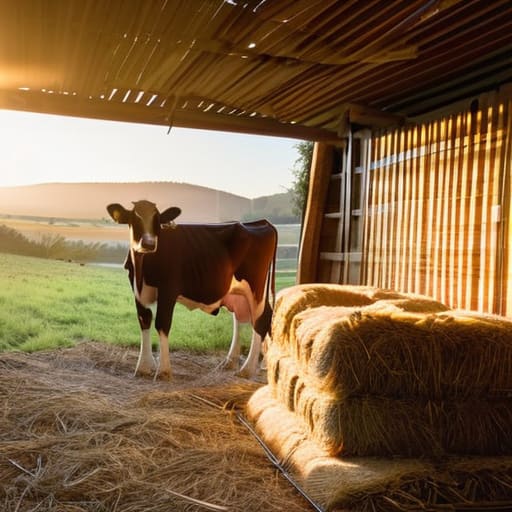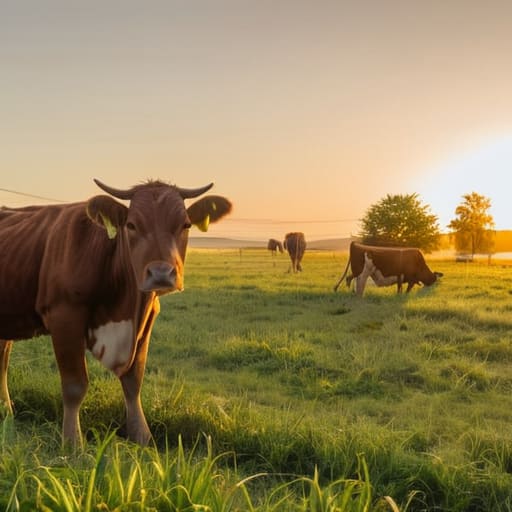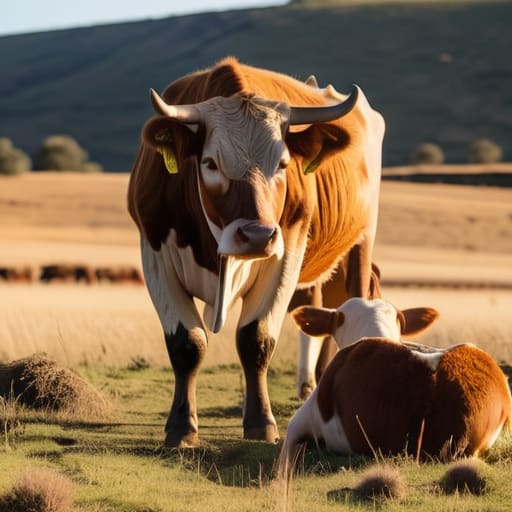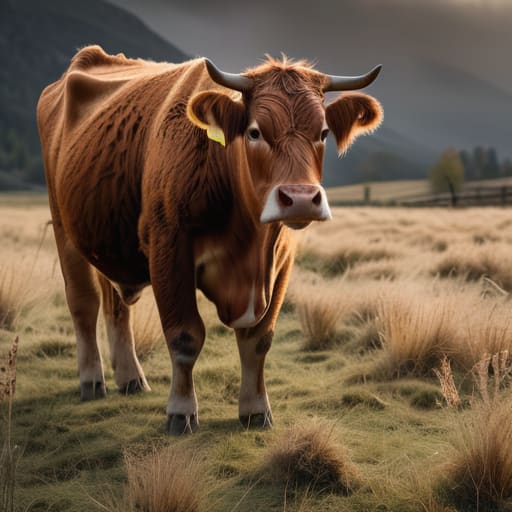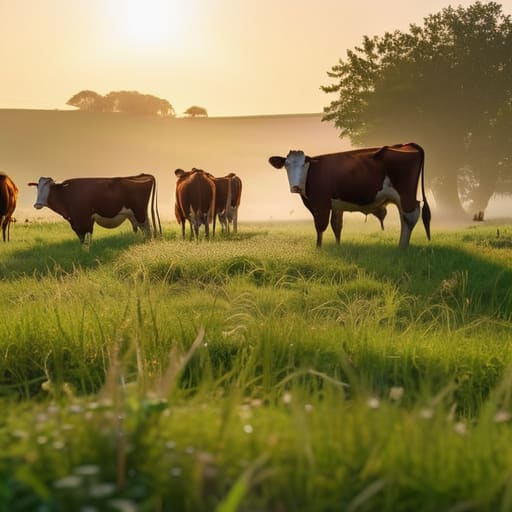
Understanding how body condition scoring works.

Condition Scoring by Hand, Not by Eye

I’ve spent enough time watching salesmen in clean boots try to pitch expensive nutritional software to convince me that “how body condition scoring works” requires a tablet and a subscription. It’s a bloody joke. You don’t need a digital readout to tell you a cow is running on empty; you need to get your hands dirty and actually feel the animal. I remember back in ’94, during a particularly dry spell, I wasted a small fortune on high-spec concentrates because I was looking at the wrong data, rather than just walking the field and feeling the hollows in the flanks of my best breeders. I was looking at spreadsheets when I should have been looking at the ribs.

I’m not here to give you a lecture from a textbook or sell you a piece of kit that’ll end up gathering dust in the shed. What I’m going to do is show you how to use your own two hands to make decisions that actually protect your margins. We’ll talk about the difference between a cow that’s carrying good cover and one that’s just bloated on cheap forage, and more importantly, how that distinction dictates whether you’re making money or just subsidising the vet.

Table of Contents

Stop Guessing at the Feed Bunk How Body Condition Scoring Works

Stop Guessing at the Feed Bunk How Body Condition Scoring Works

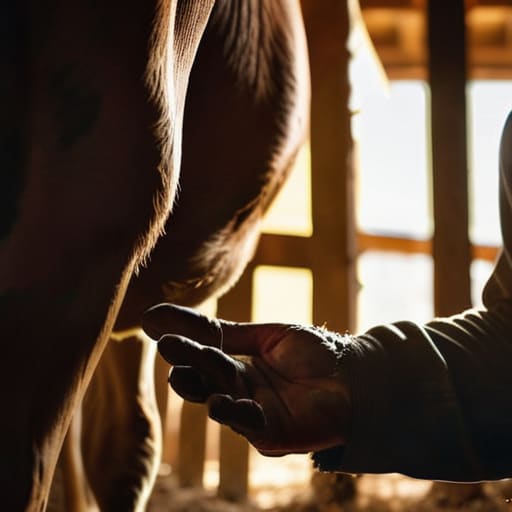
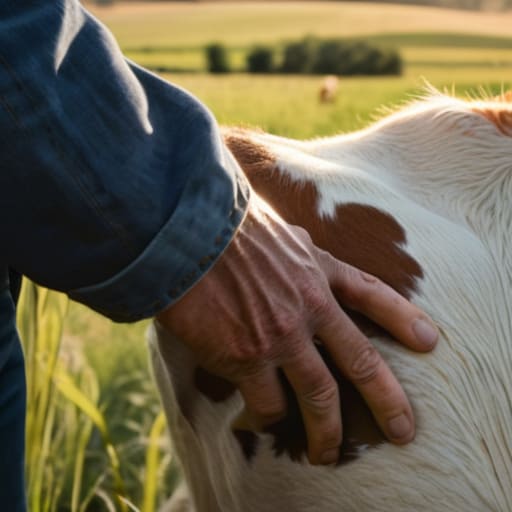
Now, you can stand in the yard and stare at a cow until the sun goes down, but staring isn’t the same as seeing. If you’re just looking at whether she looks “plump” or “thin,” you’re playing a dangerous game with your margins. To do this right, you need a combination of visual and palpation techniques. It’s not enough to just glance at her from the gate; you have to get in close and actually feel the spine, the ribs, and the fat cover over the pelvis. If your hands aren’t doing the work, you’re just guessing, and guessing is a luxury a suckler herd can’t afford.

Most folks use a standard scale, but a number on a page means nothing if you haven’t mastered the animal fat distribution assessment yourself. I’m talking about feeling the transition from muscle to fat around the tail head and the loin. You aren’t just checking if she’s well-fed; you are performing nutritional status monitoring to predict if she’ll actually hold a calf come next season. If you miss the dip in condition now, you’ll pay for it in the calving pen later.

More Than Just a Skinny Cow Animal Fat Distribution Assessment

More Than Just a Skinny Cow Animal Fat Distribution Assessment

If you think a skinny cow is just a skinny cow, you’re missing the point entirely. It isn’t just about the scale reading; it’s about where that energy is actually sitting. A proper animal fat distribution assessment tells you if the animal is actually holding onto its reserves or if it’s just running on fumes. I’ve seen plenty of cattle that look fine from a distance, but once you get in there and start using proper visual and palpation techniques, you realize they’ve got nothing on their ribs and no cover over their pins.

You have to look at the hollows and the bumps, specifically around the tail head and the spine. If she’s all bone and no muscle, she isn’t going to thrive when the weather turns or the grass dies back. This is where the real money is won or lost; the impact of BCS on reproductive success is far more significant than any fancy supplement you can buy in a bag. If she hasn’t got the fat cover to support a pregnancy, you’re essentially paying to keep a cow that won’t produce a calf.

The Hands on Truth Visual and Palpation Techniques That Matter

The Hands on Truth Visual and Palpation Techniques That Matter

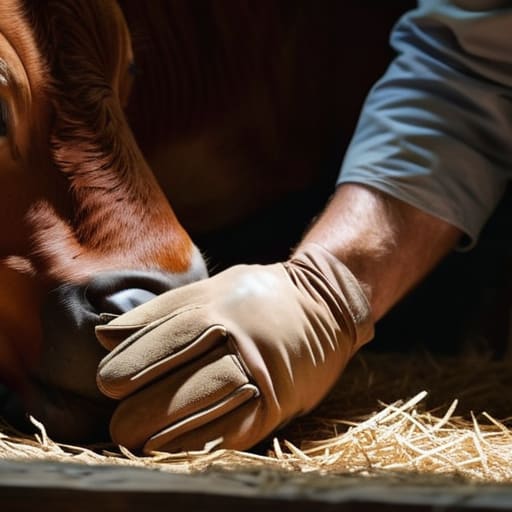
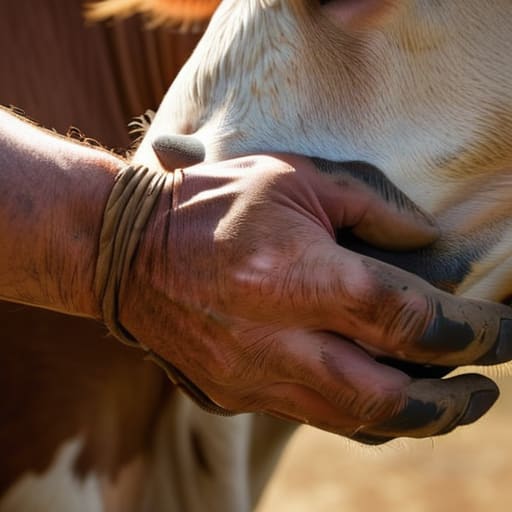
Now, you can stand in the lane and squint at a cow from twenty yards, but that’s just window shopping. If you want the truth, you have to get your hands dirty. Real visual and palpation techniques require you to actually walk up to the animal and feel the architecture underneath the hide. I don’t care how expensive your digital scales are; if you aren’t reaching out to feel the depth of the spine and the thickness of the fat over the ribs, you’re just playing at farming. You’re looking for that specific resistance where the bone meets the flesh—if it feels like a broomstick, she’s failing; if she feels like a keg of ale, you’re wasting money on feed she doesn’t need.

It’s a tactile skill, much like judging the moisture in a soil sample. You’re checking the hooks and pins, feeling for that subtle layer of cover that separates a profitable breeder from a liability. This isn’t about being gentle; it’s about accurate nutritional status monitoring. If you miss the mark here, you aren’t just miscalculating a number on a spreadsheet—you’re missing the early warning signs of a cow that’s about to drop her calf or, worse, fail to conceive entirely.

Where the Money Leaks Impact of Bcs on Reproductive Success

You can have the finest genetics in the county, but if your cows are running on empty, those pedigrees won’t mean a damn thing come calving season. I’ve seen it time and again: a farmer spends a fortune on a bull with a fancy certificate, only to end up with a field of empty cows because he neglected the impact of BCS on reproductive success. A cow that’s too thin won’t cycle, and one that’s too fat is just a walking liability that’ll struggle to get into heat or have a smooth enough calving to keep the calf thriving.

It’s a simple equation of energy, really. If she’s spent the whole winter just trying to maintain her own skin and bone, she’s got nothing left in the tank for a pregnancy. That’s where the real money leaks out—not in the cost of the feed, but in the lost opportunity of a dry cow that should have been producing a calf. When you’re doing your nutritional status monitoring, don’t just look for a healthy animal; look for the margin that allows her to actually perform her one job.

Mastering the Scale Optimal Weight Management for Livestock Profits

You can buy all the high-spec weighing scales in the world, but if you aren’t using that data to drive your decisions, you’re just paying for heavy metal to sit in the yard. Real optimal weight management for livestock isn’t about chasing a number on a digital readout; it’s about knowing whether that number means you’ve got a profitable cow or a walking deficit. I’ve seen lads spend a fortune on precision weighing only to ignore the fact that their ewes are coming into lamb on nothing but bone and prayer.

The trick is to marry the scale with what your hands tell you. A cow might hit the target weight, but if she’s all gut and no cover, she’s going to fail you when the weather turns or the calf comes. You have to look at the trend over time, not just a snapshot on a Tuesday morning. If you aren’t using your nutritional status monitoring to adjust your forage or supplement levels before the animal hits a breaking point, you aren’t managing a herd—you’re just watching it happen.

Five Ways to Stop Losing Money to a Bad Score

  • Don’t trust your eyes alone when the sun is out. A cow can look like she’s carrying well in the bright light of a June afternoon, but you won’t know the truth until you put your hands on her spine and ribs on a damp Tuesday morning. If you aren’t feeling the bone, you’re just looking at a coat of hair.
  • Watch the movement, not just the frame. A cow might hit the right score on paper, but if she’s lagging behind the rest of the herd or walking heavy, she’s likely carrying too much fat and wasting energy that should be going into her calf. You want a cow that moves with purpose, not one that’s lugging around a useless layer of tallow.
  • Consistency is the only thing that stops the guesswork. If you’re scoring your heifers in one field and your dry cows in another, you’ll end up with a mess of data that tells you nothing. Pick a time, pick a place, and use the same hands every single time, or you’ll spend the whole winter chasing shadows.
  • Check the rump, not just the ribs. Everyone gets obsessed with the spine, but the fat cover over the tail head and the hooks tells you the real story of her reserves. If she’s all bone in the rear, she hasn’t got the cushion to get through a hard winter, no matter how much grass you think you’ve got in the field.
  • Score for the season you’re in, not the season you want. A score of 3 might be perfect for a cow in mid-winter when she’s working hard to stay warm, but if she’s hitting a 3 right as calving approaches, you’ve got a problem. You have to be looking six months ahead, or you’ll be paying for it in empty pens come spring.

The Bottom Line on Body Condition

Stop looking at the animal as a whole and start feeling the bones; if you aren’t getting your hands on the ribs and the spine, you aren’t scoring, you’re just daydreaming.

A cow that’s too thin won’t breed and a cow that’s too fat won’t calve well, and either way, you’re watching your margin disappear into the grass.

BCS isn’t an academic exercise to satisfy a vet—it’s your most practical tool for deciding exactly how much money you’re about to spend on feed versus how much you’re likely to get back at the mart.

The Bottom Line on the Scorecard

At the end of the day, body condition scoring isn’t some academic exercise to keep you busy when the rain is coming down; it is a direct window into your bank balance. You’ve seen how a cow that’s too thin won’t cycle, and you’ve felt the weight of a cow that’s too fat, costing you a fortune in unnecessary maintenance and making calving a nightmare. It’s about the constant tension between the grass in the field and the fat on the animal. If you aren’t walking the pens, feeling the ribs and the spine, and making decisions based on what your hands tell you rather than what a spreadsheet says, then you aren’t managing a herd—you’re just watching it happen.

I’ve spent forty years making mistakes that cost me more than a new tractor, and I can tell you that the most expensive mistake is assuming “they look fine from the gate.” Don’t let the novelty of new tech or fancy supplements distract you from the fundamentals of what is actually happening under the skin. Farming is a game of margins, and those margins are won or lost in the details of how you manage your nutrition and your stock. Get out there, get your hands dirty, and trust your eyes and your touch. That is how you build a farm that lasts for the next generation, rather than one that just survives the season.

Frequently Asked Questions

How do I know if I'm being too soft on them when I'm feeling for the ribs, and how do I stop my own bias from messing up the scoring?

The problem is you’re looking for a “feeling” instead of a fact. If you’re hesitating, you’re being too soft. I used to think a bit of extra fat was a safety net, but it’s usually just a slow leak in the bank account. To stop your own bias, stop scoring by eye first. Use your hands. If you can’t feel the spine through the muscle, she’s too thin; if you have to push to find the bone, she’s too heavy. Stick to the landmarks, not your gut.

If I see a cow is running too thin, is it worth the extra cost of bringing in supplementary feed, or am I just throwing good money after bad?

It depends entirely on the ground and how much of the season you’ve got left. If she’s thin because the grass is poor and she’s got a calf to raise, you feed her; otherwise, you’re just subsidising a losing bet. You have to weigh the cost of the concentrate against the cost of a failed pregnancy or a weak calf. If the math doesn’t work on paper, don’t do it in the field.

How much does the weather and the quality of the spring grass actually change my scoring targets from one year to the next?

You can’t set a target in a vacuum. If you’ve had a wet spring and the ground is poaching, that lush-looking grass isn’t doing half the job it should. You’ll find your cows dropping points faster than you can track them. On the flip side, a dry year means you’re chasing quality that isn’t there. I don’t look at the chart first; I look at the sky and the field, then I adjust my expectations.

Learning how stocking rates are calculated.

Working Out What Your Ground Can Actually Carry

I’ve spent half my life listening to consultants in clean wellies tell me that how stocking rates are calculated is all about some complex formula involving soil nitrogen levels and high-tech satellite mapping. They’ll hand you a glossy spreadsheet that looks more like a bank statement than a farm plan, and they’ll charge you a premium for the privilege. But if you ask me, most of those people have never had to look at a field of poached, muddy nothingness in a wet March and wonder where the profit went. You can crunch all the numbers you want on a computer, but if you haven’t looked at the actual ground and how much rain it’s taken this month, those calculations are nothing more than expensive fiction.

I’m not here to sell you a new piece of software or a subscription to a data service. I’m going to tell you how I actually do it—the way that keeps the cattle fed and the cash flow moving when the weather turns sour. We’ll talk about the real math of grass, the mistakes I made when I was too eager to overstock, and why you should trust your eyes more than a spreadsheet.

Table of Contents

Understanding How Stocking Rates Are Calculated

Understanding How Stocking Rates Are Calculated.

Now, most of the glossy brochures will tell you to sit down with a calculator and start plugging in numbers like you’re doing the tax returns. They’ll talk about animal unit equivalents as if a heifer and a yearling are the same thing just because they both stand on four legs. But if you want to know the truth of it, you don’t start with a spreadsheet; you start by looking at the soil. You cannot calculate a rate in a vacuum. If you haven’t done a proper forage availability assessment to see what’s actually coming out of the ground, your math is nothing more than a fairy tale.

I’ve seen men try to squeeze an extra ten head onto a paddock because the ledger looked thin, only to realize they’d ignored the dry matter intake per animal during a dry spell. They weren’t managing livestock; they were just managing a slow-motion bankruptcy. You have to account for the fact that grass isn’t a constant—it’s a moving target. If you don’t balance the hunger of the herd against the actual regrowth of the sward, you aren’t farming; you’re just gambling with your silage.

Key Things to Know

Key Things to Know: forage assessment.

Before you start scribbling numbers on a spreadsheet, you need to look at the ground. Most people approach this by looking at a map and a headcount, but that’s a fool’s errand if you haven’t done a proper forage availability assessment first. You can’t calculate what you don’t have. I’ve seen plenty of lads try to squeeze an extra ten head onto a parcel of land because the “math” says they can, only to find they’ve ignored the fact that the soil is heavy and the rainfall has been relentless. If you don’t account for the actual dry matter intake per animal against what the sward can actually provide, you aren’t farming; you’re just gambling with your margins.

You also have to stop thinking in terms of “head of cattle” as a universal unit. A yearling and a heavy suckler cow are not the same thing when it comes to what they take out of the field. You need to use animal unit equivalents to get a realistic picture of the true load on your pasture. If you treat every animal as a flat number, you’ll find your grazing pressure climbs far faster than your bank balance can handle. Real management is about the gap between what is growing and what is being eaten.

Practical Tips and Steps

Practical Tips and Steps for forage assessment.

Don’t just pull a number out of a hat because a brochure told you that a certain hectare can hold twenty head. You need to start with a proper forage availability assessment before you even think about moving a gate. I spent too many years looking at the map instead of the ground; you have to walk the fields when they’re at their peak and see what’s actually there. If you haven’t accounted for the late summer slump or the way a wet spring turns your best grazing into a bog, your math is nothing more than wishful thinking.

When you’re sitting down with the ledger, stop thinking in head numbers and start thinking in dry matter intake per animal. A heavy suckler cow isn’t the same as a yearling, and treating them as equal on paper is a quick way to bleed cash. You need to factor in those animal unit equivalents to get a real sense of the load you’re putting on the soil. If you ignore the actual energy requirements of your stock, you aren’t farming; you’re just gambling with your grass.

Common Mistakes to Avoid

The biggest blunder I see is people treating a field like a static number on a spreadsheet. They look at the acreage, look at the head of cattle, and think they’re sorted. But a field in a wet May is not the same as a field in a dry August. If you don’t perform a proper forage availability assessment before you turn the herd out, you aren’t farming; you’re just gambling with your soil structure. I’ve seen too many lads try to squeeze an extra five head into a paddock because the “maths” said they could, only to watch the grass disappear and the animals start poaching the ground into a mud bath.

Another trap is ignoring the reality of different sizes and needs. You can’t just count heads; you have to account for animal unit equivalents if you want to keep your margins from bleeding out. A hungry heifer and a heavy-set cow are two different economic problems. If you ignore the actual dry matter intake per animal, you’ll find yourself chasing your tail with expensive supplementary feed just to keep them standing. Don’t let a tidy ledger hide a starving herd.

Final Thoughts

At the end of the day, a spreadsheet is just a collection of guesses until you actually walk the field. You can sit in the kitchen and run every animal unit equivalent through your calculator until the numbers look pretty, but if you haven’t accounted for the fact that the south field stays boggy until mid-May, those numbers are worthless. I’ve seen too many men try to force a mathematical ideal onto ground that simply won’t carry it. You aren’t just managing animals; you are managing the relationship between the soil and the stomach.

Don’t let the fancy jargon from the consultants get in your head. Whether you call it a forage availability assessment or just “looking at the grass,” the principle remains the same: know what you have before you decide what you can take. If you find yourself constantly chasing after more feed or watching your soil turn to dust, you haven’t failed at farming—you’ve just failed to respect your limits. Keep your eyes on the ground and your hands on the cash flow, and the rest usually settles itself.

Five things the spreadsheets won't tell you about your numbers

  • Stop looking at the map and start looking at the soil; a hectare of heavy, wet clay in the bottom field won’t carry half of what your well-drained slope does, no matter what the textbook says.
  • Factor in the rainfall before you count the heads, because a theoretical stocking rate is useless the moment you have a wet June that turns your best pasture into a bog.
  • Build a buffer for the “bad years” instead of planning for the best ones; if your math only works when the weather is perfect and the grass is waist-high, you aren’t farming, you’re gambling.
  • Calculate for the animal, not the acre; a heavy suckler cow needs significantly more than a light ewe, and trying to average them out into one neat number is a quick way to run out of grass by August.
  • Watch your margins on the “hidden” costs of overstocking, because the money you think you’re making by squeezing in an extra few head usually disappears straight into vet bills for lameness and parasite loads.

The Bottom Line

Forget the textbook formulas for a moment and look at your soil; if you haven’t accounted for the actual rainfall and the quality of the ground, your stocking rate is nothing more than a guess that will cost you come autumn.

Stop chasing the high numbers that make the farm look busy, because overstocking is just a fast way to trade your long-term grass reserves for a short-term sense of productivity.

Always run the math through the lens of cash flow, because a field full of hungry animals on ground that can’t support them is just a massive, unpaid debt waiting to happen.

The Bottom Line on Numbers

At the end of the day, calculating your stocking rate isn’t some academic exercise to impress a consultant; it is about making sure you aren’t starving your future to feed your ego today. You’ve looked at the grass, you’ve accounted for the rainfall, and you’ve factored in the cost of the feed you’ll inevitably have to buy if the weather turns. Remember that a number on a spreadsheet is just a guess until it meets the actual ground in your specific parish. If you ignore the relationship between your forage availability and your herd size, you aren’t farming; you’re just gambling with your cash flow and hoping the clouds break in time.

I’ve seen plenty of men go bust trying to chase a theoretical maximum that the land simply couldn’t support in a dry July. Don’t be one of them. True success in this business isn’t about how many head you can cram into a hectare, but about how many of those animals actually reach the mart with a profit attached to them. Keep your eyes on the grass, your boots on the ground, and your math honest. If you respect the limits of your land, the land will eventually respect your bank balance.

Frequently Asked Questions

If the rainfall is as poor as we're expecting this season, how much should I actually scale back my numbers before the ground starts turning to dust?

You don’t scale back based on a weather forecast; you scale back when the grass stops growing and the soil stops holding moisture. If the ground is turning to dust, you’ve already gone too far. Watch your dry matter intake and your weight gains. If the cows aren’t maintaining condition on what’s left, you need to move them or sell them now. Don’t wait until you’re feeding expensive concentrate just to keep them standing.

When I'm looking at the math, how do I account for the difference between my best permanent pasture and that run of marginal ground that only yields anything in a wet year?

You don’t average them out. If you try to find a middle ground between your best field and that wet, boggy run on the hill, you’ll end up overstocking the bad ground and starving the good. You treat them as two different economies. Calculate your capacity for the permanent pasture based on a decent year, then treat that marginal ground as a seasonal bonus—or a place to put the hardiest ewes when the grass is actually growing.

How much of a buffer should I be building into my calculations to make sure I'm not one bad month of feed prices away from a cash flow crisis?

If you’re calculating based on a perfect summer and steady grain prices, you’ve already lost. I never run a margin without a 15% buffer, but that’s just the floor. You need to look at your worst year on record—the one where the rain wouldn’t stop and the hay crops failed—and build your cash flow around that. If your math only works when the weather’s behaving and the markets are up, you aren’t farming; you’re gambling.

How to choose a breed for your ground.

The Breed Should Suit the Hill, Not the Show Ring

I spent a good portion of my thirties listening to salesmen in clean wellies tell me that a specific pedigree line would “revolutionize” my margins, provided I just ignored the fact that my hills are nothing but wet peat and gorse. They’ll show you glossy brochures of animals that look like they belong in a show ring, but they never mention what happens when those same animals are standing knee-deep in a sodden field in mid-November. If you’re looking at a breed catalogue and thinking about carcass weight before you’ve even checked your annual rainfall figures, you’re heading for a very expensive mistake. Learning how to choose a breed for your ground isn’t about chasing the latest genetic trend; it’s about knowing whether that animal can actually survive the reality of your postcode without costing you your shirt.

I’m not here to sell you a dream or a fancy new bloodline. What I can do is tell you what I’ve learned from forty years of watching animals thrive and watching others fail miserably because they were a mismatch for the soil. I’ll be looking at this through the only lens that matters: the intersection of your grass quality, your drainage, and your bank balance.

Table of Contents

Stop Buying Pretty Cows How to Choose a Breed for Your Ground

Stop Buying Pretty Cows How to Choose a Breed for Your Ground

I’ve seen too many young lads walk into a livestock sale with a glossy brochure in one hand and a bank loan in the other, convinced that a certain pedigree is going to transform their business. They see a sleek, high-growth animal and think they’ve found the holy grail. But if you’re putting a high-input, “showy” breed onto heavy, wet clay without a massive budget for supplementary feeding, you aren’t farming; you’re just subsidising a walking money pit. You have to look past the coat and the conformation and start thinking about soil type compatibility. If that animal can’t forage efficiently on the specific grass your soil produces, it’s a liability from day one.

It comes down to what I call the “survival math.” You need to prioritize resilient breed characteristics over anything that looks good in a ring. I don’t care how much a heifer might weigh at weaning if she spends her entire life lying down because her feet can’t handle your specific terrain. A cow that thrives on your local forage and handles your seasonal weather shifts without needing a vet every Tuesday is worth twice what a “fancy” breed is worth when the prices drop.

The Hidden Cost of Ignoring Soil Type Compatibility

The Hidden Cost of Ignoring Soil Type Compatibility

You can buy the most expensive, high-performance genetics on the market, but if they’re standing on heavy, waterlogged clay, you aren’t running a farm—you’re running a money pit. I’ve seen it time and again: a lad buys a flashy, high-output line because the catalogue says they’ll produce more kilos of beef, only to find they lack the basic resilient breed characteristics needed to cope with a wet winter. When the ground turns to soup, those fancy animals don’t just stand there; they sink, they get scald, and they start looking for a way to lose weight faster than you can replace it.

It’s a mistake of soil type compatibility that most people don’t realize they’ve made until the vet bill arrives. A breed that thrives on light, well-drained limestone won’t cut it if your hills are nothing but peat and heavy silt. You have to look at the drainage, not the pedigree. If the animal can’t manage the specific conditions of your acres without constant intervention, you aren’t investing in genetics; you’re just subsidizing a mistake.

Why Regional Climate Adaptation Matters More Than Pedigree Papers

Why Regional Climate Adaptation Matters More Than Pedigree Papers

I’ve seen enough men walk into a livestock auction with a folder full of pedigree certificates and a head full of dreams to know where they’re headed. They see a bull with a lineage that goes back to the turn of the century and think they’ve found gold. But a piece of paper doesn’t tell you how that animal will behave when the mist sits in the valley for three weeks straight or when the summer heat turns your best pasture into dust. You can buy the finest genetics in the country, but if you haven’t accounted for regional climate adaptation, you aren’t investing in livestock; you’re just subsidizing a slow leak in your bank account.

A cow that thrives in a dry, lowland valley is going to struggle—and lose weight—on a wind-swept hill in a wet year. It’s about resilient breed characteristics that actually match the reality of your weather, not the prestige of the registry. If the animal spends more energy trying to stay warm or dry than it does converting grass into muscle, you’ve already lost the game. Don’t let a fancy name blind you to the fact that the weather doesn’t care about a pedigree.

Matching Resilient Breed Characteristics to Your Local Ecosystem

You can read all the fancy breeding manuals you like, but they won’t tell you how a heifer will behave when the March rains turn your bottom field into a peat bog. When I’m looking at resilient breed characteristics, I’m not looking at the shape of the head or the curve of the horn; I’m looking at the feet and the temperament. If you’re running a breed that’s been pampered on high-protein silage and flat, well-drained acreage, you’re going to have a very expensive time when the weather turns. You need animals that can find their own way through a bit of scrub and won’t lose a toe the moment the ground gets soft.

True local ecosystem matching is about more than just survival; it’s about whether the animal can actually turn your specific grass into profit without needing a constant vet bill. I’ve seen lads bring in high-input breeds thinking they’ll squeeze every ounce of meat out of the land, only to find they spend more on supplements and foot baths than they ever make at the mart. If the animal doesn’t fit the rhythm of your seasons, it isn’t an asset—it’s a liability.

Hardiness Zone Selection Avoiding the Most Expensive Mistakes

I’ve seen it happen more times than I care to count: a young man gets a bit too much credit for a fancy new bull, brings in a line of cattle that looks grand on a glossy catalogue, and spends the next three years fighting a losing battle against the weather. He’s focused on the weaning weight, but he hasn’t looked at the thermometer or the wind chill in a decade. Proper hardiness zone selection isn’t about reading a chart in a textbook; it’s about knowing whether your stock can stand a week of sleet in a north-facing field without losing half their condition.

If you ignore regional climate adaptation, you aren’t just farming livestock; you’re subsidizing the vet and the feed merchant. I don’t care how much profit a certain breed promises on paper if they need a heated shed just to survive January. You have to look at the reality of your hills and your valleys. If the breed can’t thrive in the damp or stand the wind, you’re essentially buying a very expensive way to lose money every single season.

Five Ways to Avoid Buying a Very Expensive Mistake

  • Forget the show ring and look at the grass. If you’re running heavy-set continental beef cattle on thin, upland soil that barely holds a bit of rye, you aren’t farming; you’re just subsidising their weight gain with your own bank balance.
  • Check the feet before you check the fleece. I don’t care how high the wool price is if that breed can’t stand in a wet, heavy clay paddock for three weeks without looking like it’s walking on eggshells. A lame animal is a hole in your pocket that never quite plugs.
  • Don’t trust a brochure’s “ideal conditions.” Every salesman says his breed thrives in “temperate climates,” but they never mention what happens when the wind comes sideways off the hills in February or when the summer turns your grazing into dust.
  • Watch your margins, not just your carcass weight. A breed that puts on meat like a machine sounds grand until you realize it requires expensive concentrates just to keep its head up. If it can’t finish itself on what you actually grow, it’s a luxury you can’t afford.
  • Buy for your worst year, not your best. It’s easy to make a breed look profitable when the rain is even and the grass is lush, but you need to know if those genetics will hold their condition when the weather turns sour and the forage runs low.

The Bottom Line: Three Things to Remember Before You Buy

Forget the prize ribbons; if a breed can’t handle your specific soil and your local rainfall without needing a vet or a bag of expensive feed every second week, you aren’t farming, you’re just subsidising a hobby.

Your grass is your only real bank account, so pick a breed that actually knows how to turn it into meat rather than one that just looks good standing in a clean, well-managed show ring.

Always check the feet and the temperament before you check the pedigree; a fancy animal that won’t walk on your ground or stays in the corner of the field is nothing more than a very expensive way to lose money.

The Bottom Line

At the end of the day, you aren’t just buying animals; you are buying a long-term commitment to your specific patch of earth. If you ignore the soil type, the rainfall, and the way your grass actually grows in February, you are essentially inviting a slow leak into your bank account. You can chase the highest-selling pedigree or the trendiest breed in the next agricultural magazine, but if that animal can’t find its own way through a wet autumn or thrive on your local forage, you’ll be paying for them through vet bills and wasted feed every single month. Stick to the basics: match the genetics to the ground, and ensure the feet and the temperament are up to the task of your specific landscape.

I’ve spent forty years watching people try to outsmart nature with expensive imports and fancy breeding programs, only to see them fold when the weather turns sour. Farming isn’t about winning a show ring; it’s about building a system that survives the bad years so you can actually enjoy the good ones. Don’t be afraid to choose the “boring” breed that works, because reliability is the most profitable asset you will ever own. Look at your fields, listen to what the ground is telling you, and trust your own eyes more than a salesman’s brochure.

Frequently Asked Questions

If I’ve already invested in a specific breed that isn't performing well on my soil, is it better to try and fix the ground or just cull the herd and start over?

You’re asking if you should fix the ground or the herd. You can’t fix the ground by tomorrow, and you can’t fix a cow’s genetics by next season. If the soil is fundamentally wrong for the animal, you’re just subsidising their survival. Don’t pour money into lime and drainage hoping to force a misfit to thrive. Cull the underperformers slowly, reinvest that cash into a breed that actually likes your rain, and fix the ground in the meantime.

How much weight should I actually give to a breed's nutritional requirements versus the actual nutrient density of my grass?

You’re asking the right question, though you’ve got the order slightly wrong. The breed’s requirements are just a theoretical number on a page; your grass is the reality. I’ve seen men go bust trying to feed “high-performance” genetics on marginal hill ground because they thought they could out-supplement a poor diet. Don’t chase a nutritional requirement you can’t meet. Match the animal to the nutrient density you actually have, not the one you wish you had.

When looking at a breed's profile, how can I tell if their "hardiness" is genuine or just marketing fluff designed to sell more semen?

Look past the glossy brochures and the “extraordinary constitution” claims. If they won’t tell you exactly what kind of forage they’re bred to thrive on, or how they handle a wet, heavy clay, they’re selling you a dream, not a beast. Ask for the data on weaning weights in marginal conditions, not just show ring stats. If the “hardiness” doesn’t translate to survival on your specific grass during a bad year, it’s just expensive marketing.