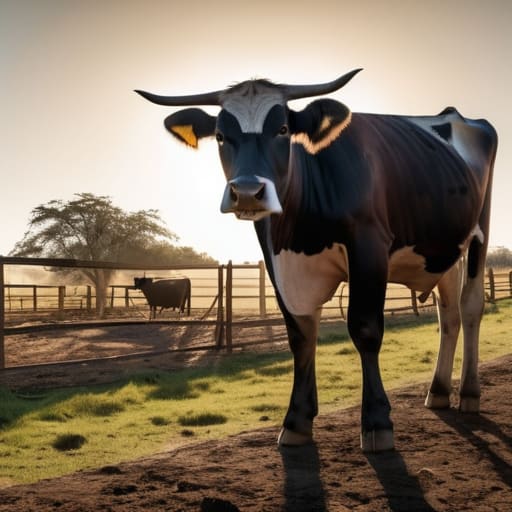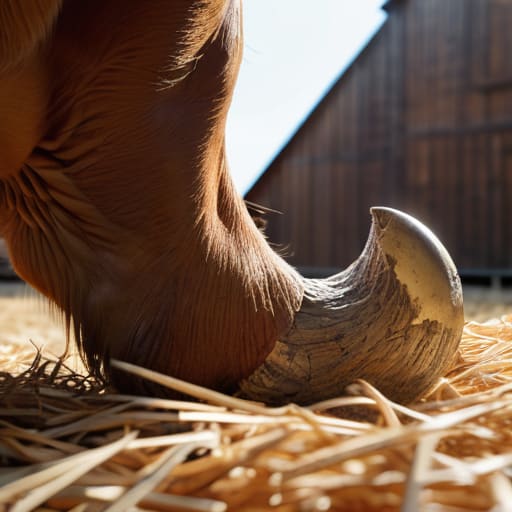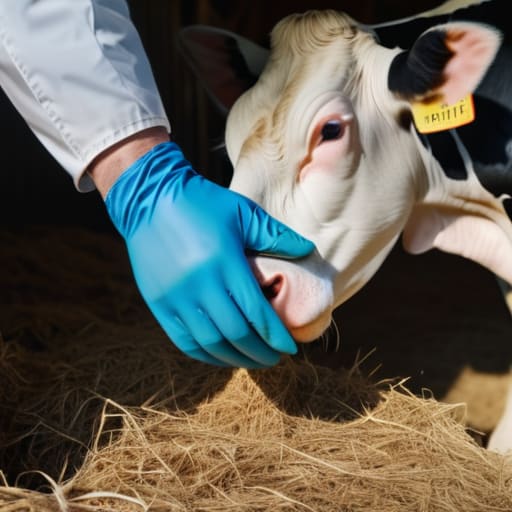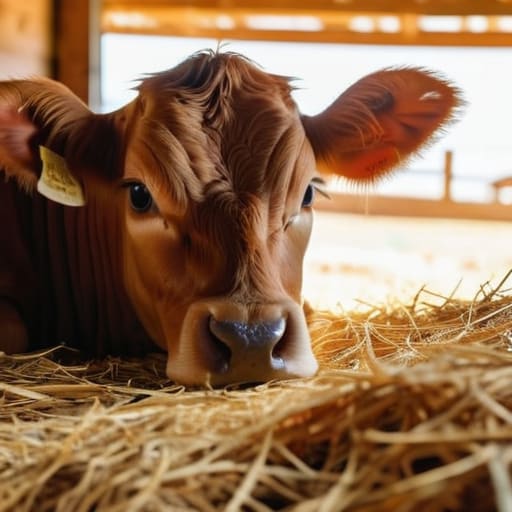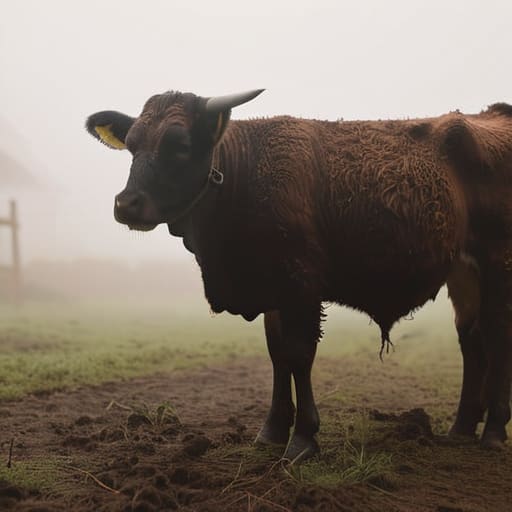
How to manage animal welfare standards accurately.

Welfare Assessed Honestly, Not Aspirationally

I’ve spent half my life listening to consultants in polished boots explain how to manage animal welfare standards using glossy brochures and spreadsheets that have never seen a muddy field. They’ll talk to you about “compliance metrics” and “holistic wellbeing frameworks” as if you can manage a herd by staring at a computer screen in a heated office. It’s all a load of nonsense designed to sell you a subscription. In my experience, if you’re looking for welfare in a digital dashboard instead of looking at the condition of the grass or the way a cow holds her head, you’ve already lost the battle.

I’m not here to give you a lecture on theory or help you tick boxes for a government inspector. What I’m going to do is tell you what actually matters when the rain is coming down sideways and the margins are thin. We’re going to talk about the real drivers of stock health—the things that actually protect your cash flow—and why the most expensive piece of technology in your shed won’t save you if you don’t understand the basics of what a healthy animal looks like in the flesh.

Table of Contents

Welfare Isnt a Luxury How to Manage Animal Welfare Standards Profitably

Welfare Isnt a Luxury How to Manage Animal Welfare Standards Profitably

The trouble with most modern advice is that it treats welfare like a moral luxury—something you do when the bank account is full and the weather is kind. That’s nonsense. In my experience, welfare is just a different way of looking at your margins. If you aren’t improving animal living conditions by keeping the muck down and the shelter adequate, you aren’t being “kind”; you’re just inviting disease and vet bills that will eat your profit before the calf is even weaned.

You don’t need a fancy consultant to tell you what’s wrong. Forget those high-tech animal behavior assessment tools that cost more than a good heifer; they’re usually just more kit destined to rust in the shed. Instead, focus on the basics of livestock welfare monitoring that actually matter: are the sheep moving well, is the feed actually reaching the ones in the back, and is the water clean? If you treat welfare as a set of rigid, expensive compliance frameworks, you’ll go bust. Treat it as a way to protect your assets, and the cash flow will follow.

Stop Guessing and Start Observing With Animal Behavior Assessment Tools

Stop Guessing and Start Observing With Animal Behavior Assessment Tools

You’ll see plenty of consultants peddling fancy software that promises to track every breath a heifer takes, but most of those animal behavior assessment tools are just expensive ways to digitize what you should already know by looking at the gate. I’ve seen lads spend a fortune on sensors only to miss the fact that their best ewes were huddling in a corner because the wind was cutting straight through a gap in the stone wall. Real monitoring isn’t about a dashboard on your phone; it’s about knowing the difference between a cow that’s resting because she’s content and one that’s resting because she’s lame or losing condition.

If you want to get serious about improving animal living conditions, stop looking at the screen and start looking at the herd’s rhythm. I use a simple version of animal welfare audit protocols myself—nothing more than a notebook and a keen eye for how the stock moves from the field to the crush. If the movement is sluggish or the social hierarchy in the pen looks like a street fight, you’ve got a problem with your setup. Watch the way they eat and the way they stand; that’ll tell you more about your margins than any expensive piece of kit ever will.

The Hidden Cost of Neglecting Livestock Welfare Monitoring in Your Yard

The Hidden Cost of Neglecting Livestock Welfare Monitoring in Your Yard.

Most people think the cost of welfare is the price of a new handling system or a better batch of mineral lick. They’re looking at the wrong ledger. The real cost is the slow bleed of profit that happens when you stop looking. You see it in the heifer that doesn’t hit her target weight because she’s fighting a subclinical issue you didn’t catch, or the ewe that drops a lamb early because the ground was too poached and the shelter was lacking. By the time you notice the problem, the money has already walked out of the gate.

I’ve seen plenty of lads try to run a farm on spreadsheets alone, thinking they’re implementing welfare best practices just because they’ve ticked a box on a government form. But a clipboard won’t tell you that a specific corner of the field stays too wet in March, or that your weaning process is stressing the calves more than it should. True livestock welfare monitoring isn’t about passing an inspection; it’s about catching the small, expensive failures before they turn into a catastrophic loss of stock.

Moving Beyond Paperwork With Real Animal Welfare Audit Protocols

I’ve spent enough time staring at spreadsheets to know that a clipboard won’t fix a broken fence or a hungry heifer. You can fill out every form in the book, but if your animal welfare audit protocols are just a way to tick boxes for a consultant before they drive away, you’re wasting your time and your ink. Real auditing isn’t about whether you’ve signed the paper; it’s about whether you’ve actually walked the perimeter of the paddock and noticed the drainage is turning the bottom field into a bog.

When you’re implementing welfare best practices, you have to stop treating the audit like a school exam and start treating it like a diagnostic tool for your bank account. A proper walk-through should tell you more about your margins than a quarterly report ever will. If the protocol doesn’t force you to look at the condition of the hocks or the way the ewes are grouping in the wind, then it isn’t an audit—it’s just expensive paperwork that does nothing to stop your profit from leaking out through the ground.

Implementing Welfare Best Practices to Protect Your Bottom Line

You can buy all the fancy software in the world, but if you aren’t actually walking the fields, you’re just playing at being a farmer. Implementing welfare best practices isn’t about ticking a box to satisfy a consultant; it’s about the simple, daily discipline of checking that the basics are right. If your fences are broken or your water troughs are fouled, you aren’t just failing an audit—you’re bleeding money through poor weight gain and unnecessary vet bills. I’ve learned the hard way that the most expensive animal is the one you didn’t notice was struggling until it was already being loaded onto the truck.

Don’t get bogged down in complex welfare compliance frameworks that require a degree to understand. Instead, focus on what you can actually see and measure. Use your livestock welfare monitoring to track things that matter: how they move, how they eat, and how they interact. If you’re improving animal living conditions, do it because it makes sense for the stock and the soil, not because a brochure told you to. At the end of the day, good husbandry and a healthy bank balance usually go hand in hand.

Five things that actually matter when the gate is open

  • Watch the feet, not the certificates. You can have a folder full of welfare audits that would make a bureaucrat weep, but if your cattle are walking with a hitch or your ewes are thinning out on the hill, your “standards” are a fantasy. Lameness is a silent thief; it eats your profit margin before you’ve even noticed the animal is struggling.
  • Stop buying kit for problems you don’t have. I’ve seen too many lads take out a loan for a fancy new automated feeder or a high-tech monitoring system, only to have it gather dust because it doesn’t suit the way their ground actually drains. If the kit doesn’t work when the ground is sodden in November, it’s just expensive scrap metal.
  • Get your eyes on the grass before you look at the herd. You can’t talk to me about animal health without telling me what the rainfall has been like and what state the sward is in. A cow struggling to meet her requirements because the nutrition is poor isn’t a “welfare issue” to be solved with a lecture—it’s a management failure in the field.
  • Learn the difference between a “good” year and a “profitable” year. You’ll have seasons where the animals look magnificent and the welfare scores are through the roof, but the cash flow is bleeding out because your input costs outpaced the market. Real welfare management means knowing exactly what that suckler cow costs you to keep for 365 days, including the mistakes.
  • Trust your gut, then check the numbers. There’s a certain feeling you get when you walk through a pen and something is just… off. Don’t ignore that instinct in favour of a spreadsheet. If your gut says the stock is stressed, go find out why—whether it’s the handling facilities, the shade, or the way you’re moving them—and fix it before it shows up in your bank balance.

The bottom line on welfare

Stop treating welfare like a moral extra or a box to tick for an inspector; it is a direct measurement of your margins, where a single lame cow or a poorly managed group of sheep costs you more in lost growth and wasted feed than any subsidy check will ever cover.

Ditch the fancy digital sensors if they don’t actually change how you run the yard; the best monitoring tool you own is your own eyes and ears when you’re out on the ground, noticing the subtle shifts in how a beast holds its head or moves through the gate.

Invest your capital in things that improve the daily reality of the animal—better footing, better nutrition, and better handling—rather than expensive kit that looks good in a brochure but sits gathering dust in the shed when the weather turns.

The long view

At the end of the day, managing welfare isn’t about filling out a ledger to satisfy some inspector or checking a box on a government form. It’s about the ground under your boots and the way your stock moves through the gate. We’ve talked about the costs of neglect, the value of real observation over paperwork, and why protecting your margins starts with the health of the individual animal. If you aren’t watching the feet, the feed, and the temperament of your herd, you aren’t managing a farm; you’re just waiting for a disaster to show up on your balance sheet. It all comes back to the same truth: good welfare is just good business.

I’ve seen plenty of men try to farm by looking at a screen or a spreadsheet, forgetting that the real work happens in the mud and the rain. You’ll make mistakes—I certainly have—but the goal is to make sure those mistakes don’t cost you the farm. Don’t buy into the fancy marketing that says there’s a magic pill for productivity. Instead, focus on the basics, keep your eyes sharp, and respect the animals that pay your bills. If you treat the welfare of your stock as the foundation of your livelihood rather than an inconvenience, you might just find you have something worth passing down to the next generation.

Frequently Asked Questions

How do I know if the extra cost of better bedding or more space is actually paying for itself in weight gain or calving rates?

You don’t look at the receipt for the straw; you look at the weight at weaning and the number of heifers that actually make it to their first calf. If you’re spending more on space but your weaning weights are flat or your calving interval is stretching out because the cows are too stressed to cycle, you’re just burning cash. Track your margins per head, not your input costs. If the math doesn’t show more kilos in the truck, the extra bedding is just a hobby.

If I’m seeing more lameness in the wet months, is that a failure of my welfare protocols or just a reality of the ground I'm working with?

It’s both, and that’s where most people get tripped up. If the ground is a bog, that’s just the reality of the weather, but if you’re running heavy stock on it without a plan, that’s a failure of management. You can’t argue with the rainfall, but you can argue with your stocking density and your footing. If you aren’t adjusting your movement or checking feet more often when the grass gets soft, you’re just inviting the bill.

At what point does "observing behaviour" turn into a massive time-sink that stops me from actually getting the work done?

It turns into a time-sink the moment you stop looking for problems and start looking for perfection. If you’re standing in a field for an hour trying to decide if a heifer looks “slightly” off when she’s clearly eating well and walking sound, you’re wasting daylight. Observation should be a diagnostic tool, not a hobby. Watch the outliers—the ones lagging or the ones with the odd gait. If it doesn’t change your management decision, get back to the gate.

How post mortem findings help save others.

One Post Mortem Can Save the Rest

I remember standing in a muddy field back in ’94, staring at a heifer that had simply decided to stop being, while a vet in a clean coat told me we needed to “implement a more robust diagnostic protocol.” It was all fancy talk for a dead animal and a hole in my pocket. Most people think you only call for a necropsy when something spectacular happens, but they miss the point entirely. If you aren’t looking at the actual cause of death, you’re just playing a guessing game with your herd’s future, and I’ve spent enough of my own money on expensive guesses to know better. Understanding how post mortem findings help isn’t about satisfying some academic curiosity; it’s about figuring out if you’re dealing with a one-off bad luck event or a silent killer moving through your gates.

I’m not here to sell you a new management software or a subscription to a glossy journal. I’m going to tell you exactly how to use those findings to protect your cash flow and your breeding lines. We’ll talk about what to look for when the vet leaves, how to spot the difference between a nutritional deficiency and a parasite load, and how to ensure you never pay for the same mistake twice.

Table of Contents

Stop Guessing at the Carcass How Post Mortem Findings Help

Stop Guessing at the Carcass How Post Mortem Findings Help

Most lads I know see a dead calf or a ewe gone overnight and their first instinct is to call the undertaker, bury the thing, and move on to the next chore. That’s a mistake that costs more than the animal itself. When you skip the veterinary autopsy importance, you aren’t just losing a head of livestock; you’re losing the only map you’ve got to prevent the next one from dropping. I spent years thinking a sudden death was just “bad luck” or “the weather,” until I finally stopped burying my mistakes and started looking at what was actually happening inside the carcass.

The real value isn’t in the tragedy; it’s in the pathological examination benefits that tell you if you’re dealing with a one-off fluke or a creeping problem in the herd. If it’s a lung issue, you look at your ventilation and your bedding; if it’s something in the gut, you look at your mineral balance or your parasite load. Without that clarity, you’re just throwing expensive supplements or medicines at a shadow, hoping you hit the mark. You have to treat a post mortem like a financial audit—it’s the only way to stop the slow leak in your cash flow.

The Real Cost of Ignorance Pathological Examination Benefits

The Real Cost of Ignorance Pathological Examination Benefits

You can call it a lot of things—a necropsy, an autopsy, or just a messy job on a Tuesday morning—but the pathological examination benefits go far beyond just finding out why one animal died. If you treat a death as an isolated incident, you’re basically just sweeping the dirt under the rug and hoping it doesn’t trip you up next month. I’ve seen too many lads look at a dead heifer, shrug, and bury her without a second thought, only to find three more down in the same field a fortnight later. That isn’t bad luck; it’s a failure to see the pattern.

When you actually get a vet to look at the lungs or the gut, you aren’t just playing doctor; you are investing in your own survival. True disease identification in livestock tells you if you’re dealing with a fluke in the pasture or something much nastier moving through the herd. It’s the difference between spending fifty quid on a targeted treatment and spending five thousand on a cull. If you aren’t using these findings to change how you manage your ground or your stock, you’re just paying for a lesson you refuse to learn.

Pinpointing the Killer Disease Identification in Livestock

Pinpointing the Killer Disease Identification in Livestock.

There is a massive difference between knowing a cow died and knowing why she died. You can stand in a field with a dozen different theories about worms, bloat, or a sudden turn in the weather, but until you’ve had a proper look under the hood, you’re just whistling in the dark. Real disease identification in livestock isn’t about confirming what you already suspected; it’s about catching the things that don’t show symptoms until the animal is already on the ground. I’ve seen too many men lose a whole batch of replacements because they thought they had a simple nutritional deficiency, only to find out later it was something far more systemic and contagious.

If you want to move beyond mere guesswork, you have to respect the veterinary autopsy importance. It’s the only way to see if you’re dealing with a one-off bad luck event or a pattern that’s about to sweep through your entire herd. Without that clarity, you aren’t managing a farm; you’re just playing a very expensive game of chance. Mapping out these patterns is the only way to actually get ahead of the curve.

Why Veterinary Autopsy Importance Trumps Cheap Guesswork

I’ve seen plenty of men stand over a dead heifer, scratching their heads and deciding it was “just a sudden thing” or “bad luck with the weather.” That’s the kind of thinking that fills the bank account of the vet and empties yours. Relying on a gut feeling isn’t management; it’s gambling. When you skip the veterinary autopsy importance, you aren’t saving money on the call-out fee; you’re just paying for the privilege of being blindsided by the same problem next season.

The difference between a guess and a diagnosis is the difference between a controlled farm and a chaotic one. If you’re just looking at the outside of the animal, you’re missing the internal reality of what’s actually happening in your herd. Real improving animal health management starts when you stop treating every death as an isolated incident and start looking for the patterns. It’s about knowing whether you’re dealing with a one-off fluke or a creeping issue in your mineral lick that’s going to take the rest of the mob with it. Don’t let a cheap decision turn into a massive bill.

Protecting Your Margin Through Identifying Infectious Disease Patterns

If you think a single dead calf is just a bad break of luck, you’re missing the forest for the trees. I’ve seen enough seasons where a farmer treats one animal, fixes nothing, and watches the rest of the heifer crop follow suit two weeks later. That’s not bad luck; that’s a pattern. By identifying infectious disease patterns through a proper look at the organs, you stop playing a game of whack-a-mole. You aren’t just looking at one animal; you’re looking for the blueprint of what’s coming for the rest of the herd.

It’s about more than just being a good steward; it’s about improving animal health management where it actually counts—on the balance sheet. If a post mortem shows a respiratory issue spreading through the weaning group, you change your handling or your bedding immediately. If you don’t, you’re just subsidizing a pathogen. Relying on disease identification in livestock to catch these trends early is the difference between a controlled vaccination tweak and a catastrophic loss of your entire year’s margin.

Five Ways a Post Mortem Keeps Your Books in the Black

  • Stop treating every death like a freak accident; if the vet finds a pattern in the lungs or the gut, you aren’t looking at bad luck, you’re looking at a management failure that needs fixing before the rest of the herd follows.
  • Use the findings to audit your nutrition, because if a carcass shows nothing but a hollowed-out rumen or metabolic deficiency, you’ve just spent six months feeding expensive nothing to a hungry animal.
  • Don’t let a single death be a wasted expense; if you pay for the necropsy, make sure you actually use the report to change your bedding, your mineral lick, or your weaning schedule, otherwise you’ve just bought a very expensive piece of paper.
  • Watch the feet and the parasites; if the post mortem shows heavy worm burdens or foot rot complications, it’s a signal to stop looking at the price of the drench and start looking at your grazing rotation and your ground drainage.
  • Treat the autopsy as an insurance policy for your next calf crop; knowing exactly why one animal failed is the only way to ensure the next ten don’t make the same mistake, and on 180 hectares, those margins don’t allow for “maybe.”

The Bottom Line: Three Things to Remember When the Vet Calls

Stop treating a carcass like a lost cause; it’s the most expensive piece of intelligence you’ll ever buy if you actually listen to what it’s telling you about the rest of the herd.

If you aren’t looking for the “why” behind a death, you’re just waiting for the next one to walk through the gate and take your margin with it.

Don’t let a “wait and see” attitude turn a single loss into a farm-wide catastrophe; a post mortem is cheap insurance against the kind of guesswork that bankrupts a man.

The Bottom Line on the Carcass

At the end of the day, a post mortem isn’t about being morbid or paying a vet to tell you what you already suspected. It’s about moving from guesswork to actual intelligence. If you keep ignoring the physical evidence left behind when a calf or a ewe drops, you aren’t just losing an animal; you are losing the data required to stop the next one from dying. You can spend your time debating whether it was “just a bad luck” or a sudden weather shift, or you can look at the lungs, the gut, and the feet to find out exactly where your margins are being eroded. I’ve learned the hard way that an expensive vet bill for a necropsy is nothing compared to the cost of a silent killer moving through your herd because you were too busy to look.

Farming isn’t a game of luck, though the weather and the markets certainly try to make it feel like one. It is a game of observation and discipline. When you start treating every loss as a lesson paid for in blood and cash, you stop being a passenger to your own circumstances. It’s about building a farm that is resilient enough to weather the lean years, and that resilience starts with knowing exactly what is happening inside your livestock. Don’t just bury the problem and hope it stays buried; dig for the truth, because that is the only way you’ll ever truly master the ground you stand on.

Frequently Asked Questions

If I’ve already lost the animal, at what point does the vet's fee for a post mortem actually start costing me more than the lesson is worth?

If you’re losing one calf every few years, don’t bother; you’re just paying for a fancy funeral. But the moment you see two deaths in a week, or a calf drops and you don’t know why, you stop looking at the vet’s bill and start looking at the herd. If you don’t find the pattern, you aren’t losing one animal—you’re losing the whole season’s margin. That’s when the fee pays for itself.

How do I know if what the vet finds is a one-off freak occurrence or a sign that my whole herd is about to go south?

You look at the pattern, not just the carcass. If it’s a single calf with a freak malformation or a lone cow hit by a lightning strike, you move on. But if you’re seeing the same lung lesions or the same parasite load in three different animals across different paddocks, you don’t have a coincidence; you have a management problem. One is a bad break; two is a trend; three is a crisis.

When a calf drops and it's clearly something internal, do I really need a full pathology report, or can I just trust my gut and the local vet's quick look?

Trusting your gut is fine for deciding which gate to close, but it’s a poor way to run a suckler herd. A quick look tells you the calf is dead; a pathology report tells you if the rest of the crop is next. If you skip the report to save a few quid on the vet bill, you’re just gambling with your margins. I’ve seen “gut feelings” cost me a whole season’s worth of replacements.

Learning how to euthanise humanely properly.

Doing the Hardest Job Properly

I remember standing in a muddy corner of the north field back in ’94, staring at a ewe that had gone wrong, feeling that hollow, sick knot in my stomach because I didn’t know if I had the stomach for what came next. Most of the glossy manuals and veterinary pamphlets will tell you that how to euthanise humanely is a matter of following a precise checklist of chemical dosages or high-tech equipment, but they don’t account for the sheer, cold reality of a beast looking you in the eye when the light is fading. They talk about welfare in terms of spreadsheets, but they never mention the tremor in your hands or the way the silence hits the farm once the job is done.

I’m not here to sell you a fancy new kit or a lecture on theory that won’t hold up when the weather turns foul. What I’m going to give you is the truth about what works when you’re standing there alone in the dark, focusing on the practicality of the moment and the hard necessity of being decisive. We’ll talk about the tools that actually do the job, the mistakes that cost you more than just time, and how to ensure you’re doing right by the animal without losing your own head in the process.

Table of Contents

The High Cost of Hesitation How to Euthanise Humanely

The High Cost of Hesitation How to Euthanise Humanely

I’ve stood in a muddy pen at four in the morning, watching a heifer struggle to find her feet, and I know that hollow feeling in your gut. It’s easy to think you’re being kind by waiting for a vet or hoping she’ll just “turn a corner,” but that’s usually just your own discomfort talking. In this business, hesitation is a luxury we can’t afford. When you drag out the process, you aren’t showing compassion; you’re just prolonging the inevitable and failing at the most basic part of animal welfare standards.

The truth is, a botched job doesn’t just break your heart; it breaks your focus. If you aren’t decisive, you start making mistakes—missing the mark or failing to account for the animal’s size—and that’s when you cross the line from helping to hurting. Following proper humane death procedures isn’t about following a manual to tick a box; it’s about recognizing that the most merciful thing you can do is make it quick, make it clean, and make it final. Anything else is just vanity.

Minimising Pain and Distress When the Decision Is Made

Minimising Pain and Distress When the Decision Is Made

When you’re standing there in the yard, the wind biting at your neck and a heavy beast looking up at you, it’s easy to let your mind wander to the paperwork or the price of the calf. Don’t. If you’re going to do this, you do it with the intention of minimising pain and distress from the second you step into the pen. That means having your kit ready before you even approach the animal. I’ve seen men walk out with a firearm only to realise they’ve forgotten the cleaning rod or, worse, the right ammunition for the caliber of the beast. If you’re fumbling with a belt or a bolt gun while a cow is struggling, you aren’t just failing at animal welfare standards; you’re prolonging a misery that no one—not you, not the animal, and certainly not the vet—wants to witness.

Preparation is the only way to ensure you’re following proper humane death procedures rather than just making a mess. It’s about the environment too. If you can move the animal to a quiet, familiar corner of the shed rather than doing it in the middle of a busy, noisy cattle race, you’ve already done half the work in keeping the stress levels down. Control the surroundings so you can control the moment.

Why Veterinary Euthanasia Protocols Beat Your Gut Instinct

Why Veterinary Euthanasia Protocols Beat Your Gut Instinct

Now, I know what some of you are thinking. You’ve been doing this since you could walk, and you think your gut tells you everything you need to know about a beast that’s gone. But there’s a massive difference between a “feeling” and following veterinary euthanasia protocols. I’ve stood in a muddy field at three in the morning, heart hammering, thinking I knew exactly what to do, only to realise I was just acting on adrenaline rather than a sound method. Your gut is a fine tool for spotting a limp, but it’s a poor substitute for a proven procedure when the life of an animal is on the line.

When things go wrong, the pressure to just “get it over with” is immense. That’s when you’re most likely to skip the steps that actually matter. Relying on ethical euthanasia practices isn’t about being soft or following some textbook for the sake of it; it’s about removing the guesswork when your brain is clouded by stress. If you don’t stick to a disciplined approach, you aren’t just risking the animal’s comfort—you’re risking your own ability to face yourself in the mirror the next morning.

Meeting Animal Welfare Standards Without Breaking Your Spirit

There’s a particular kind of weight that sits on your shoulders when you’re standing in a muddy pen at four in the morning, looking at a beast that just isn’t going to make it. The inspectors will talk to you about animal welfare standards and compliance forms, but they aren’t the ones who have to look that animal in the eye. They don’t have to live with the silence in the yard afterward. You can follow every rule in the book to the letter, but if you haven’t reconciled the fact that you are ending a life, you’ll find the job starts to hollow you out.

The trick isn’t to become callous; it’s to realize that being decisive is actually the highest form of ethical euthanasia practices. I’ve learned that trying to “save” a hopeless case out of sentimentality isn’t kindness—it’s just a way to avoid feeling the guilt of the decision. You have to accept that your job is to manage the transition from life to death with as much dignity as the circumstances allow. If you approach it as a duty to the animal rather than a failure of your husbandry, you might just keep your head above water.

Ethical Euthanasia Practices Avoiding the Mistakes I Made

When I was in my thirties, I thought being a “good farmer” meant being a martyr—that if I stayed up until three in the morning trying to coax a dying heifer back to her feet, I was somehow showing more respect for the animal. I was wrong. What I was actually doing was ignoring the reality of minimizing pain and distress. I was trading the animal’s comfort for my own misplaced sense of duty. It’s a hard pill to swallow, but true ethical euthanasia practices aren’t about how long you can fight the inevitable; they are about knowing exactly when the battle is lost and having the stomach to end it.

I’ve spent too many nights staring at a beast in a corner, hoping for a miracle that wasn’t coming, while the animal’s breathing grew more labored by the minute. That’s not husbandry; that’s ego. If you want to uphold proper animal welfare standards, you have to accept that sometimes the most compassionate thing you can do is pick up the gun or call the vet before the situation turns into a spectacle of suffering. Don’t wait for the crisis to dictate your actions; make the call while you still have the clarity to do it right.

Five Things I’ve Learned the Hard Way Before You Pick Up the Gun

  • Check your kit twice before the beast is even in the pen. There is nothing more gut-wrenching than having a clear decision made, only to find your firearm is fouled or your captive bolt is sticking; hesitation in that moment is a cruelty you won’t forget.
  • Know your anatomy better than your bank balance. If you’re off by an inch because you’re rushing or because the light is failing in the evening, you haven’t ended the suffering—you’ve just started a much longer, much more expensive nightmare.
  • Don’t let the “sunk cost” of a good animal cloud your judgment. I’ve seen men hold onto a cow that was clearly gone just because they’d spent three years perfecting her genetics, but a dying animal that’s dragging out its end is a drain on your mental health and your farm’s welfare standards.
  • Always have a second pair of eyes, even if it’s just the daughter or a farm hand. It’s not about needing help with the heavy lifting; it’s about having someone to confirm you’ve actually done the job properly so you aren’t left second-guessing yourself in the dark.
  • Plan for the mess, both physical and mental. If you try to do a clean job in a filthy, cramped corner of the shed, you’re going to struggle, and when you struggle, you make mistakes; give yourself the space to do it right, the first time.

The Bottom Line on Ending It

Don’t let sentimentality turn a necessary decision into a week of watching an animal suffer; if the prognosis is gone, the mercy is in the speed of your hand.

Invest in the right kit—be it a reliable firearm or a proper heavy-duty stunner—because a tool that fails when you’re standing in the mud at 3 AM is a liability you can’t afford.

Remember that welfare isn’t just a box-ticking exercise for an inspector; it’s about the dignity of the beast and your own ability to look at yourself in the mirror when the sun comes up.

The Hard Truth at the End of the Day

At the end of it all, making the call isn’t about following a checklist or ticking a box for a welfare inspector; it’s about the reality of the animal standing in front of you. We’ve talked about the necessity of having a protocol, the danger of letting a beast suffer because you’re hoping for a miracle, and the sheer, practical cost of a botched job. If you don’t have your kit ready, your head straight, and a clear understanding of the mechanics of a clean kill, you aren’t being kind—you’re just being indecisive. It comes back to what I always say: it’s about grass, feet, and cash flow, but when a life is ending, it’s about having the backbone to do the right thing the first time.

This part of the job is what separates the people who merely “work” on a farm from those who actually steward the land. It’s heavy, it’s unglamorous, and it’ll stay with you long after the sun goes down, but it is a fundamental part of the contract we have with our livestock. Don’t let the guilt make you soft, and don’t let the paperwork make you clinical. Aim to be decisive and respectful, because the best way to honour a good animal is to ensure its exit is as swift and painless as the life it lived was productive.

Frequently Asked Questions

When the vet isn't available and a beast is clearly suffering, what is the absolute bare minimum of kit I need in the shed to do this properly myself?

If the vet’s a no-show and the animal’s fading, you don’t need a pharmacy; you need certainty. Keep a heavy-duty captive bolt gun—well-maintained and with spares—and a reliable, sharp firearm if you’re in a district where that’s the norm. Most importantly, have a proper, heavy mallet and a steel rod for a makeshift captive bolt if the kit fails. If you’re using drugs, ensure you have the correct dosage for the weight. Don’t improvise with blunt tools.

How do I know if I’ve actually succeeded in the moment, or if I’ve just made the animal’s final minutes a lot more complicated?

You’ll know because the tension in your chest won’t lift until the animal is truly gone. If you’re standing there watching the eyes, checking for a twitch, or praying for a sign, you haven’t finished the job. Success isn’t a feeling of peace; it’s the silence that follows a decisive action. If you’re still fussing or second-guessing the method while the beast is still breathing, you’ve just turned a mercy into a struggle.

At what point does a "wait and see" approach with a sick animal cross the line from being hopeful to being plain negligent?

You cross the line the moment you start checking the weather or the market price to justify keeping a beast on life support. If you’re looking at a cow and thinking, “Maybe if it rains less next week, she’ll pick up,” you aren’t farming; you’re gambling with her welfare. Hope isn’t a management strategy. Once the animal is no longer eating or is spending more time lying down than standing, your “wait and see” is just expensive, slow-motion cruelty.

How to handle an emergency on farm.

The First Ten Minutes of an Emergency

It was three in the morning, the kind of damp, bone-chilling Tuesday where the rain doesn’t so much fall as it just hangs in the air, and I found myself staring at a broken fence line and a heifer that had decided the wrong end of a gate was a fine place to spend the night. Most of the glossy magazines will tell you that knowing how to handle an emergency on farm requires a sophisticated digital management system or a high-tech sensor suite, but let me tell you, none of that kit helps when you’re standing knee-deep in muck with a bleeding animal and a dying torch. Real emergencies don’t wait for a software update; they happen when you’re tired, the ground is turning to soup, and the margins are already thinner than a summer pasture.

I’m not here to sell you a subscription to some fancy farm-management app or a piece of machinery that’ll end up gathering dust in the corner of the shed. I want to talk about the practical, unglamorous reality of what actually keeps you upright when things go sideways. We’re going to look at the immediate steps that protect your livestock and, more importantly, your cash flow, based on forty years of making the kind of expensive mistakes I’d rather you didn’t.

Table of Contents

Understanding How to Handle an Emergency on Farm

Understanding How to Handle an Emergency on Farm.

Before you start grabbing the heavy-duty kit, you have to understand that an emergency isn’t just a broken fence or a calf stuck in the mud; it’s anything that threatens to turn your profit into a loss before the sun comes up. Most people think they’re ready until they’re standing in a freezing field at 3:00 AM with a flashlight that’s running low on batteries. Real agricultural crisis management isn’t about having a fancy manual on the shelf; it’s about knowing exactly where your boots are, where your torch is, and who you need to call when the situation outstrips your ability to fix it.

You can’t manage what you haven’t prepared for, and that means having a set of livestock first aid protocols that actually make sense for your specific setup. I’ve seen too many lads run around like headless chickens because they didn’t have a designated spot for their trauma kit or a clear idea of their veterinary emergency response plan. If you have to spend twenty minutes hunting for a pair of clean gloves or a specific antiseptic while an animal is suffering, you’ve already lost the battle—and likely a good chunk of your margin along with it.

Key Things to Know

Key Things to Know: Livestock First Aid.

First, you need to realise that an emergency isn’t just a broken fence or a sudden frost; it’s any moment where your ability to make a decision is clouded by panic. Most people think they’re prepared until they’re standing in a muddy pen at 2:00 AM with a bleeding ewe and a dead phone. You have to have your livestock first aid protocols written down and—more importantly—memorised. If you’re hunting for a roll of bandage or a specific antiseptic while a calf is struggling, you’ve already lost the battle. It’s about having the right kit in the truck before the crisis starts, not when the blood is already hitting the ground.

Secondly, don’t mistake a frantic scramble for actual agricultural crisis management. Real management is knowing when to call the vet and when to stop wasting time on a lost cause. I’ve seen too many young lads try to play surgeon to save a few quid, only to end up losing the animal and risking their own safety in the process. You need a clear veterinary emergency response plan that dictates exactly who gets called and when. If you don’t decide that threshold while you’re sitting at the kitchen table with a cup of tea, you’ll make a poor choice when the adrenaline hits.

Practical Tips and Steps

Practical Tips and Steps for calf emergencies.

First, stop running. When a heifer goes down or a fence line goes through a calf, your instinct is to move fast, but moving fast usually means making a mistake that costs you three days of work and a vet bill you can’t afford. You need a mental checklist that functions like a veterinary emergency response plan, even if you aren’t a vet yourself. Before you even touch the animal, check your own footing and the ground. If the field is a bog, you’re just going to end up stuck with a heavy animal and a ruined pair of boots.

Second, get your kit organized before the crisis hits. I’ve seen too many lads scrambling through a dark shed for a pair of clean gloves or a working torch while a sheep is bleeding out. Real farm safety preparedness means having a dedicated box—not a junk drawer—that contains your basic tools, antiseptic, and clean dressings. If you have to hunt for your equipment during an emergency triage for livestock, you’ve already lost the battle for the margin. Keep it simple, keep it accessible, and keep it in one place.

Common Mistakes to Avoid

The biggest mistake I see is the tendency to panic and start playing doctor before you’ve even secured the scene. People rush in with a bottle of antiseptic and a dream, but if you haven’t checked your own footing or the stability of the pen, you’re just adding another casualty to the list. You cannot provide effective emergency triage for livestock if you’re stumbling over a broken gate or a loose calf yourself. Stop, breathe, and look at the ground first. If the situation is going to turn into a farm equipment accident response nightmare, it’s usually because someone moved too fast without a clear head.

Another trap is relying on a “gut feeling” instead of having actual livestock first aid protocols written down somewhere reachable. I’ve seen lads spend forty minutes hunting for a specific pair of shears or a working torch while a ewe is bleeding out in the muck. If your plan only exists in your head, it’ll vanish the moment the adrenaline hits. Don’t wait for the crisis to realize your kit is missing or your vet’s number is scrawled on a piece of paper lost in the glovebox of a tractor.

Final Thoughts

At the end of the day, you can have the best breeding lines in the county and the most expensive machinery in the shed, but none of it matters if you’re caught flat-footed when the pressure builds. Managing a crisis isn’t about reading a manual in a warm kitchen; it’s about having your livestock first aid protocols drilled into your bones so you don’t freeze when a calf is struggling or a gate gives way. You have to accept that the unexpected is just part of the job description, and the cost of being unprepared is usually paid in more than just time.

Don’t get caught out trying to fix everything at once while the margins are slipping. Focus on what keeps the animals safe and the farm moving. If you’ve got your veterinary emergency response sorted and your kit is where it should be, you’ve already won half the battle. The goal isn’t to avoid every scrap of trouble—that’s impossible—it’s to ensure that when the chaos hits, you’re making decisions based on what the ground and the bank account can actually afford, rather than just reacting out of panic.

Five Ways to Stop a Bad Day from Becoming a Bad Year

  • Know where the kit is before you need it. I’ve seen men spend forty minutes digging through a cluttered shed for a pair of heavy-duty shears while a ewe is bleeding out on the floor. If your vet kit, your torch, and your fencing pliers aren’t in the same spot every single time, you’re just wasting daylight and losing money.
  • Keep your numbers in your head, not just on a spreadsheet. When a crisis hits—be it a storm or a sudden outbreak—you need to know exactly how many head you have out on the hill and how many are tucked in the yard. If you have to go hunting through a filing cabinet to figure out your stock levels while the weather is turning, you’ve already lost the initiative.
  • Don’t let pride dictate your phone calls. There’s a certain breed of farmer who thinks calling the vet or a specialist at 2:00 AM is a sign of weakness. It isn’t. It’s a business decision. The cost of a phone call is pennies compared to the cost of a dead animal or a ruined breeding cycle because you thought you could “sort it yourself” by morning.
  • Watch the ground, not just the animal. If an emergency is caused by a weather event or a sudden shift in pasture, don’t just look at the sick cow. Look at the drainage and the soil. If you don’t address the ground that’s causing the trouble, you’ll be dealing with the same “emergency” every time the clouds turn grey.
  • Secure the cash flow, not just the gate. An emergency isn’t just a broken fence; it’s the unexpected invoice that follows. When you’re dealing with a crisis, keep a sharp eye on what’s being spent. It’s easy to throw money at a problem in the heat of the moment, but if that spend doesn’t actually fix the root cause, you’re just burning through your margin.

The Bottom Line on Farm Emergencies

An emergency isn’t just a crisis of biology or weather; it’s a crisis of time and money, so if your response plan doesn’t account for how much a broken tractor or a dead calf actually costs you by Tuesday, it isn’t a plan worth having.

Stop looking for the fancy, expensive solution in a glossy brochure; the best way to handle chaos is having your basic kit—the boots, the lights, and the vet’s number—exactly where it belongs before the sun goes down.

Don’t let the panic of the moment make you a martyr for a lost cause; know when a situation has moved from a manageable problem to a total write-off, because knowing when to cut your losses is just as important as knowing when to fight.

The Long View

At the end of the day, handling an emergency isn’t about having a shiny new piece of technology or a textbook response plan that looks good on a clipboard. It’s about the basics: knowing where your kit is, having your numbers straight, and making sure you don’t let panic dictate your spending when the pressure is on. If you’ve got your ground managed, your livestock healthy, and a clear head, you’ve already won half the battle. An emergency is going to happen—it’s the nature of the business—but if you focus on the grass, the feet, and the cash flow, you’ll find that most crises are just expensive lessons that you can actually survive.

I’ve spent forty years watching the weather turn and the machinery fail, and I can tell you that the farms that endure aren’t the ones that never face trouble; they are the ones that are built to bend without breaking. Don’t get too caught up in the chaos of a single bad night or a broken fence. Take a breath, look at what you’ve actually got in front of you, and deal with it one step at a time. Farming is a long game, and as long as you keep your eyes on the margins and your feet on the ground, you’ll see the next season through.

Frequently Asked Questions

When an emergency hits, how do I decide whether to fix the problem myself or pay the premium for a specialist to come out right then and there?

It comes down to one thing: what’s the cost of the delay? If it’s a broken fence and the sheep are safe, wait until Tuesday. If it’s a calving complication or a machine that’s stopped the feed, you pay the premium. I’ve learned the hard way that trying to be a hero with a blunt tool at 2:00 AM usually ends up costing twice as much in vet bills or lost weight later. Know your limit.

How much of an emergency fund should I actually be tucking away for the unexpected, without strangling my daily cash flow?

You’re asking about the tightrope walk between being prepared and being broke. I’ve seen lads tie up every penny in new machinery only to find themselves staring at a broken tractor and a vet bill they can’t cover. Don’t aim for a vague “safety net.” Aim for three months of your absolute non-negotiable overheads—feed, fuel, and the interest on the bank loan. Anything more and you’re wasting working capital; anything less and you’re one bad calving season from a crisis.

If I’m the only one on the farm when something goes wrong, what’s the one piece of kit I should have ready so I’m not running back and forth to the house in the dark?

If you’re out in a field at two in the morning and a heifer’s gone down, the last thing you need is to be tripping over a fence post because you’re fumbling for a phone torch. Get yourself a proper, high-lumen LED headlamp. Keep it in a dedicated, waterproof kit bag by the gate or in the tractor cab. If your hands are busy with a calf or a heavy gate, you need that light fixed to your head, not held in your teeth.

Understanding how herd health plans work.

A Health Plan That Is Not Just Paperwork

I’ve lost count of how many glossy brochures I’ve seen land on my desk, promising that a fancy, digital subscription is the only way to manage a modern herd. They make it sound like you need a degree in data science just to keep your cattle standing upright, but most of that high-tech nonsense is just a way to hide the fact that they’re selling you a subscription rather than a solution. If you’re sitting there wondering how herd health plans work without having to buy a piece of software that’ll be obsolete by next season, you aren’t alone. Most of these “plans” are built for people who spend more time behind a screen than they do in a muddy pen, and frankly, they don’t account for the reality of a wet spring or a broken gate.

I’m not here to sell you a dream or a shiny new app that’ll sit unused in your pocket. What I’m going to do is strip away the marketing fluff and show you how a real, practical health strategy actually functions on a working farm. We’ll look at the hard numbers—the difference between a proactive vet visit and the massive drain of a sudden outbreak—and I’ll tell you exactly where the profit leaks out of your business. This isn’t about ticking boxes for an auditor; it’s about protecting your margins by making sure your animals are sound, your feet are dry, and your cash flow stays in your pocket.

Table of Contents

Understanding How Herd Health Plans Work

Understanding How Herd Health Plans Work.

Now, when people hear “herd health plan,” they tend to picture a thick binder full of glossy charts and a vet looking over your shoulder to justify a high fee. That’s not it. At its heart, it’s just a way of moving from reacting to crises to actually managing them. Instead of waiting for a cow to go down in the mud because she’s been neglected, you’re looking at your vaccination and parasite control programs before the first frost hits. It’s about knowing your numbers—not just how many head you have in the field, but how many are actually performing and how many are just eating your profit.

A real plan relies on consistent data-driven animal health management, which sounds fancy but really just means remembering that Cow 402 had a limp in October and that the north pasture is always a bit damp this time of year. It’s about linking what you see on the ground to what you see in the bank account. If you aren’t tracking the small things, you’ll never catch the big ones until they’ve already cost you a calf or a month’s worth of growth.

Key Things to Know

Key Things to Know: Livestock management planning.

First off, forget the idea that a plan is just a folder of certificates to show a consultant. If your plan doesn’t account for the specific way your water troughs fail in a frost or how your neighbors move stock, it’s nothing more than expensive scrap paper. A real plan is about vaccination and parasite control programs that actually match your local soil and weather, not just what’s printed in a glossy brochure. You need to know which animals are your earners and which ones are just eating your profit through sub-clinical issues you can’t see until they’re terminal.

Secondly, don’t get blinded by the shiny new software. I’ve seen plenty of lads spend a fortune on data-driven animal health management tools only to realize they haven’t even bothered to check their biosecurity protocols for livestock at the farm gate. You can have all the digital spreadsheets in the world, but if you aren’t watching the condition of a heifer’s feet or the way she carries herself, the data is useless. It’s about the practical reality of the field, not the perfection of the screen.

Practical Tips and Steps

Practical Tips and Steps for animal care.

If you’re going to do this, don’t just file a folder in the office and call it a day. Start with your own records. I spent years looking at spreadsheets that meant nothing because they didn’t account for the actual condition of the animals. You need to map out your vaccination and parasite control programs against the actual seasons on your specific ground. If your spring grass is lush but your worming schedule is stuck in a textbook written for a different climate, you’re just throwing money at a problem that isn’t there.

Next, tighten up your movement. Most of my biggest headaches didn’t come from a lack of medicine, but from a lack of discipline regarding biosecurity protocols for livestock. If you’re bringing in new stock or even just moving animals between fields, you need a system that doesn’t rely on memory. A decent plan means knowing exactly who has been where and when. It isn’t about being paranoid; it’s about ensuring that one bad animal doesn’t turn your entire year’s profit into a massive vet bill.

Common Mistakes to Avoid

The biggest mistake I see is treating a health plan like a filing cabinet exercise rather than a living document. People spend hours getting a fancy folder from the vet, only to let it gather dust in the office while the actual work happens in the muck. If your plan doesn’t translate into a clear schedule for vaccination and parasite control programs, it’s nothing more than expensive scrap paper. You can’t manage what you don’t actually do, and a plan that sits on a shelf won’t stop a sudden outbreak of something preventable.

Another trap is chasing every new “breakthrough” product the salesman brings to the yard. I’ve seen plenty of lads go broke buying the latest high-tech supplement or gadget when their basic biosecurity protocols for livestock are non-existent. If you aren’t controlling who comes onto your farm and where your new stock is quarantined, no amount of expensive additives will save your margins. Don’t get distracted by the shiny stuff; focus on the basics that actually keep the animals standing and the bank account from bleeding dry.
Final Thoughts

At the end of the day, a folder full of papers sitting on the dashboard of the Land Rover doesn’t mean a thing if it isn’t reflected in the condition of the animals in the field. You can have the most sophisticated data-driven animal health management system in the county, but if you aren’t walking the boundaries and looking at the gait of a heifer, you’re just playing at being a manager. A real plan is lived in the muck and the mud, not just on a spreadsheet.

Don’t get caught up in the idea that you need a PhD to make this work. It’s about being consistent with your vaccination and parasite control programs and having the sense to listen when the animals tell you something is off. It’s about protecting your margins by staying ahead of the trouble rather than reacting to it when the vet is already charging you by the hour. Keep your eyes on the grass, your boots on the ground, and remember that the best defense is a bit of common sense applied every single day.

Five things that actually matter when you're looking at a health plan

  • Stop looking at the vet’s fancy software and start looking at your calving percentages. If the plan doesn’t tell you exactly why you lost those three calves in March, it’s just a glorified diary that’s costing you time you don’t have.
  • A plan is useless if it doesn’t account for the ground you’re standing on. You can have the best vaccination schedule in the county, but if your bottom field is a boggy mess that’s turning every heifer into a lame one, your plan is failing before you’ve even stepped out of the truck.
  • Don’t get seduced by “preventative” kit that’s designed to sit in the shed. If a piece of equipment or a specific supplement doesn’t have a direct line to either better weaning weights or lower mortality, it’s a luxury you can’t afford right now.
  • Treat your records like your bank statements. I’ve seen many a young lad try to run a herd on “gut feeling,” but the gut doesn’t tell you how much the copper deficiency in your soil is actually costing you in reproductive failure.
  • Keep it simple enough to do when it’s raining and you’re tired. If your health strategy requires a laptop and a quiet office to implement, you won’t do it when the real work starts. A good plan should be something you can verify just by walking the pens.

The Bottom Line on Herd Health

A health plan is a cash-flow tool, not a filing exercise; if it doesn’t help you spot a problem before it costs you a calf or a week of wasted feed, it’s just paper.

Stop chasing every new disease on the news and start looking at what’s actually happening on your ground—lameness and poor nutrition will bleed your bank account dry long before a rare virus does.

Don’t buy into the shiny new kit or the expensive consultant’s “system” until you’ve checked if it actually fits your specific terrain and your specific rhythm of work.

The Bottom Line

At the end of the day, a herd health plan isn’t some fancy piece of paperwork designed to keep the consultants happy or to satisfy a government inspector. It’s about looking at your stock, your ground, and your bank balance and realizing they are all tied together. If you aren’t watching your lameness rates, your calving intervals, and your parasite loads with the same scrutiny you give your fuel receipts, you’re essentially leaving the gate open for your profits to wander off. You can buy the best genetics in the country, but if you haven’t got a systematic way to manage the basics, you’re just subsidizing the vet’s next holiday. It comes down to the simple truth: preventing a problem is always cheaper than fixing one.

I’ve spent forty years watching the weather, the markets, and the sheep, and if there’s one thing I’ve learned, it’s that you can’t control the rain, but you can control how prepared you are when it comes. Don’t get caught up in the latest shiny gadget or the newest supplement that promises the world; stick to the data you actually have. Build a plan that works for your specific hectares and your specific breed, and keep it practical enough to actually use when you’re tired and it’s raining sideways. Farming is a hard game, but if you manage the small details today, you won’t be fighting the big ones tomorrow.

Frequently Asked Questions

If I’ve already been working with my vet for years, what’s the actual difference between what we’re doing now and a formal "plan"?

The difference is the difference between reacting to a fire and building a firebreak. If you’ve been working with your vet, you’re likely good at fixing problems once they show up—getting the calf through a bout of scours or treating a sudden abscess. But a formal plan isn’t about the crisis; it’s about the data you collect when things are going well. It’s moving from “we’ll deal with it when it happens” to “we’ve mapped this out so it doesn’t.”

How much of this is just more paperwork for the sake of it, and how do I know if the time spent recording data is actually going to pay for itself in the long run?

Look, if you’re just filling in forms to satisfy a consultant or a subsidy auditor, you’re wasting your life. Paperwork for its own sake is a slow leak in your cash flow. But if you’re recording why a heifer failed to breed or which field is turning your sheep’s feet to stone, that’s not paperwork—that’s an audit of your margins. If the data doesn’t change how you manage the grass or the herd, bin it.
Can a health plan actually help when the weather turns and the grass stops growing, or is it just a fair-weather strategy for when things are going well?

It’s exactly when the grass stops growing that a plan matters most, because that’s when your margins vanish. If you’re just reacting to a drought or a wet spring, you’re already too late and too expensive. A real plan isn’t about optimism; it’s about knowing exactly how much feed you need to bridge the gap and which animals are worth the cost of keeping when the forage runs thin. It’s your survival guide, not a luxury.

Tips on how to work with your vet.

Getting Value From a Vet Visit

I remember standing in a muddy yard back in ’98, watching a young vet try to explain a complex nutritional deficiency to me while I was staring at a heifer that had more money’s worth of antibiotics in her system than she was worth in carcass weight. He was talking about “optimal health outcomes,” but all I could think about was the bleeding hole in my cash flow. Most people think learning how to work with your vet is about memorizing drug names or reading the latest academic paper, but that’s nonsense. If you’re just calling them when the animals are already down and the crisis is hitting the fan, you aren’t managing a herd; you’re just paying for expensive band-aids.

I’m not here to give you a lecture on veterinary science, and I certainly won’t be selling you any miracle supplements. What I want to do is show you how to treat that relationship like a business partnership rather than an emergency service. I’ll tell you how to use their expertise to spot the trends in your feet and your fertility before they become a disaster, and how to ensure every visit actually adds to your bottom line instead of just draining it.

Table of Contents

Understanding How to Work With Your Vet

Understanding How to Work With Your Vet.

The first thing you have to accept is that a vet isn’t a miracle worker; they are a highly trained consultant with a very expensive set of tools. If you treat them like a mechanic you call only when the engine has seized, you’re doing it wrong. You need to move toward building trust with your vet by treating them as a partner in your herd’s long-term data, not just a crisis manager. I’ve learned the hard way that if they don’t know your history—the way your ewes handle a hard winter or how your heifers are tracking on the spring grass—they’re just guessing. And guessing is a luxury my margins can’t afford.

When they do show up, don’t just stand there leaning on the gate waiting for them to do the talking. You need to be preparing for vet appointments by having your numbers ready: recent mortality rates, any changes in feed, or a sudden dip in milk yield. If you aren’t asking the right questions about why a specific trend is happening, you’re essentially paying for a very expensive consultation that leaves you no better off than you were yesterday.

Key Things to Know

Key Things to Know: Building vet trust.

First, you need to stop treating a vet visit like a drive-thru window. If you’re calling them out only when a heifer is down or a ewe is bleeding, you aren’t managing a herd; you’re just managing a series of expensive crises. Real progress comes from building trust with your vet long before the emergency happens. You want them to know your ground, your history, and your typical performance so that when something actually goes wrong, they aren’t starting from zero.

Second, don’t be shy about the money, but be smart about it. I’ve seen too many lads get stung because they didn’t bother with understanding veterinary medical costs before the treatment plan was halfway through. When they arrive, have your records ready—not a crumpled scrap of paper from a waistcoat pocket, but actual numbers on mortality and calf vigor. Preparing for vet appointments with clear data means you spend less time guessing and more time deciding whether a treatment is actually worth the margin it’s going to eat.

Practical Tips and Steps

Practical Tips and Steps for vet appointments.

When the vet pulls up the track, don’t just stand there scratching your head and waiting for them to tell you what’s wrong. If you want to get value for your money, you need to start preparing for vet appointments by having your numbers ready. I don’t care if it’s a handwritten notebook or a spreadsheet on a tablet, but if you can’t tell me how many calves have gone off in the last month or what the recent mortality rate looks like, you’re wasting their time and yours. A vet can’t fix a systemic problem if you’re only showing them the one cow that happens to be lying down in the corner of the field.

Stop treating every visit like an emergency interrogation and start focusing on building trust with your vet through consistent data. When you show up with a clear history of the herd’s health and a basic understanding of your own stock, they stop being just a “fixer” and start being a consultant. This shift is what saves you from those massive, unexpected bills. If you aren’t talking about the trends before the crisis hits, you aren’t managing a farm; you’re just reacting to disasters.

Common Mistakes to Avoid

The biggest mistake I see is the “emergency-only” approach. Most folks only ring the vet when there’s blood on the floor or a cow won’t get up. If that’s your only interaction, you aren’t managing a herd; you’re just reacting to disasters. By the time they arrive, you’ve already lost the margin on that animal. You need to be building trust with your vet during the quiet months, talking about trends in your calving or your parasite loads, rather than waiting for a crisis to justify the call-out fee.

Another one is showing up empty-handed. I’ve seen enough young lads stand there staring blankly while a vet asks about recent weather or feed changes, only to say, “I don’t know, she just looks a bit off.” Don’t do that. You’re wasting their time and your money. Preparing for vet appointments means having your records ready—not just some scribbled note on a damp scrap of paper, but actual numbers on what they’ve been eating and how the ground has been holding. If you can’t give them the facts, you’re just paying for a very expensive guess.

Final Thoughts

At the end of the day, a vet isn’t a magic wand you wave when things go wrong; they are a consultant for your most valuable assets. If you treat them like a mechanic you only call when the engine smokes, you’ve already lost the battle. Real progress happens when you focus on building trust with your vet long before the calving season gets heavy or a disease hits the yard. It’s about moving from a reactive mindset to one where you’re actually looking at the herd’s trends together.

I’ve learned the hard way that being prepared makes the difference between a productive visit and a wasted afternoon. Spend ten minutes preparing for vet appointments by having your numbers ready—the recent mortality rates, the condition of the ground, and the specific changes you’ve noticed in the animals. Don’t just stare at the floor while they talk; ask the hard questions about the long-term economics of their suggestions. If you aren’t looking at the cost of the treatment against the lifetime value of the animal, you aren’t managing a farm, you’re just subsidizing a vet’s new car.

Five ways to stop wasting money on the vet call

  • Stop treating them like a mechanic. If you call the vet only when something is broken, you’re paying for a crisis manager, not a doctor. If you want to actually lower your mortality rates, you need to be talking about the trends in your herd—the slight dip in milk, the odd calf that’s a bit slow to rise—before they become a line item in your losses.
  • Keep your own damn books. A vet can tell you what’s wrong with a single cow, but they can’t see the pattern across your whole farm unless you show them. Have your breeding records, your recent treatments, and your vaccination dates ready to go. If you’re fumbling through a notebook while they’re standing there in the mud, you’re burning money by the minute.
  • Learn the difference between a “fix” and a “solution.” Some vets are brilliant at patching up a lame animal so it gets back on its feet, but if you don’t ask them why it happened—was it the bedding, the nutrition, or the ground?—you’re just paying for a temporary fix that’ll fail again in six weeks.
  • Don’t be a hero with the “wait and see” approach. I’ve spent many a night thinking I could nurse a heifer through with just some copper and a bit of luck, only to end up with a dead animal and a much larger bill. If you know the signs, act on them. Waiting until a cow is down is a gamble where the house always wins.
  • Be honest about your margins. If a vet suggests a treatment or a new protocol that’s going to cost more than the animal is worth, say so. They aren’t there to judge your bank balance, but they do need to know if a recommendation is commercially viable for your specific setup. A perfect health plan is useless if it puts you in the red.

The bottom line

Stop treating the vet like a mechanic you call only when the engine seizes; if you aren’t sharing your herd’s trends and data before the crisis hits, you’re just paying for a very expensive band-aid.

Keep your eye on the margin, not just the medicine; a vet visit is an investment in your cash flow, provided you use their advice to prevent losses rather than just reacting to them.

Be honest about what you can actually afford to change; there’s no sense in a vet prescribing a gold-plated protocol if it’s going to leave you short on the feed bill come autumn.

The Bottom Line

At the end of the day, your vet isn’t a magician who can conjure profit out of thin air, and they certainly aren’t there to hold your hand through a bad season. If you treat them like a luxury service you only call when things go sideways, you’re going to pay for it—both in the vet’s bill and in your lost margins. You need to be the one providing the data, the history, and the unvarnished truth about what’s happening in your pens. A vet who knows your herd’s trends and your ground conditions is an asset; a vet who only sees a crisis is just an expensive emergency responder.

Farming is a game of margins, and most of those margins are won or lost in the small, quiet moments between the big crises. Building a relationship with your vet shouldn’t be about reacting to a dead calf or a lame ewe; it should be about the long-term management of your most valuable assets. It takes work, and it takes a bit of humility to admit when your husbandry has slipped, but that’s how you build a resilient business. Stop looking for a quick fix and start looking for a partnership that actually makes sense for your bank balance and your livestock.

Frequently Asked Questions

How much of my time is actually being wasted by paying for a vet to tell me things I should have already noticed myself?

If you’re calling the vet to tell them a cow is off her feed or limping, you’re not paying for expertise; you’re paying for a witness. That’s wasted money. A vet’s time is for diagnosing the why, not the what. If you haven’t noticed the change in gait or the drop in milk before they walk through the gate, you aren’t managing a herd—you’re just paying someone else to do your observations for you.

At what point does a vet's advice stop being about my animals' health and start being about their own bottom line?

It’s a fine line, and I’ve stepped over it more than once. You know you’re in the “bottom line” zone when the advice stops being about the animal in front of you and starts being about a product they’ve got a quota to hit. If they’re pushing a specific brand of feed or a new drug without explaining how it actually changes your margins or your mortality rates, they aren’t treating your herd—they’re treating their ledger.

If I start keeping my own detailed records on things like lameness and calving, will a vet actually take me seriously or just see it as me trying to do their job?

They won’t just take you seriously; they’ll actually be able to help you. A vet isn’t a mind reader, and they can’t see what happened in a calving pen at three in the morning three weeks ago. If you show up with a notebook full of dates, symptoms, and numbers, you’re giving them data, not trying to play doctor. It turns a guessing game into a strategy. It’s the difference between paying for a hunch and paying for a solution.

How antibiotic use should be reduced infographic.

Using Less by Preventing More

I spent most of last Tuesday listening to a consultant in a clean fleece explain exactly how antibiotic use should be reduced, using nothing but glossy charts and words like “biosecurity protocols.” It was all well and good until he realized he hadn’t asked about the drainage in the bottom field or the fact that our spring lambing was two weeks late due to a wet March. You can buy all the fancy diagnostic kits in the world, but if you’re trying to fix a disease problem with a syringe instead of looking at the quality of your forage and the muck under your feet, you aren’t practicing medicine—you’re just throwing money into a black hole.

I’m not here to sell you a new management software or a proprietary mineral lick that promises miracles. What I’ll give you is the truth from forty years of watching what actually keeps a cow standing and a bank account in the black. We’re going to talk about the real drivers of infection—the grass, the feet, and the environment—and how tightening up those basics is the only way to actually cut back on the drugs without losing your shirt in the process.

Table of Contents

The Medicine Cabinet Leak Why Overprescribing Medical Protocols Costs You

The Medicine Cabinet Leak Why Overprescribing Medical Protocols Costs You

I’ve seen it a dozen times: a farmer gets a bit of a chill in the herd, panics, and reaches for the heavy-duty stuff before he’s even checked the weather or the bedding. It’s a reflex, but it’s a costly one. When you fall into the trap of overprescribing medical protocols just to sleep better at night, you aren’t actually managing risk; you’re just subsidizing the vet and the pharmacy. Every time you pull a bottle off the shelf for a calf that probably just needed a bit more dry ground and better forage, you’re watching your margin evaporate.

The real sting, though, isn’t just the immediate invoice. It’s the long-term erosion of what actually works. We talk a lot about antimicrobial resistance prevention in the city, but on the farm, it’s a matter of practical survival. If you burn through your best drugs on every minor setback, you’ll find yourself standing in a yard with a genuinely sick animal and nothing left in the kit that can actually touch the problem. You can’t fix a management failure with a syringe, and trying to do so is a fast way to turn a profitable season into a very expensive lesson.

How Antibiotic Use Should Be Reduced to Save Your Margins

How Antibiotic Use Should Be Reduced to Save Your Margins

If you want to stop the bleeding, you have to stop treating every sniffle like a crisis. Reducing the reliance on drugs isn’t about following some high-minded lecture from a city office; it’s about improving prescription accuracy so you aren’t throwing expensive bottles at problems that a bit of dry bedding and better nutrition would have sorted. I’ve seen too many lads reach for the syringe the moment a calf looks a bit dull, rather than looking at the muck in the pens or the damp in the field.

The real way to bring those costs down is to focus on the environment the animal lives in. When we talk about antimicrobial resistance prevention, we aren’t just talking about global health; we’re talking about making sure that when a real, life-threatening infection hits, the medicine you actually buy still works. If you keep using the same broad-spectrum stuff for every minor setback, you’re just teaching the bugs how to fight back. It’s a long-term game of managing your environment to keep the bugs from rising in the first place.

Fighting Bacterial Resistance Mechanisms Before They Break Your Herd

Fighting Bacterial Resistance Mechanisms Before They Break Your Herd.

You can talk all day about the science of it, but for us, bacterial resistance mechanisms aren’t just something they discuss in a lecture hall; they are the reason a calf that should have been fine suddenly stops responding to everything you throw at it. When you use a drug as a crutch because the housing is damp or the weaning was too sharp, you aren’t just treating a symptom—you’re training the bugs to fight back. It’s a slow-motion disaster where the medicine eventually stops working, and then you’re left holding an empty bottle and a dying animal.

The real way to stay ahead is to stop looking for a quick fix and start looking at the environment. I’ve learned that antimicrobial resistance prevention doesn’t start with a better syringe; it starts with better drainage and cleaner bedding. If you keep the stress levels down and the hygiene up, you won’t find yourself needing to reach for the heavy hitters in the first place. It’s about being proactive rather than just reacting when the fever hits.

Better Antibiotic Stewardship Programs Investing in Prevention Over Pills

Now, I know what you’re thinking. “Stewardship” sounds like something a man in a suit discusses in a boardroom in London, not something you do while standing knee-deep in a muddy pen at five in the morning. But that’s the mistake. A proper approach to antibiotic stewardship programs isn’t about following some government checklist to tick a box; it’s about moving your focus from the medicine chest to the environment the animal actually lives in. If you’re constantly reaching for the syringe, you aren’t managing a herd—you’re just reacting to failures in your own system.

You have to stop treating the vet as a first responder and start treating them as a consultant for preventative infrastructure. Whether that’s fixing a broken gate that’s letting sheep into a wet corner or improving your mineral supplementation, the goal is to make the animal robust enough that you don’t need the drugs in the first place. When we talk about antimicrobial resistance prevention, we aren’t just talking about global health; we are talking about making sure that when a real crisis hits, the medicine you actually buy still has the teeth to do its job.

Improving Prescription Accuracy to Stop Wasting Cash on Drugs

The problem with a lot of modern farm management is that we’ve become too quick to reach for the syringe before we’ve even checked the thermometer or the footing. I’ve seen too many lads—and frankly, a few veterans too—treating symptoms rather than causes. When you’re overprescribing medical protocols just because a calf looks a bit dull in the morning, you aren’t being proactive; you’re being expensive. If the vet comes out and writes a script for a broad-spectrum drug when a targeted approach would have done the job, you’ve just handed over a chunk of your margin for nothing.

Improving prescription accuracy isn’t just about following the rules or keeping the inspectors happy; it’s about making sure every penny spent on a bottle of something actually works. You need to know exactly what you’re fighting. If you’re guessing at the diagnosis, you’re likely wasting money on drugs that won’t touch the specific bacterial resistance mechanisms you’re actually dealing with. It’s about precision. If you wouldn’t buy a bag of feed without knowing the protein content, you shouldn’t be buying a dose of medicine without being certain it’s the right tool for the specific job.

Five ways to stop treating the symptoms and start fixing the farm

  • Get your eyes off the medicine cabinet and onto the muck heap; if your bedding is damp and your ventilation is rubbish, you’re just paying a vet to chase a problem you created with poor hygiene.
  • Stop the “just in case” injections; if you aren’t seeing a clinical sign, keep the needle in the drawer, because treating a healthy animal based on a hunch is just a very expensive way to lose a margin.
  • Fix the feet before you fix the fever; a massive chunk of what we call “illness” is really just a result of poor ground management and sharp stones, and no amount of drugs will fix a cow walking on bad footing.
  • Watch your nutrition like a hawk, because a cow that isn’t hitting her targets is a cow with a compromised immune system, and it’s far cheaper to buy better forage than it is to buy better antibiotics.
  • Stop buying the “magic bullet” supplements that every salesman swears by; if a product doesn’t show up in the weight gain or the calving numbers by the end of the season, it’s just expensive clutter for the shed.

The Bottom Line on Keeping the Meds in the Cupboard

Stop treating the symptom and start looking at the source; if your ground is wet and your forage is poor, no amount of injectable drugs will fix the rot in your margins.
Every time you reach for the bottle because you’re too busy to check a hoof or a teat, you’re essentially writing a cheque to the vet that you’ll never see a return on.

True stewardship isn’t about following a shiny new government protocol, it’s about knowing your stock well enough to catch the problem before it becomes a prescription.

The Bottom Line

At the end of the day, reducing your reliance on the medicine cabinet isn’t about some grand environmental crusade or following the latest trend from a government office; it’s about protecting your margins. We’ve looked at how overprescribing drains your bank account, how poor stewardship invites resistance that can cripple a herd, and why investing in better forage and foot care beats a needle every single time. If you’re spending more time looking at the vet’s invoice than you are looking at the quality of your grass or the condition of your stock, you’ve lost the plot. You can’t medicate your way out of poor management, and no amount of expensive drugs will ever compensate for neglecting the basics of animal husbandry.

It’s easy to get caught up in the immediate panic of a sick animal and reach for the easiest fix, but the real work happens when the animals are healthy. The most successful years I’ve had weren’t the ones where I had the best medicine cupboard, but the ones where I had the sturdiest stock and the cleanest ground. Focus on the environment, the nutrition, and the daily observation that no sensor or tablet can replace. If you get the foundation right, the need for those interventions will naturally fade, and you’ll find that cash stays in your pocket instead of being flushed away on preventable problems.

Frequently Asked Questions

If I back off the drugs to save money, how do I know I'm not just letting a minor issue turn into a herd-wide disaster that costs me twice as much?

You don’t “back off” by closing your eyes; you do it by opening them wider. If you’re just guessing, you’re a gambler, not a farmer. You watch the feet, you watch the dung, and you watch the temperament of the animal. If a cow’s off her feed or her gait is wrong, you deal with it. You aren’t cutting corners; you’re just making sure the medicine is actually solving a problem rather than masking a poor environment.

Most of these "preventative" programs look good on paper, but how much is the actual kit and extra labor going to eat into my margins before I see a return?

It’s a fair question, and if you’re looking at the brochure, you’re already losing. Most of these “programs” try to sell you a shiny new piece of tech or a consultancy contract. Forget that. The real “kit” is just better fencing to keep them out of the wet stuff and a more disciplined eye on the muck. It’s more labor, yes—more walking the fields—but that cost is fixed. A vet bill for a systemic infection? That’s variable and it’s a killer.

When the vet comes out and says we need a course of treatment, how do I tell the difference between a necessary call and one where I'm just paying for his peace of mind?

Look, I’ve been there. The vet pulls up, looks at a calf, and suggests a course of treatment. Before you reach for the chequebook, ask him two things: “What’s the clinical goal here, and what happens if we just watch it for twelve hours?” If he can’t explain exactly what he’s trying to stop, or if the plan is just to “be safe,” you’re likely paying for his insurance, not your animal’s recovery.

Understanding how withdrawal periods work.

Withdrawal Periods and the Records That Prove Them

I remember standing in the yard back in ’98, watching a vet explain a new injectable like it was some kind of miracle cure, while I was staring at a notebook full of dates I couldn’t make sense of. Most of the lads in the trade will try to tell you that understanding how withdrawal periods work is just a matter of reading the fine print on a bottle, but they’re selling you a simplified version of a very messy reality. In practice, it isn’t about following a neat little line on a label; it’s about the gap between when that needle hits the skin and when that animal actually becomes cash in your pocket without the inspector shutting your gate.

I’m not here to give you a lecture on pharmaceutical science or recite the manufacturer’s brochure back to you. What I want to do is strip away the jargon and talk about the actual math of it—the way a single miscalculated day can turn a profitable sale into a total write-off. I’ll show you how to manage your treatment schedules so you aren’t constantly choosing between a healthy animal and a healthy bank balance, because at the end of the day, a mistake in your timing is just another way to lose money you’ve already worked too hard to earn.

Table of Contents

Understanding How Withdrawal Periods Work

Understanding How Withdrawal Periods Work in livestock.

Now, don’t go thinking this is just some bit of paperwork to keep the inspector happy. At its simplest, it’s the time it takes for a drug to clear out of the animal’s system so you aren’t sending a carcass to market loaded with chemicals. Every time you inject a calf or treat a ewe, you’re starting a clock. That clock doesn’t care if you’re in a rush to hit a high price at the mart; it only cares about the chemical residue limits set by the authorities.

The math isn’t always straightforward, either. You’ve got to look at the specific product label—and I mean actually read the fine print, not just glance at it while you’re halfway through a pen—to find the correct withdrawal period calculation. If you’re treating a cow for a respiratory issue, that period might be different depending on whether you’re looking at the milk or the meat. If you miss the mark, you aren’t just failing a bit of industry standard compliance; you’re risking a failed trace residue analysis that can shut your whole operation down faster than a drought.

Key Things to Know

Key Things to Know: Drug Withdrawal Periods

First off, don’t go thinking a withdrawal period is just a suggestion or a bit of paperwork to tick off for the vet. It’s about the math of how long a drug stays in the system before it drops below the chemical residue limits set by the authorities. If you’re treating a cow for a respiratory issue, that clock doesn’t start when the needle hits the skin; it starts when the last dose is administered. You have to account for the specific animal, the specific drug, and the specific way that animal processes it. If you guess wrong, you aren’t just breaking a rule; you’re gambling with your reputation.

I’ve seen lads try to get clever and shave a day or two off the schedule to get a calf to market sooner. That’s a fool’s errand. The inspectors don’t care about your tight margins or the price of diesel; they care about trace residue analysis. If a sample comes back positive, you won’t just be facing a fine; you’ll be facing a total loss on the whole lot. It’s better to lose a few days of growth than to lose the trust of your buyer and the stability of your bank balance in one go.

Practical Tips and Steps

Practical Tips and Steps for herd management.

If you’re waiting until the day the truck arrives to check your dates, you’ve already lost. I’ve seen lads try to scramble through a notebook, guessing at a withdrawal period calculation because they can’t find the original label. Don’t be that man. My rule is simple: the moment a needle touches an animal, that date goes on the gate or the ear tag in permanent ink. If you’re managing a large herd, you can’t rely on memory; you need a system that doesn’t depend on you being a genius on a Tuesday morning when the weather’s turned.

Keep your records clean enough that even a stranger could walk in and know exactly which animal is “off-limits.” It isn’t just about being a good neighbor; it’s about avoiding a trace residue analysis that finds something it shouldn’t. When the lab results come back positive, the inspector won’t care about your excuses or your “almost” systems. They only care about industry standard compliance, and once you’ve lost that trust, you’ll find that the cost of regaining it is far higher than the price of a decent set of permanent markers and a bit of discipline.

Common Mistakes to Avoid

The biggest mistake I see is treating the label on the bottle like a suggestion rather than a law. People get lazy, especially when they’re working a long day in the muck and just want to get the job done. They think, “It’s only a few hours over, what’s the harm?” But you aren’t just fighting the clock; you’re fighting chemical residue limits that the inspectors don’t take lightly. If you’re cutting corners on your withdrawal period calculation because you’re behind schedule, you aren’t being efficient—you’re being reckless with your livelihood.

Another one that’ll catch you out is assuming one treatment covers the whole lot. I’ve seen lads treat a single cow for a foot issue and then forget that the rest of the mob might have been in contact or shared the same trough. If you don’t have a tight system for safety monitoring protocols, you’re basically playing Russian roulette with a trace residue analysis. One failed test at the mart doesn’t just mean a rejected animal; it means the inspector starts looking at every single thing you’ve done for the last six months. That’s a headache that no amount of “saved time” is worth.

Final Thoughts

At the end of the day, you can have the finest genetics in the county and the best grass in the parish, but if you can’t get your animals to market cleanly, none of it matters. I’ve seen men lose sleep over a bad heifer or a late spring, but those are things you can plan for. You can’t plan for a failed trace residue analysis that turns your entire year’s profit into a legal headache. It isn’t just about following the rules to keep the inspector happy; it’s about protecting the reputation you’ve spent decades building.

Don’t treat these timings like a suggestion or a bit of paperwork to be rushed through when the cattle trailer is idling. Precision is cheaper than a fine. If you stay on top of your records and respect the math, you won’t be caught out by shifting regulatory compliance requirements when you least expect it. Keep your head down, keep your records straight, and for heaven’s sake, don’t let a bit of laziness in the medicine cabinet be the thing that breaks your cash flow.

Five Ways to Keep Your Meds from Ruining Your Margin

  • Don’t trust your memory when the weather turns foul. If you’re halfway through a treatment during a heavy spell of rain or a particularly busy lambing week, write the withdrawal date on the animal’s ear tag or a piece of tape on the gate. If you’re guessing, you’re gambling.
  • Treat the label as the law, not a suggestion. I’ve seen lads think they can shave two days off a period because the animal “looks fine,” but a rejected batch at the mart doesn’t care about your intuition—it just cares about the chemistry, and it’ll cost you the lot.
  • Keep your records in one place, not scattered across three different notebooks and a phone app. When the inspector is standing in your yard, you don’t want to be hunting through a kitchen drawer; you want a single, clear paper trail that shows you weren’t cutting corners.
  • Watch your stock rotation like a hawk. If you’ve got a group of cattle on a long withdrawal, make sure they aren’t being mixed with the ones headed for sale next week. A single mistake in a mixed pen can turn a profitable sale into a massive, expensive headache.
  • Check the box every single time. Manufacturers change formulations and labels more often than they should, and a drug that had a five-day period last year might have seven this year. Don’t rely on what you used last season; read the actual bottle in your hand.

The Bottom Line

A withdrawal period isn’t just a line in a vet’s notebook; it’s a countdown to when you can actually turn a profit on that animal without risking a total wipeout at the mart.

Don’t trust your memory when the farm gets busy—write the date on the ear tag or the gate, because a single mistake in a batch of beef will cost you far more than the medicine ever did.

If you find yourself tempted to cut corners to meet a deadline, remember that the inspector doesn’t care about your cash flow, and a rejected carcass is a debt you can’t easily outrun.

The Bottom Line on the Ledger

At the end of the day, managing withdrawal periods isn’t about memorising a thick manual or being a stickler for the rules just to please the inspector. It’s about understanding that every single dose of medicine is a potential financial liability if you don’t respect the clock. You have to track the date, the animal, and the specific product with the same precision you use to track your grass growth or your calving dates. If you get sloppy with the paperwork or try to shave a day off to make a sale, you aren’t just risking a fine; you are risking the entire reputation of your herd and the cash flow that keeps the lights on.

I’ve seen plenty of lads try to cut corners when the market looks good, thinking they can outsmart the system. They can’t. The system always wins, and usually, it wins by taking the profit out of your pocket. Farming is hard enough without manufacturing your own disasters through simple negligence. Treat your withdrawal periods with the same respect you give your best breeding ewes, and you’ll find that consistency is your best insurance policy. Stick to the numbers, watch the calendar, and keep your business clean; it’s the only way to ensure you’re still standing when the next hard season rolls around.

Frequently Asked Questions

If I’ve got a cow that’s gone off her feed and I’m forced to use a treatment, how do I keep track of which animal is which when the whole herd is mixed back together in the field?

You don’t rely on memory; memory is for things that don’t cost money. You use a different coloured ear tag or a spray paint mark on the rump—something that won’t wash off in a week of rain. But the real way is a dedicated treatment log, even if it’s just a grease pencil on a whiteboard in the shed. If you can’t see that cow from fifty yards away, you’re gambling with your bank balance.

What happens to my margins if a vet recommends a drug that has a withdrawal period longer than my usual sale date—is it worth the extra feed cost to hold her back?

It’s a math problem, plain and simple. You have to weigh the cost of the extra feed and the lost market window against the price of the animal. If that heifer is a top-end replacement, you hold her; she’s worth the extra oats. But if she’s just another sale animal, and that withdrawal period pushes her right past the peak price window, you’re just feeding a loss. Don’t let sentimentality eat your margin.

If I’m using a product that’s technically legal but the label is a bit vague on the specifics for suckler cattle, do I play it safe and extend the period, or is that just wasting money on extra grass?

If the label is vague, you play it safe. I’ve seen men try to squeeze a few extra days of grazing out of a cow to save a bit of cost, only to have a vet or an inspector pull the rug out from under them. A rejected animal is a total loss; a few extra days of grass is just a minor overhead. If you can’t be certain, extend the period. Don’t gamble your margins on a bit of guesswork.

How to store and handle medicines safely.

Fridge Temperature Ruins More Vaccines Than Anything

I remember standing in a damp corner of the old stone shed back in ’94, staring at a row of expensive, half-empty vials that had turned into nothing more than colored water because I’d left them next to a drafty door. I’d spent a month’s profit on those treatments, only to realize that knowing how to buy the right stuff is useless if you don’t understand how to store and handle medicines properly. Most of the lads I know will spend a fortune on the latest injectable, only to leave it sitting on a muddy dashboard or tucked in a bucket of freezing water, effectively throwing their hard-earned cash straight into the muck.

I’m not here to sell you on some fancy, high-tech cooling system that’ll break down by Christmas and cost you more than it saves. I’m going to tell you what actually works when you’re working in the rain, in the dark, and on a tight margin. We’ll talk about the practical realities of keeping your stock potent, the mistakes that turn a quick treatment into a wasted expense, and how to manage your supplies so they actually do the job you paid for.

Table of Contents

Understanding How to Store and Handle Medicines

Understanding How to Store and Handle Medicines

Now, before you go buying up every bottle of wormer and antibiotic the salesman swears by, you need to look at where you’re actually putting them. I’ve seen too many lads leave a crate of expensive vaccines in the back of a Land Rover or tucked in a corner of a damp, drafty shed. That’s a fast way to turn a high-quality product into expensive, useless water. Most of what you’re using requires proper temperature sensitive drug storage; if that cold chain breaks, you aren’t just wasting money, you’re potentially putting ineffective chemicals into your stock.

It isn’t just about the heat, either. You need a system that doesn’t rely on memory or a scrap of paper stuck to a door. I keep my kit in a dedicated, dry cupboard, clearly labelled and away from anything that might leak. You also have to be disciplined about checking medication expiration dates every single season. There is no point in reaching for a bottle during a crisis only to find it’s been dead since the previous autumn. If it’s past its date, bin it—properly—and don’t treat it like a gamble.

Key Things to Know

Key Things to Know: Temperature Sensitive Storage

First, you need to stop treating your medicine chest like a junk drawer in the back of the shed. If you’ve got vaccines or anything that requires temperature sensitive drug storage, don’t just shove them in a corner and hope for the best. I’ve seen enough ruined batches to know that a summer heatwave in a poorly ventilated tack room will turn a three-figure investment into expensive colored water before you’ve even finished your tea. If it says keep it cold, keep it cold—and keep a log of it.

Second, keep a sharp eye on the dates. I’m not talking about some theoretical shelf life; I’m talking about checking medication expiration dates before you’re standing in a muddy field at 5:00 AM with a sick calf and a bottle of something that’s gone dead. It’s a waste of time and a waste of money. Finally, keep the stuff locked away. Between curious dogs and young hands helping out around the farm, you need to be serious about preventing accidental ingestion. If it isn’t secured, it isn’t managed.

Practical Tips and Steps

Practical Tips and Steps for drug storage.

Start by getting a dedicated, lockable cabinet in the farm office or a dry, cool corner of the shed—somewhere far from the reach of the dogs and the kids. I’ve seen too many lads leave a bottle of wormer on a workbench only for a curious terrier to knock it over, and you’re looking at a vet bill that’ll make your eyes water. If you’re dealing with vaccines, you need a proper fridge that isn’t shared with the family’s milk; temperature sensitive drug storage isn’t a suggestion, it’s the difference between a working dose and a bottle of expensive, useless water.

Keep a simple logbook next to the cabinet. Every time you pull a bottle out, note the date. It sounds like extra work when you’re busy, but checking medication expiration dates before you head out to a field can save you from a wasted afternoon and a failed treatment. When a bottle finally runs dry or the stuff goes cloudy, don’t just chuck it in the general rubbish. Follow the proper medication disposal guidelines to keep the chemicals out of the soil and the groundwater; we’ve got to live on this land, after all.

Common Mistakes to Avoid

The biggest mistake I see is treating a medicine cabinet like a junk drawer. I’ve seen lads leave half a bottle of expensive antibiotics sitting on a workbench in a shed that hits forty degrees in July. If you aren’t mindful of temperature sensitive drug storage, you aren’t really storing anything; you’re just watching your profit evaporate. A drug that’s been baked in a hot tractor cab or left in a damp corner won’t hit the mark when a cow is actually flagging, and you’ll have wasted the money twice over.

Then there’s the habit of “saving it for next time.” I’ve lost count of the times I’ve gone to reach for a bottle only to find it’s been sitting there since the last three winters. You have to be disciplined about checking medication expiration dates every single season. Using dead stock is a fool’s errand that leads to under-dosing and resistance. And for heaven’s sake, keep the needles and the vials away from the kids or anyone else who shouldn’t be poking around the farm office. It’s not just about the cost; it’s about not making a mess you can’t clean up.

Final Thoughts

At the end of the day, keeping a tidy medicine cabinet isn’t about being a perfectionist; it’s about making sure that when a cow is flagging or a lamb is struggling, the stuff you reach for actually does what it’s supposed to do. I’ve seen too many men lose a good animal because they were using a bottle of something that had sat in a damp corner for three years, half-dead from the heat. It’s a waste of money and a waste of time. Take five minutes once a month to go through your stock and start checking medication expiration dates properly. If it’s past its prime, bin it.

Don’t let the paperwork pile up, either. If you’re serious about safe medication management at home, you need to treat your veterinary cupboard with the same respect you give your fuel tank or your seed stores. It’s easy to get caught up in the rush of lambing or calving, but if you don’t stay on top of your temperature sensitive drug storage, you’re essentially throwing cash into the muck. Keep it simple, keep it dry, and for heaven’s sake, keep it organized.

Five ways you're likely flushing your medicine budget down the drain

  • Stop treating your medicine cabinet like a tool shed; if you’re leaving vials on a damp stone floor or next to the diesel cans, you aren’t just risking the potency, you’re inviting contamination that’ll make the whole batch useless.
  • Get a proper fridge for your vaccines and don’t just rely on the temperature in the farm office; if you haven’t checked the thermometer lately, you might be injecting expensive, dead liquid into your stock without even knowing it.
  • Keep your records as tight as your breeding books, because if you can’t tell me exactly when a bottle expires or which batch a cow got, you’re playing a dangerous game with both your margins and your compliance.
  • Watch your hands and your equipment; using the same dirty syringe for three different animals because you’re in a hurry is a shortcut to spreading something far more expensive than a new needle.
  • Stop buying in bulk just because the salesman offered a “deal” on a pallet of something you only need once a year; if it sits in the corner gathering dust and losing its shelf life, you didn’t save money, you just wasted it.

The bottom line on your medicine cabinet

If you’re leaving your expensive vaccines in the back of a warm tractor or a damp corner of the shed, you aren’t just being careless—you’re literally throwing money into the muck.

Don’t buy into the hype of every new bottle on the shelf; stick to what works for your specific ground and weather, and keep a tight eye on the expiry dates so you aren’t using dead chemicals on live stock.

Proper storage isn’t about being tidy; it’s about making sure that when a cow goes down at 2:00 AM, the medicine you reach for actually does the job instead of just adding to your vet bill.

The Bottom Line on the Medicine Chest

At the end of the day, managing your medicines isn’t about following a fancy manual or ticking boxes for an auditor; it’s about ensuring that when a cow is down or a lamb is struggling, the stuff you reach for actually works. If you’ve been leaving your vials in a damp corner of the shed or letting them bake in the cab of the quad, you aren’t just risking the animal’s health, you are throwing hard-earned cash directly into the muck. Keep them cool, keep them dry, and for heaven’s sake, keep a proper eye on those expiry dates. It sounds basic, but it’s the difference between a quick fix and a wasted afternoon of chasing a calf that won’t respond to dead medicine.

I’ve spent forty years learning that the smallest details usually carry the heaviest price tags. You can spend all your time worrying about the price of feed or the latest subsidy shift, but if you can’t get the fundamentals of stock health and hygiene right, the margins will never behave. Don’t let the small, preventable leaks in your budget sink the whole ship. Treat your medicine cabinet with the same respect you treat your breeding records, and you’ll find that protecting your margins starts long before you ever head out to the field.

Frequently Asked Questions

If the power goes out during a week of heavy rain, how am I supposed to keep the fridge temps steady without spending a fortune on a backup generator?

If the power’s gone and the rain’s coming down, don’t go rushing out to buy a generator you’ll only use twice a year. First, keep that fridge shut; every time you peek, you’re bleeding cold. If you’ve got a decent stock of frozen goods, they’ll act as your ice blocks for a day or two. Otherwise, a simple, small petrol generator is cheaper than losing a month’s worth of expensive vaccines to a warm shed.

Is there a point where a half-used bottle of something is more trouble than it's worth, or am I just being tight if I throw it out?

It’s not being tight; it’s being sensible. If you’ve got a half-used bottle of something that’s been sitting in a damp corner or near a heater for six months, it’s probably just expensive water at this stage. I’ve seen plenty of lads try to save a few quid only to find the medicine has lost its teeth when the animal actually needs it. If the efficacy is gone, you’re just wasting time and making the animal suffer. Toss it.

When I'm out in the middle of a field with a sick calf, how do I keep the stuff I'm using from getting ruined by the weather before I get back to the yard?

You don’t go running out there with a loose bottle and a prayer. Get yourself a proper, sturdy, insulated medic bag—not one of those flimsy ones that falls apart after a month. Keep your needles and vials tucked in there, away from the direct sun and the mud. If you’re out in a downpour, keep the bag zipped tight. It’s not just about the medicine working; it’s about not wasting fifty quid on a ruined dose because you were too rushed to be sensible.

Learning how to give an injection correctly.

Injection Sites, Routes and Why It Matters

I remember standing in a muddy yard back in ’94, watching a vet trainee try to explain the “biochemical nuances” of subcutaneous delivery while a heifer was actively trying to take his arm off. He had all the fancy diagrams, but he hadn’t a clue about the sheer physics of a struggling animal or the cost of the wasted vials sitting in the dirt. Most of the manuals out there make it sound like you’re performing surgery in a sterile theatre, but they don’t tell you that if you don’t understand the basics of how to give an injection correctly, you’re just burning money and bruising livestock.

I’m not here to sell you a high-tech syringe or a course on molecular biology. I’m going to tell you how to handle the needle, where to aim so you don’t hit bone or muscle unnecessarily, and how to keep your composure when the beast decides to move. We’ll skip the fluff and focus on the hard numbers: how to minimize waste, avoid abscesses, and ensure that every cent of medicine actually does the job it was bought for.

Table of Contents

Understanding How to Give an Injection Correctly

Understanding How to Give an Injection Correctly

Before you even pick up the syringe, you need to know exactly what you’re putting into the beast and where it’s meant to go. There is no “one size fits all” here. If you’re looking at a subcutaneous vs intramuscular injection decision, don’t just guess because you’re in a hurry to get back to the tractor. A subcutaneous shot goes under the skin, usually in a loose fold, whereas an intramuscular jab goes straight into the heavy muscle. If you put a drug meant for the muscle into the fat, or vice versa, you aren’t just wasting money on the medicine—you’re likely looking at an abscess that’ll cost you more in vet fees than the dose was worth.

You also need to have a handle on your common injection site locations so you aren’t hacking around blindly. I’ve seen too many lads try to jab a cow in the hindquarters only to hit a bone or a nerve, which is a quick way to get a hoof in your ribs. Once you’ve picked the spot, make sure you aren’t just reusing a dirty needle from the last animal; sterilizing injection equipment isn’t just for show, it’s the difference between a quick treatment and a week of watching a calf go downhill from a preventable infection.

Key Things to Know

Key Things to Know: Injection Techniques.

Before you even reach for the syringe, you need to know exactly what you’re putting into the beast and where it’s meant to go. There is no point in being precise with your aim if you’ve confused subcutaneous vs intramuscular injection techniques; if you’re aiming for the muscle but only hit the loose skin, that expensive medicine is going nowhere near the bloodstream, and you’ve effectively just thrown money into the mud. I’ve seen too many lads try to save five minutes by skipping the mental checklist, only to find they’ve wasted half a bottle of vitamins because they didn’t understand the depth required.

Then there is the matter of the kit itself. I don’t care how busy you are during calving; sterilizing injection equipment and checking your needles is non-negotiable. A blunt or dirty needle isn’t just a matter of bad practice—it’s an invitation for abscesses and a veterinary bill you didn’t budget for. You aren’t just moving fluid from a vial to an animal; you are managing a gateway into their system, and if you treat it like a casual chore, the ground will eventually pay for it.

Practical Tips and Steps

Practical Tips and Steps for calf injections.

First, stop rushing. I’ve seen enough lads try to pin a calf while half the herd is watching, only to end up with a needle in their own thumb or a bruised animal. Before you even pick up the syringe, you need to decide on your route: are you looking at a subcutaneous vs intramuscular injection? If you get that wrong, you aren’t just wasting the drug; you’re potentially causing an abscess or ensuring the medicine never actually hits the bloodstream. Check your vials, check your needles, and for heaven’s sake, make sure you aren’t using a needle that’s been sitting in a dirty bucket since last season.

When you actually go to do it, pick your spot and stick to it. Whether you’re aiming for the neck or the hindquarters, consistency is what keeps your records clean. I’m a big believer in preventing infection during injections by keeping the area clean—not that I expect you to scrub the cow with soap, but don’t go jabbing into a patch of thick, matted filth if you can help it. Keep your movements steady. If you’re fumbling, you’re losing money.

Common Mistakes to Avoid

The biggest mistake I see—and I’ve certainly made it myself when I was younger and in a hurry—is treating every dose like it’s all the same. There is a massive difference between a subcutaneous vs intramuscular injection, and if you get them mixed up, you aren’t just wasting money; you’re potentially making the animal sick or ensuring the medicine never actually works. If the vet says it goes under the skin and you hammer it into the muscle, you’ve just thrown a good bit of cash into the muck.

Then there’s the habit of being “a bit loose” with cleanliness. I’ve seen lads skip the small stuff, thinking a quick wipe is enough, but preventing infection during injections isn’t about being precious; it’s about the bottom line. If you’re pulling a needle out of a dirty hide and then moving straight to the next beast without a second thought, you’re inviting abscesses and vet bills. It’s not about being a scientist; it’s about not creating more work for yourself three weeks down the line when that animal starts looking poorly.

Final Thoughts

At the end of the day, a syringe in your hand doesn’t make you a vet, and it certainly doesn’t make you an expert. It just makes you someone responsible for the animal’s welfare and your own bottom line. If you’re rushing through a batch of treatments just to get back to the tea, you’re likely to miss the subtle difference between a subcutaneous vs intramuscular injection, and that’s a mistake that costs you in wasted medicine and uneven results. Take the time to do it right the first time; it’s much cheaper than trying to fix a botched job later.

Don’t get complacent with your kit, either. I’ve seen too many lads treat a needle like a common nail, forgetting that preventing infection during injections is just as important as the drug itself. Keep your equipment clean, watch your sites, and for heaven’s sake, keep an eye on the animal’s reaction. If you treat the process with a bit of respect, the livestock will generally return the favour. It isn’t glamorous, but it’s how you keep a farm running without throwing money down the drain.

Five Ways to Stop Throwing Money Down the Drain

  • Check the bottle every single time. I don’t care if you bought it yesterday; if you grab a bottle of something meant for sheep and try to use it on a heifer, you aren’t just wasting the medicine, you’re wasting the animal and your time.
  • Watch your needle gauge. Using a needle that’s too thin for a thick-skinned beast is a recipe for a struggle, and using one too large is just asking for unnecessary abscesses and a beast that won’t stand still for you next time.
  • Don’t be a hero with the restraint. If you haven’t got the animal secured properly in the crush or the race, you’re going to miss, you’re going to prick yourself, or you’re going to end up with a bent needle and a very expensive vet bill to fix the mess.
  • Keep the site clean, but don’t overthink it. You don’t need a surgical suite, but if you’re injecting into a patch of mud or a heavy manure pile, you’re inviting an infection that’ll cost you more in antibiotics than the original dose was worth.
  • Aim for the muscle, not the fat. If you’re just injecting into the subcutaneous layer when the instruction says intramuscular, you’re not getting the full effect, and you’ll be wondering why the animal isn’t responding while you’re staring at a mounting pile of wasted cash.

The Bottom Line on Getting It Right

Stop treating the medicine like it’s free; if you’re jabbing blindly or using the wrong gauge, you’re literally flushing your profit margin down the drain.

It isn’t just about the needle—if you haven’t checked the animal’s temperament and the cleanliness of the site, you’re just asking for a bruised beast or a missed dose.

Precision beats speed every time; a botched injection leads to abscesses or wasted stock, and neither of those helps when the vet bill arrives.

The Bottom Line on the Needle

At the end of the day, getting an injection right isn’t about following a fancy manual; it’s about respect for the beast and respect for your own wallet. If you’re rushing the job, ignoring the site, or using a needle that’s seen better days, you aren’t just risking a bit of abscess or a missed dose—you are throwing money straight into the muck. You have to remember that every time you pull that trigger, you are making a decision that affects the animal’s welfare and your eventual profit margin. Keep your kit clean, keep your aim steady, and for heaven’s sake, don’t treat the procedure like a chore you can breeze through while thinking about something else.

I’ve spent more years than I care to admit watching people try to cut corners in the yard, and it never ends well. Farming is a business of small margins and hard lessons, and a botched treatment is a lesson you don’t need to pay for twice. If you take the time to do it properly now, you’ll find you spend far less time chasing complications later. It’s about building a system where you can trust your hands and your stock. Do it right, do it with a bit of care, and the numbers in your books will eventually reflect the effort you put in when nobody was watching.

Frequently Asked Questions

When the ground is a quagmire and the beasts are fighting you, is it better to risk a botched shot or just wait for a drier day?

If you’re standing in six inches of muck, wrestling a heifer that’s more interested in your shin than the needle, you’ve already lost. A botched shot is just money poured into a puddle, and a bruised beast is a beast that won’t perform. If it isn’t an emergency—something that’ll kill them by morning—wait for the ground to firm up. I’d rather lose a day of work than lose a calf to a bad injection or a broken leg.

How much of a difference does it actually make to the bottom line if I'm using a slightly duller needle on a larger animal?

It makes a massive difference, though not in the way the salesman tells you. A dull needle isn’t just about the animal’s comfort; it’s about the mess. You’ll end up bruising tissue, causing more inflammation, and—most importantly—you’ll likely lose a portion of the dose to leakage or abscesses. If you’re wasting expensive medicine and then spending more on vet bills to fix the resulting infection, you’re burning cash for no reason.

At what point does the cost of the wasted medicine and the stress on the animal outweigh the benefit of trying to treat a beast that's clearly beyond help?

You pull the trigger the moment the math stops working. If you’re standing there with a half-empty bottle of expensive antibiotics, staring at a beast that’s lost its spark and won’t stand on its own, you aren’t being “thorough”—you’re being sentimental, and sentimentality is a luxury a suckler herd can’t afford. Once the recovery cost exceeds the carcass value or the replacement price, you stop treating and start making the hard call.